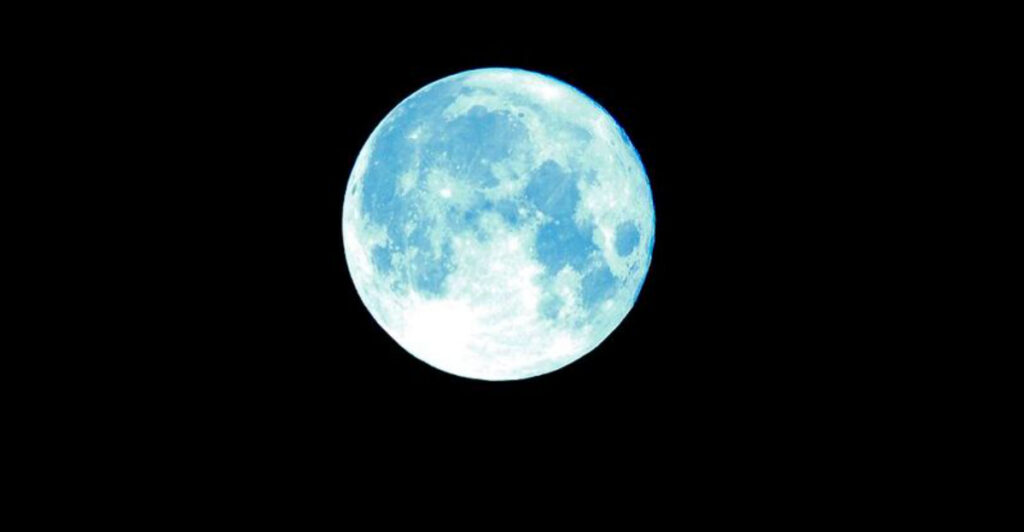
Ready for one last lunar show before the year wraps? December’s Cold Supermoon is set to glow extra bright and big, and you can catch it without any fancy gear. Mark your calendar for a crisp winter evening, because timing matters if you want the most breathtaking view. Keep reading to know exactly when to look up, why it appears larger, and how to capture unforgettable photos.
Circle Thursday, December 4, 2025 on your calendar, because that is when the Cold Supermoon shows up. You can step outside and see it with your own eyes, no special equipment required. The moment invites a pause from scrolling and a look upward.
If clouds behave, you will notice extra brightness that feels almost festive. I recommend checking a local weather forecast and moonrise time to plan. Bundle up, bring a warm drink, and find a dark, open spot. You will appreciate the view most when the moon hugs the horizon.
This Cold Moon is the year’s grand finale for supermoons. After October and November delivered their own big nights, December wraps the trilogy with a bright curtain call. It is your final chance in 2025 to compare a supermoon against your memory of an ordinary full moon.
If you missed the earlier pair, no worries. This one still gives you that larger, brighter look that feels special. Treat it like a milestone: a closing chapter in the year’s skywatching. Share the moment with friends or family and make a small tradition of stepping outside together.
A supermoon happens when two things line up: the full moon phase and the Moon being near perigee, its closest point to Earth. That proximity makes the Moon look slightly larger and brighter to your eyes. It is simple geometry meeting the monthly rhythm of lunar phases.
You do not need formulas to appreciate it, but it is nice knowing the reason. The Moon’s orbit is not a circle, it is more oval. When full phase coincides with the near side of that oval, the show is on. That is your supermoon.
Expect a visual boost: up to roughly 14 percent larger in apparent diameter and as much as 30 percent brighter than a full moon at apogee. That might sound subtle, yet your eyes pick up the difference, especially when the Moon rises. The glow feels crisper against winter air.
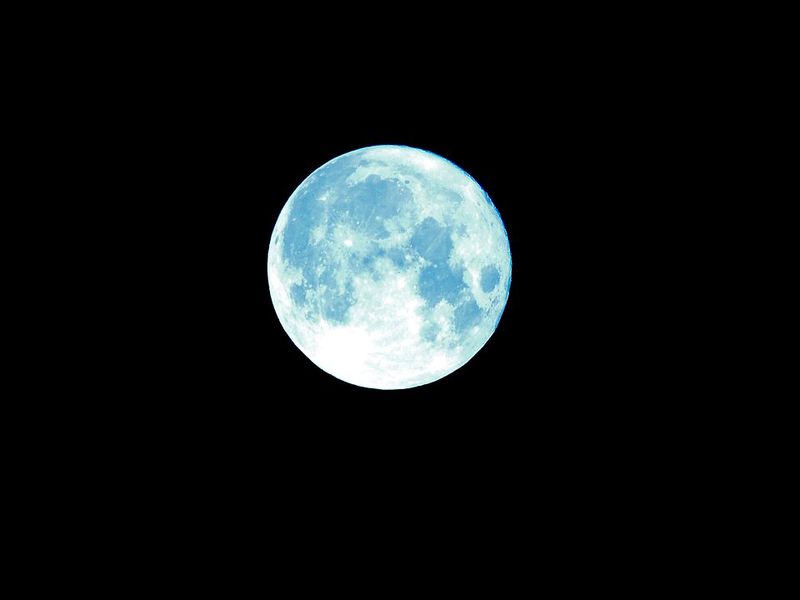
Do not stress if it seems modest once the Moon climbs high. The contrast is still real. Allow your eyes a few minutes to adjust away from streetlights. The experience is about mood, shadows, and the hush that bright moonlight brings.
Set a reminder for about 23:14 UTC on December 4. That is when the full phase peaks, translating to around 6:14 p.m. Eastern Time. You will still enjoy it before and after, but knowing the peak helps you time photos or a quick skywatch break.
Convert to your local time zone so you can step outside right on cue. A few minutes early is ideal for moonrise drama. If clouds threaten, watch radar and be ready to pivot to a clearer view nearby.
December’s full moon carries the name Cold Moon, nodding to the chill that settles across the Northern Hemisphere. The title feels right when you see breath fog in the air and hear snow crunch under boots. Names like this connect the sky to seasons you can feel.
Different cultures use different names, but the idea is the same. The Moon becomes a marker of time that reaches beyond calendars and apps. When you look up, you are joining a long tradition of skywatchers who noticed patterns and gave them meaning.
In many regions, the supermoon will rise close to sunset, making it easy to catch without staying up late. That timing creates vivid color and a gorgeous contrast between twilight and the Moon’s glow. It is perfect for quick photos with landmarks.
Check your local moonrise time to be precise. Arrive early, pick a clear horizon, and watch the Moon lift like a lantern. The first ten minutes are magical. Buildings, bridges, or trees can frame your shot and emphasize scale.
Because this full moon comes near the winter solstice, it climbs high for Northern Hemisphere observers. When the Sun sits low in winter, the full Moon mirrors that by riding high. You will notice it arcing well above rooftops, casting long, silver shadows.
The height helps visibility over trees and buildings, which is great if your horizon is cluttered. It also deepens the winter mood. Step into an open field or a rooftop if possible, and let the bright path across the snow guide your eyes skyward.
Here is the best part: you can enjoy this supermoon without any gear at all. Bring your eyes and a clear sky, and you are set. Binoculars add detail, but they are optional.
For a better experience, move away from harsh streetlights. Let your eyes adapt for a few minutes. Dress warmly and give yourself time to breathe in the scene. This is simple stargazing at its finest, accessible to anyone willing to step outside and look up.
The size increase is real, yet your brain is tricky. Near the horizon, the Moon looks huge thanks to the moon illusion, which enhances the supermoon effect. Later, high overhead, the difference feels less dramatic.
Do your comparison at moonrise or moonset to appreciate the effect. Snap photos against known objects like towers or hills to visualize scale. Remember, expectations can shape perception. Keep it playful, and let curiosity guide you rather than chasing a perfect number.
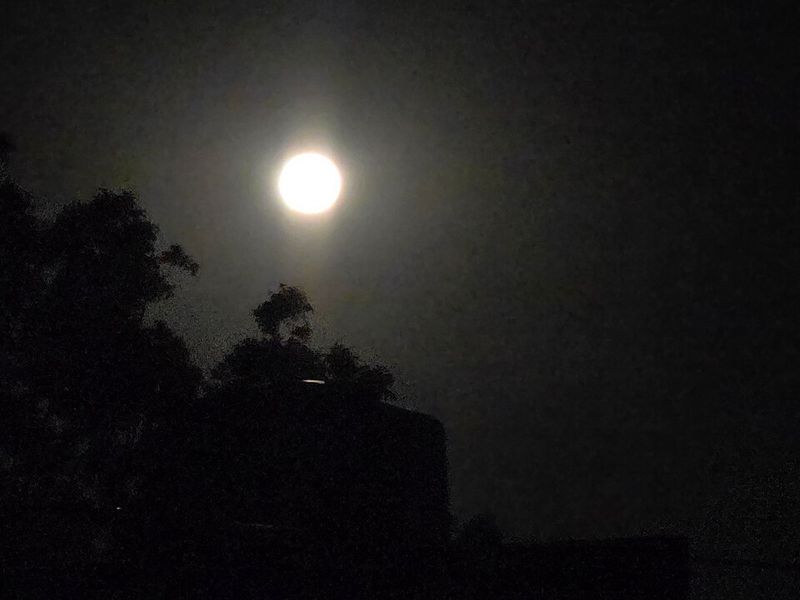
This December event completes a three part run: October, November, and December all produced supermoons. That sequence is uncommon enough to feel special. You can look back through photos to see how the Moon’s position and weather changed month to month.
If you tracked them, nice work. If not, you can still mark December as the capstone of the trio. Consider starting a simple sky journal now. A few notes about time, location, and feelings make the night more memorable.
Because the Moon is closer, tides can run a bit higher than average, sometimes called king tides. In most places, this means minor coastal changes, not dramatic flooding. Still, coastal communities may watch forecasts and take routine precautions.
If you live by the shore, check local advisories. The main attraction remains in the sky, not in extreme tidal events. Enjoy the glow, and stay mindful if you plan beach photography near the waterline. Safety first, then creativity.
Use the bright winter air to your advantage. Plan a foreground, like a skyline or statue, and time moonrise to align with it. A tripod helps, but even a smartphone can do wonders at dusk.
Try a slightly lower ISO and steady your shot. Tap to focus on the Moon, then lower exposure to avoid a blown out disk. Burst mode helps catch that perfect moment when the Moon kisses a building or ridge. Share the scene, and inspire a friend to look up.
Depending on location and timing, the December Moon can rise near eye catching constellations like Taurus. Look for Aldebaran’s warm sparkle and the Pleiades as a tight cluster nearby. These companions enrich photos and binocular views.
Use a stargazing app to line up the scene ahead of time. Even with moonlight washing out faint stars, brighter markers still show. Frame a wide angle shot to capture the Moon and star patterns together. It is a layered sky story, all in one glance.
There is no mystery here, just beautiful mechanics. The Moon follows an elliptical path, and full moons cycle with steady predictability. When perigee and full phase line up, you get a supermoon. That is it.
Knowing the why makes the view richer, not less magical. Understanding does not dull wonder. It gives you tools to anticipate the show and share it with others. Next time someone asks, you can explain it simply and invite them outside to see for themselves.
Share this story