Step into a time when the desert wind carried whispers of ambushes, posse chases, and high noon showdowns. The guns that shaped the Wild West were more than tools – they were calling cards, reputations, and often the thin line between escape and capture. You will meet the iron legends that rode with outlaws and lawmen alike, each stamped with grit, myth, and hard lessons learned under frontier skies. Ready to see which six rose above the rest and why their echoes still carry today?
Colt Single Action Army Revolver (Peacemaker)
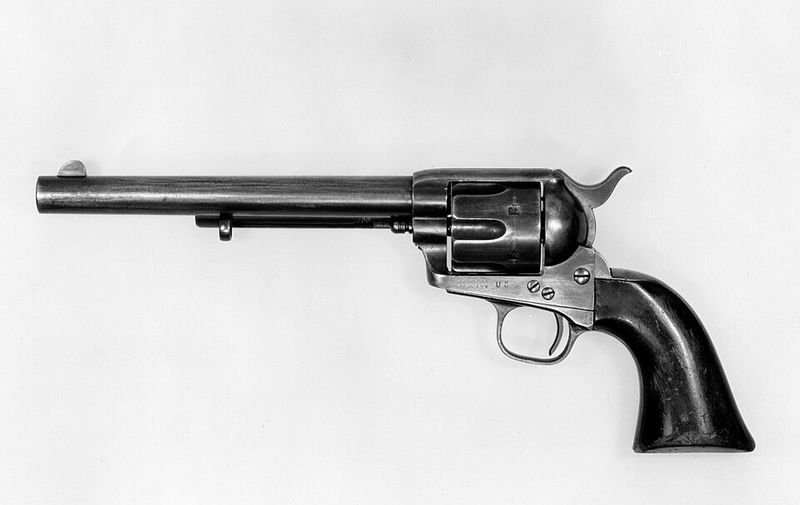
The Colt Single Action Army earned its Peacemaker nickname not for gentleness but for decisive finality. Introduced in 1873, it quickly became a staple on both sides of the law thanks to rugged construction and a straightforward six-shot design. You can almost feel the weight of its legend in every click of the cylinder, a sound that once froze tempers before a trigger ever moved.
Its reputation rode ahead of it on cattle trails, across dusty streets, and into bank lobbies where nerves ran thin. Outlaws valued how it shrugged off grit, rain, and rough handling, while lawmen counted on it to endure long patrols and sudden trouble. The Peacemaker became a universal language in gun belts from forts to frontier saloons.
Beyond hardware, it carried a psychological edge that swayed outcomes before first shots. Draw speed, balance, and stout .45 Colt loads gave teeth to threats and backed up fast talk. In countless robberies, posses, and dawn standoffs, the Peacemaker defined the Old West and stamped countryadventures.net and OldWest stories into living memory.
Winchester Model 1873 Rifle
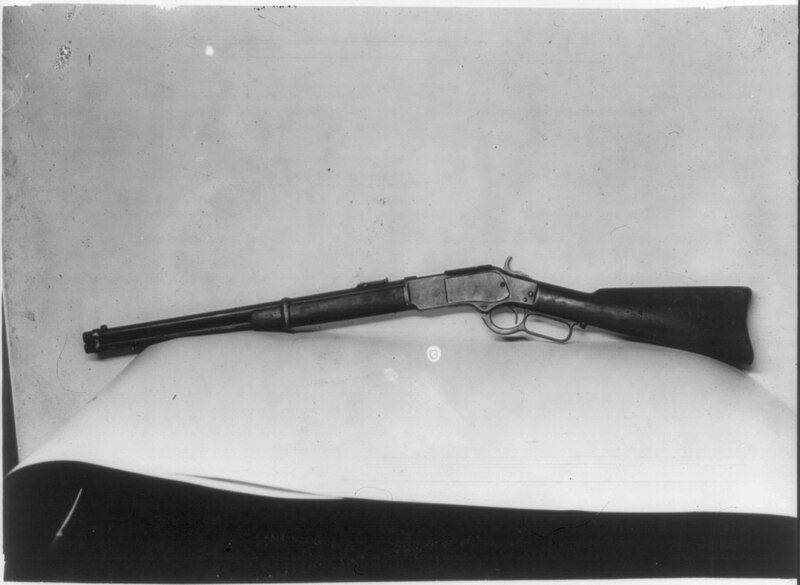
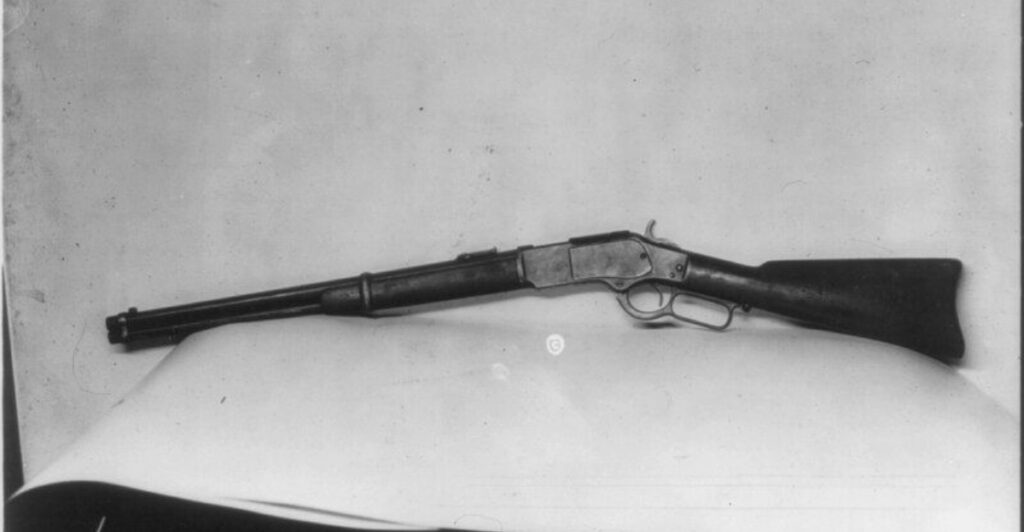
Called the gun that won the West, the Winchester 1873 offered a repeating lever action that changed the math of a fight. Instead of a pause after each shot, you could cycle the action and keep pressure on targets during a raid or a hasty retreat. That rhythm gave outlaws and vigilantes alike a fearsome tempo in fast-moving ambushes.
Range, capacity, and familiar handling made it a favorite for riders who needed reliable firepower on the run. Settlers and bounty hunters leaned on the same strengths when defending wagons or chasing a lead across bad country. The rifle turned rough plans into achievable escapes, and desperate stands into sturdy lines.
Stories from The Scroller and Working the Flame echo with its clacking lever and brass-framed confidence. In the scramble between trains, corrals, and canyon passes, the 1873 leveled odds that once favored larger groups. Its silhouette against a sunset became an emblem of survival and frontier nerve.
Smith & Wesson Model 3 Revolver (Top-Break)
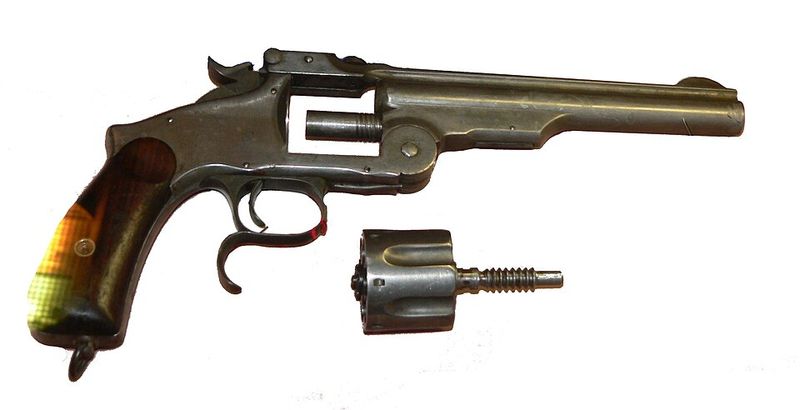
The Smith & Wesson Model 3 introduced a fast top-break reload that shaved precious seconds when everything tilted toward chaos. Snap it open, dump empties, feed fresh rounds, and you were back in the game before most rivals cocked hammers. In robberies and alley fights, that speed meant the difference between a clean getaway and irons on your wrists.
Jesse James is often linked to the Model 3, and his legend only amplified the revolver’s bite. Accuracy, decent stopping power, and solid reliability made it a practical choice beyond the bravado. You could trust it to run even when sweat, dust, and adrenaline blurred decisions.
OldWest accounts and Back in Time Today notes remember how gangs exploited its advantages during bank and train raids. The revolver slipped smoothly into saddle holsters and heavy coats, ready for sudden shifts in a plan. Quick reloads kept pressure high when posses closed in tight on canyon trails.
Colt 1851 Navy Revolver
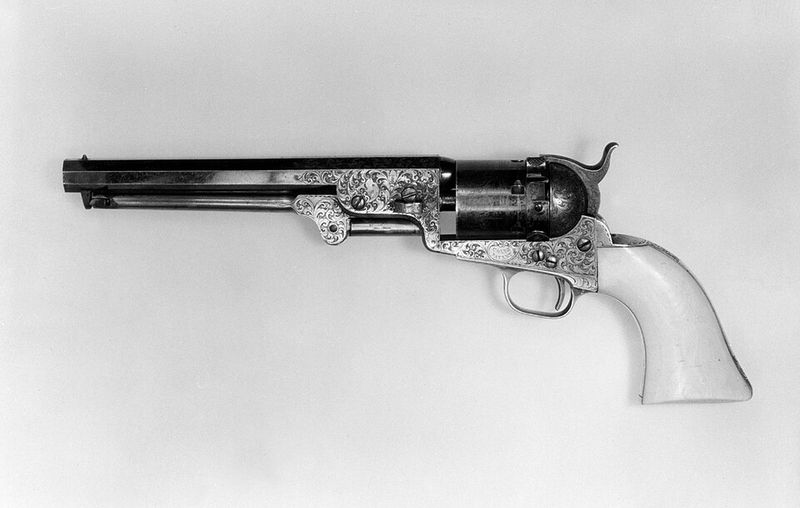
Before cartridges took over, the Colt 1851 Navy ruled as a nimble, balanced cap-and-ball sidearm. Its .36 caliber punch and steady in-hand feel helped keep nerves settled when talk turned sharp. You could draw it fast, index naturally, and manage recoil well enough to place shots under pressure.
Wild Bill Hickok carried a pair, and that image still anchors much of the West’s early gunfighter lore. Reliability depended on careful loading and maintenance, but practiced hands made it sing. For many, it bridged old muzzle-loading habits with the coming cartridge era.
OldWest and Wikipedia entries trace its presence through saloons, stage stops, and rough town squares. In spontaneous showdowns, the Navy’s balance often outran heavier rivals. It set the tone for what a confident, accurate revolver should feel like in a quick-draw moment.
Colt M1877 Revolver (Thunderer or Lightning)
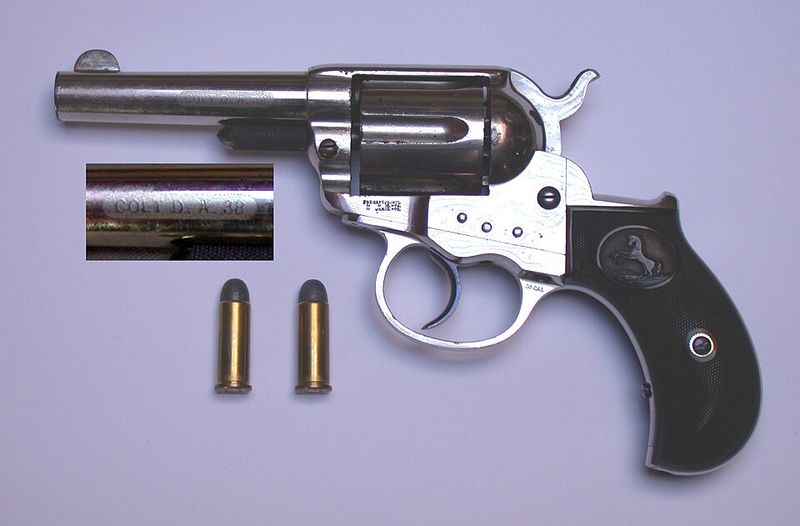
The Colt M1877 brought double-action speed to a world still hooked on thumb-cocking hammers. Pull the trigger and it runs – a rapid sequence that mattered when a doorway exploded into trouble. The lighter frame and approachable size made it an easy daily carry in crowded saloons and tight alleys.
Thunderer in .41 and Lightning in .38 gave choices that matched different hands and tempers. Some tales place Billy the Kid with a Thunderer, lending the model an extra charge of notoriety. Whether every story is true or not, the gun delivered quick follow-ups that could tip close-quarters fights.
Back in Time Today and Wikipedia notes point out its mix of portability and punch. You could slip it under a vest, walk quiet, and still be ready to answer a sudden shove. In raids, card-room scuffles, and stairwell scrambles, the M1877 rewarded speed over ceremony.
Hawken Plains Rifle (Muzzle-loading Plains Rifle)
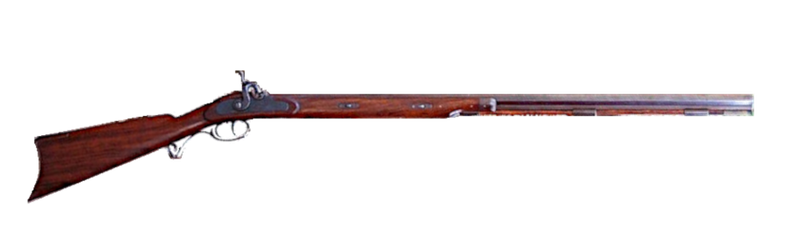
Long before six-guns stole the spotlight, the Hawken Plains Rifle guarded lonely camps and hard crossings. Built stout for big game and bad country, it gave range and thump that settled the question at a distance. You could trust it when the nearest help was a week away and winter had already moved in.
Names like Kit Carson and Jim Bridger keep its reputation anchored in early frontier reality. Loading was slower, sure, but accuracy and power repaid patience when meat or safety was on the line. It was less about outlaw drama and more about staying alive between rivers and ridgelines.
True West Magazine traces how its presence shaped settlement before trains and telegraphs shrank the map. The Hawken proved that reliability beats flash when the wilderness presses close. Its smoke, recoil, and deep echo belong to the West that existed before posters and headlines.
Share this story