Everyone makes mistakes, but some blunders are so massive they become legendary. From billion-dollar business decisions to engineering disasters that changed history, these epic fails remind us that even the smartest people and biggest companies can get things spectacularly wrong. Some of these mistakes cost lives, others cost fortunes, and a few just left everyone scratching their heads in disbelief. Get ready to explore thirty of the most jaw-dropping, head-shaking moments that made the entire world stop and facepalm.
1. The Mars Climate Orbiter Lost Because of Unit Conversion
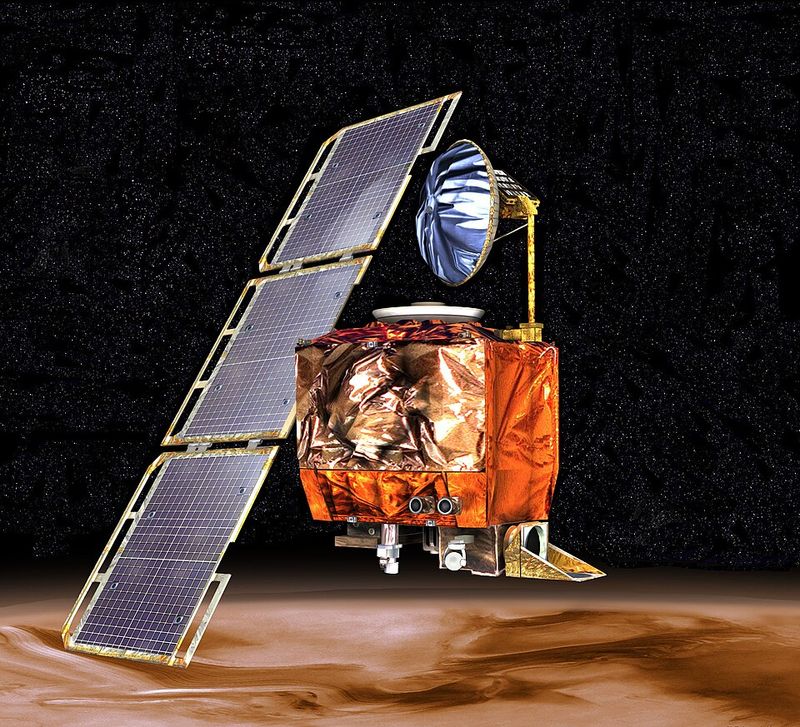
NASA’s engineers worked in metric units while their contractor used imperial measurements. Nobody caught this critical mismatch until it was far too late to fix. The $327 million spacecraft approached Mars in 1999 at completely the wrong angle.
Instead of entering orbit, the probe burned up in the Martian atmosphere like a shooting star. One team calculated thruster force in newtons while another used pounds of force. This simple conversion error destroyed years of work and hundreds of millions of dollars.
The investigation revealed that multiple checkpoints failed to catch this basic mistake. Engineers now use this disaster as a textbook example of why communication and standardization matter. Sometimes the smallest details create the biggest catastrophes in space exploration history.
2. Blockbuster Passing on Buying Netflix
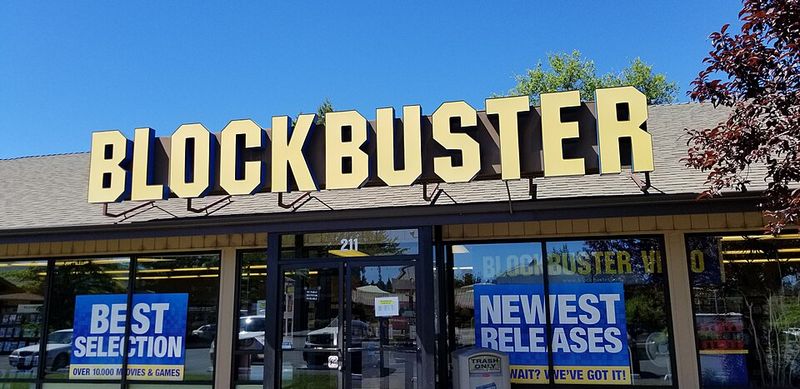
Netflix founders walked into Blockbuster headquarters in 2000 with an offer. They wanted to sell their struggling DVD-by-mail company for just $50 million. Blockbuster executives laughed them out of the room, thinking their brick-and-mortar empire was untouchable.
Fast forward a decade, and Blockbuster filed for bankruptcy while Netflix revolutionized entertainment. The streaming giant is now worth over $150 billion and changed how the world watches movies and shows. Blockbuster’s CEO later admitted this rejection was his biggest regret.
Only one Blockbuster store remains today, operating as a nostalgic novelty in Oregon. Meanwhile, Netflix streams to hundreds of millions of subscribers worldwide. This decision stands as perhaps the most expensive pass in business history.
3. Kodak Invented the Digital Camera Then Ignored It
A Kodak engineer named Steve Sasson built the world’s first digital camera back in 1975. The prototype weighed eight pounds and captured grainy black-and-white images on cassette tape. Management took one look and shelved the entire project immediately.
Kodak leadership feared digital photography would destroy their profitable film business. They chose to protect yesterday’s technology instead of embracing tomorrow’s innovation. Competitors eventually caught up and left Kodak scrambling to survive in a digital world.
The company that once dominated photography filed for bankruptcy in 2012. Their fear of change turned a revolutionary advantage into a cautionary tale. Kodak literally invented the future of photography, then watched others profit from it while they clung desperately to the past.
4. The Hindenburg Used Hydrogen Instead of Helium
German engineers knew helium was the safer gas for filling airships. However, the United States controlled most of the world’s helium supply and refused to sell it to Germany. Designers chose highly flammable hydrogen as their only alternative for the massive zeppelin.
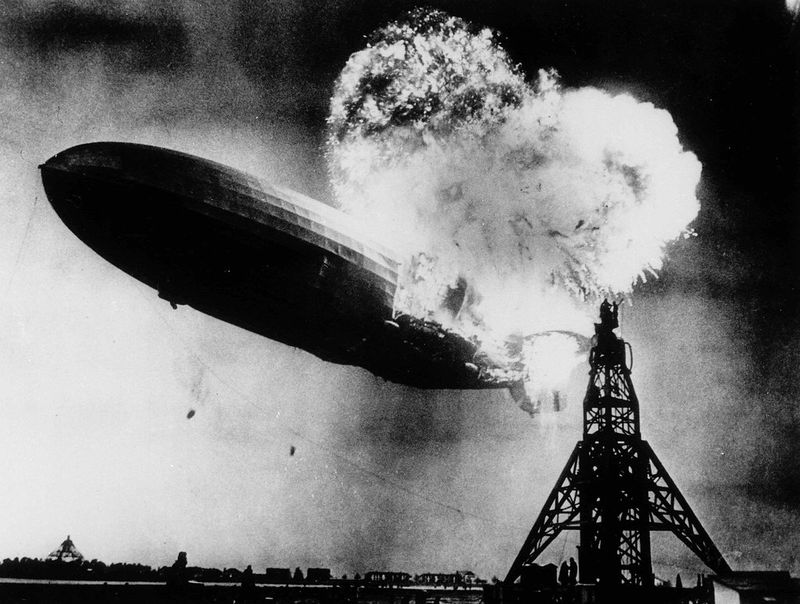
On May 6, 1937, the Hindenburg burst into flames while landing in New Jersey. Thirty-six people died as the airship became a fireball in just 34 seconds. Newsreel cameras captured every horrifying moment for the world to witness.
The disaster ended the era of passenger airships almost overnight. While the exact cause remains debated, hydrogen’s extreme flammability turned a potential accident into an inferno. This tragedy shows how political decisions and compromises can have deadly consequences for innocent travelers.
5. The New Coke Debacle
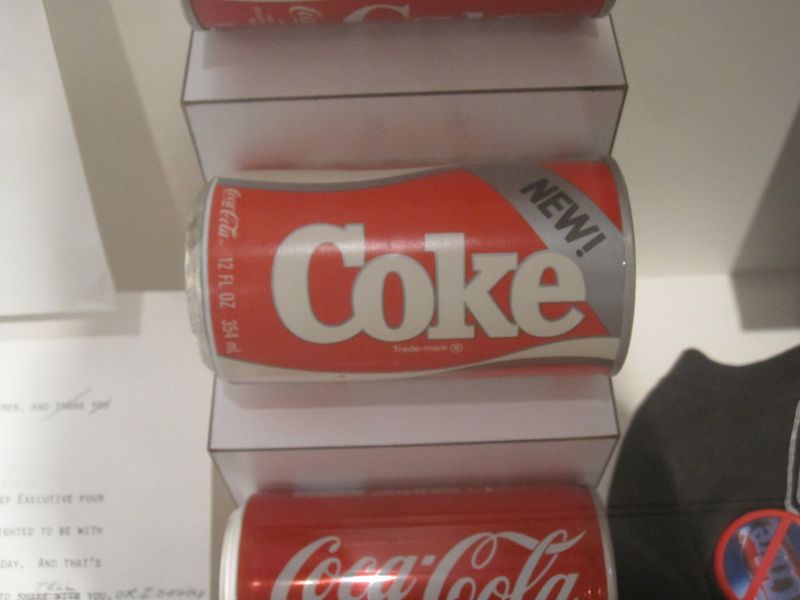
Coca-Cola decided to change their secret formula after 99 years of success. Marketing research suggested people preferred a sweeter taste similar to Pepsi. Company executives launched New Coke in April 1985 with massive fanfare and confidence.
American consumers revolted immediately with shocking intensity. Protest hotlines received over 400,000 angry calls as people hoarded old Coke supplies. Some compared the formula change to trampling the American flag or rewriting the Constitution.
Just 79 days later, Coca-Cola brought back the original formula as Coke Classic. The company learned that some things are bigger than taste tests and focus groups. Messing with beloved traditions can backfire spectacularly, even when research suggests change might work. Brand loyalty runs deeper than flavor preferences.
6. Microsoft Let Apple Buy Itself Out of Trouble
Apple teetered on the edge of bankruptcy in 1997 with dwindling cash reserves. Steve Jobs had just returned to save the company he founded but needed immediate help. Microsoft stepped in with a $150 million investment that kept Apple alive during its darkest hour.
Bill Gates appeared via satellite at Macworld, announcing the deal to a shocked audience. Many Apple fans booed, seeing Microsoft as the enemy making a pity investment. Microsoft needed Apple to survive partly to avoid monopoly accusations from regulators.
Two decades later, Apple became the world’s most valuable company while Microsoft struggled in mobile. The investment that seemed like charity became Microsoft’s biggest strategic miscalculation. They saved their future rival and watched Apple dominate smartphones, tablets, and digital music.
7. The Suez Canal Blocked by the Ever Given
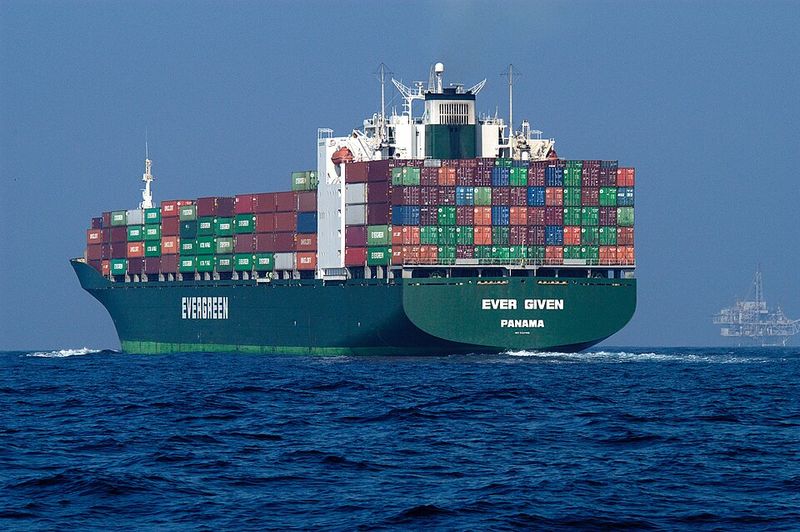
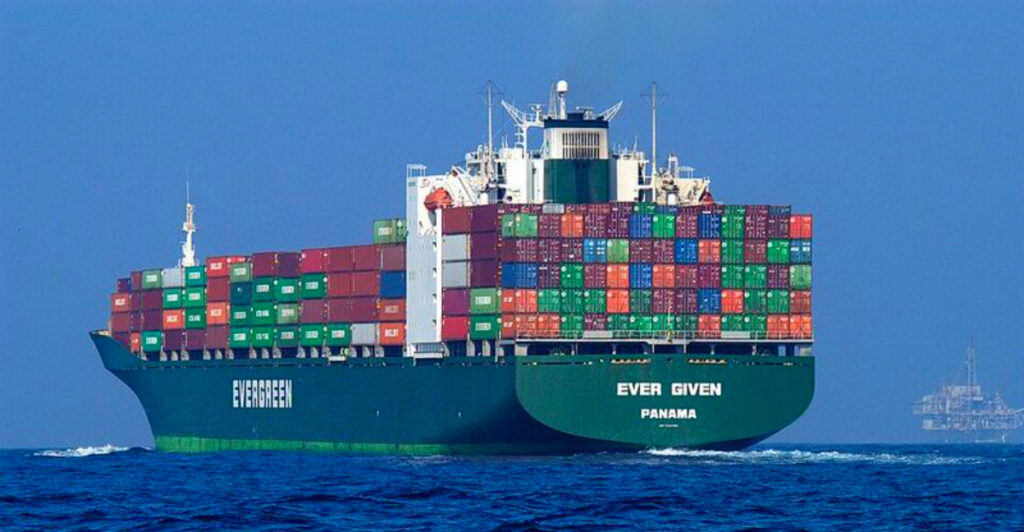
Strong winds hit the massive container ship Ever Given as it traveled through Egypt’s Suez Canal in March 2021. The vessel turned sideways and wedged itself firmly between both banks. One stuck ship immediately halted 12 percent of all global trade.
Hundreds of ships waited on both sides as crews worked frantically to free the 1,300-foot-long vessel. The blockage cost an estimated $9 billion per day in delayed goods and shipping fees. Dredgers removed 30,000 cubic meters of sand while tugboats pulled with all their might.
After six days, the ship finally floated free, and traffic resumed. The incident exposed how fragile global supply chains really are when chokepoints fail. One accident in one canal can ripple through the entire world economy within hours.
8. Yahoo Turned Down Buying Google Twice
Google’s founders approached Yahoo in 1998 asking just $1 million for their search algorithm. Yahoo executives passed, believing their directory approach was superior to automated search. Three years later, they had another chance to buy Google for $3 billion and declined again.
Yahoo thought search was a commodity feature rather than a revolutionary business model. They focused on becoming a media portal instead of perfecting search technology. Google meanwhile refined their algorithm and built an advertising empire worth trillions today.
Yahoo’s value steadily declined until Verizon bought the remnants for $4.5 billion in 2017. Missing Google twice represents one of the biggest blunders in internet history. Sometimes recognizing potential matters more than current success, and Yahoo failed that test spectacularly.
9. The Challenger Disaster O-Ring Warning Ignored
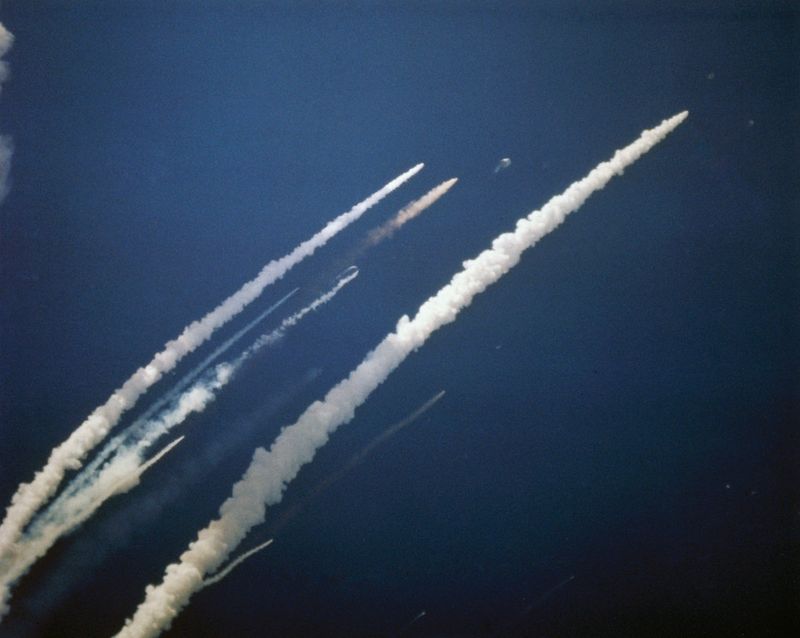
Engineers at Morton Thiokol warned NASA that cold temperatures could compromise rubber O-rings in the rocket boosters. The forecast for January 28, 1986, predicted near-freezing conditions at Cape Canaveral. Management overruled their concerns and approved the launch anyway, citing schedule pressures and political considerations.
Seventy-three seconds after liftoff, Challenger exploded in front of millions watching live on television. All seven crew members died, including teacher Christa McAuliffe, who was supposed to teach lessons from space. Investigation confirmed that cold-stiffened O-rings failed exactly as engineers predicted.
The disaster grounded the shuttle program for nearly three years. NASA reformed its safety culture and decision-making processes after the tragedy. Ignoring expert warnings to meet deadlines cost seven lives and damaged America’s space program for years.
10. The Boston Molasses Flood
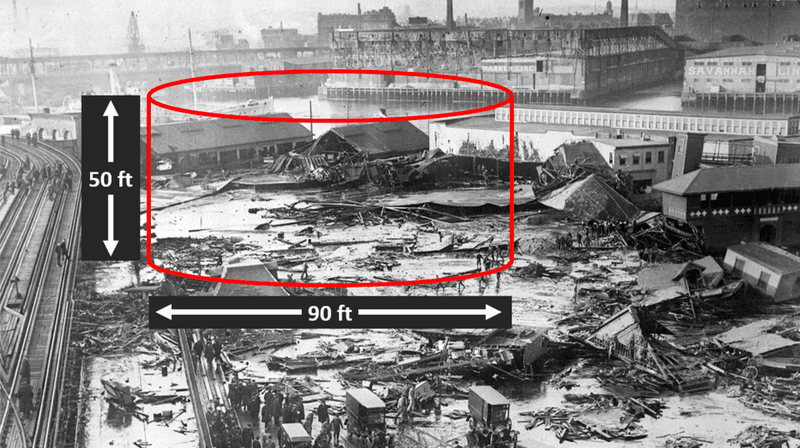
A massive storage tank holding 2.3 million gallons of molasses exploded in Boston’s North End on January 15, 1919. The sticky wave rushed through streets at 35 miles per hour, reaching heights of 25 feet. Buildings collapsed and people drowned in the thick, suffocating syrup.
Twenty-one people died and 150 were injured in one of history’s strangest disasters. The company had built the tank poorly and never tested it properly with water first. Witnesses reported the tank leaked so badly that neighborhood children collected molasses in buckets.
Cleanup took weeks as molasses covered everything in a sticky brown film. The harbor stayed brown for months afterward. This bizarre tragedy led to stricter construction regulations and proved that even seemingly harmless substances can become deadly when improperly contained.
11. Facebook Let Cambridge Analytica Harvest Data
Cambridge Analytica harvested personal data from 87 million Facebook users without their knowledge or consent. A researcher created a personality quiz app that collected information from users and all their friends. Facebook knew about the breach in 2015 but didn’t inform users or take strong action.
The scandal exploded publicly in 2018 when whistleblowers revealed how the data influenced political campaigns. Facebook’s stock plummeted, losing billions in value as trust evaporated. Mark Zuckerberg testified before Congress while users worldwide questioned what companies knew about them.
New privacy regulations emerged globally, forcing tech companies to change their practices. The incident shattered the illusion that social media data was safe and private. Facebook paid a $5 billion fine, but the damage to user trust proved much harder to repair than any financial penalty.
12. The Leaning Tower of Pisa’s Foundation Mistake
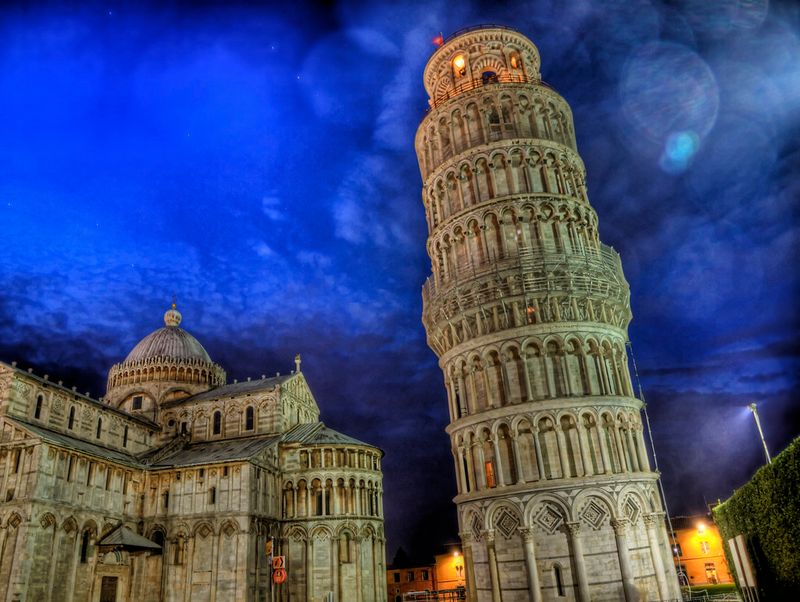
Construction began on Pisa’s bell tower in 1173 with a foundation only three meters deep. Architects underestimated the soft clay, sand, and shells beneath the structure. The tower started leaning before workers even completed the second floor, but they kept building anyway.
Over centuries, the tilt increased as the 14,500-ton marble structure slowly sank unevenly. Engineers tried various corrections, but each attempt sometimes made things worse. By 1990, the lean reached 5.5 degrees, and officials closed the tower fearing imminent collapse.
Modern stabilization reduced the tilt slightly and should keep it standing for another 200 years. The architectural mistake became Italy’s most famous landmark, proving that sometimes failures attract more attention than successes. Millions visit annually to photograph themselves pretending to hold up this beautiful blunder.
13. NASA Taped Over the Original Apollo 11 Moonwalk Tapes
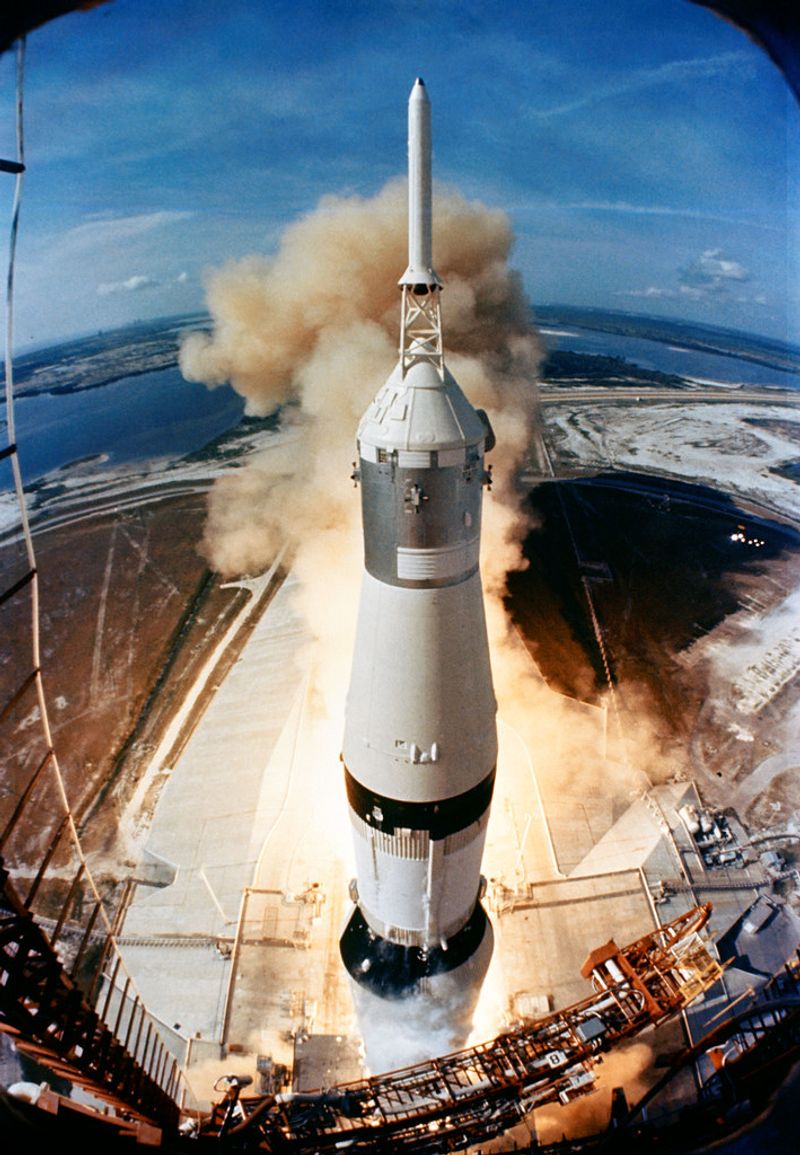
NASA recorded the Apollo 11 moonwalk in the highest quality available in 1969. These original tapes captured Neil Armstrong’s historic first steps in stunning detail. However, the space agency stored them poorly and eventually lost track of their location in vast archives.
During the early 1980s, NASA faced a tape shortage and began reusing old magnetic tapes. Someone grabbed the Apollo 11 originals and recorded over them with routine satellite data. Nobody realized the irreplaceable historical footage was being erased until much later.
The world only has lower-quality copies recorded from television monitors during the broadcast. NASA launched an investigation but confirmed the originals were gone forever. This careless mistake destroyed the clearest visual record of humanity’s greatest achievement in space exploration history.
14. The Titanic Ignored Ice Warnings
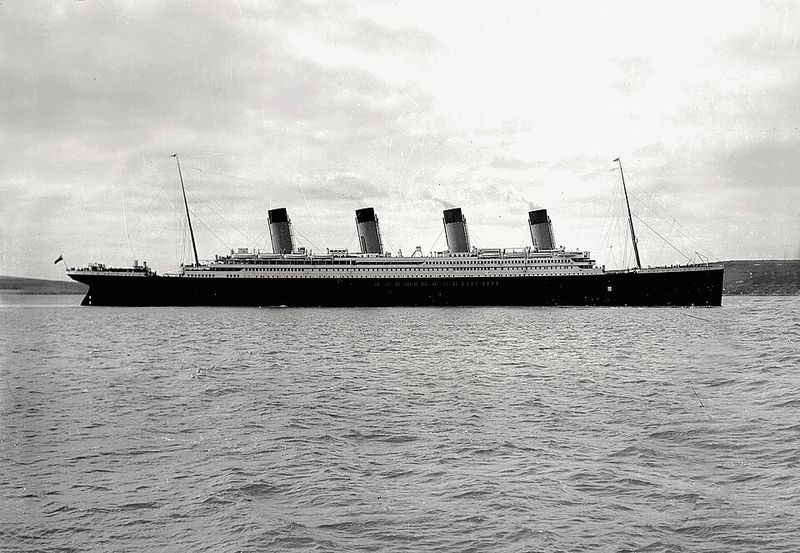
Multiple ships radioed ice warnings to the Titanic on April 14, 1912, reporting dangerous icebergs in the area. Captain Edward Smith received at least six separate warnings throughout the day. Despite these alerts, the ship maintained near-maximum speed through the dark, frigid waters.
Lookouts spotted the fatal iceberg just 37 seconds before impact, far too late to turn. The collision tore open the hull, and the unsinkable ship sank in less than three hours. Over 1,500 people died in the freezing Atlantic Ocean that night.
Overconfidence in the ship’s design and pressure to arrive on schedule contributed to the tragedy. The disaster led to major changes in maritime safety, including 24-hour radio watches and sufficient lifeboats. Ignoring clear warnings cost more lives than the iceberg itself.
15. London’s Millennium Bridge Opened Then Immediately Wobbled
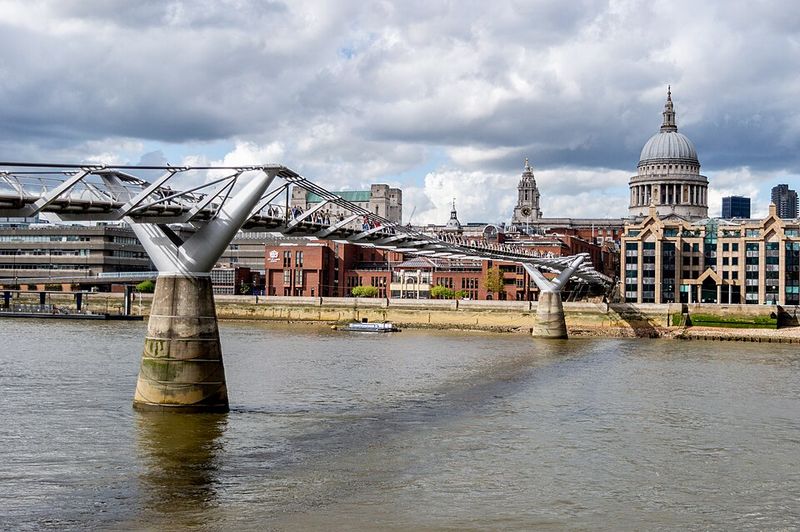
London celebrated the opening of its stunning Millennium Bridge across the Thames on June 10, 2000. Thousands of pedestrians crowded onto the sleek, modern structure for the inaugural walk. Within minutes, the bridge began swaying alarmingly from side to side like a carnival ride.
Engineers had underestimated how pedestrian footsteps would synchronize and create sideways forces. As people adjusted their walking to compensate for movement, they actually made the swaying worse. Officials closed the bridge after just three days, embarrassed by the spectacular failure.
Fixing the wobble required installing 37 dampers at a cost of £5 million and took nearly two years. The bridge reopened in 2002 and has been stable ever since. Londoners nicknamed it the Wobbly Bridge, a name that stuck despite the expensive corrections.
16. The Chernobyl Safety Test Gone Wrong
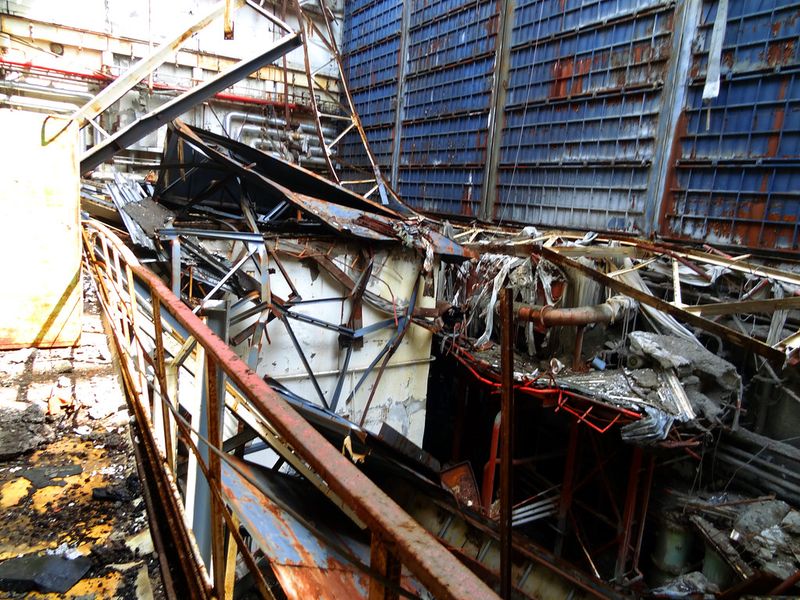
Operators at Chernobyl Nuclear Power Plant planned a safety test on April 26, 1986, to see if turbines could power cooling systems during shutdown. They disabled multiple safety systems to conduct the experiment under specific conditions. The reactor had design flaws that made it unstable at low power levels.
When operators tried to stabilize the reactor, a power surge triggered a catastrophic explosion. The blast released radioactive material across Europe and killed dozens immediately. Hundreds of thousands of people evacuated as radiation spread across Ukraine, Belarus, and beyond.
A concrete sarcophagus now entombs the destroyed reactor, and the surrounding area remains largely abandoned. The disaster changed nuclear safety standards worldwide and contributed to the Soviet Union’s collapse. Ignoring safety protocols and design limitations created the worst nuclear accident in history.
17. Volkswagen’s Dieselgate
Volkswagen installed special software in 11 million diesel vehicles worldwide to cheat emissions tests. The defeat device detected when cars were being tested and temporarily reduced pollution output. On actual roads, these vehicles spewed up to 40 times the legal limit of harmful nitrogen oxides.
Environmental regulators discovered the fraud in 2015, triggering investigations across multiple continents. VW’s CEO resigned, and the company’s reputation collapsed overnight. The scandal cost over $30 billion in fines, recalls, and legal settlements.
Engineers knew about the cheating for years, but corporate pressure to compete with cleaner technology pushed them to deceive regulators. Criminal charges were filed against executives, and some faced prison time. The scandal proved that even trusted brands will sometimes choose profits over honesty, health, and environmental responsibility.
18. JP Morgan’s London Whale Loss
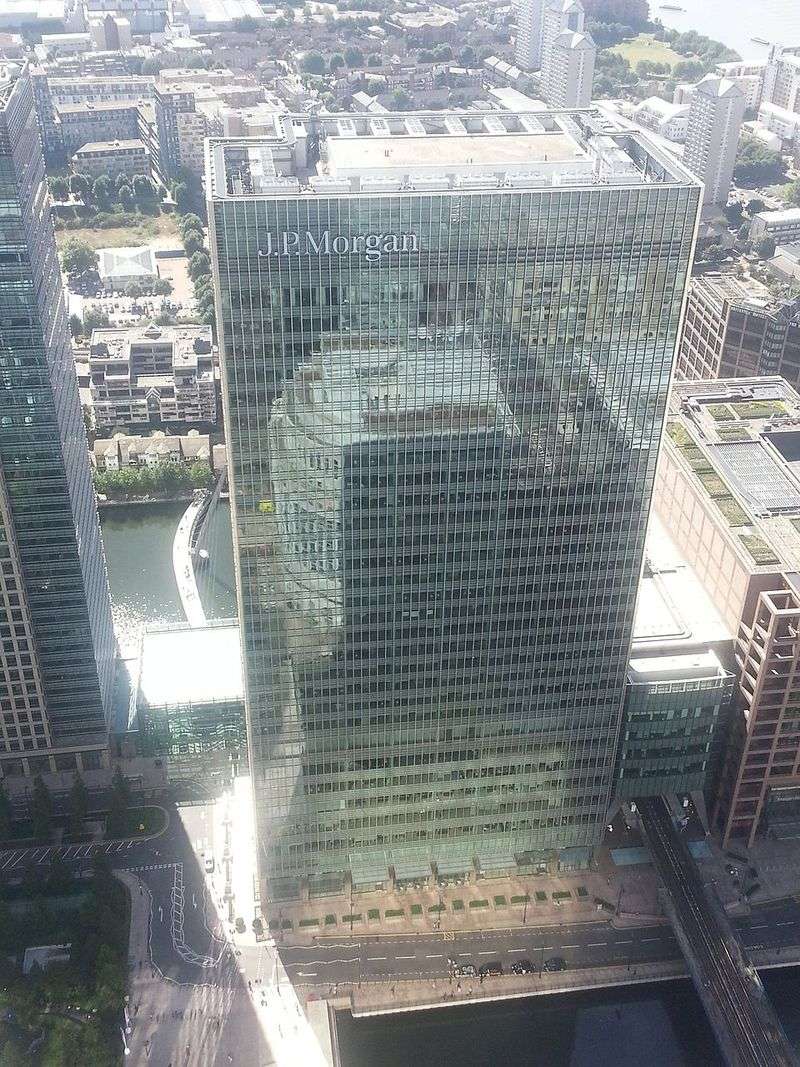
A JP Morgan trader nicknamed the London Whale made increasingly risky bets on credit derivatives in 2012. Bruno Iksil’s positions grew so large they moved entire markets and attracted regulatory attention. The bank’s risk management systems failed to recognize the danger until losses spiraled out of control.
When JP Morgan finally tried to exit these positions, the losses reached $6.2 billion. The bank’s reputation for risk management evaporated as details emerged about ignored warnings. CEO Jamie Dimon initially dismissed concerns as a tempest in a teapot before admitting the massive mistake.
Regulators fined the bank hundreds of millions for inadequate oversight and false regulatory reports. Several executives lost their jobs, and two traders faced criminal charges. The incident proved that even the smartest banks can lose billions through overconfidence and poor supervision.
19. Samsung Galaxy Note 7 Battery Fiasco
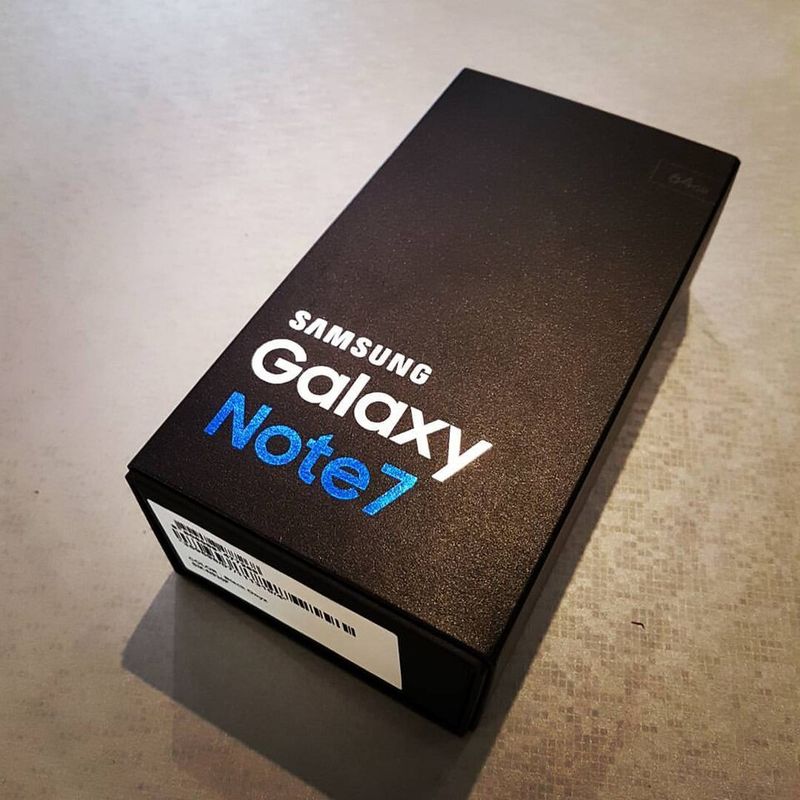
Samsung launched the Galaxy Note 7 in August 2016 with great fanfare and positive reviews. Within weeks, reports emerged of phones catching fire and exploding during charging. The company initially blamed a battery supplier and issued a recall, replacing devices with supposedly safe versions.
Replacement phones also started exploding, creating a public safety crisis. Airlines banned the devices, and Samsung stopped production entirely after just two months. The company recalled all 2.5 million phones sold worldwide in an unprecedented move.
The disaster cost Samsung over $5 billion and severely damaged their brand reputation. Investigation revealed design flaws that left no room for error in battery manufacturing. The Note 7 became a punchline and a cautionary tale about rushing products to market without thorough safety testing and quality control.
20. The Edsel: Ford’s Infamous Failure
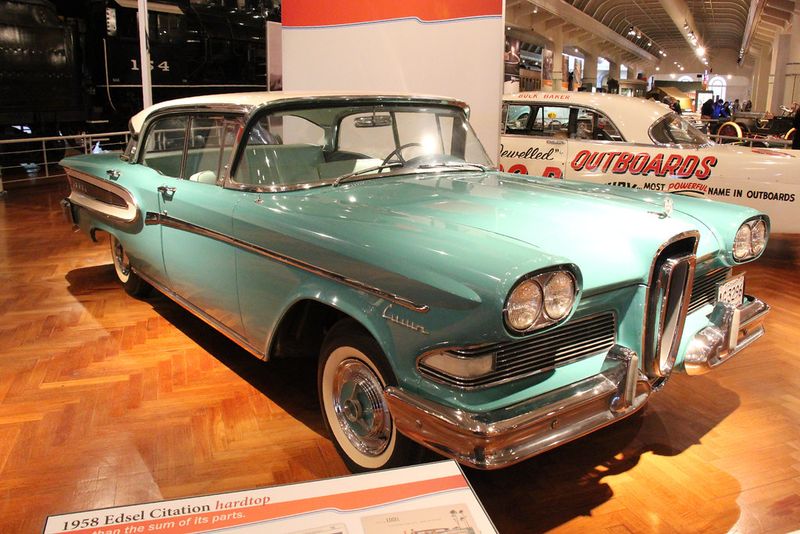
Ford invested $400 million developing the Edsel as a revolutionary mid-priced car for 1958. The company conducted extensive market research and created a separate division for the new brand. Marketing promised a car that would change the industry and appeal to upwardly mobile Americans.
When the Edsel finally appeared, consumers mocked its unusual vertical grille design. The name itself became a joke after Ford chose it from thousands of suggestions. Economic recession hit just as the car launched, and quality problems plagued early models.
Ford sold only 110,000 Edsels over three years before killing the brand in 1960. The failure became synonymous with marketing disasters and corporate hubris. Despite massive research and investment, Ford completely misjudged what customers actually wanted in a car during changing economic times.
21. McDonald’s Creates the Arch Deluxe
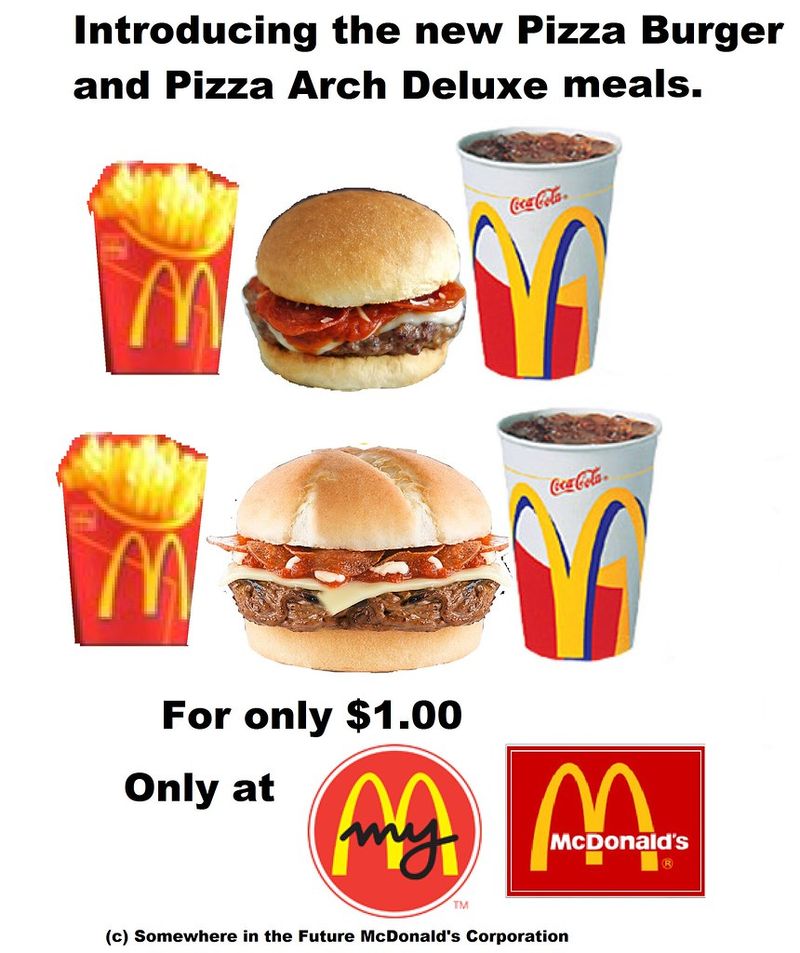
McDonald’s spent over $300 million developing and marketing the Arch Deluxe burger in 1996. The company wanted to attract adult customers with a sophisticated, premium burger. Advertising specifically showed children disliking the burger to emphasize its grown-up appeal.
The strategy backfired spectacularly as customers rejected both the burger and the message. Adults still wanted familiar McDonald’s food, not fancy burgers with mustard-mayo sauce. The complicated preparation slowed down the fast-food chain’s efficiency and frustrated workers.
McDonald’s quietly removed the Arch Deluxe from menus after just five years of disappointing sales. The campaign became a textbook example of misunderstanding your core customers and brand identity. Sometimes companies should stick with what made them successful rather than chasing markets that don’t want what they offer.
22. The Segway Was Supposed to Change Cities: It Didn’t
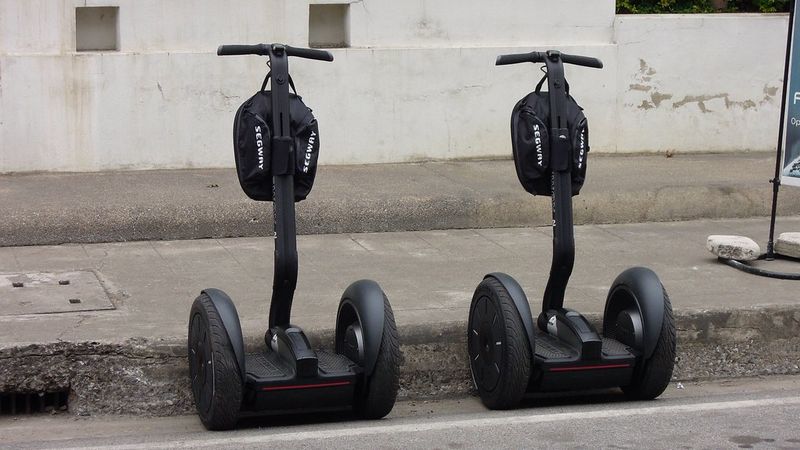
Dean Kamen unveiled the Segway in 2001 with predictions that it would revolutionize transportation. Investors believed cities would redesign around these self-balancing scooters. Steve Jobs predicted the device would be bigger than the personal computer and change urban planning forever.
Reality proved far less impressive as consumers found Segways expensive, awkward, and unnecessary. At $5,000 each, most people preferred walking, biking, or driving. Cities banned them from sidewalks while roads proved too dangerous for the slow-moving vehicles.
Segways became associated with mall security guards and tourist groups rather than transportation revolution. The company changed hands multiple times and never achieved mainstream success. The gap between revolutionary hype and practical reality made the Segway a symbol of overblown tech predictions that fail to understand human behavior.
23. The AOL Time Warner Merger
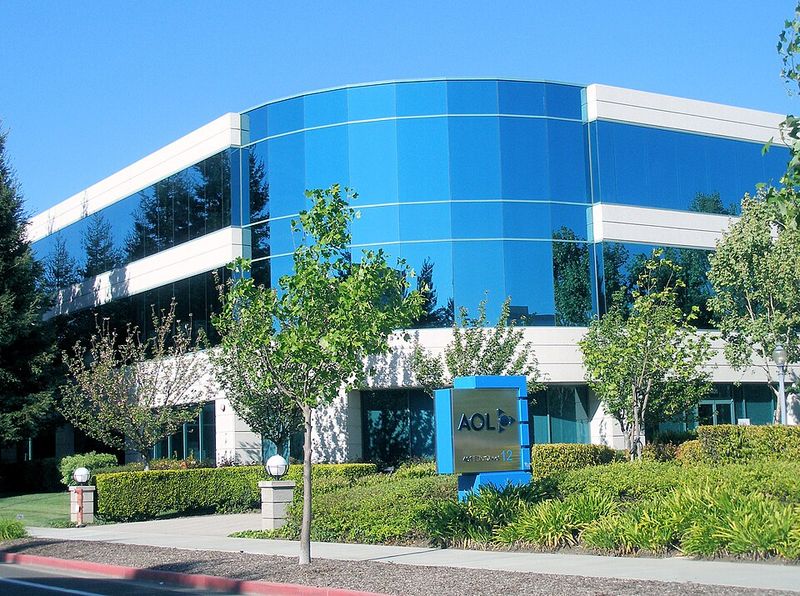
AOL acquired Time Warner for $165 billion in January 2000, creating the largest media company in history. The merger promised to combine old media content with new internet distribution. Executives predicted revolutionary synergies between dial-up internet, cable TV, magazines, and film studios.
The dot-com bubble burst shortly after the deal closed, devastating AOL’s value. Cultural clashes between tech-focused AOL and traditional Time Warner employees paralyzed decision-making. Dial-up internet became obsolete as broadband spread, destroying AOL’s core business model.
Time Warner wrote down $99 billion in 2002, acknowledging the merger’s failure. The companies separated in 2009, and AOL sold for just $4.4 billion. Business schools now teach the merger as the worst in corporate history, showing how hype and bad timing can destroy billions in shareholder value.
24. Crystal Pepsi’s Sudden Rise and Faster Fall
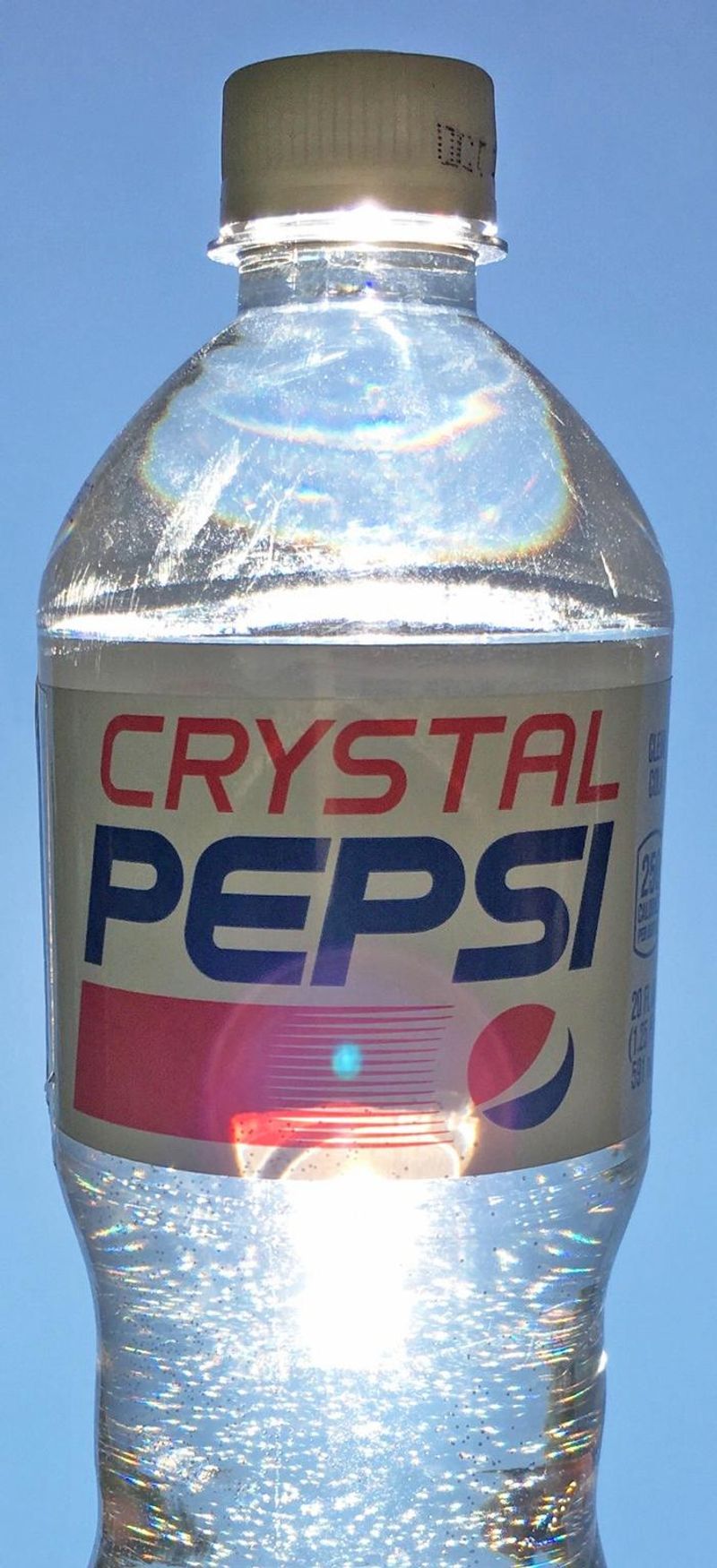
PepsiCo launched Crystal Pepsi in 1992 as a caffeine-free, clear cola riding the clear product trend. Marketing emphasized purity and a new kind of refreshment. The initial response was huge, with sales reaching $474 million in the first year.
Consumer confusion quickly set in as people expected clear soda to taste like Sprite or 7-Up. Instead, Crystal Pepsi tasted like regular Pepsi, creating a cognitive disconnect. Coca-Cola sabotaged the product further by launching Tab Clear, a purposely bad clear cola that confused the market.
Pepsi discontinued Crystal Pepsi in 1994 after just two years of declining sales. The product became a nostalgic curiosity, briefly returning for limited runs decades later. The failure taught marketers that appearance and taste expectations must align, or consumers will reject even heavily promoted products.
25. The Honolulu Missile False Alarm 2018
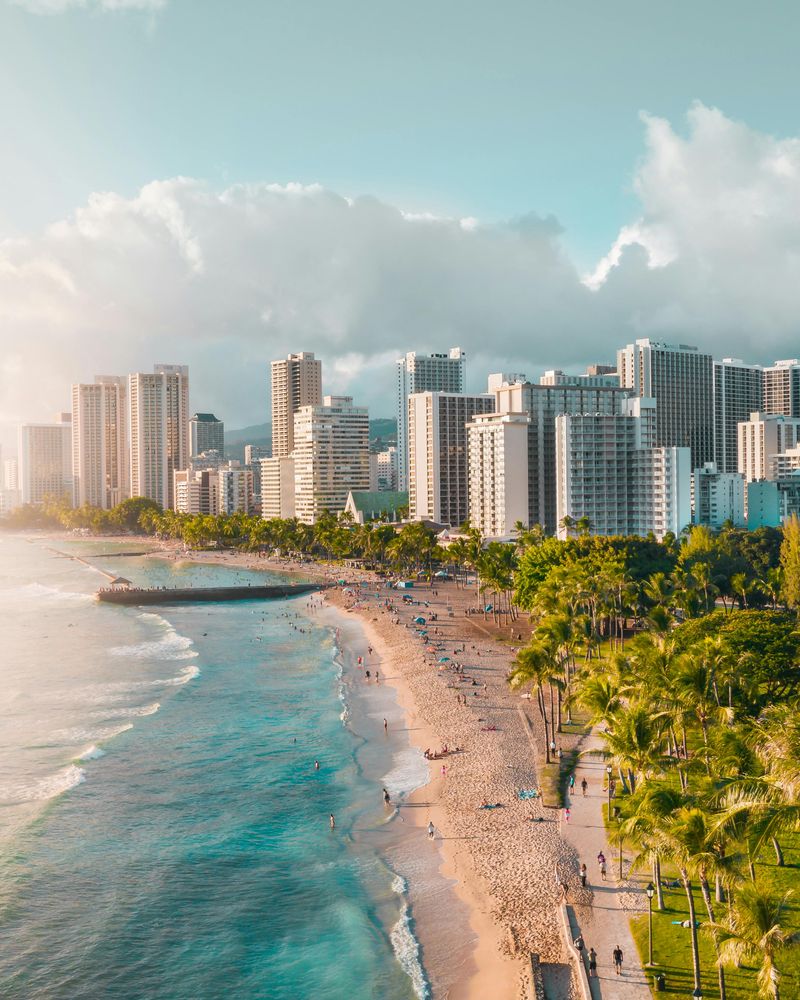
At 8:07 AM on January 13, 2018, Hawaiian residents received a terrifying emergency alert on their phones. The message read: Ballistic missile threat inbound to Hawaii. Seek immediate shelter. This is not a drill. Panic erupted across the islands as people believed a nuclear attack was imminent.
Parents put children in storm drains, families tearfully said goodbye, and drivers abandoned cars to find shelter. The alert was real in format but completely false in content. A state employee had accidentally selected the wrong option during a shift change drill.
Thirty-eight agonizing minutes passed before officials sent a correction message. The employee responsible was fired, and Hawaii overhauled its emergency alert system. The incident highlighted how easily human error can create mass panic in our hyperconnected world of instant notifications.
26. New York’s 1977 Blackout Looting Chaos
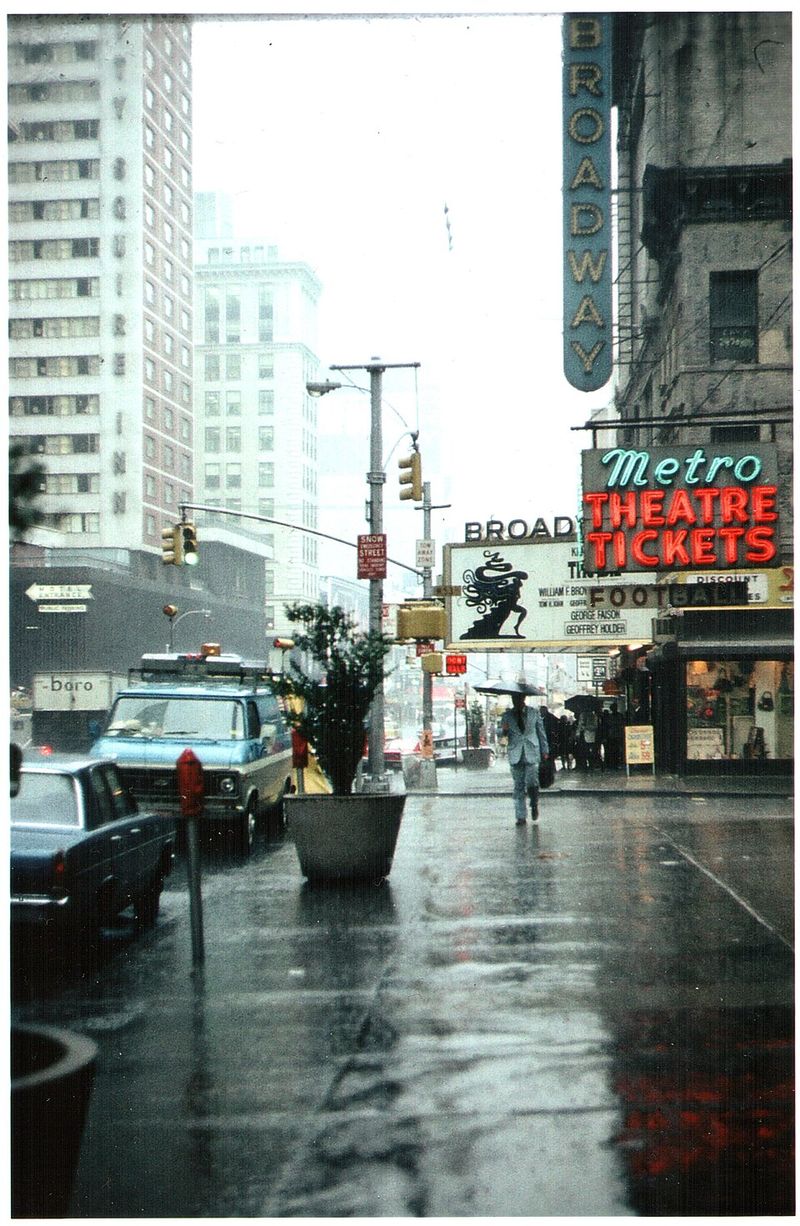
Lightning struck a power substation north of New York City on July 13, 1977, triggering a cascade of failures. Within hours, the entire city plunged into darkness during a sweltering summer night. Unlike the orderly 1965 blackout, this one unleashed widespread looting and arson.
Over 1,600 stores were ransacked as people smashed windows and carried away everything they could grab. Fires burned across multiple neighborhoods while overwhelmed police made over 3,700 arrests. The blackout lasted 25 hours and caused an estimated $300 million in damage.
Economic hardship and social tensions in 1970s New York turned a power failure into urban chaos. The city’s infrastructure was aging and underfunded, making the cascade failure more severe. This blackout revealed how quickly civilization’s thin veneer can crack when systems fail during difficult times.
27. Google Glass Privacy Backlash
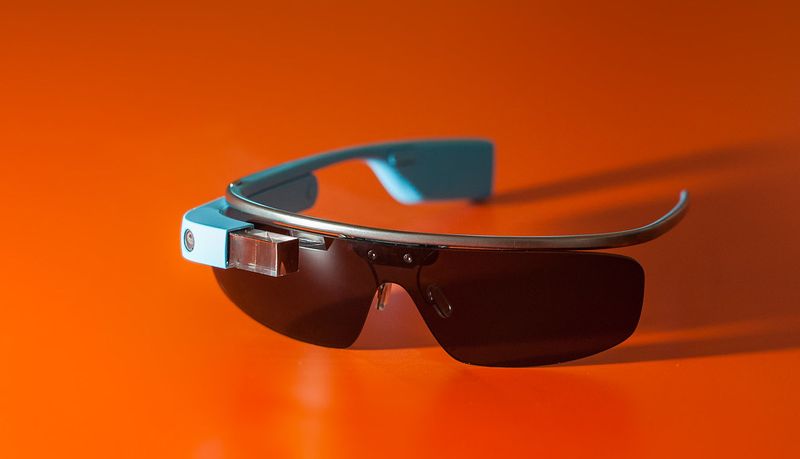
Google launched Glass in 2013 as a revolutionary wearable computer with a head-mounted display. Early adopters paid $1,500 to become Explorers testing the augmented reality glasses. The device could record video, take photos, and display information with voice commands or head movements.
Public backlash erupted immediately over privacy concerns about constant recording capabilities. Bars and restaurants banned Glass wearers, and people attacked users in public. The term Glasshole emerged to describe people wearing the devices in inappropriate situations.
Google withdrew Glass from the consumer market in 2015 after poor sales and terrible publicity. The technology was ahead of its time, but society wasn’t ready for cameras constantly pointed at everyone. The failure taught tech companies that innovation must consider social acceptance, not just technical capability and cool features.
28. Netflix Splitting DVD and Streaming Into Qwikster
Netflix announced in September 2011 that it would split its DVD-by-mail and streaming services into separate companies. The DVD business would rebrand as Qwikster while Netflix focused on streaming. Customers would need separate accounts and billing for each service, and prices increased significantly.
Subscribers revolted with fury that shocked company leadership. Over 800,000 customers canceled within months as complaints flooded social media. The Qwikster Twitter handle already belonged to someone who posted profanity, embarrassing Netflix further.
CEO Reed Hastings reversed the decision just three weeks later, admitting the company moved too fast. Netflix stock plummeted 77 percent that year before eventually recovering. The disaster taught businesses that loyal customers will only tolerate so much inconvenience before abandoning ship, regardless of how good your long-term strategy might be.
29. Fyre Festival

Promoters marketed Fyre Festival as an ultra-luxury music festival on a private Bahamas island in 2017. Influencers and models promoted the event to wealthy millennials willing to pay thousands for exclusive experiences. Tickets cost up to $12,000, promising gourmet food, luxury accommodations, and performances by major artists.
Attendees arrived to find complete chaos instead of paradise. FEMA disaster relief tents replaced promised villas, while sad cheese sandwiches substituted for gourmet meals. No musical acts performed, and basic infrastructure like plumbing and security was nonexistent.
Stranded guests documented the disaster on social media as organizers fled. Founder Billy McFarland was convicted of fraud and sentenced to six years in prison. The festival became a symbol of influencer culture gone wrong and the dangers of believing social media hype over reality.
30. The 2008 Financial Crisis Mortgage Bundling
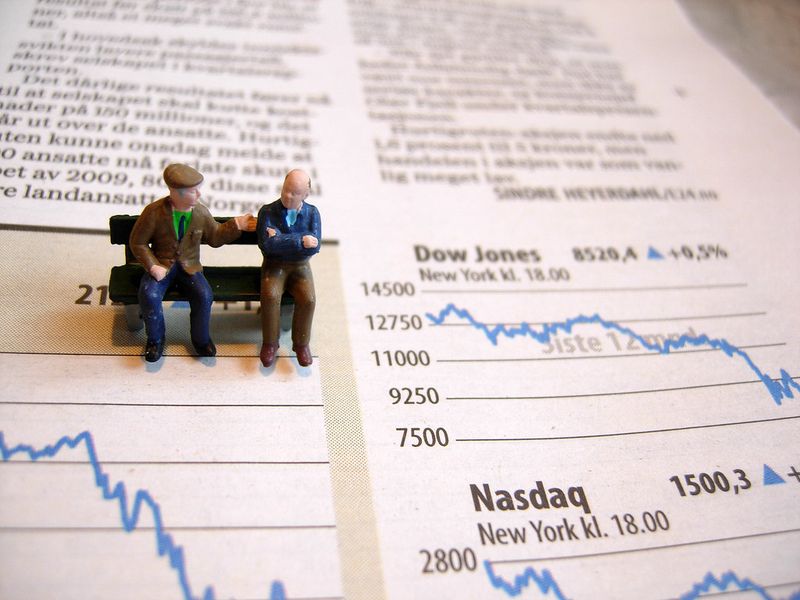
Banks spent years bundling risky subprime mortgages into complex financial products called mortgage-backed securities. Rating agencies gave these toxic bundles AAA ratings, claiming they were as safe as government bonds. Financial institutions worldwide bought trillions of dollars worth, believing the housing market would never crash.
When homeowners began defaulting in 2007, the entire system collapsed like dominoes. Major banks failed, stock markets crashed globally, and millions lost homes and jobs. The crisis triggered the worst economic downturn since the Great Depression.
Governments spent trillions bailing out banks while ordinary people suffered foreclosures and unemployment. The disaster revealed how greed, poor regulation, and willful blindness to risk can destroy the global economy. Financial innovations that seemed brilliant created catastrophe when underlying assumptions about housing prices proved completely wrong.
Share this story