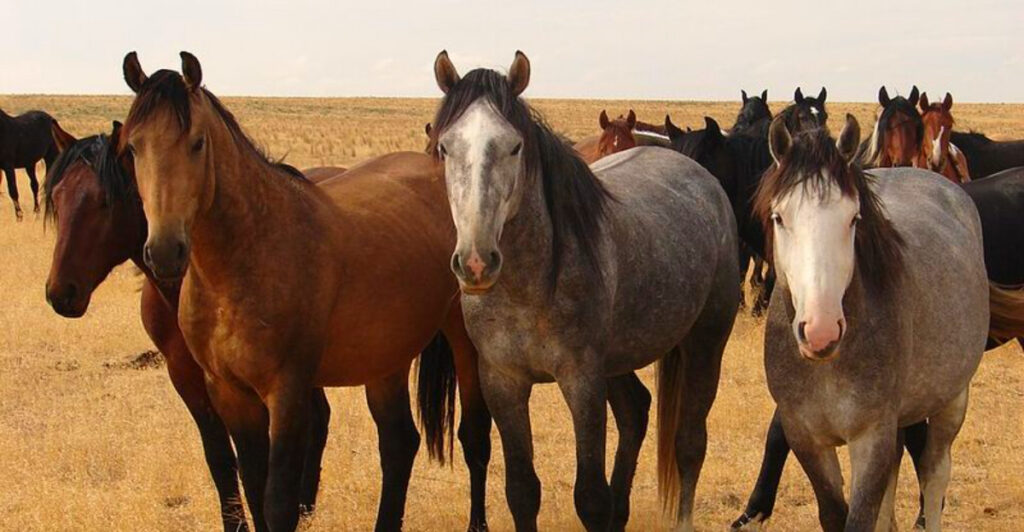
Wild horses have captured the American imagination for centuries, symbolizing freedom and untamed beauty across vast landscapes. Today, thousands of these magnificent animals still roam public lands from coastal beaches to desert plains, offering unforgettable wildlife viewing experiences. Whether you’re a photographer, nature lover, or simply curious about these iconic creatures, America offers incredible opportunities to witness mustangs and wild ponies in their natural habitats.
1. Assateague Island, Maryland & Virginia
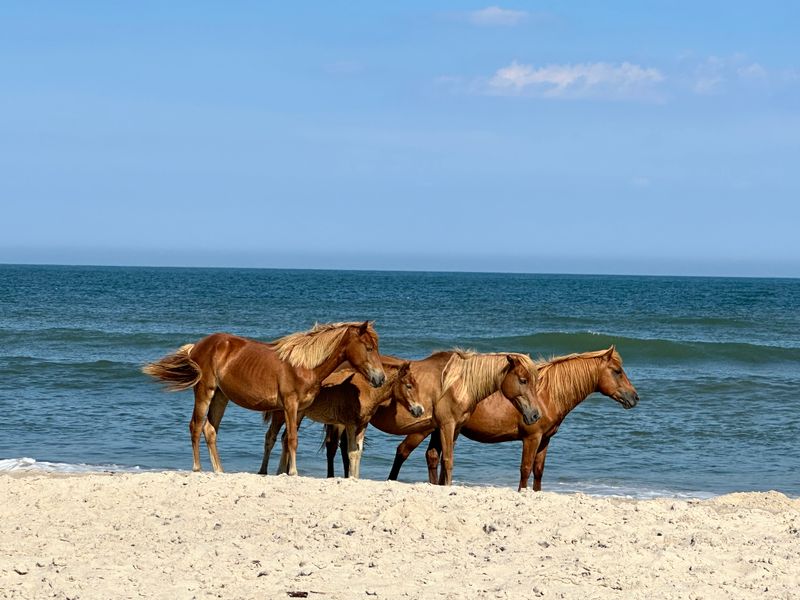
Picture a scene straight from a storybook: shaggy ponies wandering along sandy shores, their manes blowing in the salty breeze. Assateague Island delivers exactly that magical experience. These famous beach ponies have lived here for hundreds of years, and nobody knows their origin story for sure.
Some say they descended from horses that survived a Spanish shipwreck centuries ago. The ponies now graze peacefully on marsh grasses and beach vegetation, completely unbothered by human visitors. You can spot them year-round, though summer brings the famous pony swim between islands.
The best viewing spots include the wildlife loop roads on both the Maryland and Virginia sides. Remember to keep at least 40 feet away since these beauties can kick or bite despite their gentle appearance.
2. Outer Banks, North Carolina (Corolla & Shackleford Banks)
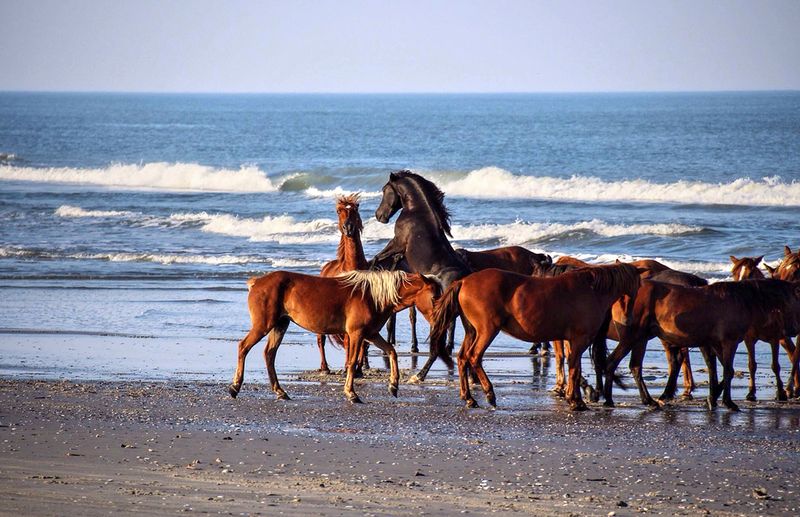
North Carolina’s barrier islands host two distinct populations of Spanish mustangs that have roamed these shores since colonial times. At Corolla Beach, horses stroll right past vacation homes and along the northern beaches, creating surreal vacation photo opportunities. Their cousins on Shackleford Banks live in complete wilderness, accessible only by boat.
Both herds trace their ancestry back to Spanish explorers who arrived in the 1500s. Genetic testing confirms these aren’t just wild horses but rare Colonial Spanish mustangs with unique bloodlines. The Corolla herd is easiest to see via guided 4×4 tours that venture beyond the paved roads.
For Shackleford Banks, catch a ferry from Beaufort and explore on foot. Spring and fall offer the most comfortable weather for horse watching adventures.
3. Pryor Mountains, Montana & Wyoming
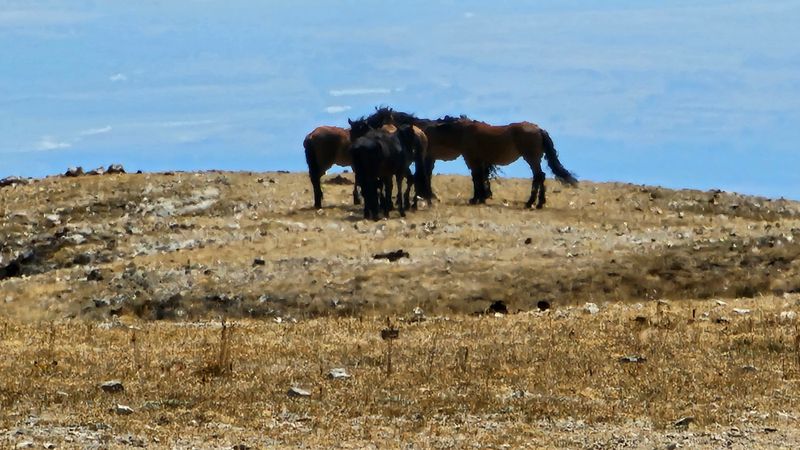
Tucked along the Montana-Wyoming border, the Pryor Mountains shelter one of America’s most historic wild horse populations. This herd has occupied these rugged peaks since at least the 1700s, making them descendants of Spanish horses brought north by Native American tribes. Their genetic makeup includes rare Spanish Barb characteristics rarely found elsewhere.
The landscape here is breathtaking but challenging, with steep canyons, limestone cliffs, and high-altitude meadows. Horses navigate this terrain with impressive agility, often appearing on ridgelines against dramatic sky backdrops. Summer months offer the best access, though you’ll need a high-clearance vehicle for the rough mountain roads.
Local organizations offer guided tours that increase your chances of sightings while protecting these special animals. Bring binoculars since horses often graze on distant slopes.
4. Sand Wash Basin, Colorado
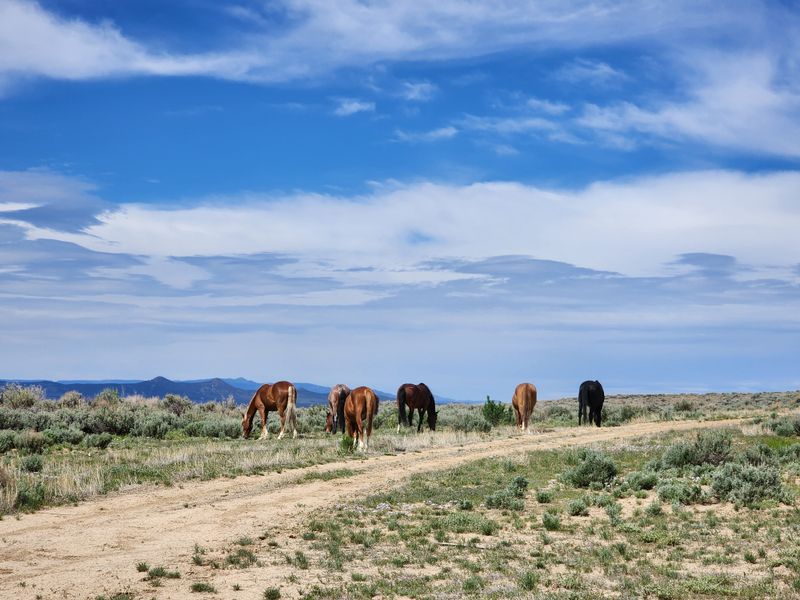
Northwestern Colorado’s Sand Wash Basin stretches across 157,000 acres of high-desert beauty, home to approximately 800 wild mustangs. This area has become legendary among wild horse photographers because the horses here display stunning variety in coat colors and patterns. Pintos, palominos, bays, and grays roam together in family bands across rolling hills covered in sagebrush.
The basin sits at about 6,500 feet elevation, creating a landscape of endless horizons and big western skies. Dirt roads crisscross the area, making it relatively accessible for patient visitors willing to drive slowly and scan the terrain. Spring brings adorable foals, while fall showcases horses fattened up for winter with glossy coats.
Plan for primitive conditions since there are no facilities out here. Bring plenty of water, snacks, and a full gas tank for your adventure.
5. Onaqui Mountains, Utah
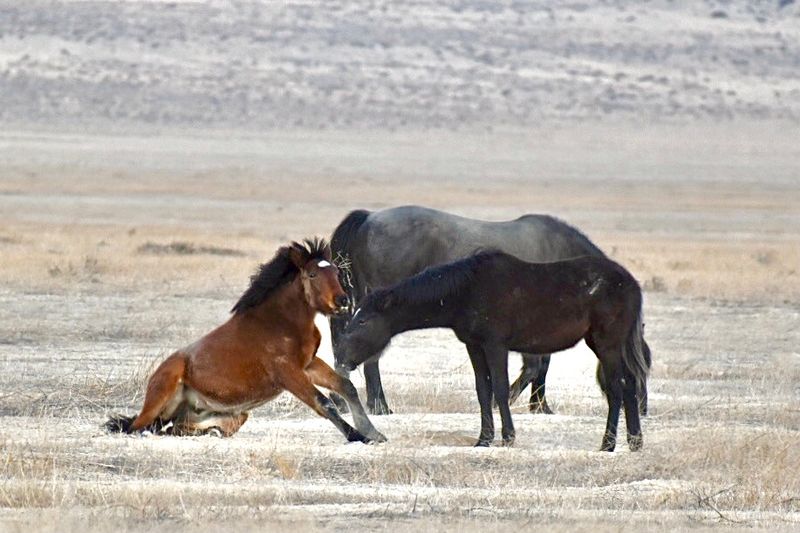
Just an hour southwest of Salt Lake City, the Onaqui herd has achieved celebrity status among wildlife photographers and wild horse enthusiasts. These roughly 400 horses roam across desert valleys with the striking Onaqui Mountains as their backdrop. What makes them particularly special is their accessibility and striking appearance, with many pintos and colorful horses in the population.
The herd often grazes near dirt roads that wind through the area, allowing relatively easy viewing from vehicles. Early mornings and evenings provide the best lighting for photographs and cooler temperatures when horses are most active. Winter can bring dramatic scenes of horses moving through snow with desert mountains behind them.
Recent wildfires and drought have impacted their habitat, making responsible viewing even more important. Stay on established roads and never chase or approach the horses closely.
6. Little Book Cliffs, Colorado
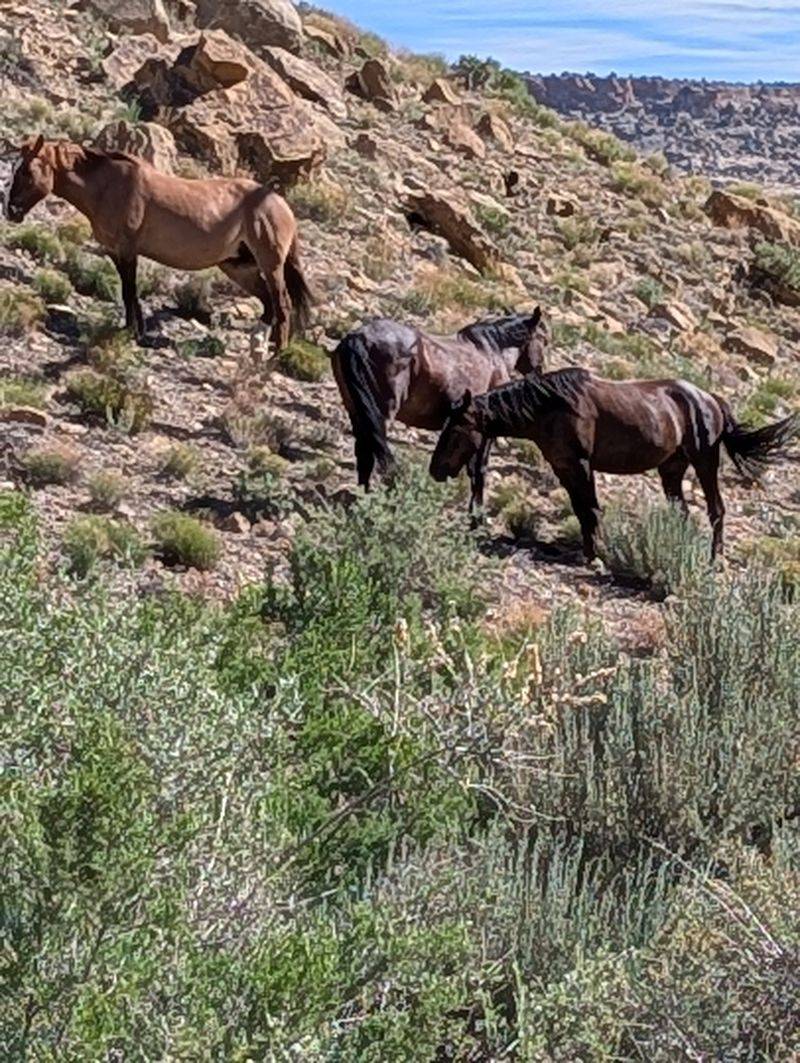
East of Grand Junction, the Little Book Cliffs rise dramatically from the Colorado River valley, creating a maze of canyons, mesas, and hidden meadows. About 150 wild horses call this unique landscape home, protected within a designated Wild Horse Range established in 1974. The terrain here is spectacular, with colorful rock formations and juniper-dotted slopes.
Finding horses requires some effort since they roam across 36,000 acres of varied terrain. Main Ridge Road provides vehicle access during dry conditions, though high clearance is recommended. Horses often congregate near water sources, especially during summer heat. The herd includes diverse colors and builds, from stocky bay horses to elegant grays.
Local advocacy groups occasionally organize viewing events and educational programs. Fall offers pleasant temperatures and beautiful lighting as aspens turn gold in nearby mountain areas.
7. Nevada’s Wild Horse Territory (statewide)
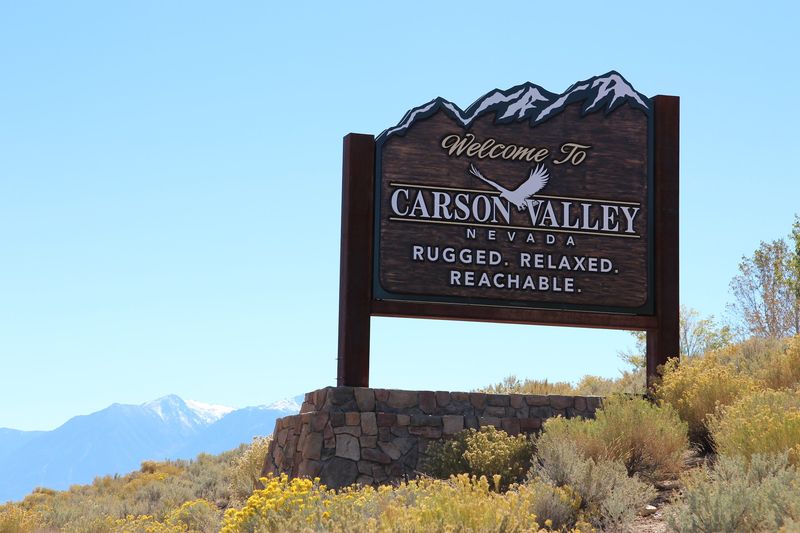
Nevada holds the title as America’s wild horse capital, with nearly half of all free-roaming horses in the nation calling this state home. Over 40,000 wild horses and burros roam across Nevada’s vast public lands, from the high desert near Reno to the remote valleys around Elko and the Carson Valley region. This isn’t just one location but an entire state where wild horses remain part of the cultural landscape.
Different areas offer different experiences. Near Reno, the Virginia Range herd is easily accessible. Around Elko, remote mountain ranges shelter traditional mustang populations. The diversity of Nevada’s geography means horses adapt to everything from snowy winters to scorching summers.
Check with the Bureau of Land Management for current herd locations and viewing recommendations. Nevada’s wide-open spaces make this the ultimate destination for wild horse enthusiasts seeking authentic western experiences.
8. Theodore Roosevelt National Park, North Dakota
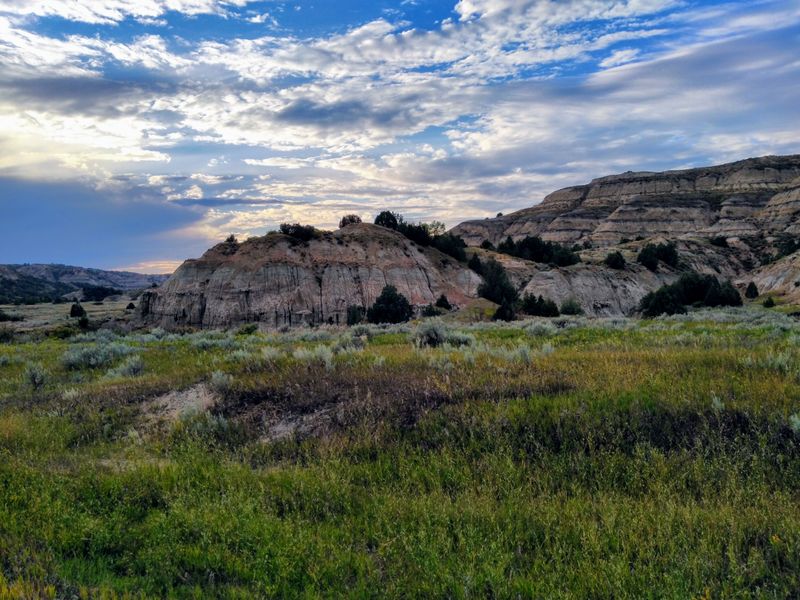
Where painted badlands meet prairie grasslands, wild horses add living history to one of America’s most underrated national parks. Theodore Roosevelt himself ranched here in the 1880s, and the horses you see today descend from ranch stock that went feral over the decades. About 100 horses roam the park’s South Unit, blending perfectly with the otherworldly landscape of striped rock formations.
The scenic loop drive offers excellent chances to spot horses grazing in valleys or crossing ridgelines against colorful backdrops. Unlike many wild horse areas, this is a fully developed national park with visitor centers, campgrounds, and maintained roads. The horses share the landscape with bison, elk, and prairie dogs, creating diverse wildlife viewing opportunities.
Summer brings the most visitors, but spring and fall offer comfortable temperatures and fewer crowds for photography enthusiasts.
9. Virginia Range, Nevada
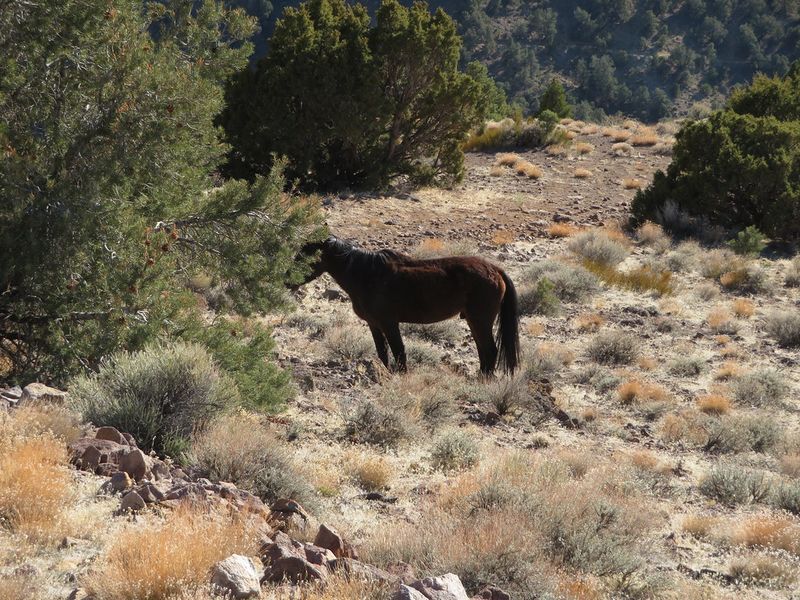
The Virginia Range horses have become local celebrities, living in the hills between Reno and Virginia City in western Nevada. Unlike many isolated wild horse populations, this herd of several hundred horses regularly interacts with nearby communities, sometimes wandering into neighborhoods or along highways. Their visibility has made them both beloved and controversial among local residents.
What makes this herd fascinating is their adaptability to living near human development while maintaining their wild nature. You might spot them grazing on hillsides visible from major roads or gathered near water sources during dry months. The historic mining town of Virginia City provides a Old West backdrop that makes horse sightings feel especially authentic.
Several local organizations work to protect and manage this herd. Geiger Grade and Painted Rock Road are popular viewing areas, though horses move frequently across their range.
10. McCullough Peaks, Wyoming
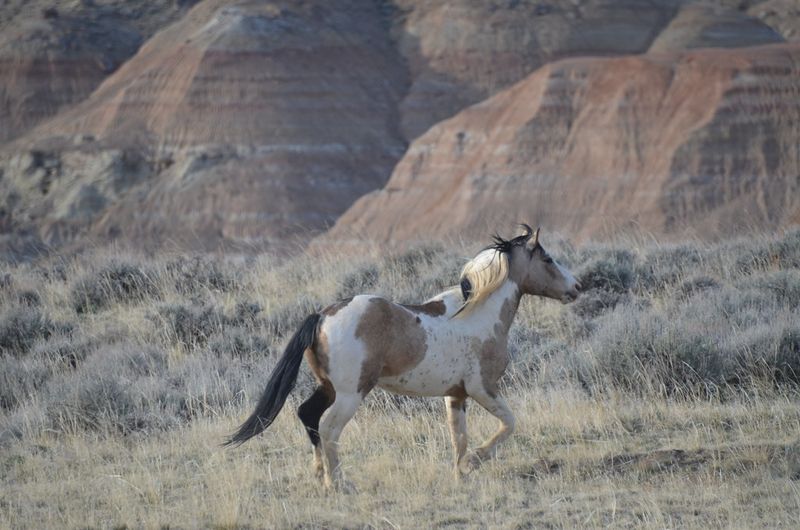
About twenty miles east of Cody, Wyoming, the McCullough Peaks Herd Management Area has earned fame for its exceptionally colorful horses. This population of around 100 horses includes an unusual number of pintos, palominos, and other eye-catching color patterns that make them photographer favorites. The relatively small herd size means individual horses become recognizable to regular visitors.
The landscape combines badlands terrain with sagebrush flats and distant mountain views, creating dramatic settings for horse watching. A well-maintained gravel road provides good access during dry conditions, and horses often graze within sight of the main route. Spring brings gangly foals that stay close to their mothers, while summer showcases horses in their sleekest condition.
Cody offers full tourist amenities, making this an easy addition to a Yellowstone area vacation. Early morning visits often yield the best sightings before midday heat.
11. Saylor Creek Herd Area, Idaho
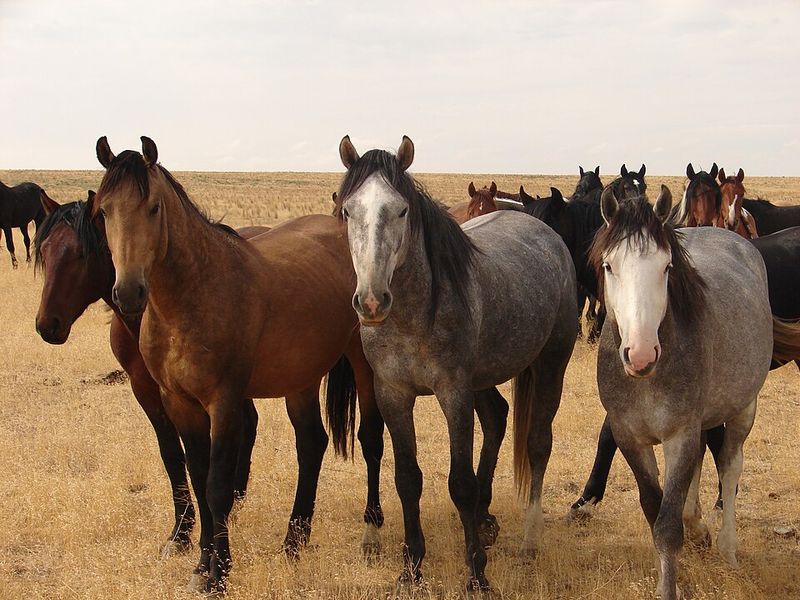
Southern Idaho’s Saylor Creek area encompasses over 100,000 acres of classic high-desert landscape where wild horses roam in small bands across seemingly endless sagebrush plains. This is remote country with minimal development, offering a glimpse of how the Old West looked before modern settlement. Around 150 horses live here, adapted to the harsh conditions of cold winters and hot, dry summers.
Access requires careful planning since roads are primitive and facilities nonexistent. The horses range widely across the area, so patience and willingness to explore increase your chances of sightings. Binoculars or spotting scopes help locate distant bands grazing on hillsides or moving between water sources.
The nearby town of Mountain Home serves as a base for supplies. Spring and fall provide the most comfortable weather for exploring this rugged landscape where wild horses still live much as they have for generations.
12. Cerbat Mountains, Arizona
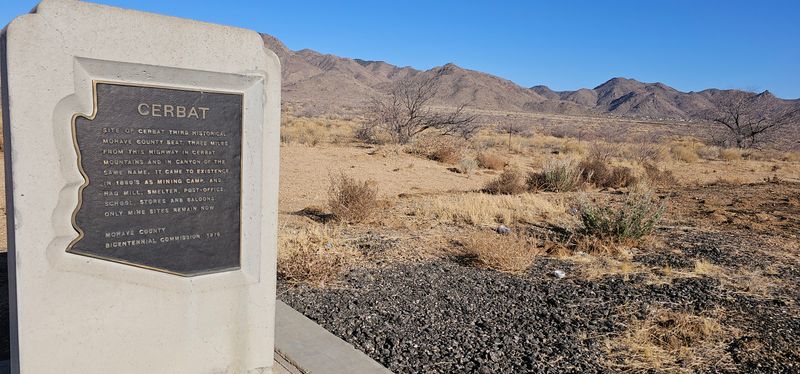
In northwestern Arizona’s Cerbat Mountains, one of America’s rarest wild horse herds clings to survival in harsh desert mountain terrain. Genetic studies reveal these roughly 100 horses carry significant Spanish Barb ancestry, linking them directly to horses brought by Spanish colonizers centuries ago. Their isolation in this remote corner of Arizona has preserved bloodlines found in few other places.
The Cerbat range is rugged and unforgiving, with rocky peaks, sparse vegetation, and extreme temperatures. Horses here have adapted to desert life, traveling long distances between scattered water sources and feeding on tough desert plants. Finding them requires serious off-road capability and desert survival skills, making this destination for only the most dedicated horse seekers.
Local wild horse organizations occasionally offer guided trips that provide safer access while supporting herd protection efforts. Summer heat is dangerous, so plan visits for cooler months.
13. Big Bend Ranch State Park, Texas
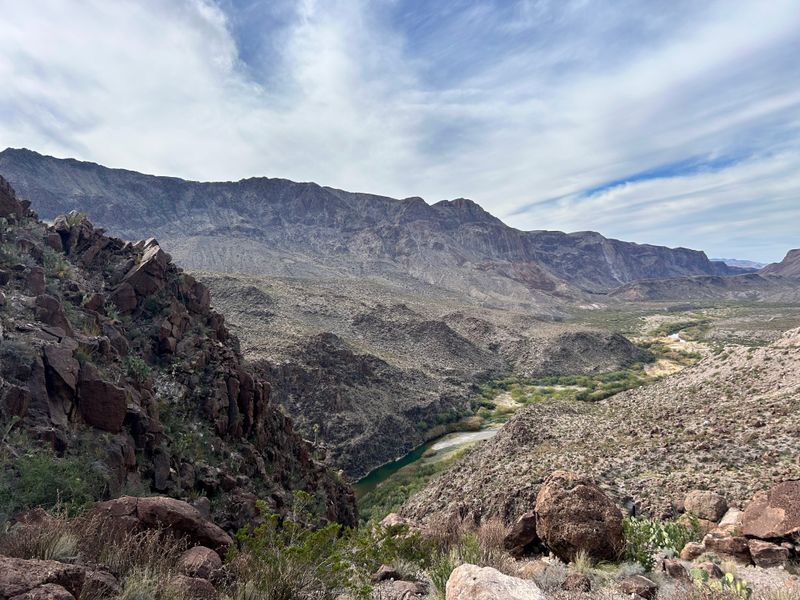
Texas’s largest state park spans over 300,000 acres of Chihuahuan Desert wilderness along the Rio Grande, where a small population of wild horses occasionally appears in the most remote sections. These horses aren’t always easy to find, making sightings feel like special discoveries. The landscape here is dramatically different from northern horse country, with desert mountains, volcanic rock formations, and the international border river creating unique scenery.
The horses likely descended from ranch stock that wandered into the park area over the decades. They’ve adapted to desert conditions, though their numbers remain small and their movements unpredictable. Visiting Big Bend Ranch requires preparation for extreme remoteness, with limited roads and facilities spread across the vast property.
Most visitors come for the spectacular desert scenery and solitude, with wild horses as a potential bonus. Winter and spring offer the most pleasant conditions for exploration.
14. Cascade-Siskiyou National Monument, Oregon
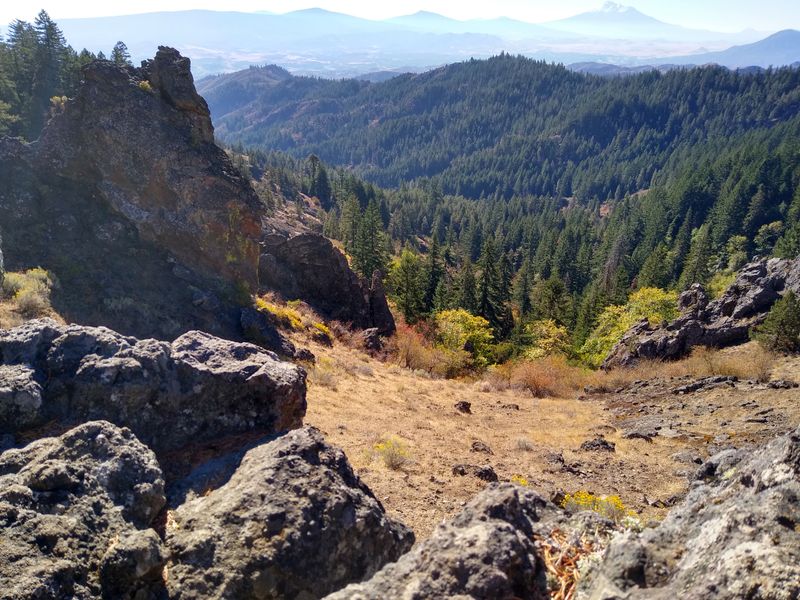
Where the Cascade Range meets the Siskiyou Mountains in southern Oregon, this national monument protects an unusually diverse ecosystem that includes scattered populations of free-roaming horses. Unlike the desert mustangs of Nevada or Wyoming, these horses live among forests, mountain meadows, and seasonal wildflower displays. The landscape shifts with elevation, from oak woodlands to conifer forests to open grasslands.
Horse sightings here are less predictable than at dedicated wild horse viewing areas, but the monument’s biological diversity makes any visit worthwhile. The horses share habitat with countless bird species, black bears, and other wildlife in one of the West’s most ecologically significant regions. Several trails and roads provide access for patient explorers willing to spend time searching.
Summer brings the best access to higher elevations where horses sometimes graze in mountain meadows. The nearest towns offer basic services for monument visitors.
15. Dugway & West Desert, Utah
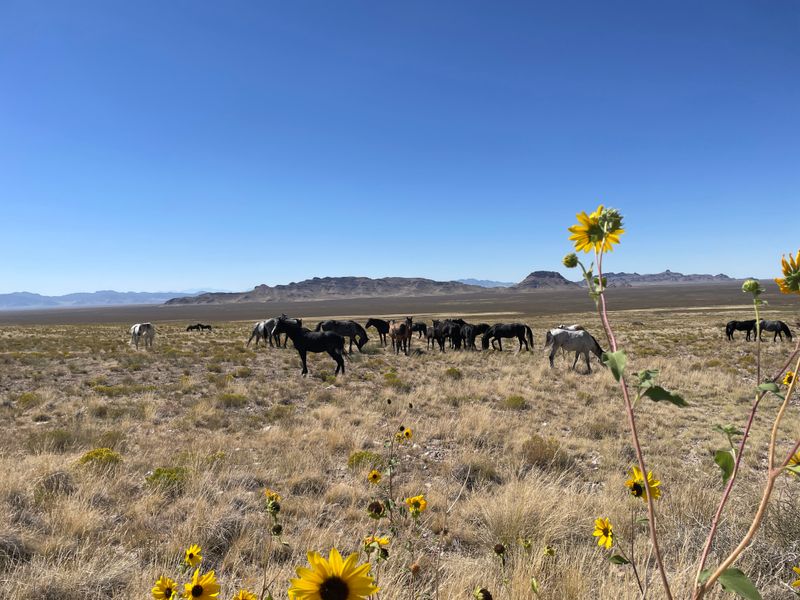
Utah’s West Desert region, including areas around Dugway, represents some of the most remote and expansive wild horse habitat remaining in America. This vast landscape of salt flats, sagebrush valleys, and distant mountain ranges hosts several hundred wild horses that roam in large, photogenic bands. The openness of the terrain often allows viewing horses from great distances, silhouetted against endless desert horizons.
This is serious backcountry requiring careful preparation, with long distances between services and primitive road conditions. The rewards include authentic wilderness experiences and chances to observe horses behaving naturally without crowds of other visitors. The stark beauty of Utah’s desert creates stunning photographic opportunities, especially during golden hour lighting.
Some areas have military restrictions, so check current access rules before exploring. Spring and fall provide relief from extreme temperatures that make summer visits challenging and winter access difficult.
Share this story