Nature loves a good plot twist, and Lost Lake in Oregon delivers one you can watch unfold. Each year, this seemingly ordinary alpine lake fills to the brim, then vanishes like a magic trick you did not know the Cascades could pull. The secret is underground, the timing is seasonal, and the result is unforgettable. Come curious, leave amazed, and maybe a little obsessed with figuring out where all that water goes.
1. Yes, It Really Does Vanish
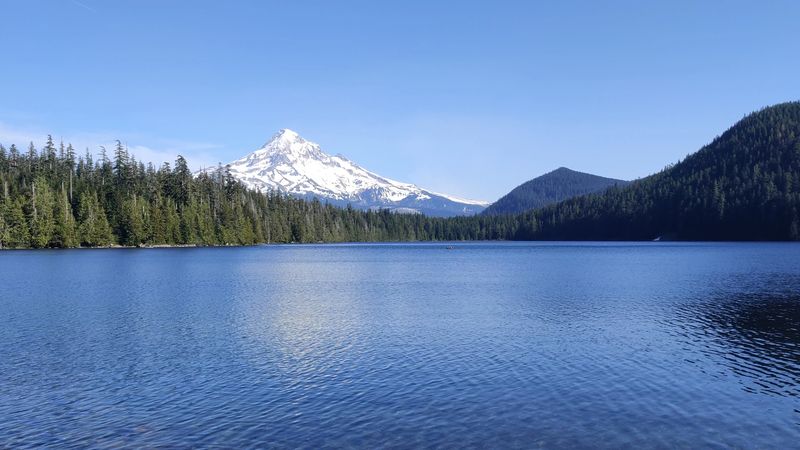
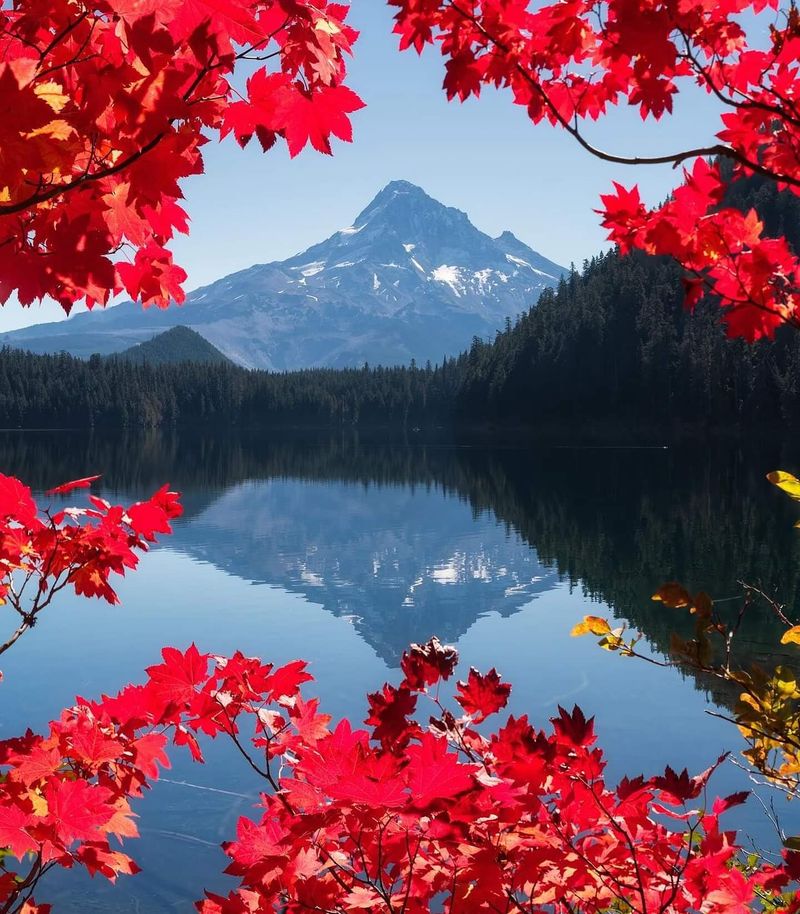
Stand on the shore in spring and everything looks classic Pacific Northwest postcard. Snowmelt feeds a mirror of glassy water, evergreens fringe the rim, and Mount Hood floats like a ghost in the reflection. Then summer arrives, and the lake begins shrinking.
Weeks later you are walking across dry ground where kayaks once drifted. It is not a trick. The basin can empty so thoroughly that grasses and cracked mud replace blue water.
Locals know to bring friends twice. You will barely believe both scenes are the same spot.
2. The Lava Tube Drain
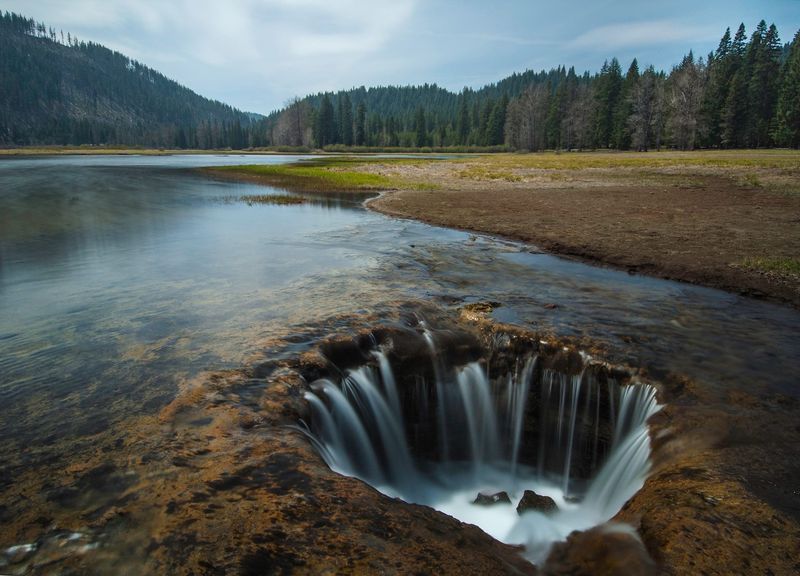
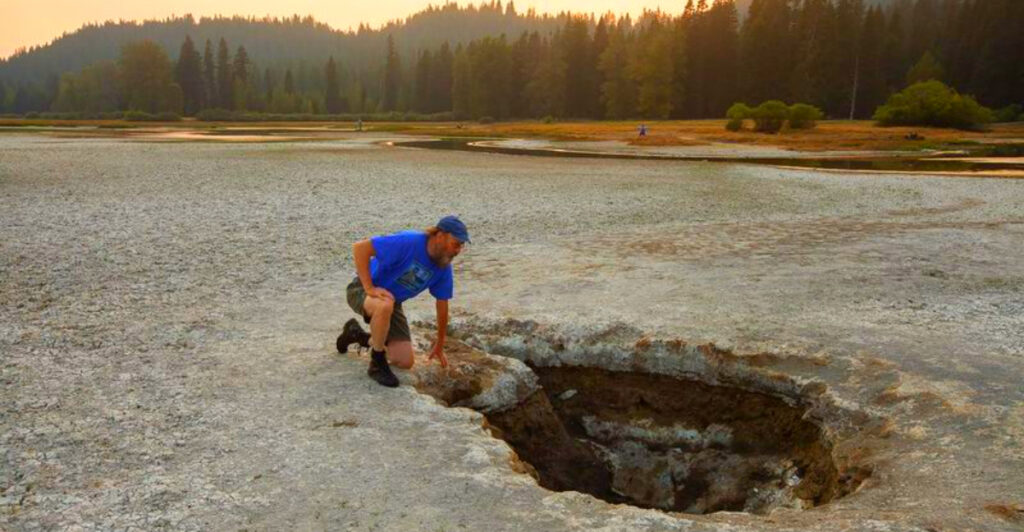
The lake sits atop ancient lava flows from Oregon’s volcanic past. As winter snows melt, Lost Lake swells, but beneath it lie hollow tubes and porous basalt. When warmth returns, the water finds those openings and disappears like a bathtub swirling.
Some mouths are big enough to swallow branches and rocks. People have tossed debris in, which you should not do. The tubes are part of a living hydrologic system.
Watch the surface form subtle eddies. You will feel the pull, a quiet downward tug that writes its own deadline.
3. Where Does The Water Go
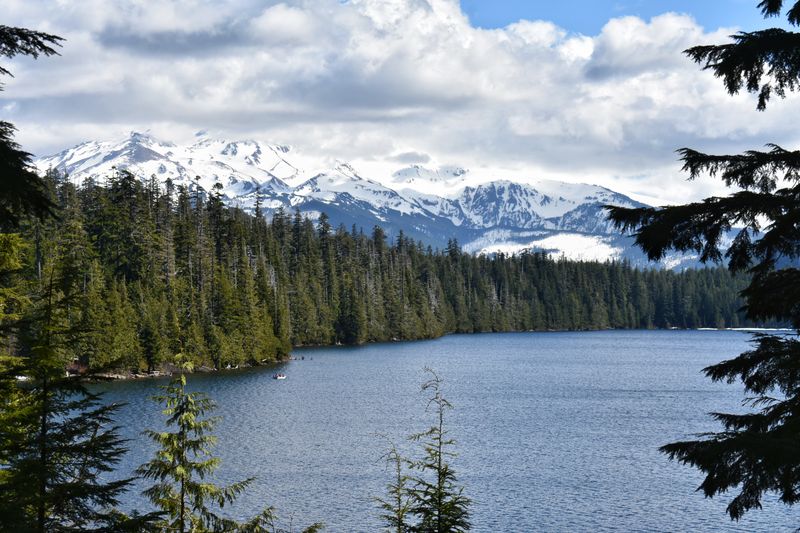
Scientists point to percolation through porous basalt, feeding aquifers and possibly nearby streams. Think of the lake as a seasonal deposit into the region’s hidden savings account. The blue vanishes from the surface while the watershed quietly gains.
No one has mapped the whole path. That mystery adds to the charm. Water might reappear as cool springs miles away, long after your visit.
You will not see tunnels you can walk. You will feel the logic, though. Disappearance here is movement, not loss.
4. Why Disappearing Helps Nature
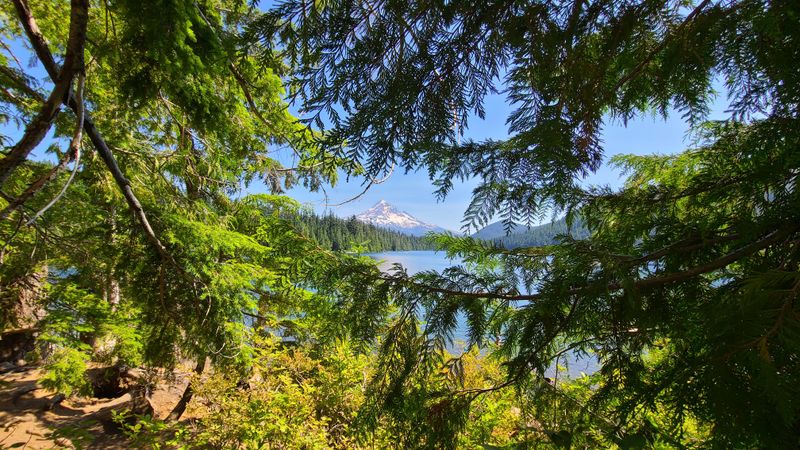
To the eye, an empty basin can feel alarming. But this cycle feeds the broader forest. Water slipping underground helps recharge aquifers that nourish plants, springs, and lower elevation streams through the long dry months.
Songbirds, insects, and mammals depend on that steady trickle more than a static lake. The meadow phase also opens habitat for wildflowers and foraging.
So when you watch the water recede, remember you are seeing a redistribution plan at work. It is not failure. It is the forest moving resources on schedule.
5. How To Time Your Visit
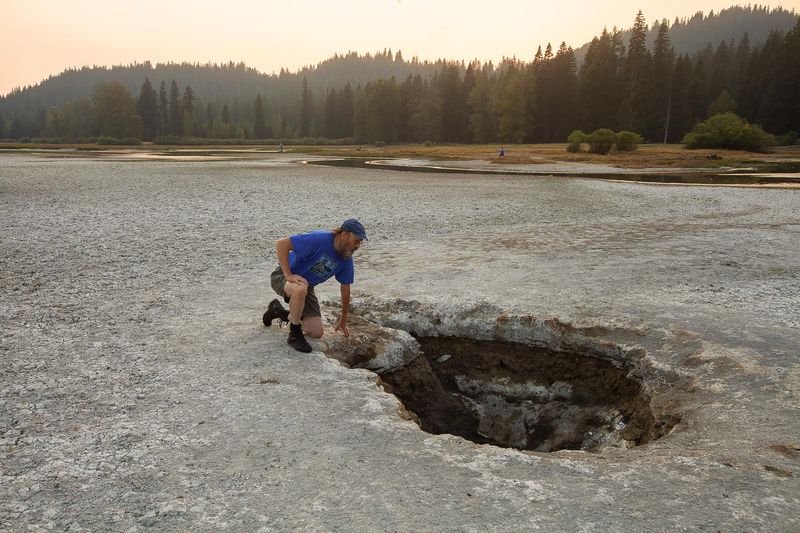
Visit twice for the ultimate reveal. In late winter or early spring, expect a brimming basin perfect for photos, quiet paddles, and a reflective Mount Hood portrait. You can circle the shore and hear meltwater whispering in the trees.
Return mid to late summer and stand where a lake used to be. The contrast feels surreal, like before and after shots with nature as the editor.
Arrive early to beat crowds, and bring layers. Cascade weather flips fast. You will want both camera and curiosity.
6. Reading The Volcano’s Story
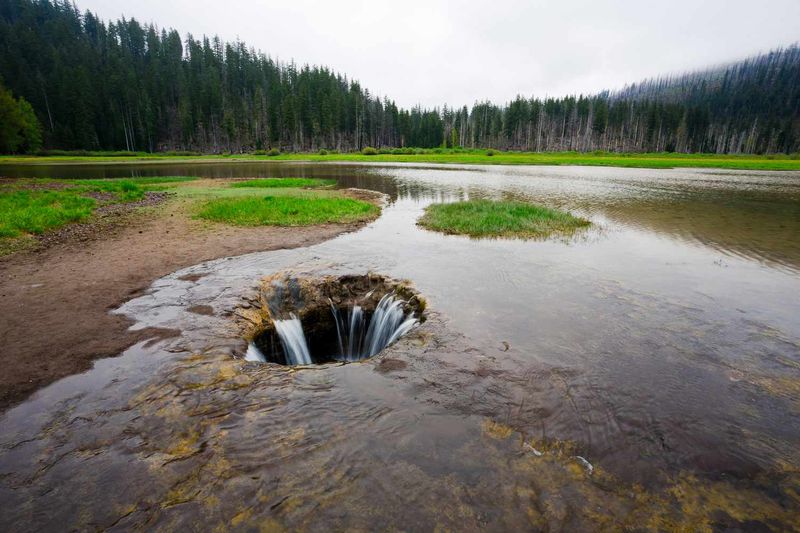
Lost Lake is a chapter in Oregon’s volcanic autobiography. Basalt flows cooled into labyrinths of tubes and fractures, now moonlighting as the lake’s plumbing. Every seasonal drain is a reminder that mountains are built, broken, and repurposed by time.
Hike the shoreline and nearby trails and you will read clues in rock textures and uplifted edges. Even the forest’s soil tells of fire and flow.
When the lake recedes, the ground speaks louder. You will hear it in silence. Lava wrote the pipes, water writes the plot.
7. Who Falls In Love Here
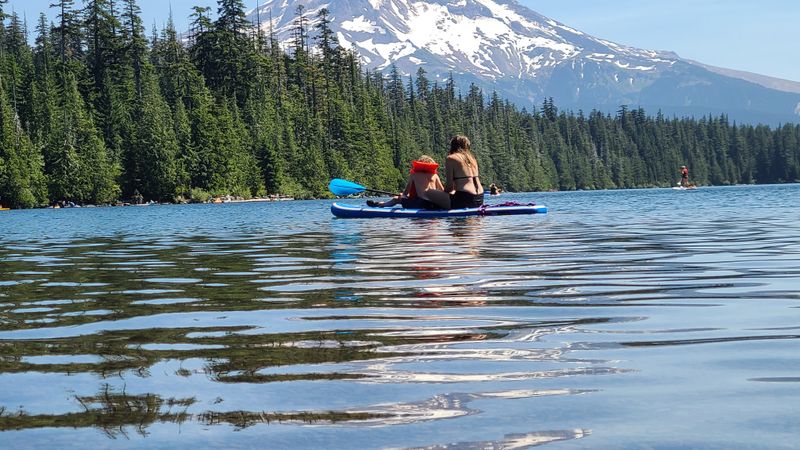
Geology nerds come for the lava tubes. Photographers chase that flawless Mount Hood reflection and then return to frame cracked earth patterns. Families love the easy loop trail, boat rentals, and calm morning water.
If you are wired for wonder, the disappearing act hooks you fast. It is approachable mystery, the kind you can stand inside.
Bring friends who think they have seen it all. Watch their faces switch from doubt to delight. That moment alone is worth the drive.
8. Please Do Not Plug It
Every few years someone tries to fix what is not broken. Logs, rocks, even junk get tossed toward openings, hoping to keep the lake full. It never works, and it risks harming wildlife, water quality, and downstream recharge.
The tubes are protected features of a functioning system. Leave them alone. Let the drain do its job.
If you want a fuller lake, time your visit with snowmelt. Bring questions instead of obstacles. Curiosity is the best souvenir here.
9. Plan A Two-Season Trip
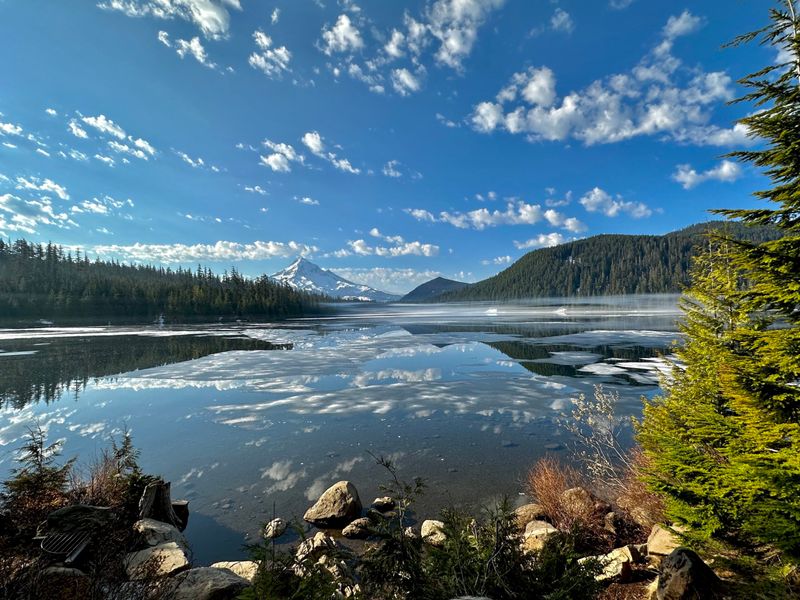
Book an early spring visit for a glassy paddle, then schedule a midsummer return to wander the exposed basin. Pair the lake loop with a climb up Lost Lake Butte for a grand Mount Hood view. Check current fire restrictions and bring a propane stove if needed.
Pack bug spray, layers, and patience for mountain roads. The general store helps with rentals and essentials.
Two trips, one place, two different worlds. Your photos will look like separate countries. Your feet will know better.
10. What You Will Remember
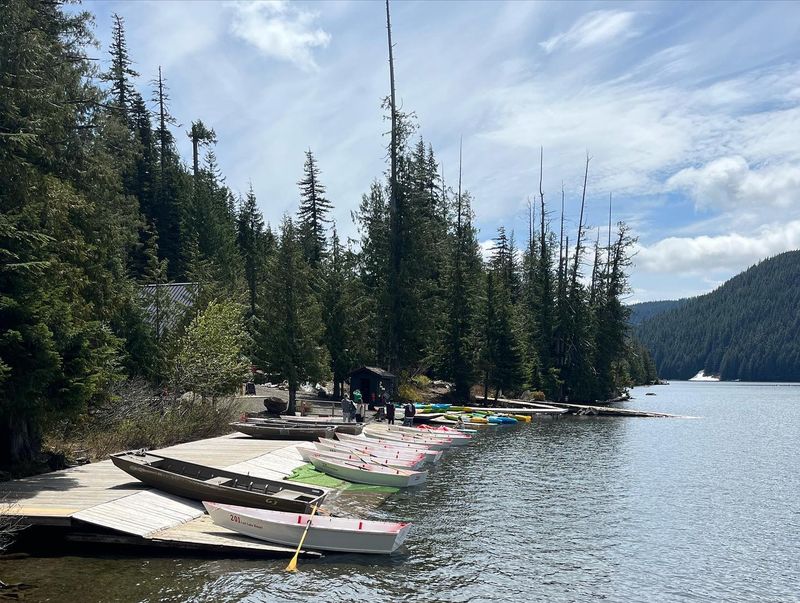
In a nation crowded with wonders, Lost Lake stands out by transforming, not just shifting mood. You see the same shoreline hold water, then hold sky. You feel the ground remember both.
The spectacle is gentle but profound. No ticket, no turnstiles, just timing and a trail. You are invited to witness a cycle older than the road in.
Leave with a sense that mystery can be kind. Return with someone who needs a reminder. Nature writes the best reveals.
Share this story