Some songs do not need lyrics to leave a mark. Instrumental tracks can speak directly to your senses, painting scenes and feelings you cannot shake. As you explore these timeless pieces, you will hear how innovation, groove, and atmosphere reshaped entire genres. Press play in your mind and let these instrumentals rewrite what you think music can do.
1. Frankenstein – The Edgar Winter Group (1973)
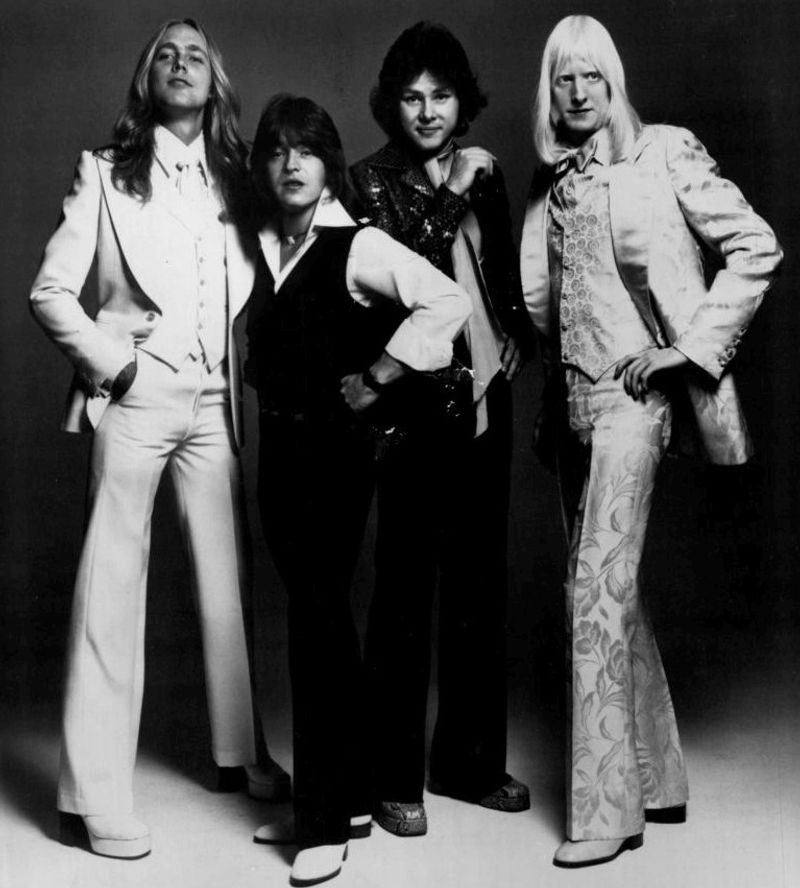
This is a wild lab experiment that escaped, stitched from riffs, drum breaks, and synth growls. Edgar Winter toggles between keys and sax while the band detonates stop start sections. The track even topped the Billboard Hot 100, proving weird could win.
Its punchy breaks became drum sampler gold decades later. Rock, jazz fusion, and early electronic textures collide without apology. You feel the bolts tighten, then fly off again.
2. Albatross – Fleetwood Mac (1968)
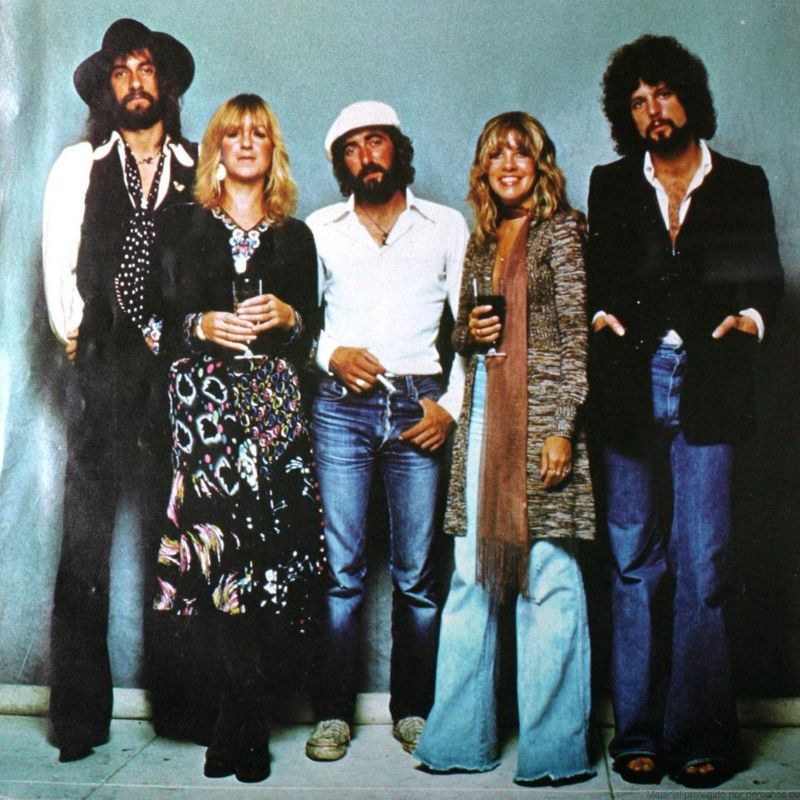
A sea breeze in guitar form, Albatross glides without hurry. Notes shimmer like sunlight on water, and the rhythm pads your steps like sand. No rush, just breath and tide.
Its serenity influenced The Beatles, who channeled the vibe into Sun King. The track proved that softness could be radical, shaping ambient, dream pop, and lounge textures. Close your eyes and drift over calm waters.
3. Chariots of Fire – Vangelis (1981)
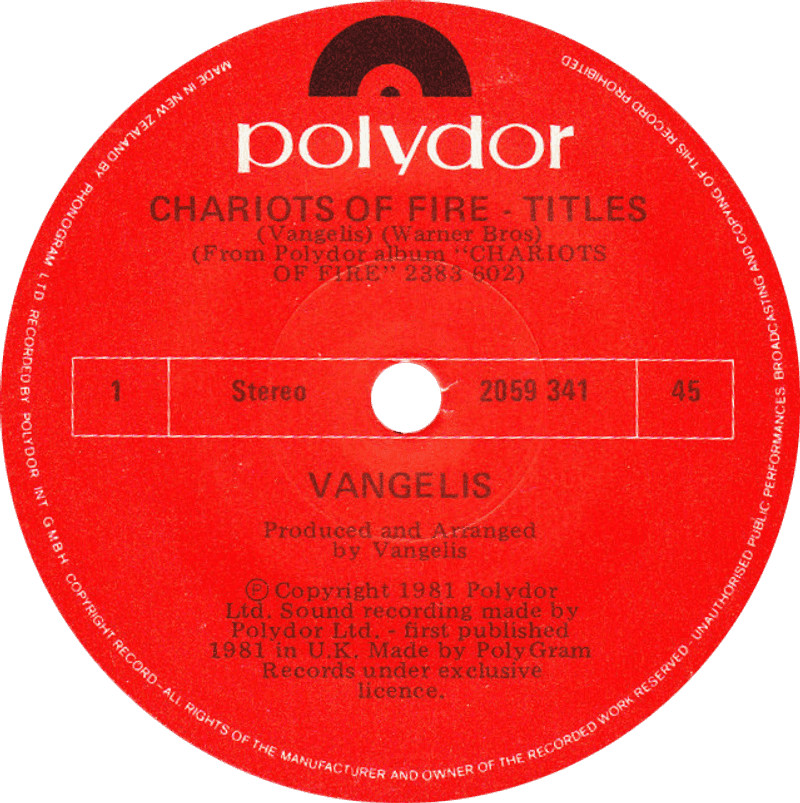
Those synth chords rise like a sunrise, and suddenly you are running farther than you thought possible. Chariots of Fire became shorthand for triumph, pairing a simple melody with sweeping electronic warmth. It won an Academy Award and still cues victory montages.
The track helped mainstream synth scores in film and television. It shows how minimal motifs can carry monumental emotion. Put it on and your pace quickens.
4. Take Five – The Dave Brubeck Quartet (1959)
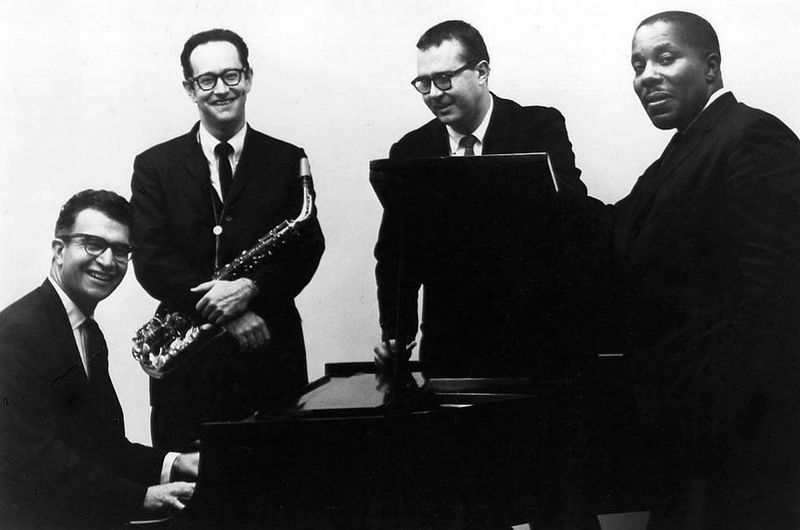
Five four never felt so smooth. The alto sax line saunters across a crisp drum pattern while the piano keeps everything cool headed. You tap along before realizing the time signature is unusual.
Take Five turned odd meter into a pop culture moment, opening doors for rhythmic experiments in jazz and beyond. It proved sophistication could be catchy. Order something on the rocks and let it swing.
5. Misirlou – Dick Dale (1962)

Lightning from a guitar, Misirlou screams with rapid down picking and Middle Eastern scales. It is surf rock at its fieriest, a cultural bridge riding a tidal wave of reverb. Decades later, Pulp Fiction reintroduced its bite to new ears.
The track redefined guitar attack and global melodic borrowing. You feel sand, speed, and adrenaline in every bar. Turn it up and hang on.
6. The Good, the Bad and the Ugly – Ennio Morricone (1966)

A coyote like whistle, a whip crack, and you are in the desert. Morricone builds a world with timbres alone, from ocarina to wordless voices. The theme turns silence into tension, then release.
It redefined the western score, modern, ironic, and unforgettable. Guitar twang meets orchestral drama, birthing countless imitators. You taste dust, danger, and destiny in three notes.
7. Tubular Bells – Mike Oldfield (1973)
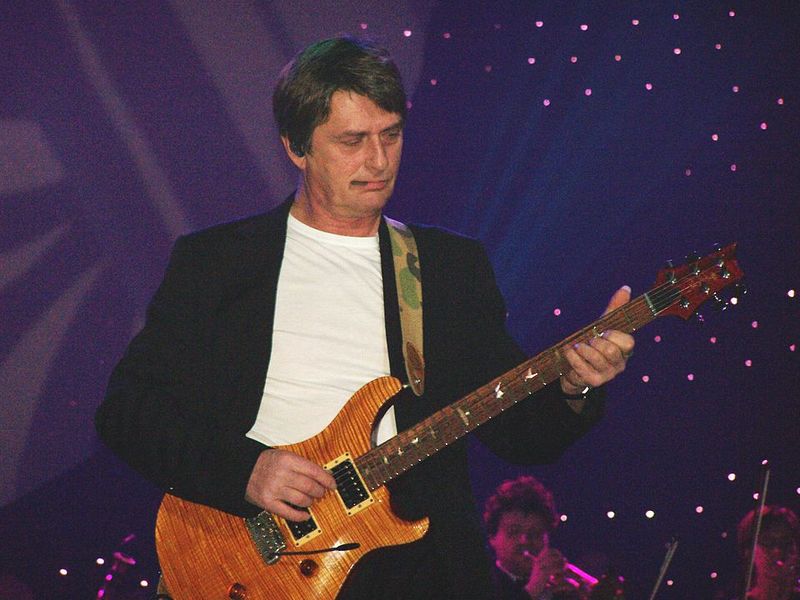
A one man symphony unfurls in movements, patient and mysterious. Tubular Bells blends folk, minimalism, and rock into a hypnotic climb. The Exorcist made its opening famous, but the album length vision is the revelation.
It showed how a solitary creator could sculpt vast soundscapes with overdubs. Progressive, cinematic, and deeply textural, it opened doors for DIY epic projects. Give it time and it blooms.
8. Green Onions – Booker T. & the MG’s (1962)
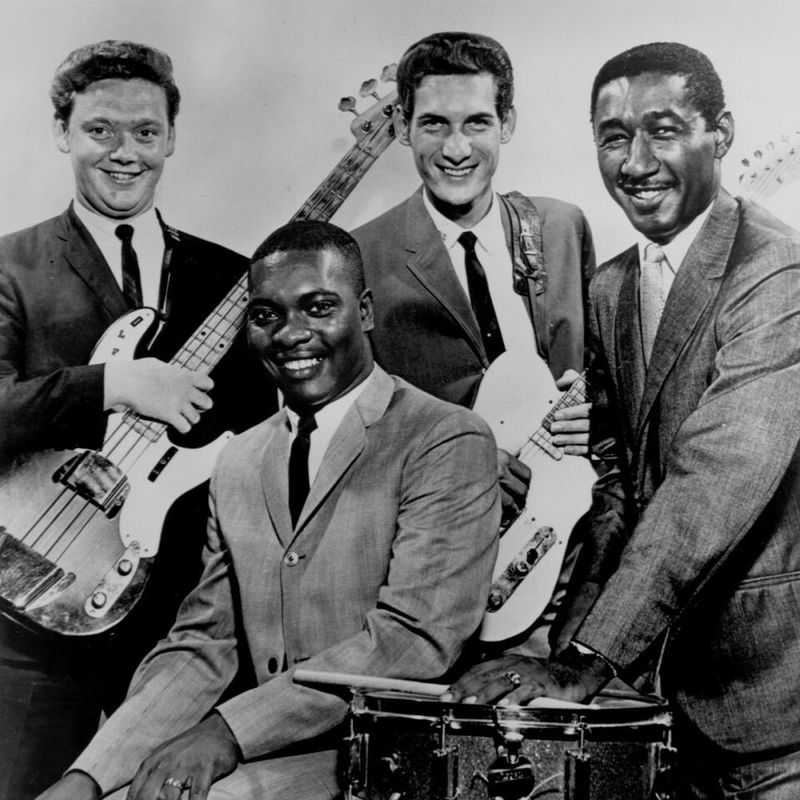
You hear that Hammond B3 and instantly the room gets cooler. The groove walks with a swagger, a simple riff that somehow feels like the blueprint for confidence. DJs, guitarists, and hip hop producers still reach for its tone when they need attitude without words.
Green Onions defined the Memphis soul sound, direct and uncluttered. It taught that space can be as funky as notes. Play it once and your shoulders move before you notice.
9. Planet Rock – Afrika Bambaataa & the Soulsonic Force (Instrumental) (1982)
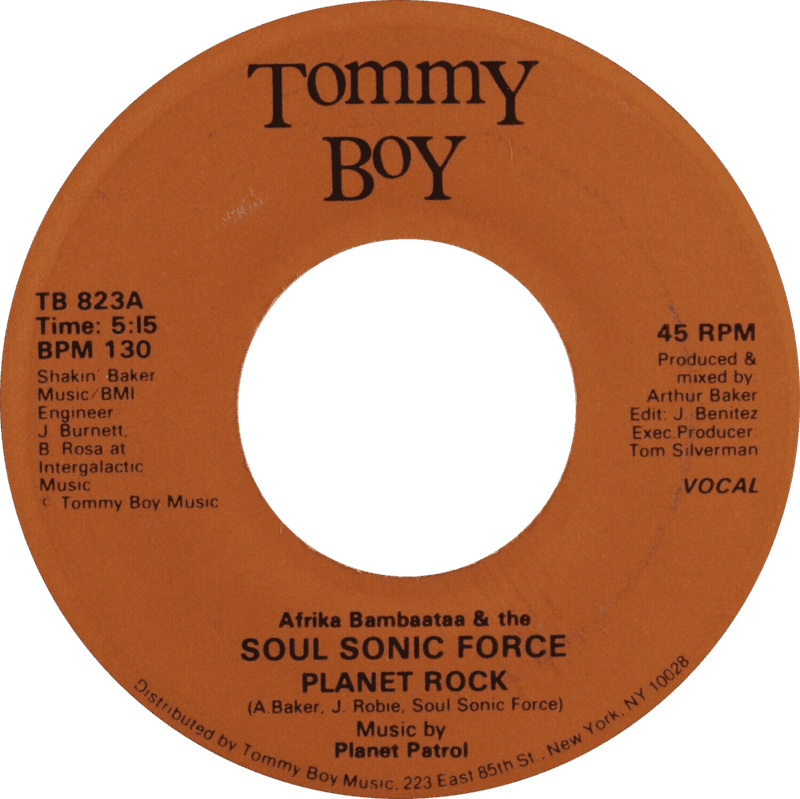
Kraftwerk synths meet Bronx swagger, and electro is born. The instrumental mix lets the 808 and arpeggios speak in chrome. You can map modern hip hop and electronic dance back to this spark.
Planet Rock taught producers that technology could be the band. Breakdancers found their engine, and club culture never looked back. The future arrived in a drum pattern.
10. Windowlicker (Instrumental) – Aphex Twin (1999)
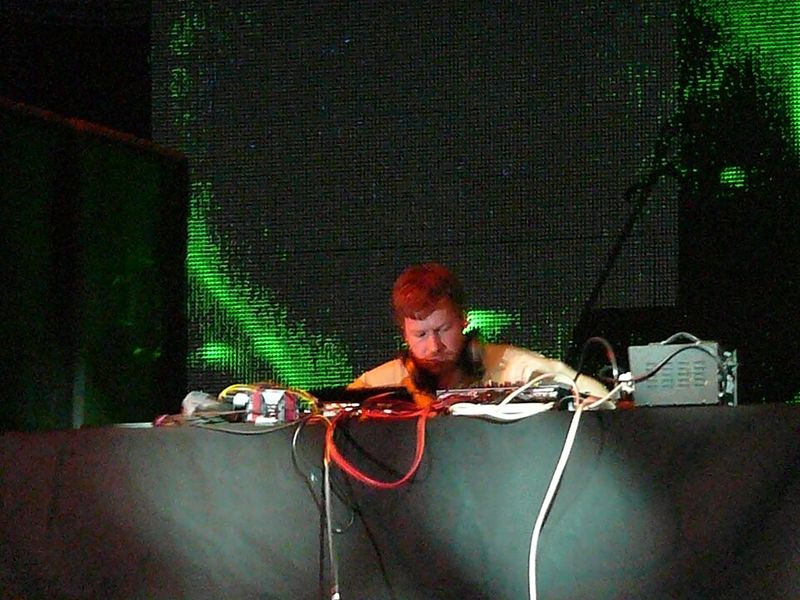
Grotesque beauty wrapped in meticulous sound design. The instrumental edit exposes the micro edited drums and syrupy harmonies without vocal distraction. It is unsettling, playful, and technically jaw dropping.
Producers studied its swing, compression, and twisted funk, seeding IDM into pop production. You dance and wince at the same time. Perfection with a bent grin.
11. Clair de Lune – Claude Debussy (1905)
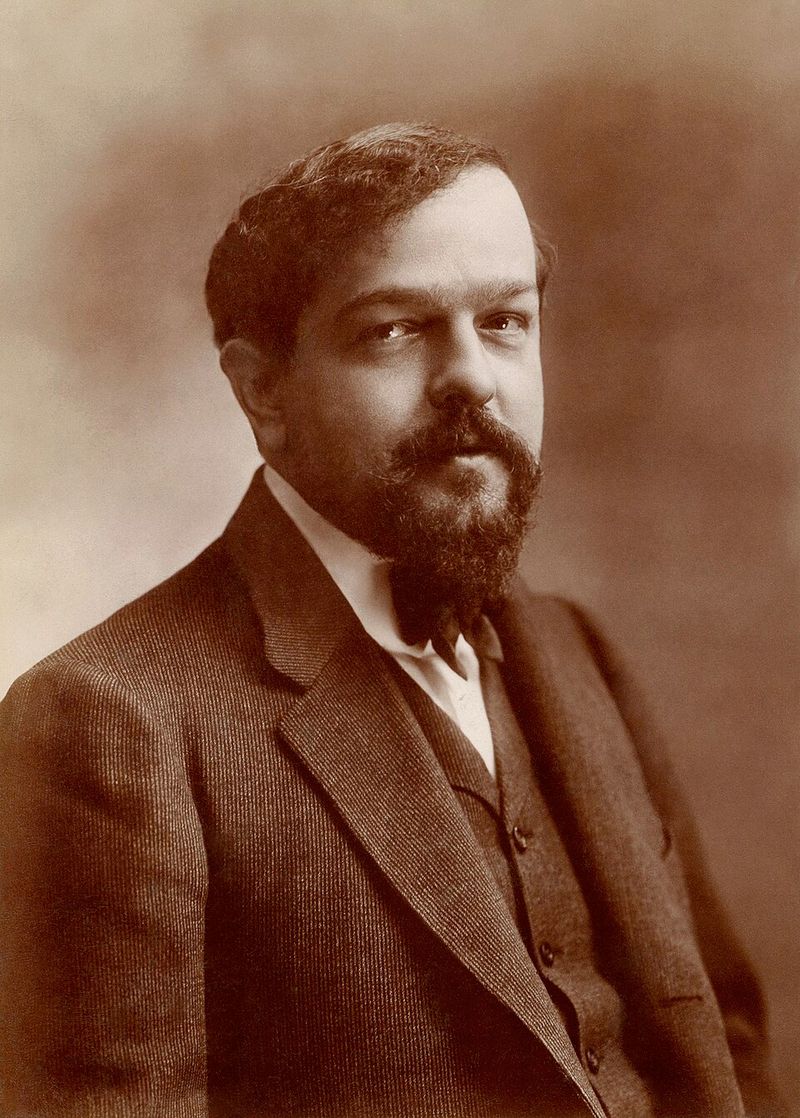
The piano whispers moonlight across a quiet room. Clair de Lune is impressionism in sound, blurring edges so emotion can breathe. Notes seem to float before they land.
Its influence touches film scores, ambient music, and every late night playlist seeking calm. Play it and the world loosens its grip. Sometimes the softest voice carries farthest.
12. Sleep Walk – Santo & Johnny (1959)
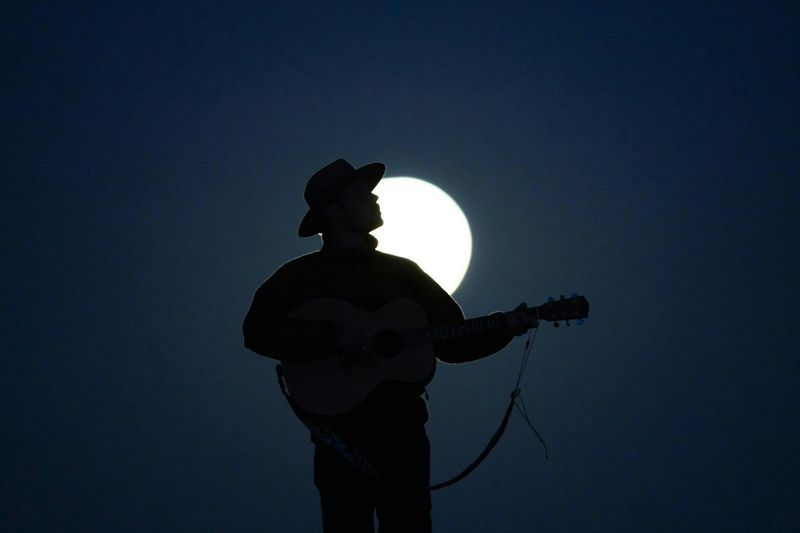
In the sultry summer of 1959, Santo & Johnny’s “Sleep Walk” glided onto the airwaves, casting a spell with its dreamy steel guitar. This track became synonymous with the era’s romantic nostalgia.
The enchanting melody, characterized by its smooth, sliding notes, evokes a sense of yearning that resonates across generations. Its impact stretches beyond its time, influencing genres from rock to ambient music.
“Sleep Walk” not only topped the charts but also found a permanent place in hearts, providing a soundtrack to countless love stories and cinematic moments.
Share this story