Grandma did not need fancy gadgets to cook brilliantly or keep a tidy kitchen. Her clever tricks still solve everyday problems faster than most modern tools. You will save time, money, and maybe a few dinners with these simple, trustworthy methods. Let these time tested hacks upgrade your routine today.
1. Use Salt To Clean Cast Iron
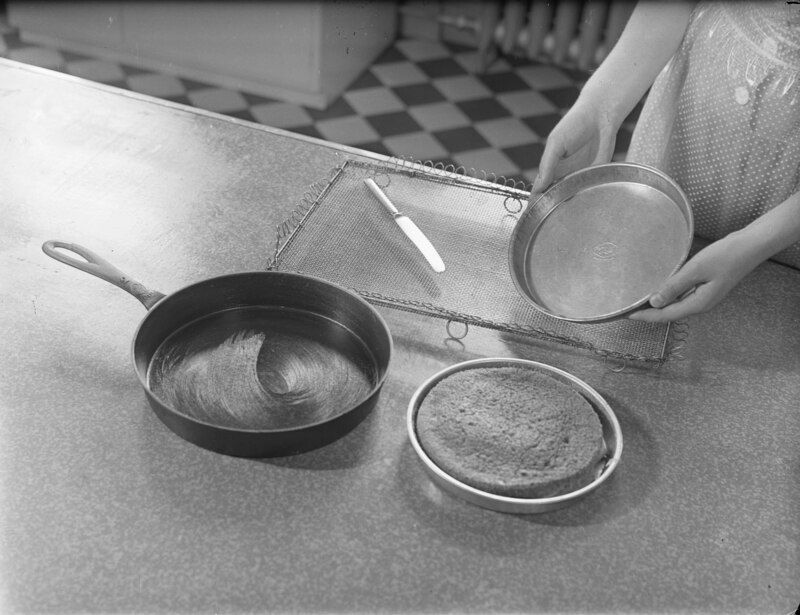
Scrub cast iron with coarse salt and a splash of oil to lift stuck bits without stripping seasoning. Salt acts like a gentle abrasive, leaving the surface smooth. Rinse quickly and dry thoroughly over low heat.
Finish with a thin oil coat while warm to protect. Avoid soaking or dish soap marathons. Your skillet will stay slick, dark, and ready for the next sear.
2. Tenderize Meat With Vinegar Or Citrus
Tough cuts turn tender when marinated with vinegar or citrus juice. The mild acid helps unwind proteins, letting flavors soak in and softening the bite. It also brightens taste, so simple seasonings shine.
Do not overdo the time. Thirty minutes to a few hours works well for most meats. Pat dry before searing for good browning, and balance acidity with oil, salt, and a touch of sweetness.
3. Wrap Celery In Aluminum Foil
Wrap celery in aluminum foil before refrigeration to keep it crisp. The foil lets ethylene escape while preventing excessive moisture loss, so stalks stay snappy for weeks. No more limp, sad celery hiding in the drawer.
Wash just before using to avoid extra water softening the ribs. If pieces droop, shock them in ice water to revive. You can use this trick for broccoli stems and herbs bundled in paper, then loosely foiled.
4. Test Fry Oil With A Wooden Spoon
Dunk the end of a wooden spoon into oil to see if it is ready for frying. If steady bubbles gather around the wood, the oil is hot enough. No thermometer required, and you avoid soggy results.
Start medium, then adjust as food goes in. Aim for gentle, consistent bubbling not smoke. Keep a safe setup with a splatter screen and a sheet pan lined with a rack for draining.
5. Keep Salad Crisp With A Damp Towel

Line your salad bowl with a damp paper towel before adding greens. It helps maintain humidity without drenching leaves, so everything stays crunchy. This buy ahead prep keeps lunches quick and delicious.
Store the covered bowl in the fridge and swap the towel if it dries out. Add dressing only right before serving. Toss in a chilled metal bowl for extra refreshing crunch.
6. Stop Boilovers With A Wooden Spoon

Place a wooden spoon across the top of a pot to keep foamy bubbles from spilling over. The spoon disrupts the bubbles and breaks surface tension so the foam collapses before it escapes. It buys you time and prevents a messy stove.
Use it for starchy boils like pasta, potatoes, or rice. Do not rely on it forever though, because heat can still climb. Lower the burner and give the pot a stir for best results.
7. Freshen The Fridge With Baking Soda
Slide an open box of baking soda onto a fridge shelf to trap odors. The soda neutralizes acids and bases in the air, which helps your produce smell and taste fresher. It is cheap, simple, and effective.
Replace the box every one to three months for best performance. You can date the corner with a marker. If odors persist, clean spills quickly and keep leftovers tightly sealed.
8. Lift Stains With Lemon Juice

Use lemon juice as a gentle bleaching helper on whites. Dab or soak stained spots, then let the fabric sit in sunlight to boost the effect. It is especially handy for sweat marks and dingy cuffs.
Test colorfastness on non white items first. Rinse thoroughly and launder as usual. You will love how fresh everything looks with almost no effort or harsh chemicals.
9. Polish Copper With Lemon And Salt
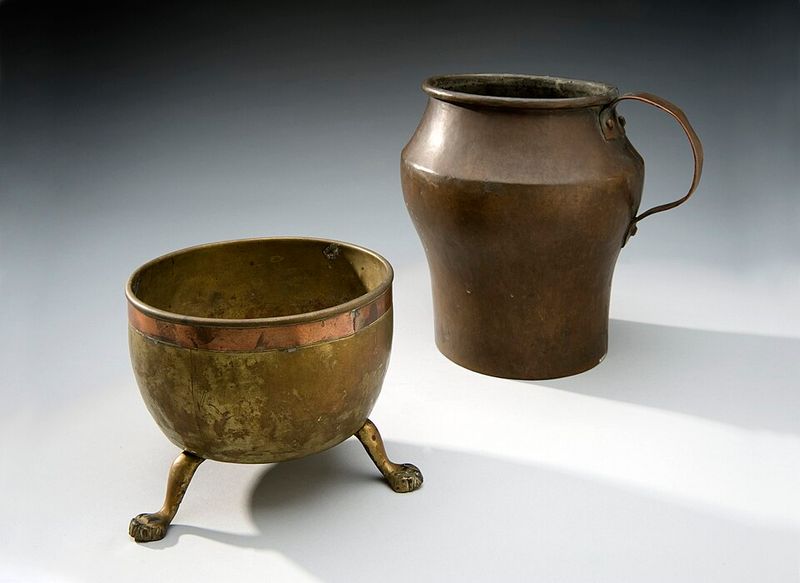
Cut a lemon, dip it in salt, and rub tarnished copper or brass. The acid and abrasion lift oxidation fast, revealing that warm glow you remember. Rinse thoroughly and dry to prevent water spots.
For heavy tarnish, make a paste with lemon juice and fine salt, then buff with a soft cloth. Always test a small area first. Finish with a light oil rub if you like extra shine.
10. Keep Brown Sugar Soft With Bread
Keep brown sugar soft by sealing it with a slice of bread in the container. The bread shares its moisture, gently rehydrating the sugar so it stays scoopable. You will avoid chiseling rock hard clumps mid recipe.
Swap the bread slice as it dries out, or use a tortilla if you prefer. A terracotta sugar saver works too. Store airtight and away from heat to maintain that perfect softness longer.
11. Clean Windows With Newspaper

Crumpled newspaper makes a surprisingly great window cloth. The paper fibers and ink help reduce streaks while absorbing cleaner evenly. You will get glass that looks invisible when the light hits.
Use a vinegar and water spray for a low cost shine. Wipe in overlapping passes and finish with a dry edge swipe. Recycle the paper afterward, keeping your routine simple and sustainable.
12. Rescue Salty Soup With Potatoes
Drop peeled potato chunks into an overly salty soup or stew. They absorb some salty liquid as they cook, softening the flavor. Remove them before serving if you do not want extra starch.
Balance with a splash of water, low sodium stock, or a squeeze of lemon too. Taste as you go, since salt builds quickly. This trick can save dinner when seasoning slips heavy.
13. Revive Limp Lettuce In Ice Water
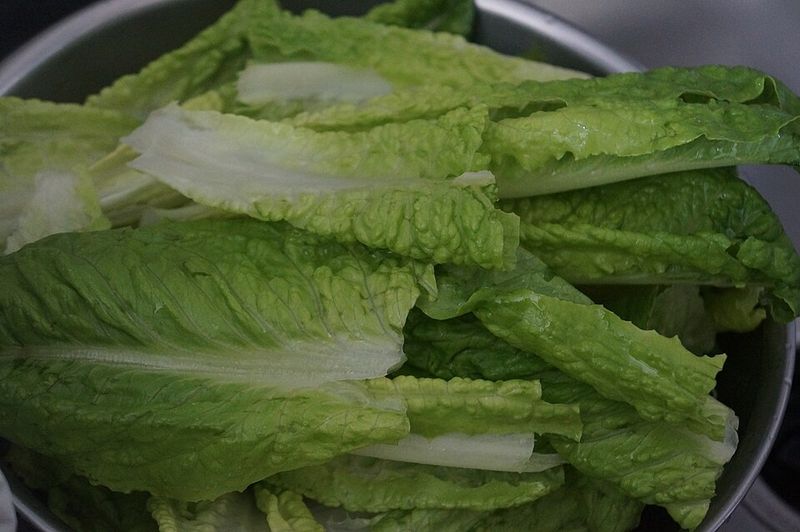
Soak limp lettuce in ice water for 10 to 20 minutes to restore crispness. Cold shocks the cells, drawing in water and firming the leaves. It works on herbs and celery sticks too.
Dry greens thoroughly in a spinner so dressing clings. Store with a paper towel in a sealed container afterward. You will serve salads that taste garden fresh even on busy nights.
14. Use Vinegar For Fluffy Rice
Add a teaspoon of vinegar to the rice water for fluffy, separate grains. The mild acid reduces excess starch clumping so the texture improves. It also brightens flavor without tasting sour.
Rinse rice until water runs clearer, then cook with a pinch of salt. Let it rest covered for 10 minutes, then fluff with a fork. You will enjoy consistently light, tender rice bowls.
15. Soften Butter Fast In Warm Glass
Need soft butter quickly without melting it into a puddle. Warm a glass with hot water, dry it, then place it inverted over the butter. The gentle heat softens evenly for spreading or creaming.
Cut the butter into smaller pieces for speed. In baking, still aim for cool room temperature. This tidy method saves you from microwave roulette and greasy messes.
16. Keep Cookies Soft With Apple Slices

Tuck a few apple slices into your cookie tin to keep treats soft. The slices release moisture, which the cookies absorb gently. Check daily and swap apples before they get mealy.
Store airtight and separate crisp cookies from chewy ones. Add a parchment barrier so flavors do not mingle too much. This trick revives day old bakes and preserves that bakery fresh bite.
Share this story