Rising sea levels and climate change are threatening coastal cities around the world. Scientists warn that many major urban areas could face severe flooding or even partial submersion within the next few decades. From bustling Asian megacities to historic European landmarks, these vulnerable locations are home to millions of people who may need to adapt or relocate as waters continue to rise.
1. Jakarta, Indonesia
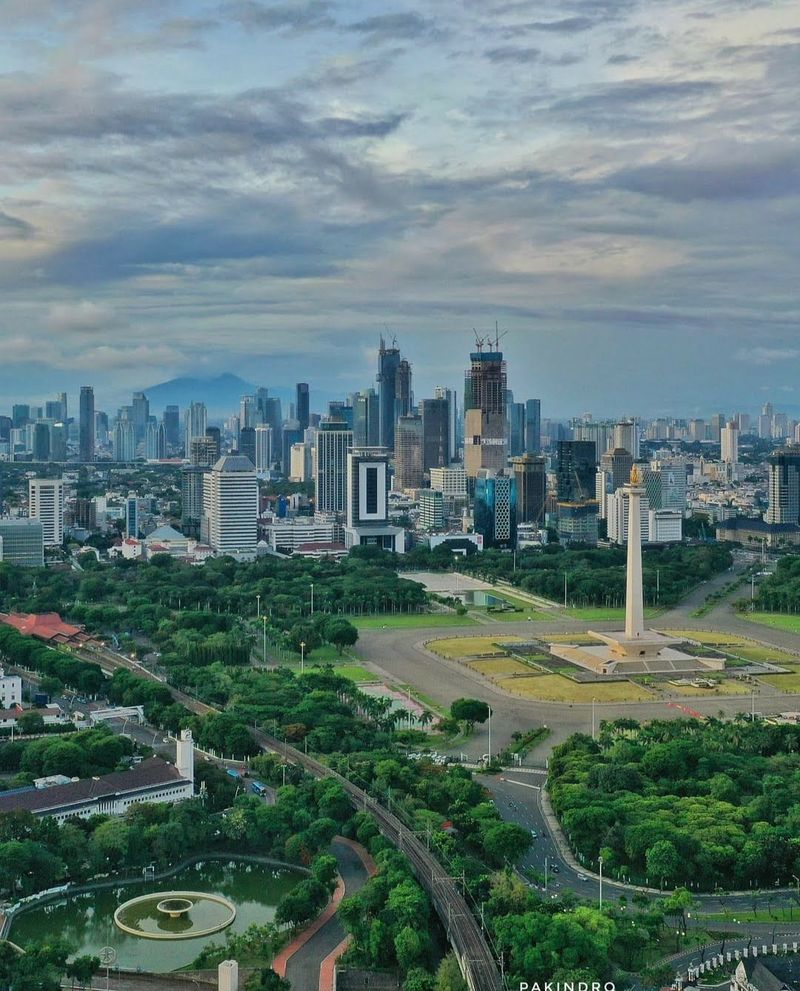
Indonesia’s capital is sinking faster than almost any other city on Earth. Parts of Jakarta are dropping by as much as 10 inches every year because of excessive groundwater pumping and the weight of its buildings.
Home to over 10 million people, the city sits on swampy land near the coast. Flooding has become so common that the government announced plans to move the capital to another island entirely.
Scientists predict that much of northern Jakarta could be underwater by 2050 if current trends continue. The combination of land subsidence and rising sea levels creates a double threat that makes this one of the most vulnerable cities on the planet.
2. Bangkok, Thailand
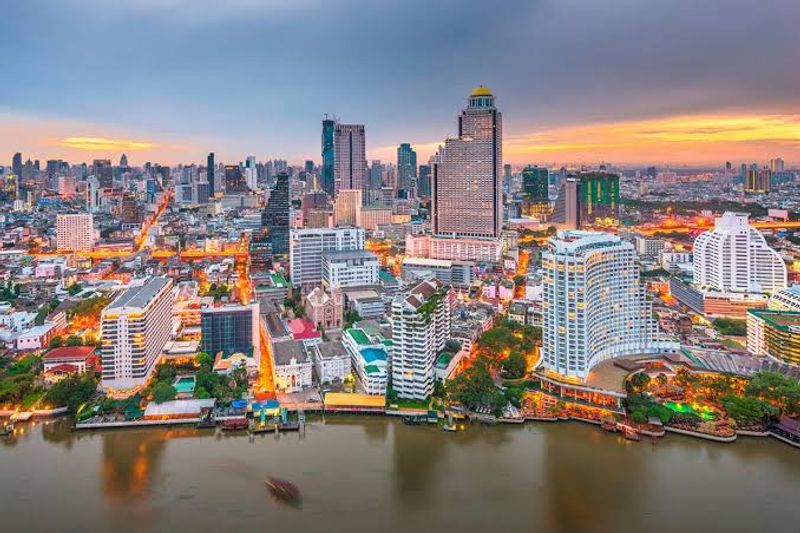
Thailand’s vibrant capital sits barely above sea level, making it extremely vulnerable to rising waters. Built on soft clay soil that’s gradually compressing, Bangkok faces the same sinking problem as Jakarta.
The city experiences regular flooding during monsoon season, giving residents a preview of what permanent inundation might look like. Its famous temples, bustling markets, and modern skyscrapers could all face serious water damage within decades.
Experts estimate that large portions of Bangkok could be submerged by mid-century. With over 8 million residents and millions more tourists visiting annually, the economic and cultural losses would be devastating for Thailand and the entire region.
3. Ho Chi Minh City, Vietnam
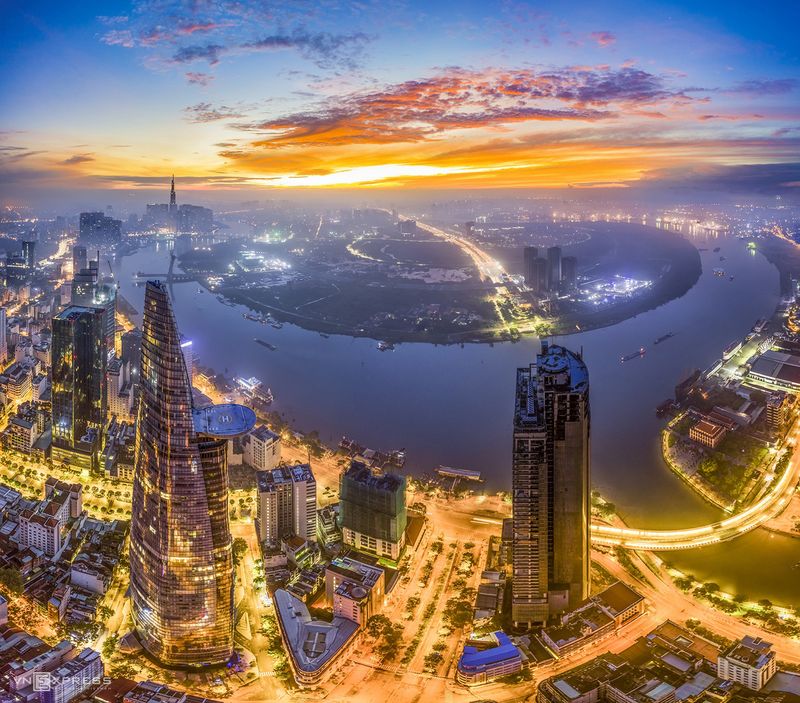
Vietnam’s largest city sits right at the edge of the Mekong Delta, one of the most flood-prone regions in Southeast Asia. The city’s location makes it incredibly exposed to both river flooding and ocean surges.
Nearly 9 million people call this economic powerhouse home, but many neighborhoods already flood regularly during heavy rains. Climate models show that without major intervention, significant areas could be permanently underwater by 2050.
The Mekong Delta itself is shrinking due to upstream dams and sediment loss, which removes natural barriers against flooding. Ho Chi Minh City represents not just an urban crisis but a regional environmental challenge affecting millions across southern Vietnam.
4. New Orleans, USA
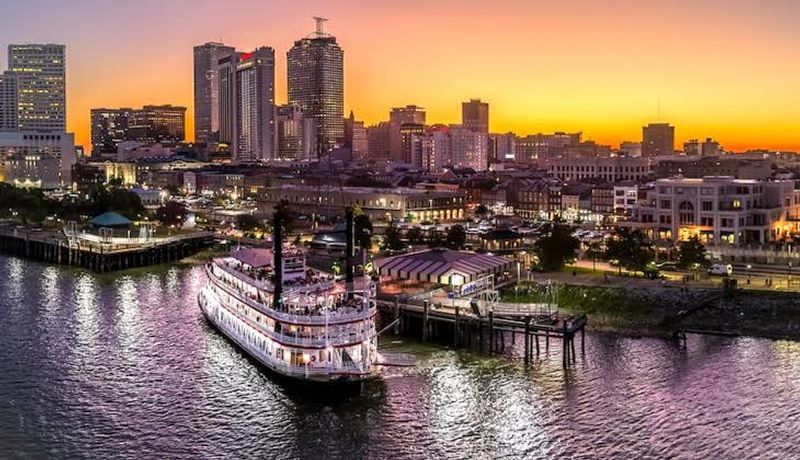
Famous for jazz music and Creole culture, New Orleans has always had a complicated relationship with water. Much of the city sits below sea level, protected only by a system of levees and pumps that work constantly to keep water out.
Hurricane Katrina in 2005 showed the world how vulnerable this city really is when those protections fail. Climate scientists warn that stronger storms and higher seas could overwhelm defenses again, potentially making parts of the city uninhabitable.
Despite major investments in flood protection since Katrina, experts believe some neighborhoods may need to be abandoned by 2050. The city’s unique cultural heritage makes this prospect particularly heartbreaking for Americans and music lovers worldwide.
5. Miami, USA
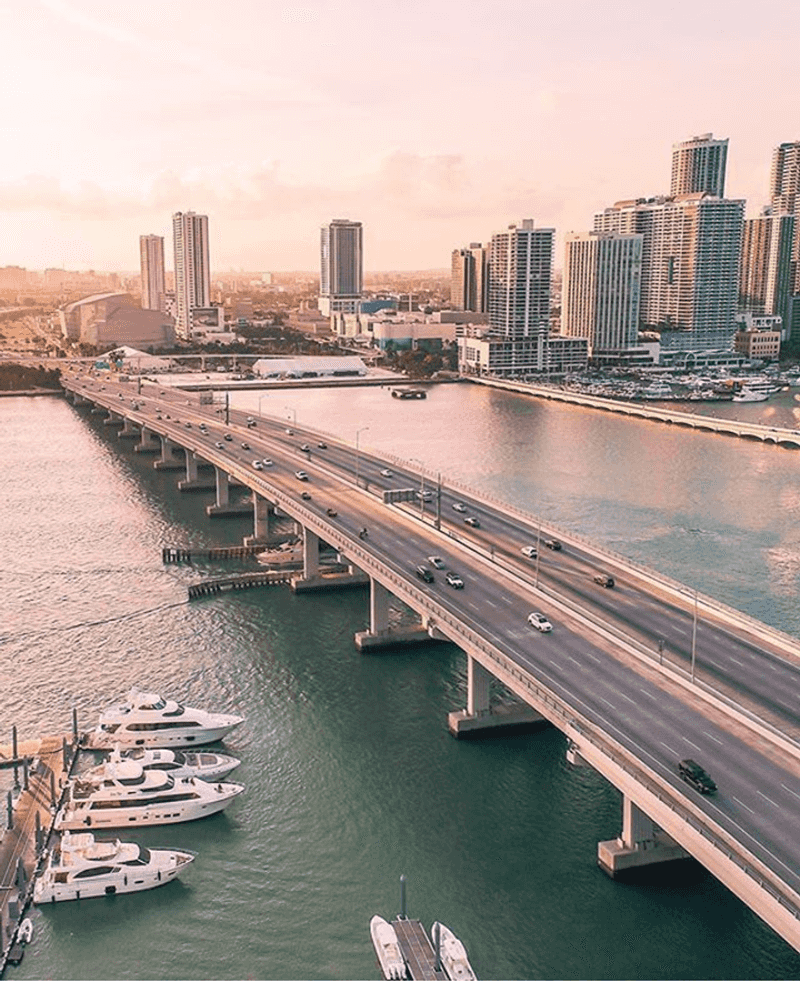
Sunny beaches and art deco architecture have made Miami a global tourist destination, but those same beaches are disappearing. Built on porous limestone, the city can’t simply build walls to keep water out because seawater seeps up through the ground.
Luxury waterfront properties already experience regular flooding during high tides, a phenomenon locals call sunny day flooding. This happens even without storms, and it’s getting worse every year as seas continue rising.
Real estate experts predict that Miami’s famous South Beach could be largely underwater by 2050. The city has spent billions trying to adapt, raising roads and installing pumps, but many scientists believe these measures only delay the inevitable.
6. Alexandria, Egypt
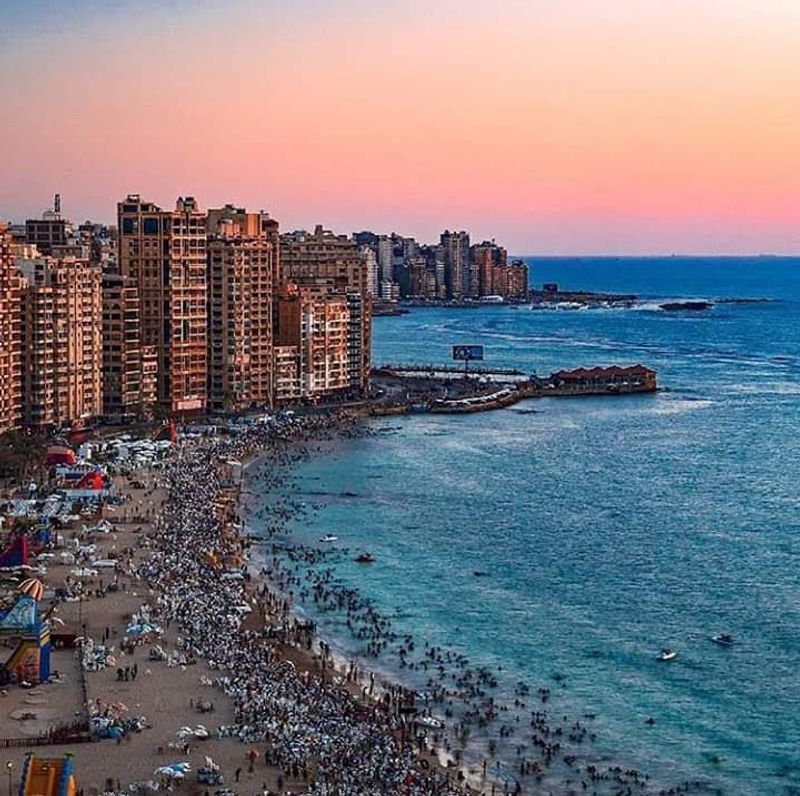
Founded by Alexander the Great over 2,000 years ago, Alexandria has witnessed countless historical events from its position on the Mediterranean coast. Today, this ancient city faces a modern threat that could erase much of its heritage.
Rising Mediterranean waters combined with land subsidence threaten to flood areas where millions of Egyptians live and work. The city’s famous Corniche waterfront and historic districts sit in particularly vulnerable zones.
Archaeological treasures that survived millennia could be lost within decades if predictions prove accurate. Egyptian authorities are scrambling to protect both people and priceless artifacts, but the scale of the challenge is enormous for a developing nation with limited resources.
7. Shanghai, China
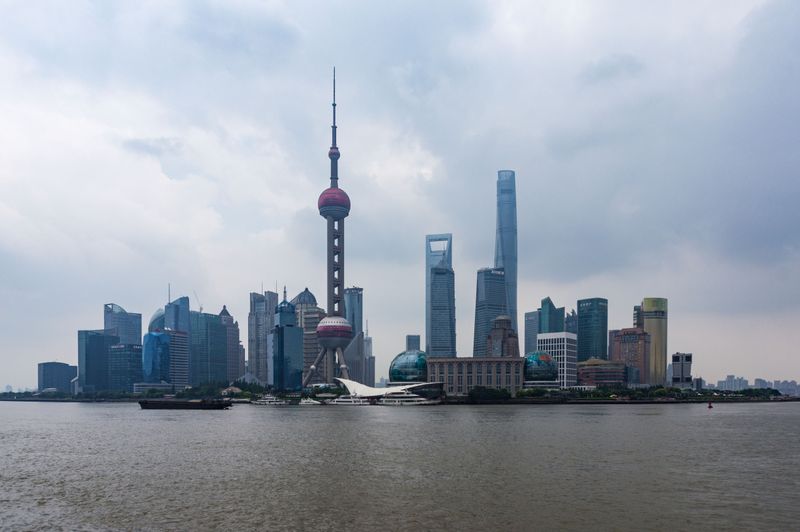
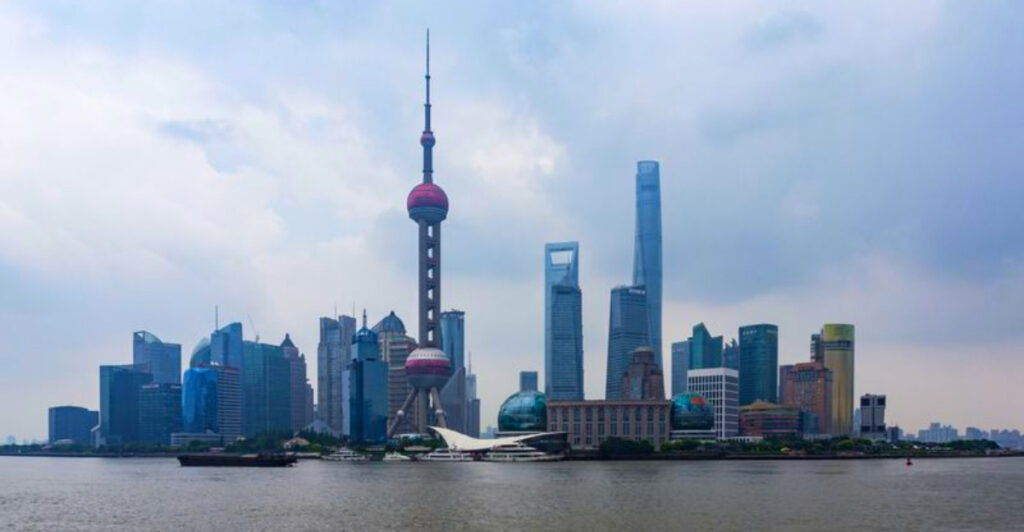
China’s financial capital and one of the world’s largest cities, Shanghai sits at the mouth of the Yangtze River. Over 24 million people live in this sprawling metropolis that drives much of China’s economy.
The city has already invested heavily in flood defenses, including a massive seawall, but experts worry these won’t be enough. Storm surges combining with rising seas could overwhelm protections during typhoons, which are becoming more intense with climate change.
Some estimates suggest that without dramatic action, large sections of Shanghai could face regular flooding by 2050. The economic impact would ripple across China and the entire global economy, given the city’s importance to international trade and finance.
8. Kolkata, India
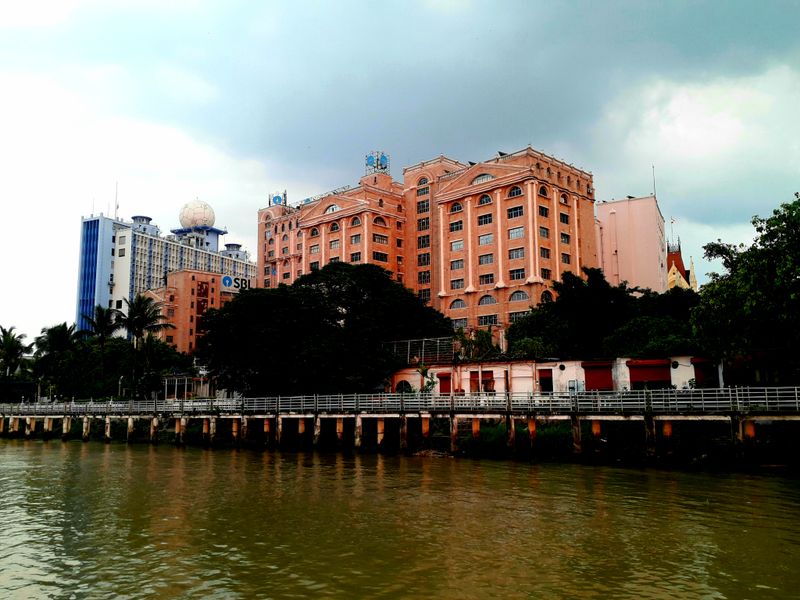
Formerly known as Calcutta, this historic Indian city sits on the Ganges Delta where rivers meet the Bay of Bengal. Monsoon rains already bring severe flooding to Kolkata almost every year, straining the city’s aging infrastructure.
More than 14 million people live in the metropolitan area, many in low-lying neighborhoods with poor drainage. Climate change is making monsoons more unpredictable and intense, while rising seas push saltwater further inland.
Researchers predict that permanent flooding could displace millions of residents by mid-century. Kolkata represents a broader crisis facing the entire Ganges-Brahmaputra Delta region, where hundreds of millions of people depend on land that’s gradually disappearing beneath the waves.
9. Saint-Louis, Senegal
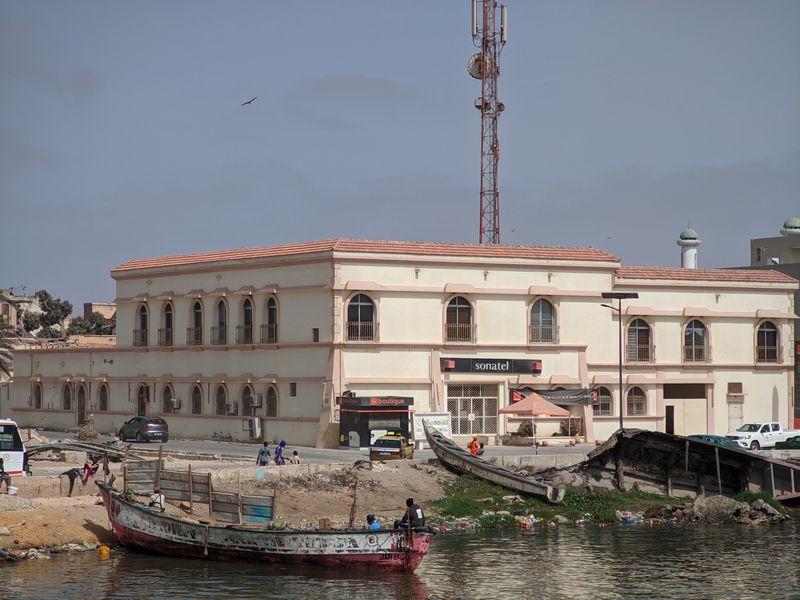
This charming former French colonial capital sits on a narrow island where the Senegal River meets the Atlantic Ocean. Its colorful buildings and unique location earned it UNESCO World Heritage status, but that same geography now threatens its survival.
Erosion happens so quickly here that residents have watched entire neighborhoods crumble into the sea within just a few years. Families have been forced to abandon homes as the ocean literally eats away the island’s edges.
Without major intervention, much of Saint-Louis could disappear by 2050, taking with it irreplaceable cultural heritage. The city’s plight highlights how climate change disproportionately affects developing nations with fewer resources to adapt or protect vulnerable communities.
10. Venice, Italy
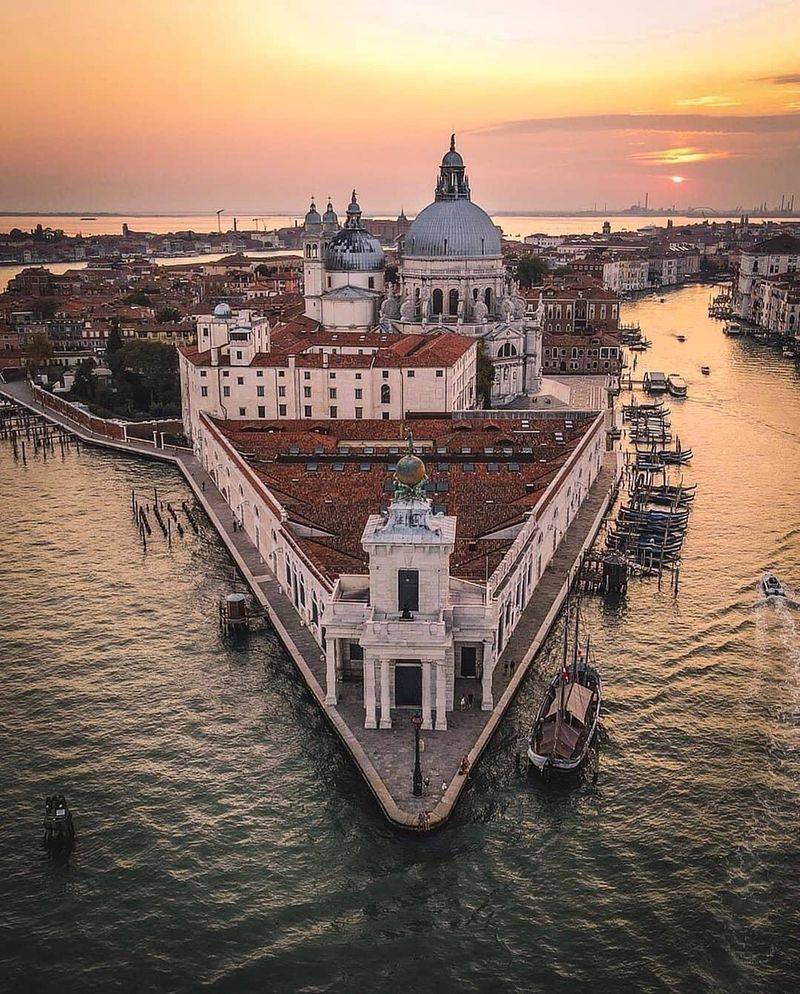
Perhaps no city symbolizes the threat of rising waters more than Venice, where canals and flooding are already part of daily life. The famous acqua alta, or high water, events have become more frequent and severe in recent years.
This Renaissance masterpiece sits on wooden pilings driven into a lagoon centuries ago. Those foundations are slowly sinking while seas rise, creating a crisis for one of the world’s most treasured cities.
Italy has installed a massive barrier system called MOSE to protect the lagoon, but many experts doubt it will be sufficient beyond 2050. The thought of losing Venice’s art, architecture, and unique way of life represents an incalculable cultural loss for all humanity.
11. Dhaka, Bangladesh
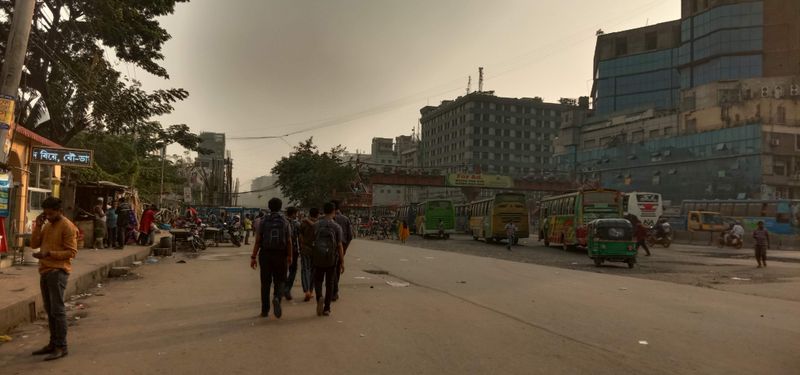
Bangladesh’s capital is one of the most densely populated cities on Earth, with over 20 million people crammed into a low-lying river delta. Dhaka already struggles with flooding during the annual monsoon season when rivers overflow their banks.
The city sits at the confluence of major rivers that drain much of the Himalayas, so any increase in rainfall upstream causes immediate problems downstream. Rising seas are also pushing saltwater into the delta, contaminating freshwater supplies.
Climate models paint a dire picture for Dhaka by 2050, with some scenarios showing large areas permanently flooded. The humanitarian crisis would be staggering, potentially displacing tens of millions of people with nowhere to go in an already crowded nation.
12. Lagos, Nigeria
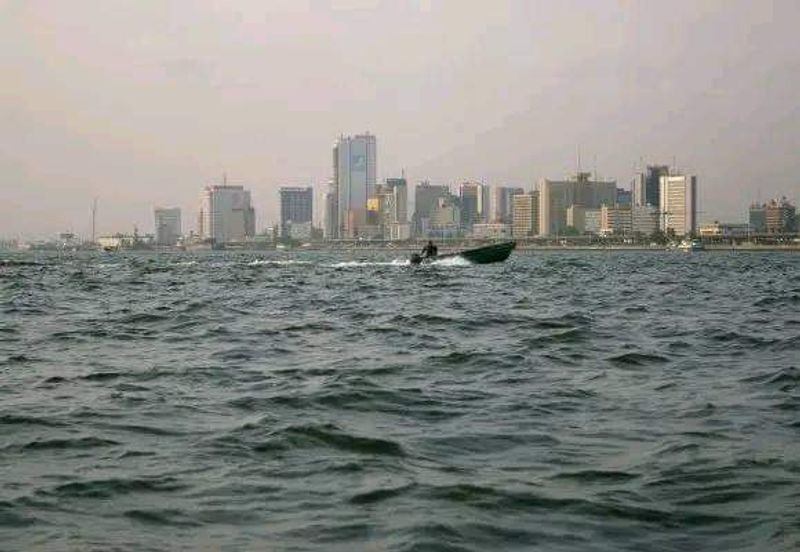
Africa’s largest city and one of its fastest-growing, Lagos sprawls across islands and coastal lowlands along the Atlantic. Rapid, unplanned development has created neighborhoods with little protection from floods or storms.
Over 20 million people live here, many in informal settlements built right at the water’s edge. These communities face the greatest risk, as they lack the resources and infrastructure to adapt to changing conditions.
Oceanographers warn that significant portions of Lagos could be underwater by 2050, threatening Nigeria’s economic heart. The city generates much of the nation’s GDP, so flooding here would have devastating consequences for West Africa’s most populous country and its regional influence.
13. Manila, Philippines
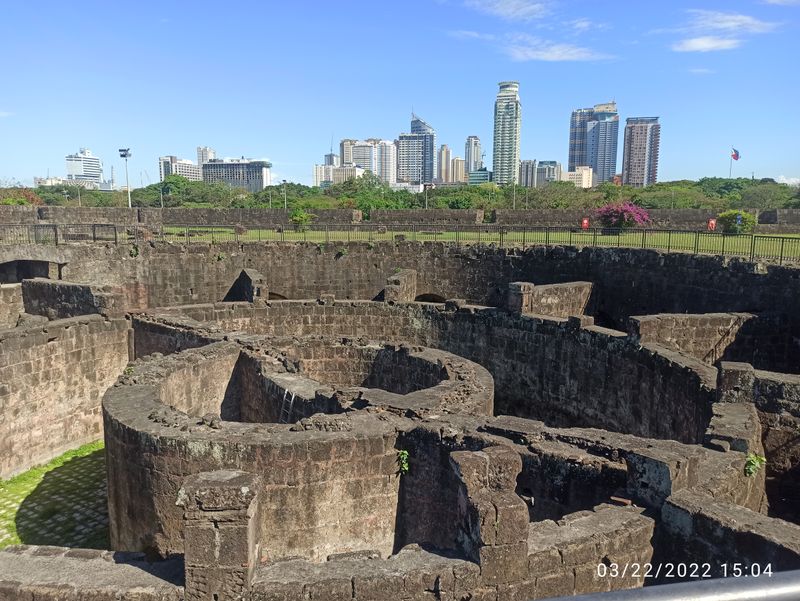
The Philippine capital sits on Manila Bay, perfectly positioned to catch typhoons that regularly slam into the archipelago nation. These powerful storms already cause catastrophic flooding, and climate change is making them stronger and more frequent.
Over 13 million people live in Metro Manila, with millions more in surrounding areas. Much of the city was built on reclaimed land and former wetlands, which makes it especially vulnerable to both storm surges and rising seas.
Engineers predict that without massive infrastructure upgrades, large sections of Manila could face permanent inundation by 2050. The Philippines lacks the resources of wealthier nations, making adaptation particularly challenging for this densely populated city.
14. Rio de Janeiro, Brazil
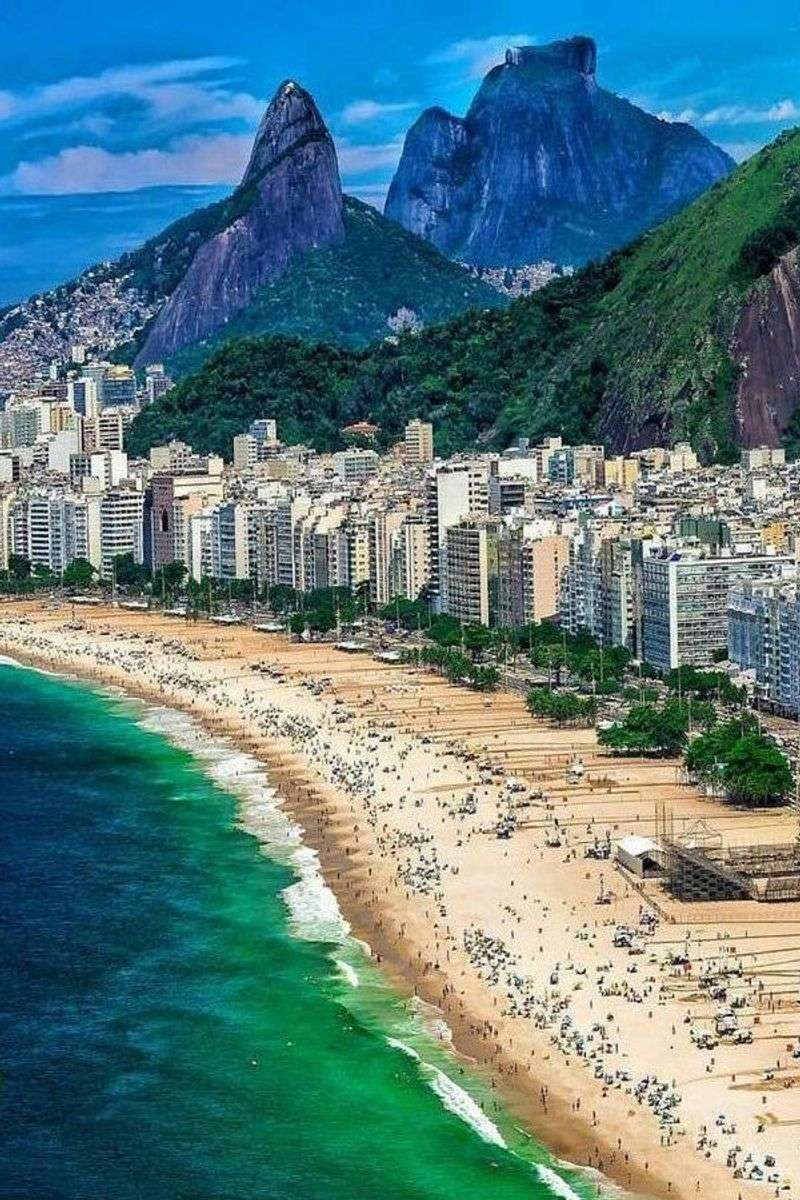
Famous for its beaches, carnival celebrations, and dramatic mountain backdrop, Rio de Janeiro faces threats from multiple directions. The city sits between ocean and mountains, which means flooding from rising seas combines with runoff from increasingly intense rainstorms.
Favelas built on hillsides experience deadly mudslides during heavy rains, while coastal neighborhoods face storm surges and erosion. Climate change intensifies both problems simultaneously.
Some of Rio’s most iconic beaches, including Copacabana and Ipanema, could shrink dramatically or disappear by 2050. Beyond the loss of tourist attractions, millions of residents in low-lying areas face displacement, creating a social crisis in a city already struggling with inequality.
15. Rotterdam, Netherlands
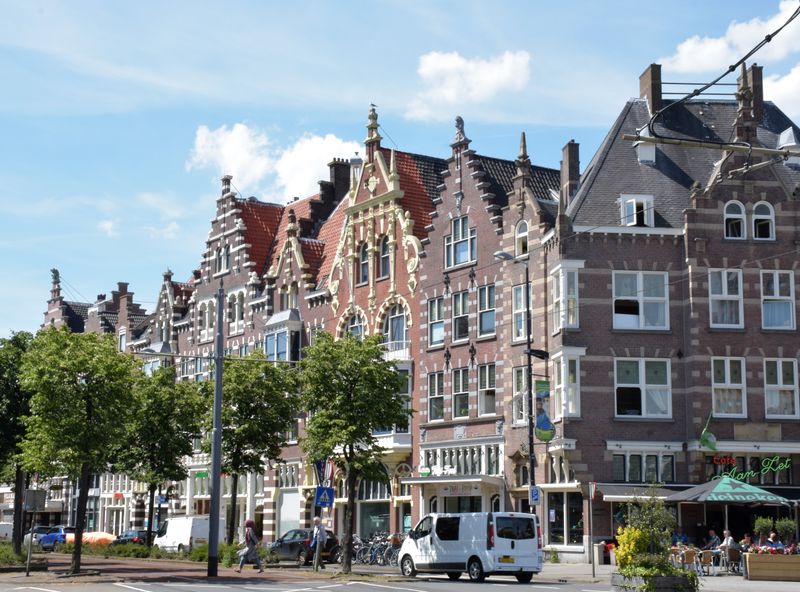
The Dutch have been fighting water for centuries, and Rotterdam represents both their expertise and their vulnerability. Much of this major port city sits below sea level, protected by an elaborate system of dikes, barriers, and pumps.
Despite being world leaders in flood management, Dutch engineers acknowledge that their defenses may not hold indefinitely. Rising seas and increasingly severe storms from the North Sea test these systems more each year.
Rotterdam has pioneered innovative solutions like floating buildings and water plazas that temporarily store excess water. Still, experts caution that even the Netherlands may need to abandon some low-lying areas by 2050 if climate change continues at current rates.
16. Osaka, Japan
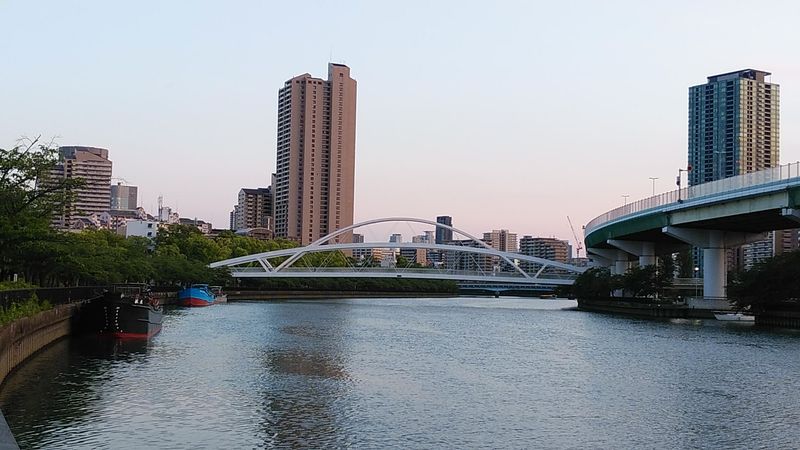
Japan’s second-largest metropolitan area, Osaka sits on a bay surrounded by rivers and reclaimed land. The city has historically dealt with typhoons and flooding, but climate change is raising the stakes considerably.
Advanced technology and engineering have made Osaka relatively well-protected compared to other vulnerable cities. However, Japanese scientists warn that even their sophisticated defenses may prove insufficient against the combined threats of rising seas and super-typhoons.
Projections suggest that portions of the city could experience severe flooding by 2050, particularly in areas built on reclaimed land. With nearly 20 million people in the greater metropolitan area, even partial flooding would create enormous economic and humanitarian challenges for this vital Japanese city.
Share this story