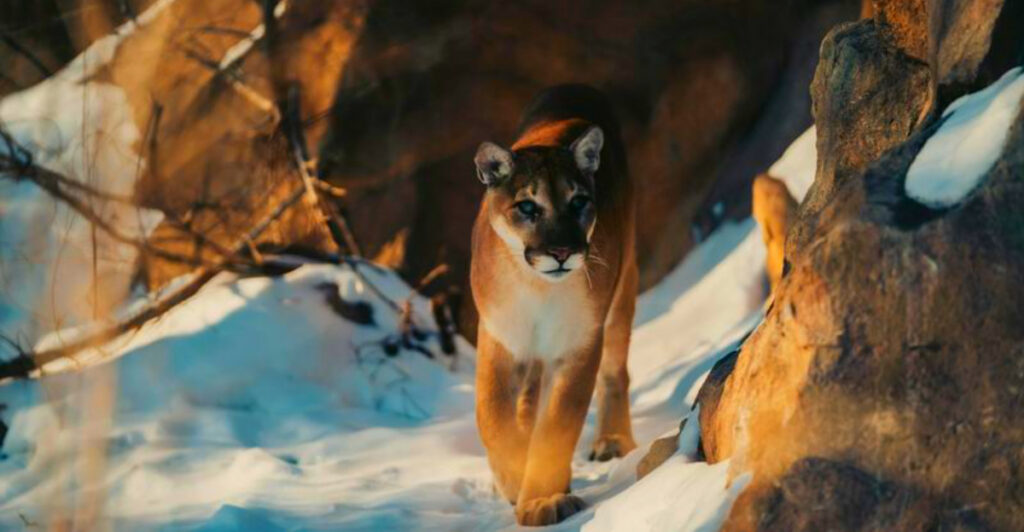
If you are hiking in Utah, you are already in mountain lion country. Encounters are rare, but knowing where cougars roam helps you plan safer, smarter adventures. This guide spotlights hot spots where sightings and sign are more common, plus the habits that bring big cats close to trails. Read on so you can stay alert, hike confidently, and keep every trip memorable for the right reasons.
1. Wasatch Mountains
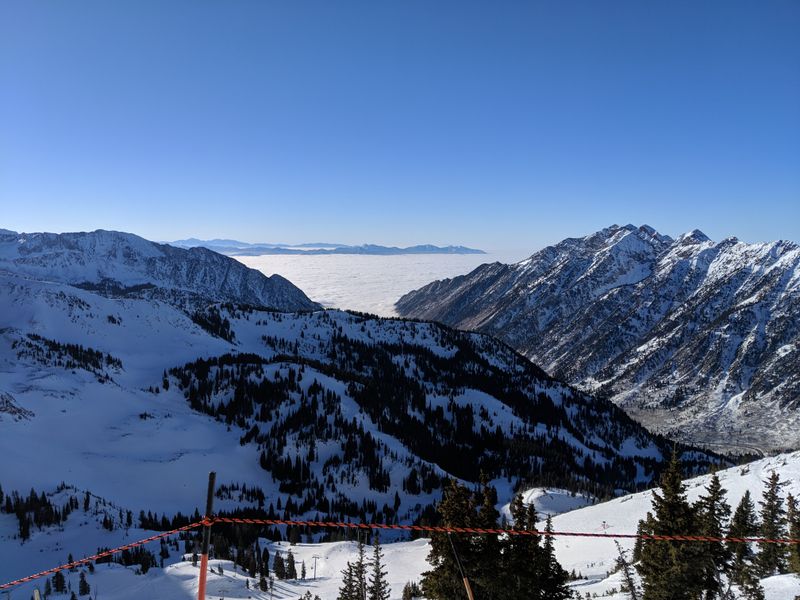
The Wasatch Range from Salt Lake City to Provo is classic cougar habitat, packed with deer and broken cover. Stick to popular trails, especially at dawn and dusk when big cats move most. Make noise, hike in groups, and keep pets leashed.
Watch for large paw prints with no claw marks, scratch piles, and cached prey tucked under brush. If you spot a lion, do not run. Face it, look large, speak firmly, and back away slowly while staying calm and deliberate.
2. Big Cottonwood Canyon
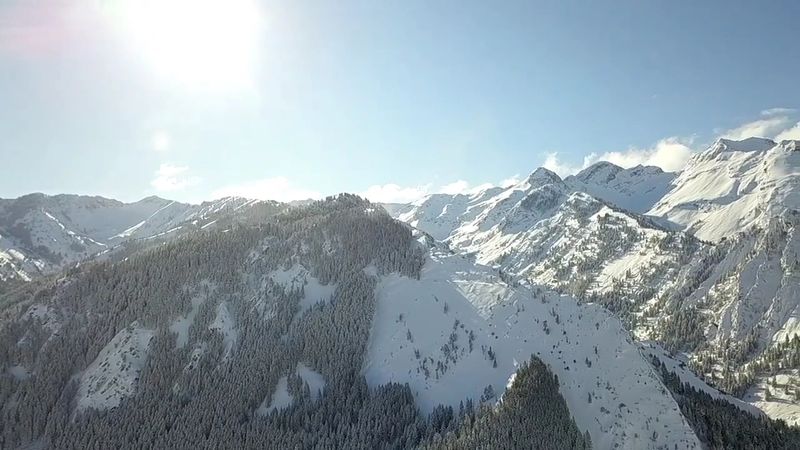
Big Cottonwood Canyon blends cliffs, creeks, and thick brush that cougars love for ambush cover. Busy trailheads do not erase wildlife presence, especially on quieter side paths. Keep kids close, control dogs, and never let them run ahead.
Scan bends and brushy drainages where deer funnel. Avoid headphones so your ears catch rustles and hoof clicks. If you find a carcass, leave immediately. Report sightings to local authorities, then choose a different route and hike assertively, not fearfully, while staying aware.
3. American Fork Canyon
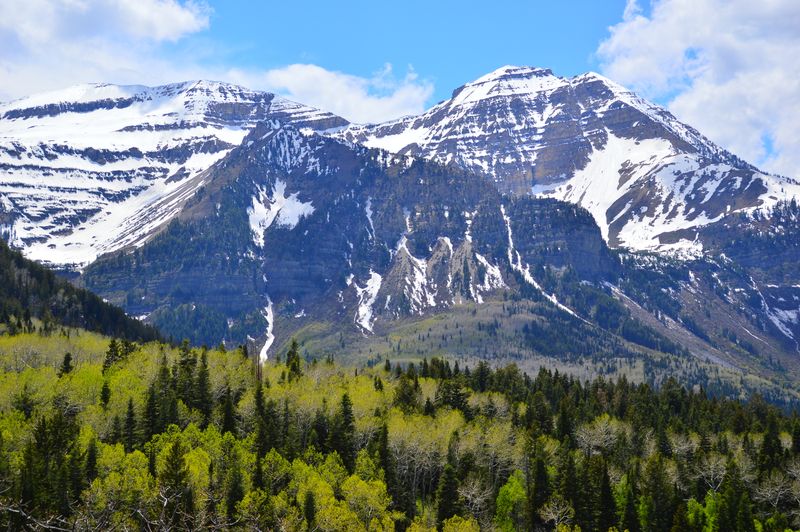
American Fork Canyon attracts hikers, climbers, and wildlife alike, including cougars shadowing deer corridors. Campgrounds and trail junctions sometimes concentrate activity. Skip earbuds, watch edges of meadows, and scan shaded cliff bases where cover meets prey.
Store food properly and keep a clean camp so scavengers do not draw predators. If you encounter a cougar, stand tall, speak loudly, and never crouch. Back away slowly while facing it. Should aggression escalate, throw rocks, use bear spray, and fight back, protecting your head and neck.
4. Uinta Mountains
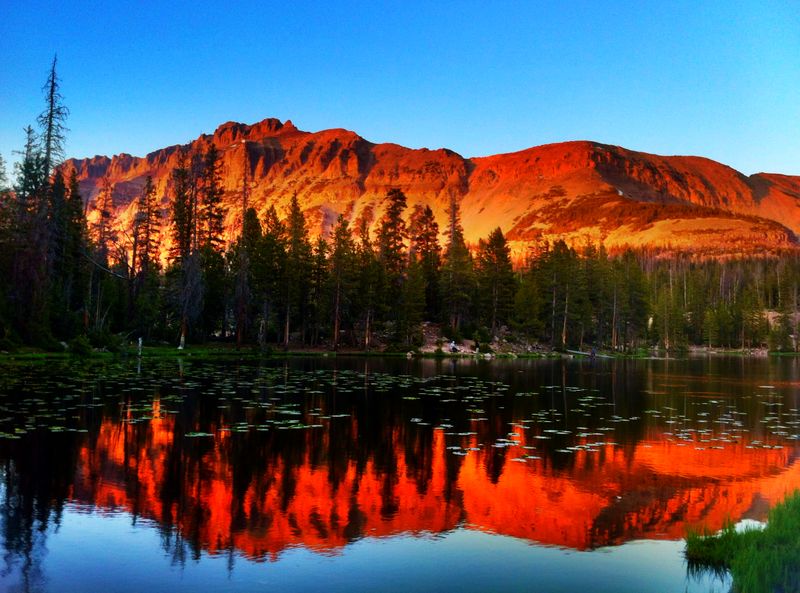
The Uintas offer remote, high-elevation country where deer and elk migrations intersect with cougar hunting routes. Backpackers should travel in groups, hang food, and camp away from game trails. At dawn, give talus slopes and timber edges extra attention.
Cougars favor broken terrain, ledges, and thick cover near water. If you discover fresher sign or a cached kill, leave immediately. Plan routes that avoid bushwhacking through dense drainages at low light. Confidence and awareness go further than anxiety here, helping you enjoy the stillness without missing critical cues.
5. Manti-La Sal National Forest
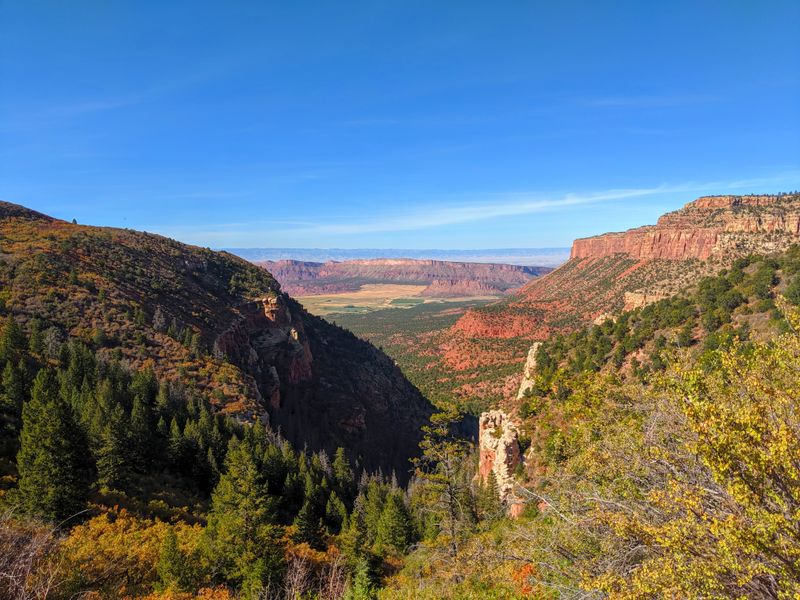
Manti-La Sal stretches across varied country perfect for cougars: cliffs, benches, mixed woods, and abundant deer. Travel in groups and talk regularly, especially in brushy draws. If you find a fresh carcass or drag marks, leave the area promptly.
Choose open sightlines where possible and keep dogs leashed. At dusk, shift to wider trails or wrap up early. Should a cougar linger, maintain eye contact, look larger with raised arms or an open jacket, and retreat slowly. Report significant encounters to rangers so others can prepare smartly.
6. Zion National Park Backcountry Zones
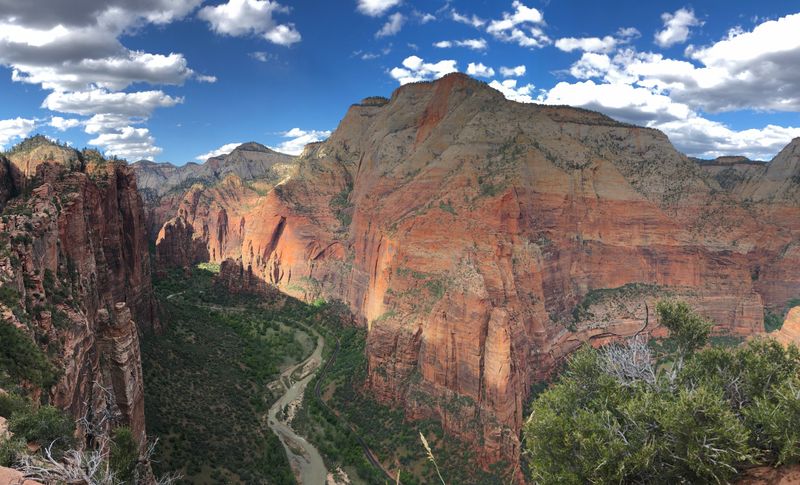
Zion’s main corridors bustle, but remote benches and drainages host stealthy cougars. Before heading out, check with rangers for recent advisories. Plan daylight travel across brushy ledges and avoid hiking solo at twilight.
Cougars cruise deer-rich pockets among pinyon-juniper and pine-oak. Keep kids close, pack a loud whistle, and stash snacks securely. If a lion appears, stand tall, use a firm voice, and never turn your back. Back away slowly with steady eye contact. Give the animal an exit and change your route afterward.
7. Bryce Canyon National Park
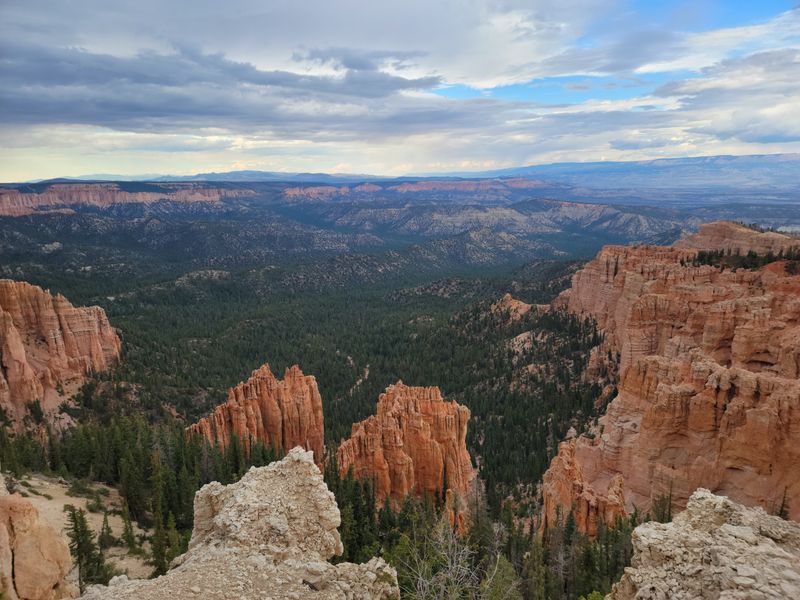
Bryce’s famous hoodoos border forests and quieter paths where cougars may move at first light. Hike in groups and favor mid-morning starts to avoid peak activity. Watch forest edges where deer feed, and keep pets leashed tightly.
Scan soft soil for rounded paw prints lacking claw marks. If you see a cougar, do not run. Appear larger, speak firmly, toss stones if needed, and maintain eye contact while backing away. Afterward, inform rangers and choose a busier route, keeping your awareness tuned without letting fear steal the experience.
8. Provo Canyon
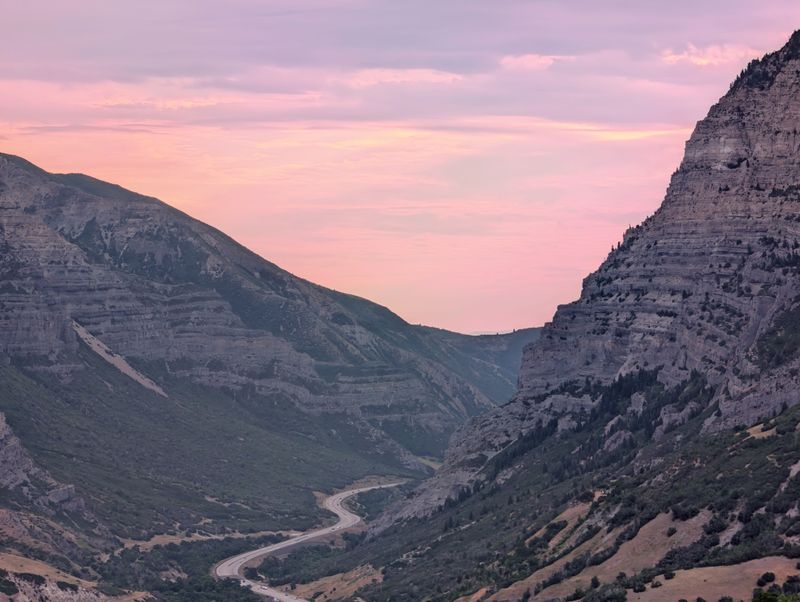
Provo Canyon links steep cliffs and deep forest, terrain cougars navigate with ease. Popular paths sit beside quieter pockets where deer travel. Avoid running if you encounter a lion. Back away slowly while facing it and speaking clearly.
Choose open trails at dawn, keep kids close, and manage dogs with short leashes. If you notice scratch piles or cached prey, leave immediately and notify authorities. Staying alert, not anxious, makes all the difference here, turning a potential scare into a safe, confident exit.
9. Parleys Canyon
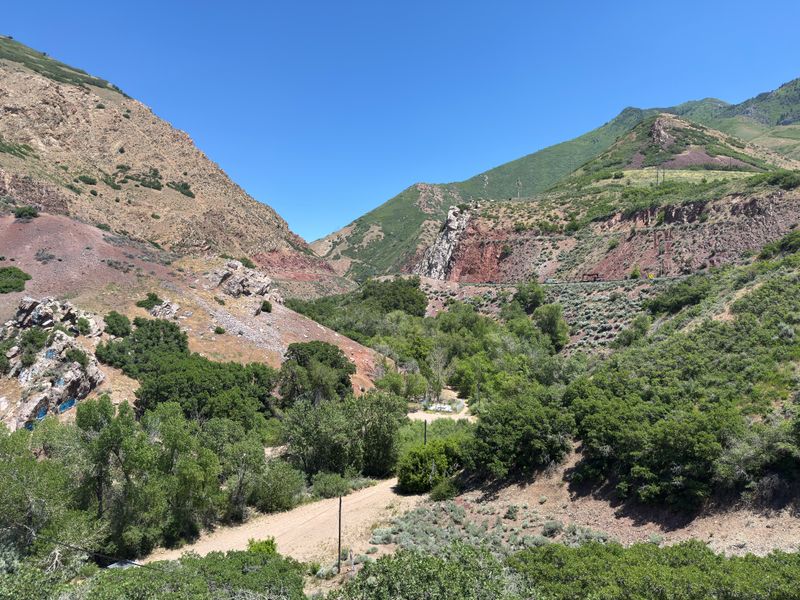
Parleys sits near neighborhoods, yet confirmed cougar sightings still occur along brushy ravines and foothill draws. Wildlife crosses developed edges more than many realize. Stay on well-traveled paths, leash pets, and avoid letting children sprint ahead.
Use your voice, clap periodically, and keep situational awareness high at low light. If a cougar appears, stand tall, maintain eye contact, and back away. Do not crouch or turn your back. Report encounters so land managers can post alerts, helping the community recreate wisely.
10. Southern Utah Plateaus (Grand Staircase – Escalante)
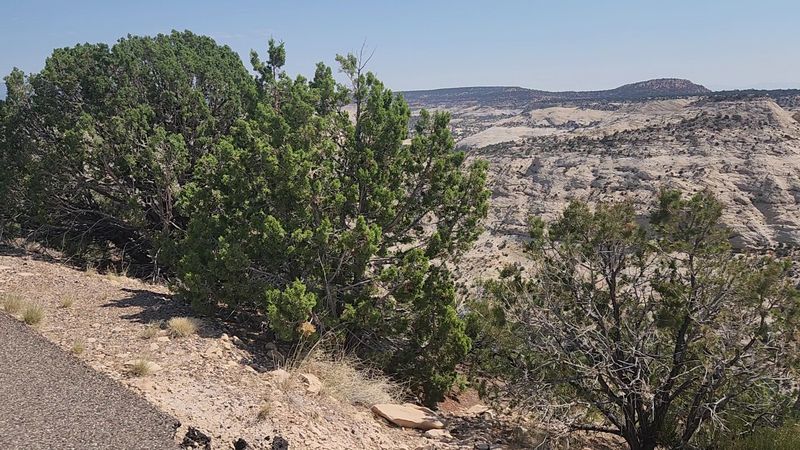
These rugged plateaus look dry, but pinyon-juniper woodlands and hidden seeps support deer and cougars. Expect sign along dry washes, benches, and brushy breaks between slickrock slabs. Travel in groups and keep your voice up through blind corners.
Large rounded tracks without claw marks, scratch mounds, and cached kills signal a lion nearby. Leave immediately if you find a carcass. Plan hikes for broad daylight, and carry a whistle or bear spray. If confronted, look larger and speak firmly while backing away.
11. Nebo Loop / Payson Canyon
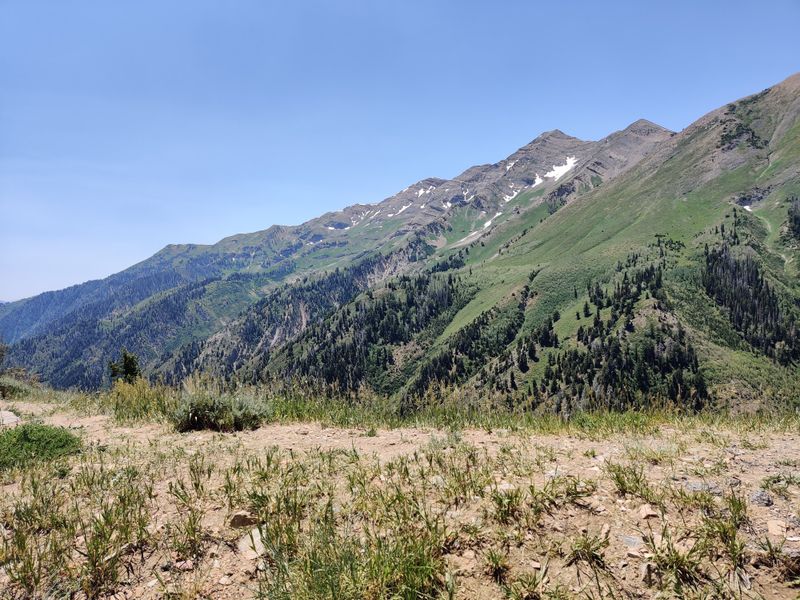
Nebo Loop and Payson Canyon see cougar movement especially in fall and winter as early snow pushes deer downslope. Trailheads and lower canyons become travel corridors at twilight. Start hikes later in the morning and finish before dusk.
Keep pets on short leashes and children beside you. If a cougar appears, face it, raise your arms, and speak loudly. Back away slowly without turning. Should it approach, throw rocks, deploy bear spray, and fight back if necessary. Report incidents so others can plan safely.
12. Millcreek Canyon
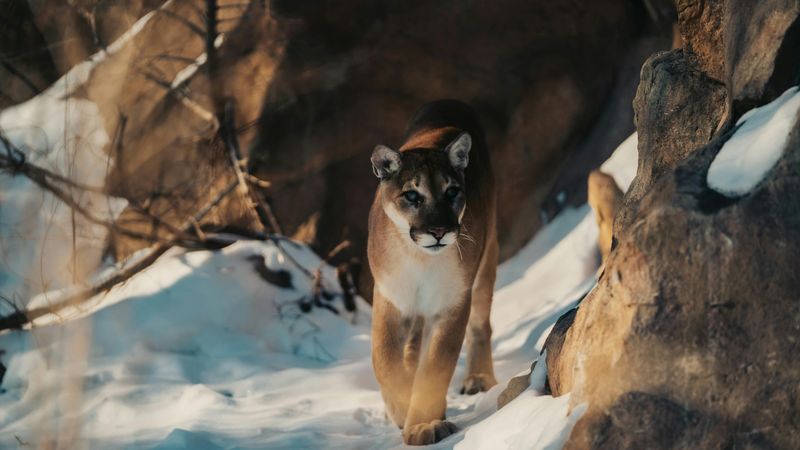
Millcreek sits close to town, yet winter pushes deer and cougars down its shaded draws. Because it feels familiar, hikers sometimes forget it is wild country. Make periodic noise and keep your group visible on open stretches.
Use daylight hiking windows and avoid solo dawn starts. Look for fresh tracks along muddy edges and compacted snow. If a cougar appears, maintain eye contact, raise your arms, speak firmly, and back away. Give the animal space to leave while you keep pets at heel and children beside you.
Share this story