Ready to wander streets where centuries of stories still echo underfoot? These historic downtown districts invite you to slow down, look up, and trace the patterns of American life through brick, stone, and cobblestones. You will find living neighborhoods where history is not behind glass but woven into cafés, galleries, and porches. Let this guide be your map to time travel you can savor block by block.
Charleston Historic District — Charleston, South Carolina
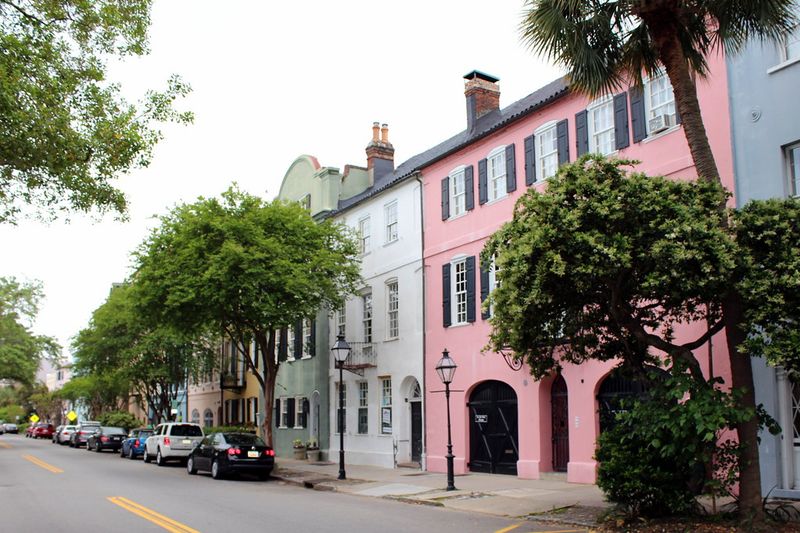
Charleston’s historic core wraps you in layers of time the moment your shoes touch cobblestone. Pastel single houses tilt their piazzas toward sea breezes, while church steeples stitch the skyline with quiet confidence. As you wander, you sense how colonial ambition, port prosperity, and Civil War scars still shape the mood.
Follow the curve of the Battery and let tides whisper old shipping tales. Peek through garden gates where brick paths and crepe myrtles soften grand facades. Along narrow lanes, gas lamps glow and carriage wheels seem almost plausible, as if the nineteenth century merely stepped inside for supper.
You can sip sweet tea beneath wrought iron balconies, then step into museums that decode the city’s complex heritage. The rhythm here is unhurried, distinctly Southern, and deeply atmospheric. Charleston feels lived in, not staged, with families, shopkeepers, and students moving through streets that remember more than they reveal.
Savannah Historic District — Savannah, Georgia
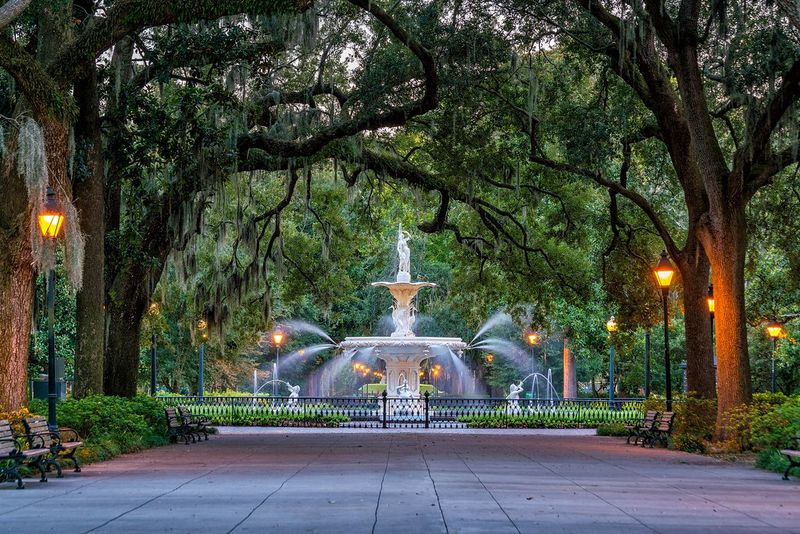
Savannah greets you with oak canopies and a chessboard of graceful squares, each a pocket park of shade and stories. The city’s original grid still guides your steps from quiet residential blocks to bustling River Street. Brick warehouses and polished stoops hold centuries of trade, triumph, and gossip.
Pause under live oaks as streetcars clang and a breeze carries salt from the river. You will notice delicate fanlights, ornate ironwork, and verandas staged for conversation. Every square reveals a new tableau, from monuments to murmuring fountains, with history peeking out from behind lace curtains.
Down by the water, cobblestones shift underfoot as you browse shops and watch barges slide past. The pace invites lingering, not rushing, so you can soak in layers of colonial planning and Gilded Age flair. Savannah’s charm is not a performance, it is a way of life that makes you exhale.
Galena Historic Downtown — Galena, Illinois
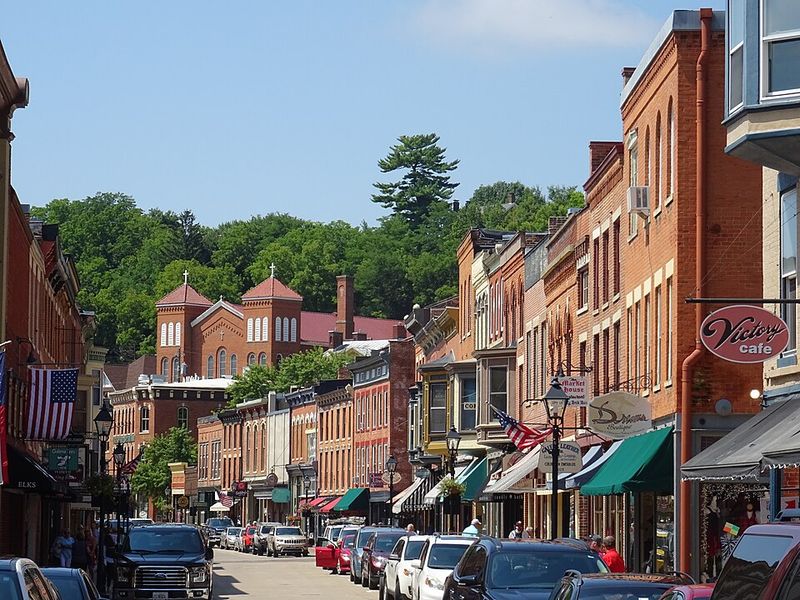
Galena’s Main Street arches along the hillside like a sepia snapshot that never faded. Brick storefronts line the bend, their cornices crisp and windows stacked tall, while narrow alleys whisper about shipments and riverboats. You can almost hear the clang from an old blacksmith and laughter spilling from an 1850s tavern.
This town earned its fortune in lead and river trade, and you feel that sturdy confidence in every lintel and stone. Antique shops beckon with creaky floors, and cafés tuck into former mercantile spaces. The pace encourages you to browse slowly, pocketing little discoveries instead of souvenirs.
As dusk softens the ridge, streetlights blush against brick and the town’s silhouette sharpens. You will find houses climbing the hill, porches steady above the river valley, and steeples pointing home. Galena’s downtown does not reenact the past, it simply kept living inside it, and invites you to do the same.
Hudson Historic District — Hudson, New York
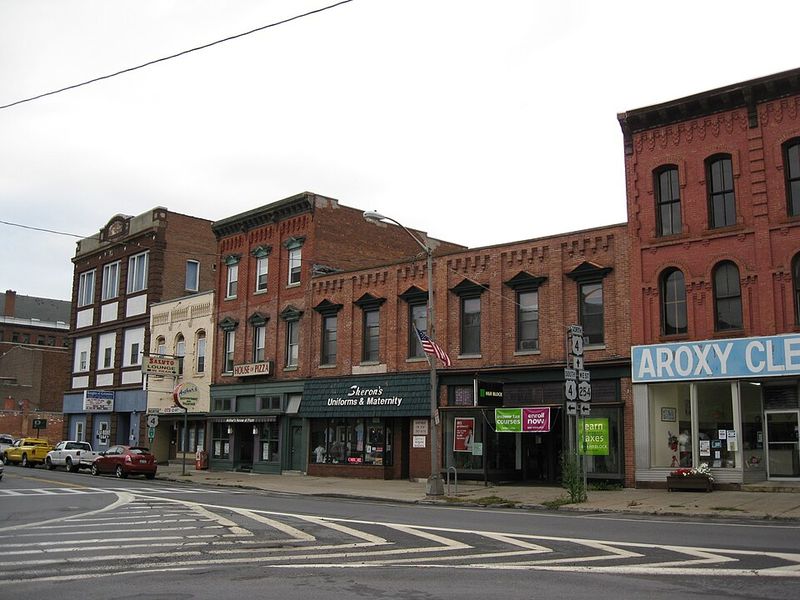
Hudson’s Warren Street unfurls like a catalog of American ambition in brick and clapboard. Merchant houses stand shoulder to shoulder with former factories and worker flats, each story carved into cornices and keystones. As you walk, antiques mingle with espresso, reminding you that reinvention is this river town’s favorite trade.
The district spans centuries, yet the rhythm feels cohesive, practical, and handsome. Old loading bays now frame gallery windows, and you can watch artisans translate raw materials into something delightful. Every block tempts a detour, whether for a vinyl bin, a bakery, or a peek inside a carriage house.
Hudson wears its industrial skeleton with pride, the bones still visible under fresh paint. You will sense how commerce, craft, and culture collide in a way that feels grounded. It is a downtown that rewards curiosity, where the past keeps opening doors you did not realize were there.
Main Street Historic District (Danbury) — Danbury, Connecticut
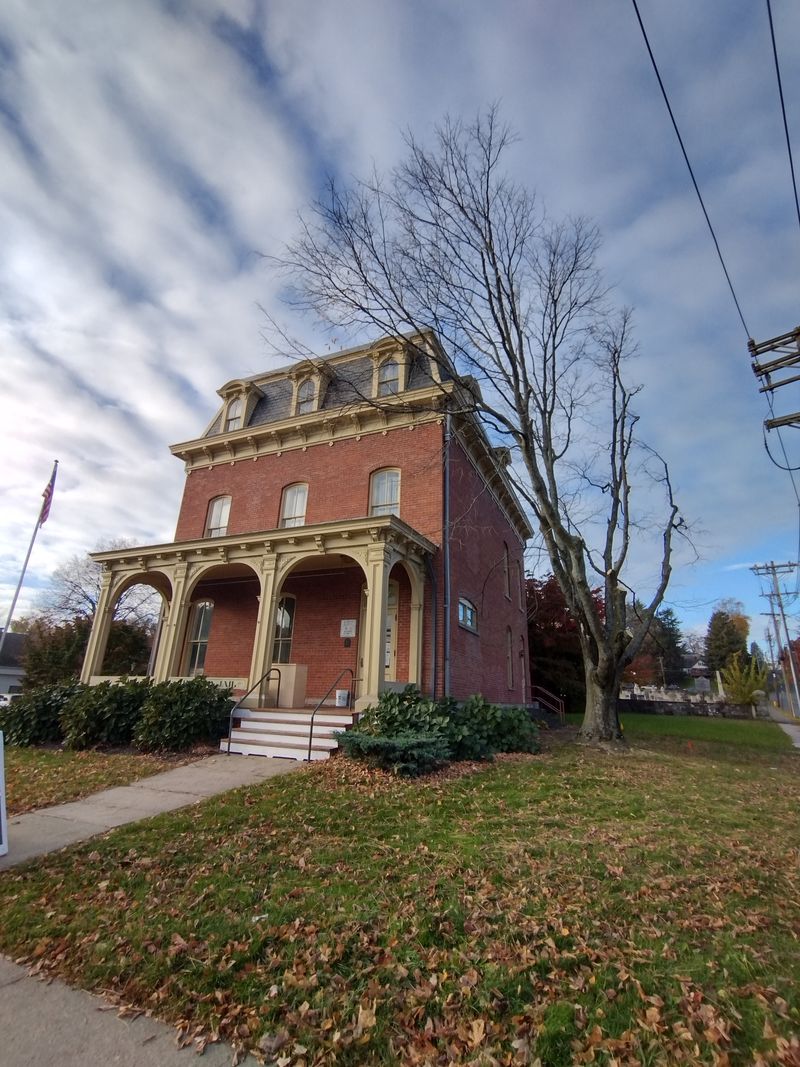
Danbury’s Main Street reads like a ledger of civic life written in stone. Italianate brackets, Romanesque arches, and classic steeples trace a line from colonial trading post to modern New England hub. As you stroll, city hall and storefronts trade glances across the asphalt, familiar neighbors bound by history.
This corridor once pulsed with hat factories and regional commerce, and traces linger in sturdy cornices and wide display windows. You can admire masonry craftsmanship, then step into a diner that feels like an heirloom. Churches ring the hours while pedestrians weave between errands and small rituals of community.
What strikes you is the continuity: public, sacred, and commercial spaces stitched along one walkable spine. You feel time in layers, not chapters, as preservation meets everyday use. Danbury’s Main Street invites your footsteps to become part of the long, steady footnote that keeps the story going.
Over-the-Rhine Historic District — Cincinnati, Ohio
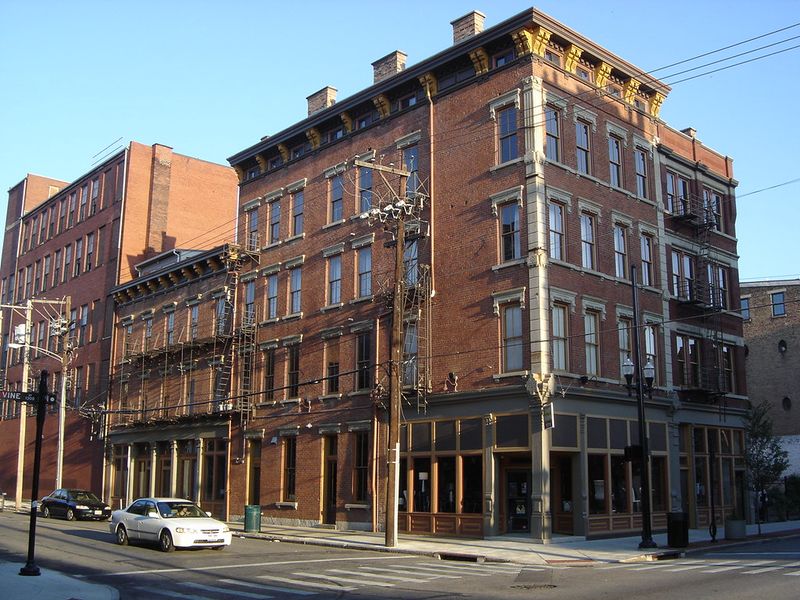
Over the Rhine stretches block after block of Italianate facades, where tall windows and bracketed cornices stage a grand urban opera. Breweries once perfumed the air, and you can still spot malt houses reborn as bars and galleries. The grit has softened, but the neighborhood’s backbone stays wonderfully visible.
Walk slowly and watch how cast iron, brick, and stone hold stories of immigration, labor, and music. You will hear echoes of German song halls while sipping a modern pilsner on a sunny patio. Markets spill onto sidewalks, and murals wrap warehouses with color and pride.
Revitalization did not erase the old lines, it traced them carefully and kept drawing. You can ride a streetcar past cigar factories turned lofts and theaters tuned for new audiences. In Over the Rhine, the past does not sit quietly. It taps your shoulder, then grins and orders another round.
Wholesale District — Indianapolis, Indiana
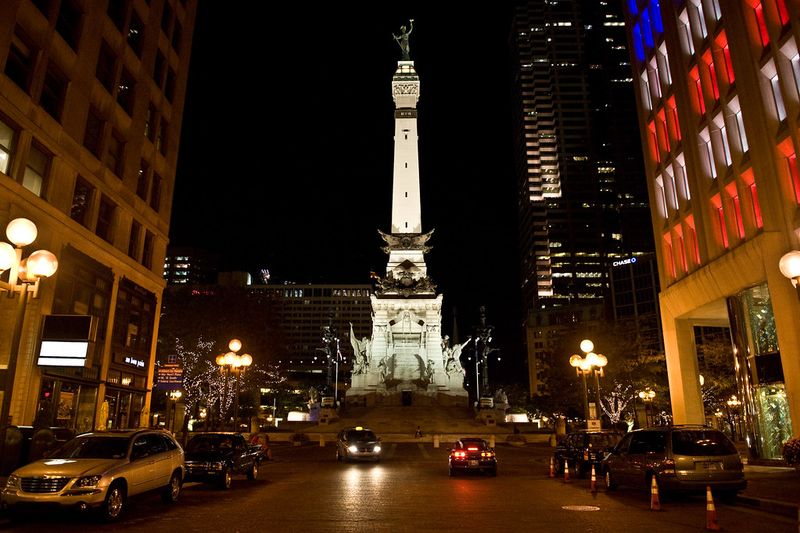
In the Wholesale District, Indianapolis wears its railroad era like a favorite jacket. Union Station anchors the scene with vaulted confidence, while commercial blocks show off cast iron bravado. You will notice hotel lobbies where freight once ruled, and storefronts that learned to sparkle for new crowds.
This is a study in momentum, from warehouse to workday to weekend show. Brick by brick, the district kept its bones, then upgraded the heartbeat with theaters, dining, and sports energy. Walk a few blocks and you feel the tempo shift from history lesson to night out.
It is easy to admire the geometry: arched windows, rhythmic bays, honest materials that never tried to be delicate. The past remains in the details, while present life does not apologize for being lively. Here, preservation feels practical and proud, like a handshake that still means something.
Fells Point Historic District — Baltimore, Maryland
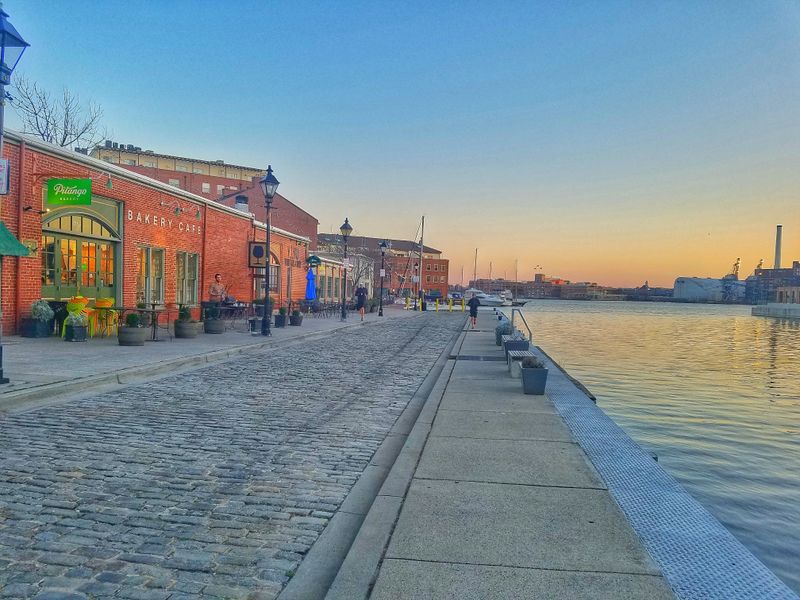
Fells Point smells faintly of salt and old stories. Cobblestones ripple like a tide frozen mid wave, guiding you past rowhouses with stubborn charm. You can picture sailors ducking into taverns and shipwrights arguing about planks while gulls heckle from the harbor.
Wander narrow lanes where storefront glass reflects masts and modern life in equal measure. Warehouses turned cafés keep the maritime bones on display, beams and brick honest and weathered. The neighborhood’s scale invites you to meander, pause, and listen to creaks only wood can make.
By the water, the city’s heartbeat syncs with lapping waves and conversations over oysters. You will find history that feels practical rather than precious, like a well kept tool. Fells Point proves that a port never stops arriving or departing, it simply learns new cargo.
French Quarter — New Orleans, Louisiana
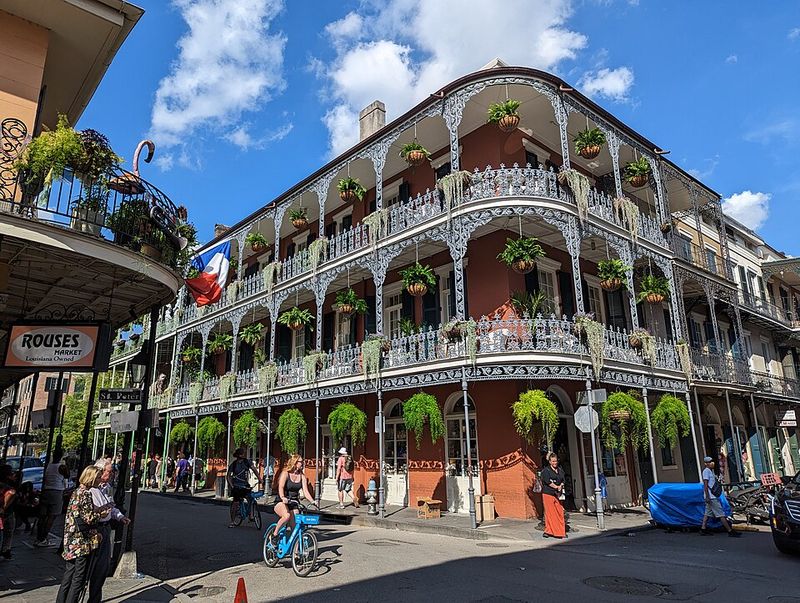
The French Quarter is a sensory overture wrapped in stucco and iron lace. Balconies drip with ferns, musicians tune the sidewalk air, and courtyards hide fountains like secrets. You will catch coffee and beignets at dawn, then brass and gumbo after dark.
History stacks here in Creole, French, Spanish, and American layers, each leaving flourishes on doors and rooflines. Churches ground the district with solemn grace while revelers slip past with laughter. Every block feels like a stage set that refuses to close the curtain.
Look past Bourbon Street and you find quiet lanes where shutters blink in the sun. Tile street signs, carriage lanterns, and timeworn stucco keep the city’s accent intact. The Quarter invites you to listen closely, because the past prefers to sing rather than whisper.
Staunton Historic Downtown — Staunton, Virginia
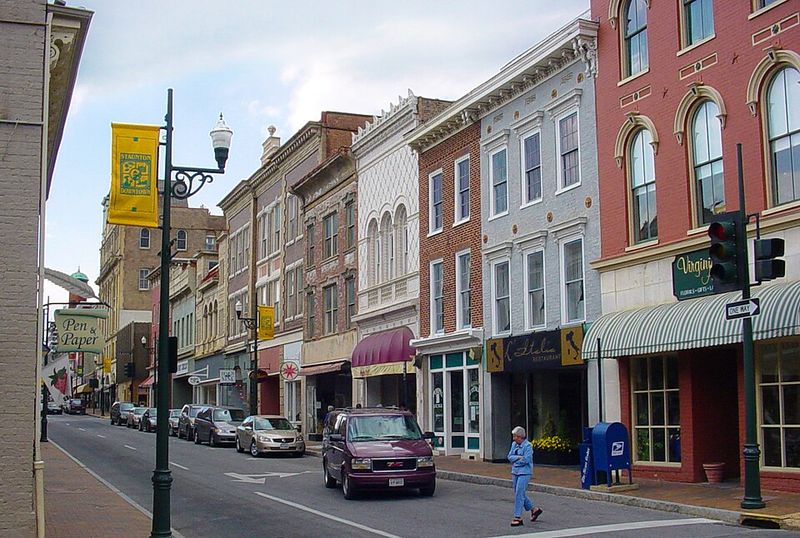
Staunton’s downtown fits snugly into the folds of the Shenandoah, a pocket of theatre and brickwork. Beverley Street lifts a parade of Victorian and Greek Revival façades, trim and confident. You can step from a bookshop into Shakespeare, then into a café where the barista knows your name by day two.
The scale is human, the details intimate. Cornices wink above display windows, and old inns carry the hush of late arrivals. Churches lend their bells to the breeze, keeping time for errands and curtain calls.
Staunton’s preservation feels neighborly, more handshake than velvet rope. You will sense continuity rather than spectacle, a small city still using its best rooms. It is an easy place to slow down, watch shadows move across brick, and remember to look up.
Beaufort Historic District — Beaufort, South Carolina
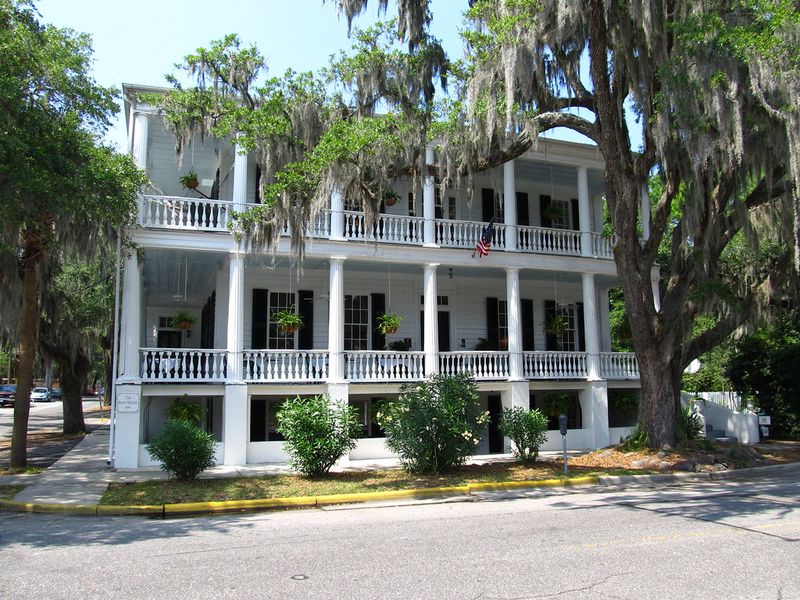
Beaufort breathes in tides and exhales through verandas. Antebellum homes lift wide porches toward breezes that carry salt and history together. You will notice tabby walls, wrought iron gates, and shade that feels stitched by centuries of live oaks.
Downtown streets settle close to the water, where small shops and cafés keep an unhurried tempo. The riverfront park invites you to linger, watch dolphins arc, and listen to halyards clink. Architecture here is graceful without pretense, a coastal grammar spoken fluently.
Walk a few blocks and you begin to read the town’s timeline in porch columns and rooflines. Preservation is not performance, it is daily life with good manners. Beaufort lets you slow your stride until you match the tide, then keeps you there a little longer.
Saratoga Springs Historic Downtown — Saratoga Springs, New York
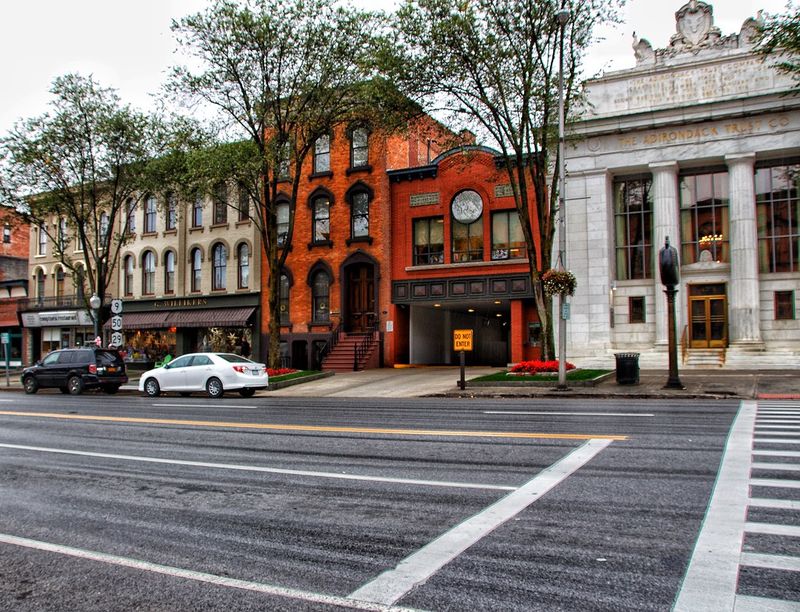
Saratoga Springs wears leisure like a tailored suit. Broadway parades grand hotels, gingerbread trim, and windows that sparkle like race day trophies. You can taste mineral water at the spa, then browse millinery and macarons without breaking stride.
The rhythm recalls a gilded resort town tuned for strolling and conversation. Verandas host lazy afternoons while carriage houses reinvent themselves as boutiques. History here does not whisper, it nods with a confident smile and offers you a seat.
Evenings bring a soft glow over brick and stone, with music curling out of doorways. You will sense the town’s split personality, half pastoral retreat, half urban promenade. Saratoga turns nostalgia into a pastime, and you are invited to play.
Lake Placid Main Street — Lake Placid, New York
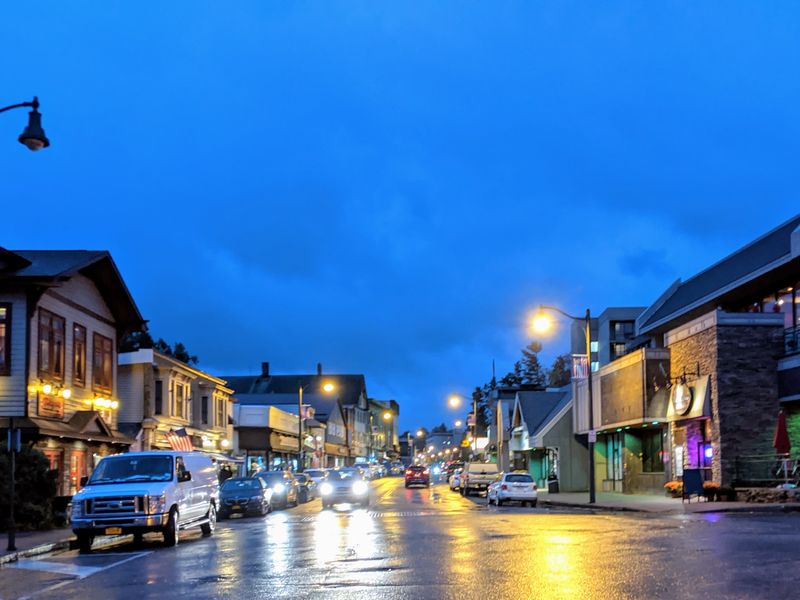
Main Street mirrors the lake like a friendly postcard you can walk through. Adirondack timber details frame windows filled with gear, fudge, and stories from the trail. You can glance up and catch mountains holding the horizon steady while flags flap a brisk hello.
This is a resort town with history that laces boots rather than glitters. Olympic lore nudges your shoulder, but wooden benches and stone planters keep the mood grounded. Cafés smell of cocoa and pine, and shopkeepers chat like neighbors you have always known.
As evening settles, storefront lights bloom against the water’s hush. You will find a pace that encourages one more lap, one more view, one more deep breath. Lake Placid proves that charm can be athletic, even while standing still.
Share this story