Remember when your parents packed those convenient lunches or whipped up quick dinners they swore were good for you? Many of us grew up eating foods that seemed wholesome at the time but were secretly packed with sugar, sodium, and mystery ingredients. Looking back, it turns out those so-called healthy meals weren’t doing our bodies any favors.
1. Instant Flavored Oatmeal Packets
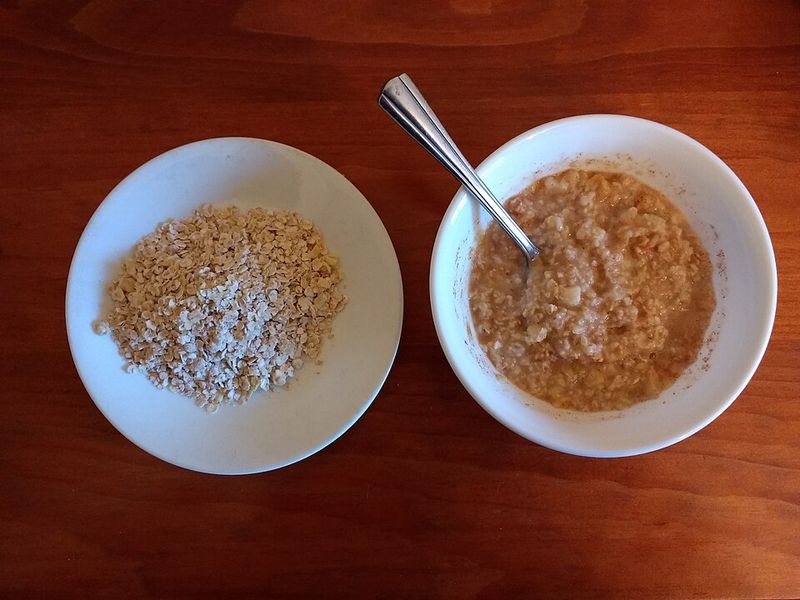
Those little packets of flavored oatmeal seemed like the perfect quick breakfast before school. Parents felt good about serving them because oatmeal has a reputation for being heart-healthy and wholesome. But the reality was far different from what the packaging suggested.
Many popular brands contained shocking amounts of added sugar, sometimes as much as a candy bar. The artificial flavors and colors made them taste more like dessert than a nutritious meal. Kids loved the sweet taste, but their bodies were getting a sugar rush instead of sustained energy.
Real oatmeal offers fiber and nutrients, but these instant versions stripped away most benefits. The convenience came at a cost to actual nutrition. A better choice would have been plain oats with fresh fruit added at home.
2. Lunchables (Especially Pizza & Crackers + Cheese)
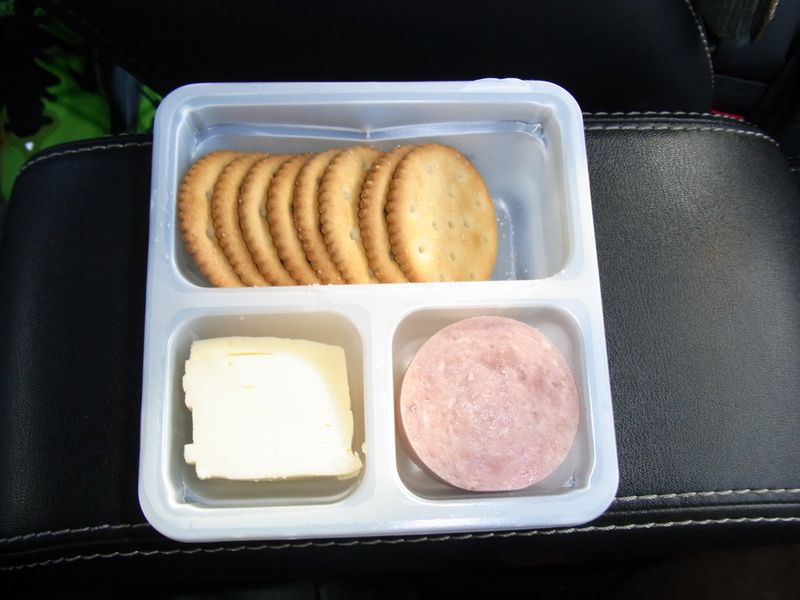
Opening a Lunchables at lunch felt like unwrapping a present every single day. The little compartments made eating feel like a fun activity, and kids loved assembling their own mini pizzas or stacking cheese on crackers. Parents appreciated the convenience of grab-and-go lunches that required zero prep time.
Unfortunately, these portable meals were nutritional nightmares hiding behind colorful packaging. They contained sky-high sodium levels, artificial preservatives, and processed meats that barely qualified as real food. The tiny portions of vegetables, if any existed at all, couldn’t compensate for the junk.
Most varieties offered minimal protein and fiber while delivering excessive amounts of salt and additives. Kids filled up on empty calories that left them hungry again within an hour. Fresh sandwiches with real ingredients would have been infinitely better choices.
3. Canned SpaghettiOs
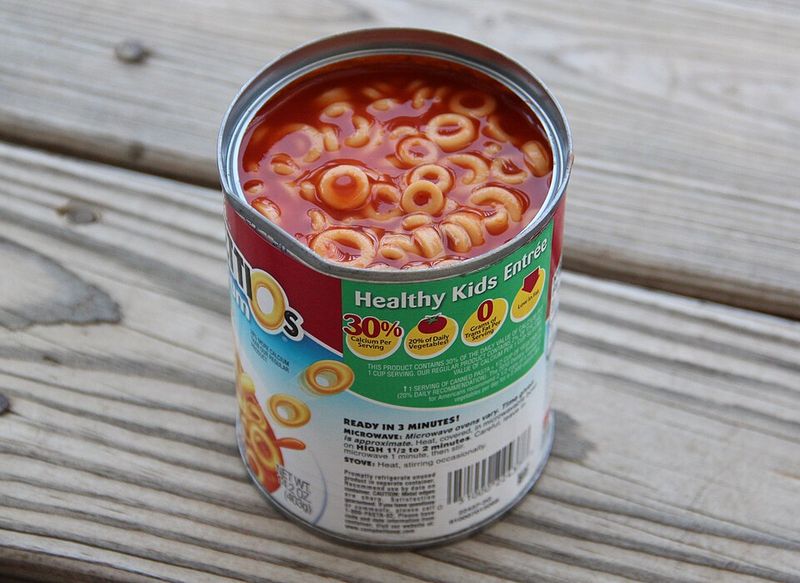
Few foods captured childhood quite like slurping up those circular pasta rings from a can. The commercials made them look fun and wholesome, showing happy kids enjoying a quick, satisfying meal. Busy parents relied on them for those nights when cooking from scratch wasn’t possible.
Behind the cheerful marketing lived a product made mostly of refined white flour and tomato paste loaded with added sugars. The sodium content was through the roof, often providing half a day’s worth in a single serving. Any vegetables or protein were virtually nonexistent unless you bought special varieties.
The pasta had almost no nutritional value beyond empty carbohydrates that spiked blood sugar quickly. Kids might have felt full temporarily, but they weren’t getting vitamins, minerals, or sustained energy. Homemade pasta with real tomato sauce would have been worlds healthier.
4. Fruit-Flavored Yogurt Cups

Yogurt cups seemed like the ultimate healthy snack option that parents could feel great about packing. The word yogurt itself sounds nutritious, and the addition of fruit appeared to make these cups even better. Kids adored the sweet, creamy taste and fun flavors like strawberry, blueberry, and peach.
What most people didn’t realize was that the fruit on the bottom was essentially sugar syrup with tiny pieces of fruit floating in it. Some brands contained more sugar per serving than a scoop of ice cream. The actual fruit content was minimal, replaced mostly with high-fructose corn syrup and artificial flavoring.
While yogurt does contain calcium and protein, the excessive sugar canceled out most health benefits. Kids were essentially eating dessert disguised as a wholesome snack. Plain Greek yogurt with fresh berries would have provided real nutrition without the sugar overload.
5. Healthy Frozen Dinners
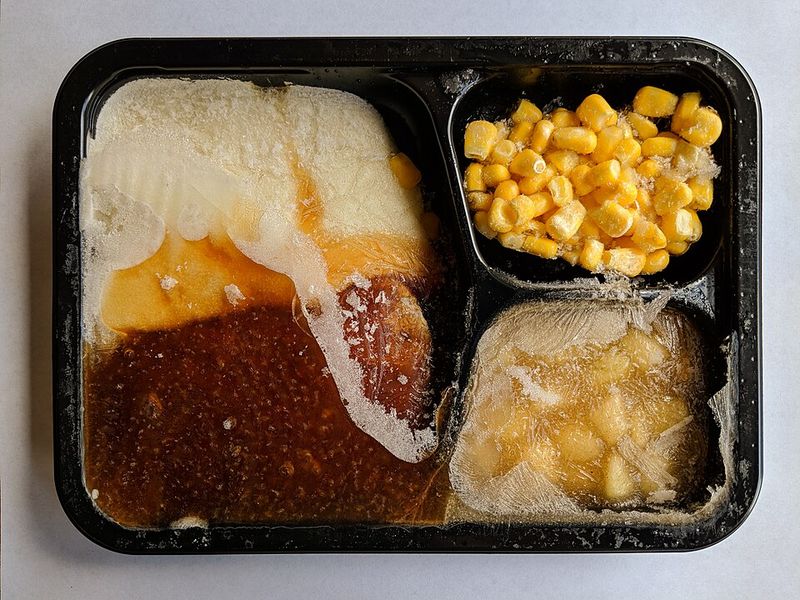
The freezer aisle promised quick solutions for busy families trying to eat better. Packages with words like lean, smart, or fit made parents believe they were making responsible choices. The pictures on the boxes showed balanced meals with vegetables, protein, and grains all perfectly portioned.
Peel back that cardboard sleeve, though, and you’d find highly processed food pumped full of sodium to preserve shelf life and enhance bland flavors. Many contained mysterious fillers, artificial ingredients, and portions so small they left growing kids hungry. The vegetables were often mushy and flavorless from being frozen and reheated.
Despite the healthy-sounding names, these dinners rarely provided adequate nutrition or satisfaction. The sodium alone could exceed recommended daily limits for children. Fresh meals, even simple ones, would have been far superior to these processed boxes of disappointment.
6. Kid’s Cereals With Whole Grain On the Box
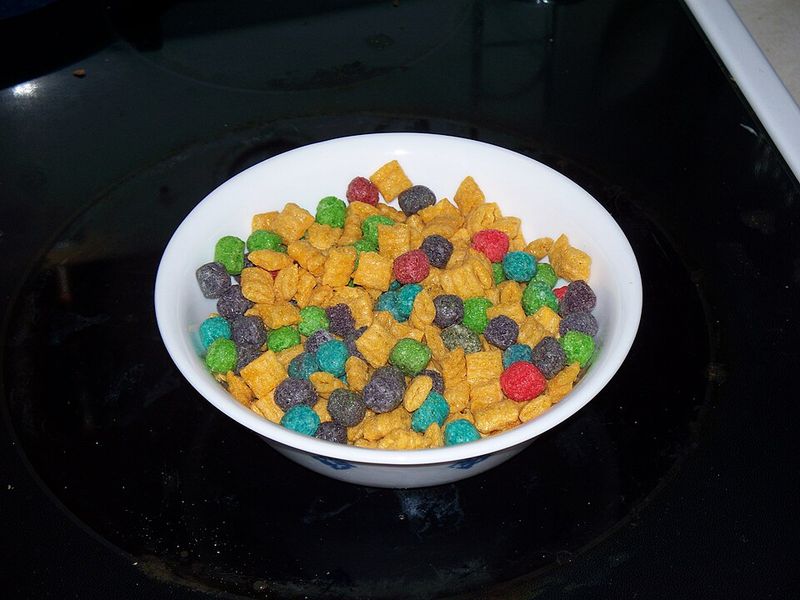
Cereal companies got clever when parents started demanding healthier options for their children. They slapped whole grain labels on boxes filled with frosted flakes, colorful marshmallows, and chocolate pieces. Kids begged for these cereals because they tasted like candy, while parents felt reassured by the health claims printed prominently on packaging.
Yes, there might have been some whole grains mixed in there somewhere, but they were drowning in sugar and artificial colors. A single serving often contained more sugar than a glazed donut. The milk turned neon colors or chocolate brown, which should have been a red flag about what kids were actually consuming.
These cereals caused blood sugar spikes followed by crashes that left kids tired and cranky before lunch. The whole grain content was too minimal to provide real fiber benefits. Plain oatmeal or whole grain toast would have been genuinely nutritious alternatives.
7. Hamburger Helper
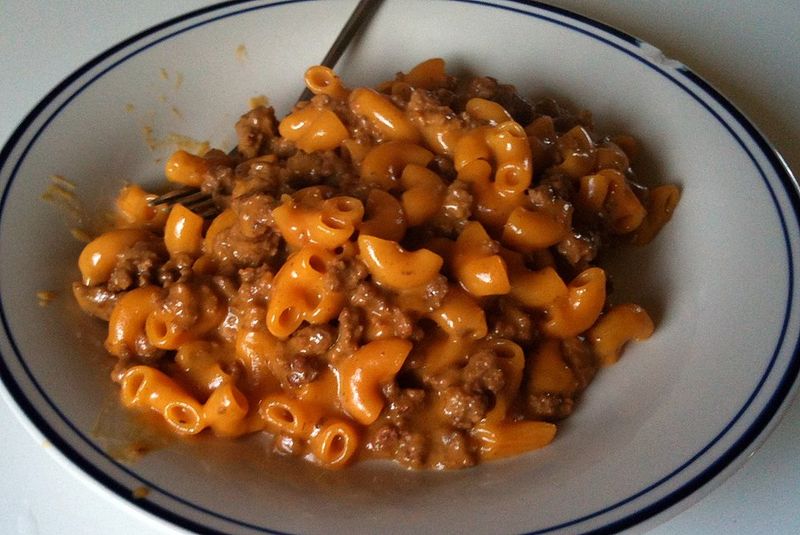
When dinner needed to happen fast and budgets were tight, Hamburger Helper swooped in like a culinary superhero. One box, one pound of ground beef, and twenty minutes later, you had a steaming pot of something that resembled a complete meal. Families across America relied on these boxed dinners regularly throughout the 80s and 90s.
The problem was that balanced nutrition wasn’t anywhere near that pot. These meals delivered astronomical sodium levels along with artificial flavors, colors, and preservatives that made the sauce taste decent. The pasta was refined white flour with virtually no nutritional value. Any vegetables were completely absent unless you added them yourself.
Kids filled up on starchy, salty carbs mixed with fatty ground beef and little else. The convenience was undeniable, but the nutritional cost was high. Simple homemade pasta dishes with real ingredients would have taken barely any extra time.
8. Canned Chicken Noodle Soup
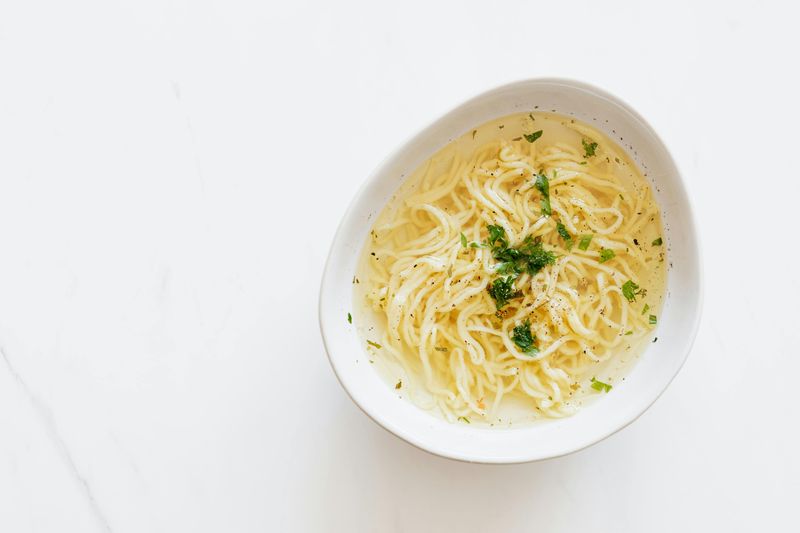
Nothing said comfort quite like a warm bowl of chicken noodle soup when you were home sick from school. Parents heated up cans of this supposed healing elixir, believing it would help their kids recover faster. The tradition of chicken soup as medicine goes back generations, so it seemed like the right choice.
Commercial canned versions, however, were basically salt water with a few noodles and token vegetable pieces floating around. The sodium content was staggering, sometimes containing over half the recommended daily amount in a single can. The actual chicken content was laughably minimal, often just tiny shreds that were hard to find.
While homemade chicken soup does have genuine health benefits, these canned versions offered little beyond hydration and excess salt. Kids would have been better off with homemade broth packed with real vegetables, chicken, and noodles. The convenience came at the cost of actual nourishment.
9. Fish Sticks
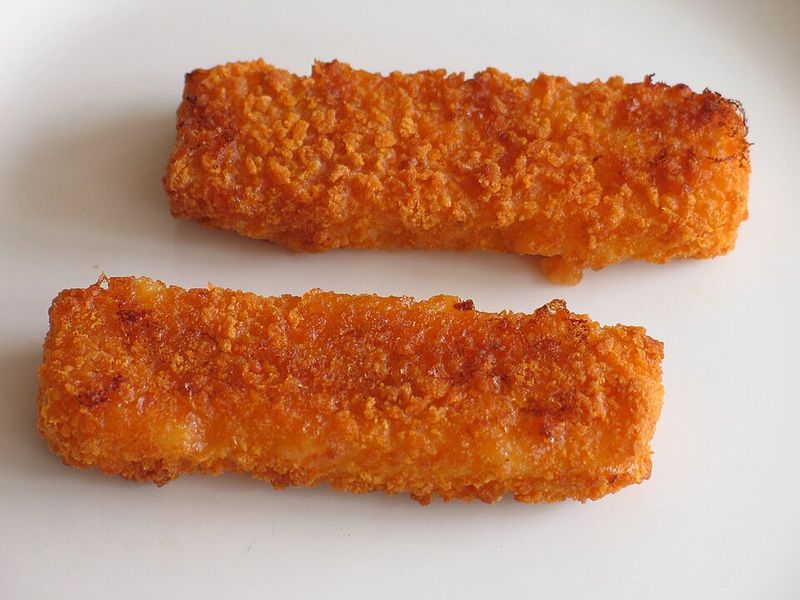
Parents loved finding ways to get kids to eat fish, and fish sticks seemed like the perfect solution. They were breaded, shaped like fingers, and fun to dip in tartar sauce or ketchup. The boxes proudly displayed images suggesting wholesome seafood nutrition, and kids actually enjoyed eating them without complaint.
The reality was that these frozen rectangles contained more breading than actual fish. The coating was usually fried or meant to be fried, adding unhealthy fats and empty calories. The fish inside was often highly processed and made from mystery blends of various seafood scraps rather than quality fillets.
Any omega-3 benefits you’d expect from eating fish were minimal at best. Kids were mostly consuming fried breading with a hint of fish flavor. Baked real fish fillets, even mild ones like tilapia, would have provided actual nutrition. These sticks were more about convenience than health.
10. Boxed Mac and Cheese
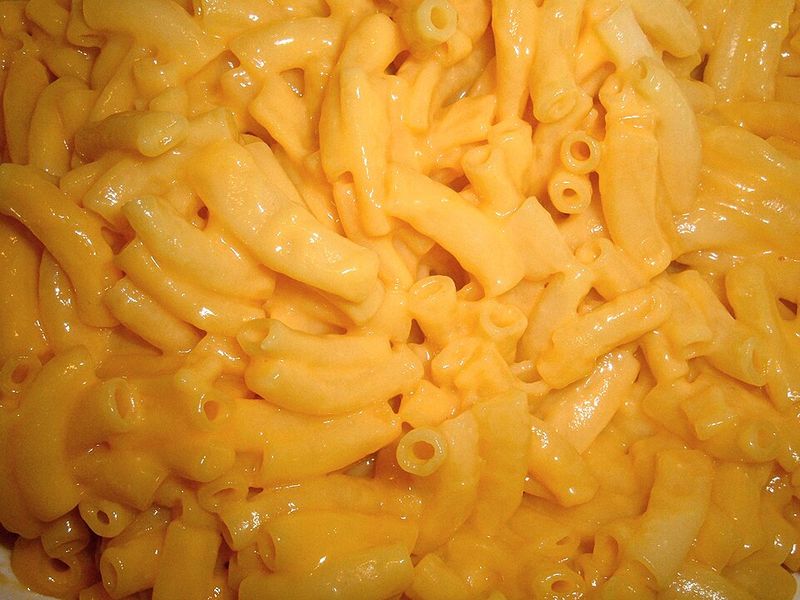
Ask any kid what their favorite dinner was, and boxed mac and cheese probably topped the list. That unnaturally bright orange color somehow made it taste better, and the creamy texture felt like pure comfort food. Parents could make it in minutes, and kids would actually clean their plates without arguing.
That glowing orange powder, though, was anything but natural or nutritious. It contained artificial colors, excessive sodium, and barely any real cheese at all. The pasta was refined white flour devoid of fiber, vitamins, or minerals. A single serving delivered lots of calories but virtually no nutritional value.
Kids loved it because it was essentially junk food masquerading as a meal. The lack of vegetables, protein, or whole grains meant it failed as balanced nutrition. Homemade mac and cheese with real cheddar and whole wheat pasta would have been tastier and infinitely healthier.
11. Granola Bars
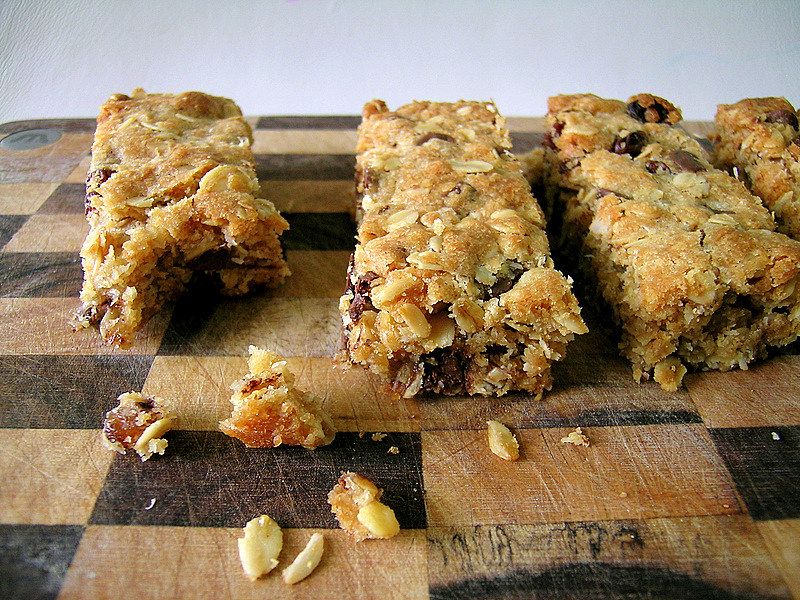
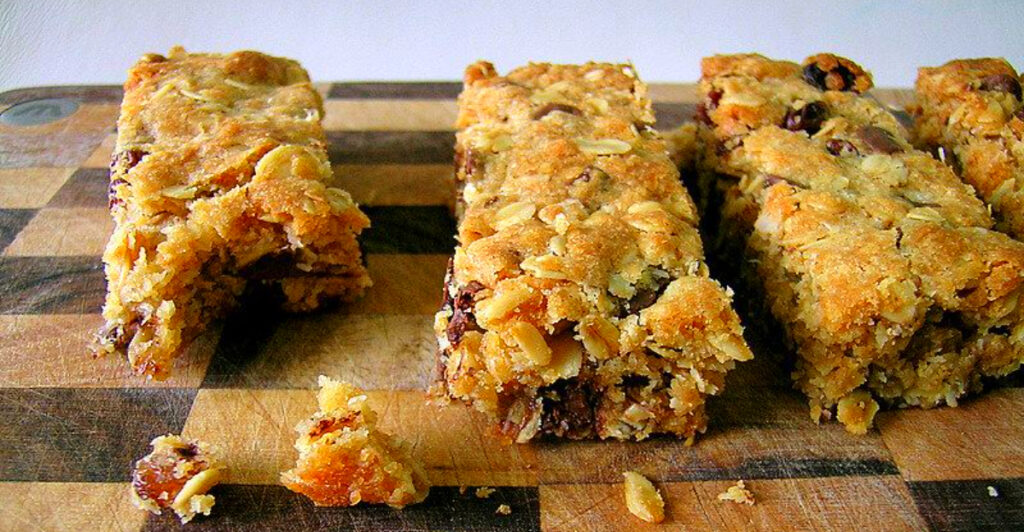
Lunchboxes and backpacks everywhere contained granola bars that parents believed were wholesome snacks. The packaging featured images of oats, honey, and nuts, suggesting natural goodness and sustained energy. Kids liked them because they were sweet and came in flavors like chocolate chip and peanut butter.
Most commercial granola bars were basically candy bars wearing a healthy disguise. They contained corn syrup, added sugars, and chocolate chips held together with minimal oats. The fiber content was often disappointing, and the protein was nearly nonexistent. Some varieties had as much sugar as actual candy bars from the checkout aisle.
The supposed health benefits were marketing magic rather than nutritional reality. Kids got a quick sugar rush followed by an energy crash. Homemade granola bars or trail mix with nuts and dried fruit would have provided real nutrition. These convenient bars were more about profits than health.
12. Chicken Nuggets
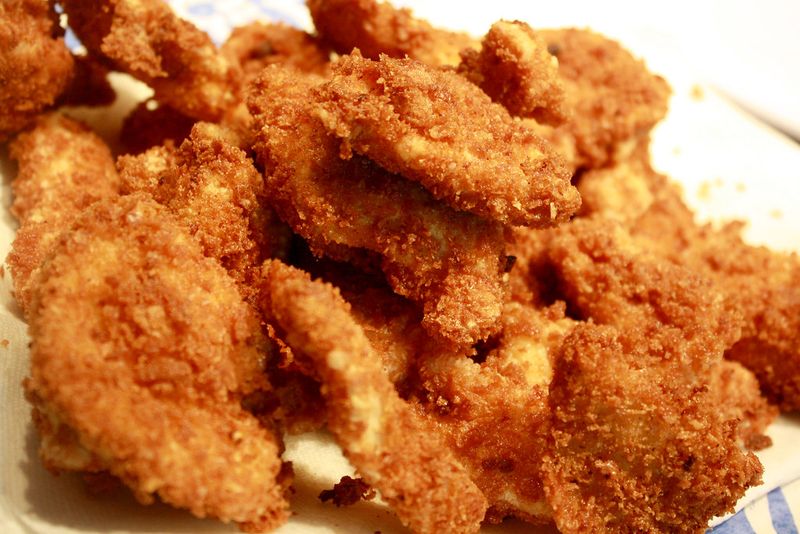
Few foods defined childhood eating quite like chicken nuggets dipped in ketchup or honey mustard. They appeared on kids’ menus everywhere, and parents felt reasonably good about them because they were supposedly protein-packed. Fast food restaurants and frozen food brands made billions selling these golden nuggets to families.
The truth was far less appetizing than the crispy exterior suggested. Most nuggets contained more breading, fillers, and mysterious additives than actual chicken meat. The chicken itself was often mechanically separated and formed into shapes rather than being real cuts of poultry. Sodium levels were sky-high, and the nuggets were typically deep-fried in unhealthy oils.
Kids were eating heavily processed food products rather than real chicken. The breading added empty calories and refined carbs without nutritional benefits. Homemade baked chicken tenders made from real chicken breast would have provided actual protein and nutrients. These nuggets were convenient but nutritionally disappointing.
13. Peanut Butter & Jelly Sandwiches (on White Bread)
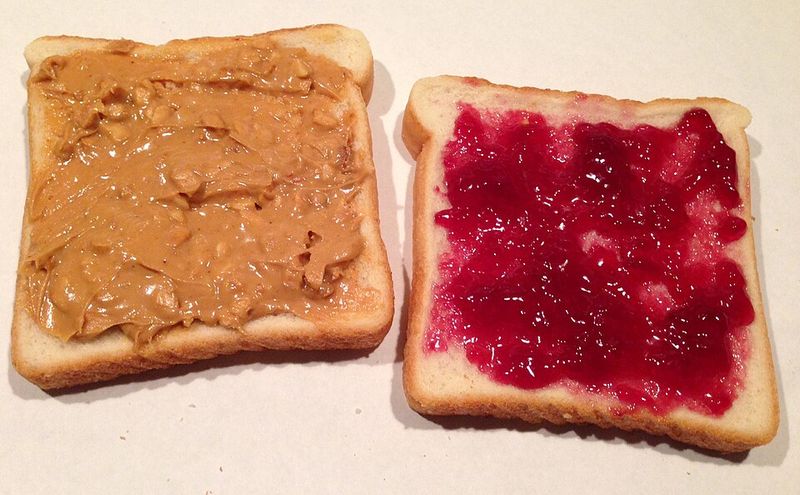
This classic sandwich appeared in lunchboxes across America for decades, seeming like a safe, reliable choice. Peanut butter offered protein, jelly came from fruit, and bread was a staple grain. Parents could make these sandwiches quickly, and kids rarely complained about eating them.
The traditional version, however, had some serious nutritional problems hiding in plain sight. White bread was refined flour stripped of fiber and nutrients, causing blood sugar spikes. Most commercial jellies were loaded with high-fructose corn syrup and contained minimal actual fruit. Even many peanut butters had added sugars and hydrogenated oils.
When you combined all three ingredients, kids were essentially eating a sugar sandwich with some protein mixed in. The lack of whole grains, real fruit, and vegetables meant limited nutritional value. Switching to whole wheat bread, natural peanut butter, and fresh fruit slices would have transformed this into a genuinely healthy lunch.
14. Toaster Strudels
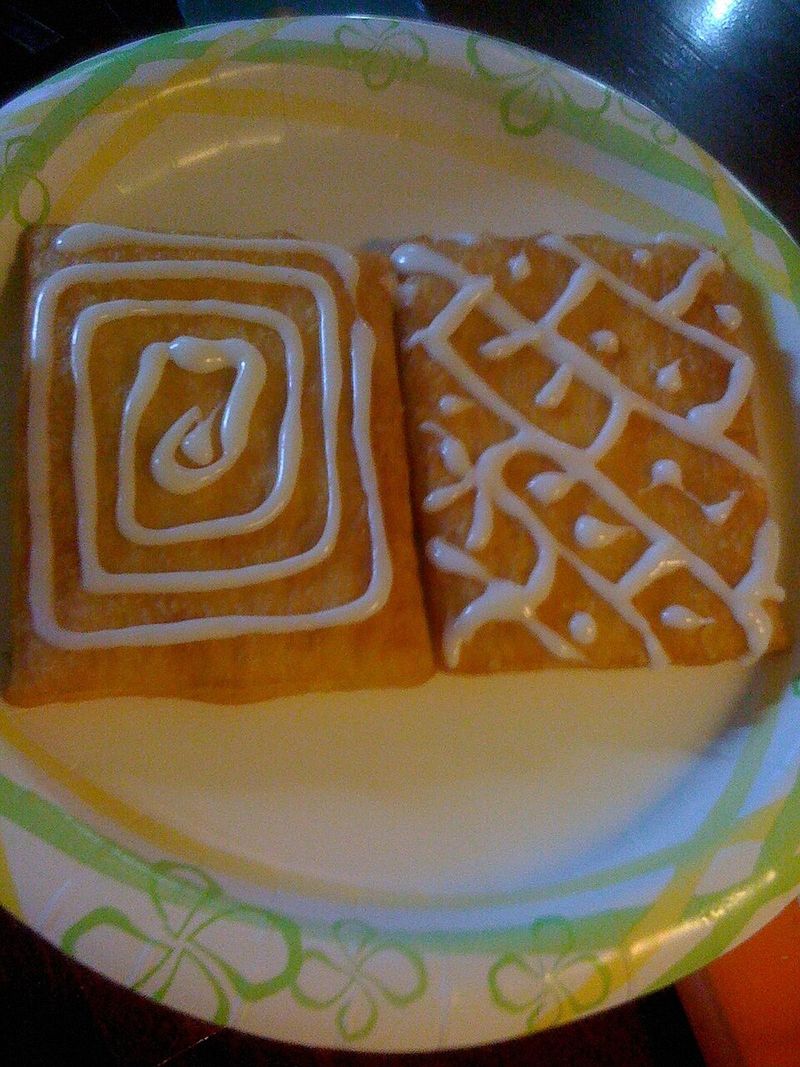
Mornings got a lot more exciting when Toaster Strudels entered the picture as a supposedly better alternative to Pop-Tarts. Kids loved toasting them and then drizzling the included icing packet in creative patterns across the top. The flaky pastry and warm fruit filling felt special, almost like having bakery treats for breakfast.
In reality, these were desserts cleverly marketed as acceptable morning meals. The pastry was made from refined flour and loaded with butter and sugar. The filling contained more corn syrup than actual fruit. Then came that icing packet, which was essentially pure sugar and artificial flavoring adding even more sweetness.
Starting the day with what amounted to frosted pastry set kids up for sugar crashes before lunch. There was virtually no protein, fiber, or real nutrients to sustain energy or focus. Whole grain toast with actual fruit would have been infinitely better. These strudels were treats, not breakfast.
15. 100% Fruit Snacks
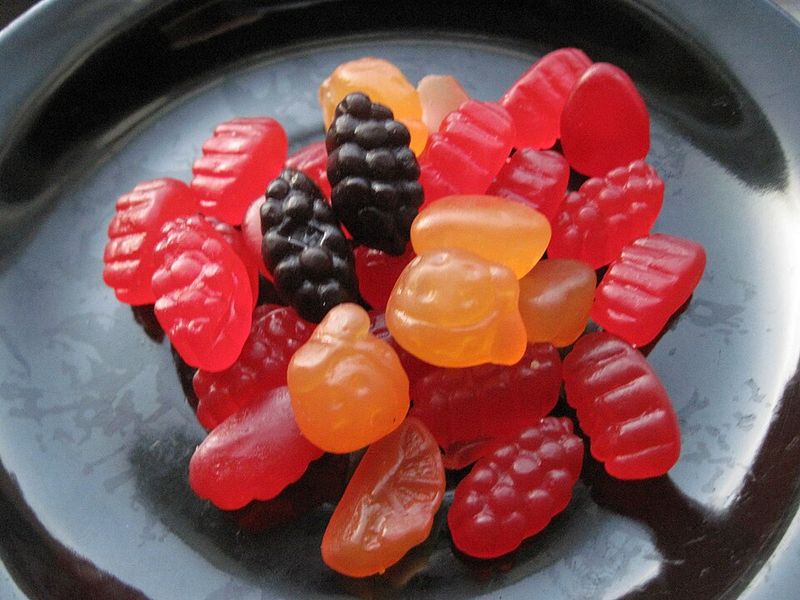
The packaging promised 100% real fruit, complete with pictures of strawberries, oranges, and grapes looking fresh and wholesome. Parents tucked these pouches into lunches believing they were providing healthy fruit servings. Kids traded them like currency on the playground because they tasted so good and came in fun shapes.
Despite the fruit claims, these chewy snacks had way more in common with gummy bears than actual fruit. The primary ingredient was usually corn syrup, followed by fruit juice concentrate that had been stripped of fiber and most nutrients. They stuck to teeth like candy, promoting cavities. The texture alone should have been a clue that real fruit wasn’t the main ingredient.
A single pouch contained concentrated sugars without the fiber, vitamins, or benefits of eating actual fruit. Kids would have been far better off with apple slices, grapes, or berries. These snacks were candy masquerading as fruit.
16. Flavored Applesauce Cups

Applesauce cups seemed like foolproof healthy snacks that combined convenience with fruit nutrition. The individual serving sizes made them perfect for lunchboxes, and kids enjoyed the sweet, smooth texture. Parents appreciated that their kids were eating fruit without having to peel or slice anything fresh.
Plain applesauce does offer some benefits, but the flavored varieties told a different story entirely. Strawberry, cinnamon, and mixed berry versions contained shocking amounts of added sugar that transformed them from healthy to questionable. The natural sweetness of apples wasn’t enough for manufacturers, so they dumped in corn syrup and artificial flavoring to make them taste like dessert.
All those added sugars canceled out the healthy apple benefits and contributed to sugar overload in kids’ diets. The fiber content was minimal compared to eating a whole apple. Unsweetened applesauce or actual fresh fruit would have been genuinely nutritious choices. These flavored cups were treats disguised as health food.
17. Chocolate Milk
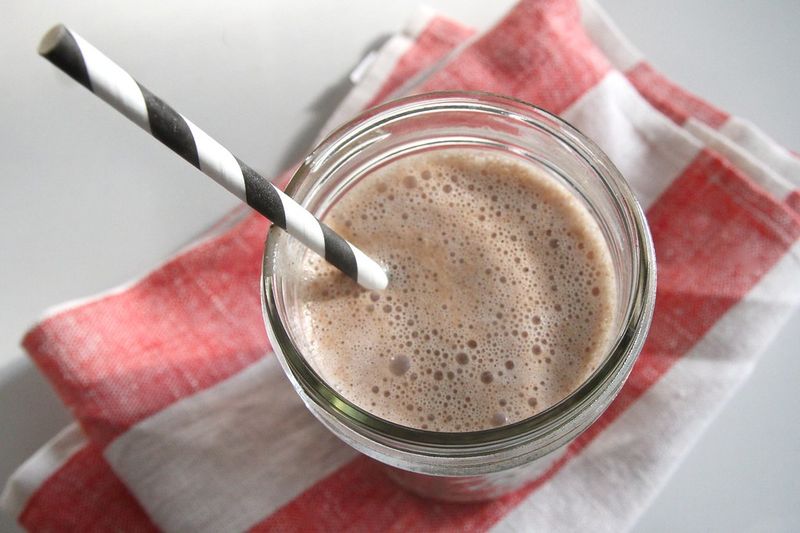
School cafeterias and home refrigerators stocked chocolate milk as a way to get kids to drink more dairy. It seemed like a reasonable compromise since milk provides calcium, vitamin D, and protein that growing bodies need. Kids who refused plain milk would happily guzzle down the chocolate version, so parents and schools considered it a win.
The problem was that many commercial chocolate milks contained as much sugar as a can of soda. A single serving could have 20 to 30 grams of added sugar, completely overwhelming any nutritional benefits from the milk itself. Kids were essentially drinking liquid candy that happened to contain some calcium. The sugar content contributed to cavities, weight gain, and energy crashes.
While milk does offer important nutrients, the excessive sugar made chocolate milk a poor daily choice. Kids would have been better off drinking plain milk or water and getting their calcium from other sources. This sweetened beverage was more treat than health drink.
Share this story