Around the world, countries are building incredible projects that seem almost impossible. From cities that stretch in straight lines to ski resorts in the desert, these massive construction efforts are changing how we think about what humans can achieve. Some projects aim to solve problems like water shortages or traffic jams, while others push the boundaries of science and technology in ways that sound like science fiction.
1. NEOM (Saudi Arabia)
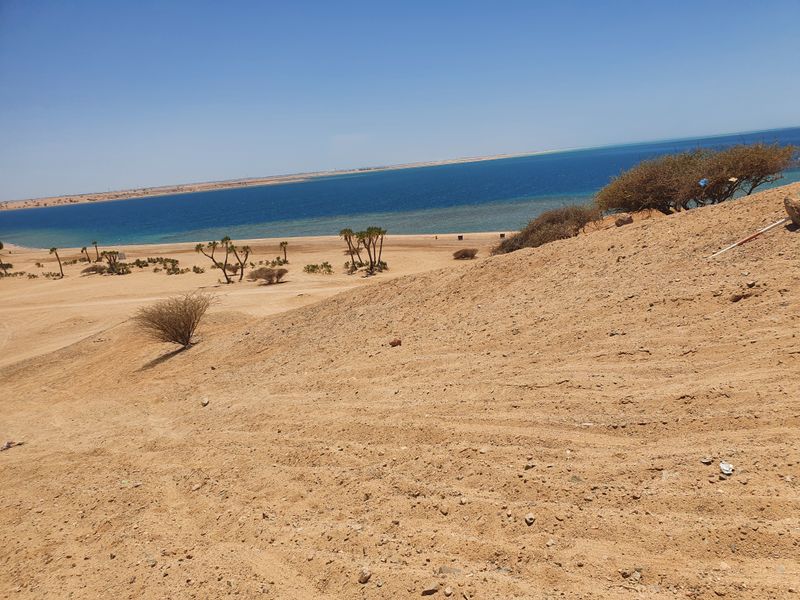
Saudi Arabia has launched one of the most ambitious construction projects in history. NEOM represents a completely new region designed from scratch, covering an area larger than many countries. The project aims to create smart cities powered by renewable energy and cutting-edge technology.
Construction crews are actively working across multiple sites right now. The Saudi government has invested billions of dollars to make this vision a reality. While some parts of the original plan have been scaled back due to practical challenges, the core developments continue moving forward.
NEOM includes plans for advanced transportation systems, futuristic architecture, and sustainable living spaces. The project represents Saudi Arabia’s effort to diversify its economy beyond oil and create new opportunities for future generations.
2. The Line (part of NEOM, Saudi Arabia)
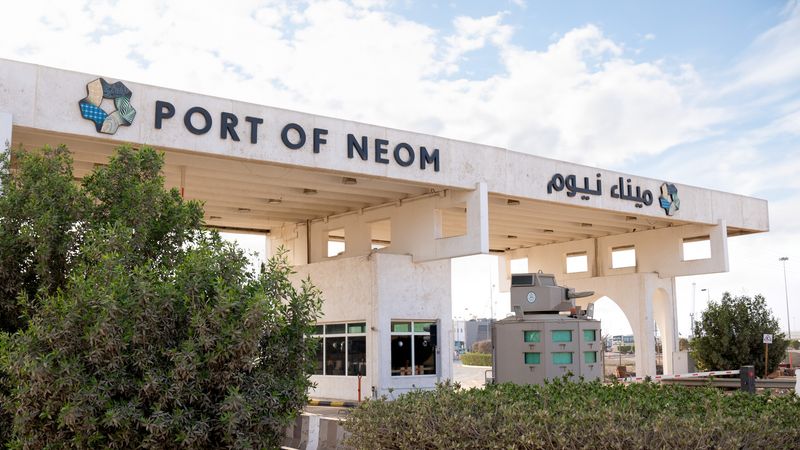
Imagine a city that stretches in a perfectly straight line rather than spreading outward like traditional cities. The Line challenges everything we know about urban planning with its revolutionary design. Originally planned to extend 170 kilometers, the project has been adjusted but remains an engineering marvel.
Construction has officially begun on this car-free city where everything you need sits within a five-minute walk. Two massive mirrored walls will contain residential areas, schools, parks, and workplaces stacked vertically. High-speed rail will connect the entire length in just 20 minutes.
The design aims to house nine million people while preserving 95% of the surrounding natural environment. Critics question whether such an unusual layout can actually work, but builders are determined to prove the concept viable.
3. TROJENA Ski Resort (Saudi Arabia)
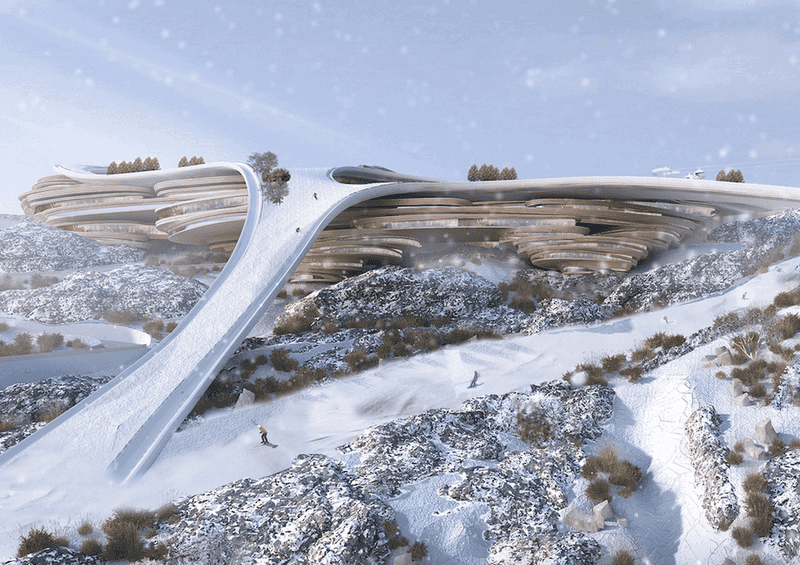
Yes, you read that correctly. Saudi Arabia is building a real ski resort in the middle of the desert. TROJENA sits high in the mountains at elevations between 1,500 and 2,600 meters, where temperatures drop enough to support winter sports with help from technology.
Massive artificial snow systems will cover the slopes, creating a genuine skiing experience in one of the hottest countries on Earth. The resort will host outdoor skiing, snowboarding, and other winter activities that Saudis have never experienced in their own country before. Construction is actively underway, with engineers solving unique challenges related to the desert climate.
Beyond skiing, TROJENA will include luxury hotels, restaurants, and entertainment venues. The project even aims to host future Winter Asian Games, bringing international winter sports competitions to the Arabian Peninsula for the first time.
4. Riyadh Metro (Saudi Arabia)
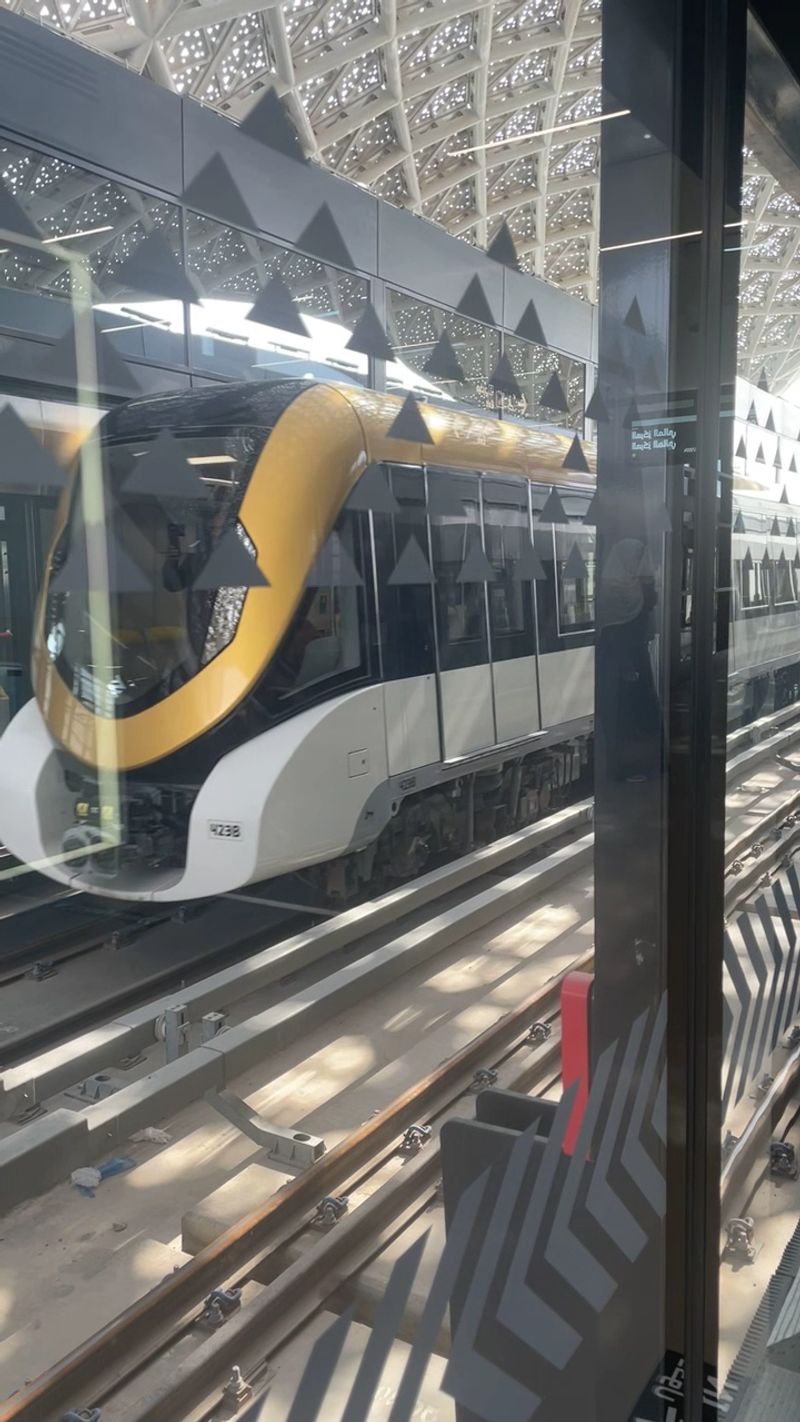
Traffic jams in Riyadh have become legendary, with millions of cars clogging the streets daily. The Riyadh Metro promises to transform how people move around the Saudi capital. This massive underground and elevated rail system ranks among the largest urban metro projects ever built.
Six different lines will crisscross the city, covering 176 kilometers with 85 stations. Construction is nearly finished, and testing phases are determining when full operations can begin. The system features driverless trains using the latest automated technology to ensure safety and efficiency.
Each station showcases unique architectural designs created by international firms, making them landmarks in their own right. When fully operational, the metro will carry millions of passengers daily, dramatically reducing traffic congestion and air pollution across the sprawling city.
5. Jeddah Tower (Saudi Arabia)
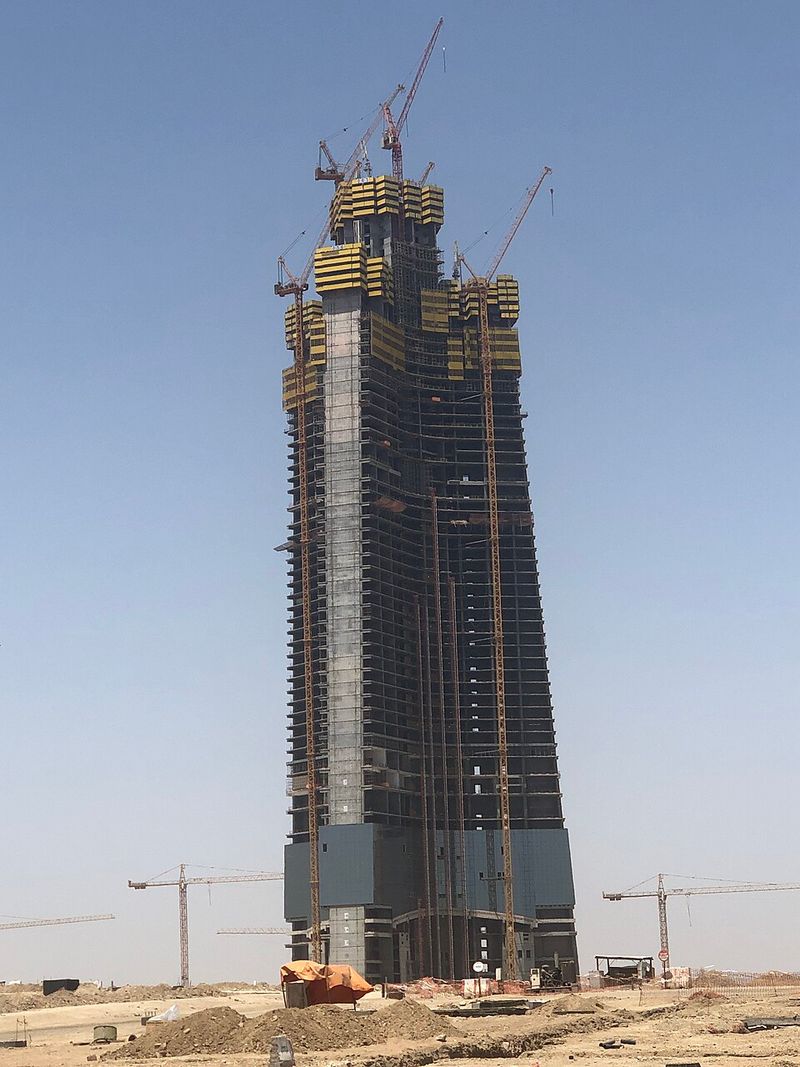
Reaching toward the clouds, Jeddah Tower aims to become the first building ever to exceed one kilometer in height. The skyscraper will dwarf even Dubai’s Burj Khalifa, currently the world’s tallest structure. Construction faced delays for several years but restarted in 2023 with renewed commitment.
Engineers must solve extraordinary challenges when building this high, from wind forces to elevator systems that can travel such distances. The tower will contain luxury apartments, office spaces, a Four Seasons hotel, and observation decks offering breathtaking views. Its slender, streamlined design helps it withstand the powerful winds at extreme heights.
Located near the Red Sea, the tower serves as a centerpiece for Jeddah Economic City, a larger development project. When completed, it will symbolize Saudi Arabia’s architectural ambitions and engineering capabilities on the world stage.
6. Grand Ethiopian Renaissance Dam (Ethiopia)
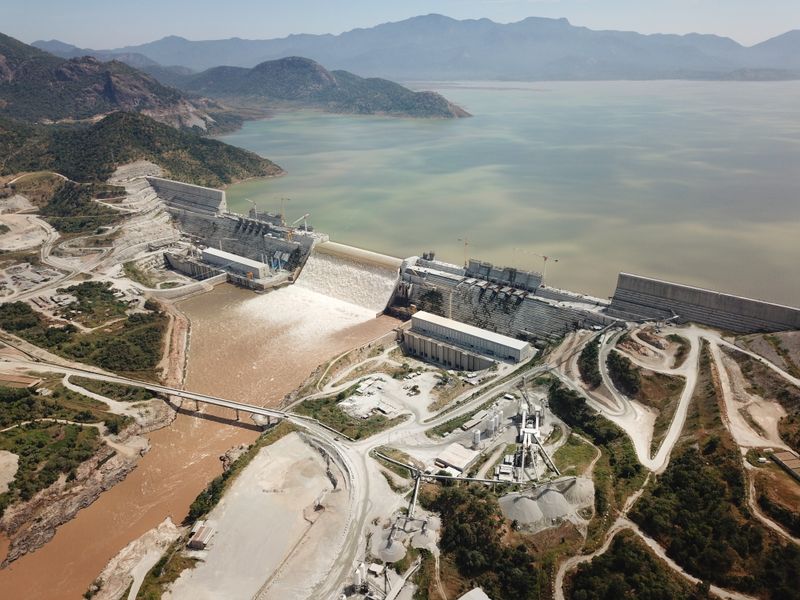
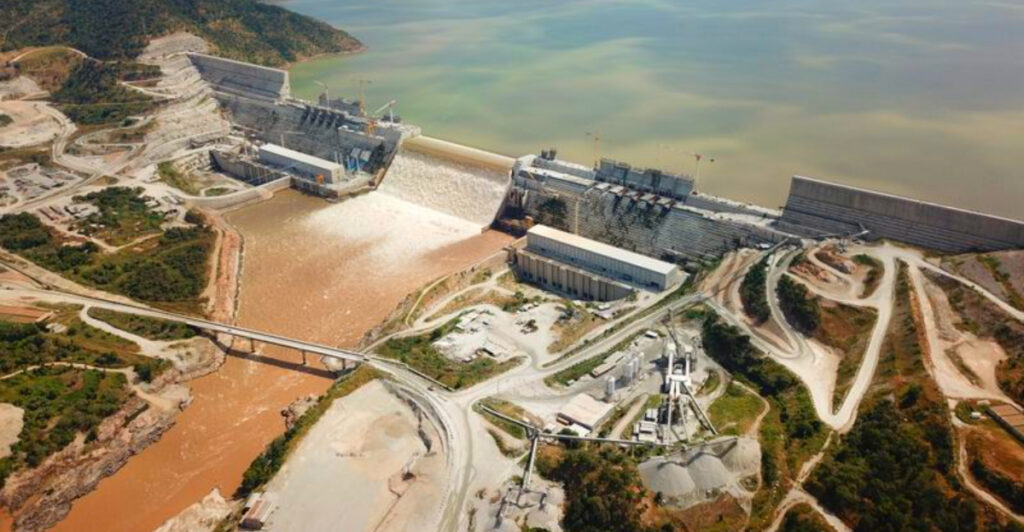
Water rushes through the turbines of Africa’s largest hydroelectric dam, generating power that Ethiopia desperately needs. The Grand Ethiopian Renaissance Dam harnesses the Blue Nile River to produce electricity for millions of people. Partial operations have already begun, though final construction work continues.
The dam has sparked international controversy, particularly with Egypt and Sudan downstream who worry about water supplies. Despite political tensions, Ethiopia views the project as essential for economic development and lifting people out of poverty. The reservoir behind the dam creates one of Africa’s largest artificial lakes.
When fully operational, the dam will generate over 6,000 megawatts of electricity, more than doubling Ethiopia’s power generation capacity. The project represents African nations taking control of their own resources and infrastructure development, though regional cooperation remains crucial.
7. China’s South-North Water Transfer Project (China)
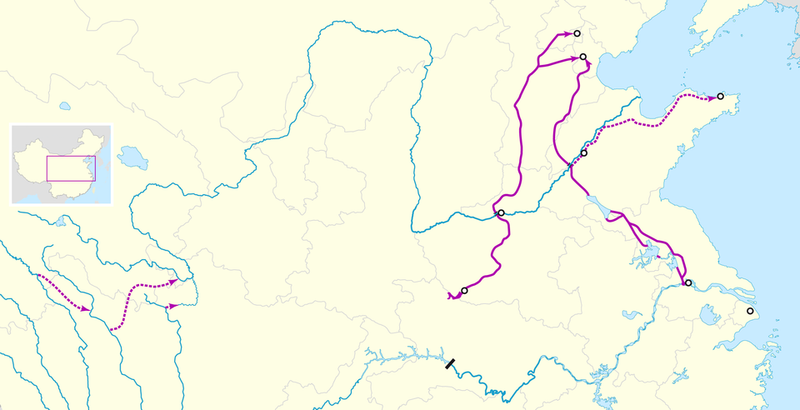
Northern China faces severe water shortages while the south has plenty. China’s solution? Build the largest water-diversion project in human history. Massive canals stretch thousands of kilometers, moving billions of cubic meters of water from southern rivers to the dry north.
Two major routes are fully operational, delivering water to over 100 million people in cities including Beijing. The eastern routes continue expanding, with engineers constantly improving the system. The scale of construction involved moving more earth than building the Three Gorges Dam.
The project required building tunnels under the Yellow River, aqueducts over valleys, and pumping stations powerful enough to move water uphill. Environmental concerns remain about disrupting natural river flows and ecosystems. Nevertheless, the system has become essential infrastructure, providing drinking water and supporting agriculture in regions that would otherwise struggle with drought.
8. Beijing Daxing International Airport (China)
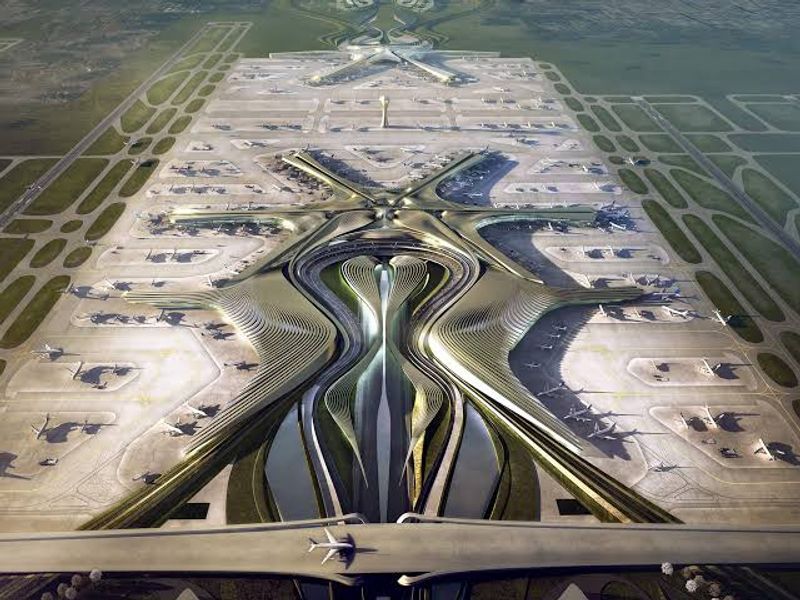
Shaped like a giant starfish, Beijing Daxing International Airport looks more like a spaceship than a traditional airport. The terminal building alone covers over one million square meters, making it one of the largest single structures on Earth. The airport opened in 2019 after just four years of construction, an incredibly fast timeline for such a massive project.
The design minimizes walking distances, with passengers reaching the farthest gate in just eight minutes from the center. Advanced technology handles everything from check-in to baggage tracking, creating a smooth travel experience. The roof features thousands of skylights, flooding the interior with natural light and reducing energy costs.
Daxing can handle 100 million passengers annually when fully operational. High-speed rail connections link the airport directly to downtown Beijing in under 30 minutes, making it highly accessible despite being 46 kilometers from the city center.
9. High-Speed Rail Network Expansion (China)
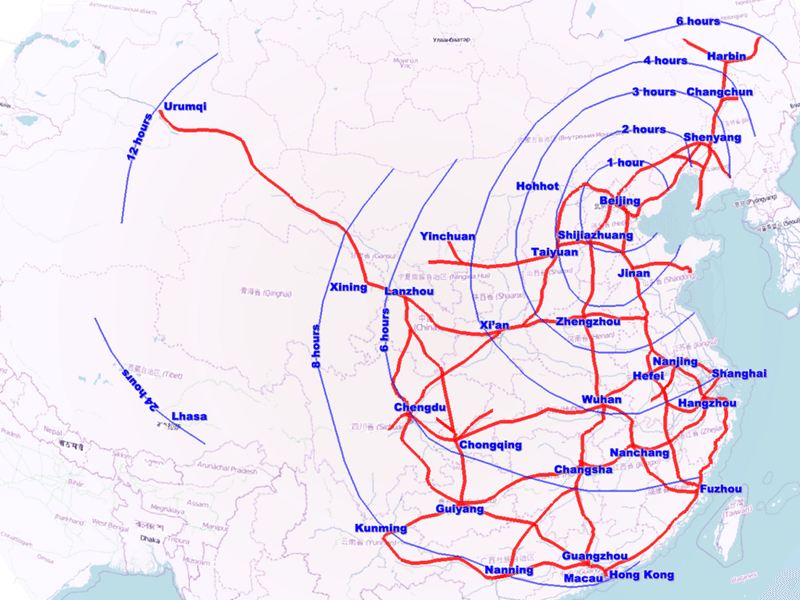
Bullet trains zip across China at speeds exceeding 350 kilometers per hour, connecting cities that once took days to reach. China has built over 40,000 kilometers of high-speed rail tracks, more than the rest of the world combined. The network continues expanding every year, reaching more cities and remote regions.
Passengers enjoy comfortable rides with smooth acceleration and minimal noise, making train travel competitive with flying for many routes. The system has revolutionized transportation in China, enabling people to live in one city and work in another hundreds of kilometers away. Construction techniques have become so refined that crews can lay track at remarkable speeds.
The network has boosted economic development in smaller cities now connected to major hubs. Future plans include international routes extending into Southeast Asia and possibly Europe, creating a new Silk Road built on steel rails.
10. Crossrail / Elizabeth Line (United Kingdom)
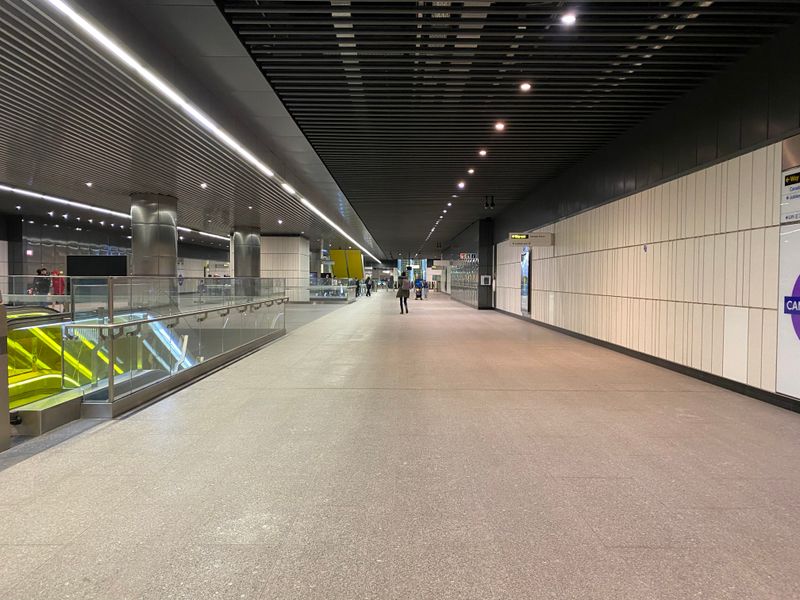
London’s transportation system received its biggest upgrade in decades when the Elizabeth Line opened in 2022. Crossrail tunnels stretch 118 kilometers, connecting Reading and Heathrow in the west to Shenfield and Abbey Wood in the east. Massive boring machines carved through earth beneath one of the world’s busiest cities.
Construction took over a decade and faced numerous challenges, from archaeological discoveries to coordinating with existing infrastructure. Engineers had to work around ancient Roman ruins, medieval plague pits, and Victorian sewers while keeping the city running above. The project came in over budget and behind schedule, but the results have transformed London’s transit capacity.
The new line carries over 200 million passengers annually, reducing journey times across the city significantly. Spacious trains with air conditioning offer a welcome upgrade from older Underground lines, making commutes more comfortable for millions of Londoners.
11. California High-Speed Rail (USA)
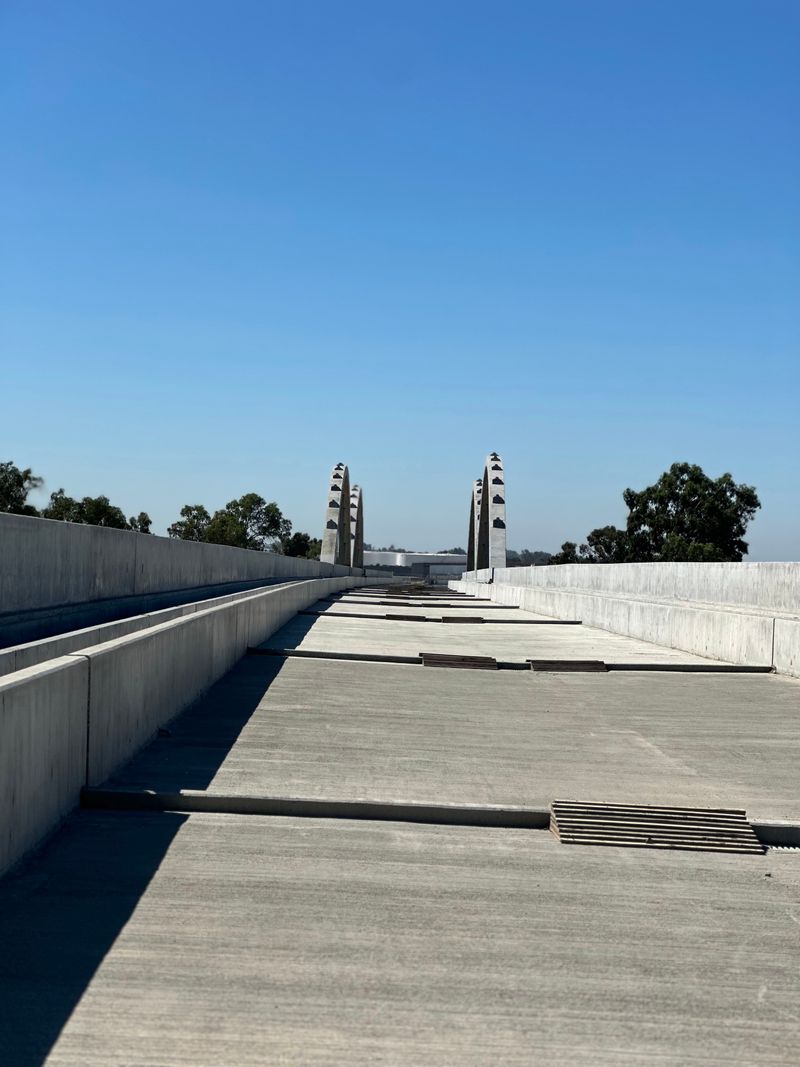
America has lagged behind other developed nations in high-speed rail, but California aims to change that. The ambitious project will eventually connect San Francisco to Los Angeles with trains traveling over 350 kilometers per hour. Construction is actively underway in the Central Valley, where crews are building elevated structures and laying track.
The project has faced criticism over costs, delays, and political challenges that seem uniquely American. Original completion dates have been pushed back multiple times as budgets ballooned beyond initial estimates. Despite setbacks, construction continues with the first operational segment expected to connect several Central Valley cities.
When completed, the full system will transform California travel, offering an alternative to congested highways and crowded airports. The project represents a test case for whether the United States can successfully build the kind of rail infrastructure common in Europe and Asia.
12. Hudson Yards (USA, New York City)
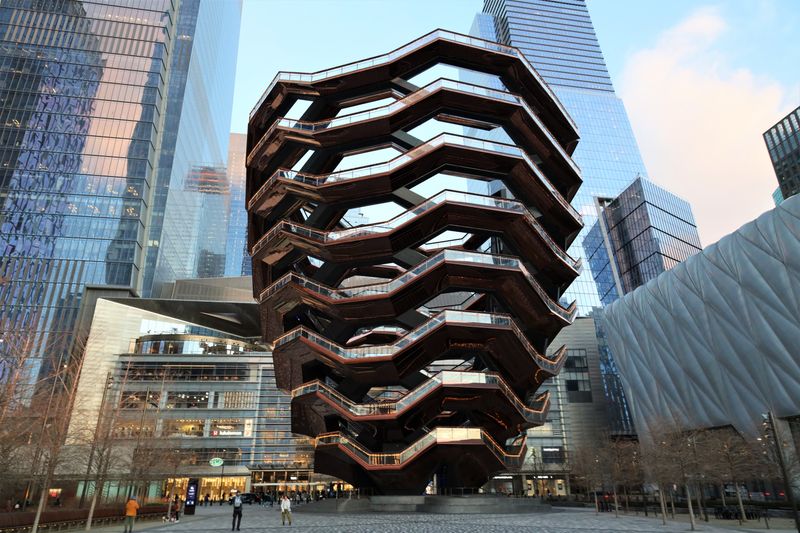
Manhattan’s west side has been completely transformed by Hudson Yards, the largest private real estate development in American history. Gleaming skyscrapers now stand where rail yards once dominated the landscape. The project built an entirely new neighborhood from scratch, including offices, apartments, shops, restaurants, and public spaces.
Phase 1 opened in 2019, featuring the controversial Vessel sculpture that became an instant landmark. Luxury apartments command premium prices, while ground-floor retail attracts shoppers from around the world. The development sits on a platform built over active rail yards, requiring innovative engineering to support massive buildings.
Phase 2 construction continues, promising to add more residential and commercial space. Critics argue the development caters only to the wealthy and lacks the character of older New York neighborhoods. Supporters counter that it created jobs, increased tax revenue, and revitalized a previously underutilized area.
13. ITER Fusion Reactor (France, international project)
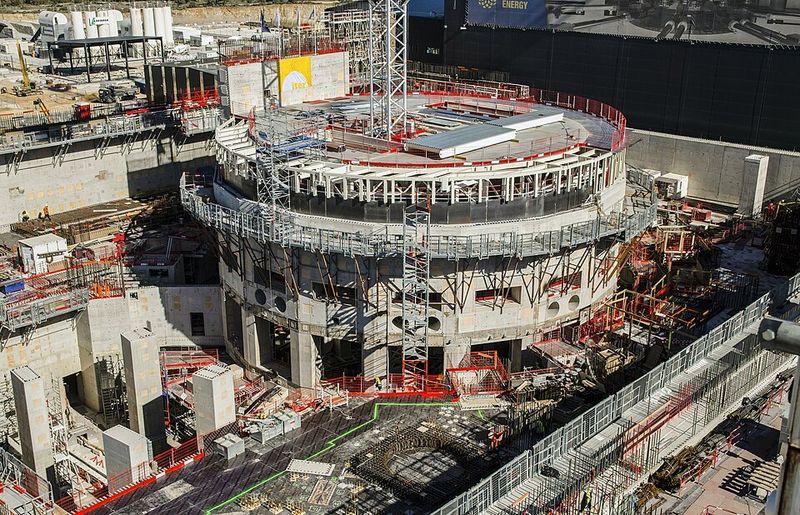
Scientists are building a machine that could solve humanity’s energy problems forever. The ITER fusion reactor in southern France represents an international collaboration involving 35 nations working together on cutting-edge science. The project aims to prove that fusion power, the same process that powers the sun, can generate clean, virtually unlimited energy on Earth.
Construction and assembly have entered advanced phases, with massive components arriving from manufacturing facilities around the world. The tokamak chamber where fusion reactions will occur must withstand temperatures hotter than the sun’s core while keeping those reactions stable. The engineering challenges are extraordinary, pushing the boundaries of what’s technically possible.
If successful, ITER will produce ten times more energy than it consumes, proving fusion’s viability for power generation. Commercial fusion power plants could follow, providing carbon-free electricity without the radioactive waste problems of conventional nuclear fission.
14. Delhi-Mumbai Industrial Corridor (India)
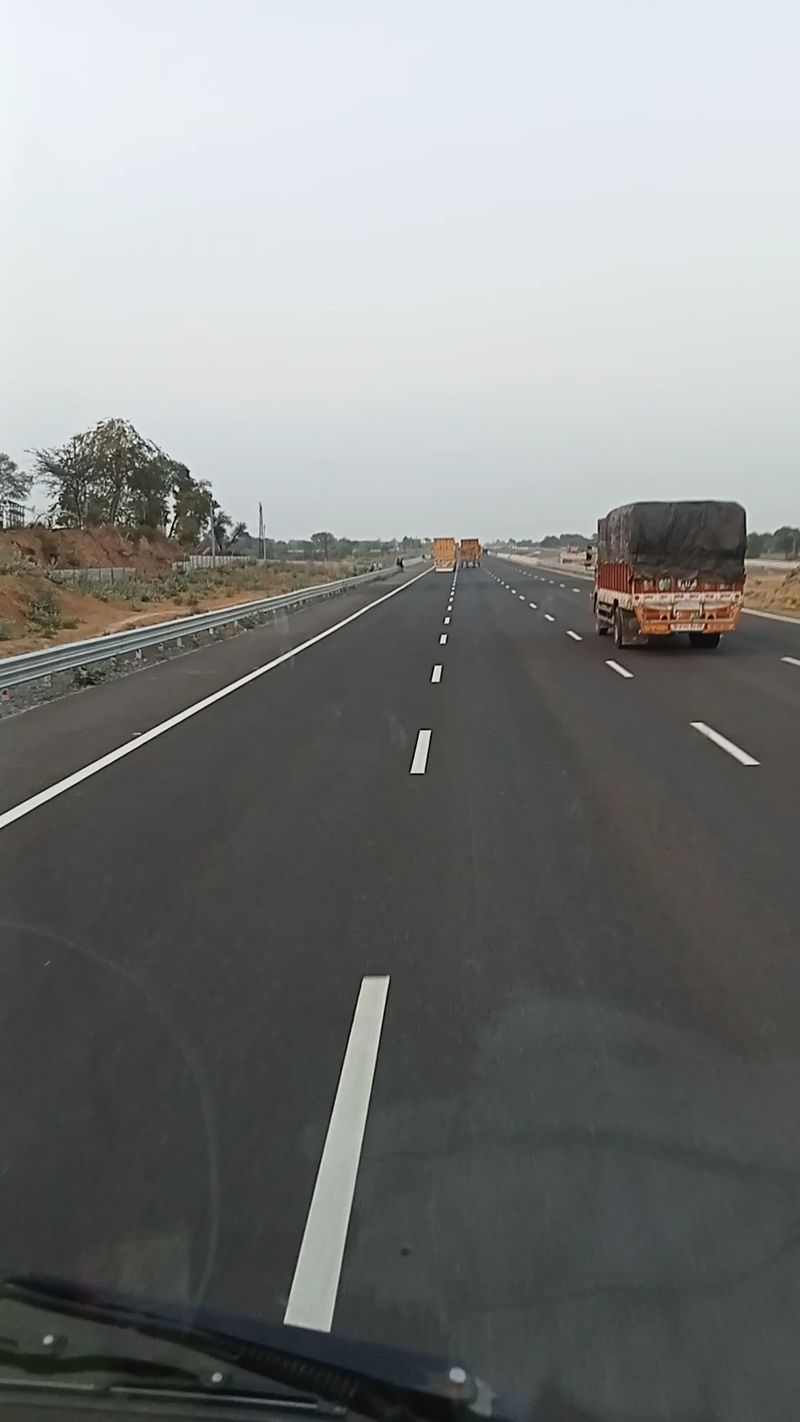
Stretching 1,500 kilometers between India’s capital and financial center, this mega-corridor is reshaping the country’s economic landscape. The project goes far beyond just a road or rail line, encompassing smart cities, industrial zones, logistics hubs, and advanced infrastructure. Several nodes have already been completed, with manufacturing facilities and residential areas attracting businesses and families.
The corridor aims to create a manufacturing powerhouse rivaling China’s industrial regions, generating millions of jobs. High-speed freight rail will move goods efficiently between production centers and ports. Smart cities along the route feature modern utilities, digital connectivity, and sustainable planning missing from many older Indian cities.
International investment has poured into the project, recognizing India’s potential as a manufacturing alternative to China. Full completion remains years away, but operational sections already demonstrate how modern infrastructure can accelerate economic growth and improve quality of life.
15. Sydney Metro (Australia)
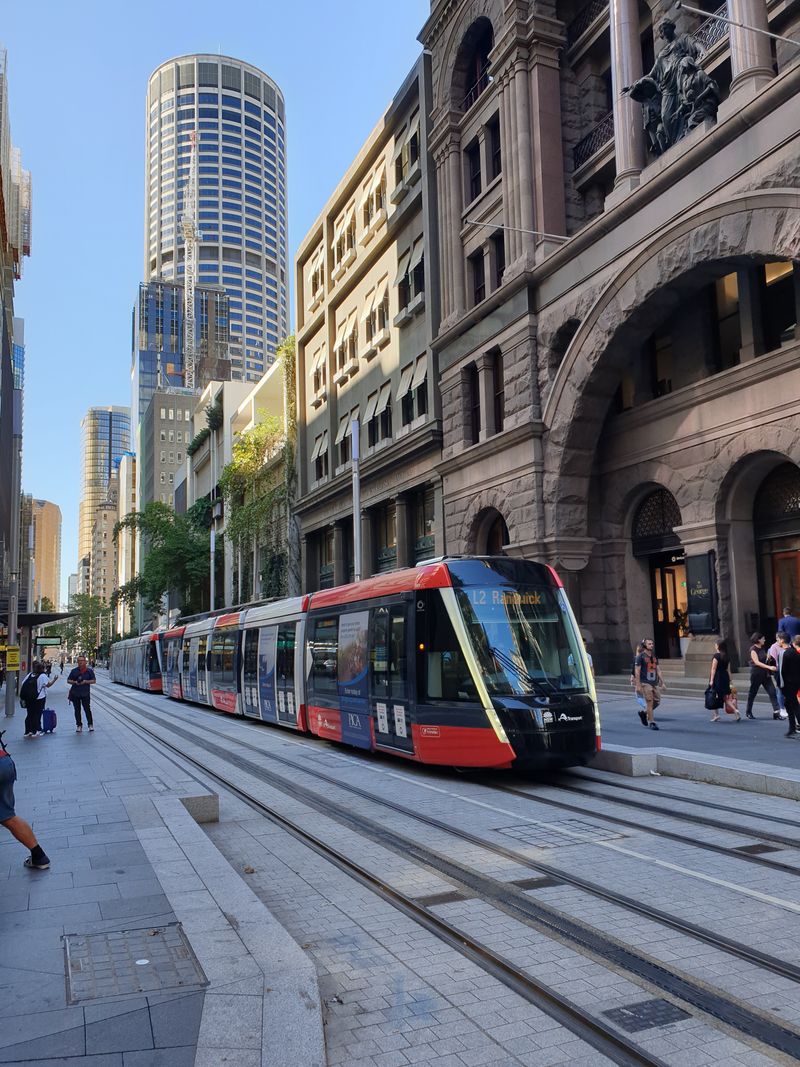
Australia’s largest city is finally getting the metro system it has needed for decades. Sydney Metro represents the biggest public transport investment in Australian history, with multiple lines under construction simultaneously. Some sections already operate, carrying passengers in modern, air-conditioned trains that arrive every few minutes.
The project includes both underground tunnels beneath Sydney’s harbor and elevated tracks through suburbs. New stations feature platform screen doors for safety and accessibility features meeting modern standards. The system uses automated trains, allowing for frequent service and consistent operation.
When fully complete, the metro will transform how Sydneysiders move around their sprawling city, reducing reliance on cars and buses. Construction continues on extensions that will connect more neighborhoods to the growing network. The project demonstrates Australia’s commitment to catching up with public transit systems in other major world cities, though critics note it arrived later than it should have.
Share this story