Around the world, rising seas and sinking land are putting some of our most famous cities in serious danger. Climate change is making ocean levels climb higher while many coastal areas are literally dropping lower because people pump too much water from underground. Together, these forces could flood neighborhoods, damage buildings, and force millions to leave their homes before the century ends.
1. Jakarta, Indonesia – The Capital That’s Moving Inland
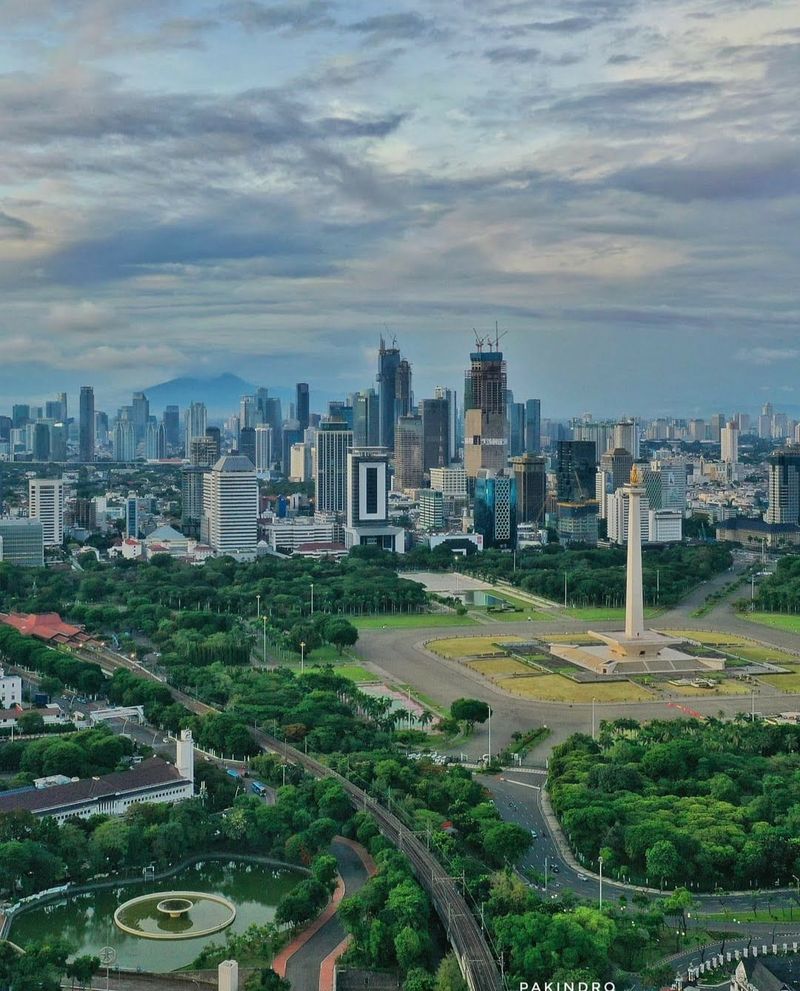
Jakarta holds the troubling title of the world’s fastest-sinking megacity. For decades, people have been pumping groundwater faster than nature can replace it, causing the land to drop several centimeters every year.
Northern parts of the city already face regular flooding during high tides. Indonesia’s government decided the problem was so serious that they’re building a brand-new capital city called Nusantara on the island of Borneo.
Scientists predict that without major flood walls and changes, large areas of North Jakarta could be underwater by 2100.
2. Bangkok, Thailand – Built on Soft, Sinking Ground
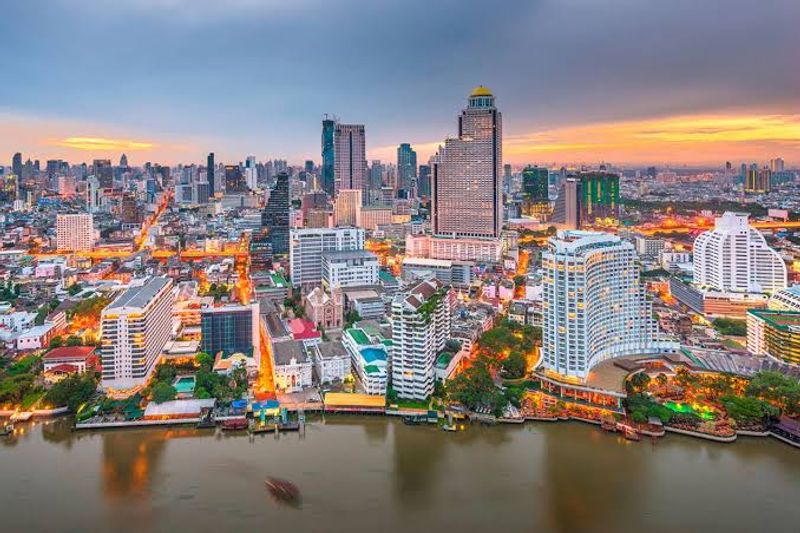
Bangkok sits barely one to two meters above the ocean on soft, mushy clay that keeps compressing downward. The city drops about one to two centimeters lower each year in many neighborhoods.
Meanwhile, the Gulf of Thailand’s water level keeps creeping up, and heavy rainstorms are getting worse. Experts rank Bangkok among the cities most at risk from sea-level flooding by mid-century.
Without taller levees, better drains, and strict limits on pumping groundwater, huge sections of this bustling metropolis could flood regularly before your grandchildren grow old.
3. Ho Chi Minh City, Vietnam – Subsiding Faster Than the Sea Is Rising
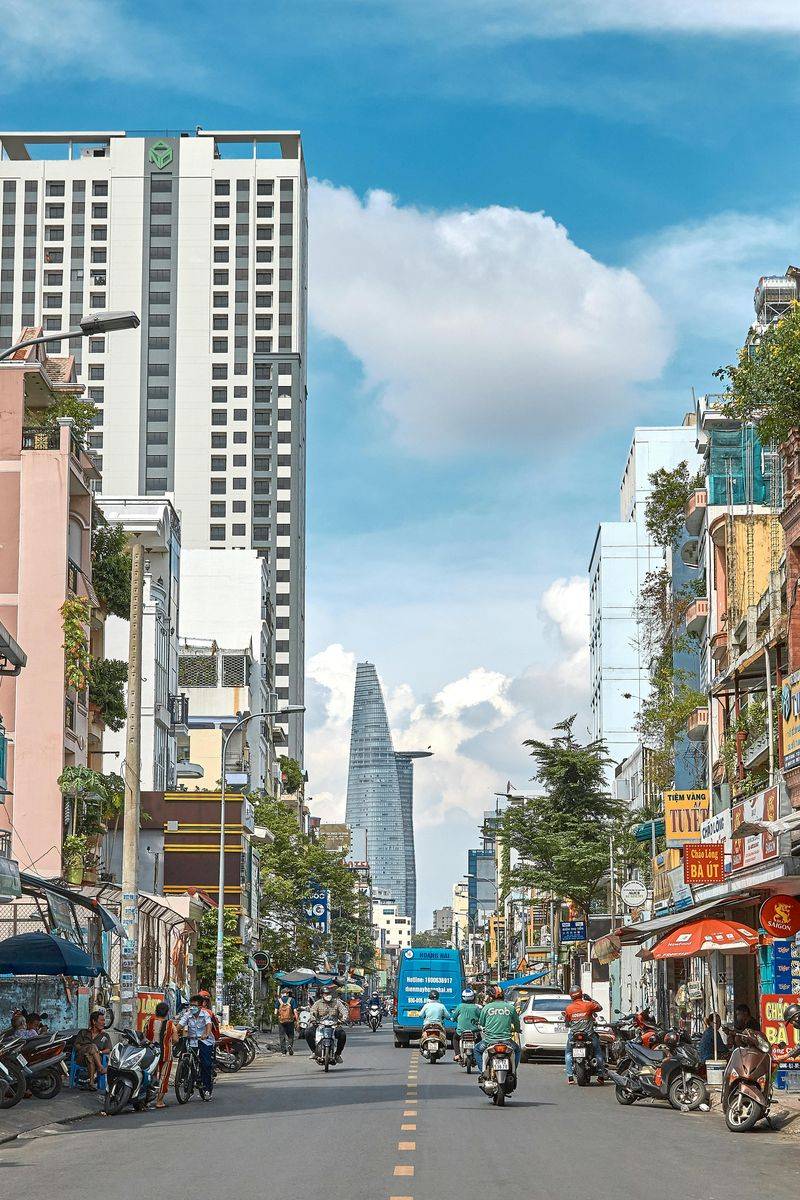
In some districts of Ho Chi Minh City, the ground is dropping faster than the ocean is rising. Heavy construction and too much groundwater pumping are causing rapid land subsidence across the city.
Research shows that tens of square kilometers could sink below sea level within just the next decade. That would make high-tide flooding and dangerous storm surges even more common and destructive.
The city lies in the Mekong Delta, where scientists warn more than half the land could be below sea level by 2100 if warming continues.
4. Shanghai, China – A Delta Megacity Facing Deeper Future Floods
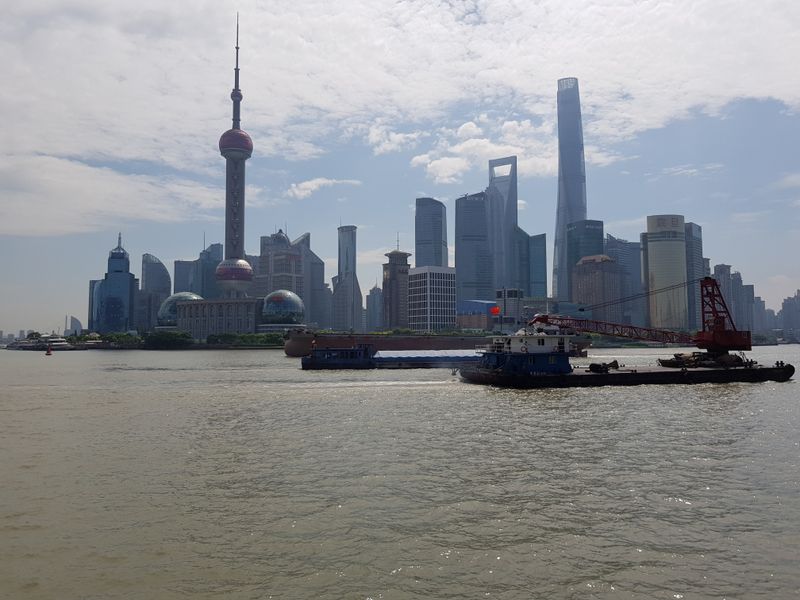
More than 25 million people call Shanghai home, and the entire city sits on a low river delta protected by seawalls. New university research finds that by 2100, areas flooded during extreme storms could grow by up to 80 percent.
This increase comes from both rising seas and sinking land working together. Global studies highlight Shanghai as one of the cities most exposed to coastal flooding this century.
Stronger typhoons fueled by warmer oceans will make the flooding problem even worse for this economic powerhouse.
5. Guangzhou, China – Population and Assets on the Front Line
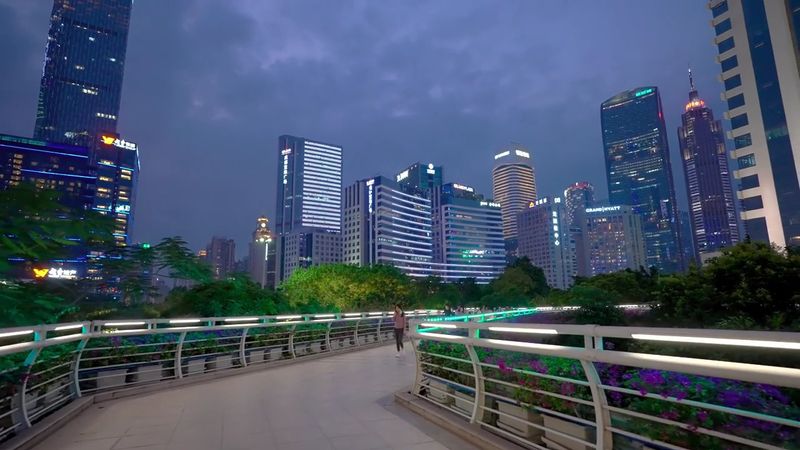
Guangzhou sits just a few meters above sea level on the muddy lowlands where the Pearl River meets the ocean. A major scientific study tripled earlier estimates of how many people face flooding danger from rising seas.
That study found Shanghai and Guangzhou together could have tens of millions of residents living on land threatened by extreme coastal floods by 2100. Even today, Guangzhou ranks among the cities with the most people and valuable property exposed to coastal flooding.
The combination of huge population and low elevation puts this metropolis on the front line.
6. Dhaka, Bangladesh – Crowded Delta City Under Pressure
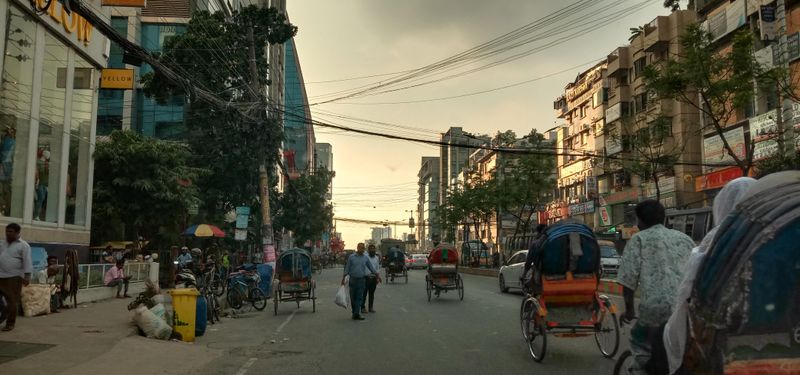
Dhaka is one of the most crowded cities on the planet, packed onto the delta where the Ganges and Brahmaputra rivers dump into the Bay of Bengal. The city already struggles with terrible river flooding and urban drainage problems every monsoon season.
As seas rise along the coast of Bangladesh, more people will be forced to move inland toward Dhaka, making it even more crowded and vulnerable. Climate maps show that under high-end projections, low-lying parts of the metro area face frequent flooding by century’s end.
7. Manila, Philippines – Rising Seas Plus Sinking Land
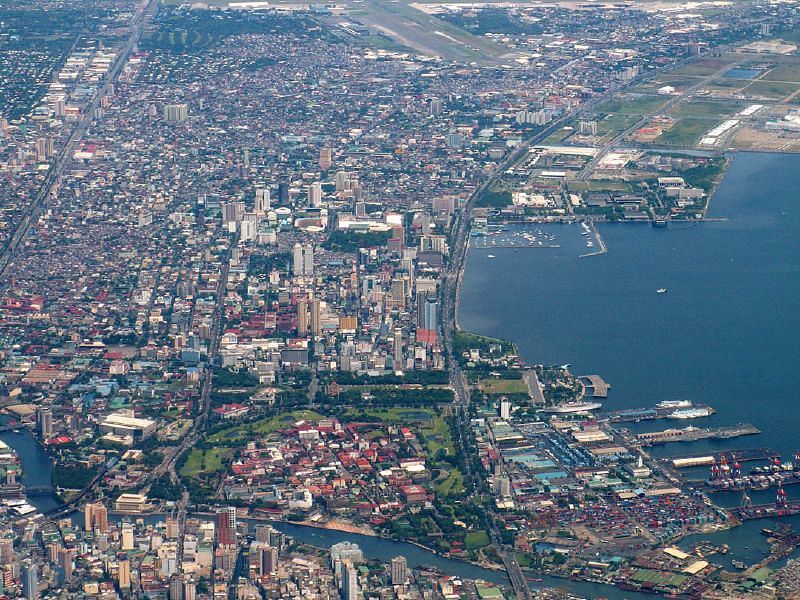
Around Manila Bay, the ocean is climbing about 2.6 centimeters per year, roughly double the global average rate. On top of that, satellite images show significant land subsidence in parts of Metro Manila linked to pumping groundwater and soft delta mud.
Investigative journalists and scientists describe Manila as one of the world’s cities most vulnerable to sea-level rise and coastal flooding. In some nearby communities, the land is actually sinking faster than the water is rising.
That double threat puts millions at risk.
8. Mumbai, India – Monsoon City on a Narrow Peninsula

Mumbai sprawls across a series of low-lying islands and land reclaimed from the Arabian Sea along India’s west coast. Sea-level-rise maps classify it as a global hotspot where climbing oceans will make already severe urban flooding much worse.
Recent research from Princeton and Indian scientists warns that even modest sea-level rises, combined with extreme rainfall, could sharply worsen health risks in Mumbai’s dense, flood-prone slums. A decade-long city study also documented more intense downpours linked to warming Arabian Sea waters and climate change, increasing flash-flood dangers.
9. New Orleans, USA – Below Sea Level and Still Sinking
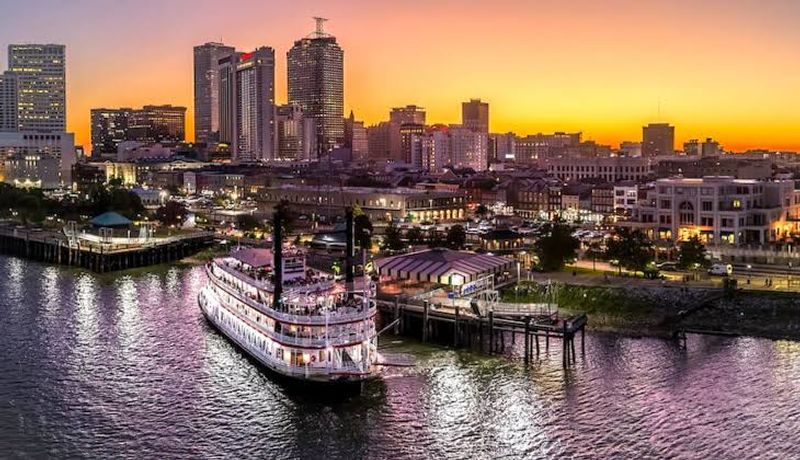
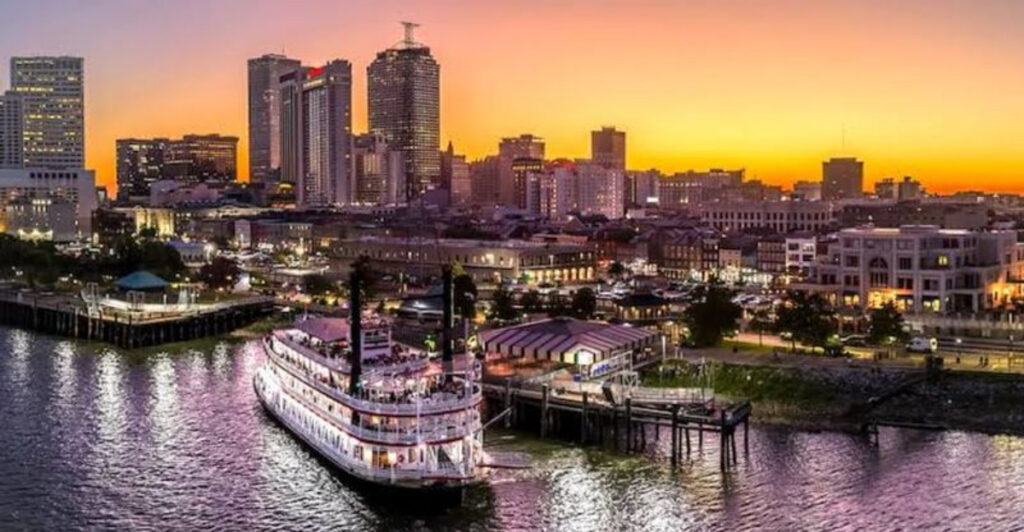
Much of New Orleans sits at or below sea level, kept dry by a huge network of levees, pumps, and floodwalls. Satellite studies in 2025 found that parts of the city and its 15-billion-dollar post-Katrina levee system are sinking by up to 28 millimeters per year.
That’s several times faster than local sea-level rise. At the same time, the ocean around coastal Louisiana is climbing about half an inch every year, driven by warming water and melting ice.
Rankings list Greater New Orleans among the cities with the highest present-day exposure to extreme coastal water levels.
10. Miami & Miami Beach, USA – Sunny-Day Flooding Capital
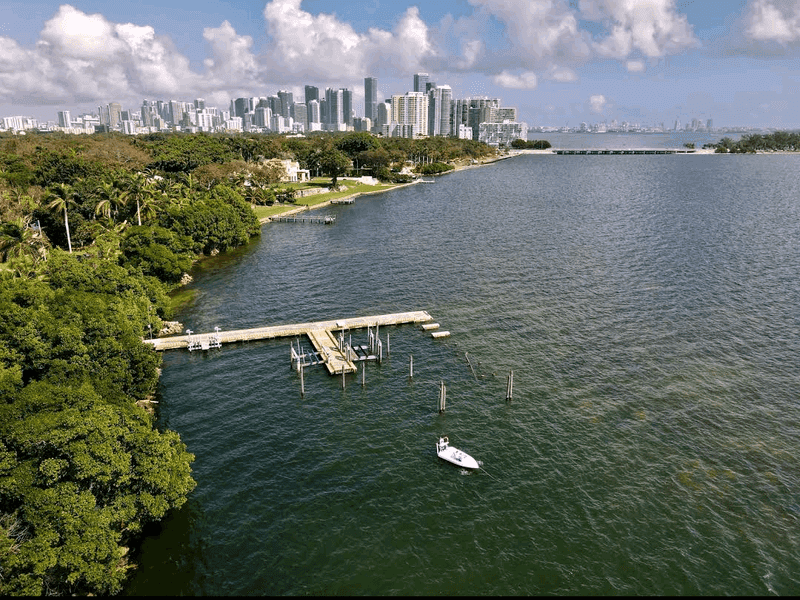
Since 1950, seas around South Florida have climbed about eight inches, and water levels now rise roughly an inch every three years. Miami and Miami Beach sit on porous limestone just a few feet above the ocean, which lets seawater push up through drains and the ground itself.
King-tide sunny-day floods that swamp streets with no storm present are becoming more common, as local news and climate reports document. Regional authorities now warn that sea-level rise and stronger hurricanes will amplify both tidal and storm-surge flooding in coming decades.
11. New York City, USA – Raising the Shoreline to Keep the Water Out
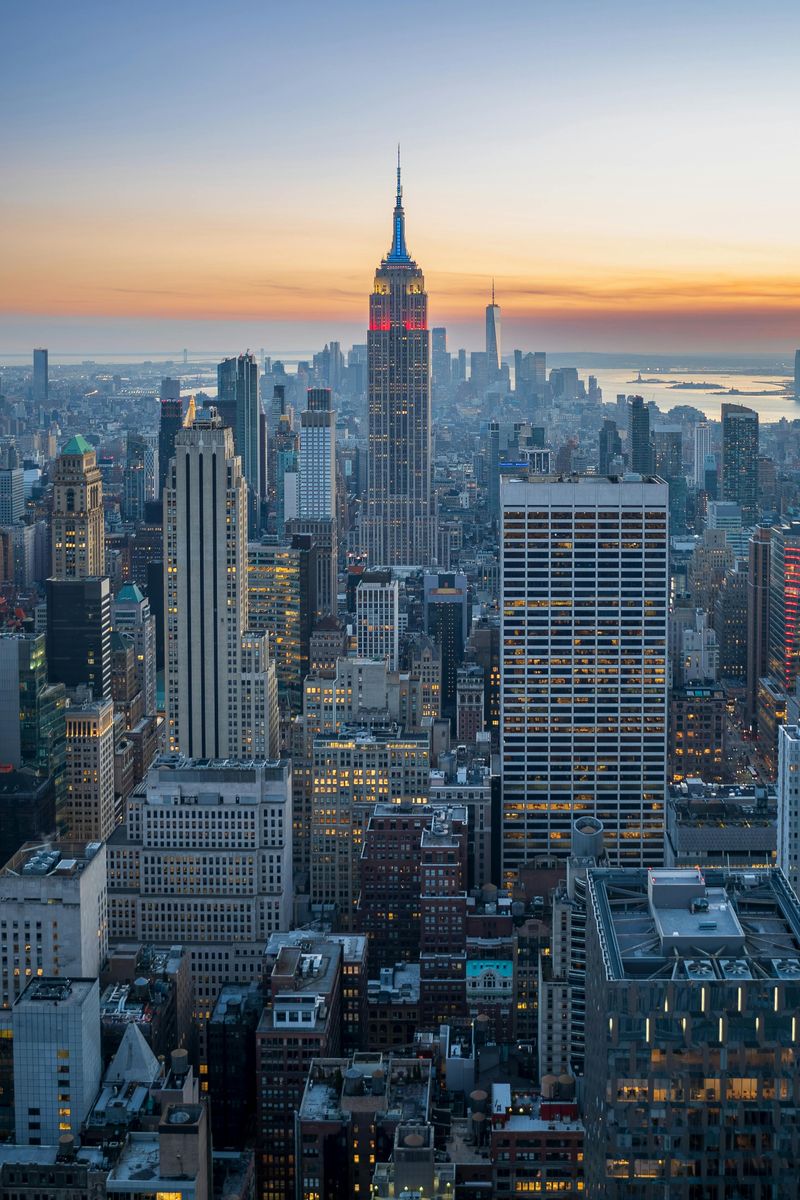
New York City has more than 500 kilometers of coastline and already faces high-tide flooding and storm-surge damage, as Hurricane Sandy dramatically showed in 2012. City climate assessments conclude that sea-level rise and heavier rainfall will significantly worsen flood risk this century.
Upper-end scenarios project more than two meters of local sea-level rise by 2100 in low-probability but high-impact cases. City planning documents describe extensive projects to raise shorelines, build floodwalls, and use nature-based defenses, making NYC a major case study in how a global city adapts to rising seas.
12. Venice, Italy – Acqua Alta in a Warming World
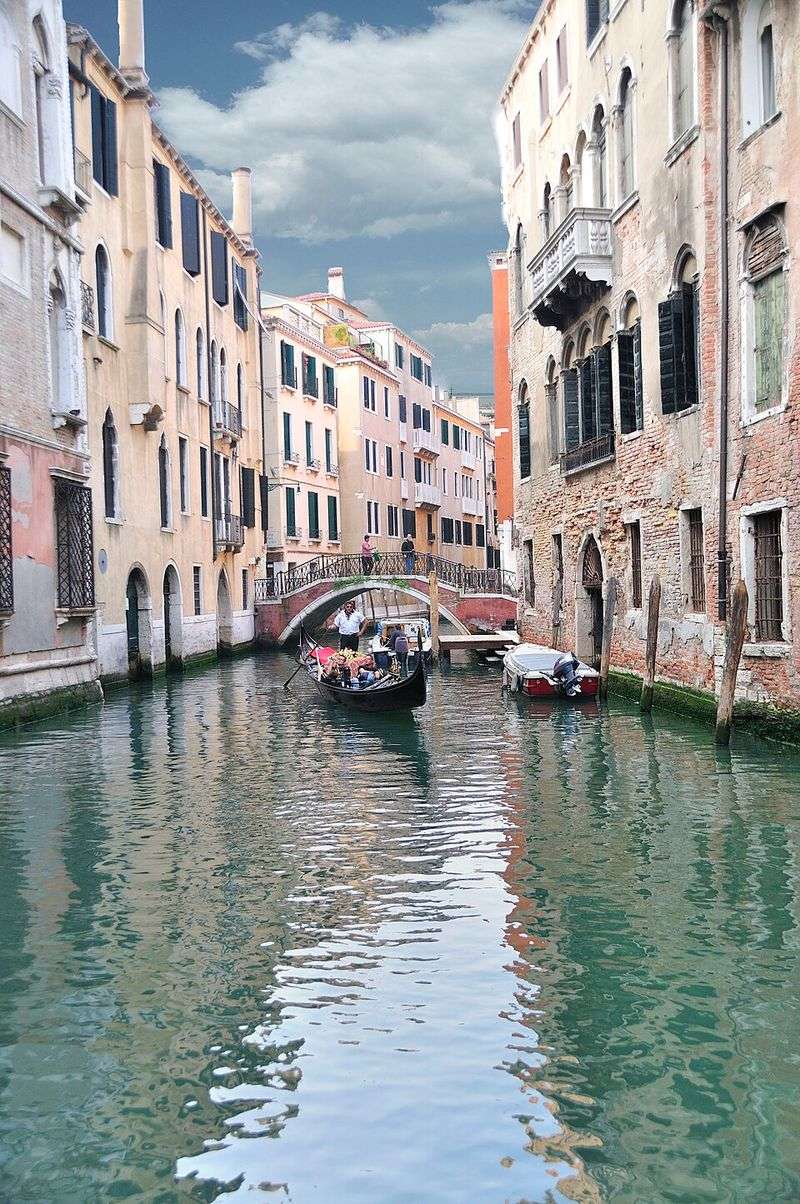
Venice has fought flooding for centuries, but climate change is speeding up the problem. Studies show that relative sea level in Venice has been rising at around 2.5 to 2.8 millimeters per year over the past 150 years or so.
This rise comes from both land subsidence and global sea-level increase. Research summaries note that storm surges, high tides called acqua alta, and heavy rainfall now cause more frequent and severe flooding.
Projections for 2100 suggest tens of centimeters of additional sea-level rise, further threatening this UNESCO-listed city and its priceless art and architecture.
13. Alexandria, Egypt – Eroding Foundations on the Mediterranean

Alexandria, the Mediterranean’s largest southern coastal city, sits on low, sandy ground that is highly vulnerable to sea-level rise and coastal erosion. Scientific assessments identify Alexandria’s coastal zone as particularly susceptible, with large parts of the urban area at risk of flooding under high-end scenarios.
Recent reporting describes how rising seas, stronger waves, and saltwater seeping underground are undermining foundations. Dozens of buildings collapse each year, and about 40 percent of the city’s beaches have already disappeared.
Global rankings already place Alexandria in the top tier of cities whose populations and assets are exposed.
14. Lagos, Nigeria – Africa’s Giant Coastal Megacity
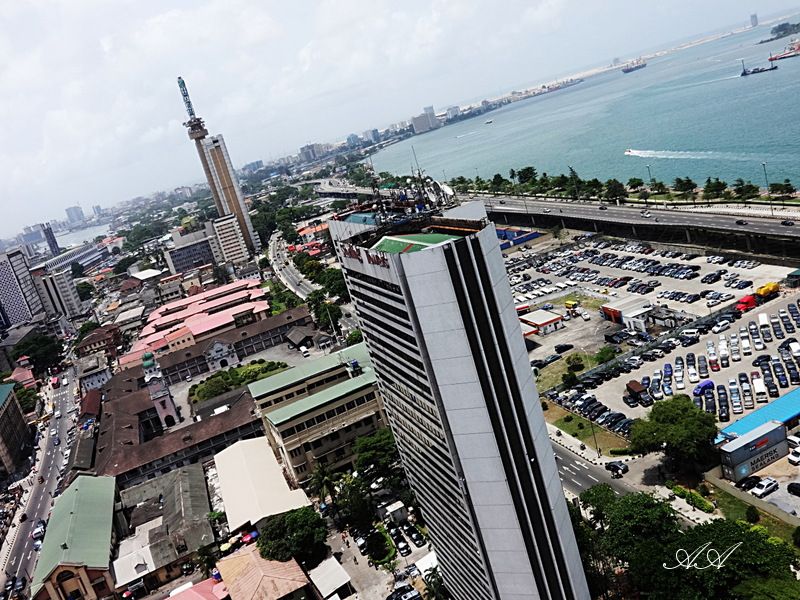
Lagos, with more than 20 million residents, is mostly low-lying with an average elevation around just two meters, and more than 40 percent of its land consists of water bodies and wetlands. Studies highlight the Nigerian coast, including Lagos and the Niger Delta, as a hotspot for climate-related sea-level rise, storm-surge flooding, and erosion.
Recent satellite data shows that land subsidence can significantly increase projected flood areas in Lagos neighborhoods. Reports also warn that around 80 percent of the Lagos shoreline has eroded over recent decades and that coastal surges are already destroying homes.
15. Rotterdam, Netherlands – A Rich Country Learns to Live With Water
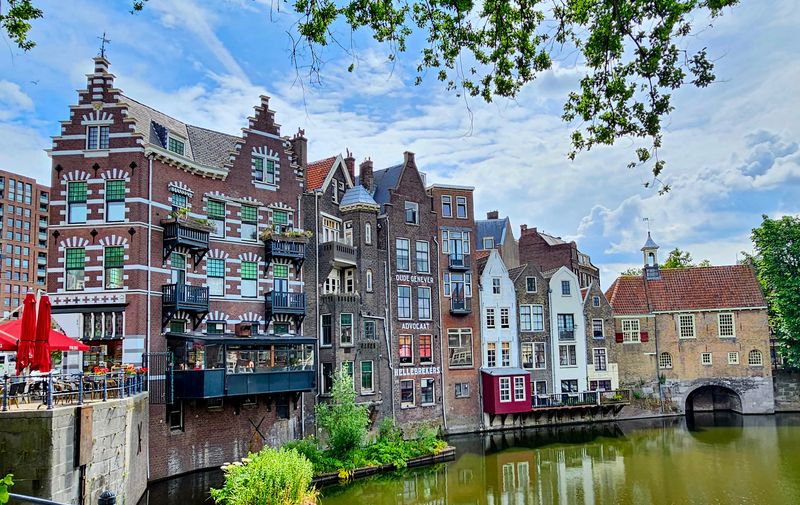
Rotterdam is one of the world’s largest ports, and much of the city lies below sea level with some districts as much as seven meters down. The Netherlands has long managed this risk with large-scale dikes, storm-surge barriers, and innovative projects like floating architecture and Room for the River.
Even so, Dutch research shows that with two to five meters of future sea-level rise, large parts of the low-lying country would face severe salt contamination and flood hazards if defenses are not further strengthened.
Earth.Org mapping flags Rotterdam as a city that could see extensive flooding by 2100 under high-end scenarios if protective measures fail.
Share this story