Food trends change with every generation, and what once graced dinner tables across America now makes younger eaters cringe. Boomers grew up with certain dishes that were considered normal, even delicious, but Gen Z has a very different take. From wiggly gelatin creations to pungent canned meats, these old-school favorites just don’t land with today’s youth.
1. Liver & Onions (and Organ Meats)
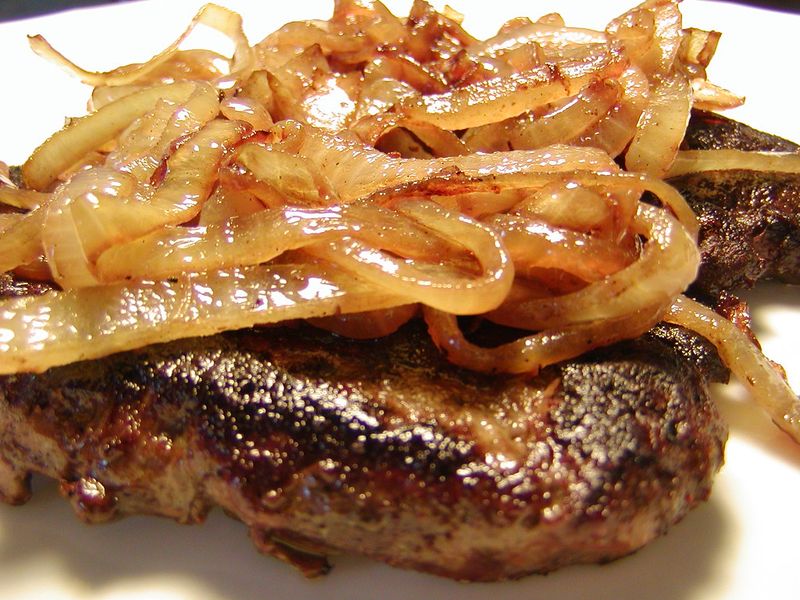
YouGov’s 2025 ranking places liver near the very top of America’s most despised foods, and Gen Z couldn’t agree more. Organ meats were once praised for being budget-friendly and nutritious, but their strong metallic flavor and unusual texture don’t win over younger palates.
Boomers remember liver night as a regular weeknight meal, often paired with caramelized onions to mask the taste. Today’s generation prefers cleaner protein sources like chicken breast or plant-based alternatives that don’t come with the same acquired taste challenge.
2. Anchovies (on Pizza / in Caesar Dressing)
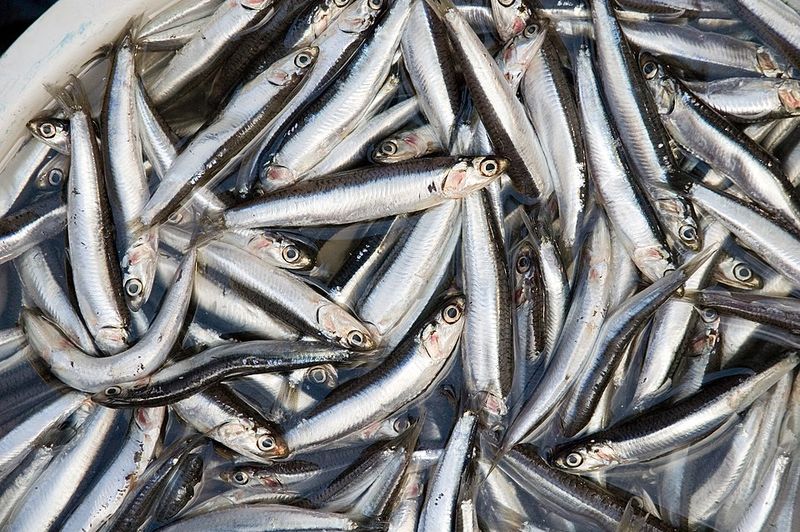
Anchovies rank alongside liver and sardines as one of the most disliked foods in the United States, according to national polling data. Their intensely salty, fishy punch is too much for most Gen Z taste buds, who prefer milder toppings and flavors.
Older generations appreciated anchovies for their bold umami kick, whether draped over pizza or blended into creamy Caesar dressing. Younger eaters often request their salads and pies without this polarizing ingredient, opting instead for pepperoni, veggies, or even pineapple despite the controversy.
3. Sardines on Toast
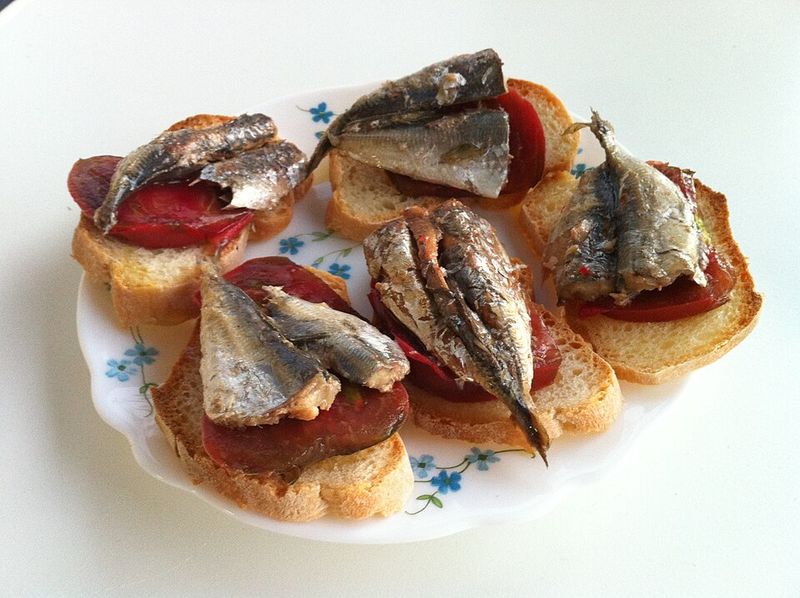
Sardines score among America’s most hated foods in YouGov’s dataset, even though they were a reliable pantry staple for older generations. The combination of oily fish and simple toast was considered a quick, protein-packed snack or breakfast back in the day.
Gen Z finds the smell alone off-putting, not to mention the tiny bones and strong briny taste. Modern snack culture leans toward avocado toast, yogurt bowls, or smoothies that feel fresher and less intimidating than canned fish straight from the tin.
4. Raw Oysters
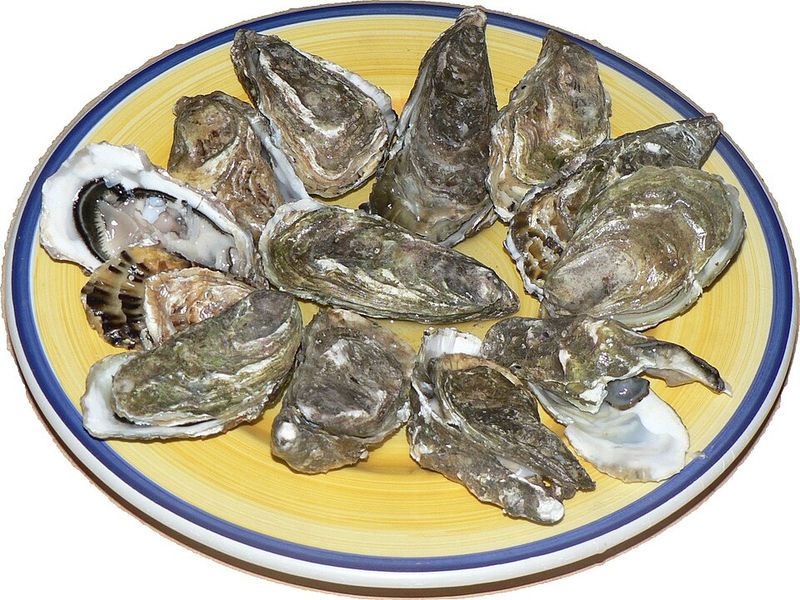
Raw oysters cluster at the top of YouGov’s hated foods breakdown, largely due to their slimy texture and intense oceanic brine. For Boomers, slurping oysters at seafood restaurants was a mark of sophistication and a rite of passage.
Gen Z isn’t buying it. The idea of swallowing something that looks and feels alive doesn’t appeal to a generation raised on Instagram-worthy food. They’d rather stick with cooked seafood options like shrimp tacos or salmon bowls that photograph better and taste less intimidating.
5. Caviar
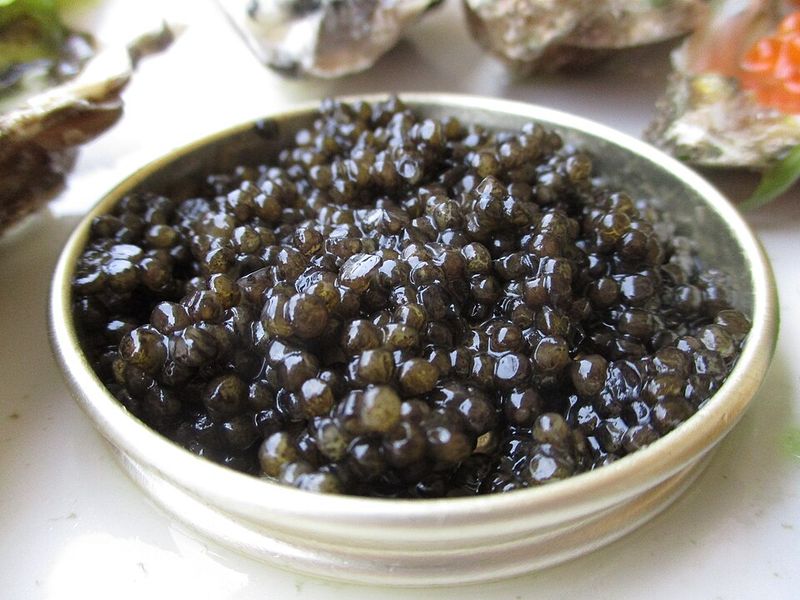
Even luxury doesn’t guarantee love. Caviar appears high on the 2025 YouGov dislike rankings, proving that expensive doesn’t always mean appealing. Boomers associated fish eggs with elegance, special occasions, and refined tastes that signaled status.
For Gen Z, the salty pop of tiny eggs feels more weird than wonderful, no matter the price tag. Younger consumers prioritize authenticity and value over old-fashioned luxury symbols, preferring to spend their money on experiences or sustainable food choices rather than pricey fish roe.
6. Squid / Calamari (the Rubbery Reputation)
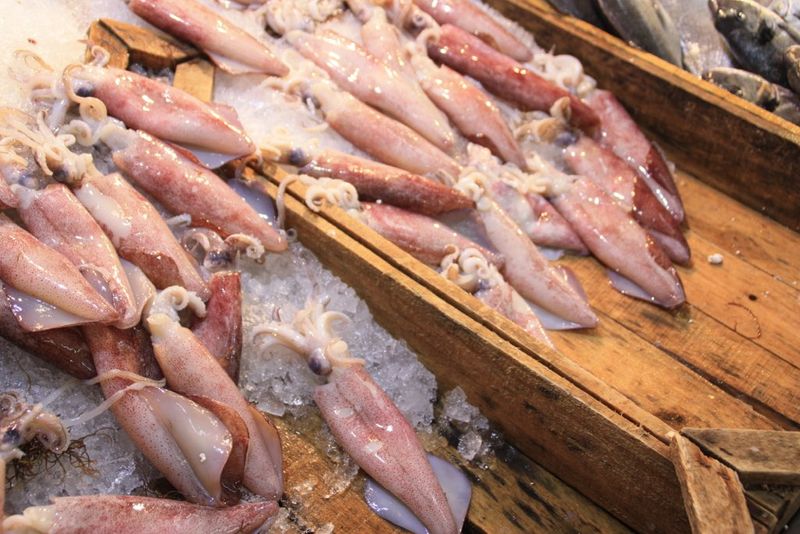
Calamari logs among the most disliked seafoods in national hater lists, thanks to its notorious rubbery texture when overcooked. Boomers enjoyed ordering it as an appetizer at Italian restaurants, appreciating the crispy batter and tender rings when prepared correctly.
Gen Z has had too many bad experiences with chewy, bouncy squid that feels more like eating rubber bands. They’re more likely to order mozzarella sticks, chicken wings, or loaded fries as starters that deliver consistent texture and familiar flavors without the seafood gamble.
7. Jell-O Salads and Savory Aspics
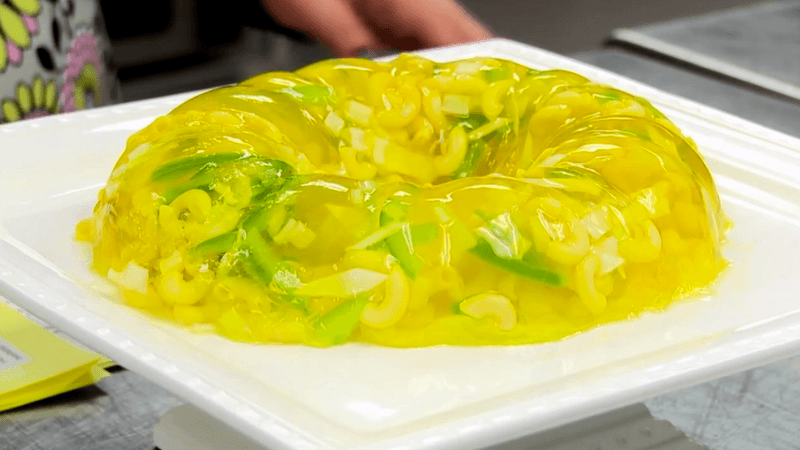
Gelatin salads fell out of favor by the early 1980s and now survive mostly as church-basement relics, according to culinary historians. Boomers grew up with colorful Jell-O molds at every potluck, featuring everything from shredded carrots to canned fruit suspended in wobbly gelatin.
Gen Z finds the whole concept baffling. Why would anyone combine vegetables, mayonnaise, and gelatin? The jiggly texture and odd flavor combinations feel like a food science experiment gone wrong rather than an actual side dish worth eating.
8. Ambrosia Salad
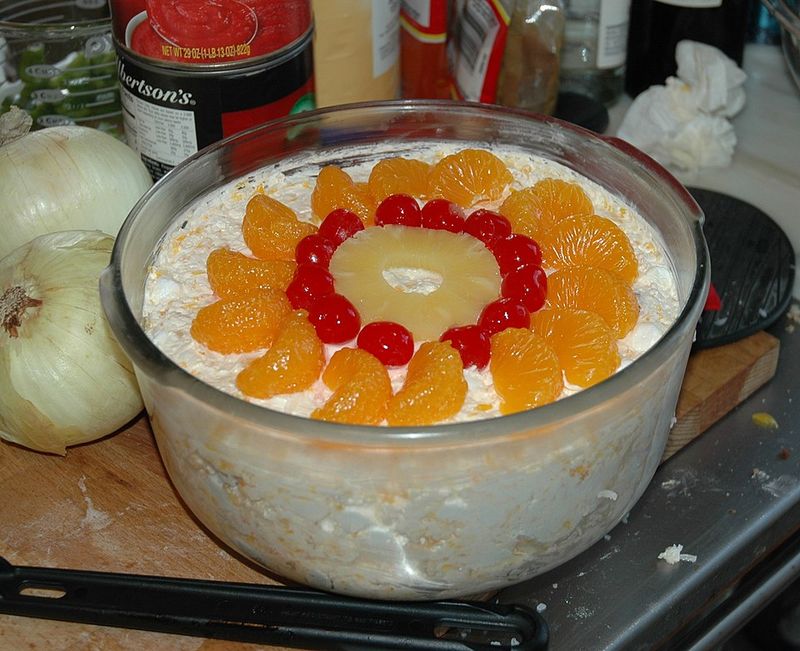
Ambrosia slid from mid-century darling to nostalgic potluck oddball, with its ultra-sweet ingredients turning off younger eaters. Mini marshmallows, canned mandarin oranges, maraschino cherries, and Cool Whip might have thrilled Boomers at family gatherings, but it reads as overly processed today.
Gen Z prefers fresh fruit bowls, acai smoothies, or Greek yogurt parfaits that feel healthier and less artificial. The sticky-sweet combination of ambrosia doesn’t fit modern ideas about what constitutes a proper salad or dessert.
9. Fruitcake
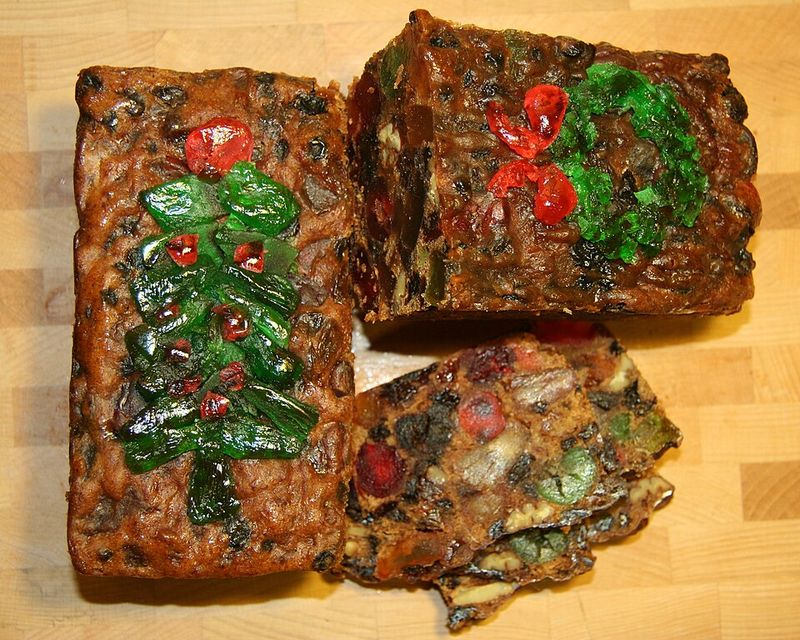
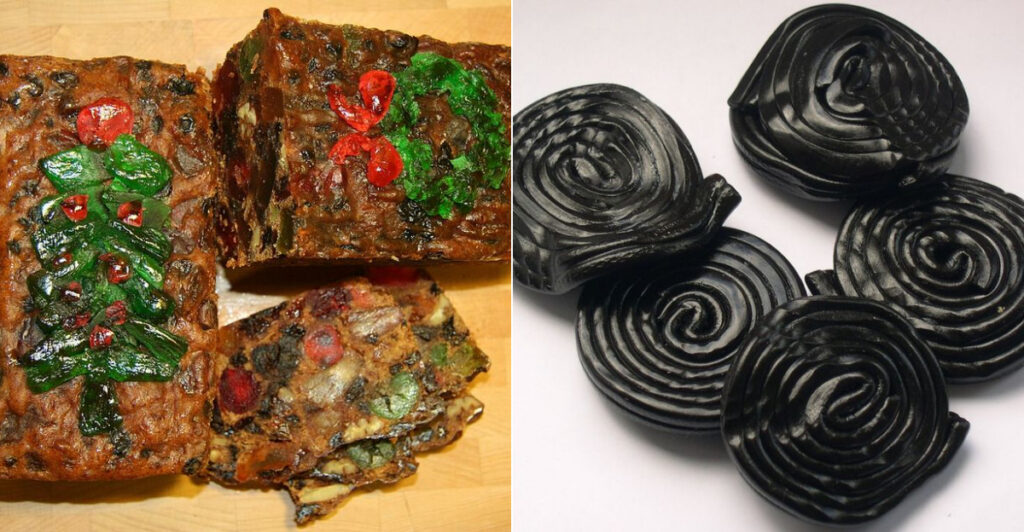
Fruitcake has been a longstanding holiday punchline in American media, with its declining popularity tracked by modern food explainers. Dense, boozy, and packed with candied fruit, it was once a treasured Christmas gift passed between family and friends during the Boomer era.
Gen Z treats fruitcake as more of a joke than an actual dessert. The heavy texture, odd fruit bits, and alcohol-soaked crumb don’t compete with trendy holiday treats like gingerbread cookies, peppermint bark, or artisan cupcakes that taste fresher and lighter.
10. Canned Cranberry Sauce
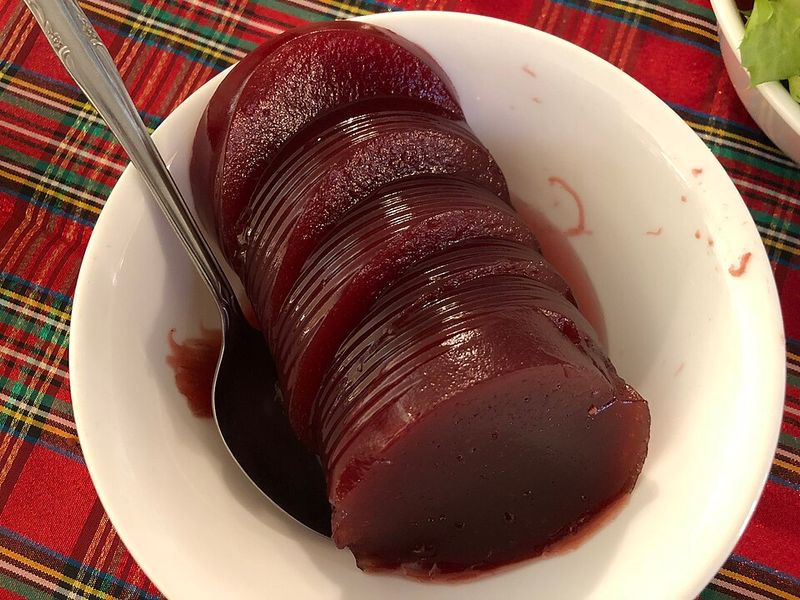
Canned cranberry sauce consistently polls as one of America’s least-liked Thanksgiving sides in national surveys. That gelatinous cylinder with can-shaped ridges was a Boomer staple, valued for convenience even if it lacked homemade charm.
Gen Z finds the texture slimy and the sweetness one-dimensional. They’d rather skip cranberry sauce entirely or opt for homemade versions with fresh berries, orange zest, and natural texture. The canned version feels like a sad shortcut that doesn’t deserve a spot on the holiday table.
11. Olive Loaf / Pimento Loaf Luncheon Meat
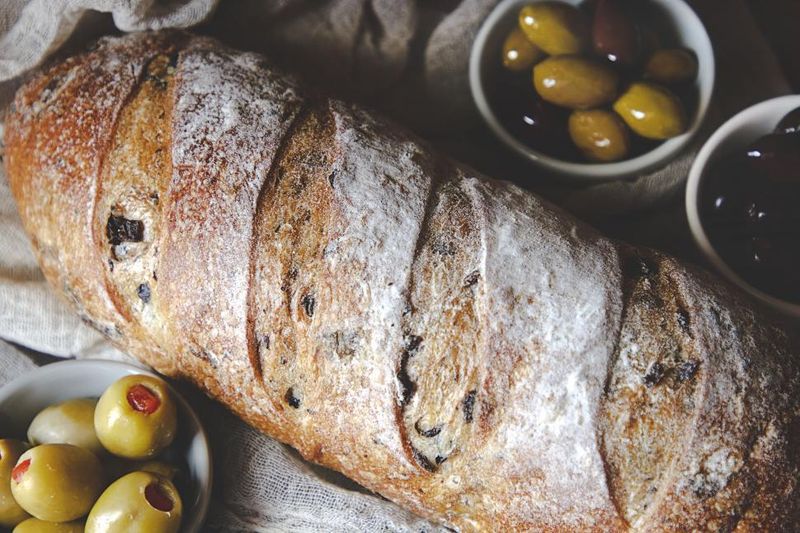
Olive loaf was an old-school deli staple that has largely vanished from modern lunch routines, with recent reporting documenting its decline. Studded with green olives and pimentos, this processed meat was a Boomer sandwich favorite that offered a briny twist on standard bologna.
Gen Z barely recognizes it at the deli counter. They gravitate toward turkey, roast beef, or plant-based deli slices that feel cleaner and less mysterious. The speckled appearance and salty olive chunks just don’t appeal to a generation raised on simpler, less processed options.
12. Deviled Ham Spread (Canned)
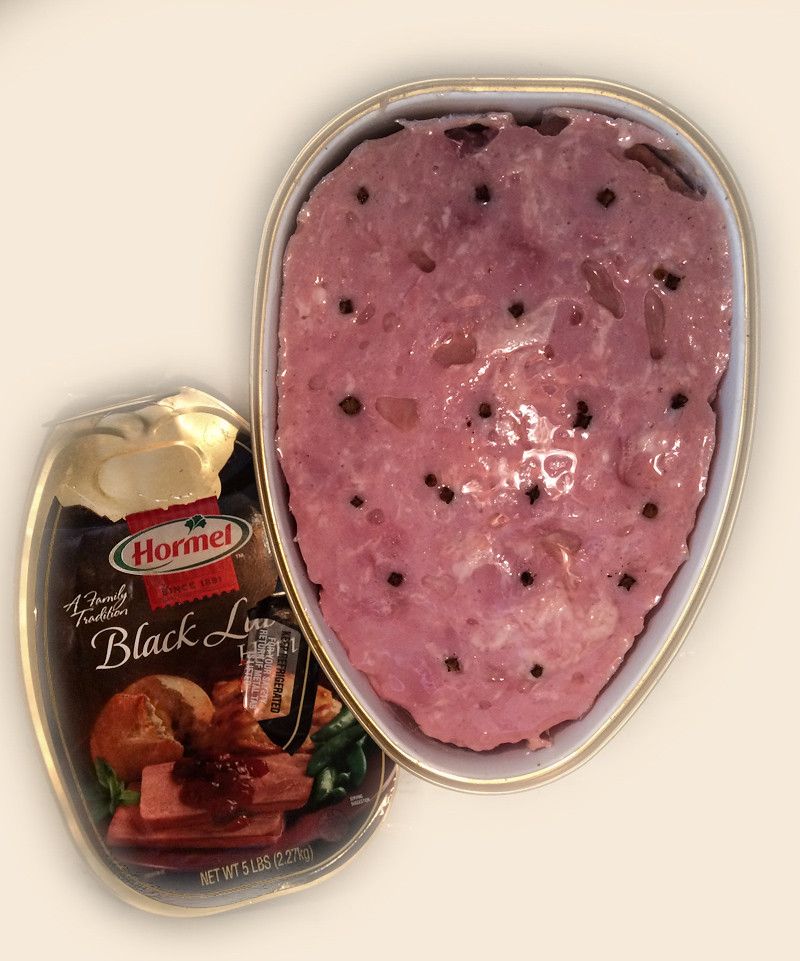
Deviled ham was a mid-century pantry hero, but multiple retrospectives note its popularity waned as tastes shifted away from canned meat spreads. Boomers smeared it on crackers or white bread for quick lunches, appreciating the spiced, spreadable convenience.
Gen Z finds the concept of canned, pureed meat deeply unappealing. The texture is mushy, the flavor is overly salty, and the ingredient list reads like a chemistry experiment. They’d rather make their own hummus, guacamole, or nut butter for spreading on toast or crackers.
13. Black Licorice Candy
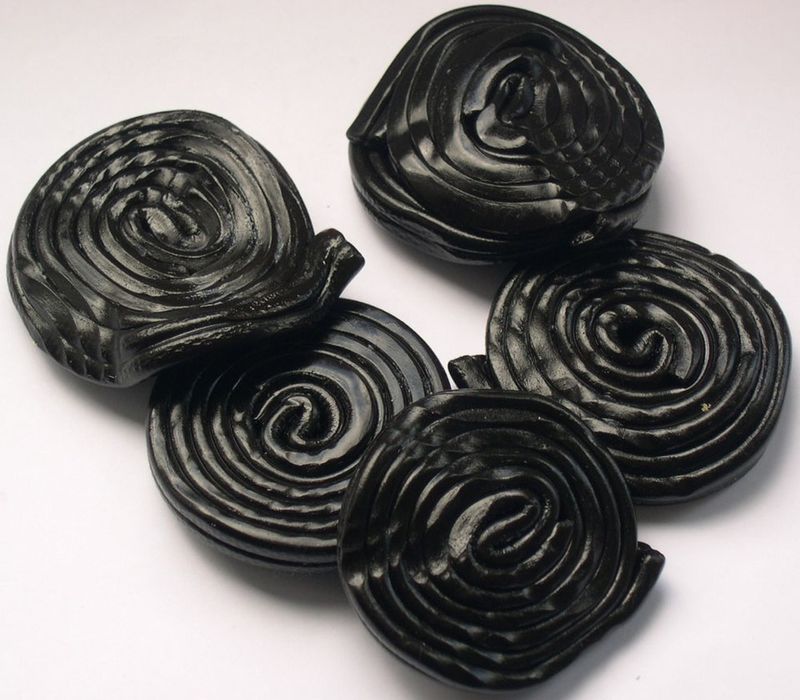
Black licorice recurs on most hated foods lists compiled from national polling and media roundups, making it an archetypal polarizer. Boomers who love it truly love it, savoring the bold anise flavor that reminds them of old-fashioned candy shops and childhood treats.
Gen Z overwhelmingly finds it disgusting. The medicinal taste and strange aftertaste don’t compete with modern candy options like sour gummies, chocolate bars, or fruity chews. Black licorice nostalgia skews heavily older, leaving younger generations completely uninterested in this divisive sweet.
Share this story