Some places on our planet feel like they were designed by artists rather than built by people. Tucked away in mountains, perched on cliffsides, or nestled beside sparkling lakes, these tiny villages offer beauty that seems almost too perfect to be real. From colorful cottages in Europe to snow-covered farmhouses in Japan, each spot has its own special magic that draws travelers from around the world.
1. Hallstatt, Austria – The Alpine Fairytale on a Lake
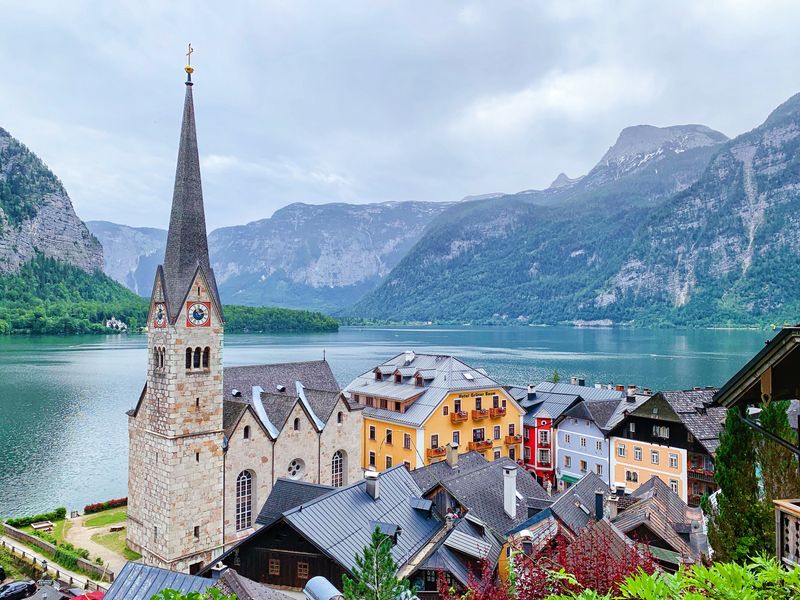
Nestled between glassy waters and towering alpine cliffs, Hallstatt looks like something straight out of a storybook. Pastel houses stack up the mountainside while a graceful church spire mirrors perfectly in the lake below. This UNESCO World Heritage Site has been home to salt miners for over 7,000 years, making it one of the oldest continuously inhabited villages in Europe.
Visitors can wander steep cobblestone lanes that wind upward, offering breathtaking views of Hallstätter See at every turn. Flower-filled balconies decorate traditional wooden houses along the lakeside promenade. For the ultimate perspective, ride the funicular to the Skywalk viewpoint or glide across the water at sunrise in a quiet boat.
2. Giethoorn, Netherlands – The Village With No Roads
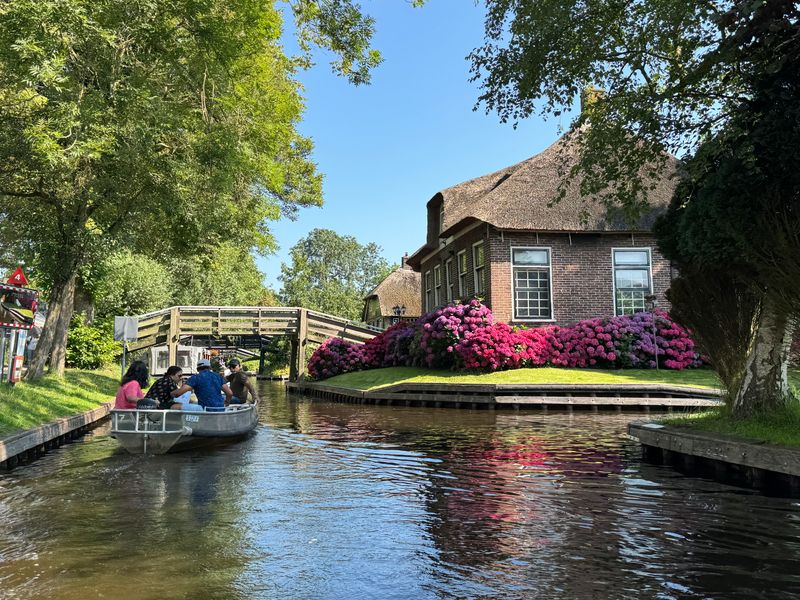
Forget about cars and traffic jams. In Giethoorn, nicknamed the Venice of the Netherlands, canals replace streets and boats substitute for automobiles. Built centuries ago on peat islands, this unique village connects its charming thatched farmhouses with over 180 tiny wooden bridges that arch gracefully over the water.
Electric boats glide silently past flower-filled gardens, creating a peaceful atmosphere that feels worlds away from busy city life. Visitors can rent their own whisper-quiet boat to explore the maze of waterways at their own pace. Walking or cycling the narrow footpaths during golden hour reveals why this car-free village has captured hearts worldwide.
3. Bibury, England – Honey-Stone Cottages in the Cotswolds
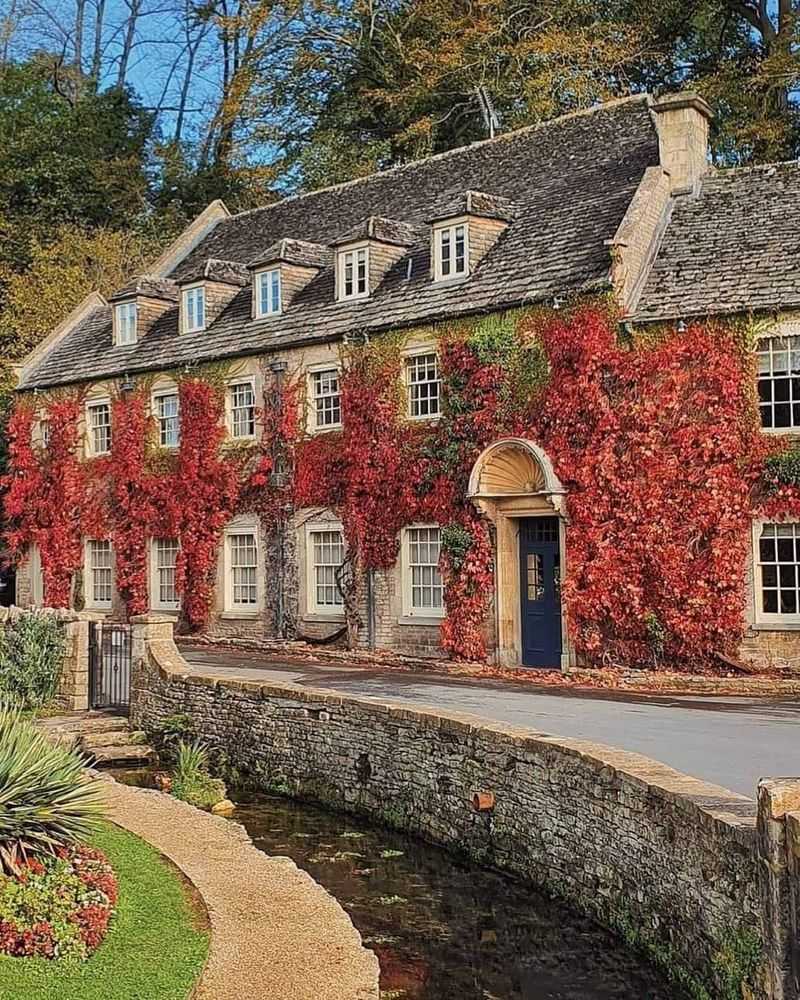
William Morris once declared Bibury the most beautiful village in England, and it’s easy to see why. Honey-colored stone cottages glow warmly along the River Coln, their golden hues changing with the light throughout the day. Arlington Row, a line of 14th-century weavers’ cottages, has become so iconic that it appears in British passports.
Crystal-clear trout streams wind through lush water meadows that look unchanged from centuries past. The compact village invites leisurely strolls along riverside paths where swans drift lazily by. Photographers flock here year-round to capture those famous cottages from across the gentle river, especially when morning mist softens the scene.
4. Reine, Norway – Arctic Drama in the Lofoten Islands
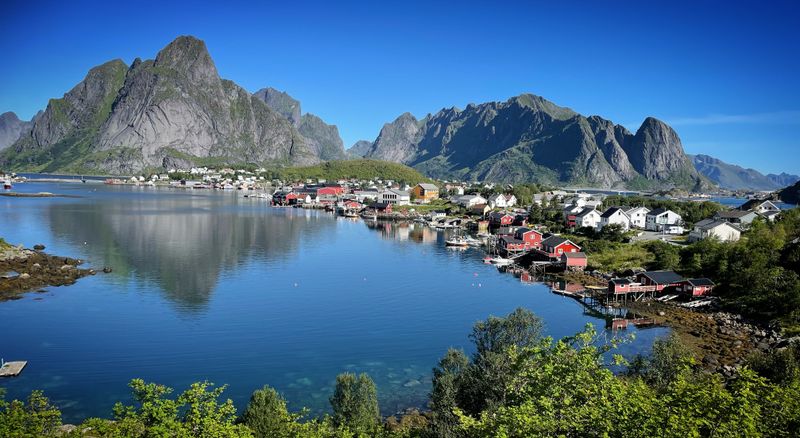
Jaw-dropping doesn’t even begin to describe Reine. Sharp mountain peaks shoot straight up from icy fjords, creating one of the most dramatic backdrops imaginable for a tiny fishing village. Bright red rorbuer cabins perch right on the water’s edge, their traditional design contrasting beautifully against the wild arctic landscape surrounding them.
Despite appearing in countless travel magazines, Reine remains a working fishing community where locals still haul in their daily catch. Winter visitors might witness the dancing Northern Lights overhead, while summer brings the surreal midnight sun. Hiking up Reinebringen rewards adventurers with an aerial view that perfectly captures the village’s stunning fjord setting.
5. Hamnøy, Norway – Iconic Red Cabins on the Fjord
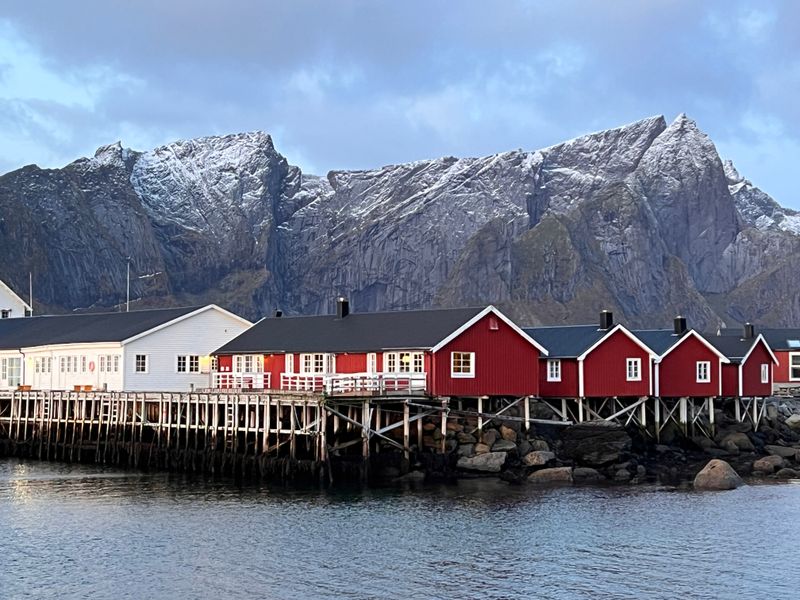
Just down the coast from Reine sits another impossibly photogenic gem. Hamnøy’s bright red fishing cabins balance on small rocky islets, linked by picturesque bridges that curve over turquoise water. Towering peaks loom behind, making the tiny cabins look even more dramatic against the massive mountain backdrop.
This image has graced travel magazines and Instagram feeds worldwide, yet somehow the real thing exceeds expectations. The village occupies several small islands connected by bridges, creating unique photography angles from every direction. Staying overnight in a restored fishermen’s cabin lets you experience sunrise over the fjord, when soft light turns the whole scene golden and magical beyond words.
6. Shirakawa-go (Ogimachi), Japan – Gassho Houses in the Snow
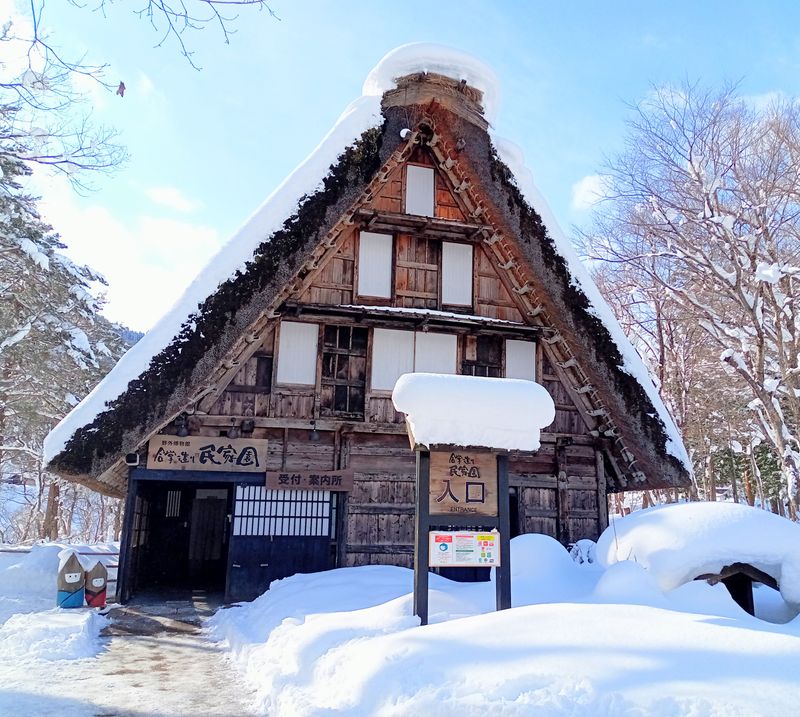
Giant A-frame thatched roofs dominate the landscape in Ogimachi, the main village of Shirakawa-go. These gassho-zukuri farmhouses were cleverly designed to shed the heavy snow that blankets this mountain valley each winter. UNESCO recognized this rare architectural treasure in 1995, helping preserve a traditional way of life that stretches back centuries.
Rice paddies surround the village, creating beautiful scenery that transforms with each season. Many historic houses now welcome visitors as museums or guesthouses, offering glimpses into rural Japanese life. Winter’s special illumination nights turn the snow-covered roofs into a glowing wonderland, while the Shiroyama viewpoint provides the perfect panorama over this remarkable village.
7. Gimmelwald, Switzerland – Car-Free Alpine Balcony
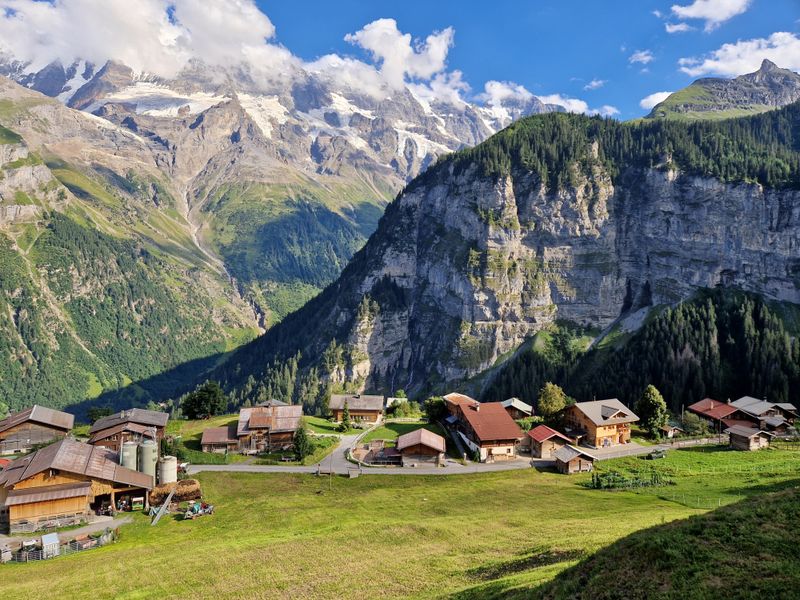
Reaching Gimmelwald requires a cable car ride, which tells you everything about this special place. Clinging to a cliff high above the Lauterbrunnen Valley, this car-free hamlet has more cow troughs than mailboxes. Wooden chalets overflow with bright red geraniums, and cowbells echo across the mountainside on quiet afternoons.
The Jungfrau massif rises majestically in the distance, with waterfalls tumbling into the valley far below. Time seems to slow down here, where farmers still work the steep meadows and tourists remain blissfully few. Stroll the cliff-edge paths toward neighboring Mürren, or simply settle onto a terrace at sunset and watch clouds wrap around the peaks like soft blankets.
8. Alberobello, Italy – A Village of Stone Cones
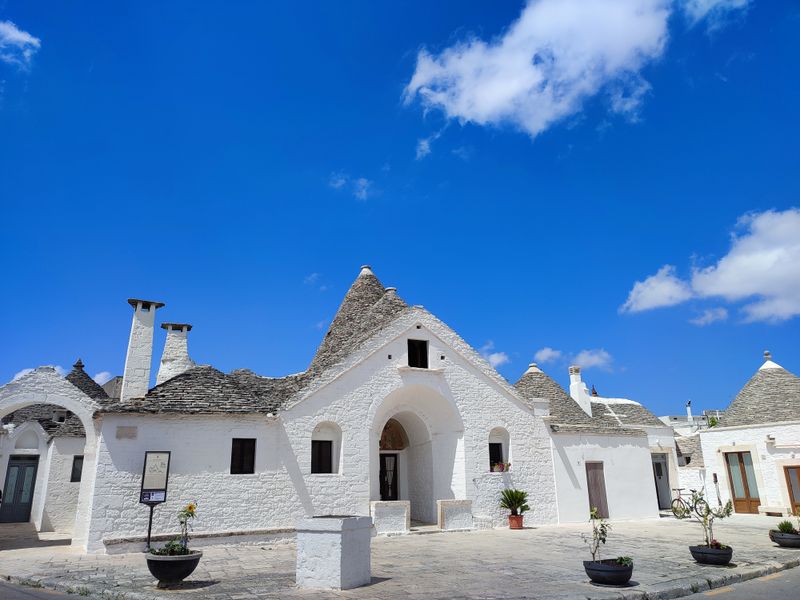
Nothing quite prepares you for Alberobello’s otherworldly appearance. Over 1,600 trulli, whitewashed stone houses topped with conical roofs, create entire neighborhoods that look transplanted from a fantasy novel. These unusual structures, built without mortar using a prehistoric technique, earned UNESCO World Heritage status in 1996 and remain protected under strict conservation laws.
Whole streets curve between the cone-topped buildings, their bright white walls glowing golden at sunset. Many trulli feature painted symbols on their peaks, traditional markings with mystical or religious meanings. Surrounding olive groves and vineyards complete the enchanting scene, making Alberobello feel like a magical village dropped into the Puglian countryside.
9. Manarola, Italy – Cinque Terre’s Cliffside Jewel
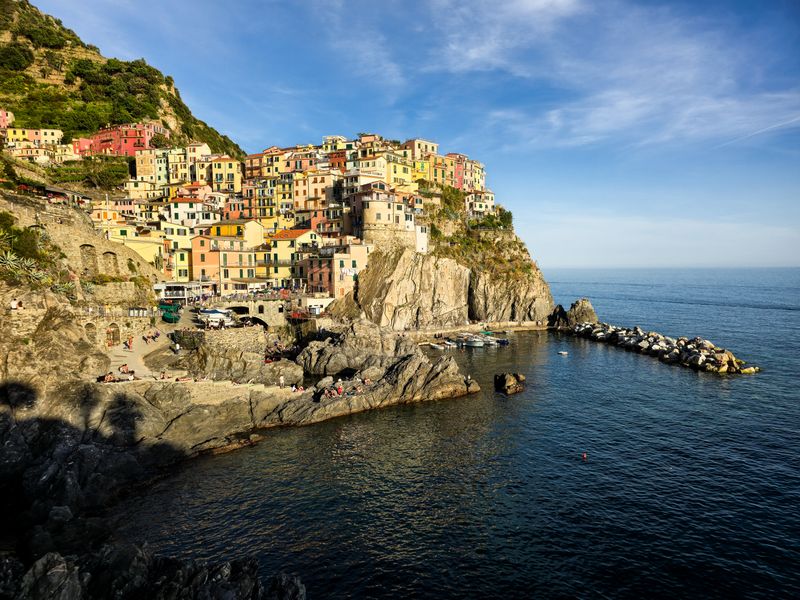
Candy-colored houses tumble down a steep cliff toward the Mediterranean in Manarola, creating one of the most photographed scenes in Italy. This Cinque Terre village packs incredible beauty into a tiny space, with just one main street and a tangle of narrow alleys connecting the pastel buildings. Terraced vineyards climb the hillsides behind, producing wine from grapes grown on some of Europe’s steepest slopes.
The small harbor below offers the perfect spot for an evening aperitivo as lights begin twinkling across the village. Coastal trails connect Manarola to neighboring villages, with the path toward Corniglia providing stunning backward views of the colorful houses stacked impossibly high above the sea.
10. Oia, Santorini, Greece – Blue Domes Over the Aegean
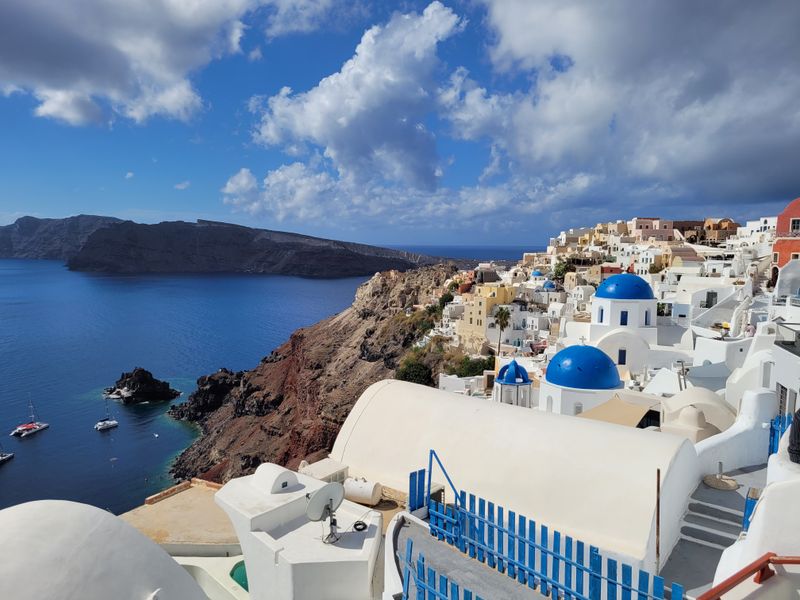
Oia might just be the most photographed village in all of Greece, and one glimpse explains why. Whitewashed houses and brilliant blue-domed churches cascade down the caldera rim, carved directly into the volcanic cliff. Every terrace and stairway offers sweeping views across the deep blue Aegean, while hidden chapels and cozy cafes tuck into unexpected corners.
Sunset here has become legendary, drawing crowds who watch the sky transform into shades of pink, orange, and gold. The clifftop path from Fira to Oia provides spectacular views along the entire route. Smart visitors seek quieter viewpoints away from Oia Castle, discovering that this magical village reveals its beauty best to those willing to explore beyond the famous spots.
11. Colmar, France – A Fairytale Town of Canals
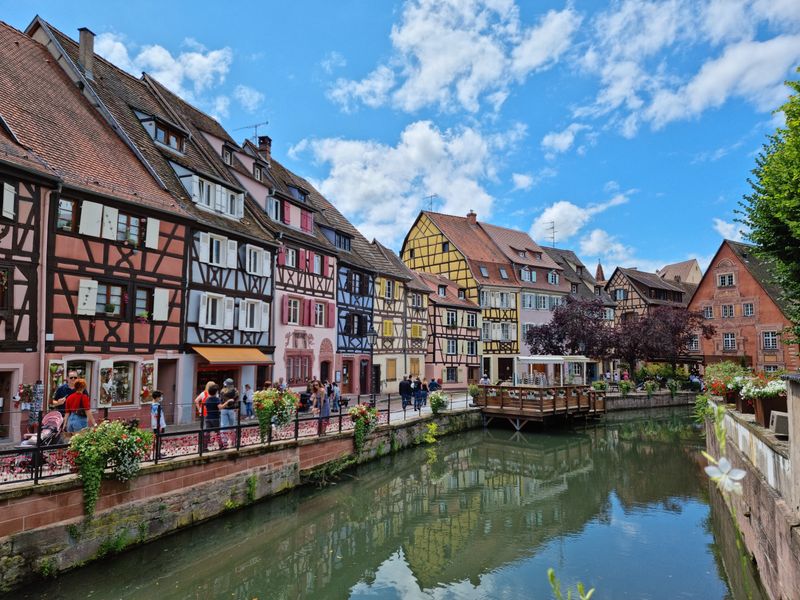
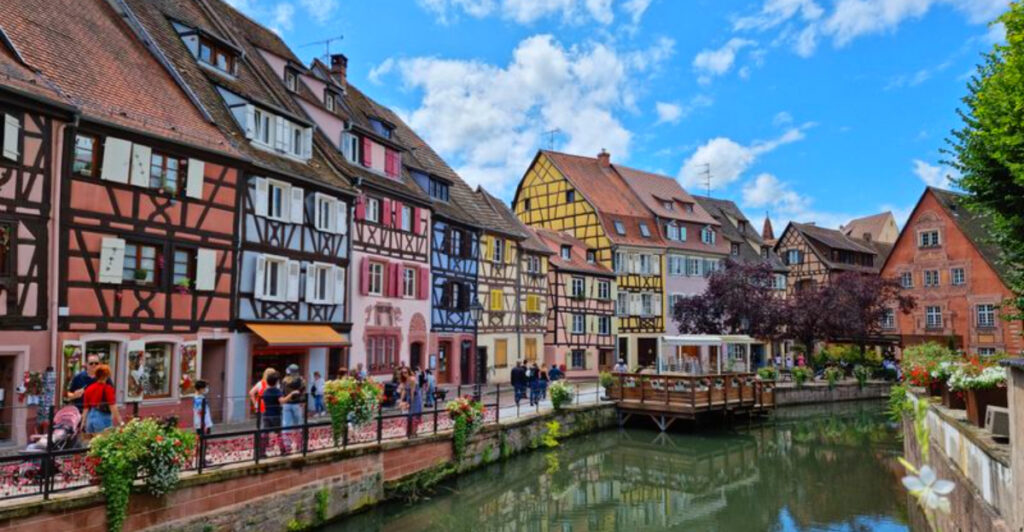
Colmar feels like stepping into a storybook illustration brought to life. Half-timbered houses in soft pastels line curving canals, their facades overflowing with flower boxes that blaze with color from spring through Christmas. The Little Venice district captures hearts with its gentle waterways reflecting the medieval buildings that lean in from both sides.
Strong wine traditions and exceptional food culture thrive here without overwhelming the village’s intimate scale. The medieval center has been beautifully preserved, maintaining its historic character while welcoming visitors warmly. Take a boat ride through the canals at dusk, then wander quieter back streets where you’ll have Colmar’s fairytale charm almost to yourself.
12. Gordes, France – Stone Eyrie Above Provence
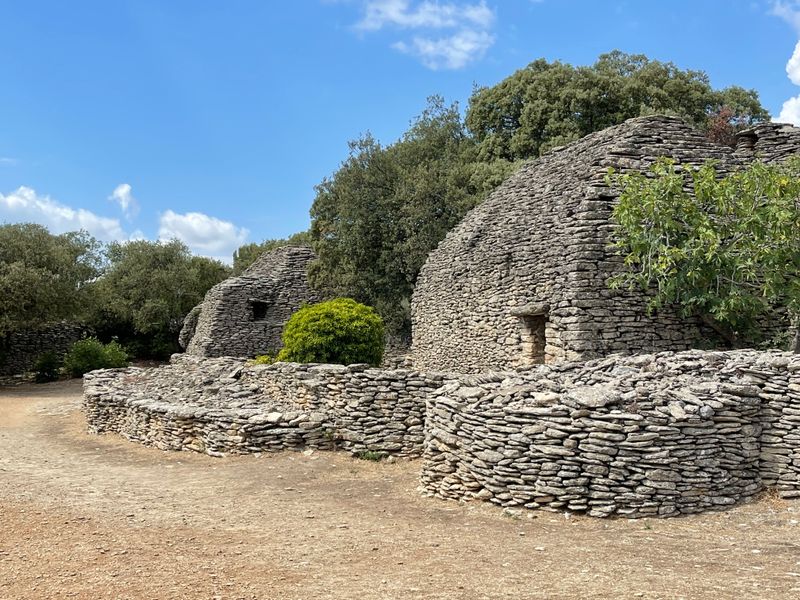
Perched high on a rocky outcrop, Gordes commands stunning views across the Luberon Valley like a stone fortress guarding Provence. Golden stone houses seem to spill down the hillside around a medieval château, their warm colors glowing especially beautiful at sunrise and sunset. Cobbled lanes, vaulted passageways, and stone staircases wind between buildings that have stood for centuries.
The classic roadside viewpoint before entering the village offers a perspective that explains why Gordes consistently ranks among the world’s most beautiful villages. Below, lavender fields and vineyards stretch toward the horizon in neat purple and green rows. Nearby Sénanque Abbey adds another layer of beauty, especially when its lavender blooms in summer.
13. Riquewihr, France – Alsace’s Storybook Wine Village
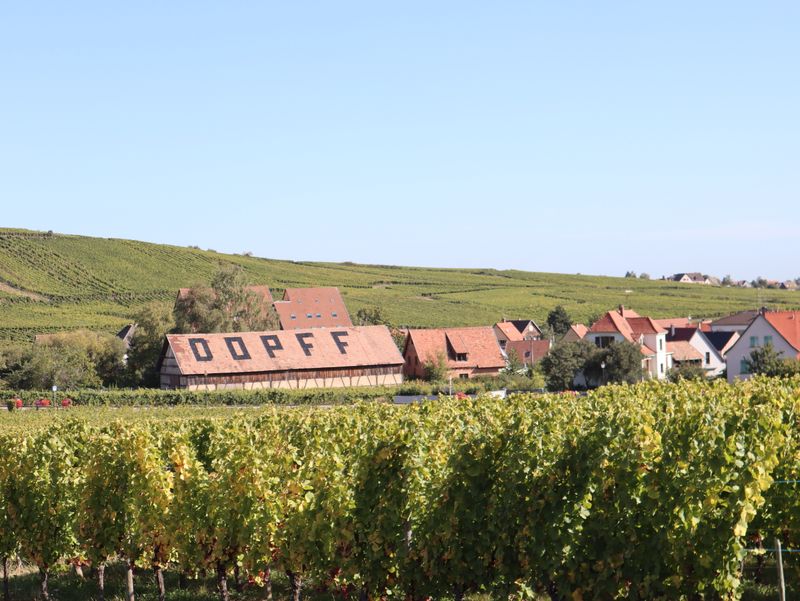
Protected by medieval walls and watchtowers, Riquewihr has earned its official designation as one of France’s Most Beautiful Villages. Pastel half-timbered houses line a main cobbled street that leads past wine cellars, flower-laden balconies, and tiny shops selling local treasures. Perfectly preserved for centuries, this wine village becomes especially magical during Christmas when decorations transform it into a living postcard.
Riesling and Gewürztraminer wines mature in traditional cellars beneath those colorful facades, continuing winemaking traditions that stretch back generations. Climbing the Dolder tower rewards visitors with wonderful views over tiled roofs and surrounding vineyards. The village remains remarkably authentic despite its popularity, offering genuine Alsatian charm around every corner.
14. Eguisheim, France – Circular Lanes and Disney-Like Charm
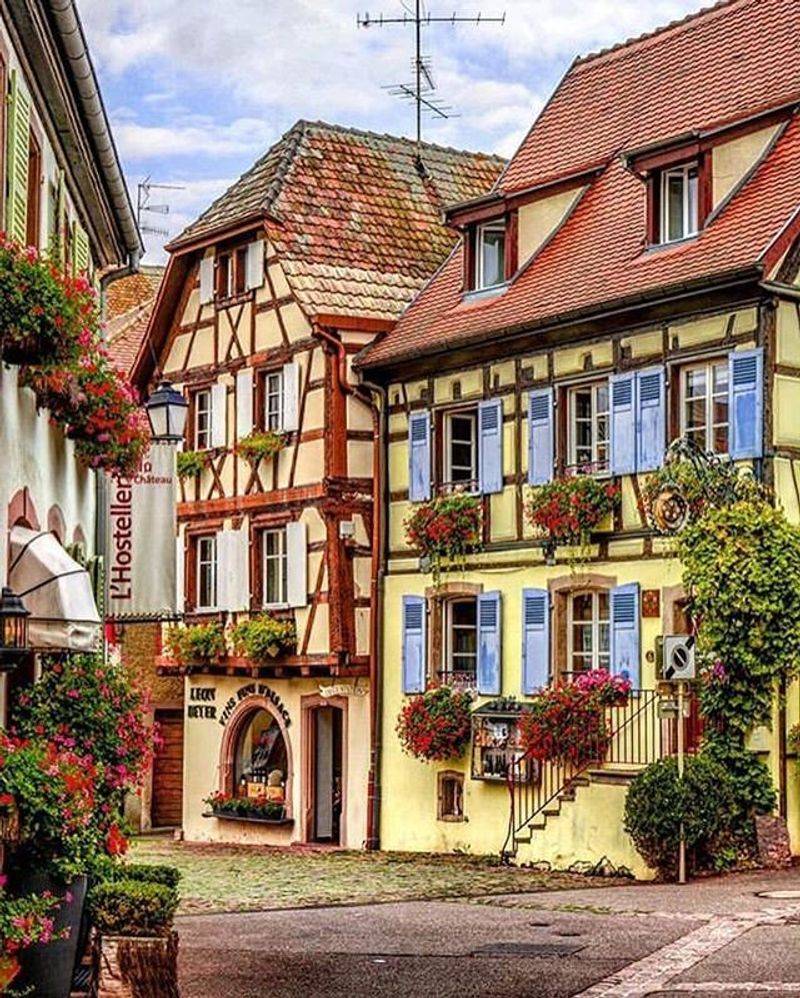
Built in concentric circles like a colorful target, Eguisheim offers a layout unlike any other village. Cobbled lanes wind around and around, lined with brightly painted half-timbered houses that inspired Disney’s Beauty and the Beast village design. This officially designated Most Beautiful Village even won a French TV contest as the nation’s favorite, charming viewers with its storybook appearance and over-the-top floral displays.
Walking the outer ring lane takes you past every angle of this tiny wine village, each view more photogenic than the last. Spring and summer bring explosions of flowers that decorate every window, balcony, and doorway. Pair your visit with nearby Colmar and Riquewihr to complete an unforgettable Alsace fairytale triangle.
15. Chefchaouen, Morocco – The Blue Pearl of the Rif
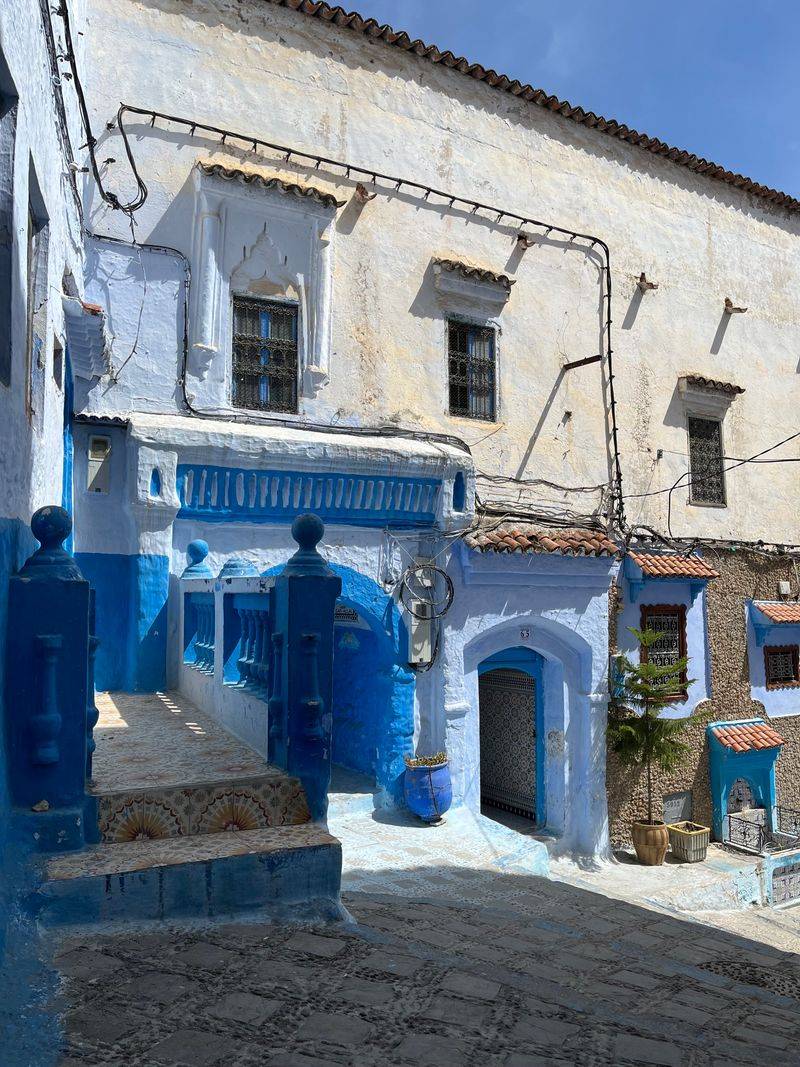
Layers of blue paint wash over nearly everything in Chefchaouen’s medina, creating a dreamlike atmosphere that has earned it the nickname Blue Pearl. Walls, doors, stairs, and even streets glow in shades ranging from soft sky blue to deep indigo, making every corner Instagram-worthy. Set against the rugged Rif Mountains, this hillside town offers cooler temperatures and a slower pace than Morocco’s bustling imperial cities.
Moroccan, Berber, and Andalusian influences blend in the food, architecture, and daily rhythms of life here. Early morning walks through the blue streets, before day-trippers arrive, reveal the medina at its most peaceful. Climb to the Spanish Mosque at sunset for breathtaking views over the blue town glowing golden in the fading light.
Share this story