Baby Boomers grew up in a world that looks almost alien to younger generations today. From rotary phones to milk deliveries, these everyday experiences shaped an entire generation’s childhood and early adulthood. If you remember most of these things as completely normal parts of daily life, congratulations – you’re part of an exclusive club that witnessed a world before the digital revolution changed everything.
1. Struggling With a Rotary Dial Phone (and Maybe a Party Line)
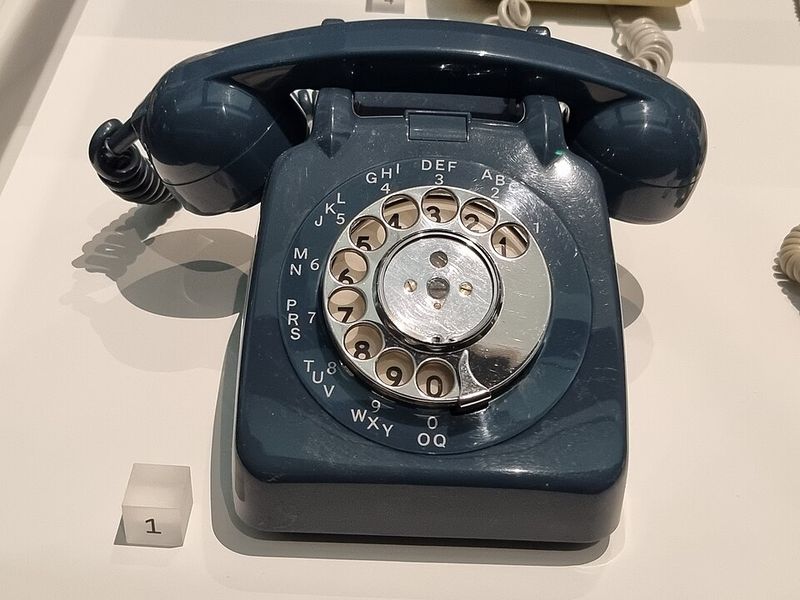
Calling someone wasn’t always as simple as tapping a screen. Back in the day, you had to stick your finger into a heavy plastic dial and rotate it for each digit. Rotary phones became household staples by the 1940s and were common in nearly every American home throughout the 1950s and 1960s, before push-button models started taking over in the 1980s.
If you really want to date yourself, you remember party lines—shared phone lines where neighbors could quietly (or not-so-quietly) eavesdrop on each other’s calls. Trying to make a private call while Mrs. Johnson two houses down refused to hang up? Peak Boomer childhood.
2. The Milkman Leaving Glass Bottles on Your Doorstep

For many Boomers, mornings once began with the clink of glass milk bottles on the porch. Home milk delivery was standard in the early 20th century and still significant by the 1960s—around 30% of milk in the U.S. was delivered to homes at the start of that decade.
By the mid-1970s, home delivery had dropped to roughly 7% as supermarkets, refrigerators, and car ownership made store-bought milk more convenient. If you remember returning empty bottles to the doorstep or a metal milk box by the front door, you’re almost certainly a Boomer (or older).
3. Filling Stamp Books With S&H Green Stamps
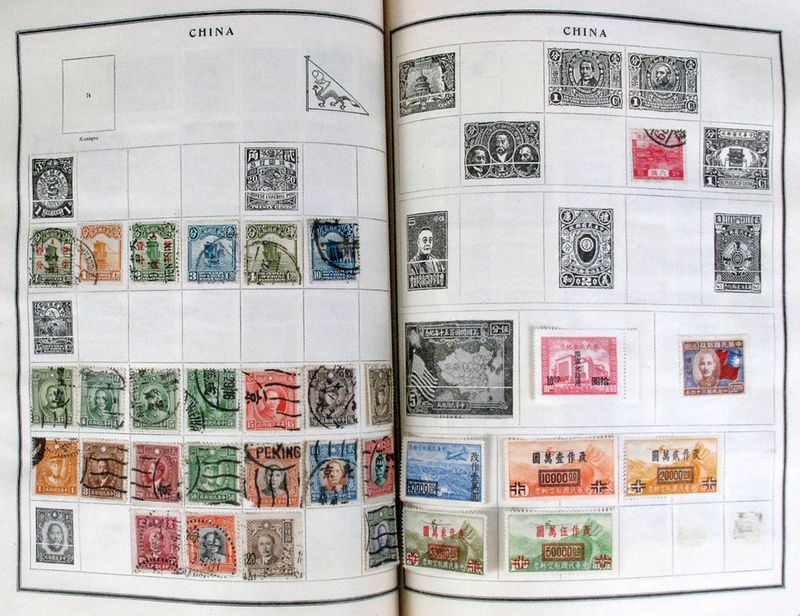
Long before rewards apps, there were trading stamps—and S&H Green Stamps were king. Sperry & Hutchinson launched the program in 1896, but it exploded in popularity in mid-20th-century America. By the 1960s, S&H operated about 600 redemption centers and issued more stamps than the U.S. Postal Service.
Boomer kids remember licking (or wetting with a sponge) sheets of green stamps, carefully filling saver books, and then flipping through thick S&H catalogs to pick out a toaster, blender, or bike when the books were finally full.
4. Circling Toys in the Sears Wish Book
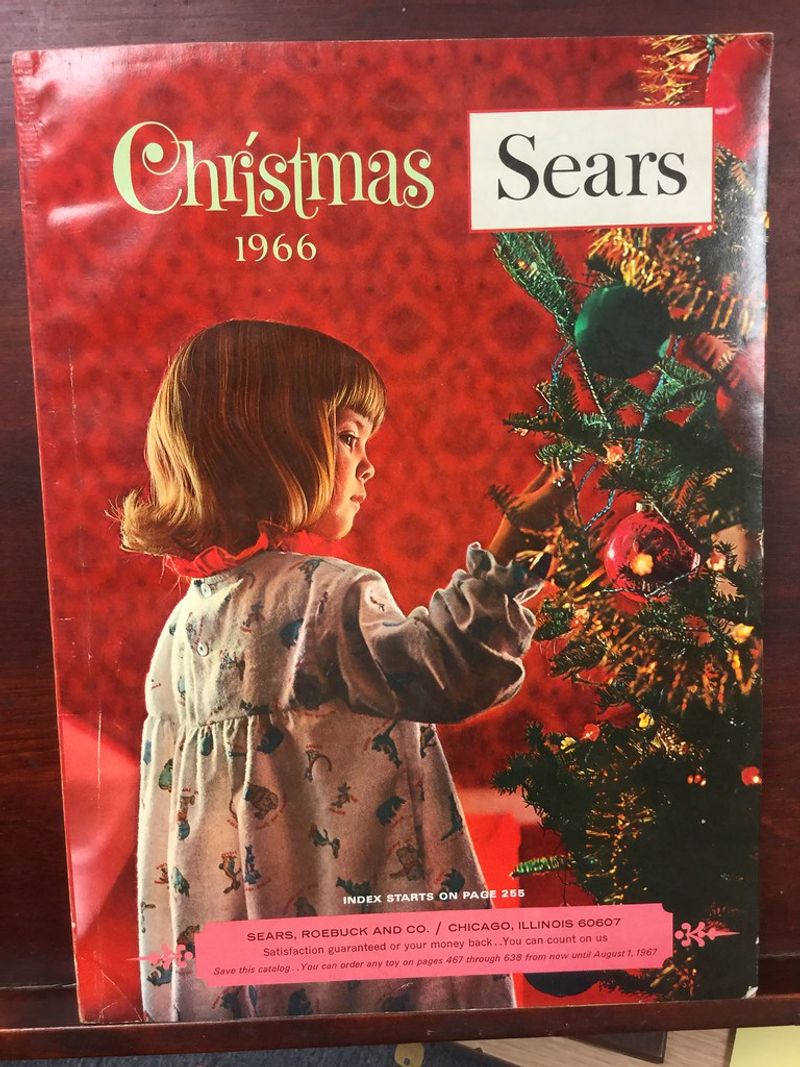
For holiday-season Boomer kids, few thrills beat the arrival of the Sears Wish Book—the Christmas catalog stuffed with toys, gadgets, and dream gifts. Sears introduced the Wish Book in 1933, and it became a yearly tradition, especially popular from the 1950s through the 1980s.
Families would pass it around, kids dog-earing pages and circling everything they needed. Sears discontinued its big general catalog and the Wish Book in 1993, marking the end of an era of couch-based window shopping. If you can still picture those glossy toy spreads, you’re definitely in Boomer territory.
5. Wrestling With Giant Phone Books and the Yellow Pages
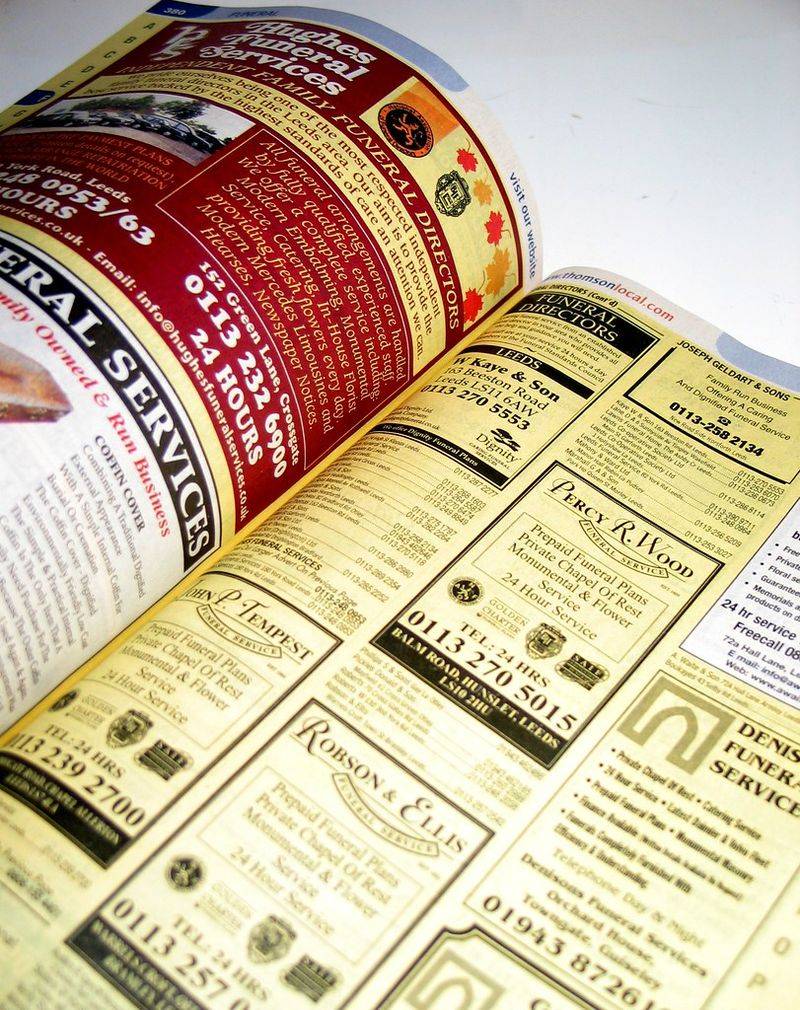
Before Google, there was the phone book—a literal brick of paper every household kept near the phone. The White Pages listed residential numbers, while the Yellow Pages, developed as a business directory in the late 19th century and branded in the 1880s, listed local companies by category.
Need a plumber? You’d flip to P, scan tiny print, and hope you picked a good one. Boomer memories include using old phone books as booster seats, doorstops, and makeshift step stools long after the numbers inside were outdated.
6. Getting Lost in Library Card Catalog Drawers
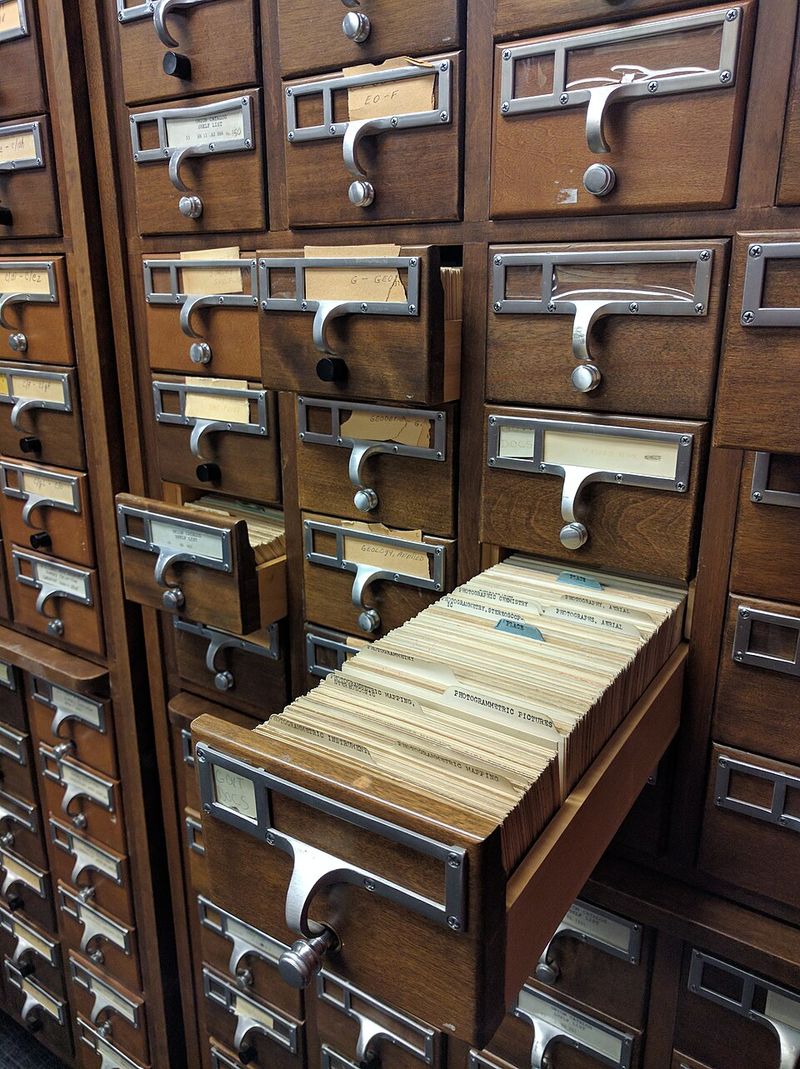
If you remember pulling out a long wooden drawer full of typed index cards to find a book, that’s big Boomer energy. Card catalogs became standard in American libraries by the early 20th century and were essential for tracking collections for decades.
Online public-access catalogs started appearing in the late 1960s and spread widely by the 1980s and early 1990s, making card catalogs largely obsolete. If you can still smell the varnished wood and recall the sound of those drawers sliding open and shut, you probably did your school research the analog way.
7. Listening to Music on 8-Track Tapes in the Car
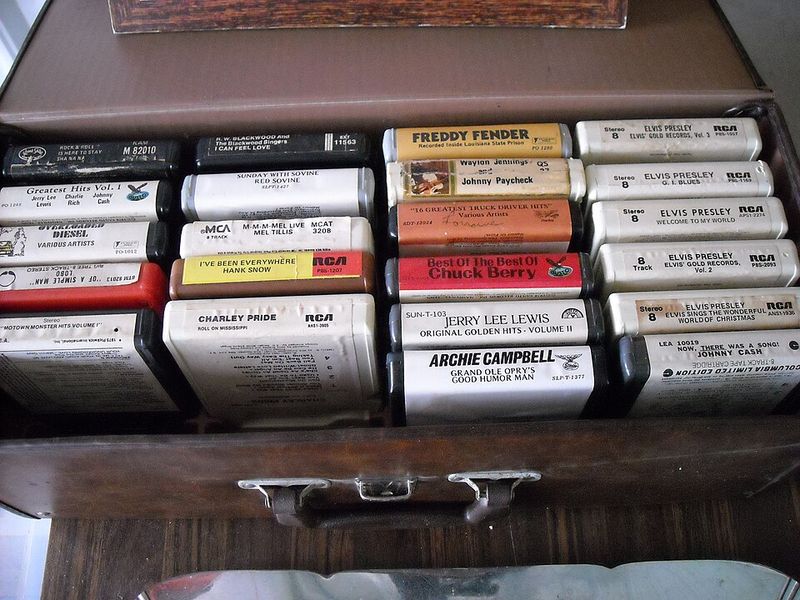
Before cassettes ruled the glove compartment, there were 8-track tapes. The Stereo 8 cartridge format became popular in the 1960s and 1970s, especially in cars, where the endless-loop design made continuous music playback possible.
By the early 1980s, 8-tracks were in steep decline as cassettes and later CDs took over, thanks to better sound quality and portability. If you remember the ka-CHUNK sound of the tape switching tracks mid-song, or a favorite album splitting awkwardly between programs, you’ve absolutely got Boomer cred.
8. Snapping Photos With a Kodak Instamatic (and Waiting for Them)
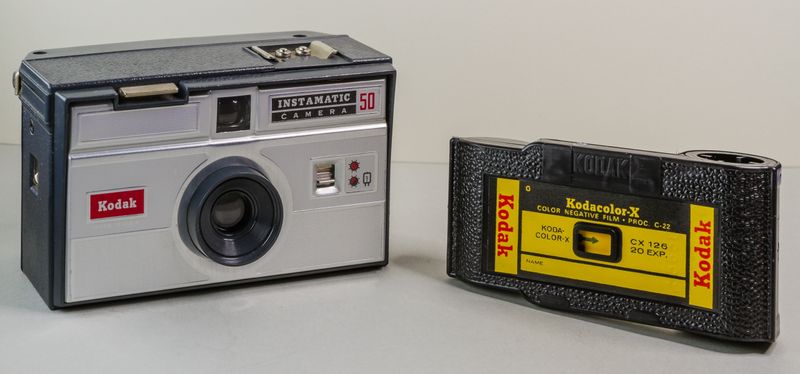
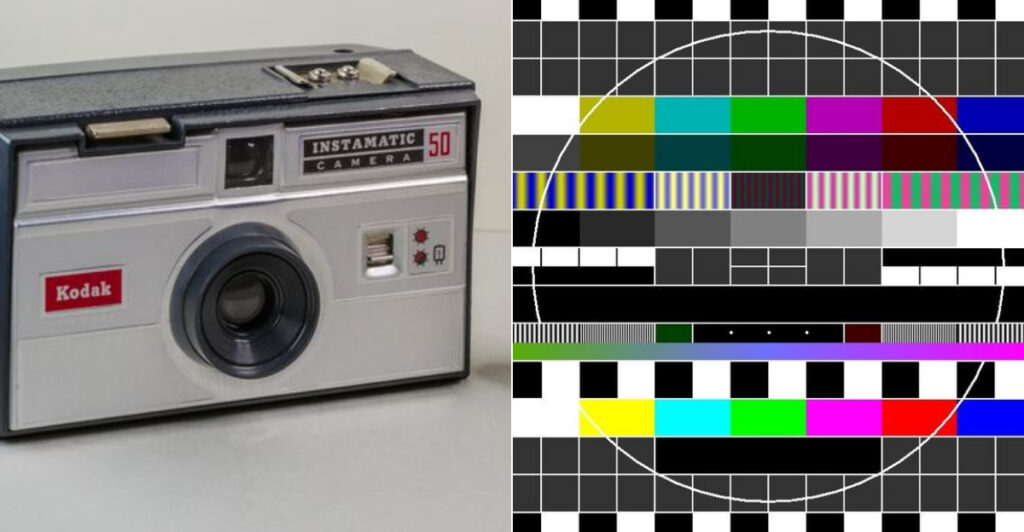
The Boomer camera of choice? Very often the Kodak Instamatic. Introduced in 1963, this easy-to-use camera system made photography accessible to millions of casual users, with more than 50–70 million Instamatics sold worldwide within its first decade.
You’d drop in a 126 film cartridge, snap vacation photos, then wait days (or weeks) for the prints to come back from the drugstore. Blurry shots, chopped-off heads, and red eyes were all part of the charm.
9. Saturday Morning Cartoons as a Weekly Event
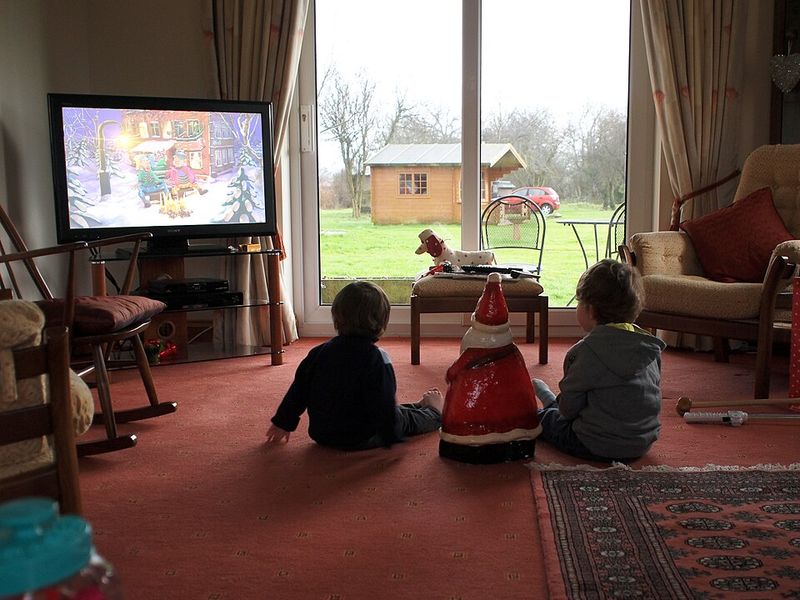
For Boomers, Saturday morning cartoons weren’t just background noise—they were a ritual. From roughly the 1960s through the 1980s, U.S. networks dedicated blocks of Saturday morning programming to animated shows, turning that time slot into a cultural institution.
Kids rolled out of bed early, poured cereal, and settled in for hours of Looney Tunes, Scooby-Doo, and superhero lineups. Regulatory changes, cable channels, and later streaming gradually killed the tradition, and by the 1990s–2000s, classic Saturday morning cartoon blocks had mostly vanished. If “Wake up, it’s Saturday!” still triggers a mental theme song, you’re almost certainly from the Boomer era.
10. TV Sign-Offs, Test Patterns, and the National Anthem

Once upon a time, television did not run 24/7. Many stations in the U.S. ended their broadcast day around midnight with a sign-off: a patriotic montage, the national anthem, then a test pattern—often the famous RCA Indian Head image—or color bars and static.
Since the 1990s, most stations have moved to continuous broadcasting, using overnight infomercials or news instead, making sign-offs and test patterns largely obsolete. If you remember falling asleep to that high-pitched test tone or static after the anthem ended, that’s a classic Boomer memory.
11. Smoking Sections on Airplanes and in Public Places

It’s hard for younger people to imagine, but smoking on airplanes used to be completely normal. In U.S. aviation, bans came in stages: smoking was first restricted on certain flights in the late 1980s, then largely banned on domestic flights under six hours in 1990, and finally prohibited on nearly all domestic and international flights by airlines based in the U.S. around 2000.
Boomers remember ashtrays built into armrests, smoke-filled cabins, and smoking and non-smoking sections that didn’t actually stop the smell from traveling everywhere. If you can still picture that little no-smoking light as a new thing, your Boomer badge is showing.
12. Dropping Quarters Into a Pong Machine
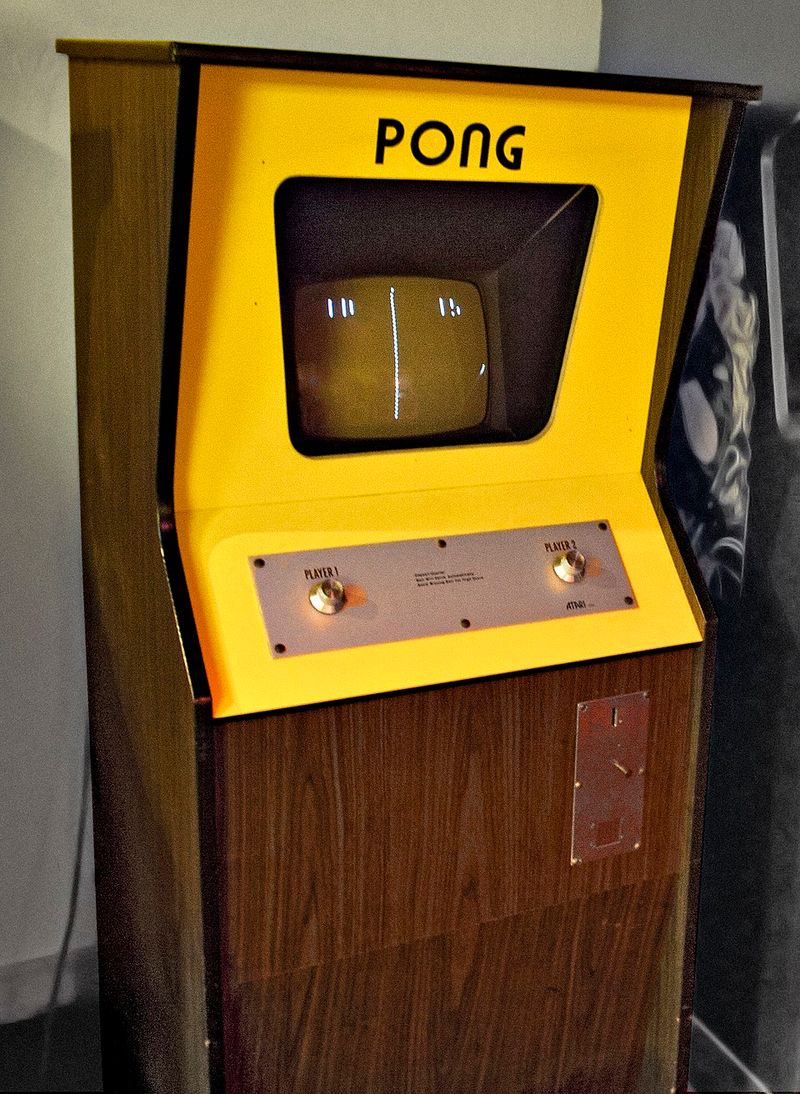
While younger generations grew up with Nintendo and PlayStation, Boomers watched the birth of video games. Atari’s Pong, a simple table-tennis-style arcade game, was released in 1972 and became one of the first major arcade hits.
The game’s success helped launch the modern video game industry, leading to home consoles and arcade culture throughout the 1970s and 1980s. If you remember crowding around a wooden cabinet in a bar, bowling alley, or rec center, taking turns with a knob to move that pixelated paddle, you’re definitely from the early days.
13. Renting VHS Tapes—and Hearing Be Kind, Please Rewind

Before streaming, movie night meant a trip to the video rental store. The rise of the VCR and VHS tapes in the late 1970s and early 1980s created a boom in video rental shops; by the mid-1980s, there were around 15,000 specialty video stores in the U.S.
Chains like Blockbuster Video, founded in 1985 in Dallas, Texas, quickly became weekend fixtures, while independent shops thrived in neighborhoods everywhere. The culture came complete with late fees and the iconic Be Kind, Please Rewind stickers reminding customers to rewind their tapes before returning them. If the smell of plastic clamshell cases and the stress of picking just one movie still lives rent-free in your brain, you’re almost certainly a Boomer (or raised by one).
Share this story