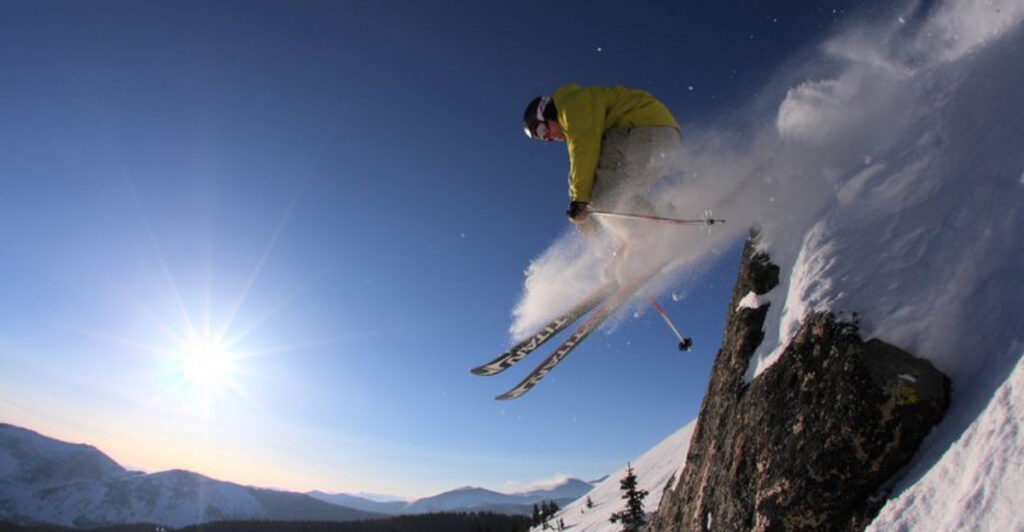
While everyone rushes to the famous mega-resorts, some of the best skiing in America happens at smaller mountains where lift lines stay short and powder sticks around longer. These hidden gems offer authentic experiences, affordable tickets, and the kind of local charm that big corporate resorts lost decades ago. Whether you’re chasing deep snow in the Rockies or exploring unexpected terrain in the Midwest, this season’s underrated destinations promise fresh tracks and real adventure.
1. Bridger Bowl, Montana (Bozeman)
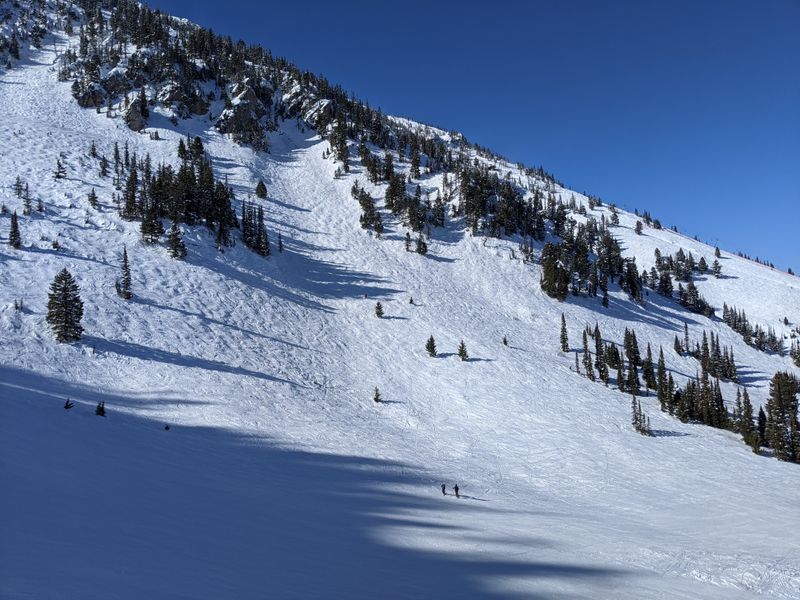
Run as a nonprofit since 1955, Bridger Bowl earns its reputation through sheer snowfall quality rather than marketing budgets. Locals call the powder here “cold smoke” because it’s so dry and light it practically floats off your skis.
The Ridge is what separates weekend warriors from true adventurers. This experts-only zone requires a quick hike and rewards you with some of the steepest, most exhilarating lines in Montana. Opening day is set for December 12, 2025, giving everyone time to tune their edges.
Prices remain shockingly reasonable compared to nearby Big Sky, and the community vibe feels more like a ski club than a resort. No fancy village, no pretense, just serious skiing for people who care more about vertical feet than Instagram posts.
2. Red Lodge Mountain, Montana (Red Lodge)

Sitting pretty on the eastern flank of the Beartooth Range, Red Lodge delivers a welcoming atmosphere that bigger resorts often forget to maintain. Families and first-timers feel comfortable here, while advanced skiers find plenty of challenge on the upper bowls.
Warm temperatures pushed opening day to December 5, 2025, but the resort adapted quickly and lift tickets went on sale immediately. The mountain catches storms rolling off the high peaks, often dumping snow while towns below stay dry.
What really stands out is how the staff remembers your name by your third visit. Parking is easy, lift lines move fast, and the base lodge serves actual homemade food instead of chain restaurant fare. It’s skiing the way it used to be everywhere.
3. Lost Trail, Montana/Idaho (Lolo National Forest)
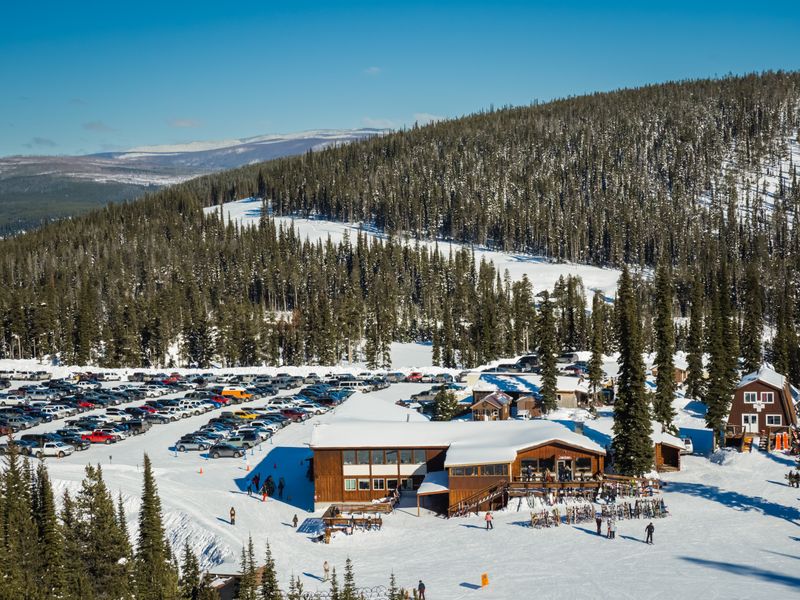
Perched directly on the Continental Divide, Lost Trail operates like a time machine back to 1960s skiing. The same family has run it for generations, keeping prices low and the vibe unpretentious.
You won’t find high-speed quads or heated chairlifts here. What you will find is consistent snow, tree skiing that goes on forever, and lift tickets that cost less than lunch at Vail. They’re already selling passes for the 2025-26 season, which tells you something about their loyal following.
The location means storms hit from both sides of the divide, and the forest service terrain offers endless exploration. Bring cash for the day lodge, chat with the liftie who’s been there thirty years, and remember why you fell in love with skiing in the first place.
4. Lookout Pass, Idaho/Montana (Mullan/Idaho border)
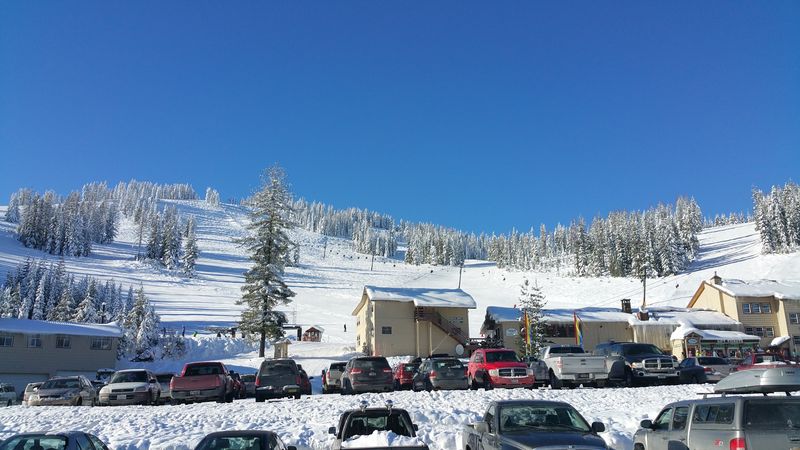
Straddling the state line right off Interstate 90, Lookout Pass specializes in the kind of tree skiing that makes you feel like an explorer. The mountain opened December 5, 2025, with limited lifts spinning while crews waited for more snow to expand terrain.
Old-school vibes dominate here. The base area is simple, the lifts are slow, and nobody cares because the skiing is fantastic. Trees are spaced perfectly for weaving through powder stashes days after a storm.
The pass catches moisture from Pacific systems, meaning snow totals pile up quietly while everyone focuses on bigger names. Midweek visits feel like having a private mountain, and even weekends rarely see crowds. It’s proof that great skiing doesn’t require fancy amenities or social media buzz.
5. Bluewood, Washington (near Dayton/Walla Walla)
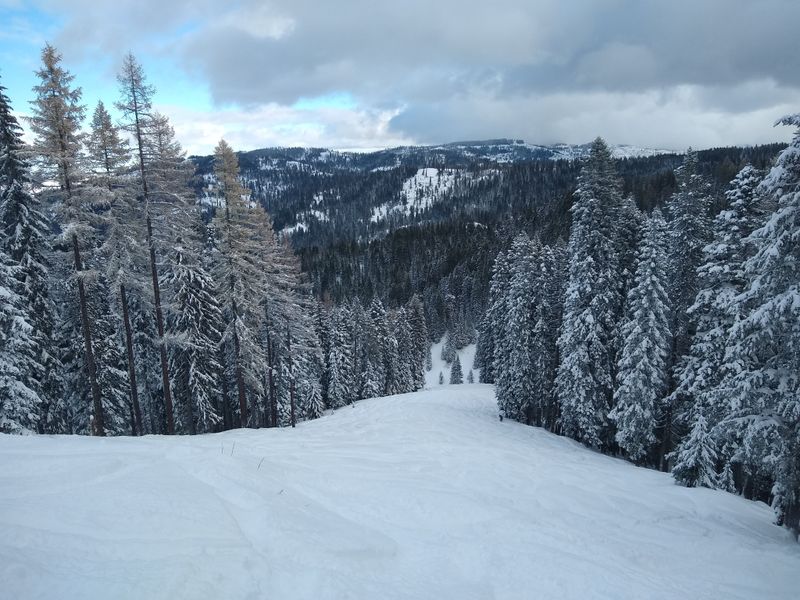
Tucked into the Blue Mountains far from Seattle’s crowds, Bluewood punches above its weight with surprisingly fun gladed terrain. The new quad chairlift got delayed this season, but the mountain still opens December 11, 2025, with existing lifts ready to roll.
Locals from Walla Walla and the Tri-Cities treat this place like their backyard hill, which creates a tight-knit community feel. Snow quality surprises visitors who expect coastal mush but instead find dry powder thanks to the elevation and inland location.
The compact size actually works as an advantage. You learn the mountain in a day, find secret stashes by day two, and spend the rest of the season perfecting your lines. No glitz, no hype, just solid skiing that keeps people coming back year after year.
6. Anthony Lakes, Oregon (Baker/La Grande)
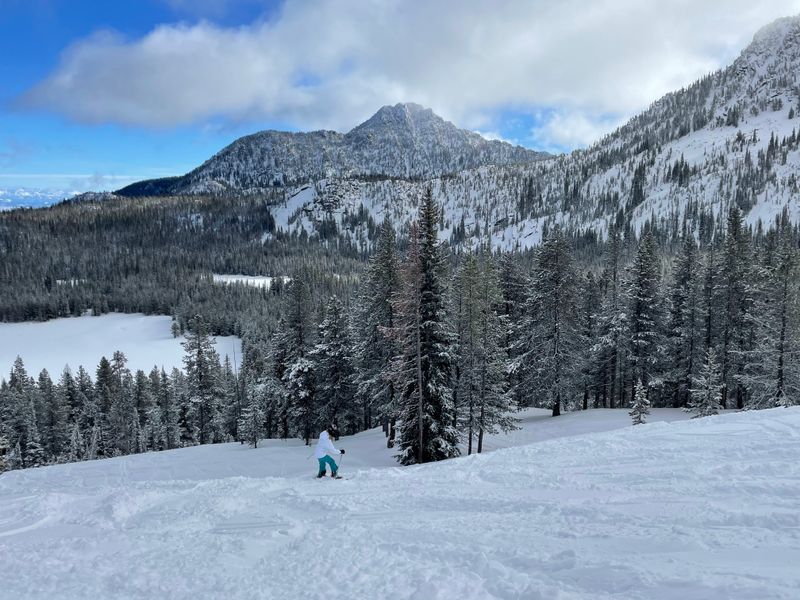
High in the Elkhorn Mountains, Anthony Lakes operates in a different universe from the crowded I-5 corridor resorts. The elevation tops 8,000 feet, which means dry snow and bluebird days that would cost triple at a destination resort.
The no-lines culture here isn’t marketing speak. You genuinely ski on and off the lifts without waiting, even during holiday weeks. The winter schedule is posted with full holiday operations and daily hours during spring break, showing their commitment to access.
Eastern Oregon’s climate produces snow that skis more like Colorado than the Cascades. Combined with affordable tickets and a base lodge where everyone knows each other, Anthony Lakes delivers pure skiing without the resort circus. Just remember to bring your own entertainment for après, because nightlife means stargazing.
7. Hoodoo, Oregon (Santiam Pass)
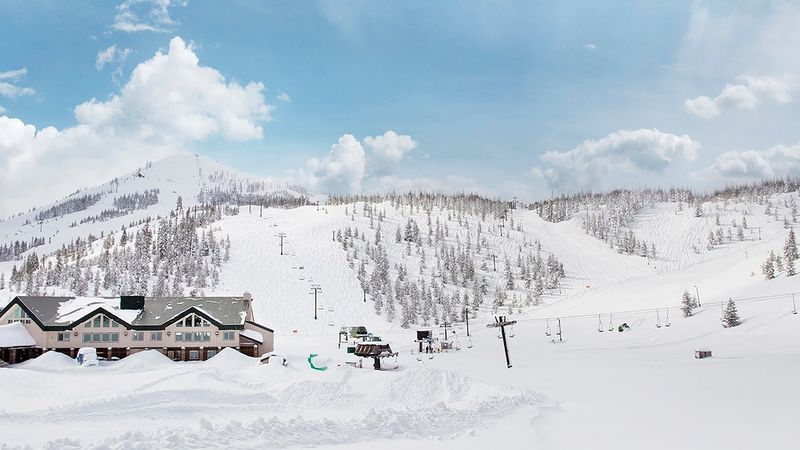
Night skiing under the lights on Friday and Saturday transforms Hoodoo into something special. The mountain sits right on Highway 20, making it ridiculously accessible from both the Willamette Valley and Bend.
Operations and hours for 2025-26 are posted, with opening typically happening in early December when snow cooperates. The laid-back base area feels more like a community center than a resort, which is exactly the point.
Families dominate the clientele because kids can actually afford season passes and parents don’t need a second mortgage for lift tickets. The terrain parks stay well-maintained, and the natural features offer plenty of fun for riders who prefer trees to jumps. It’s proof that skiing doesn’t require fancy lodges or celebrity chefs to be worthwhile.
8. Bogus Basin, Idaho (Boise)
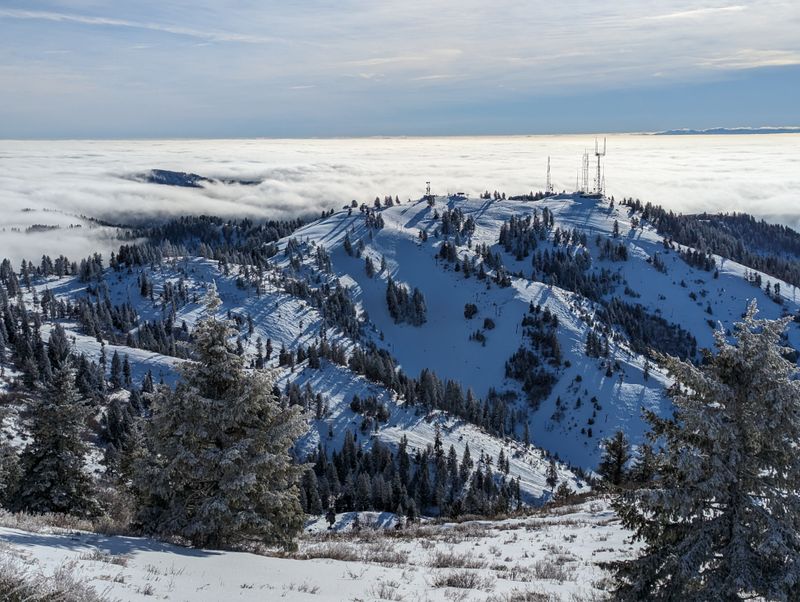
Rising directly above Idaho’s capital, Bogus Basin serves as Boise’s backyard playground. The nonprofit model keeps prices reasonable while offering both day and night skiing just twenty minutes from downtown.
Opening day festivities were posted for late November, with the resort rolling out regular updates throughout the season. The proximity to Boise means you can work a full day, grab your gear, and still get in a solid evening session under the lights.
Terrain variety surprises first-timers who expect a small city hill. Advanced runs challenge experts, while beginners have plenty of mellow space to learn. The community ownership model means improvements benefit skiers rather than shareholders, creating a virtuous cycle that keeps locals invested. Summer activities extend the mountain’s usefulness year-round, building even stronger ties to the community.
9. Powderhorn, Colorado (Grand Mesa)
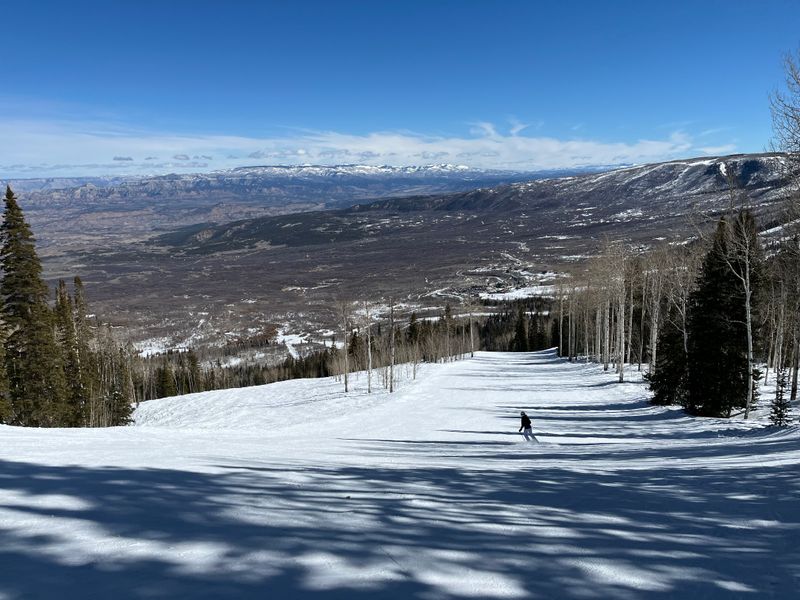
Sitting atop the world’s largest flat-topped mountain, Powderhorn basks in western slope sunshine that makes even cold days feel pleasant. The groomed runs are perfect for carving, while sneaky tree stashes hide powder long after storms pass.
Opening day events are listed and the resort keeps information flowing regularly. Grand Mesa’s unique geography creates microclimates that dump snow while neighboring areas stay dry, giving Powderhorn an edge in the snow-consistency game.
Affordability is the secret weapon here. Families can ski for days without draining college funds, and the uncrowded slopes mean kids actually improve their skills instead of waiting in lift lines. The Western Slope location keeps Front Range crowds away, preserving the relaxed atmosphere that makes people want to return season after season.
10. Sunlight Mountain, Colorado (Glenwood Springs)
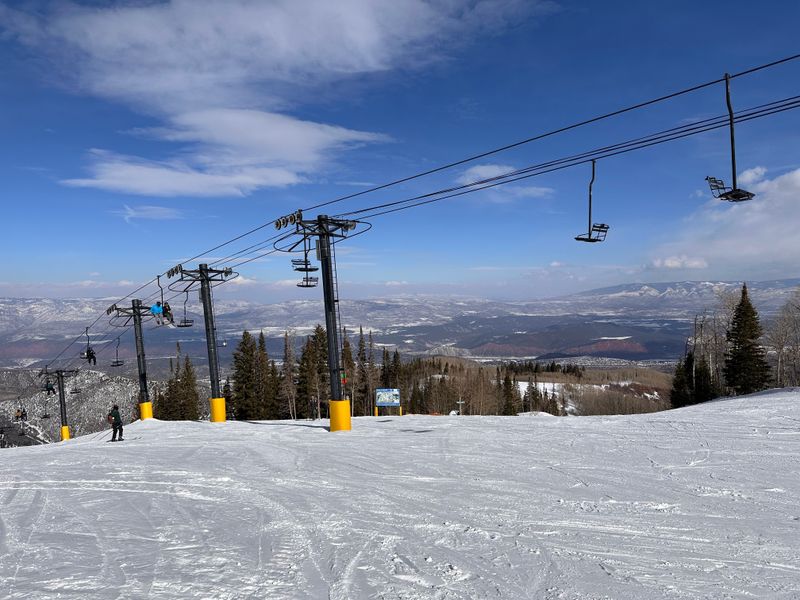
Just outside Glenwood Springs, Sunlight combines affordable skiing with the perfect après option: soaking in natural hot springs after a hard day on the slopes. The tentative opening of December 12, 2025, is confirmed by both the resort and Colorado Ski Country.
Lift ticket prices remain shockingly low compared to Aspen, which sits just an hour away. The local vibe dominates because destination tourists head to bigger names, leaving Sunlight for people who prioritize skiing over scenery.
Terrain offers enough variety to keep intermediates happy for days, with some legitimately steep shots for advanced skiers. The combination of cheap tickets, nearby hot springs, and genuine community feel creates an experience that expensive resorts can’t replicate. Sometimes the best luxury is simply not dealing with crowds or attitude.
11. Monarch Mountain, Colorado (Salida)
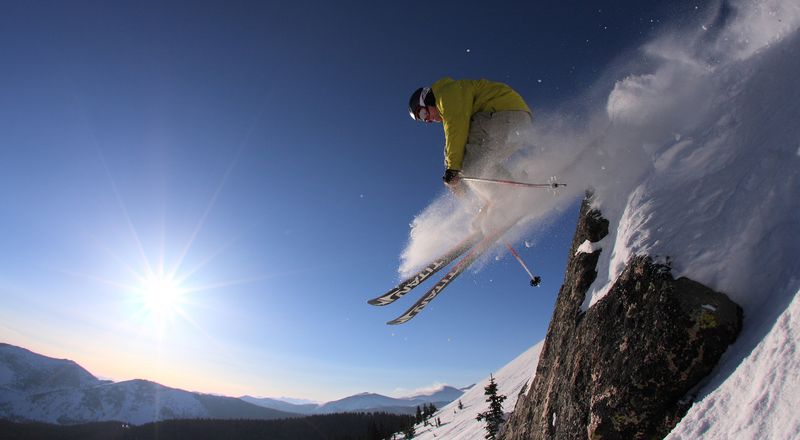
Monarch opened December 2, 2025, ready to capitalize on its reputation as a serious storm magnet. Sitting directly on the Continental Divide, the mountain catches weather systems from both sides, resulting in impressive snowfall totals.
The complete absence of lodging sprawl is actually the point. Monarch is pure skiing without the real estate development that dominates modern resorts. You drive up, ski hard, and drive home or to nearby Salida.
Powder hounds worship this place because the snow keeps falling and the crowds stay manageable. Advanced terrain challenges experts, while beginners have dedicated space away from the steep stuff. The old-school Colorado vibe reminds longtime skiers of what the sport used to be before corporations took over. No fancy village means all the money goes into snowmaking and grooming instead of shareholder dividends.
12. Powder Mountain, Utah (Eden)
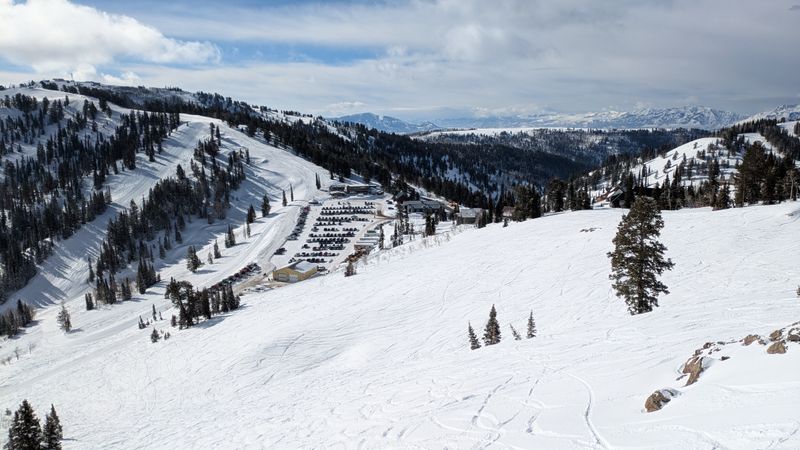
Covering more skiable acres than almost any resort in North America, Powder Mountain deliberately limits daily ticket sales to preserve the experience. You need to book ahead, but the reward is skiing without crowds even during peak season.
This season continues public access while rolling out an intriguing art-on-the-mountain concept that blends culture with skiing. The massive acreage means you can ski all day without repeating runs, exploring terrain that feels more like backcountry than a resort.
Utah’s famous powder lives up to the hype here, staying light and dry thanks to the elevation and continental climate. The limited-ticket model costs more than a traditional day pass but delivers an experience that’s worth every penny. It’s skiing for people who value quality over quantity and would rather explore than wait in lines.
13. Mount Bohemia, Michigan (Keweenaw Peninsula)

Fair warning: Mount Bohemia is not for beginners. The entire mountain stays ungroomed, the terrain is legitimately steep, and the lake effect snow dumps in quantities that rival western resorts.
The 2025-26 pass perks and dates are live for those brave enough to commit. Advanced skiers only is not marketing exaggeration. There’s no bunny hill, no gentle groomers, just raw terrain that demands respect and rewards skill.
When conditions align, Bohemia delivers some of the best powder skiing in America, period. The Keweenaw Peninsula catches massive lake effect storms off Lake Superior, burying the mountain in light, dry snow. It’s a cult favorite among expert skiers who crave challenge over comfort. If you can handle the terrain, you’ll discover why devotees consider it the best skiing east of the Rockies.
14. Bolton Valley, Vermont (near Burlington)
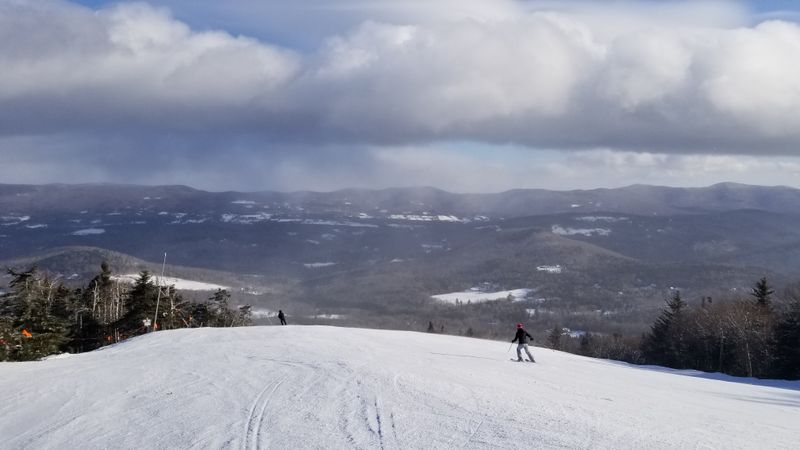
Opening on November 22, 2025, Bolton Valley kicked off the season early with lift tickets and passes available immediately. Night skiing and sidecountry access set this place apart from typical Vermont resorts.
The strong local energy comes from Burlington-area skiers who treat Bolton like their home mountain. Sidecountry options let adventurous skiers explore beyond the boundary while staying relatively safe, creating a backcountry-lite experience.
Community ownership keeps the focus on skiing rather than real estate development. The base area offers lodging without the condo sprawl that ruins so many resorts. Night skiing extends your day when you need just a few more runs, and the laid-back vibe means everyone from college students to retirees feels welcome. It’s Vermont skiing with accessibility and authenticity intact.
15. Plattekill Mountain, New York (Catskills)
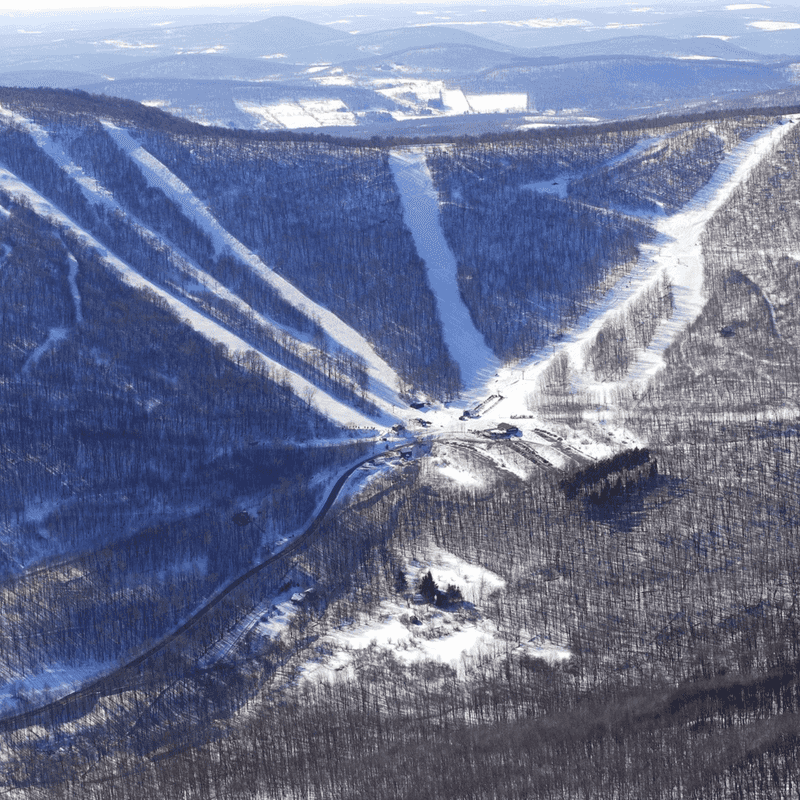
Fiercely independent and unapologetically old-school, Plattekill only spins lifts when conditions warrant skiing. Opening day is December 13, 2025, assuming snow cooperates with their quality-over-quantity philosophy.
Powder hounds in the Northeast circle Plattekill on storm days because the mountain stays closed unless there’s legitimate fresh snow to ski. This selective operation means when you do ski here, conditions are usually excellent.
The Catskills location puts it within reach of New York City, but the vibe feels a million miles from urban anything. Small, steep, and challenging, Plattekill rewards skiers who care more about snow quality than amenities. No snowmaking on most terrain means you’re skiing natural snow, which is increasingly rare in the East. It’s a throwback to when skiing was about the mountain, not the marketing.
Share this story