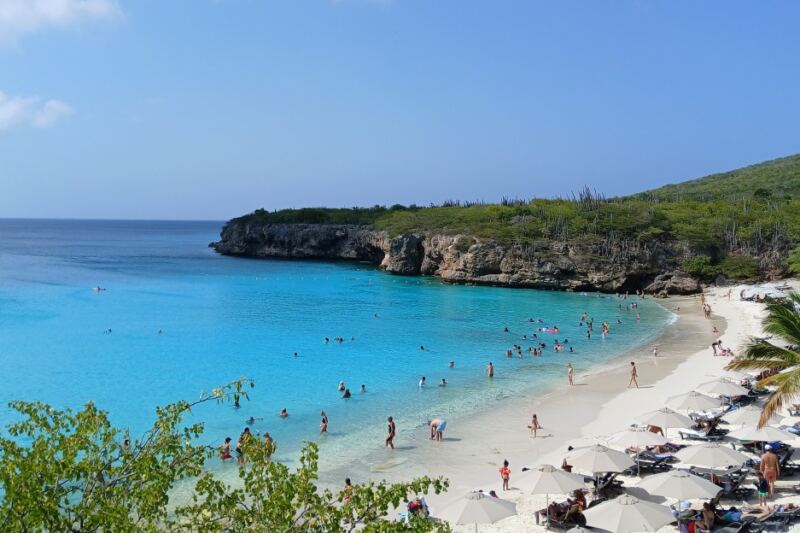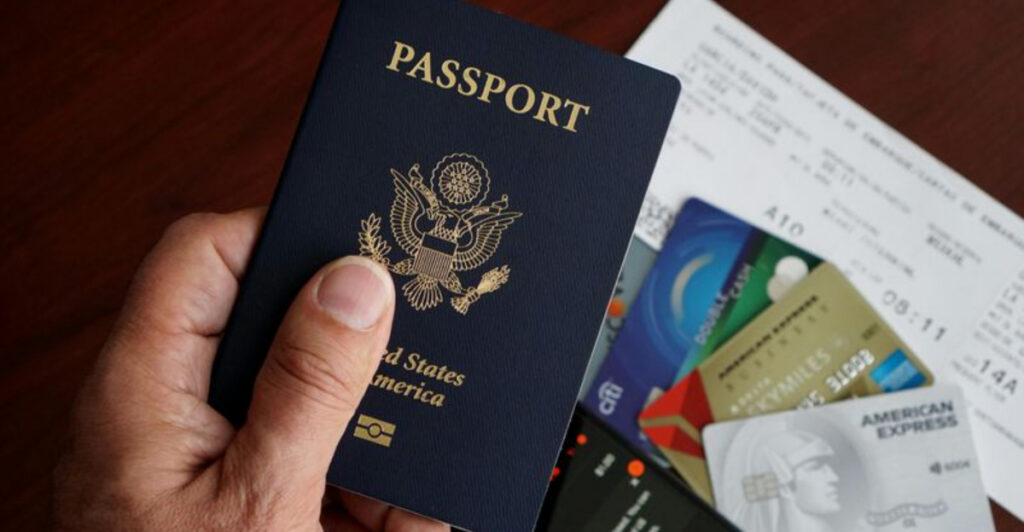
Mauritius, a stunning island nation in the Indian Ocean, has long been a dream destination for American travelers seeking turquoise waters, white sand beaches, and lush tropical landscapes. Recently, news broke that the country is preparing to introduce new entry requirements that will change how U.S. visitors access this paradise. While Americans can still visit without a visa today, an upcoming Electronic Travel Authorization system is on the horizon, and understanding what is required now and what may change soon is essential for anyone planning a trip to this breathtaking island.
1. Mauritius is preparing an e-travel authorization (ETA) but it’s not live yet

Multiple travel and immigration sources confirm that Mauritius plans to roll out an Electronic Travel Authorization system designed to make entry smoother for international visitors. The ETA aims to pre-screen travelers from countries that currently enjoy visa-free access, including the United States. However, as of December 11, 2025, no official launch date has been announced by the Mauritian government.
For now, existing entry rules remain in effect. Americans planning trips in the near term should follow current procedures rather than worry about an ETA that has not yet materialized. Keep an eye on official government channels for updates, but do not let rumors delay your travel plans.
The proposed system is intended to speed up airport processing and enhance border security. Until the government confirms details, travelers should prepare using today’s requirements and stay flexible for future changes.
2. Americans are still visa-free for short tourist visits (today)
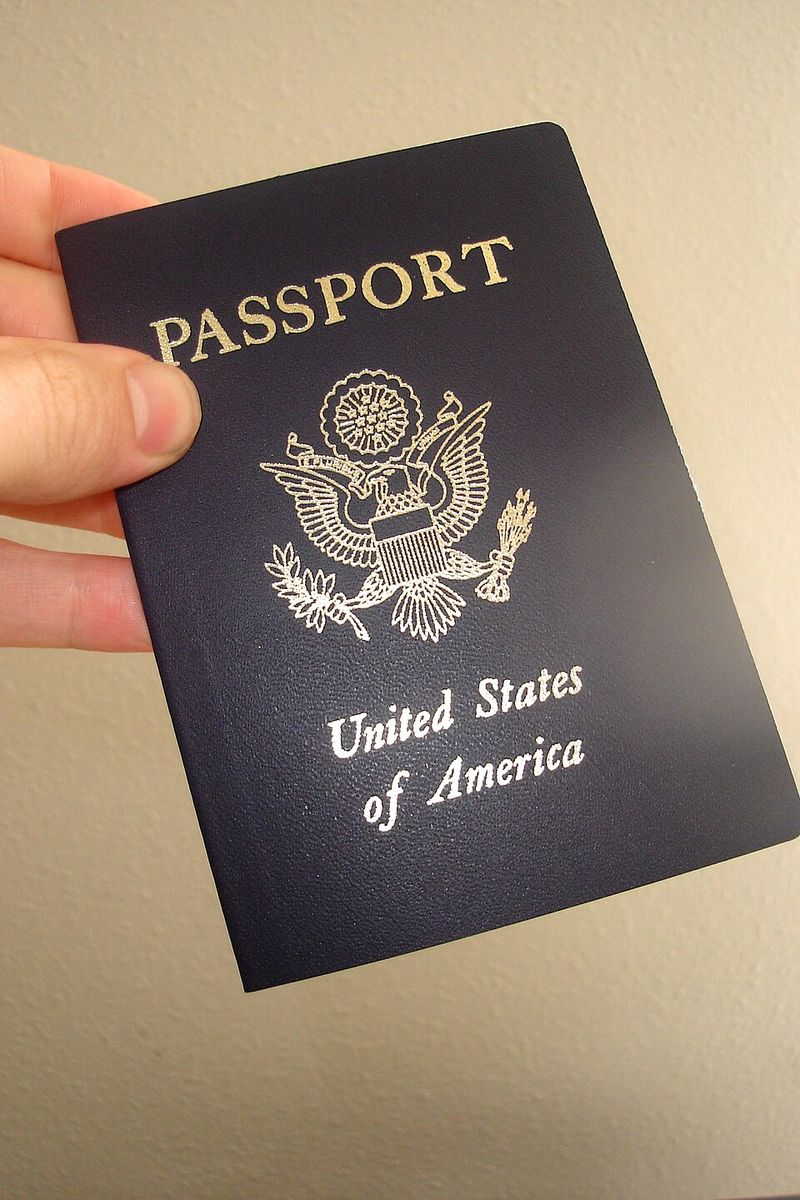
Right now, U.S. citizens enjoy visa-free entry to Mauritius for short tourist stays. The U.S. Embassy confirms that no advance visa is needed, making spontaneous island getaways possible. You will need proof of onward or return travel, but the process at the border is straightforward and hassle-free for most Americans.
This privilege could shift once the Electronic Travel Authorization system launches. However, since that system is not yet active, travelers can still book flights and arrive without pre-approval or extra paperwork beyond the standard arrival forms. The simplicity of today’s rules makes Mauritius an attractive option for last-minute vacations.
Keep in mind that immigration policies can change. Monitor official embassy updates and government announcements regularly, especially if you are planning a trip several months out. For now, pack your bags and enjoy the ease of visa-free travel to one of the world’s most beautiful islands.
3. You must complete the free All-in-One Travel Digital Form before arrival
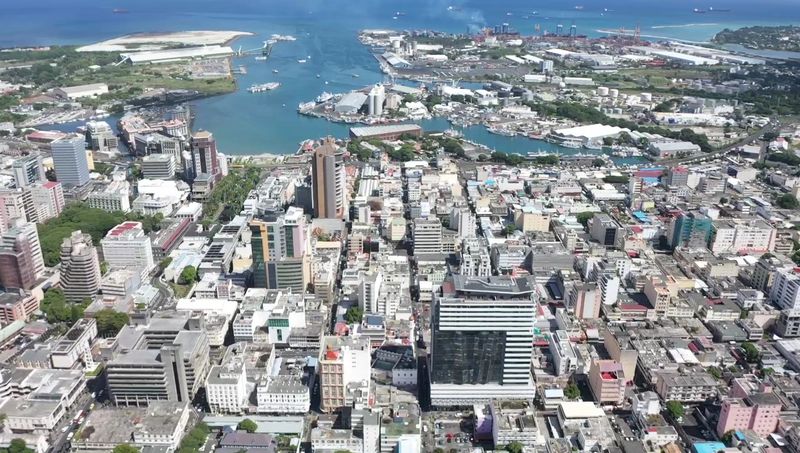
Before you land in Mauritius, you are required to fill out the official All-in-One Travel Digital Form. This free online form collects your travel details and generates a QR code that speeds up processing at immigration. Completing it ahead of time saves you from filling out a paper card upon arrival, which can slow down your entry.
The form is available on the government website and should be filled out within a few days of your flight. Once submitted, download or print the QR code PDF and keep it accessible offline. If your phone dies or you lose internet access, having a backup ensures a smooth arrival experience.
Forgetting to complete the form is not the end of the world. Airport staff will provide a paper version, but expect longer wait times. To breeze through immigration and start your vacation faster, take five minutes to complete the digital form before you board your flight.
4. Use only the official portal for that form and avoid pay-for-you look-alikes

Scammers love to exploit travelers, and Mauritius is no exception. Several unofficial websites charge fees to complete the All-in-One Travel Digital Form on your behalf, even though the official service is completely free. The Airports of Mauritius authority has issued warnings urging visitors to use only the legitimate government portal at safemauritius.govmu.org.
These copycat sites often look professional and rank high in search results, making them easy to mistake for the real thing. They may charge anywhere from ten to fifty dollars for a service you can do yourself at no cost. Always double-check the URL before entering personal information or payment details.
Protecting yourself is simple. Bookmark the official site, and if you see a page asking for payment to submit your travel form, close it immediately. Your wallet and your personal data will thank you for taking a few extra seconds to verify authenticity.
5. How long you can stay is stamped on arrival and extensions exist
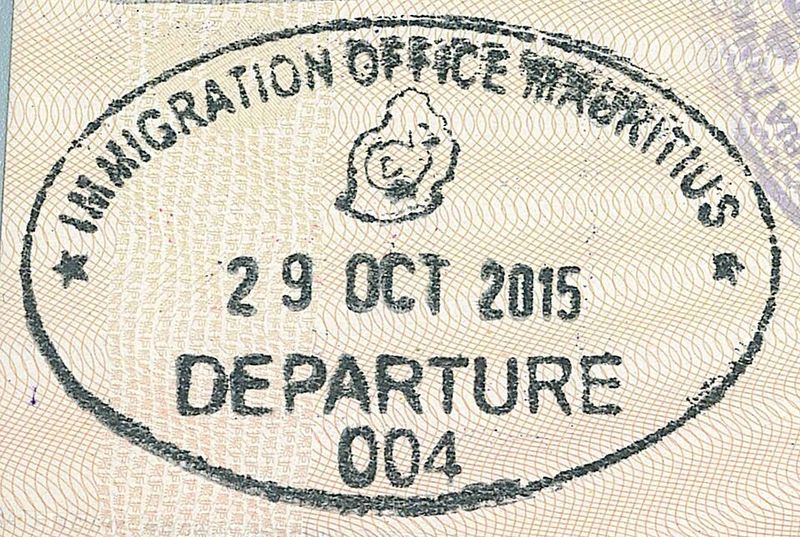
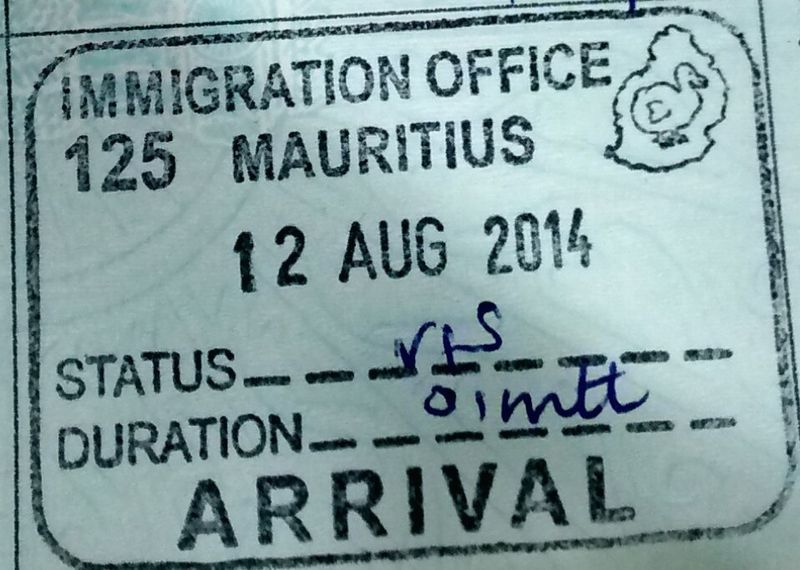
When you arrive in Mauritius, an immigration officer will stamp your passport with the number of days you are permitted to stay. The duration varies by traveler and is determined at the border, though many tourists receive up to 60 days. The decision depends on factors like your travel plans, accommodation bookings, and return ticket.
If you fall in love with the island and want to extend your stay, that option exists. Mauritius allows tourists to remain for up to six months in a calendar year on a case-by-case basis. You will need to apply through the Immigration Office and provide documentation supporting your request, such as proof of funds and accommodation.
Do not assume you will automatically get the maximum stay. Be prepared to show your travel itinerary and explain your plans if asked. Respecting the stamped duration is crucial, as overstaying can lead to fines, deportation, or future entry bans.
6. Bring proof of onward or return travel
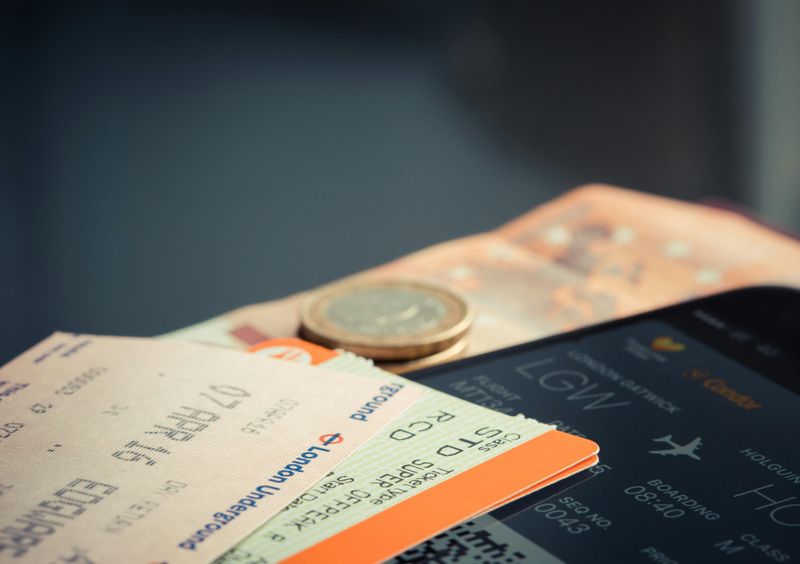
Border officials in Mauritius frequently ask travelers to show proof of onward or return travel. This requirement ensures you do not intend to overstay your permitted visit. A printed or digital copy of your flight confirmation is usually sufficient, and having it ready speeds up the immigration process.
Airlines may also check for this documentation before you board your flight to Mauritius. If you cannot provide proof, you risk being denied boarding, even if you hold a valid passport. Both the U.S. Embassy and UK travel guidance emphasize this rule, so it is not optional.
If your travel plans are flexible or you are island-hopping, book a refundable onward ticket or use a temporary reservation service. Whatever method you choose, make sure the departure date falls within your expected stay. Being prepared with clear documentation prevents headaches and keeps your vacation on track from the very start.
7. Passport validity good for the trip plus a blank page
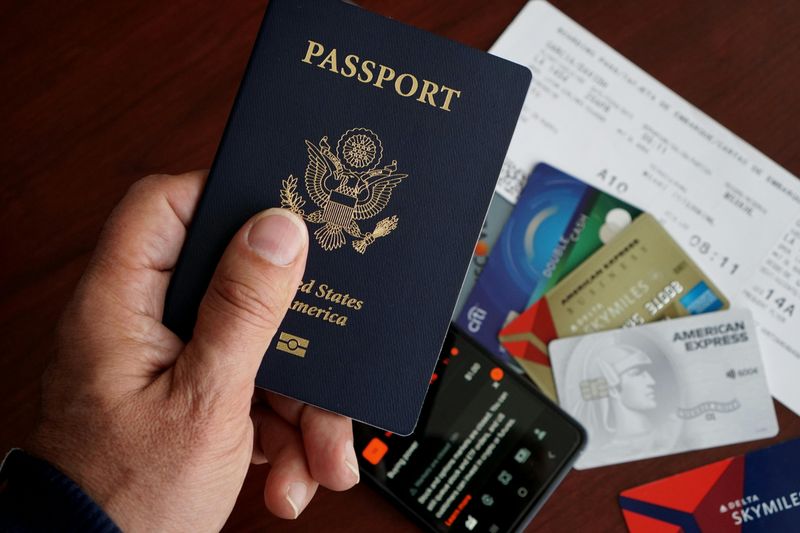
Your passport must be valid for the entire duration of your stay in Mauritius. Unlike some countries that require six months of validity beyond your entry date, Mauritius keeps it simple: as long as your passport does not expire while you are on the island, you are good to go. This makes last-minute trips easier for travelers with passports nearing expiration.
You also need at least one blank page in your passport for entry and exit stamps. Without a blank page, immigration officers may deny you entry, and airlines might refuse boarding. Check your passport well before your departure date to avoid scrambling for an emergency renewal.
Airlines sometimes impose stricter rules than the destination country, so verify their requirements as well. A quick passport check a few weeks before your trip can save you from a canceled vacation and wasted money on non-refundable bookings.
8. Health formalities you might encounter

Depending on where you are traveling from, Mauritius may conduct health screenings upon your arrival. If you are coming from a region with active malaria transmission or other health risks, expect additional questions or checks. These measures protect both residents and visitors from the spread of infectious diseases.
Vaccinations are not typically mandatory for U.S. travelers, but it is wise to consult resources like TravelHealthPro or your doctor before departure. Certain vaccines, such as hepatitis A and typhoid, are recommended for most travelers to tropical destinations. Staying up to date on routine immunizations is always a smart move.
Health requirements can change rapidly, especially in response to global outbreaks. Check official guidance from the Mauritian government and your home country a few weeks before your trip. Being informed and prepared ensures a healthy, worry-free vacation in paradise without unexpected medical complications or entry delays.
9. Customs are strict and know what you can bring
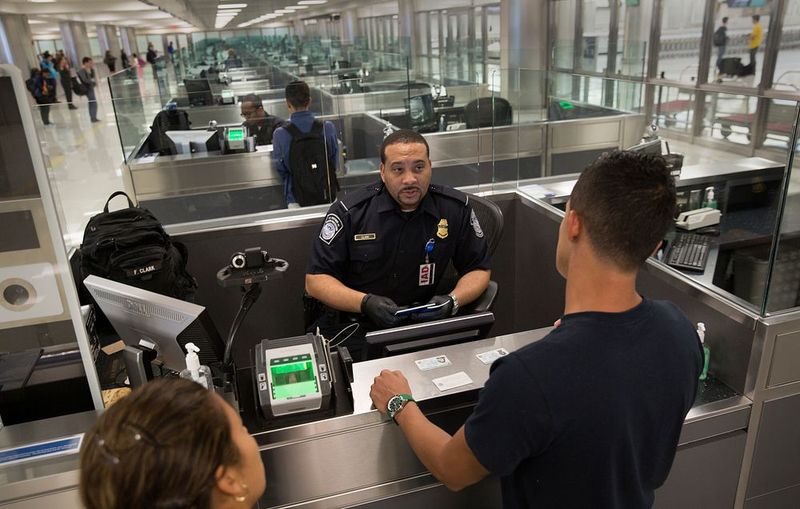
Mauritius enforces strict customs regulations on goods entering and leaving the country. Items like certain foods, plants, animals, and medications may be restricted or require special permits. Declaring items accurately on your customs form is not just a suggestion; it is the law, and failing to do so can result in fines or confiscation.
The Mauritius Revenue Authority provides detailed lists of prohibited and restricted items. Before you pack, review these guidelines to avoid bringing anything that could cause problems at the border. Even seemingly harmless souvenirs or personal items can trigger issues if they fall under restricted categories.
If you are unsure whether something is allowed, declare it anyway. Customs officers appreciate honesty and can provide guidance on the spot. Trying to sneak restricted items through can lead to serious consequences, including criminal charges. A few minutes of research before your trip keeps your vacation stress-free and legal.
10. Thinking of staying longer or working remotely? Consider the Premium Visa
For travelers dreaming of a longer stay or remote workers seeking a tropical office, Mauritius offers a Premium Visa. This visa allows stays of up to one year and is renewable, making it ideal for retirees, digital nomads, and professionals who can work from anywhere. The program welcomes individuals who want to experience island life beyond a typical vacation.
Eligibility requirements include proof of income, health insurance, and accommodation arrangements. The application process is managed by the Passport and Immigration Office, with additional information available through the Economic Development Board. Processing times and fees vary, so plan ahead if you are considering this option.
Remote work visas have become popular worldwide, and Mauritius has positioned itself as a prime destination for long-term visitors. The island offers reliable internet, a multicultural community, and stunning natural beauty. If your job allows location independence, the Premium Visa could turn a vacation dream into a year-long reality.
11. Do not overstay your permitted duration
Overstaying your permitted duration in Mauritius is a serious offense that can lead to fines, detention, deportation, and bans on future entry. The Mauritian government actively enforces immigration laws, and ignorance is not accepted as an excuse. Your passport stamp clearly shows when you must leave, so there is no ambiguity about the deadline.
If you realize you need more time, apply for an extension before your authorized stay expires. The Immigration Office handles these requests, and approval is not guaranteed, so apply as early as possible. Waiting until the last minute or overstaying even by a day can trigger legal consequences that ruin your trip and affect future travel.
Respecting visa rules is a matter of personal responsibility and international law. Set reminders on your phone, mark your calendar, and double-check your departure date well in advance. A simple mistake can have long-lasting impacts, so treat your exit date with the same importance as your arrival.
12. What the ETA could mean when launched
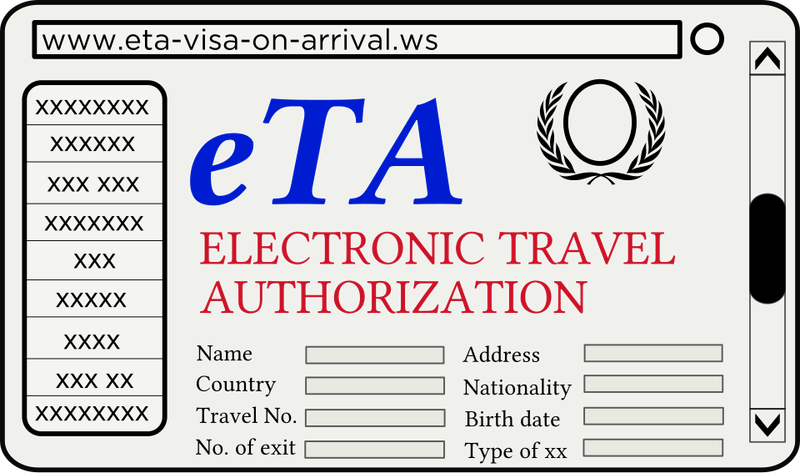
Once the Electronic Travel Authorization system goes live, travelers from visa-exempt countries like the United States will likely need to apply online before flying to Mauritius. Press reports suggest the ETA will function as a pre-clearance tool, speeding up airport queues and enhancing border security. The goal is to make entry more efficient while maintaining safety standards.
Details like fees, processing times, and validity periods remain unconfirmed until the government publishes official information. Some ETAs in other countries cost between ten and fifty dollars and are valid for multiple entries over several years. Mauritius may adopt a similar model, but speculation is not helpful for planning.
The ETA is expected to be quick and straightforward, completed online in minutes. However, technical glitches or high demand could cause delays, so applying well before your trip will be essential. Until the system launches, focus on current requirements and stay tuned for official announcements.
13. Where to watch for the official rollout
When the Electronic Travel Authorization system finally launches, accurate information will come directly from the Mauritian government, not from blogs, social media, or third-party travel sites. The Passport and Immigration Office website is the authoritative source for entry requirements, application procedures, and policy updates. Bookmark this site and check it regularly if you have upcoming travel plans.
Relying on unofficial sources can lead to confusion, misinformation, and wasted money on unnecessary services. Travel forums and news articles may offer helpful insights, but always verify claims against official government portals. Embassies and consulates also provide reliable guidance for their citizens traveling abroad.
Signing up for email alerts from the U.S. Embassy in Mauritius or the State Department can keep you informed of major changes. Staying connected to trustworthy sources ensures you have the latest, most accurate information. When it comes to international travel rules, official channels are your best friend.
Share this story