Amsterdam used to be a must-visit European city, famous for its canals, museums, and relaxed vibe. But in recent years, something has shifted. More travelers are skipping it entirely, and the numbers back up what many visitors already feel: the city is overwhelmed, expensive, and not quite what it used to be.
1. The City Is Literally Breaking Its Own Tourist Limit
Amsterdam set a firm cap of 20 million overnight tourist stays each year under its Tourism in Balance policy. Yet in 2024, visitors clocked about 22.9 million nights, with projections climbing to 24.6 million the following year.
What does that mean for you? Crowded canals, packed streets, sold-out hotels, and museum tickets that vanish weeks ahead. Long lines snake around corners during peak season.
It is not just a vibe check anymore. Hard data confirms the city is bursting at the seams, and it shows in every corner you turn.
2. Residents Are Suing the City Over Mass Tourism
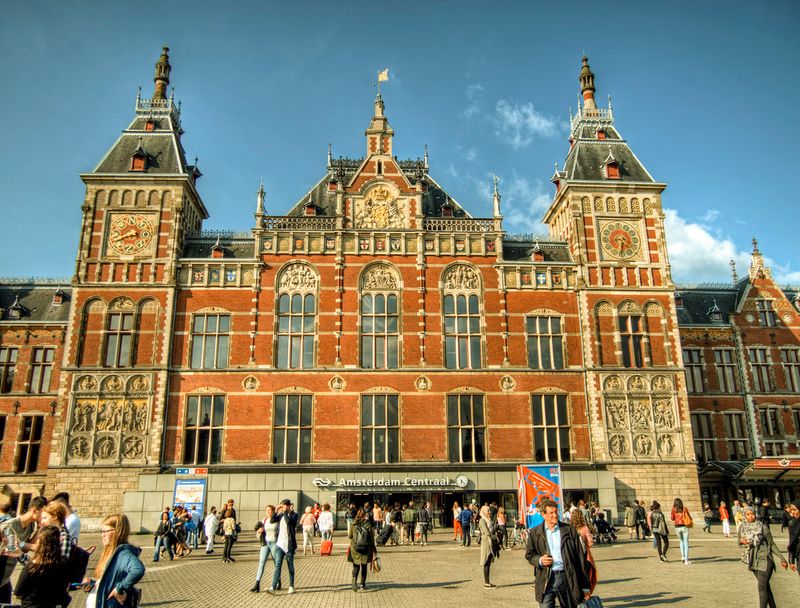
Fed-up locals are not just complaining at dinner parties. A citizen group called Amsterdam Has a Choice has taken the city to court, demanding enforcement of the 20-million-night cap.
They argue mass tourism is erasing local businesses and drowning daily life in noise, crowds, and rising costs. Historic neighborhoods feel more like Instagram backdrops than real communities.
When the people who actually live there are angry enough to sue, visitors pick up on that tension. The welcome mat feels a lot thinner than it used to be.
3. Amsterdam Now Has the Highest Tourist Tax in Europe
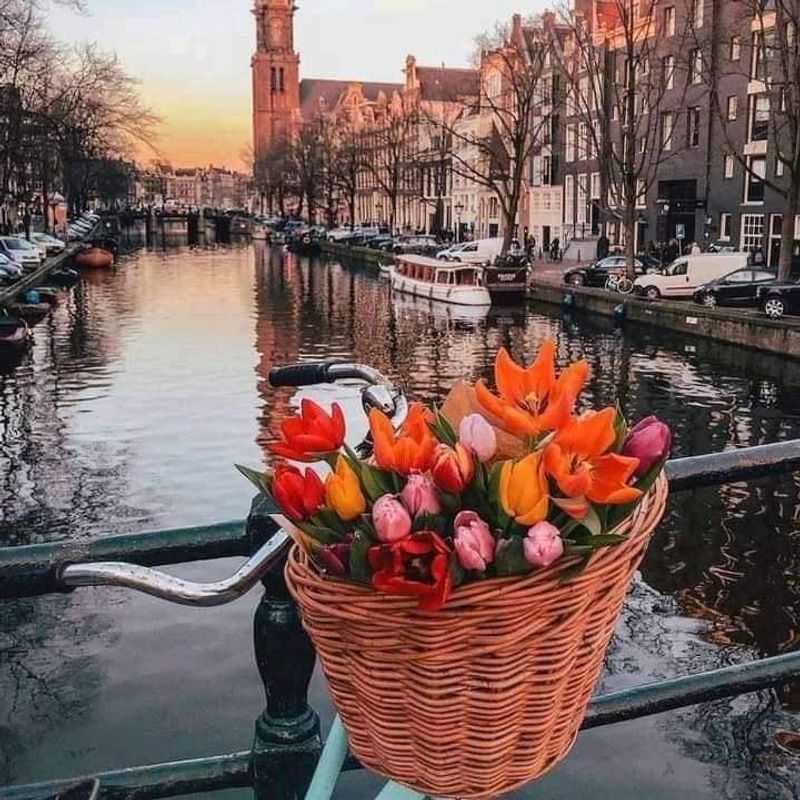
Starting in 2024, Amsterdam hiked its tourist tax on accommodation to 12.5%, the steepest in Europe. That applies to hotels, guesthouses, short-term rentals, and even some cruise visitors.
Political leaders have floated proposals to push it even higher, tacking on an extra 20 euros per stay on average. So those surprise charges on your bill are not a mistake.
Compared to other European capitals, Amsterdam objectively costs more just to sleep there. Budget travelers feel the pinch hardest, and it makes competing cities look a whole lot more attractive.
4. New Hotels Are Effectively Banned – So Rooms Stay Scarce and Pricey
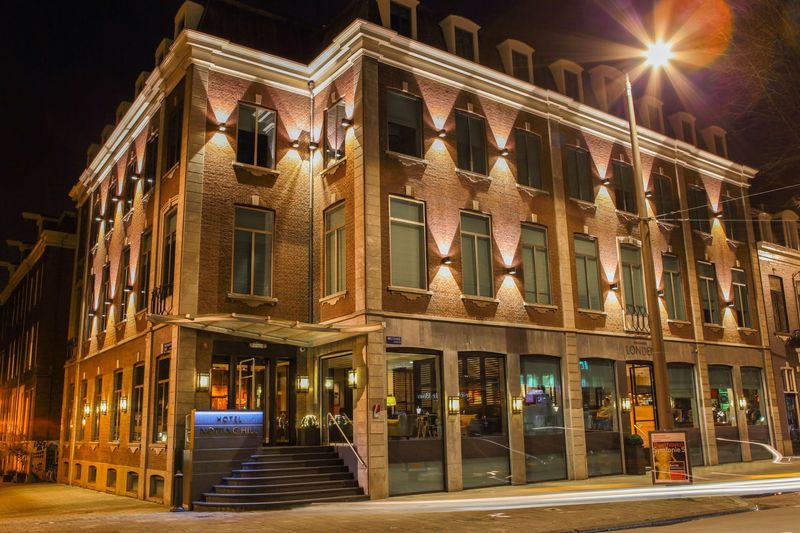
Under Tourism in Balance, Amsterdam banned new hotel construction unless an existing one of similar size closes first, with no net increase in beds. That keeps supply tight and prices high.
Popular dates sell out fast, especially in the historic center. Budget options disappear quickly, leaving only premium rooms at premium rates.
For travelers comparing costs across Europe, Amsterdam feels like terrible value. Nearby cities with looser regulations offer better deals and easier booking, making the choice simple for wallet-conscious visitors.
5. Stay Away: The City Is Actively Telling Some Tourists Not to Come

Amsterdam launched over 75 measures targeting nuisance tourism, including blunt Stay Away campaigns aimed at party seekers hunting cheap booze and drugs. Online ads and quizzes warn would-be partiers that Amsterdam is not their playground.
Messages pop up when people search terms like stag party or cheap hotel Amsterdam. The city would genuinely prefer certain visitors not show up at all.
That shift in tone is unmistakable. Even respectful travelers sense they are less welcomed than before, and it changes the whole mood of a trip.
6. Weed Isn’t What It Used to Be (At Least Not in the Streets)
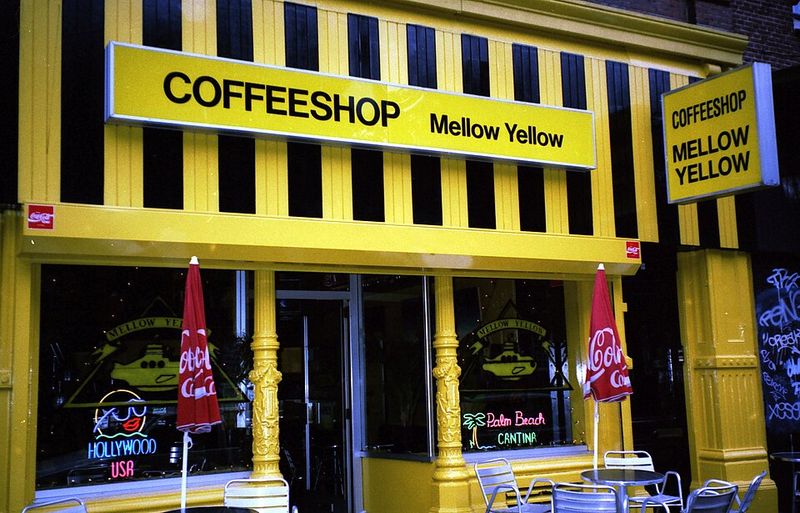
Amsterdam still has its famous coffee shops, but smoking cannabis in public in the historic center and Red Light District is now banned. From mid-2023 onward, you can only smoke inside licensed coffee shops under strict conditions.
Lighting up on the street in key central areas can land you a 100-euro fine. The ban is part of a larger crackdown on anti-social behavior tied to drugs and alcohol.
For some travelers, that makes the city feel more controlled and less free than its old reputation suggested, chipping away at the laid-back image.
7. The Red-Light District You’ve Heard About Is Changing Fast
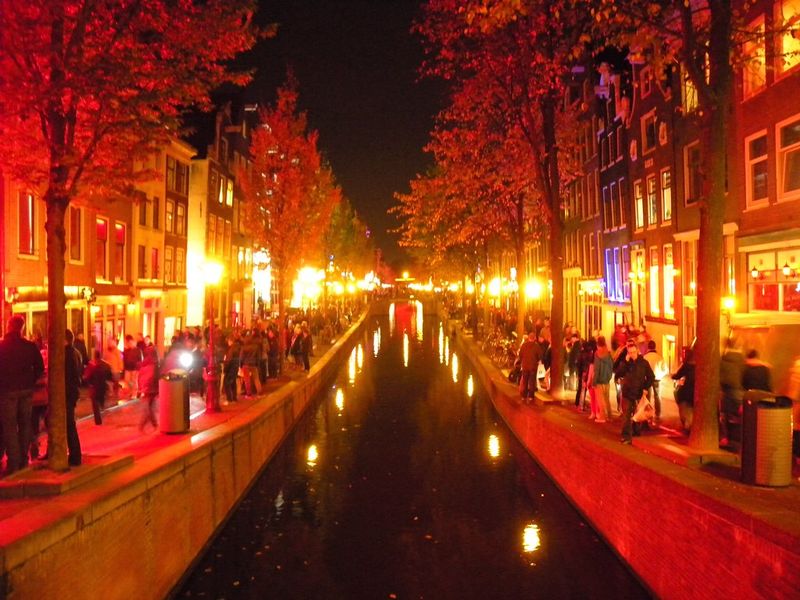
De Wallen, the city’s largest and most famous red-light district, has long drawn curious tourists. But city leaders are working on plans to relocate a significant portion of window prostitution to a new Erotic Center elsewhere.
The goal is reducing crime and nuisance in the historic center. The proposals are controversial among residents and sex workers alike.
If the plans move forward, those iconic neon-lit canal alleys lined with red windows will look dramatically different in coming years. The postcard image tourists expect might not exist much longer.
8. The Museums Are Brilliant – and Overwhelmed
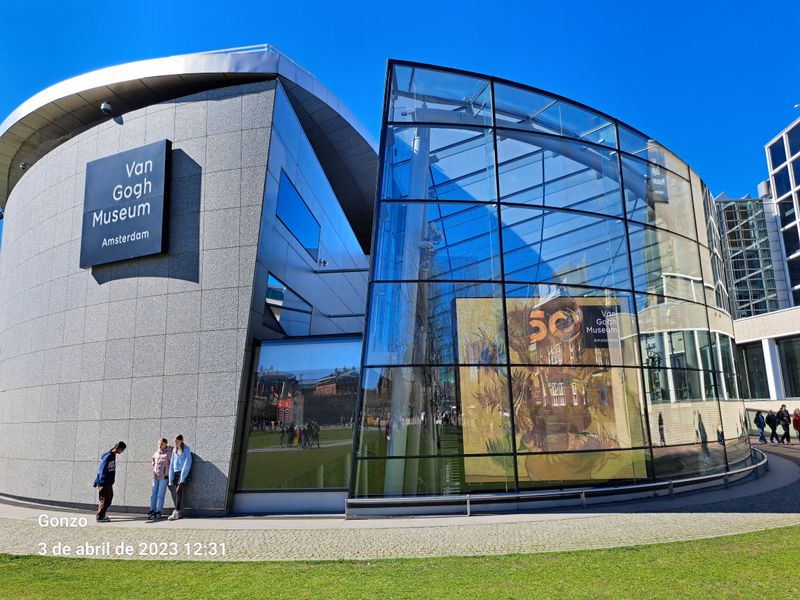
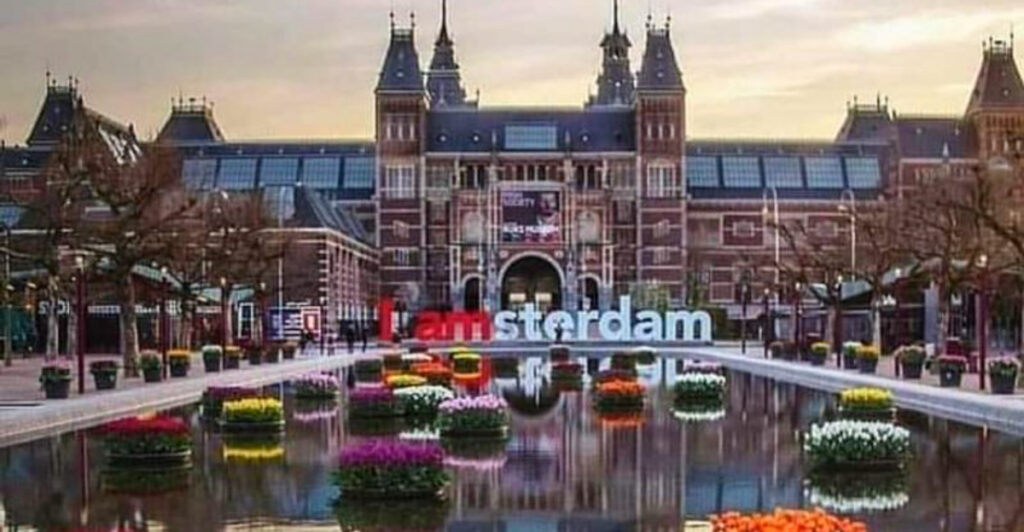
Amsterdam’s museums are world-class but swamped. The Van Gogh Museum welcomes over a million visitors yearly and caps daily entries at 5,000 to prevent overcrowding and building damage. The Rijksmuseum, home to Rembrandt’s Night Watch, ranks among the world’s most visited art museums.
Practically, that means timed tickets sell out days or weeks ahead. Long queues and packed galleries at peak times are standard.
That quiet, contemplative art moment many travelers hope for? Harder to find. Without advance planning, you might not get in at all.
9. Surveys Say: Tourists and Locals Find It Disappointing and Arrogant
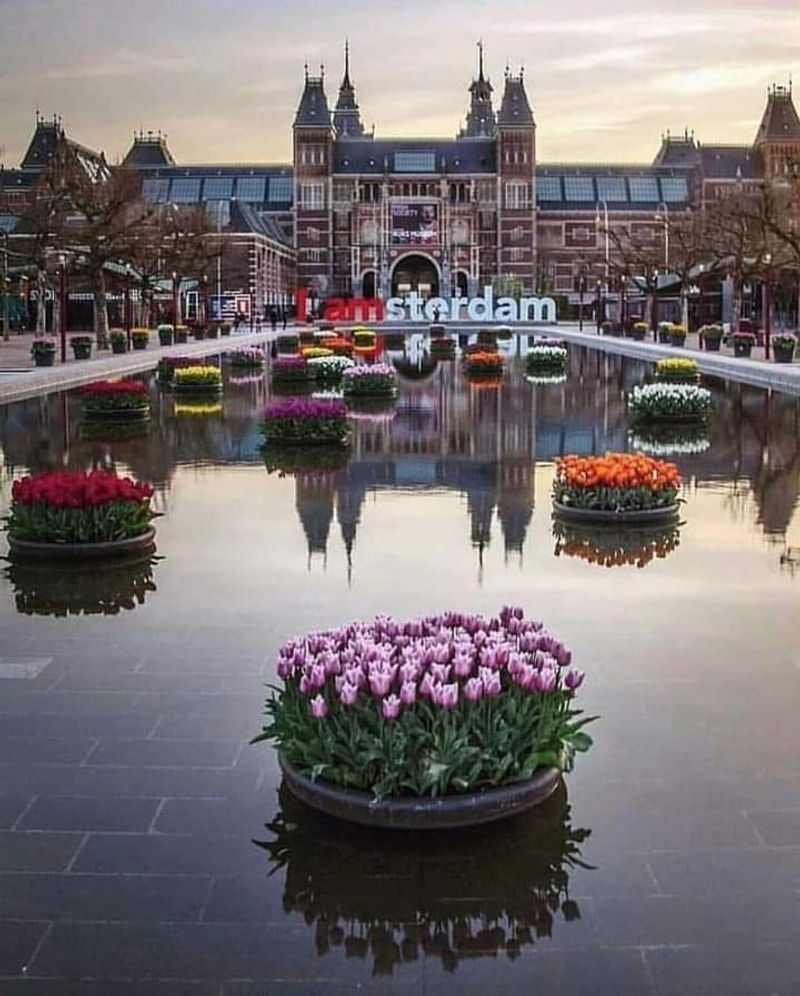
Recent surveys paint a rough picture. A survey of international travelers named Amsterdam Europe’s most disappointing city for tourists in 2024, called it the least popular among cities surveyed.
A separate survey of 136,000 Dutch residents dropped Amsterdam to sixth place among favorite Dutch cities. Many described Amsterdammers as too arrogant and complained about costs and mass tourism.
Those perceptions do not mean everyone dislikes the city, but disappointment is widespread enough to show up clearly in the data.
10. Overtourism Is Reshaping Neighborhoods
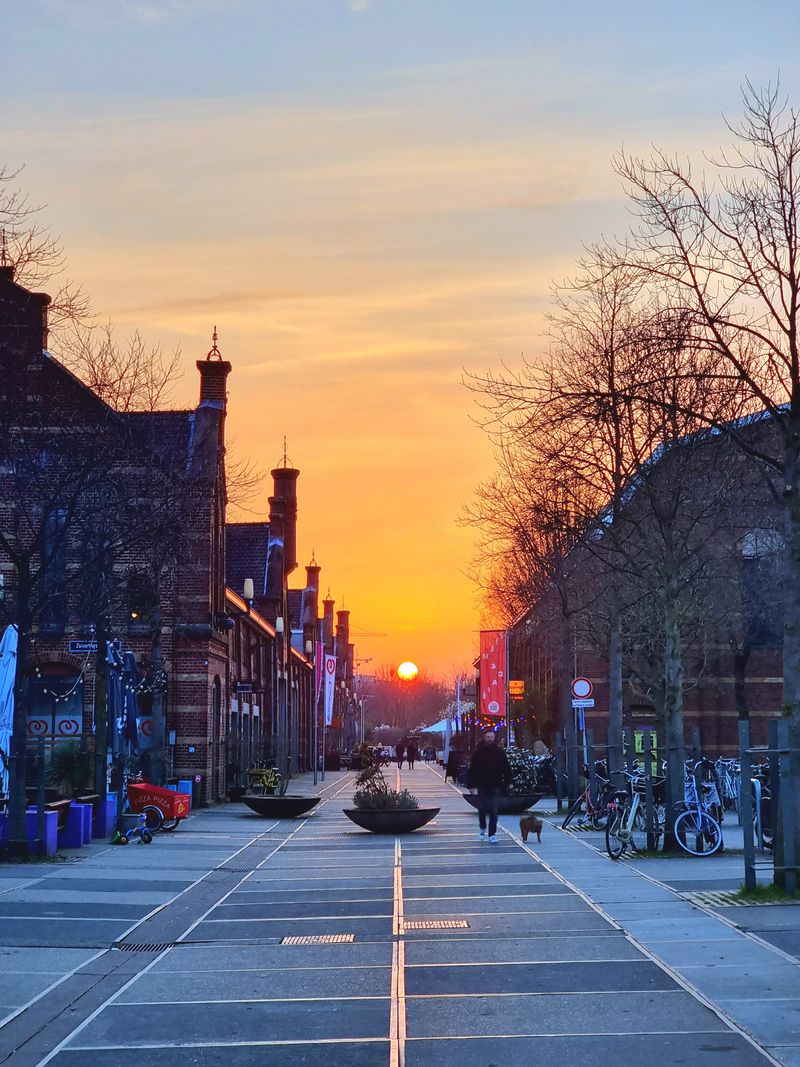
Mass tourism does not just bring crowds. It changes which businesses survive in the center, favoring souvenir shops, fast food, and touristic bars over everyday local shops that serve residents.
Local groups argue in their lawsuit and public statements that tourism is negatively transforming the city’s character, pushing local life out of the nicest areas.
Many travelers hoping for a charming, lived-in city instead find districts that feel like a theme park. The authentic neighborhood vibe they came for has been replaced by something far more generic and commercial.
11. Cycling Culture Is Amazing – But Can Be Intimidating
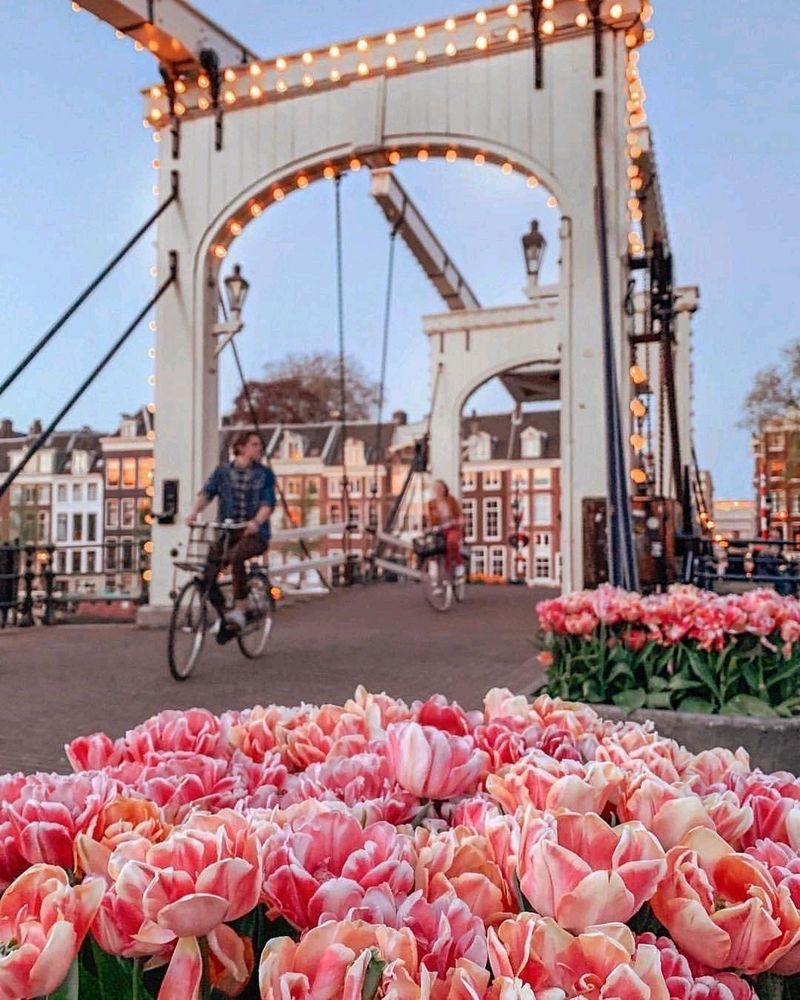
Amsterdam is a top global cycling city. About 32% of all traffic is by bike, around 63% of residents cycle daily, and the city maintains roughly 400 km of dedicated bike paths with more bicycles than residents.
That is fantastic for sustainability but stressful for visitors. Bikes have right of way in many spots, and cycle lanes criss-cross streets with fast-moving cyclists.
Looking the wrong way, stepping into a bike lane, or stopping mid-path can cause near misses. It is genuine culture shock if you are used to car-first cities.
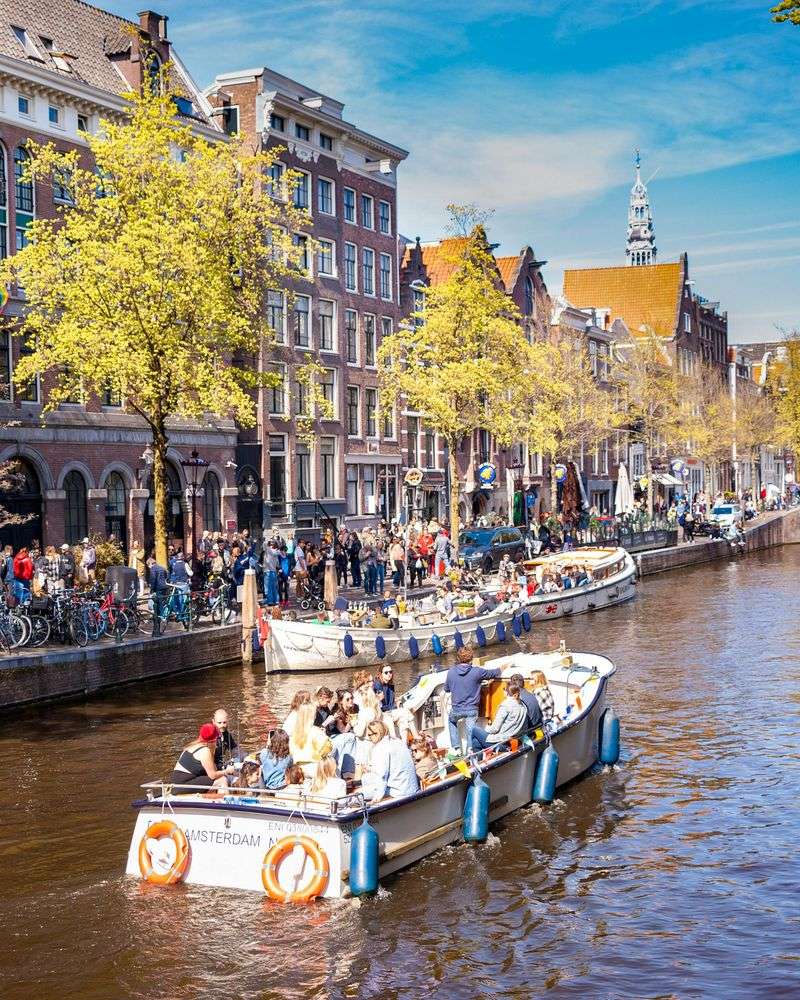
12. The Canals Are UNESCO-Listed – and Jammed With Tours
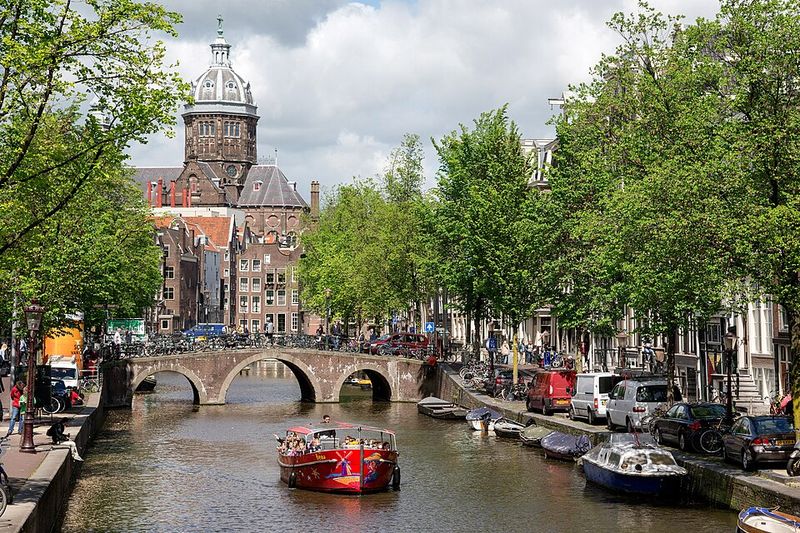
Amsterdam’s 17th-century canal ring is a UNESCO World Heritage Site, recognized since 2010 for its unique urban design and historic importance. That beauty draws massive crowds.
Hundreds of tour boats ply the same routes daily. Popular photo spots can be shoulder-to-shoulder in peak season, and rivers of people and bikes on narrow bridges can kill the romance a bit.
The canals are genuinely special, but the experience depends heavily on when and how you visit. Timing is everything if you want to enjoy them properly.
13. There Are Easier, Calmer Alternatives Just a Train Ride Away
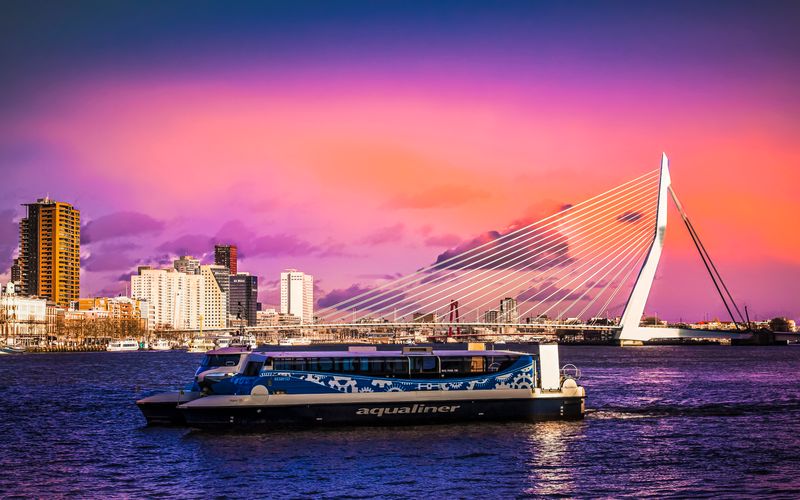
That big Dutch survey that knocked Amsterdam to sixth place put Maastricht, Utrecht, and Rotterdam near the top of favorite cities among locals. Many travelers now choose Utrecht for canals and medieval charm without the same overtourism.
Rotterdam offers modern architecture and a more laid-back vibe. Maastricht delivers a historic, food-focused atmosphere close to Belgium and Germany.
You still get Dutch culture and canals, just with fewer stag parties and less sticker shock. Sometimes the best move is skipping the obvious choice entirely.
Share this story