Ever wonder what professional chefs really think about restaurant menus? These kitchen experts have insider knowledge that most diners never see. When they go out to eat, they often skip certain popular dishes because they know the shortcuts and compromises that happen behind the scenes.
1. Caesar Salad
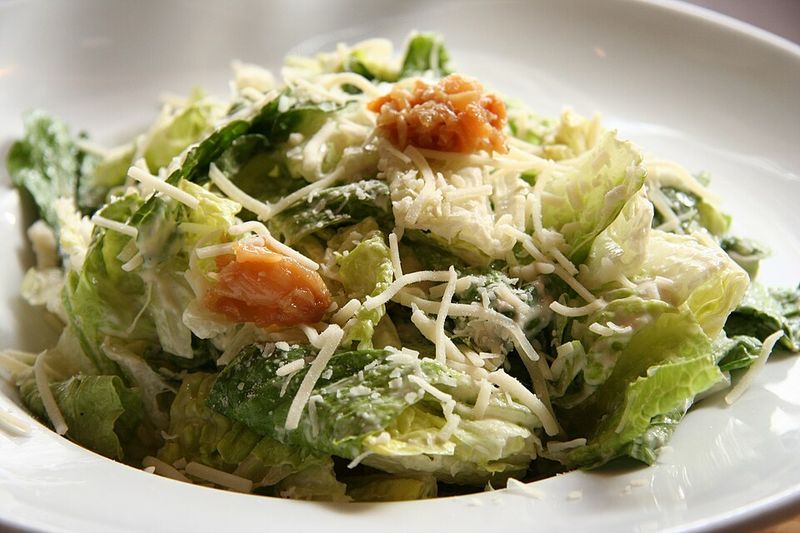
Walk into most restaurants and you’ll find Caesar salad on the menu. But chefs know a secret that might surprise you. The dressing sitting in those big containers rarely gets made from scratch anymore.
Most kitchens rely on pre-made versions that lack the depth and richness of authentic Caesar dressing. The anchovies, if they’re even used, come from cheap sources that don’t deliver that signature umami punch. Fresh garlic, lemon juice, and quality Parmesan cheese get replaced by shelf-stable shortcuts.
Professional cooks understand that this classic dish needs careful attention to balance flavors properly. When restaurants cut corners, the result tastes flat and forgettable. At home, chefs can control every ingredient, ensuring each component shines. That’s why they’d rather make it themselves than settle for mediocre restaurant versions that don’t honor the original recipe.
2. Hamburgers

Grinding meat fresh makes all the difference in burger quality. Unfortunately, most restaurants skip this crucial step entirely. They order pre-formed patties from suppliers, which means the beef sits around losing flavor and moisture.
Chefs know that texture matters just as much as taste when it comes to burgers. Pre-ground meat gets compressed during packaging, creating a dense, rubbery texture instead of the tender, juicy bite you want. The fat content often gets standardized too, removing the ability to customize the blend for maximum flavor.
Temperature control becomes another concern with mass-produced patties. Many sit in walk-in coolers for days before hitting the grill. Fresh-ground beef from quality cuts creates a completely different eating experience. Professional cooks prefer making burgers at home where they control the grind, the blend, and the cooking method to achieve burger perfection.
3. Club Sandwiches
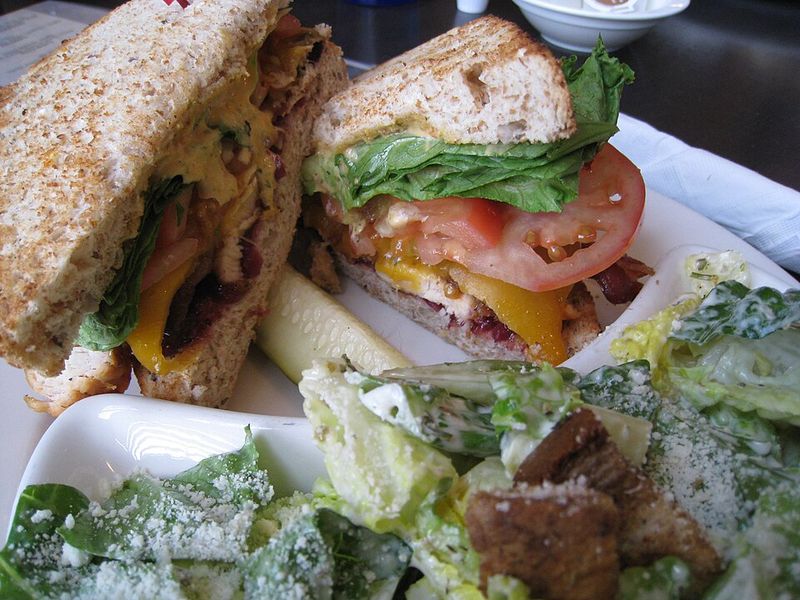
Simple doesn’t mean easy, especially in professional kitchens. Club sandwiches seem straightforward, but that’s exactly why they get neglected during busy service times. Line cooks focus energy on complicated entrees while sandwiches become afterthoughts.
The bread often sits out too long, losing freshness. Turkey gets sliced hours ahead and dries out under kitchen lights. Bacon might be cooked in big batches during morning prep, then reheated when orders come in. Tomatoes don’t always get checked for ripeness, and lettuce can be wilted or browning at the edges.
Chefs appreciate that a truly great club sandwich requires attention to detail at every layer. Fresh ingredients, properly toasted bread, and careful assembly make the difference between mediocre and memorable. When quality standards slip, this classic sandwich becomes disappointing fast. That’s why professionals would rather build one at home with ingredients they’ve personally selected.
4. Pizza
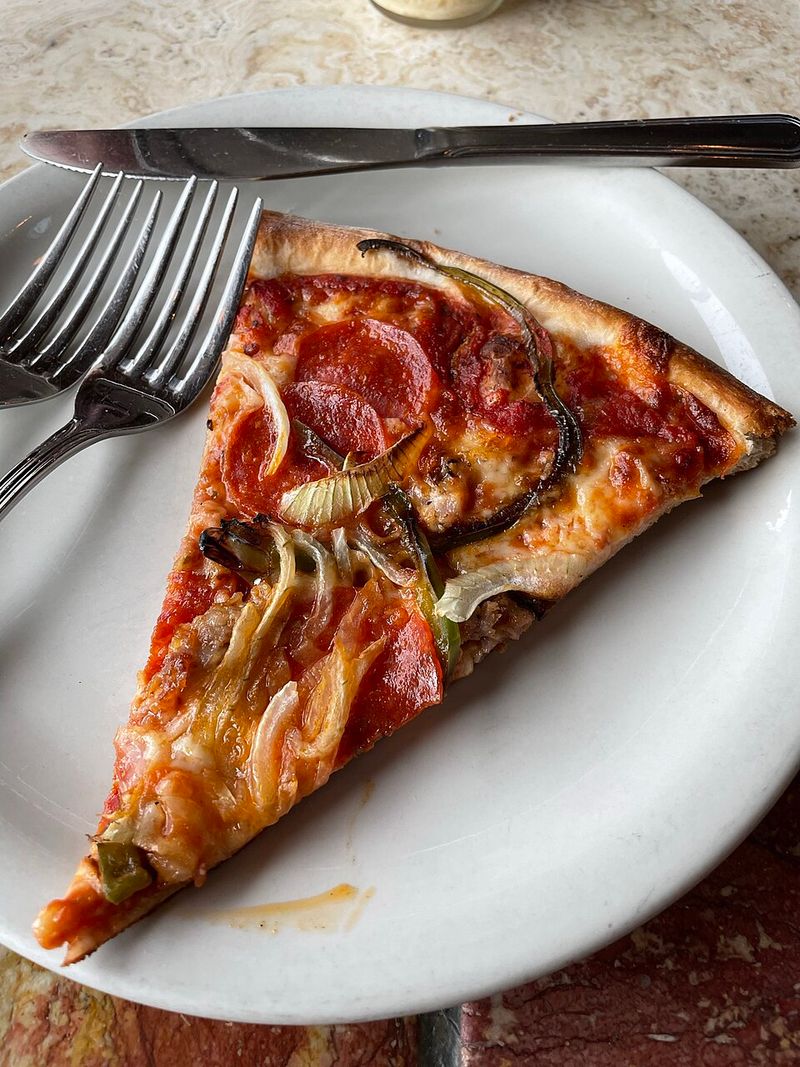
Authentic pizza requires specialized equipment and ingredients that most restaurants don’t have. Unless you’re dining at a dedicated pizzeria, chances are the pizza gets made with serious compromises. The dough often comes frozen or pre-made from suppliers instead of being crafted fresh daily.
Temperature matters tremendously for proper pizza. Real pizzerias use ovens that reach 800 degrees or higher, creating that perfect charred crust with a chewy interior. Regular restaurant ovens can’t achieve these temperatures, resulting in soggy or tough crusts. Cheese quality varies wildly too, with many places using pre-shredded mozzarella blends instead of fresh mozzarella.
Sauce tells another story of shortcuts. Jarred pizza sauce replaces slow-simmered tomatoes with herbs and garlic. Chefs recognize these differences immediately. They know that truly great pizza demands dedication to craft, which most general restaurants simply can’t provide during busy service.
5. Buffalo Wings

Frozen wings dominate restaurant kitchens across the country. These mass-produced products arrive pre-cut and ready for the fryer, but they lack the quality that fresh wings deliver. The texture becomes rubbery, and the meat-to-skin ratio often disappoints.
Sauce application reveals another problem. Many kitchens drown wings in bottled buffalo sauce to hide mediocre preparation. The coating becomes goopy and overwhelming rather than letting the chicken flavor shine through. Frying oil quality matters too, and busy restaurants don’t always change oil frequently enough. Old oil creates off-flavors that cling to everything cooked in it.
Professional chefs understand that great wings need proper seasoning, careful frying at the right temperature, and balanced sauce application. Fresh, never-frozen wings taste dramatically better. At home, they can source quality chicken, maintain clean oil, and create sauce with the perfect heat level and flavor balance. Restaurant wings rarely meet these standards.
6. Chicken Parmesan
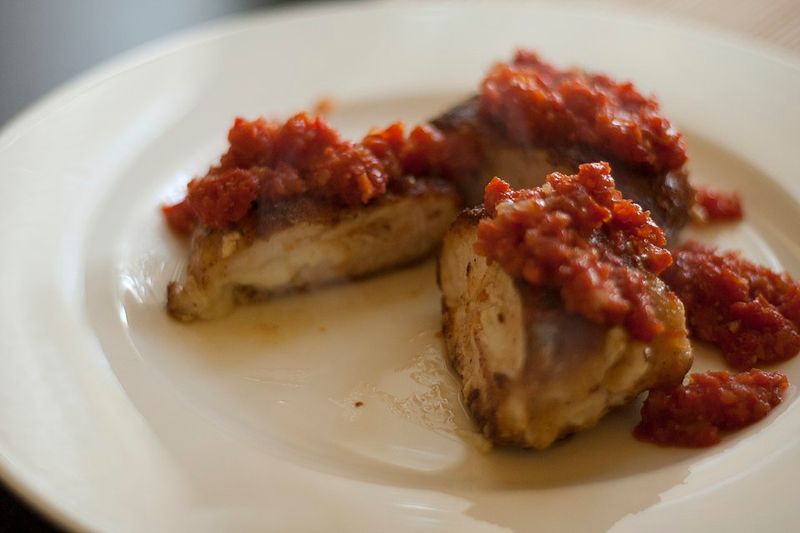
Breading chicken properly takes skill and patience. Rush the process and you’ll get soggy, uneven coating that falls off during cooking. Many restaurant kitchens bread chicken hours ahead, letting it sit until orders arrive. This waiting period ruins the texture chefs work hard to achieve.
Overcooking becomes inevitable when kitchens try to handle multiple orders simultaneously. Chicken breasts get pounded unevenly, creating thick spots that need extra time while thin areas turn dry and tough. The cheese and sauce often get added too early, making the breading steam and lose its crispy exterior.
Quality ingredients make or break this Italian-American classic. Cheap marinara sauce, pre-shredded mozzarella, and factory-farmed chicken create a disappointing version of what should be a comforting, delicious meal. Chefs prefer preparing chicken parmesan at home where timing, temperature, and ingredient quality stay under their complete control. The difference in taste and texture is remarkable.
7. Steak

Steakhouses invest heavily in sourcing premium beef and training staff to cook it perfectly. Regular restaurants can’t justify the same investment. They purchase lower-grade cuts that lack the marbling and tenderness diners expect from a great steak experience.
Temperature control separates good steak from great steak. Non-specialty restaurants often have undertrained cooks who struggle with doneness levels. What you order as medium-rare might arrive medium-well, with gray meat and lost juiciness. Resting time gets skipped during busy service, causing juices to run out when the steak gets cut.
Aging beef properly costs money and requires space most kitchens don’t have. Without proper aging, steak tastes less flavorful and chews tougher. Seasoning techniques matter too, and many places under-season or use low-quality salt. Professional chefs know these details intimately. They’d rather buy quality beef and cook it at home than risk disappointment at a restaurant that isn’t steak-focused.
8. Fish and Chips

Fresh fish makes this British classic shine, but most restaurants rely on frozen blocks instead. These processed fillets lack the delicate flavor and flaky texture that quality fish provides. The species used often gets downgraded too, with cheap alternatives replacing traditional cod or haddock.
Frying oil tells a troubling story in many kitchens. Fish releases moisture and particles into oil, which breaks down quickly with repeated use. Restaurants that don’t change oil frequently enough serve fish with stale, fishy off-flavors. The batter recipe matters tremendously as well, requiring the right balance of flour, liquid, and leavening to create that light, crispy coating.
Temperature consistency during frying determines whether fish emerges golden and crispy or greasy and soggy. Overloaded fryers drop in temperature, causing batter to absorb excess oil. Chefs recognize these quality indicators immediately. They prefer making fish and chips at home with fresh fish and clean oil to ensure proper results every single time.
9. Pasta with Marinara
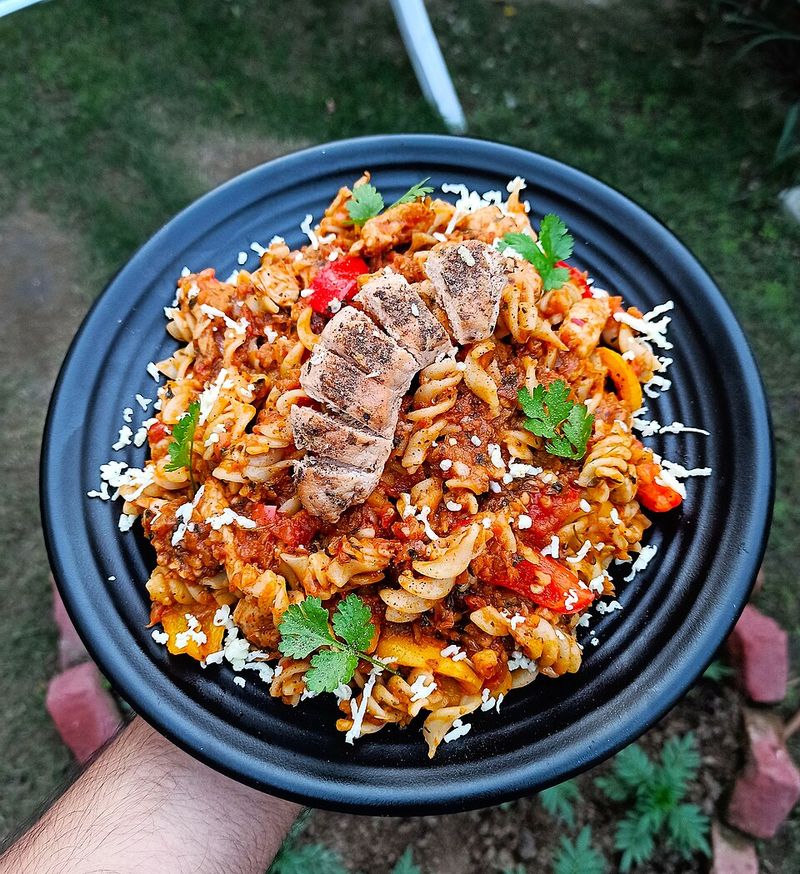
Jarred sauce dominates restaurant kitchens because it saves precious time during busy service. Opening a container beats simmering tomatoes with garlic, herbs, and olive oil for hours. But chefs taste the difference immediately between authentic marinara and mass-produced versions loaded with sugar and preservatives.
Pasta cooking technique matters just as much as sauce quality. Many restaurants boil huge batches of pasta ahead, then reheat portions as orders arrive. This approach creates mushy, overcooked noodles that lack the al dente bite proper pasta should have. The water often doesn’t get salted adequately either, leaving pasta bland and requiring extra sauce to compensate.
Fresh herbs, quality olive oil, and San Marzano tomatoes transform simple marinara into something special. Most restaurants skip these premium ingredients to control food costs. The result tastes flat and generic. Professional cooks know that pasta with marinara deserves respect and proper preparation. At home, they create versions that honor Italian cooking traditions.
10. Shrimp Cocktail
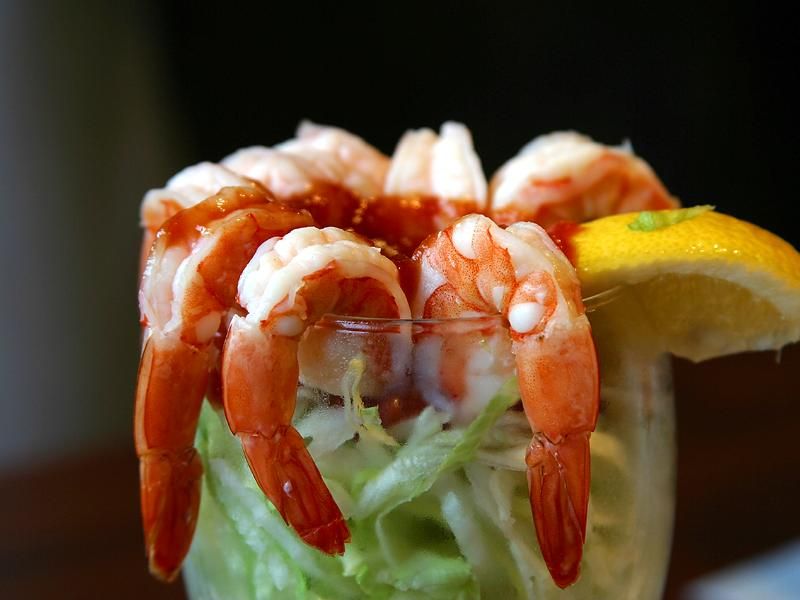
Pre-cooked shrimp arrives at restaurants already peeled, deveined, and ready to serve. Sounds convenient, but this processing destroys the sweet, delicate flavor that fresh shrimp delivers. The texture becomes rubbery and the shrimp often tastes like the chemicals used during processing and preservation.
Sourcing raises serious concerns for chefs who care about quality. Farm-raised shrimp from questionable suppliers might contain antibiotics or come from environmentally destructive operations. Wild-caught shrimp costs significantly more, so budget-conscious restaurants choose cheaper alternatives. Freshness becomes impossible to verify when shrimp arrives frozen in bulk packages.
Cocktail sauce quality varies dramatically too. Many restaurants use bottled versions heavy on corn syrup rather than making fresh sauce with horseradish, lemon, and tomatoes. The presentation might look impressive with shrimp arranged on ice, but appearances deceive. Chefs prefer buying fresh shrimp and poaching it themselves, ensuring proper flavor, texture, and ethical sourcing that restaurant versions rarely achieve.
11. Chocolate Lava Cake

Timing makes chocolate lava cake incredibly tricky. The center needs to stay molten while the outside bakes through, requiring precise temperature control and perfect timing. Most restaurants can’t handle this complexity during busy service, so they turn to frozen or pre-made options from suppliers.
These commercial versions get popped in the oven or microwave when ordered, producing inconsistent results. Sometimes the center stays cold, other times it bakes completely through, eliminating that signature lava flow. The chocolate quality suffers too, with cheaper cocoa and artificial flavoring replacing premium chocolate that creates rich, complex flavor.
Portion control drives many restaurants toward pre-made desserts. Consistent sizing matters for food costs, but it sacrifices the artistry that makes lava cake special. Fresh-baked versions using quality chocolate, real butter, and careful technique taste dramatically better. Professional chefs know this dessert deserves respect and proper execution. They’d rather skip it at restaurants and make it at home when they can give it full attention.
12. French Fries
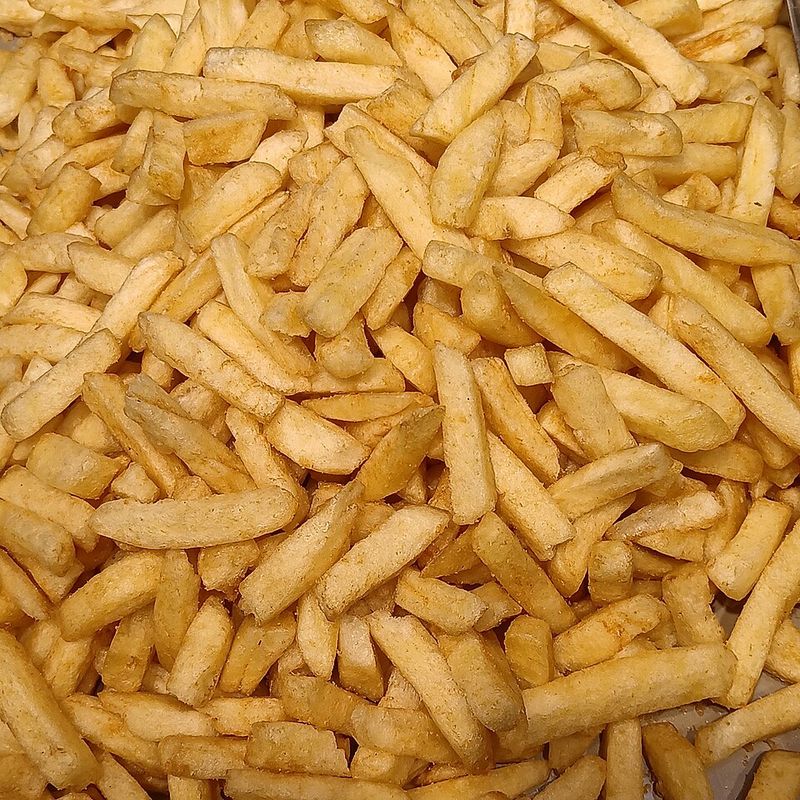
Frozen fries fill restaurant freezers because cutting fresh potatoes takes time and labor. These mass-produced products get par-cooked at factories, then frozen for distribution. The result lacks the fluffy interior and crispy exterior that fresh-cut fries deliver when prepared properly.
Oil quality determines whether fries taste clean and delicious or greasy and stale. Busy restaurants fry everything from chicken to onion rings in the same oil, creating flavor contamination. Old oil breaks down chemically, producing off-tastes and potentially harmful compounds. Many establishments don’t change oil frequently enough because fresh oil costs money.
Potato variety matters tremendously for fry quality. Russets work best, but frozen fries might use whatever potatoes cost least during processing. Seasoning happens inconsistently too, with some fries over-salted while others taste bland. Chefs understand that perfect french fries require fresh potatoes, clean oil at the right temperature, and proper double-frying technique. Restaurant versions rarely meet these standards, making homemade fries far superior.
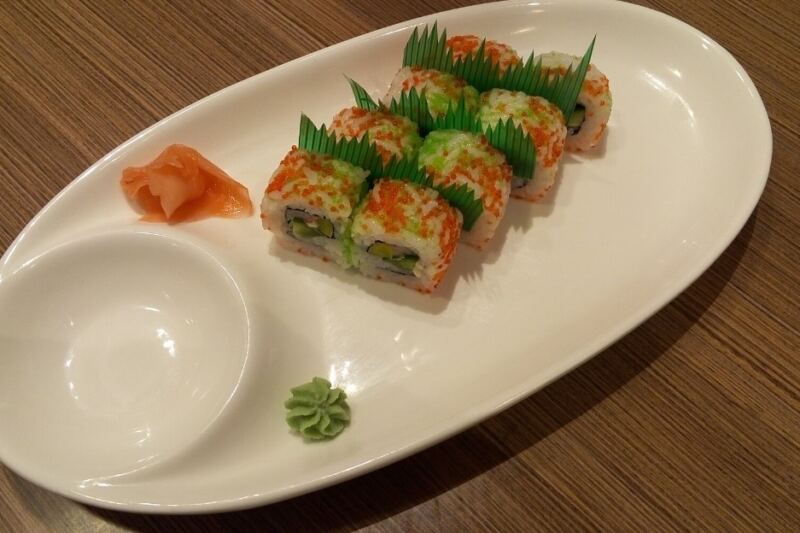
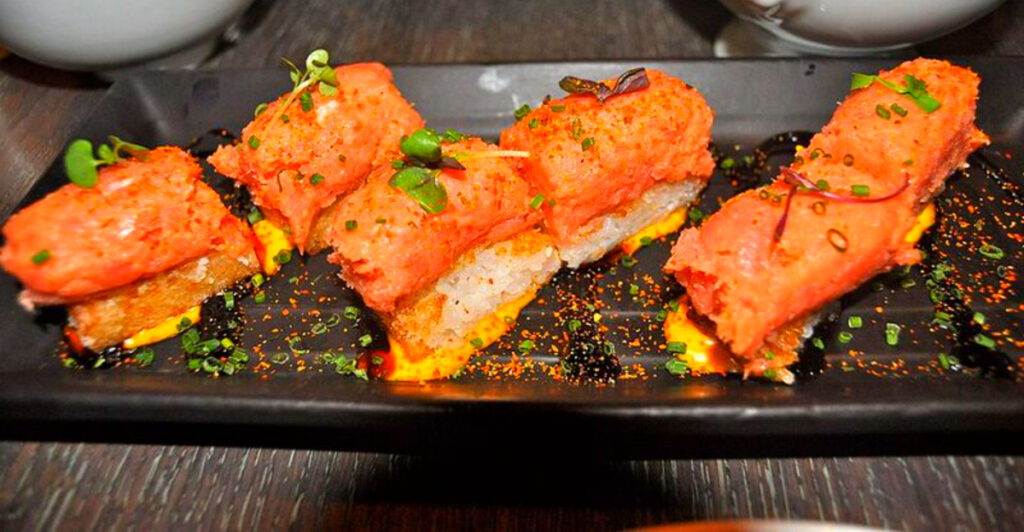
13. Tuna Tartare or Sushi Rolls
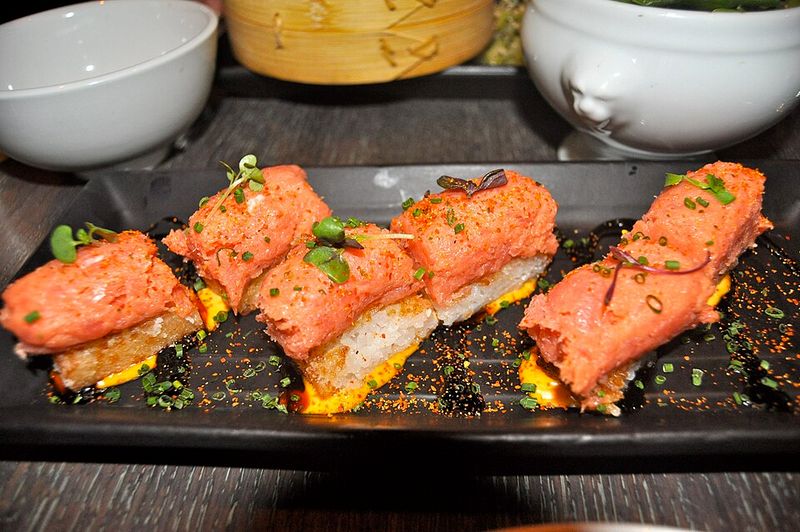
Raw fish demands impeccable sourcing and handling. Outside dedicated sushi restaurants, chefs worry constantly about freshness and proper storage. Tuna needs to be sushi-grade, meaning it’s been frozen to specific temperatures that kill parasites. Not all restaurants follow these protocols carefully.
Supply chain transparency becomes crucial with raw fish. Where did the tuna come from? How long has it been out of water? Was it handled properly at every step? General restaurants often can’t answer these questions satisfactorily. They might source fish from the same suppliers as cooked items, without the specialized relationships that sushi restaurants maintain with trusted vendors.
Temperature control throughout storage and preparation determines safety and quality. Fish sitting too long at improper temperatures becomes dangerous to eat. Cross-contamination risks increase in kitchens not designed specifically for raw fish preparation. Professional chefs understand these dangers intimately. Unless they’re at a respected sushi restaurant, they skip raw fish entirely rather than risk foodborne illness or disappointing flavor from inferior products.
Share this story