If you grew up in the 1980s, you remember a kind of freedom that taught lessons no app can replicate. Days stretched long, packed with scrapes, mixtapes, and the thrill of figuring things out without a screen. You learned to wait, to negotiate, to be brave when nobody was watching. Ready to revisit the gritty, character building habits worth bringing back for kids today?
1. Unsupervised Outdoor Play
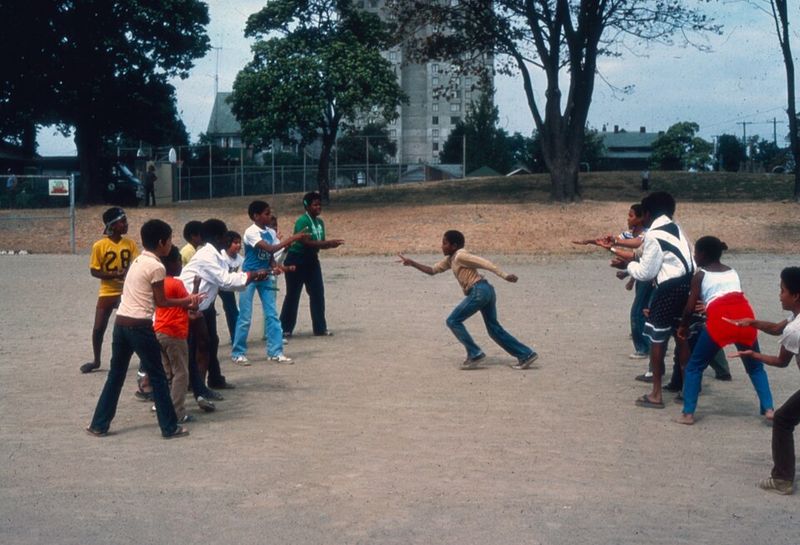
Outside was the default setting. You left the house after breakfast, promised to be back by dinner, and filled the space with imagination and risk. You learned to gauge danger, navigate new streets, and trust your instincts.
Games were invented on the fly, with rules negotiated in the dirt. Scrapes and rips were trophies, not crises. You learned resilience and accountability because there was nobody to solve problems but you and your friends.
Today, you can recreate it in smaller doses. Start with a defined boundary and a meet up time. Confidence grows with every step.
2. Creating Mixtapes

Mixtapes demanded patience and intention. You hovered by the radio, finger on record, praying the DJ would not talk over the intro. Curating tracks taught sequence, mood, and how to tell a story without words.
You learned to listen deeply. Every song had to earn its spot, and every transition mattered. Sharing a tape felt vulnerable and personal, like sending a letter your heart wrote.
Try recreating the ritual today. Limit yourself to one take and no edits. The discipline of constraint is the soul of taste.
3. Riding Bikes Independently
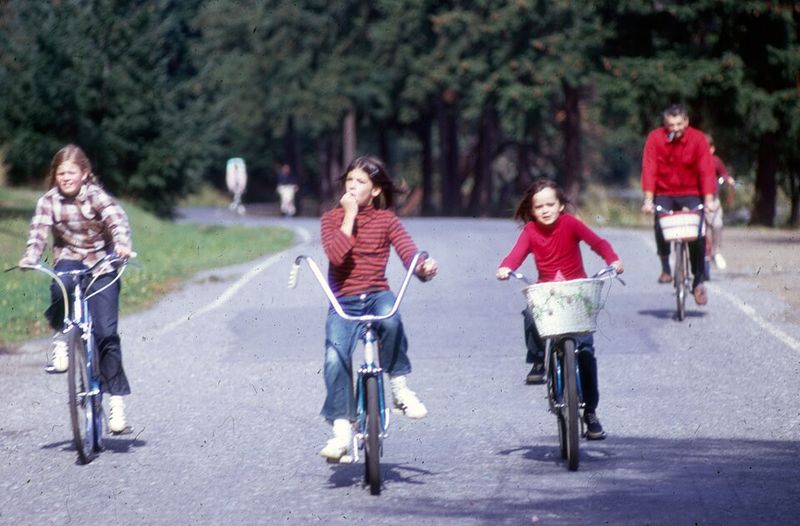
A bike was freedom and responsibility in one. You learned to maintain it, plan routes, and read traffic like a language. With no phone to summon rescue, you solved problems where they happened.
Independence showed up in small choices. Should you take the hill or go around. Which shortcut gets you home before the streetlights.
Start with a ride to the park, then the store, then across town. A lock, a basic repair kit, and a plan are enough. Confidence grows with miles.
4. Playing Arcade Games
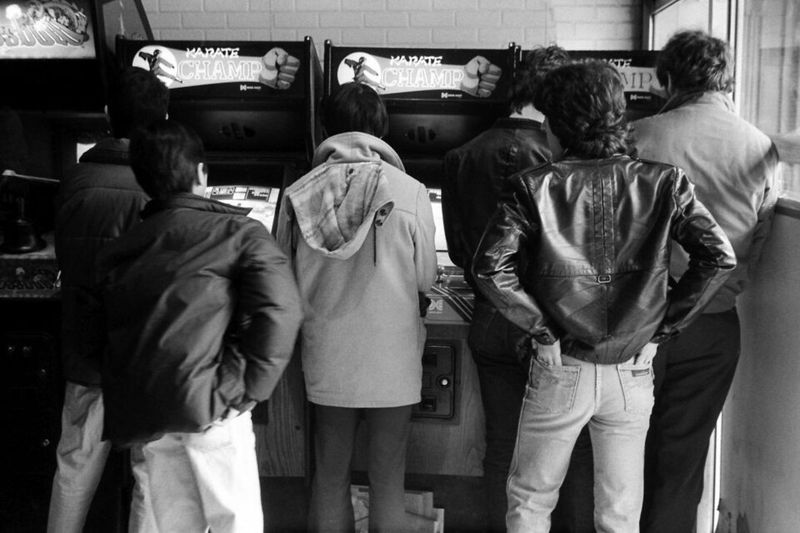
Arcades taught you to budget quarters and attention. Every life mattered, so you learned patterns, patience, and the discipline to try again without whining. High scores were earned on skill, not microtransactions.
You studied others to improve. Strategies passed by watching hands and timing. Losing publicly trained composure and grit.
Recreate the spirit by setting stakes you feel. One shot, three lives, no continues. The pressure teaches presence and the value of practice more than unlimited retries ever will.
5. Handwriting Letters

Letters slowed you down enough to mean what you said. You chose paper, weighed words, and accepted the wait. Feelings became clearer when you had to write them carefully.
Receiving mail felt like opening a door. You kept notes in shoeboxes because they carried voice and presence across distance. That permanence shaped accountability.
Try a monthly letter ritual. One page, honest and specific, stamped and mailed. The practice builds empathy and strengthens relationships that text threads skim over too quickly.
6. Using Public Libraries
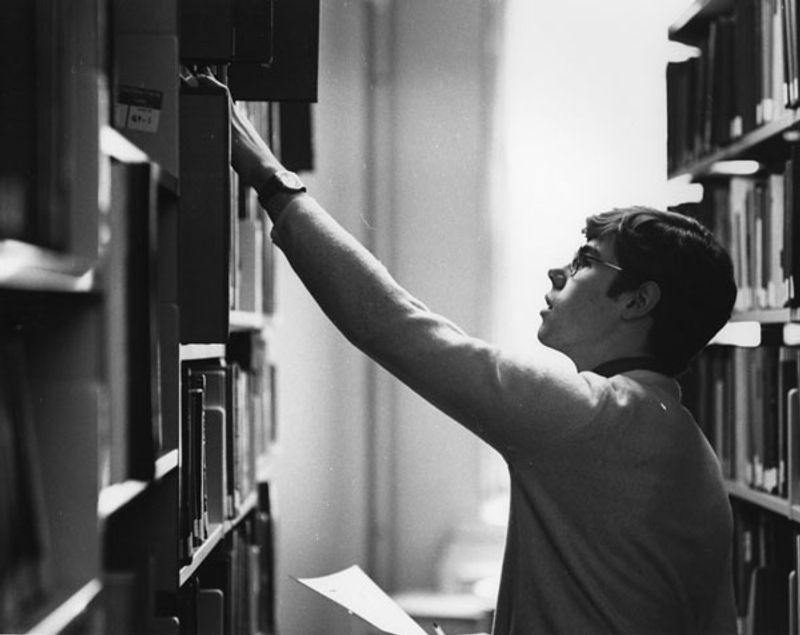
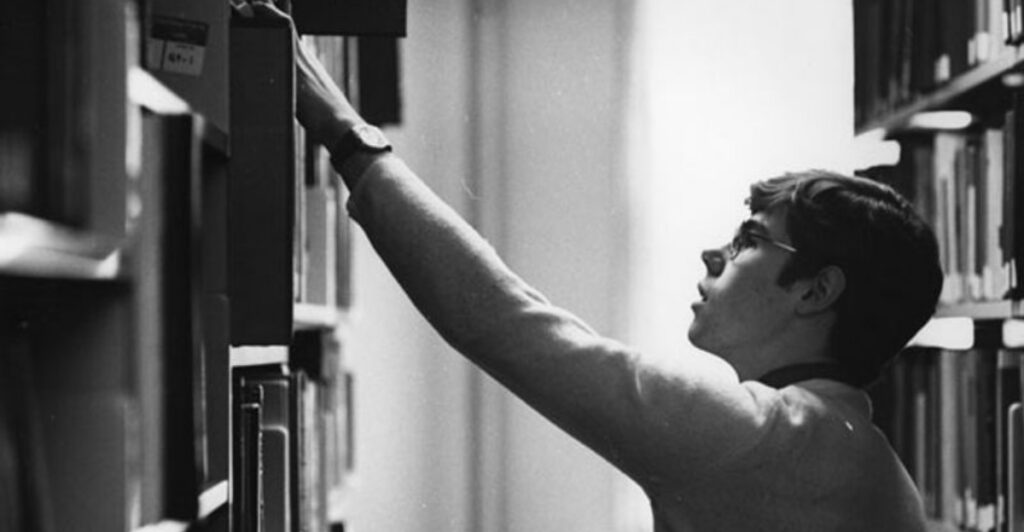
The card catalog was a treasure map. You learned to decode author, subject, and title cards, then walked the stacks to find what you needed. That little hunt rewarded patience and sharpened focus without constant alerts.
Librarians guided, but never hovered. You developed curiosity by following threads, discovering books you did not know to search for. Serendipity flourished in the aisles.
Bring kids to browse without a plan. Let hands pull what curiosity chooses. Mastering simple systems builds confidence that translates to every kind of research.
7. Engaging in DIY Projects
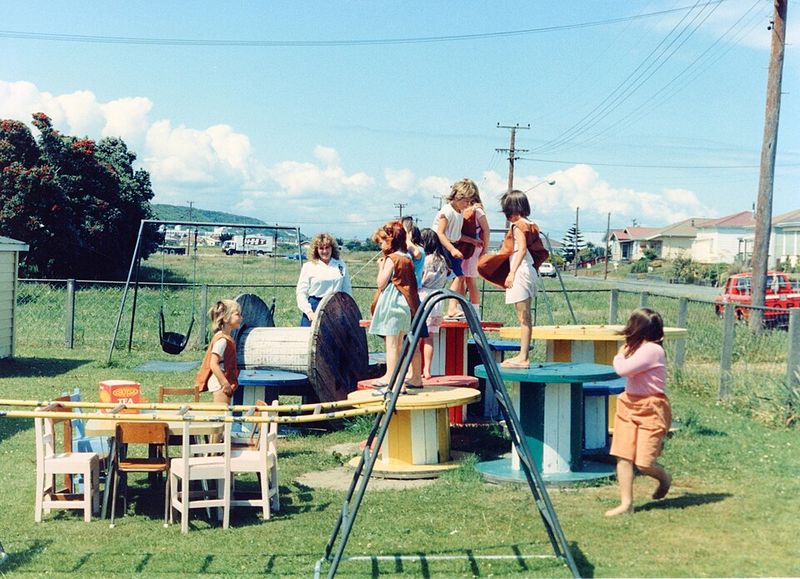
DIY was not a fad. It was how you stretched money, solved problems, and learned patience. Fixing a toaster or building a skateboard taught planning, measurement, and that mistakes are not final.
Instructions were sketchy, parts mismatched, and you improvised. That tinkering sparked creativity and confidence you could carry anywhere. The finished project felt earned.
Start small. Replace a battery terminal, patch drywall, or rebuild a wobbly chair. Progress is the reward, and the lesson sticks because your hands learned it.
8. Managing Money with Cash

Cash made money feel real. You counted bills, felt coins, and watched them leave your hand. Budgeting was tactile, which made choices stick.
Lawn mowing money got divided into jars: spend, save, give. Prices were negotiated and trade offs felt immediate. You learned to wait for what mattered.
Teach it with envelopes today. Weekly allowance in cash, tracked in a notebook, no rounding. The friction curbs impulse and builds discipline better than tap to pay ever could.
9. Participating in Unstructured Play
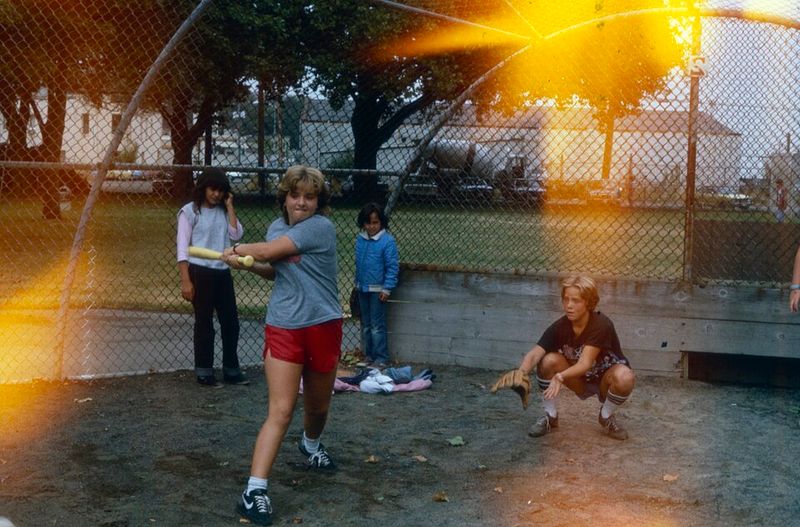
Unstructured play was a masterclass in leadership and compromise. You chose teams, invented rules, and adjusted when disagreements popped up. No adult referee meant your voice mattered.
Conflicts were solved face to face. Empathy grew alongside competitiveness. You learned how to lose, how to win, and how to keep friends through both.
Bring it back with open afternoons. Provide space and simple gear, then step aside. The best social skills grow when kids own the game.
10. Respecting Authority Figures
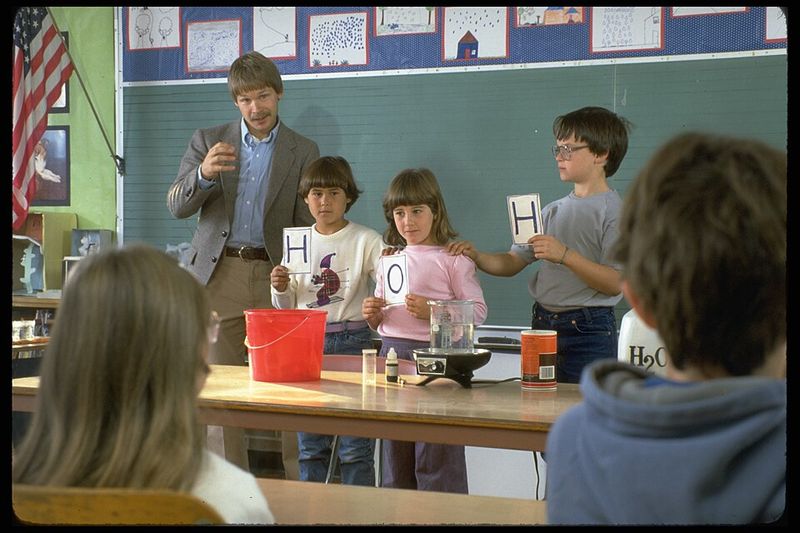
Respect started with clear expectations and consistent follow through. Teachers and parents rarely negotiated every rule. You learned to listen first, question thoughtfully, and accept consequences.
Structure created safety. Boundaries made room for independence within them. Courtesy was practiced daily with please, thank you, and eye contact.
Balance it today with healthy dialogue. Teach when to challenge and when to comply. Respect becomes a two way street that still anchors discipline.
11. Waiting Without Instant Answers
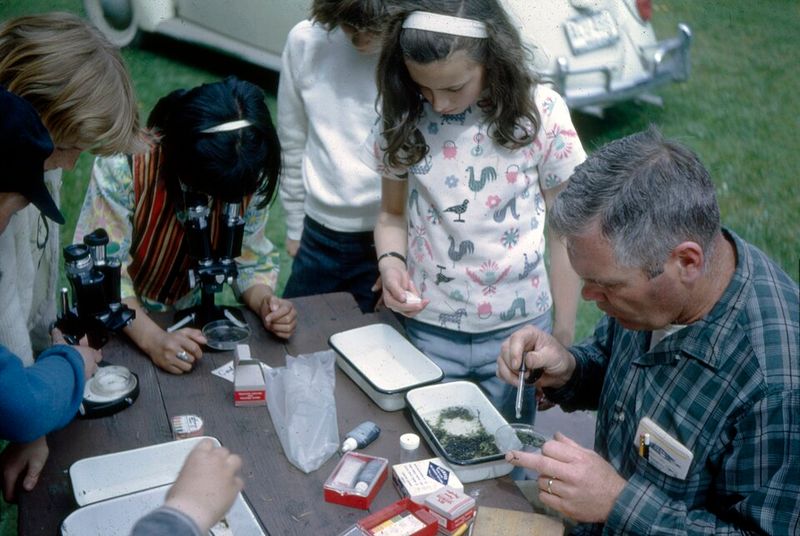
You waited for shows, for film to develop, for rides to arrive. The pause taught patience, planning, and a little magic in anticipation. Not everything needed an instant answer.
When you could not Google it, you guessed, debated, checked the encyclopedia, or asked a neighbor. Curiosity stretched longer and deeper.
Practice delayed gratification now. Batch questions for later research, set timed waits, and enjoy the reveal. Patience builds focus that algorithms keep eroding.
12. Neighborhood Responsibility

Neighbors watched out for each other and for you. Paper routes, babysitting, and returning tools built reputation you earned slowly. Reliability became your signature.
Accountability was local and personal. If you messed up, someone told your parents before you got home. That pressure taught honesty and follow through.
Recreate a small circuit of trust. Offer help, keep promises, and show up on time. Community is built transaction by transaction, and kids learn by doing.
Share this story