Ready to unwrap the quirkiest side of Christmas? From prankish logs to candlelit processions, the season’s most beloved customs reveal how joy travels across cultures. You will discover playful rituals, soulful feasts, and street parades that turn winter nights into warm memories. Keep reading to find a new favorite tradition you might borrow this year.
Christmas Pickle — Germany & Beyond
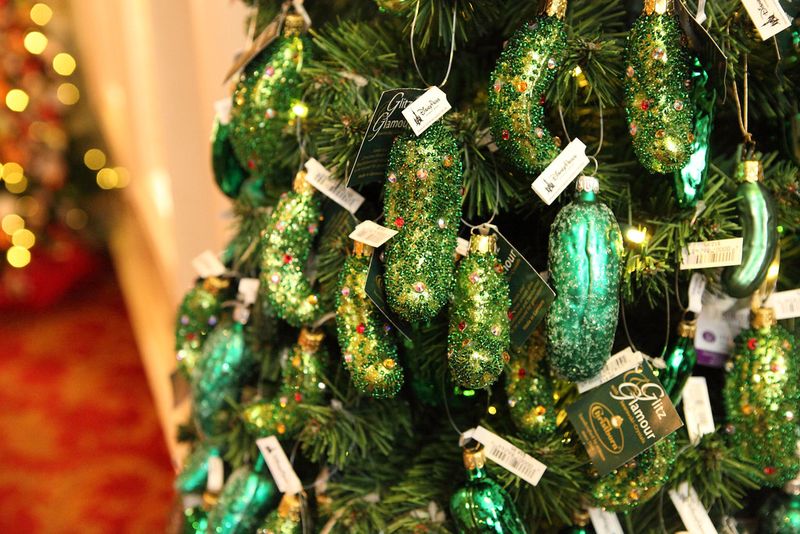
Some families tuck a green glass pickle deep in the Christmas tree, daring the keenest eyes to find it first. On Christmas morning, the search becomes a playful contest that sparks laughter, whispers, and triumphant shouts. The lucky finder wins a small present or a year of good fortune, turning curiosity into a tradition you can feel.
People say this custom came from Germany, though historians debate the origin and marketing likely helped spread it. Regardless, the pickle thrives wherever families love a good holiday game. You can hide yours sneaky low or right near the trunk, and watch how quickly strategy becomes part of the fun.
Try setting gentle rules so everyone gets a fair chance, especially younger kids who want a turn. You might dim the lights for drama, then switch them on for the big reveal. If you prefer, hide multiple tiny pickles and let everyone claim a surprise. It is silly, festive, and oddly suspenseful, a memory maker that fits any tree.
Caga Tió — Catalonia, Spain
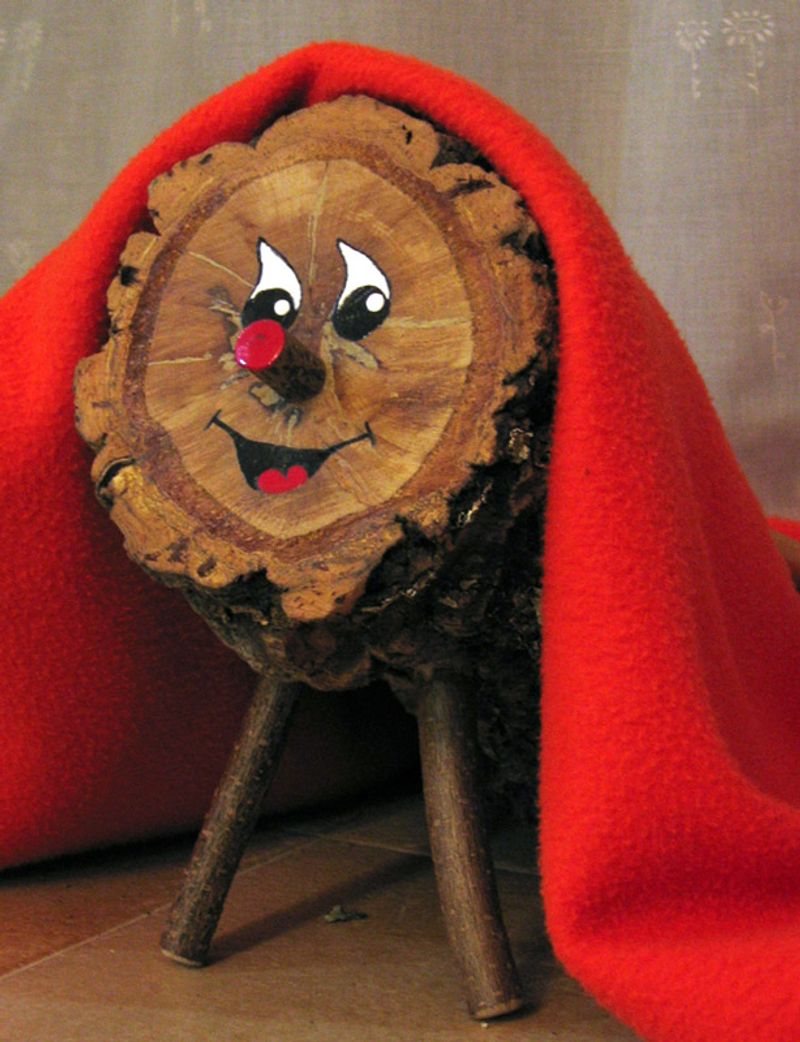
Meet Caga Tio, the cheerful log that families in Catalonia tuck under a cozy blanket and feed each night. You sprinkle scraps, sing to him, and nurture the silly idea that kindness makes magic possible. On Christmas Eve, children tap him with sticks and chant playful songs, hoping the log will poop sweets and tiny gifts.
It sounds hilarious, and that is part of the point. Humor softens winter’s chill and strengthens bonds with shared giggles. The ritual honors generosity, patience, and the thrill of anticipation, as if care over many days blooms into sugary surprises.
If you want to try it at home, make a friendly face for your log and craft a simple red hat. Keep the beat gentle so excitement does not become chaos, and save the candy reveal for a dramatic finale. You will be blending folklore, family theater, and chocolate bliss. It is playful, warm, and unmistakably Catalan.
St. Lucia Day — Sweden
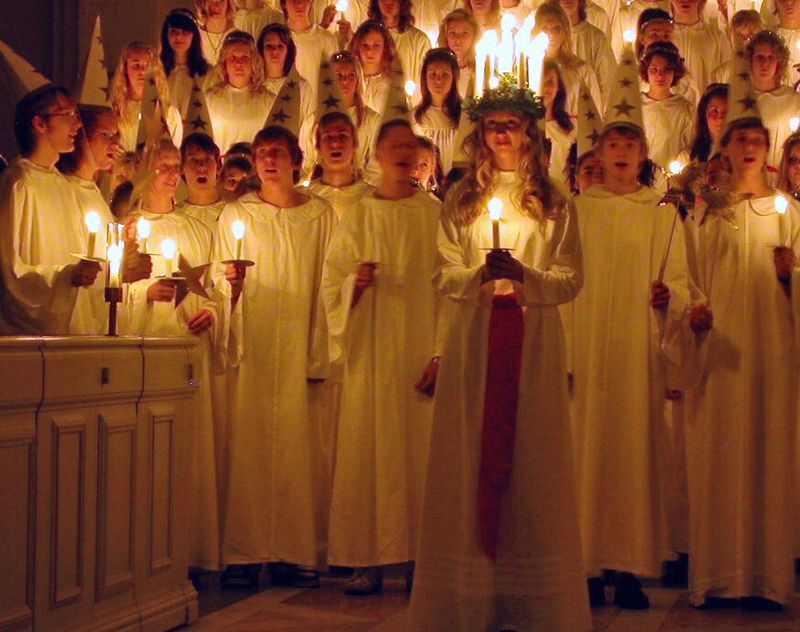
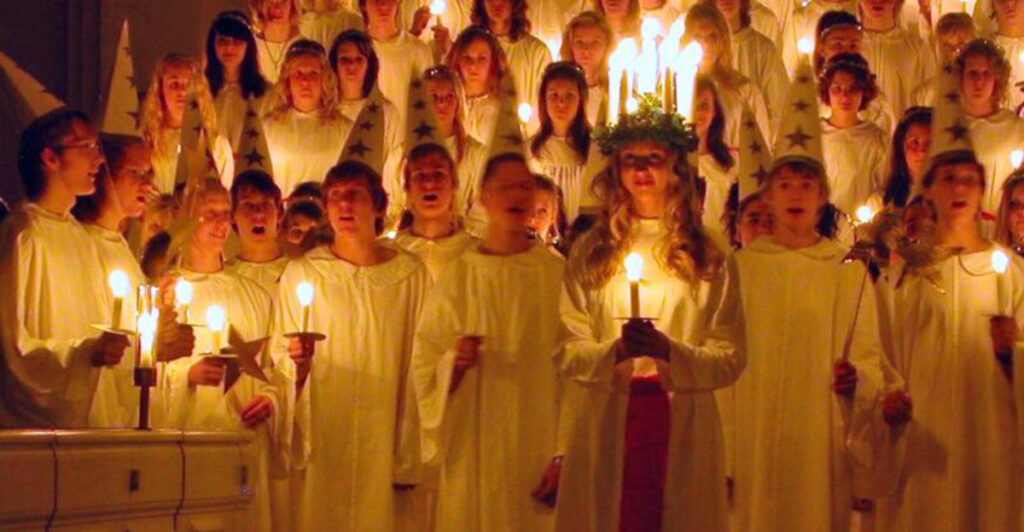
On December 13, Sweden greets the dark with light through St. Lucia processions. Children in white robes sing gentle songs, and one child wears a glowing crown of candles. You feel the hush of winter break as music and flame promise warmth, compassion, and a path forward.
The tradition blends Christian homage to Saint Lucia with older midwinter symbols. Families share saffron buns called lussekatter and warm drinks that chase the chill. Schools and churches host processions that feel both communal and intimate, like a shared breath on a cold morning.
To bring this spirit home, wake early and light a few candles before sunrise. Share sweet bread and let the quiet do the heavy lifting. You are not performing so much as listening to winter’s stillness. The result is calm, gratitude, and a memory that glows long after the flames fade.
Wigilia — Poland’s Christmas Eve Supper
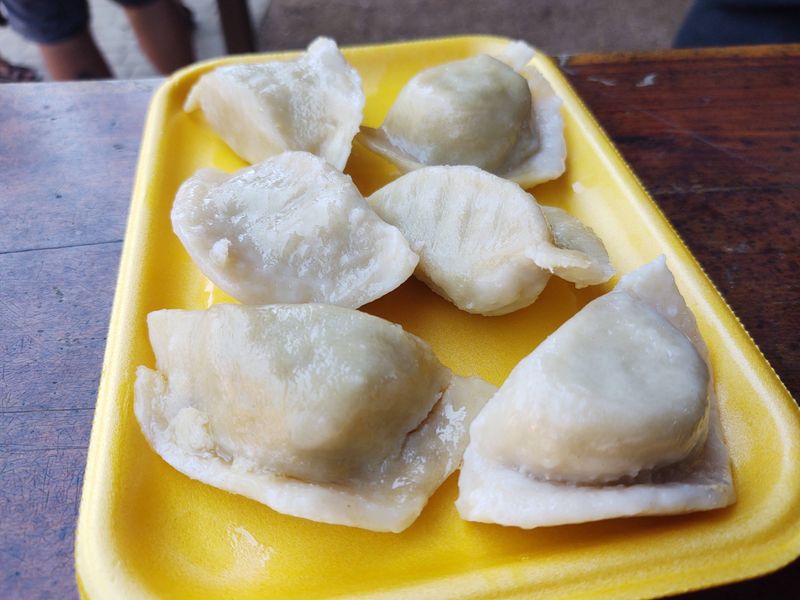
When the first star appears, Polish families begin Wigilia, a tender Christmas Eve vigil supper. You break oplatek wafers, share wishes, and set an extra place for unexpected guests. The table often hides hay beneath the cloth, recalling the manger and inviting humility and warmth.
Tradition calls for a meatless feast, sometimes twelve dishes symbolizing the apostles or months. Think barszcz with uszka, carp, pierogi, and makowiec, each recipe steeped in memory. After dinner, many attend Pasterka, the Midnight Mass, stepping from candlelit dining into a starry winter night.
Host your own by dimming lights, playing carols softly, and encouraging everyone to speak blessings aloud. Keep phones away so quiet conversation can blossom. You will taste more than flavors here; you will taste welcome, patience, and the joy of waiting together. That is Wigilia’s heart.
Pikkujoulu — Finnish Little Christmas Parties
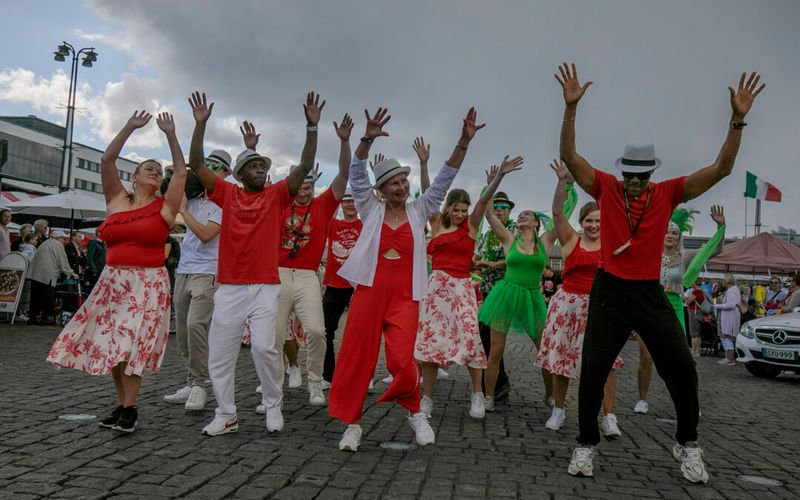
Pikkujoulu kicks off Finland’s season with playful pre-Christmas parties. Workplaces, friend groups, and clubs host gatherings filled with glogi, singalongs, and goofy speeches. You loosen up before the big holiday, trading stress for sparkly lights and cheeky inside jokes.
Expect potluck treats, lighthearted awards, maybe a surprise guest in a red suit. Karaoke is common, as are small gifts or prank poems. The point is togetherness without pressure, a warm-up that sets the tone for deeper family celebrations later.
Plan your own by inviting a mix of friends and setting a cozy dress code. Serve spiced drinks and keep games inclusive, so shy guests feel seen. You could even make a mock awards list and toast the year’s unsung heroes. It is easy, festive, and very Finnish in spirit.
Klausjagen — Switzerland’s St. Nicholas Chase
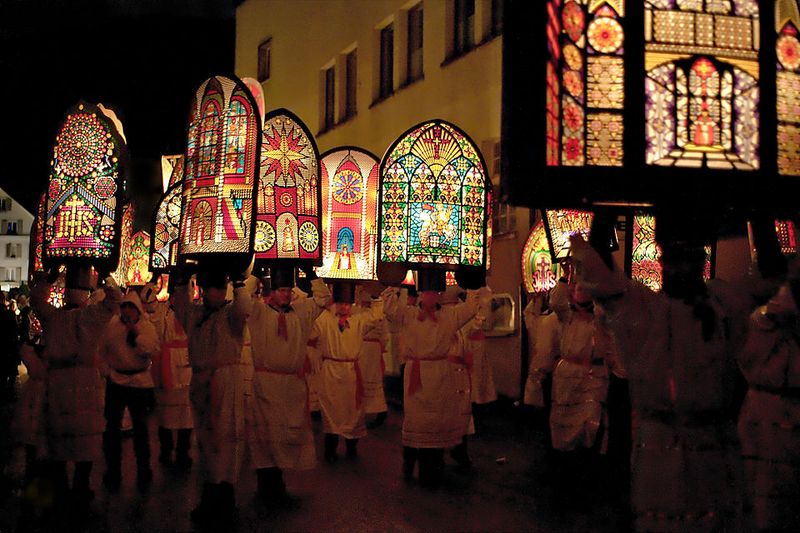
On the eve of Saint Nicholas Day, Küssnacht roars to life with Klausjagen. You hear clanging bells, deep horn blasts, and see towering illuminated paper hats carving light into the dark. Saint Nicholas leads the procession while attendants and costumed marchers stir ancient energy.
The tradition has folkloric roots that likely predate Christianity, later woven into seasonal ritual. It feels fierce yet welcoming, a cleansing noise that pushes winter’s gloom aside. Spectators line streets as rhythmic sound shakes the night like thunder.
If you visit, dress warmly and arrive early for a good view. Respect boundaries, since performers carry heavy gear and need space to move. Let the vibrations roll through your chest and consider how communities invent brightness. Klausjagen turns cold air into celebration you can feel in your bones.
Mummering — Newfoundland & Parts of Europe
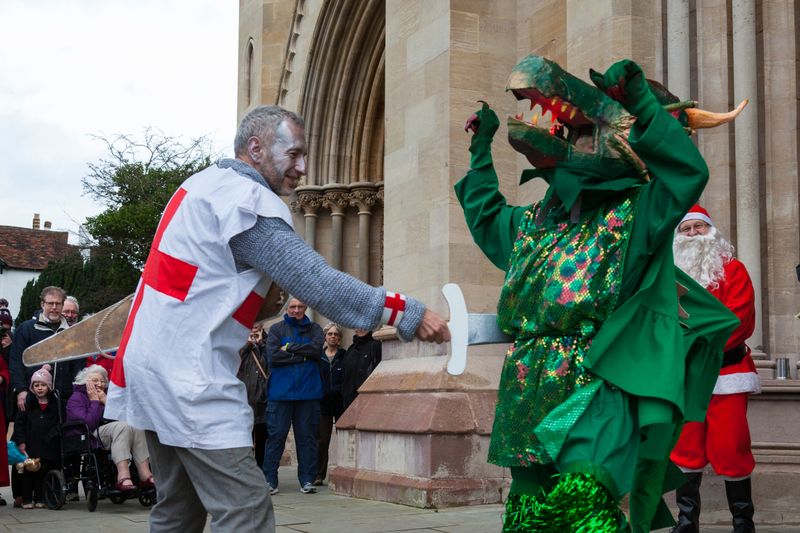
Mummering invites disguise, music, and friendly mischief during the twelve days of Christmas. You bundle into odd costumes, mask your voice, and knock on neighbors’ doors. Inside, there is dancing, accordion tunes, and riddles as hosts try to guess who you are.
The custom spans Newfoundland, Ireland, and parts of the UK, with local flavors everywhere. It celebrates hospitality and wit, letting communities playfully bend normal rules. When a guess finally lands, everyone laughs and shares treats and a warming drink.
To try a gentle version, set safety rules and keep visits planned or invited. Use cheerful costumes and lighthearted jokes, never pranks that cross lines. You are aiming for camaraderie, not confusion. The magic lives in shared performance and the joy of being delightfully unrecognizable for one winter night.
The Caganer — Catalan Nativity Figure
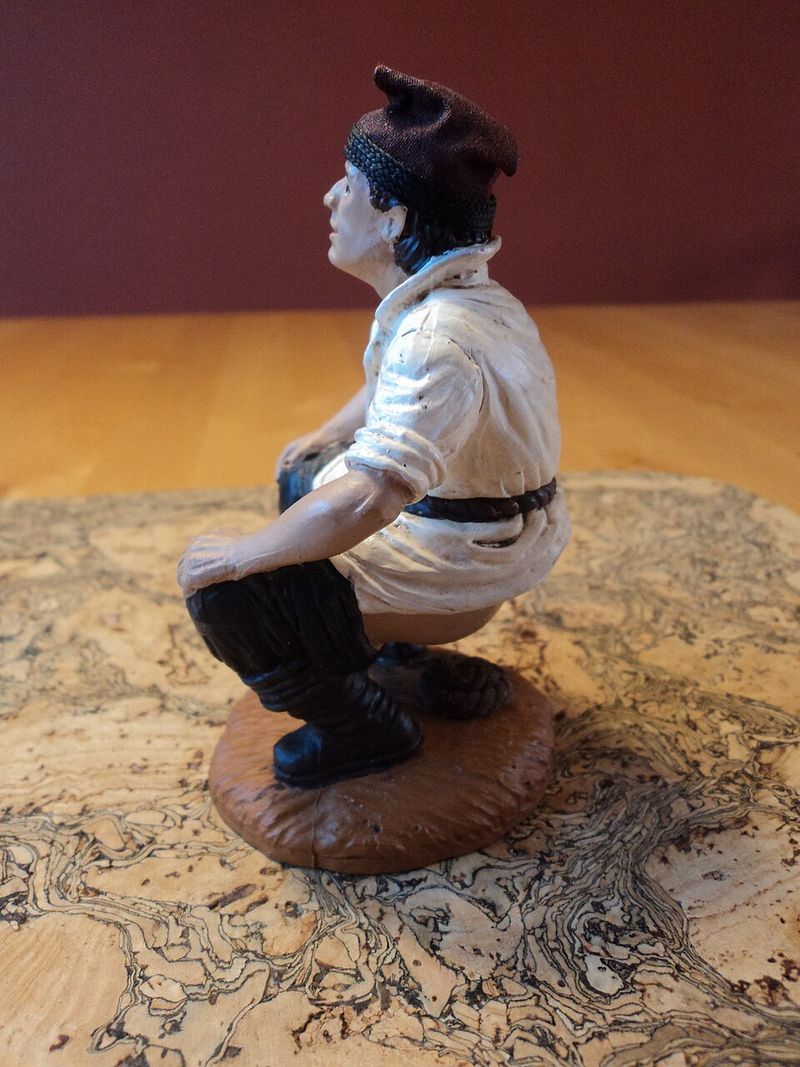
In Catalan nativity scenes, a tiny squatting figure called the Caganer hides among shepherds and kings. You spot him last and laugh, then consider what the joke means. Locals see fertility, humility, and good fortune in the earthy reminder that life is both sacred and human.
Artisans craft classic peasants and modern celebrities alike, turning the figure into social commentary. Children giggle while grandparents debate placements, sneaking him behind a cork hill or tree. Humor softens solemnity without stealing its heart.
Add one to your set and you will feel the tableau relax a bit. The scene becomes more real, grounded, and oddly tender. You remember that celebration welcomes every part of life, not only the polished parts. It is cheeky, yes, but also a blessing wrapped in a grin.
La Befana — Italy’s Christmas Witch
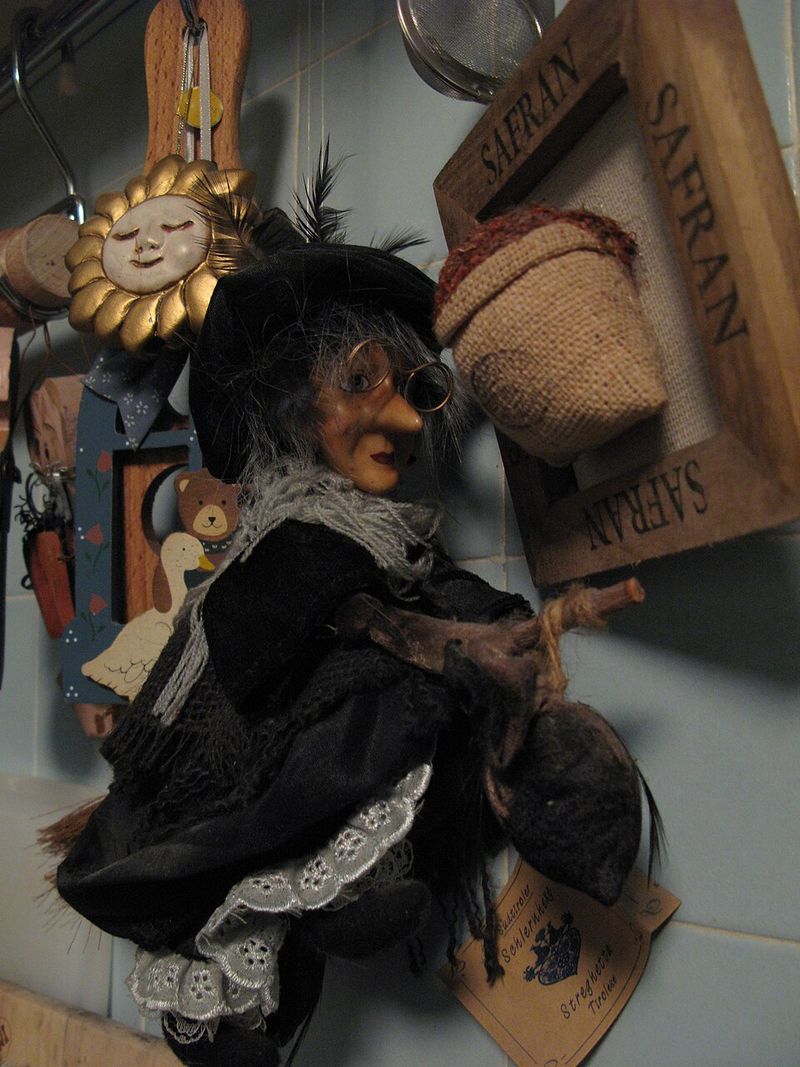
On January 6, Italy welcomes La Befana, the kindly witch who rides her broom on Epiphany night. Children hang stockings, leave snacks, and hope for sweets or playful coal. You can feel the city squares hum with music, stalls, and legends that refuse to fade.
Stories say she missed the Magi once, then spent forever searching and gifting children she meets. Towns like Urbania host parades, while Venice stages a whimsical regatta of Befane. It is joyful and slightly spooky, like folklore wearing a velvet cape.
Join by baking simple cookies, filling stockings, and reading a short poem before bed. Keep mischief gentle and generosity wide. The morning brings candy, laughter, and the sense that kindness took flight overnight. La Befana keeps wonder alive after the tree’s glow begins to dim.
Chichilaki — Georgia’s Traditional Christmas Tree
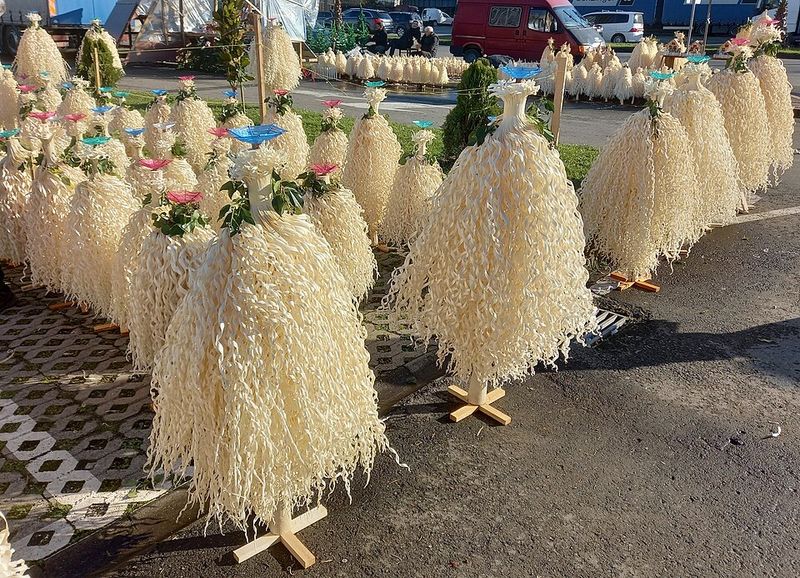
Georgia’s chichilaki rises like a pale, frilled fountain made from shaved hazelnut or walnut branches. You decorate it with fruits and berries, symbols of life and renewal. Its delicate curls catch candlelight, offering a peaceful alternative to evergreen grandeur.
The tree carries layered meanings, from pre-Christian rites to Christian hope. After Epiphany, families burn the chichilaki to release the old year’s burdens. Ash floats away, and with it go worries you were ready to let go.
Create your own by carving thin shavings and arranging them upward like a soft plume. Keep ornaments natural and the palette gentle. The ritual is calm, mindful, and satisfying, a winter meditation you can hold in your hands. When the season ends, closing the circle feels quietly brave.
Sinterklaas — The Dutch Christmas Gift Bringer
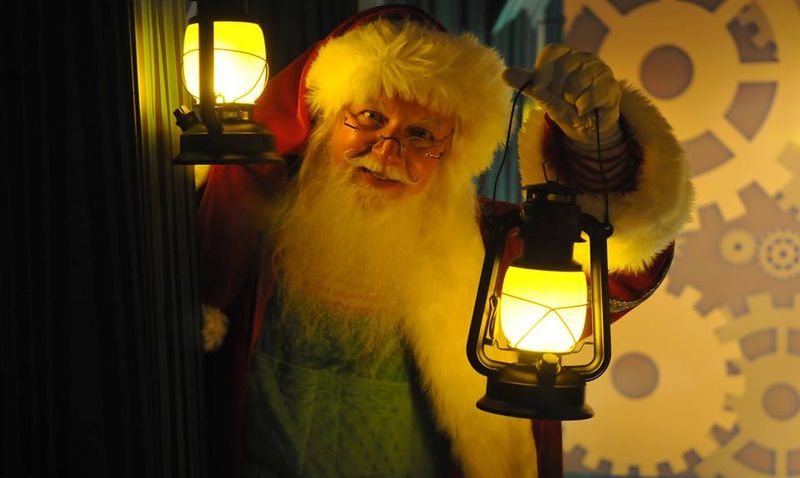
In the Netherlands, Sinterklaas arrives by boat and rides a white horse through town. Children place shoes by the radiator with carrots for the horse, hoping for sweets. You hear clattering hooves in stories and feel anticipation stretch deliciously across December evenings.
Families exchange playful poems and jokey gifts that hide inside elaborate surprises. Pieten assist with deliveries, and songs fill kitchens that smell like speculaas. It is theatrical and witty, making generosity feel like a clever game.
Join by crafting rhymes that tease kindly and reveal affection. Slip chocolate letters and spiced cookies into shoes. You will find that waiting becomes half the fun, a daily spark that lights the longer nights. Sinterklaas keeps wonder nimble and neighborly.
Christmas Markets and Seasonal Parades — Worldwide
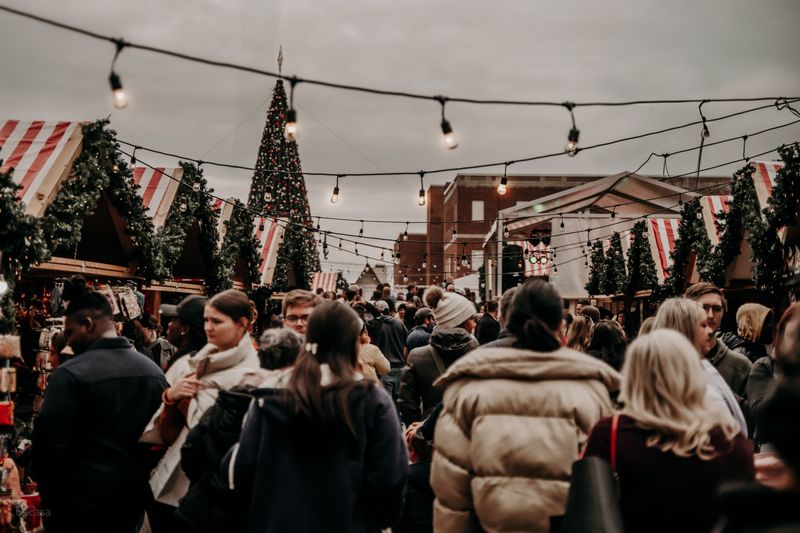
Across cities big and small, Christmas markets turn plazas into glowing villages. You wander wooden stalls sipping mulled wine and tasting treats, while carols thread the air. Handcrafted gifts, warm scarves, and friendly chatter make the cold feel almost optional.
Parades add movement to the magic, from brass bands to lantern floats. Each city remixes tradition into its own soundtrack and aroma. Germany’s Weihnachtsmarkte set the template, but you will find spirited versions from Prague to Chicago.
Plan your visit by arriving early for daylight browsing, then staying for the lights. Keep hands free for snacks and snapshots, and pace yourself through the crowd. You will carry home more than souvenirs: a mood, a rhythm, and a sense of winter shared. That is the market’s true gift.
Share this story