Unearth the Voyage
  • HOME
  • TRAVEL
  • REVIEWS
  • Culture
  • History
  • Nostalgia
  • HOME
  • TRAVEL
  • REVIEWS
  • Culture
  • History
  • Nostalgia
  • HIKING
  • NATIONAL PARKS
  • FLOAT TRIPS
  • HIKING
  • NATIONAL PARKS
COUNTRIES
  • INDONESIA
  • MEXICO
  • SOUTH KOREA
  • United States
  • Europe
UNITED STATES
  • ARIZONA
  • ARKANSAS
  • CALIFORNIA
  • COLORADO
  • ILLINOIS
  • KENTUCKY
  • MISSOURI
  • MONTANA
  • OKLAHOMA
  • UTAH
  • WYOMING
  • Products
  • Reviews
  • Pop Culture
Unearth the Voyage

Explore by state

Where to next?

All states

Northeast

  • Connecticut 36
  • Delaware 181
  • Maine 70
  • Maryland 145
  • Massachusetts 1,016
  • New Hampshire 167
  • New Jersey 1,905
  • New York 307
  • Pennsylvania 913
  • Rhode Island 145
  • Vermont 47

Southeast

  • Alabama 60
  • Arkansas 189
  • Florida 1,888
  • Georgia 257
  • Kentucky 64
  • Louisiana 153
  • Mississippi 113
  • North Carolina 1,117
  • South Carolina 319
  • Tennessee 1,094
  • Virginia 191
  • West Virginia 177

Midwest

  • Illinois 1,073
  • Indiana 162
  • Iowa 125
  • Kansas 188
  • Michigan 1,466
  • Minnesota 824
  • Missouri 222
  • Nebraska 172
  • North Dakota 26
  • Ohio 1,061
  • South Dakota 21
  • Wisconsin 191

Southwest

  • Arizona 339
  • Colorado 246
  • Nevada 162
  • New Mexico 172
  • Oklahoma 2,046
  • Texas 454
  • Utah 53

West

  • Alaska 43
  • California 514
  • Hawaii 100
  • Idaho 193
  • Montana 189
  • Oregon 1,239
  • Washington 221
  • Wyoming 38

No state matches that search.

Site menu

Unearth the Voyage
  • HOME
  • TRAVEL
    • HIKING
    • NATIONAL PARKS
    • FLOAT TRIPS
    • HIKING
    • NATIONAL PARKS
    COUNTRIES
    • INDONESIA
    • MEXICO
    • SOUTH KOREA
    • United States
    • Europe
    UNITED STATES
    • ARIZONA
    • ARKANSAS
    • CALIFORNIA
    • COLORADO
    • ILLINOIS
    • KENTUCKY
    • MISSOURI
    • MONTANA
    • OKLAHOMA
    • UTAH
    • WYOMING
  • REVIEWS
    • Products
    • Reviews
  • Culture
    • Pop Culture
  • History
  • Nostalgia

Explore

  • Hiking
  • Float Trips
  • National Parks
  • Blog
  • About Unearth The Voyage
  • Contact Us

The Dispatch

One email a week: new routes, new tables, nothing filler.

Subscribe →
United States

Solar Storm Incoming: Geomagnetic Storm Watch Promises Auroras – and Tech Impacts

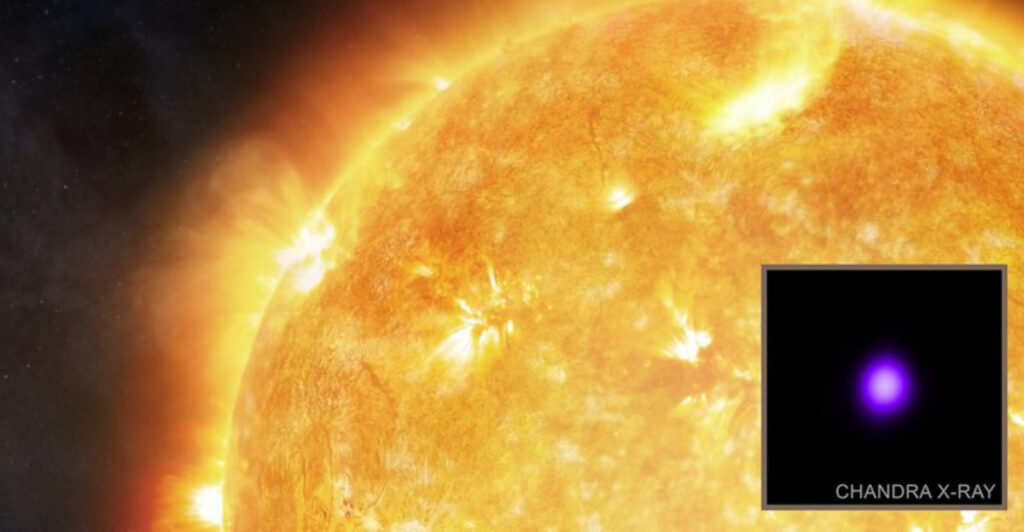
© Flickr A coronal mass ejection is a giant cloud of magnetized plasma blasted from the Sun, and one is currently barreling…

NR

By Nathaniel Rivers

12/14/2025 · 4 min read

Solar Storm Incoming: Geomagnetic Storm Watch Promises Auroras – and Tech Impacts
Solar Storm Incoming: Geomagnetic Storm Watch Promises Auroras - and Tech Impacts

A powerful solar storm is on the way, and the sky could put on a show while our tech feels the tremors. If you have ever wanted to see the aurora without a trip to the Arctic, this might be your chance. At the same time, satellites, GPS, and radio links could wobble as space weather ramps up. Here is what to know now so you can plan, protect gear, and maybe catch some unforgettable night sky color.
Solar Storm Sends Charged Cloud Toward Earth
© Flickr

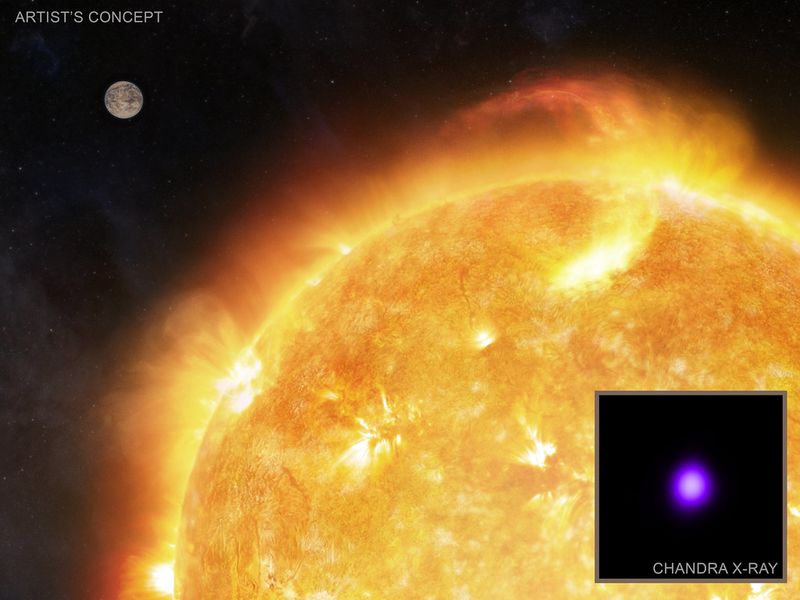
A coronal mass ejection is a giant cloud of magnetized plasma blasted from the Sun, and one is currently barreling toward Earth. When this charged cloud arrives, it can couple with our planet’s magnetic field and pump energy into the near-Earth environment. You can think of it like jostling a shield until it rings with extra currents that ripple through space and the upper atmosphere.

The Space Weather Prediction Center tracks these eruptions and issues watches so utilities and satellite operators can prepare. You might see alerts mentioning shock arrival windows, expected geomagnetic indices, and potential radio impacts. Those briefings guide actions like reorienting satellites, delaying sensitive maneuvers, and readying grid operators to manage induced currents.

For you, the headline is twofold: possible auroras and possible tech hiccups. If skies are clear and dark, you could witness curtains of green or crimson light spilling across the north. Stay tuned to swpc.noaa.gov for updates, solar wind speed, and the crucial interplanetary magnetic field direction, which often decides how strong the storm becomes.

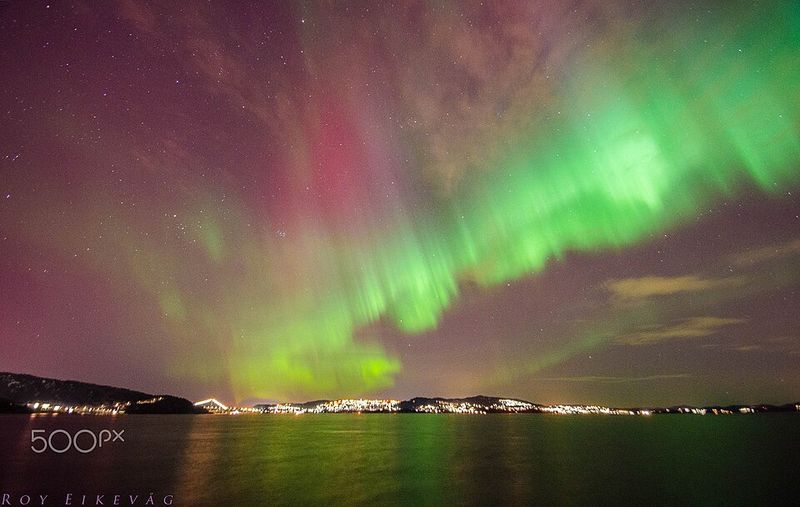
When solar particles stream down magnetic field lines and collide with atmospheric gases, they light up the sky as auroras. With a strong storm watch in play, the oval of activity can expand south, bringing color to places that rarely see it. If you live in Minnesota, Michigan, New York, Vermont, Oregon, or the northern plains, you may have a real shot.

Your best bet is simple: chase darkness, clarity, and open horizons. Head away from city lights, check cloud cover, and give your eyes 20 minutes to adjust. Look north first, but remember that overhead arcs can appear if the storm intensifies, and cameras often reveal color before your eyes do.

Timing matters, and so does the interplanetary magnetic field tilting southward. That southward orientation lets more energy couple into Earth’s magnetosphere, boosting auroral brightness and reach. Keep refresh ready on local forecasts and real time aurora dashboards so you can move quickly when a burst arrives.
Geomagnetic Storms Can Affect Technology
Image Credit: Roy Eikevåg, licensed under CC BY 3.0. Via Wikimedia Commons.

As beautiful as auroras are, the practical concern is technology. During a geomagnetic storm, the upper atmosphere becomes more ionized and dynamic, changing how radio waves travel and how satellites feel drag. GPS signals can scintillate, producing errors, while high frequency radio can fade or black out on the sunlit side.

Utilities care because geomagnetically induced currents can sneak into long power lines and transformers. Engineers watch storm scales from G1 to G5 to decide when to reconfigure loads, limit maintenance, or stand up response teams. Satellite operators may raise altitude estimates, switch modes, or delay burns to avoid unexpected drag and attitude disturbances.

For everyday users, navigation may bobble a few meters and aircraft may reroute radio plans. Mariners, pilots, and emergency services listen for advisories to adjust frequencies and procedures. Following official channels like SWPC lets you anticipate hiccups and avoid stress when devices act odd for a short stretch.

The Sun breathes in cycles, roughly every 11 years, swinging from quiet to hyperactive. We are in a lively phase, which explains the uptick in sunspots, flares, and CMEs. More activity means more auroras, more watches, and more reminders that space weather is a real system to track.

On the ground, you are safe. Earth’s magnetic field and atmosphere block the dangerous radiation, leaving mostly technical side effects to manage. History does include outliers, like the 1859 Carrington Event, but modern monitoring and mitigation give us tools our ancestors never had.

Think of this cycle as a seasonal pattern for the sky. When forecasts pop, you can prepare devices, charge batteries, and plan a quick dark sky trip. Keep an eye on swpc.noaa.gov so you can balance caution with wonder and catch the best nights without unnecessary worry.

Share this story

NR

Written by

Nathaniel Rivers

More from Nathaniel Rivers →

Latest stories

  • New HampshireA Real Navy Submarine Sits on Dry Land in New Hampshire, and You Can Go Inside

    A Real Navy Submarine Sits on Dry Land in New Hampshire, and You Can Go Inside

    9 min ago
  • IllinoisIllinois Has 4 Old Drive-Thru Root Beer Stands Where Carhops Still Bring Frosty Mugs Out

    Illinois Has 4 Old Drive-Thru Root Beer Stands Where Carhops Still Bring Frosty Mugs Out

    19 min ago
  • Pop CultureClassic R&B Singers With Falsettos You Recognize Instantly

    Classic R&B Singers With Falsettos You Recognize Instantly

    39 min ago
  • Destinations12 Donkey Sanctuaries Where Rescued Animals Get a Second Chance

    12 Donkey Sanctuaries Where Rescued Animals Get a Second Chance

    54 min ago
  • OklahomaHomemade Mozzarella and Stacked Stromboli Make Tulsa’s Cherry Street Pizzeria Worth the Trip

    Homemade Mozzarella and Stacked Stromboli Make Tulsa’s Cherry Street Pizzeria Worth the Trip

    1 hr ago

Explore by State

Narrow the map to the places you can actually drive to this weekend.

Keep exploring

Read next

All United States →
New HampshireA Real Navy Submarine Sits on Dry Land in New Hampshire, and You Can Go Inside
New Hampshire

A Real Navy Submarine Sits on Dry Land in New Hampshire, and You Can Go Inside

9 min ago
IllinoisIllinois Has 4 Old Drive-Thru Root Beer Stands Where Carhops Still Bring Frosty Mugs Out
Illinois

Illinois Has 4 Old Drive-Thru Root Beer Stands Where Carhops Still Bring Frosty Mugs Out

19 min ago
OklahomaHomemade Mozzarella and Stacked Stromboli Make Tulsa’s Cherry Street Pizzeria Worth the Trip
Oklahoma

Homemade Mozzarella and Stacked Stromboli Make Tulsa’s Cherry Street Pizzeria Worth the Trip

1 hr ago

More from United States

  • Snow Falls on the Slopes Before Thanksgiving at the Highest Ski Area in the East

    2 hr ago
  • This Tiny Michigan Bookstore Has Cozy Fireplaces, Reading Nooks, and a Sweet Surprise

    2 hr ago
Back to top

Leave a response Cancel

You must be logged in to post a comment.

Unearth the Voyage

An editorial atlas of places worth the detour — trails, tables and towns, filed from the road.

We may earn a portion of sales from products or services that are purchased through our site as part of our affiliate partnerships with retailers.

Explore

  • Destinations
  • Reviews
  • Pop Culture
  • Products
  • Food & Drink Travel
  • Travel Tips & Tricks

The Voyage

  • HOME
  • TRAVEL
  • REVIEWS
  • Culture
  • History
  • Nostalgia

Newsletter

Our week in routes, tables and detours — in your inbox every Friday.

Unsubscribe any time.

You are on the list. First dispatch lands soon.

© 2026 Unearth the Voyage. All rights reserved.

ABOUT CONTACT BLOG Disclaimer Privacy Policy Sitemap
Back to top