Our planet is home to millions of incredible creatures, but many are disappearing faster than scientists predicted. Climate change, habitat loss, and human activities are pushing some species to the edge of survival. Right now, researchers are racing against time to save animals that might vanish from Earth within our lifetimes. Learning about these endangered animals helps us understand why protecting wildlife matters for our future.
1. Vaquita
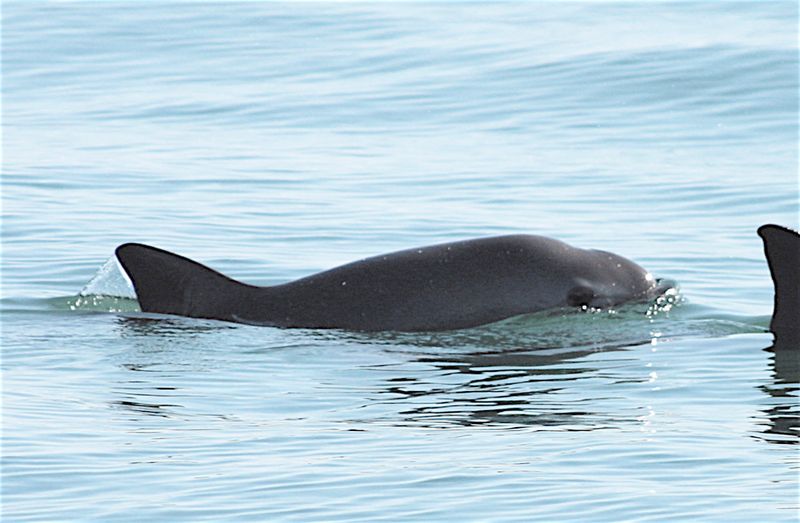
This tiny porpoise lives only in the Gulf of California and has become the world’s most endangered marine mammal. Fewer than 10 vaquitas remain in the wild, making every single individual precious beyond measure. Their small size and shy nature make them difficult to spot, even for experienced researchers.
Fishing nets designed to catch other species accidentally trap vaquitas underwater, where they cannot breathe. Despite fishing bans in their habitat, illegal operations continue threatening their survival. Conservation teams have tried relocating vaquitas to safer waters, but these attempts proved too stressful for the animals.
Scientists estimate that without immediate action, vaquitas could disappear completely within just a few years. Their plight shows how quickly human activities can push a species toward extinction. Protecting the vaquita requires international cooperation and stricter enforcement of fishing regulations in Mexican waters.
2. Burmese Roofed Turtle
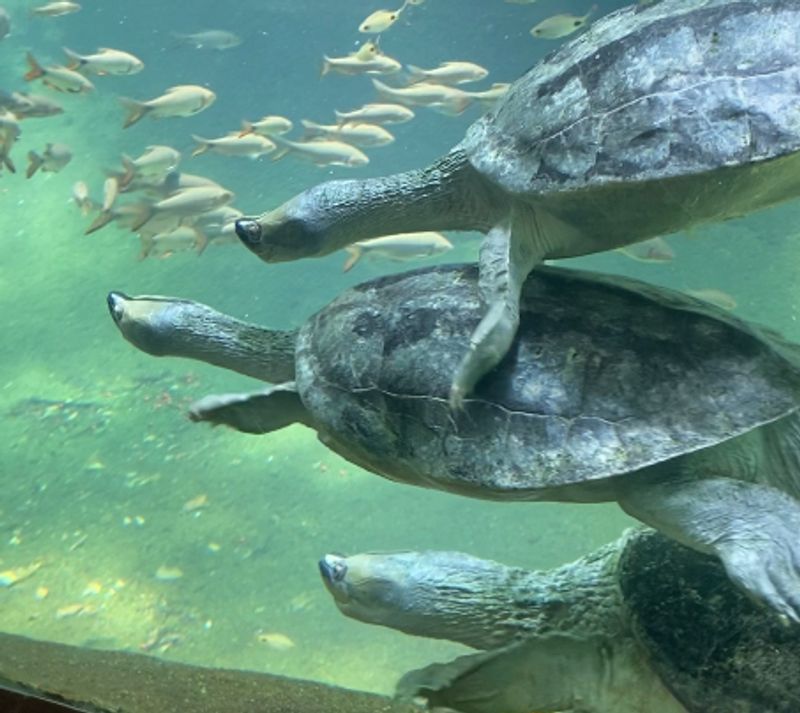
Once thought completely extinct, this remarkable turtle was rediscovered in 2001 hiding in remote river systems. Only a handful exist in the wild today, making it one of the planet’s rarest reptiles. The species gets its name from the high, rounded dome of its shell that resembles a roof.
River pollution and sand mining destroy the beaches where these turtles lay their eggs. Local people also collected their eggs for food, reducing breeding success to nearly zero. Conservationists now protect nesting sites and operate breeding programs to boost population numbers.
Adult Burmese roofed turtles can grow quite large, reaching weights over 50 pounds. Their long lifespan means each individual is valuable for maintaining genetic diversity. Captive breeding efforts have released dozens of young turtles back into protected rivers, offering hope that this ancient species might recover from the brink of disappearance.
3. Northern Sportive Lemur
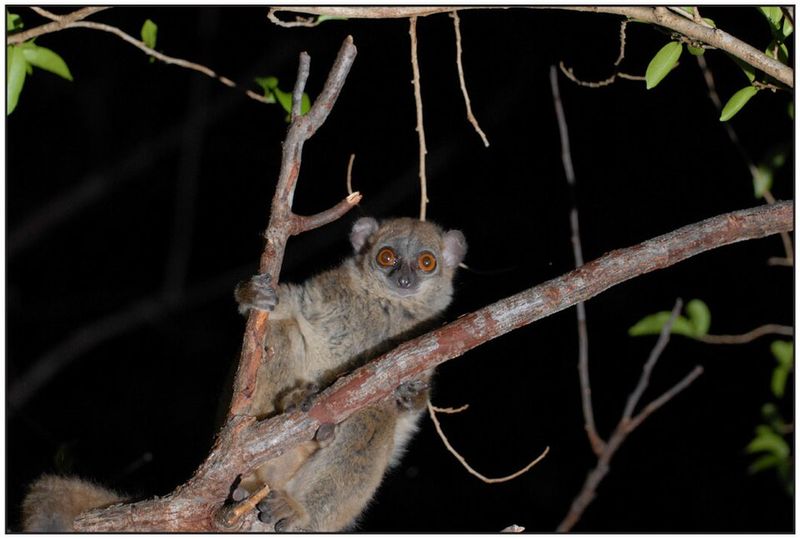
Madagascar’s forests shelter some of Earth’s most unique primates, and this little lemur ranks among the rarest. Scientists believe fewer than 50 individuals survive in tiny, isolated forest patches. Their habitat has shrunk dramatically as people clear trees for farming and charcoal production.
These nocturnal creatures spend nights leaping between trees searching for leaves to eat. Unlike many lemurs, they live mostly alone rather than in social groups. Their specialized diet means they cannot easily adapt to new environments when their forest homes disappear.
The northern sportive lemur’s small population size creates serious genetic problems that threaten their long-term survival. Each forest fragment holds just a few individuals who rarely encounter others of their kind. Conservation groups work with local communities to protect remaining forest patches, but time is running out. Without expanded protected areas, this species faces extinction within the next decade.
4. Javan Rhino
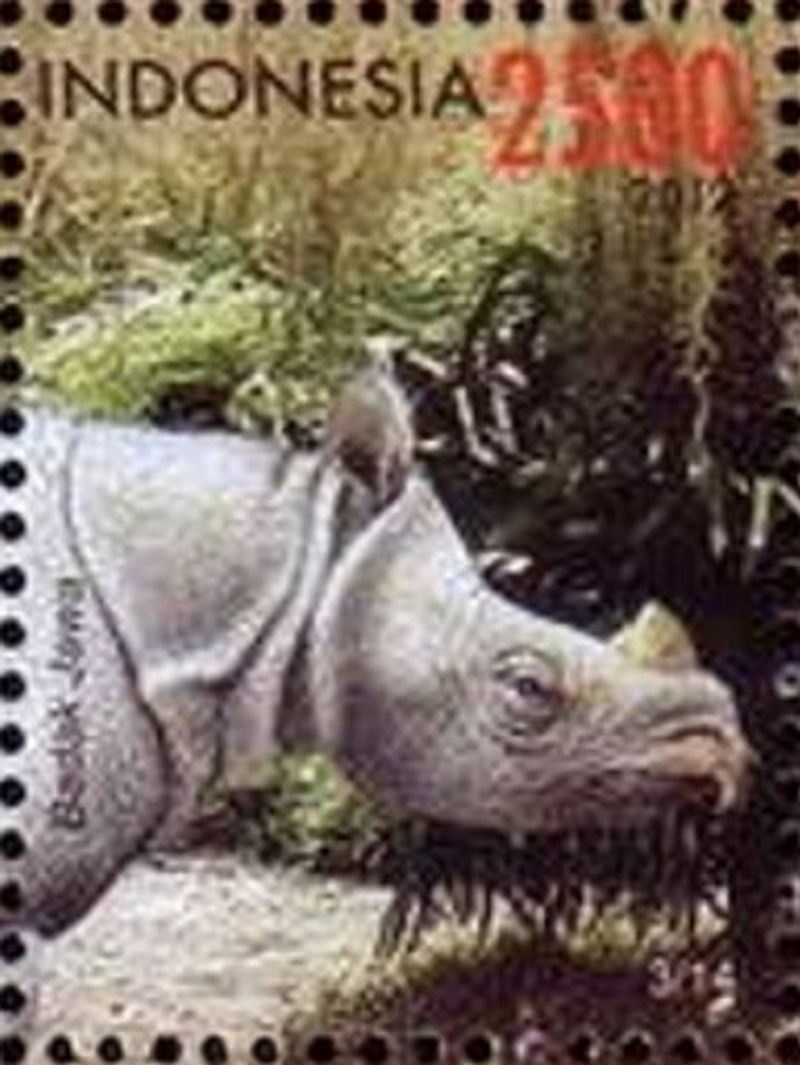
Imagine an animal so rare that only about 75 individuals remain on the entire planet. The Javan rhino once roamed across Southeast Asia but now survives only in Ujung Kulon National Park in Indonesia. Their single population makes them incredibly vulnerable to disease, natural disasters, or other catastrophes.
These rhinos are smaller than their African cousins and sport just one horn instead of two. They prefer dense rainforests where thick vegetation provides cover from the tropical sun. Camera traps capture rare glimpses of these elusive giants as they browse on plants and wallow in mud.
Poaching wiped out Javan rhinos from most of their former range, though this specific population now receives strong protection. Scientists worry that having all remaining individuals in one location creates too much risk. Efforts to establish a second population have been discussed for years but face significant challenges in finding suitable habitat.
5. Kakapo
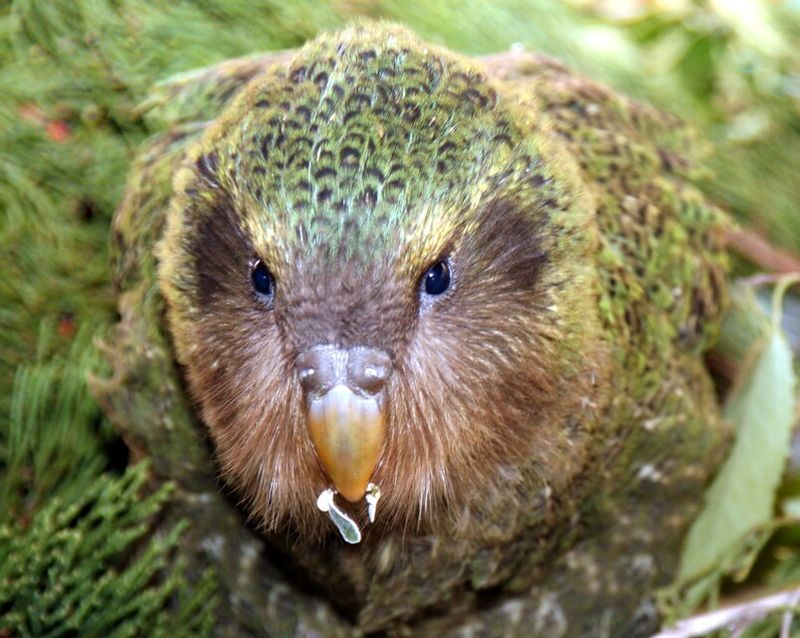
Picture a parrot that cannot fly, comes out only at night, and smells like flowers and honey. New Zealand’s kakapo is one of nature’s strangest birds and also one of its rarest. Around 250 individuals exist today, each one monitored closely by dedicated conservation teams.
When humans arrived in New Zealand with cats, rats, and other predators, flightless birds like the kakapo had no defenses. These gentle parrots nearly went extinct before scientists moved survivors to predator-free islands. Every kakapo alive today has a name and tracking device so researchers can monitor their health and breeding.
Males attract mates by inflating chest sacs and making deep booming calls that echo through the forest. Kakapos breed very slowly, with females raising chicks only every few years when certain trees produce abundant fruit. Their recovery represents one of conservation’s greatest success stories, though the species remains critically endangered and requires ongoing intensive management.
6. Cao-vit Gibbon
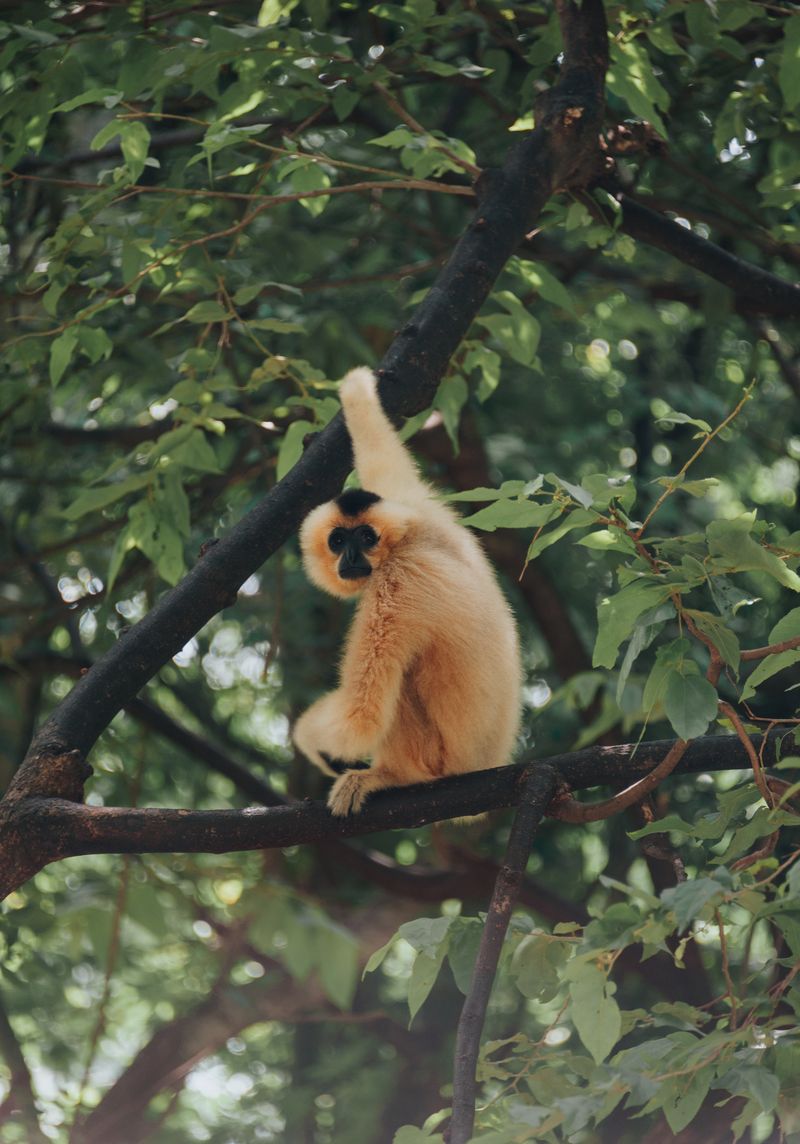
High in the limestone forests along the China-Vietnam border lives an ape so rare that scientists only recently confirmed its existence as a separate species. Perhaps 130 cao-vit gibbons survive in fragmented forest patches. Their haunting morning songs once echoed across vast territories but now sound only in small protected areas.
These agile primates swing through the treetops using their long arms, rarely descending to the ground. They live in small family groups consisting of a mated pair and their offspring. Deforestation has isolated different gibbon groups from each other, preventing breeding between populations.
Local communities have begun protecting gibbon habitat after learning about their endangered status. Cross-border conservation efforts between China and Vietnam aim to connect forest fragments through wildlife corridors. The cao-vit gibbon’s future depends on whether enough forest can be preserved and restored to support viable populations across their limited range.
7. California Condor
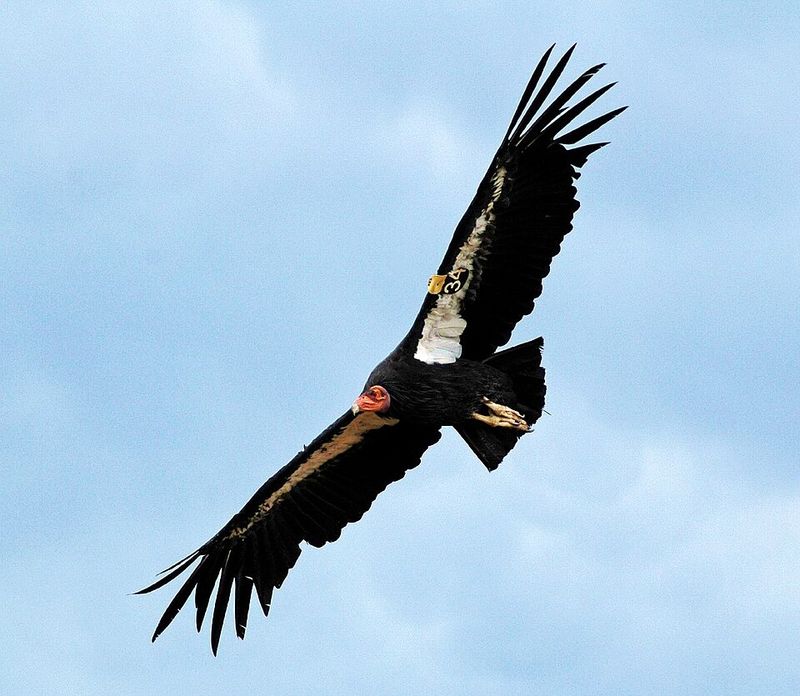
With wings spanning nearly 10 feet, California condors are North America’s largest flying birds. By 1987, only 27 individuals remained alive, all captured for a desperate last-chance breeding program. Today, over 500 condors exist thanks to one of history’s most intensive wildlife rescue efforts.
These magnificent vultures soar on thermal air currents searching for dead animals to eat. Lead poisoning from bullets in hunter-killed carcasses continues killing condors even after their population recovery. Conservationists now work with hunters to use non-lead ammunition in condor habitat.
Young condors take six years to reach breeding age, meaning population growth happens slowly. Each bird wears wing tags and tracking devices so researchers can monitor their movements and health. While no longer on extinction’s immediate doorstep, California condors remain entirely dependent on human management. Their survival proves that dedicated conservation can bring species back from the very edge of oblivion.
8. Saola
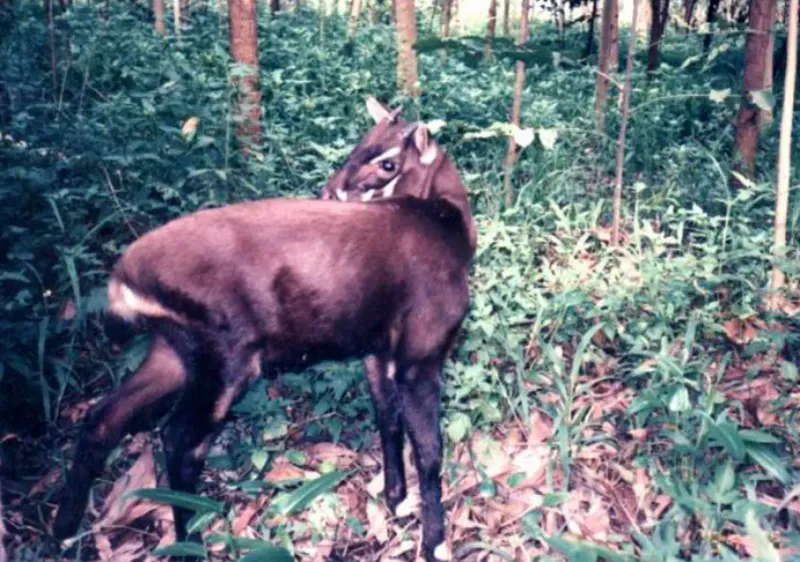
Sometimes called the Asian unicorn, the saola wasn’t discovered by scientists until 1992, making it one of the last large mammals found by modern science. This forest antelope lives in the remote Annamite Mountains between Vietnam and Laos. So few people have seen saolas that researchers cannot even estimate their population accurately.
Camera traps occasionally capture blurry images of these shy creatures moving through dense undergrowth. Saolas have two long, straight horns and striking white markings on their faces. They prefer areas near mountain streams where thick vegetation provides cover from predators and human eyes.
Hunting snares set for other animals accidentally kill saolas, pushing them toward extinction before scientists can properly study them. Local communities call them rare and special, with some considering saola sightings good luck. Conservation teams remove thousands of snares from saola habitat each year, but illegal hunting pressure remains intense throughout their mountain range.
9. Sumatran Tiger
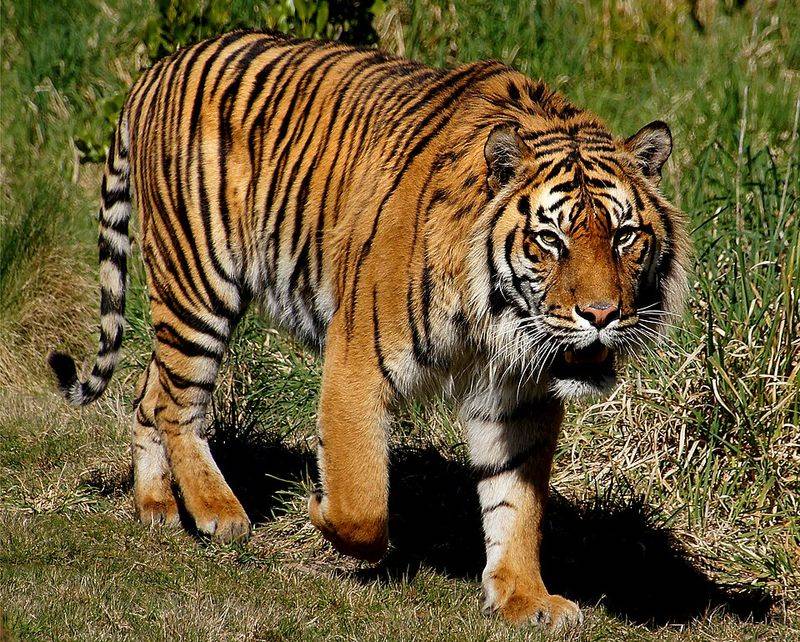
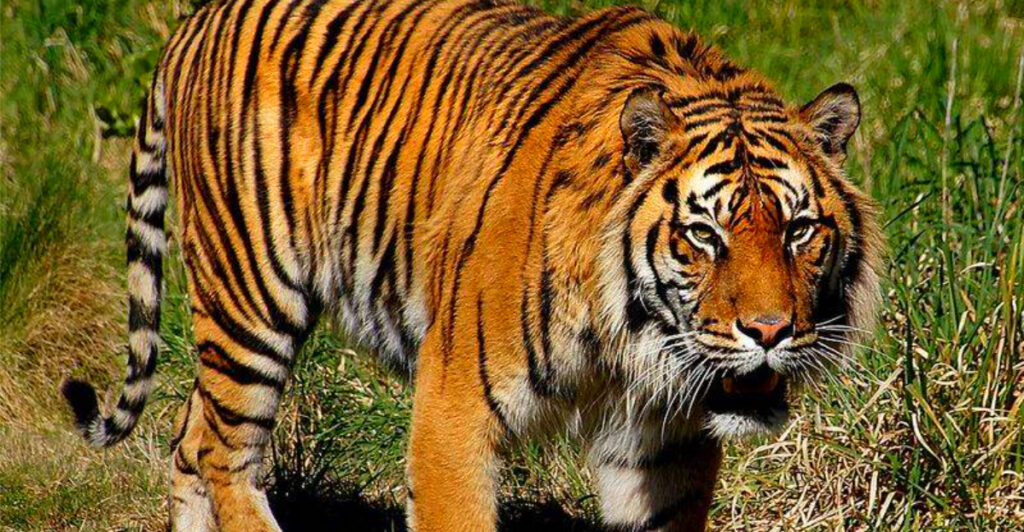
Deep in Sumatra’s remaining rainforests prowls the smallest surviving tiger subspecies. Fewer than 400 Sumatran tigers remain in the wild as logging companies and palm oil plantations devour their jungle home. These striped hunters need large territories to find enough prey, but suitable habitat shrinks every year.
Sumatran tigers have darker coats and narrower stripes than other tiger subspecies, helping them blend into dense forest shadows. Males can weigh up to 300 pounds, while females are considerably smaller. They hunt wild pigs, deer, and other animals that also suffer from habitat loss.
Poachers kill tigers to sell their bones and other body parts for traditional medicine, despite legal protections. Camera trap photos help researchers track individual tigers by their unique stripe patterns. Conservation efforts focus on protecting remaining forest corridors that connect isolated tiger populations, allowing genetic exchange necessary for long-term survival in an increasingly fragmented landscape.
10. Amur Leopard
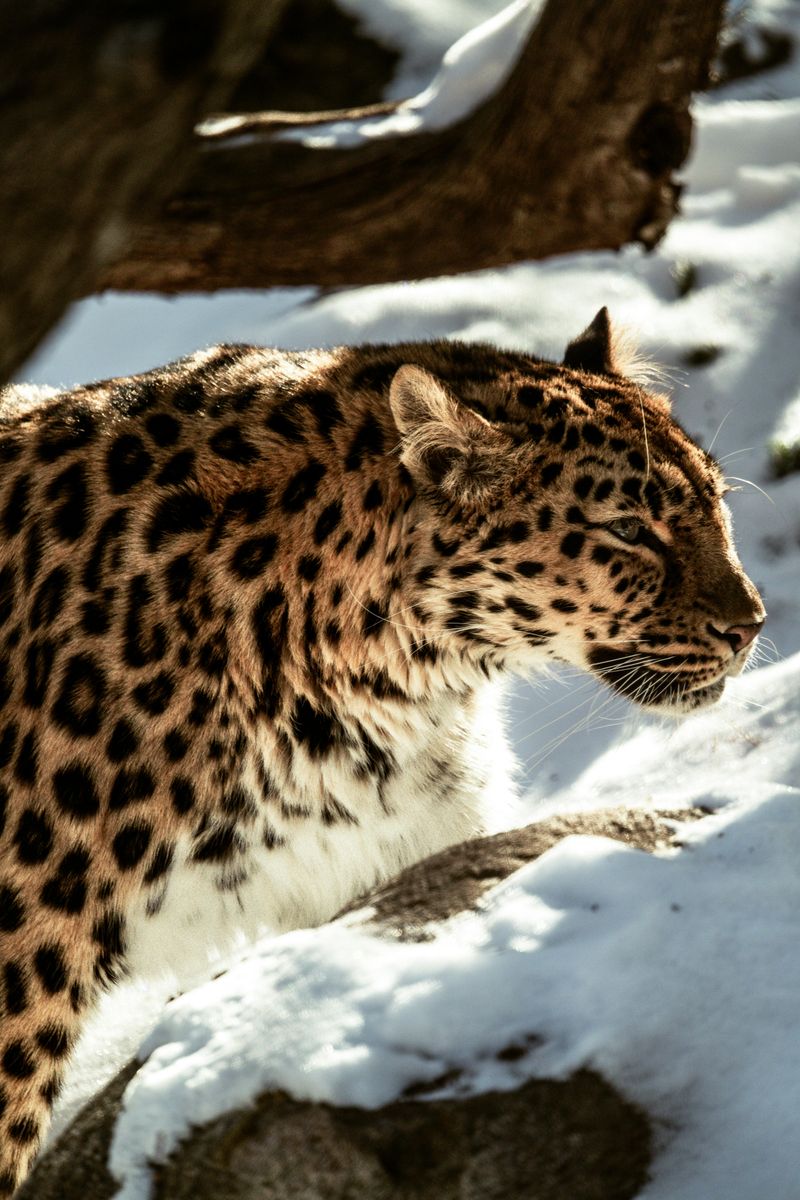
Snowflakes dust the thick fur of the world’s rarest big cat as it pads silently through frozen forests along the Russia-China border. Perhaps 100 Amur leopards survive in the wild, making every individual critically important. Their beautiful pale coats with widely spaced rosettes help them disappear against snowy landscapes.
These solitary hunters can leap over 20 feet horizontally and 10 feet vertically when chasing prey. They primarily hunt deer and wild boar across territories covering up to 120 square miles. Unlike many cats, Amur leopards don’t mind cold weather and actually thrive in harsh winter conditions.
Habitat destruction and conflict with livestock farmers historically reduced their numbers to dangerously low levels. Recent conservation efforts have helped the population slowly increase from a low of about 30 individuals two decades ago. Protected areas in Russia now safeguard crucial leopard habitat, and camera trap studies provide hope that this magnificent cat might avoid extinction with continued support.
11. Chinese Pangolin
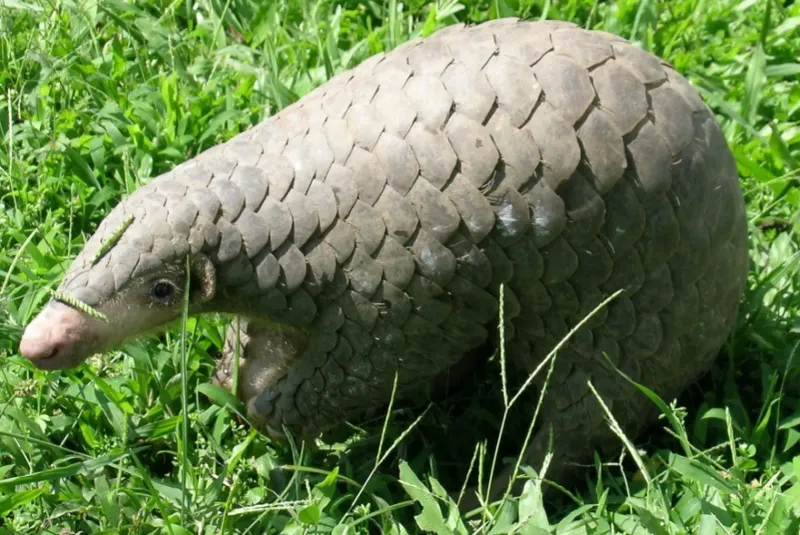
Covered head to tail in overlapping scales made of keratin, pangolins look like walking pinecones. The Chinese pangolin has suffered population crashes exceeding 80 percent over recent decades. They hold the unfortunate distinction of being the world’s most trafficked mammal.
These gentle insect-eaters use powerful claws to dig into ant and termite mounds, then slurp up insects with tongues longer than their entire bodies. When threatened, pangolins curl into tight balls that their scales protect like natural armor. Unfortunately, this defense mechanism makes them easy for poachers to capture.
Illegal wildlife traders smuggle pangolins for their scales, which some cultures incorrectly believe have medicinal properties. Their meat is also considered a luxury food in certain regions. Conservation organizations work to reduce demand through education while law enforcement agencies crack down on trafficking networks. Pangolins reproduce slowly, with females typically raising just one baby per year, making population recovery extremely difficult once numbers drop.
12. Persian Onager
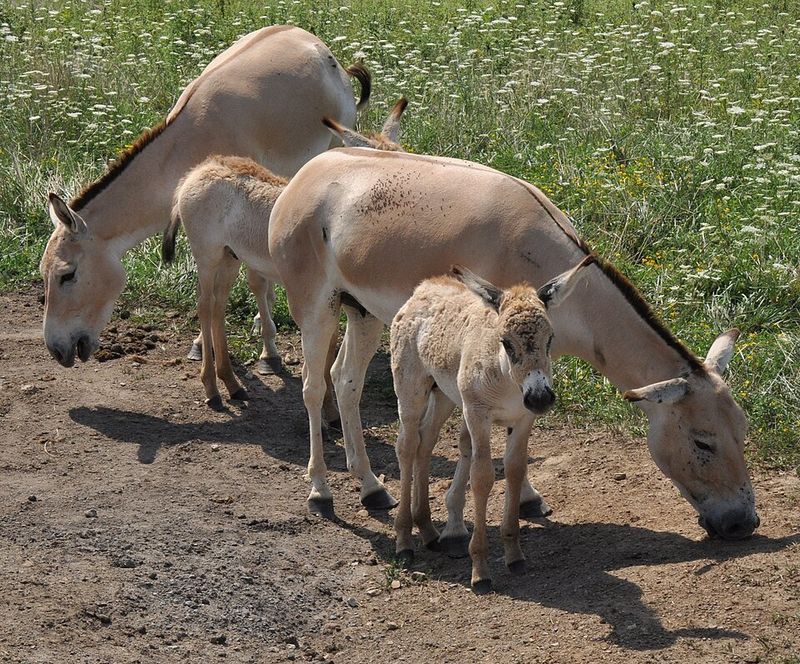
Wild asses once thundered across the deserts and plains of the Middle East in huge herds. Today, fewer than 600 Persian onagers survive, mostly in protected reserves in Iran. These swift runners can reach speeds over 40 miles per hour when fleeing danger.
Persian onagers have sandy-colored coats with white bellies and a dark stripe running along their backs. They live in harsh desert environments where temperatures soar during summer days and plunge on winter nights. Their ability to survive on sparse vegetation and limited water made them perfectly adapted to arid landscapes.
Hunting and competition with domestic livestock pushed this subspecies to the brink of extinction during the 20th century. Breeding programs in zoos worldwide maintain backup populations in case wild numbers crash further. Reintroduction efforts have placed small groups in additional protected areas to spread risk across multiple locations. The Persian onager’s survival depends on continued habitat protection and preventing poaching in their remaining desert strongholds.
13. Hainan Black-crested Gibbon
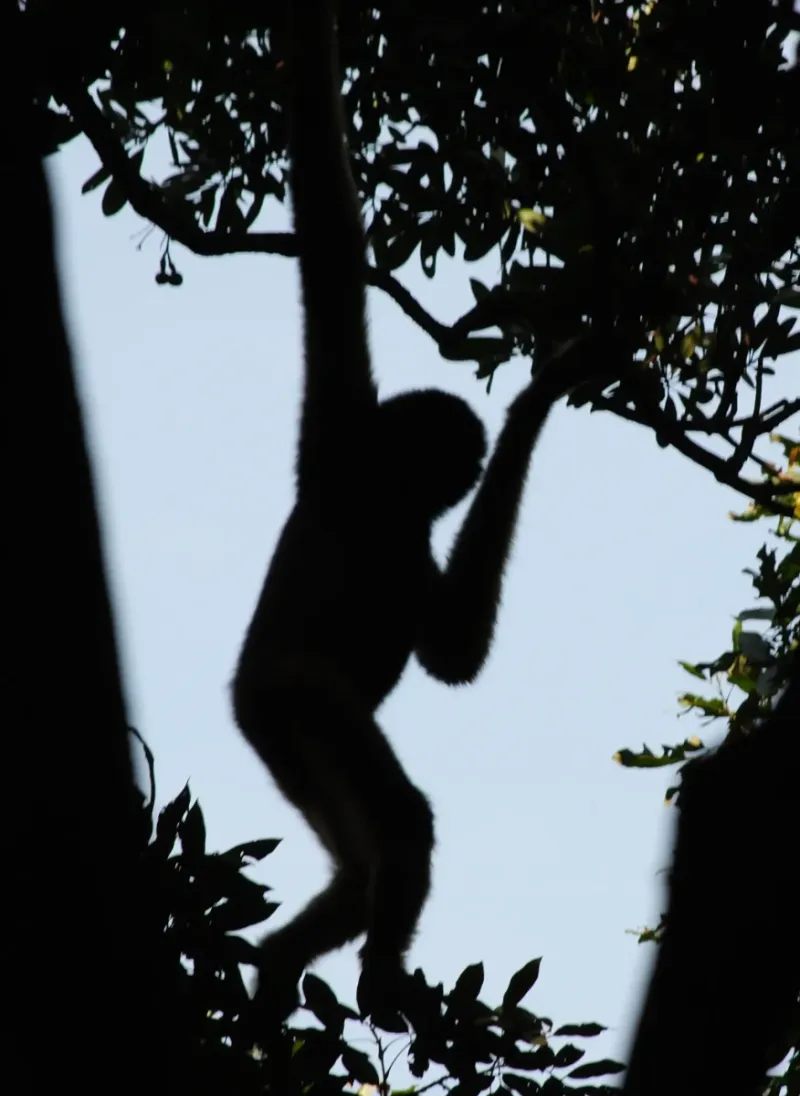
On China’s Hainan Island lives the world’s rarest ape, with a population that hovers around just 30 individuals. All surviving Hainan gibbons live in a single patch of tropical forest, making them incredibly vulnerable. They represent one of humanity’s closest relatives teetering on extinction’s edge.
These acrobatic primates swing effortlessly through the forest canopy, rarely touching the ground. Males sport jet-black fur while females wear golden-brown coats. Family groups sing elaborate duets at dawn, their calls carrying across the valleys as a way to defend territories and strengthen pair bonds.
Decades of deforestation reduced their habitat to a tiny fraction of its original size. The remaining population faces serious genetic problems due to inbreeding within such a small group. Chinese conservation authorities have made protecting this species a top priority, expanding forest reserves and working to restore degraded habitat. Every newborn gibbon brings hope, but the species remains just one disaster away from total extinction.
14. Yangtze Finless Porpoise
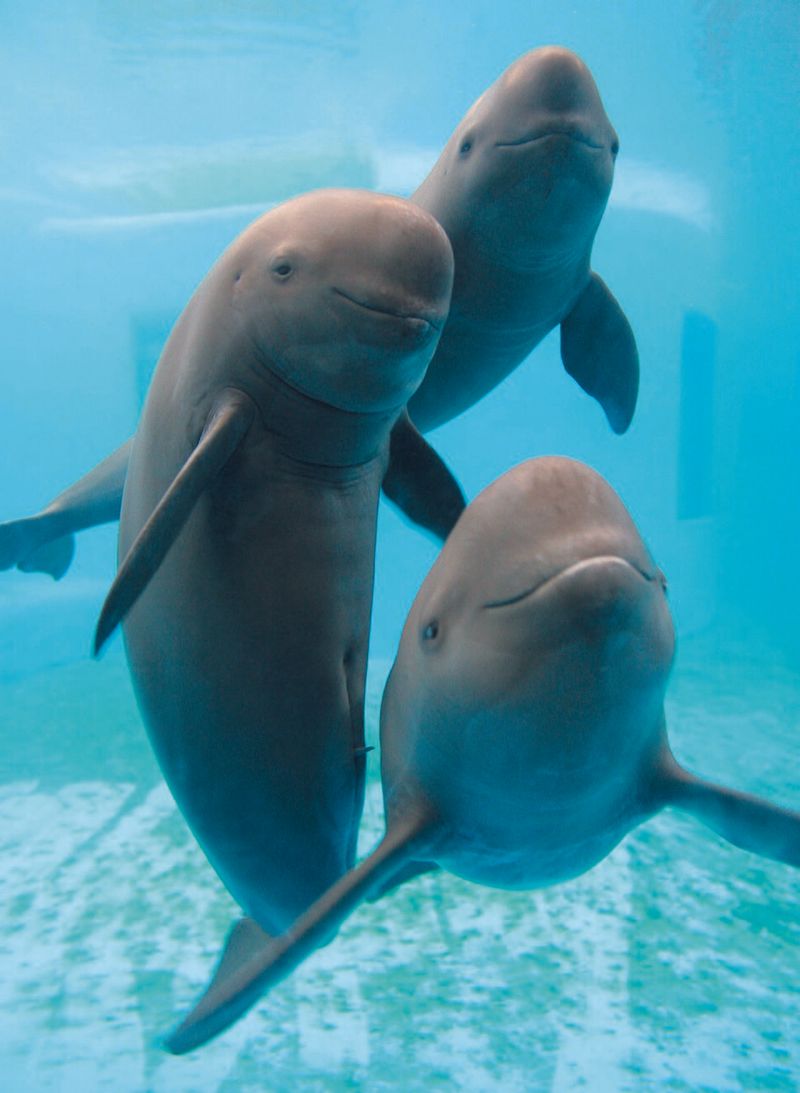
China’s Yangtze River once teemed with aquatic life, but pollution and development have turned it into one of the world’s most endangered river ecosystems. The finless porpoise, with its permanent smile-like expression, numbers around 1,000 individuals. Scientists fear they might follow the baiji dolphin into extinction within our lifetimes.
Unlike most porpoises, this species lacks a dorsal fin, giving it a smooth, streamlined appearance. They use echolocation to navigate murky river waters and find fish to eat. Ship traffic, illegal fishing, and water pollution all threaten their survival in the heavily industrialized river.
Some porpoises have been relocated to protected lakes where conditions are safer than the main river channel. Local conservation groups patrol waterways to prevent illegal fishing methods that accidentally kill porpoises. The species serves as an indicator of overall river health. Saving the Yangtze finless porpoise requires cleaning up one of Asia’s most important waterways and balancing human needs with wildlife protection.
15. Gharial
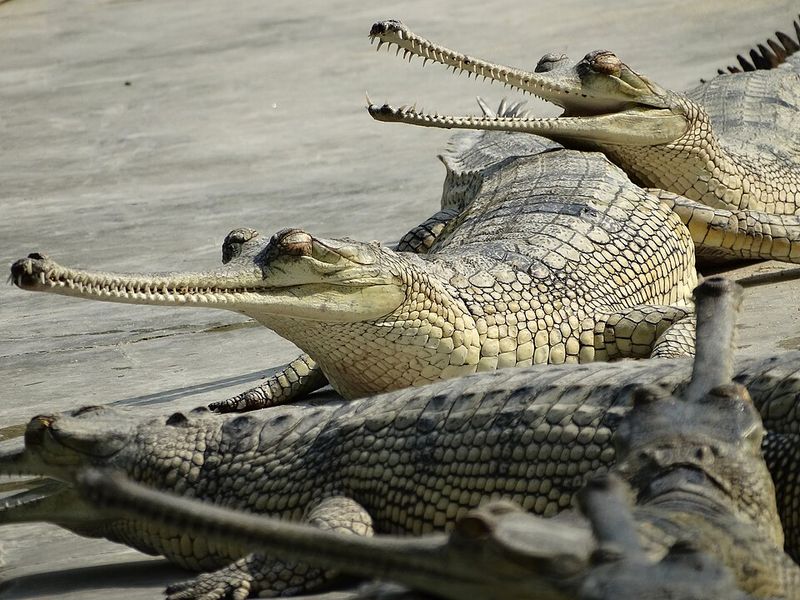
With a snout so long and narrow it looks like a pair of tweezers, the gharial ranks among the most distinctive crocodilians on Earth. Fewer than 250 breeding adults remain in rivers across India and Nepal. This fish-eating specialist has suffered dramatic declines as dams and sand mining destroy its river habitat.
Male gharials develop a bulbous growth on their snout tips called a ghara, which amplifies their buzzing vocalizations during mating season. They can grow over 15 feet long but are harmless to humans, feeding exclusively on fish. Their unusual snout shape makes them perfectly adapted for catching slippery prey underwater.
Gharials need deep pools and sandy banks for nesting, both of which have become scarce in heavily modified river systems. Conservation breeding centers raise young gharials for release into protected river sections. Local fishing communities sometimes view them as competition, though gharials actually help control fish populations. Protecting this ancient reptile requires restoring natural river flows and preserving undisturbed nesting beaches along remaining wild rivers.
Share this story