America is full of surprises, and some of the most astonishing places are tucked away in corners so remote that many people refuse to believe they’re real. From villages accessible only by mule to towns with populations of one, these isolated communities challenge everything we think we know about modern life. Get ready to explore some of the most unbelievable, off-the-grid destinations that prove truth really is stranger than fiction.
1. Supai, Arizona
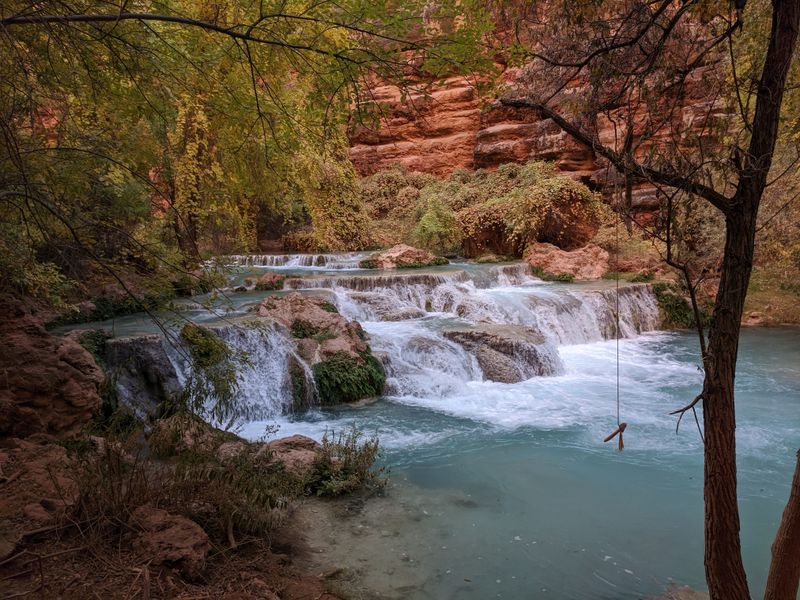
Nestled deep within the Grand Canyon, Supai is a place that seems frozen in time. This village sits on the Havasupai Indian Reservation and can only be reached by hiking eight miles down a steep canyon trail, riding a mule, or taking a helicopter. No roads lead here, making it one of the most isolated communities in the entire country.
What really sets Supai apart is its mail delivery system. The United States Postal Service still uses pack mules to bring letters and packages to residents, making it the last place in America where mail arrives this way. Imagine waiting for your online order to arrive via mule train!
About 200 people call this canyon home year-round. They live without the conveniences most Americans take for granted, like easy grocery store access or quick trips to the doctor. Yet the stunning turquoise waterfalls and tight-knit community make it a special place that visitors never forget.
2. Utqiaġvik (Barrow), Alaska
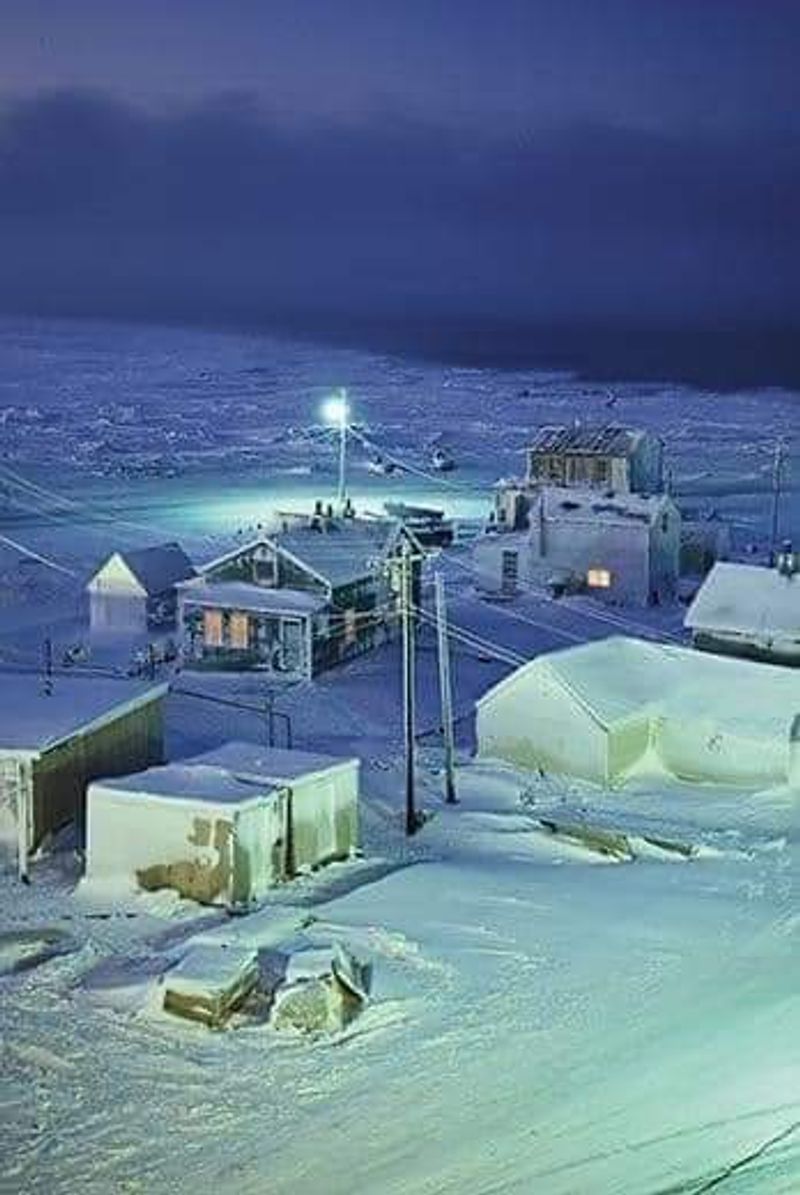
Perched at the very top of Alaska, Utqiaġvik holds the title of the northernmost town in the United States. Sitting above the Arctic Circle, this community experiences polar night from mid-November to late January, when the sun doesn’t rise at all. Conversely, from mid-May to early August, the sun never sets, creating endless daylight.
Getting to Utqiaġvik requires a plane ride since no roads connect it to the rest of Alaska. Temperatures can plummet to 50 degrees below zero in winter, and the frozen Arctic Ocean stretches endlessly to the north. Despite these harsh conditions, over 4,000 people live here, many of them Iñupiat people who have called this region home for thousands of years.
Life here revolves around adapting to extreme weather and isolation. Groceries cost several times more than in the lower states because everything must be flown in. Yet residents embrace their unique lifestyle, hunting whales and seals using traditional methods passed down through generations.
3. Chicken, Alaska
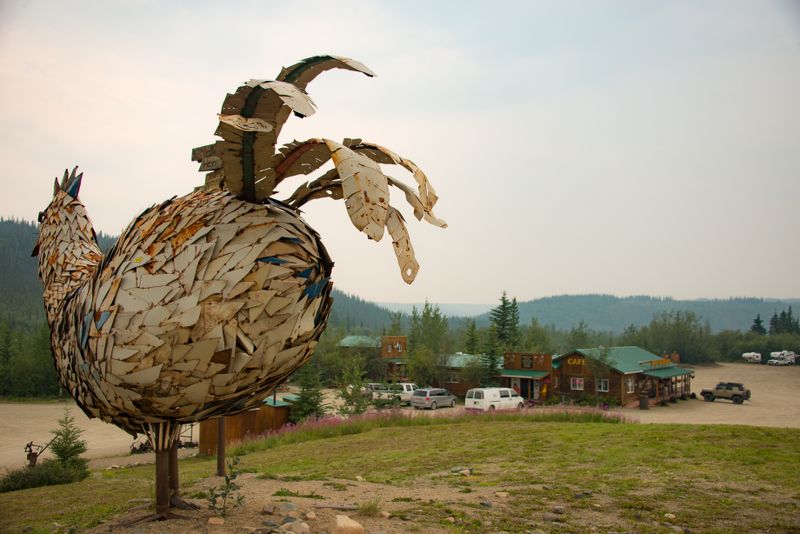
With a name that makes everyone do a double-take, Chicken earned its quirky title during the gold rush era. Miners wanted to name the settlement after the ptarmigan birds in the area, but nobody could agree on how to spell it. Rather than risk embarrassment, they settled on Chicken, and the name stuck for over a century.
Today, only about a dozen hardy souls live in Chicken year-round. The town consists of a cafe, a saloon, and a handful of rustic buildings that look like they belong in an old Western movie. Summers bring tourists driving the Taylor Highway, curious to see this legendary spot and snap photos with the famous signs.
Winter transforms Chicken into a frozen outpost where temperatures regularly drop to 60 below zero. Most businesses close, and the few residents hunker down with stockpiles of supplies. It’s a lifestyle that requires serious dedication, but those who stay wouldn’t trade their quirky hometown for anything.
4. Whittier, Alaska
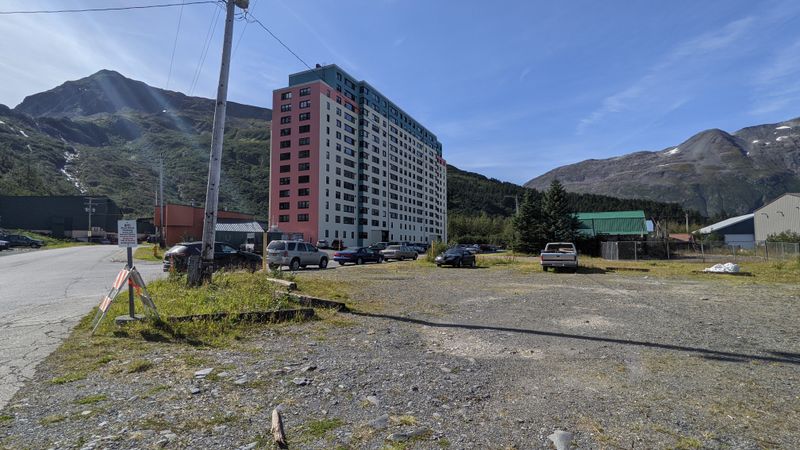
Picture nearly an entire town living under one roof. That’s the reality in Whittier, where most of the roughly 200 residents call Begich Towers home. This 14-story concrete building contains apartments, a school, a health clinic, a post office, and even a church, all connected by interior hallways.
Reaching Whittier requires driving through the Anton Anderson Memorial Tunnel, a 2.5-mile passage that’s shared with trains. The tunnel only allows traffic in one direction at a time, operating on a strict schedule. During winter, avalanches and severe weather can close the tunnel entirely, cutting off the town from the outside world for days.
Why do people choose to live this way? Whittier sits in a spot that receives over 250 inches of rain and snow annually, making it one of the wettest places in Alaska. The building lifestyle offers protection from brutal weather while creating an incredibly close community. Neighbors truly know each other here because they share walls, hallways, and daily life.
5. Port Alsworth, Alaska
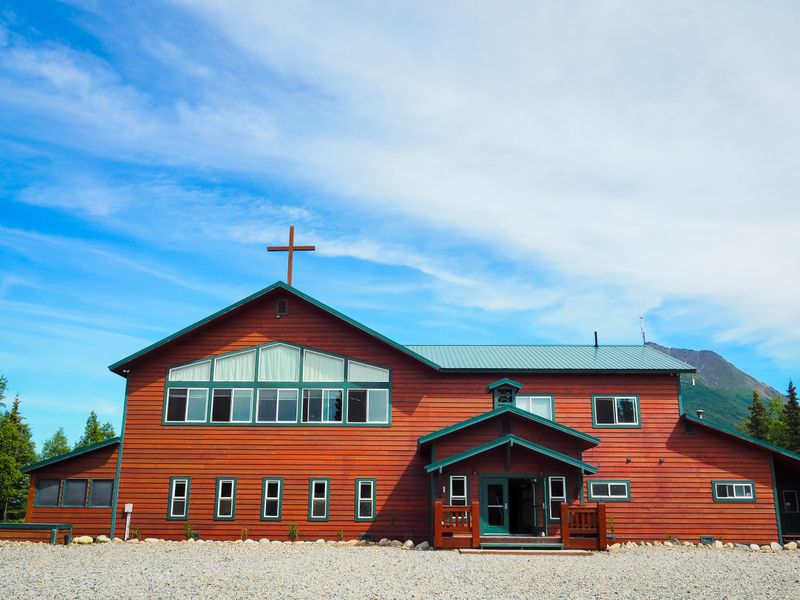
Located 165 miles southwest of Anchorage, Port Alsworth exists in a world without roads. This village of about 150 people sits on the shores of Lake Clark, accessible only by float plane or boat. Every grocery item, piece of furniture, and gallon of gas must arrive by air, making daily life an exercise in careful planning.
Float planes serve as the community’s lifeline, buzzing in and out throughout the day like taxis. Residents become experts at packing efficiently and prioritizing what they truly need. A forgotten item at the store isn’t a quick trip back; it’s a expensive plane ride or a long wait until the next supply run.
Despite the challenges, Port Alsworth offers rewards that roads could never provide. The village sits within Lake Clark National Park, surrounded by pristine wilderness, brown bears, and salmon-filled waters. Children grow up exploring nature, flying in small planes as casually as other kids ride school buses, and understanding self-sufficiency in ways most Americans never experience.
6. Eureka, Nevada
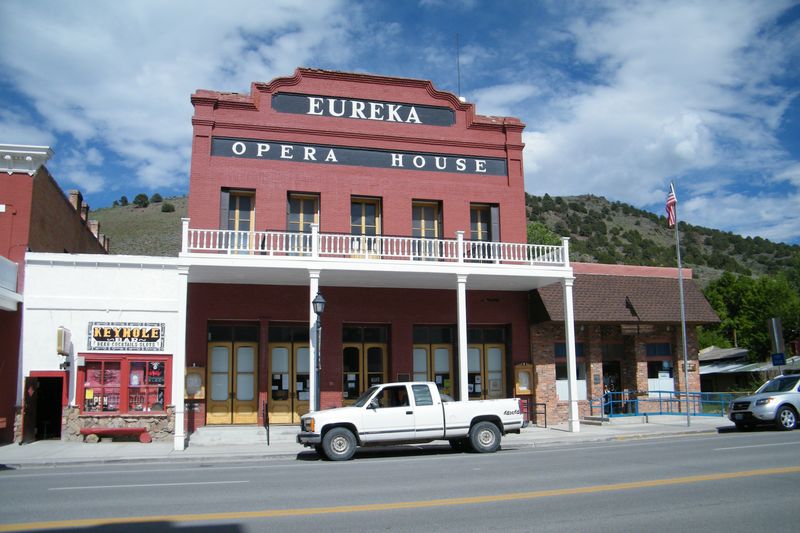
Once a booming silver mining hub in the 1800s, Eureka now stands as a ghostly reminder of Nevada’s mining past. Fewer than 500 people live in this isolated town, which sits along the loneliest road in America, Highway 50. The nearest city of any size lies hours away across empty desert.
Walking through Eureka feels like stepping back in time. Historic brick buildings line the main street, including an old opera house and courthouse that have witnessed over a century of boom and bust cycles. The town still operates a working mine, but the glory days of thousands of prospectors flooding the streets are long gone.
Why stay in such a remote place? For some, it’s family ties stretching back generations. For others, it’s the appeal of wide-open spaces and a slower pace of life. Residents drive long distances for shopping and medical care, but they gain something rare in return: a genuine small-town community where everyone knows your name and neighbors help each other survive.
7. Marfa, Texas
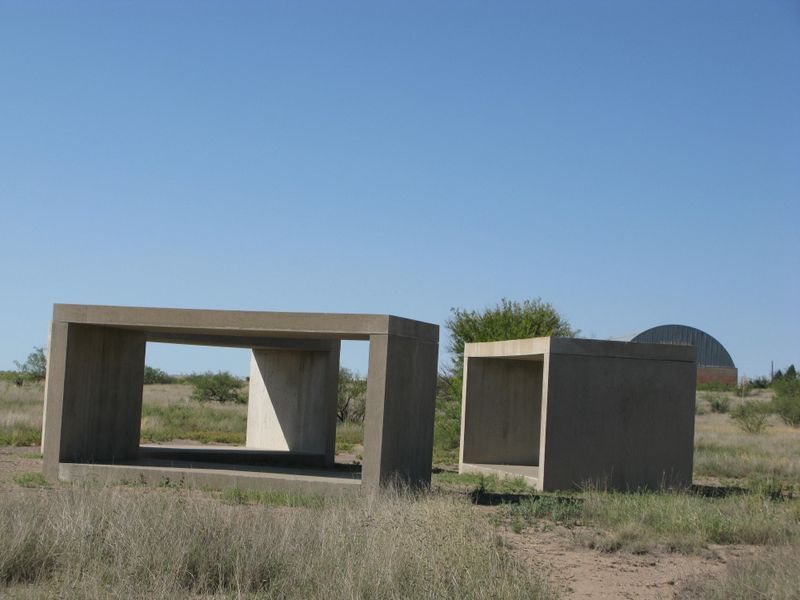
Out in the high desert of West Texas, Marfa has become an unlikely cultural hotspot despite its extreme isolation. This tiny town of about 1,800 people sits three hours from the nearest city, surrounded by endless scrubland and massive skies. Yet it attracts artists, filmmakers, and curious travelers from around the world.
The town’s transformation began when minimalist artist Donald Judd moved here in the 1970s, converting old military buildings into art installations. Today, Marfa hosts galleries, a renowned art foundation, and the famous Marfa lights, mysterious glowing orbs that appear in the desert and have puzzled observers for over a century. Nobody has fully explained what causes these eerie lights.
Living in Marfa means embracing contradictions. You’ll find cutting-edge contemporary art next to old ranching culture. Fancy restaurants operate alongside dusty feed stores. The isolation that once made Marfa seem forgotten now makes it feel like a hidden treasure, a place where creativity thrives precisely because it’s so far from everywhere else.
8. Green Bank, West Virginia
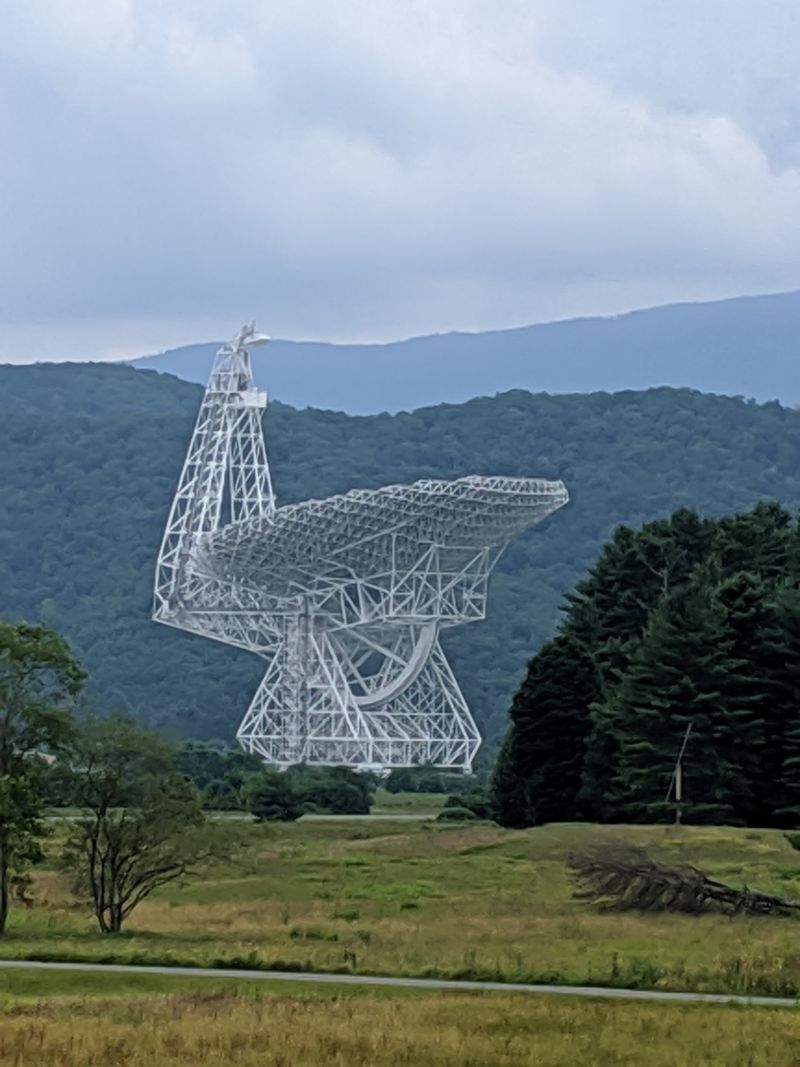
Welcome to the town where Wi-Fi doesn’t exist and cell phones don’t work. Green Bank sits inside the National Radio Quiet Zone, a 13,000-square-mile area where wireless signals are restricted to protect the sensitive radio telescope that listens for signals from deep space. This creates a lifestyle that most modern Americans would find unimaginable.
Residents navigate life without the digital conveniences we typically take for granted. No scrolling through social media at the coffee shop, no GPS navigation, and no streaming music during your commute. Some people love the forced disconnection, saying it helps them focus and connect with others face-to-face. Others find it frustrating, especially younger residents who feel cut off from their peers.
Interestingly, the quiet zone has attracted people with electromagnetic hypersensitivity, a controversial condition where individuals claim wireless signals make them sick. They’ve found refuge in Green Bank, creating a unique community of scientists, longtime locals, and technology refugees all sharing one of America’s last truly offline places.
9. Ocracoke, North Carolina
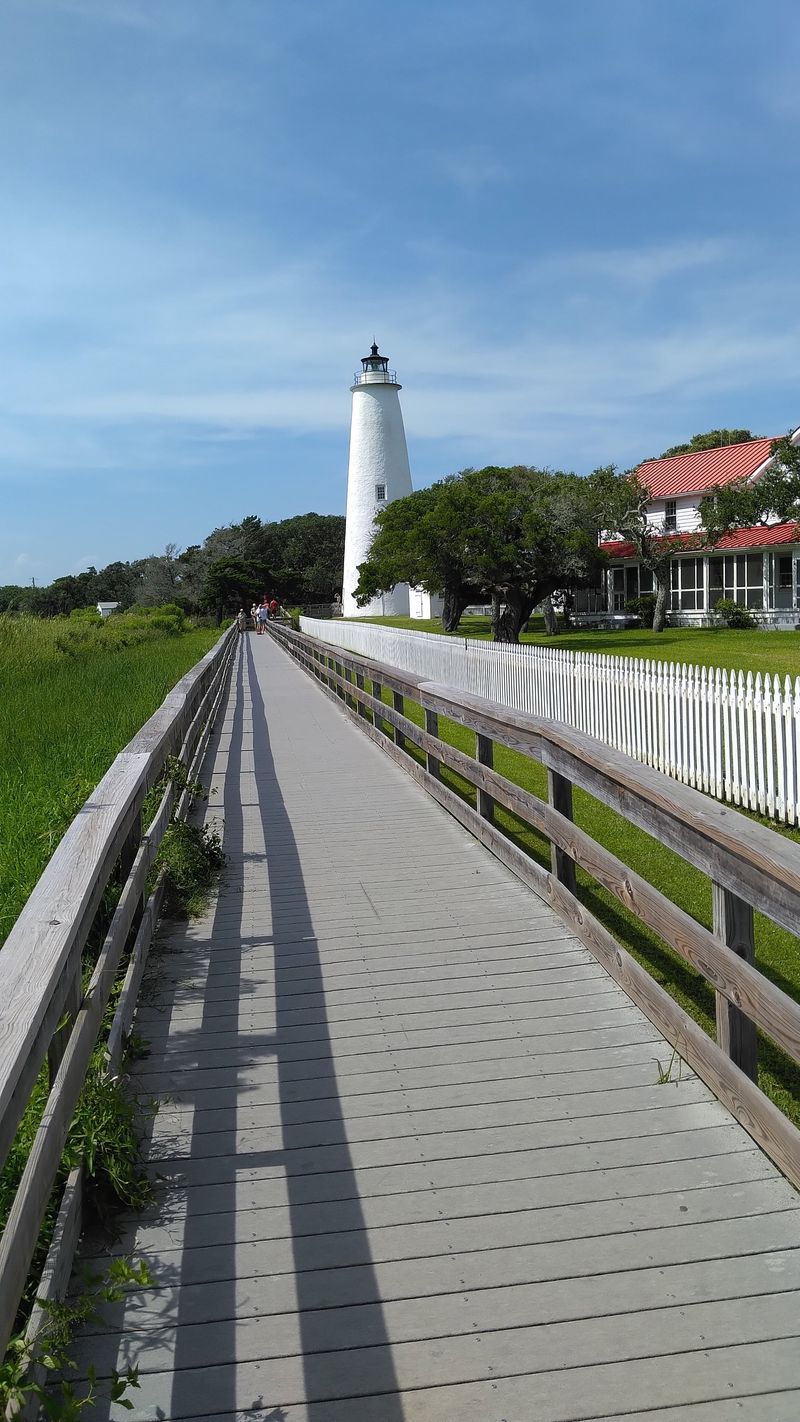
Ocracoke Island floats off the North Carolina coast, accessible only by ferry or small plane. This barrier island stretches 16 miles long, with the village of Ocracoke clustered at the southern end. About 900 year-round residents share their home with wild ponies descended from Spanish mustangs that have roamed the island for centuries.
The ferry ride to Ocracoke takes over two hours from the mainland, giving visitors plenty of time to watch dolphins play in the waves and seabirds dive for fish. There’s no bridge, which has preserved the island’s character and protected it from overdevelopment. The village maintains a laid-back atmosphere with locally owned shops, restaurants serving fresh seafood, and a historic lighthouse built in 1823.
Island life follows the rhythm of tides and tourist seasons. Winters can feel isolating when storms batter the coast and ferry schedules get disrupted. Yet residents cherish their tight community and the privilege of living where pristine beaches remain uncrowded and the night sky blazes with stars undimmed by city lights.
10. Matlacha, Florida
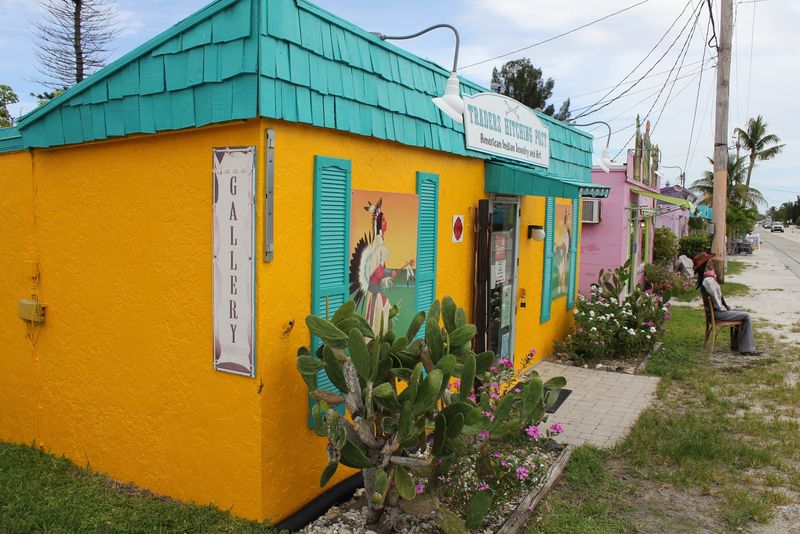
Bright purple, orange, and turquoise buildings line the waterfront of Matlacha, a funky fishing village that feels like it belongs in a storybook. This small island community sits between Cape Coral and Pine Island on Florida’s Gulf Coast, connected by a narrow causeway. With fewer than 800 residents, it remains a hidden gem that mass tourism hasn’t discovered.
Matlacha embraces its artistic spirit with galleries showcasing local paintings, sculptures, and handmade jewelry. The village started as a fishing outpost, and that heritage remains visible in the bait shops and seafood restaurants where locals gather. The name, pronounced mat-la-SHAY, comes from a Native American word, though its exact meaning has been lost to time.
What makes Matlacha unbelievable is how it’s resisted the development that’s transformed much of coastal Florida. While nearby areas have exploded with condos and chain stores, this little island has kept its old Florida character. Residents fight to preserve their quirky, colorful way of life, knowing they’ve got something special worth protecting from the modern world.
11. Crested Butte, Colorado
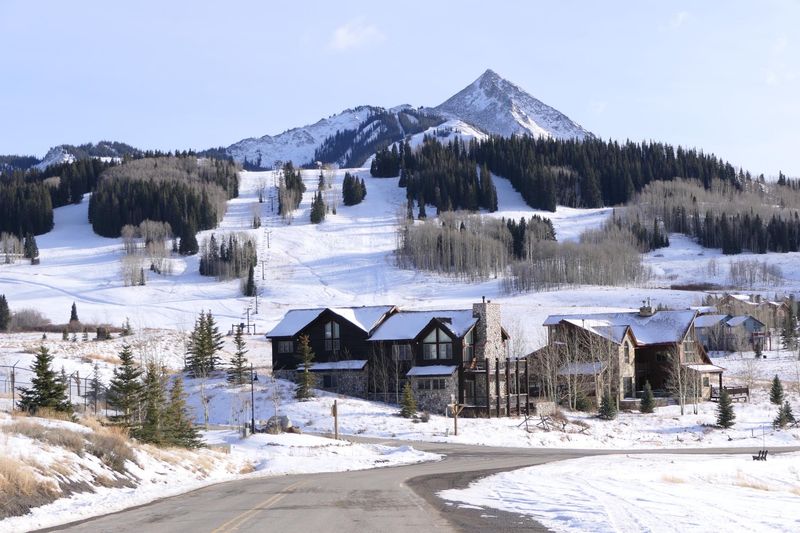
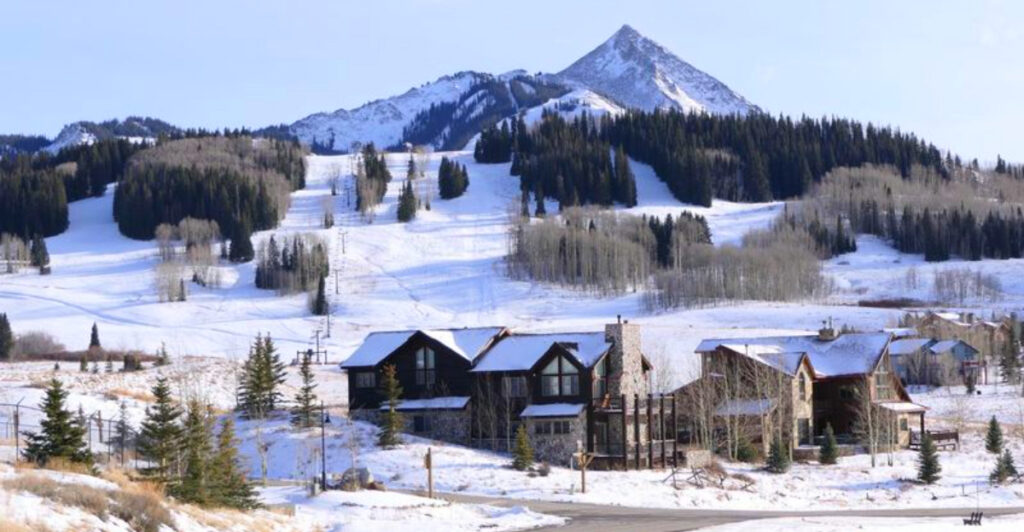
High in the Colorado Rockies at 8,900 feet elevation, Crested Butte earned the nickname Wildflower Capital of Colorado for good reason. Every summer, the surrounding mountains explode with millions of colorful blooms covering entire hillsides. This former coal mining town of about 1,700 people sits 21 miles from the nearest neighboring town, accessed by a winding mountain road that becomes treacherous in winter.
The isolation has shaped Crested Butte’s character in wonderful ways. The downtown consists of brightly painted Victorian buildings that once housed miners but now hold ski shops, restaurants, and art galleries. Unlike some Colorado ski resorts that feel corporate, Crested Butte maintains a funky, independent vibe where locals still outnumber tourists in the off-season.
Winter brings massive snowfall that can temporarily cut off the town when avalanches close the roads. Residents stock up on supplies and embrace the cozy isolation. Many moved here specifically for this lifestyle, trading convenience for stunning beauty and a community where neighbors become like family because you truly depend on each other.
12. Havasupai Reservation (Supai Canyon), Arizona
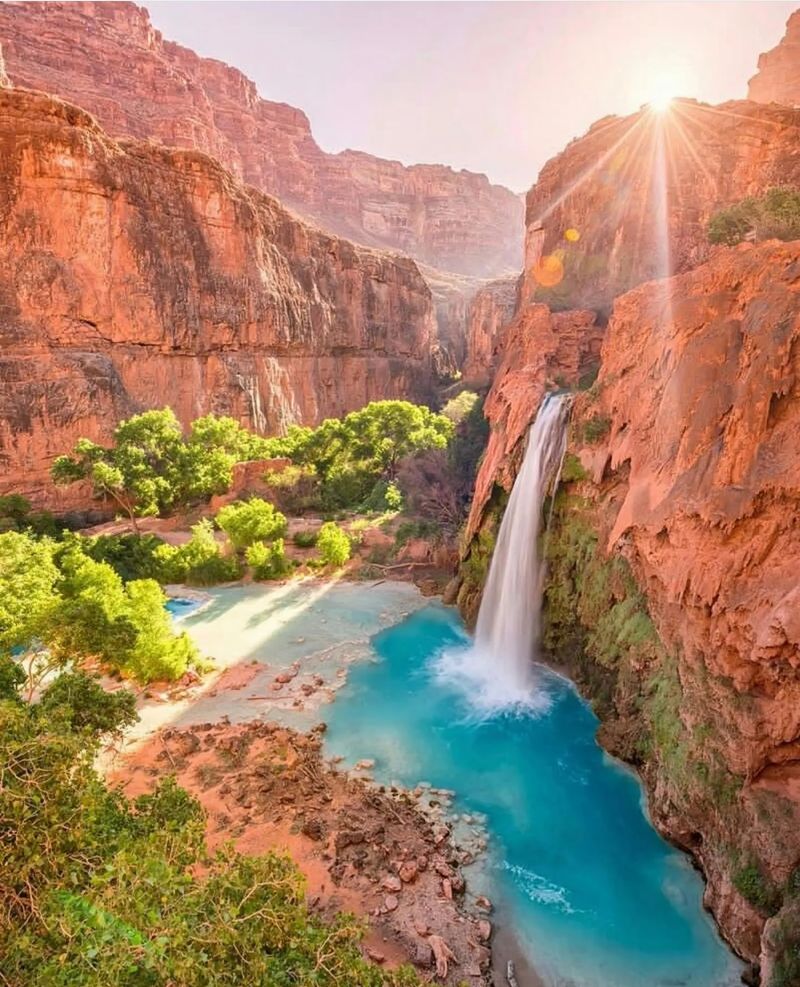
Deep within a side canyon of the Grand Canyon, the Havasupai Reservation protects some of the most spectacular waterfalls in North America. The village of Supai serves as home to the Havasupai Tribe, whose name means people of the blue-green waters. These stunning turquoise falls and pools have become legendary among hikers willing to make the challenging journey.
Reaching the reservation requires hiking ten miles down a steep canyon trail or arranging for helicopter transport. There are no roads in or out. The tribe has lived in this canyon for over 800 years, long before the Grand Canyon became a national park. Today, about 450 tribal members live here, maintaining their traditions while welcoming limited numbers of tourists.
Life revolves around the rhythms of the canyon. Supplies arrive by helicopter or mule train. Children attend school in the village, and medical emergencies require helicopter evacuation. The tribe carefully controls tourism to protect their home, requiring reservations made months in advance. It’s one of America’s most remote communities, where ancient traditions meet modern challenges.
13. Monowi, Nebraska
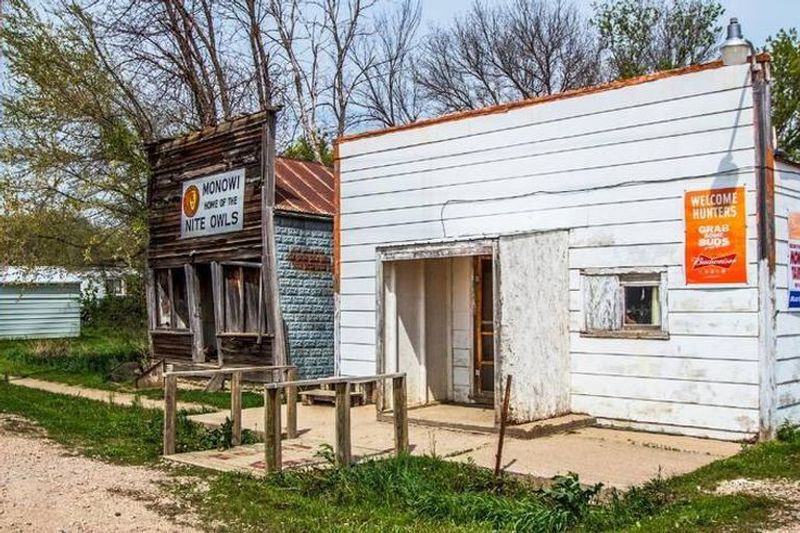
Meet America’s smallest incorporated town, where the entire population consists of one person. Elsie Eiler is Monowi’s sole resident, serving as mayor, clerk, treasurer, librarian, and bartender. She pays taxes to herself, grants herself a liquor license, and holds town meetings alone. It sounds like fiction, but it’s absolutely real.
Monowi wasn’t always this empty. In the 1930s, the town had a population of 150 people. But like many rural Great Plains communities, young people moved away seeking opportunities elsewhere. When Elsie’s husband Rudy died in 2004, she became the only person left. Most people would have moved away, but Elsie stayed to maintain the tavern and the library Rudy built.
Why does she stay? Elsie, now in her late 80s, feels connected to her community’s history and her husband’s memory. She keeps the Monowi Tavern open for visitors and maintains a library of 5,000 books. Tourists stop by to meet her and experience this unique slice of American life. She’s living proof that community isn’t just about numbers.
14. Buford, Wyoming
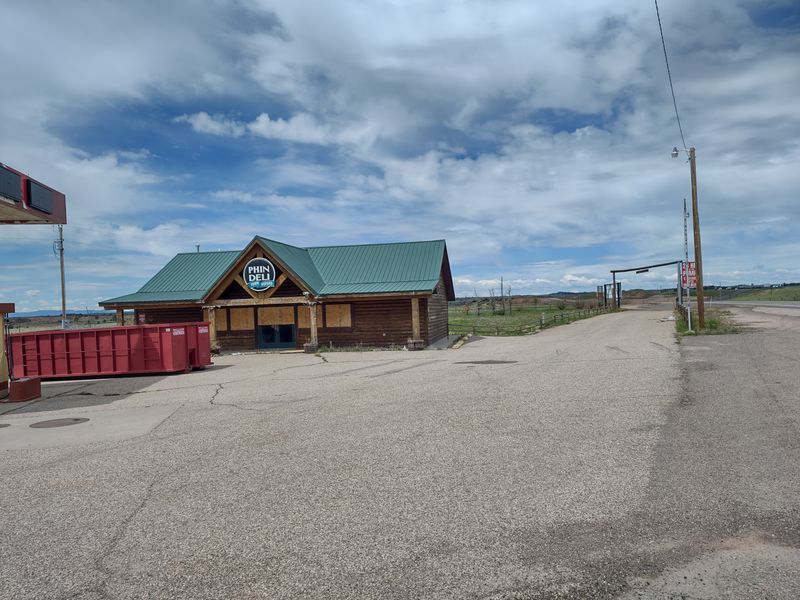
At 8,000 feet elevation along Interstate 80, Buford once held the title of America’s smallest town. For years, it had a population of just one or two people living in this high-plains outpost between Cheyenne and Laramie. The location experiences brutal winters with howling winds and temperatures that can drop to 40 below zero.
Buford started as a railroad town in 1866, built to support workers laying tracks across Wyoming. At its peak, it housed about 2,000 people. But as railroads declined and highways replaced rails as the main transportation route, people gradually left. By 2012, only one man remained: Don Sammons, who ran a gas station and convenience store serving travelers on the lonely highway.
Eventually, even Sammons moved on, selling the entire town at auction. The new owners renamed it PhinDeli Town Buford and attempted to market it as a tourist stop. Whether it succeeds or fades further into obscurity, Buford represents countless small Western towns that thrived briefly during America’s expansion, then found themselves stranded as the country moved on.
15. Glasgow, Montana
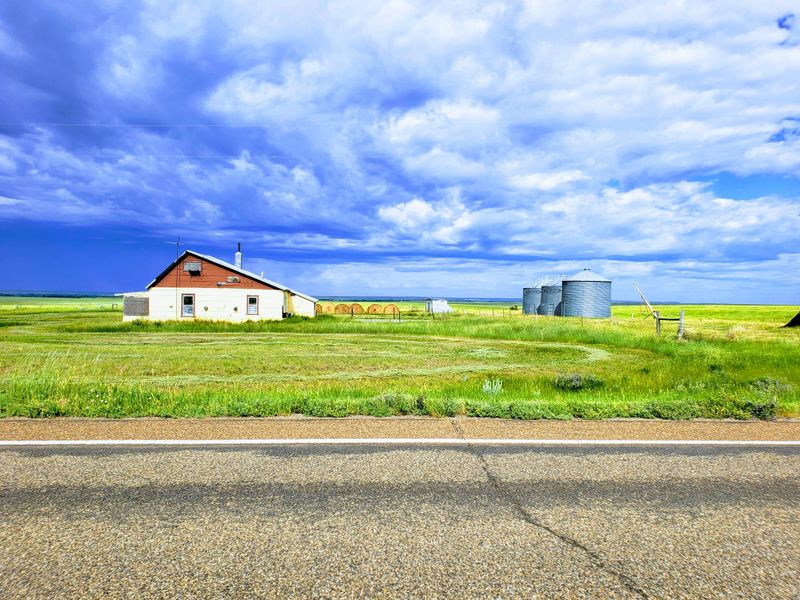
Glasgow sits in the remote northeast corner of Montana, over 50 miles from any town of similar size and nearly 300 miles from Billings, the state’s largest city. With about 3,300 residents, it’s one of the most isolated communities in the lower 48 states. The surrounding plains stretch endlessly in all directions, broken only by the occasional ranch or grain elevator.
Founded as a railroad town in 1887, Glasgow was named by a railroad worker who spun a globe and randomly placed his finger on Glasgow, Scotland. The town grew around Fort Peck Dam construction in the 1930s, which created jobs and brought temporary prosperity. Today, it serves as a regional hub for ranchers and farmers working the vast Montana prairie.
Isolation shapes everything here. Medical specialists require hours of driving. Shopping choices are limited. Winters bring bone-chilling cold and blizzards that can shut down the highways. Yet people who love wide-open spaces and genuine community find Glasgow perfect. They’ll tell you that living somewhere this remote teaches you what really matters: good neighbors, self-reliance, and appreciating beauty in simplicity.
Share this story