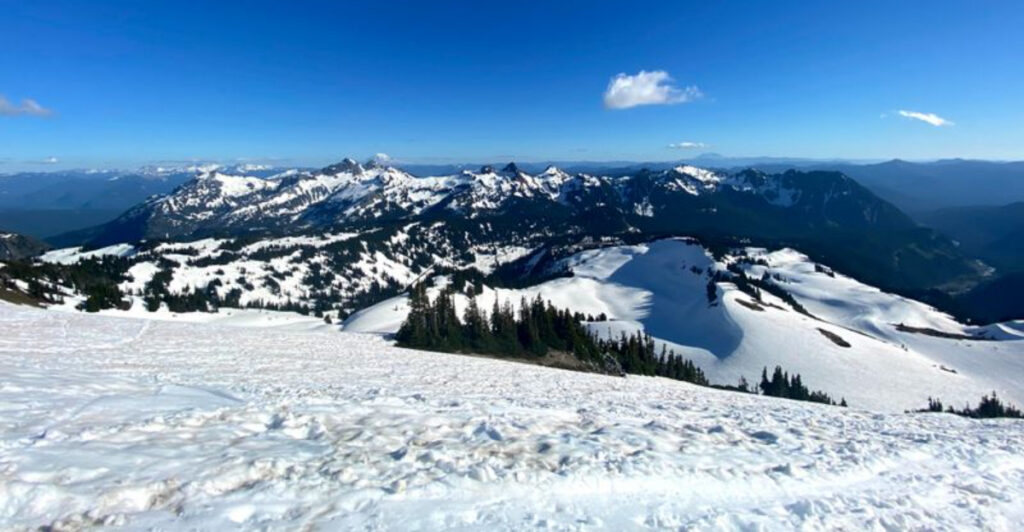
Winter transforms hiking trails across America into magical wonderlands, from frozen alpine lakes in the Rockies to sunny desert oases in the Southwest. Whether you crave snowy mountain adventures or prefer warm coastal walks, the U.S. offers incredible winter hiking for every skill level and climate preference. This guide showcases diverse trails that shine brightest during the colder months, when crowds thin out and nature reveals a completely different character. Lace up your boots and discover why winter might just be the best season to hit the trail.
1. Emerald Lake – Rocky Mountain National Park, Colorado
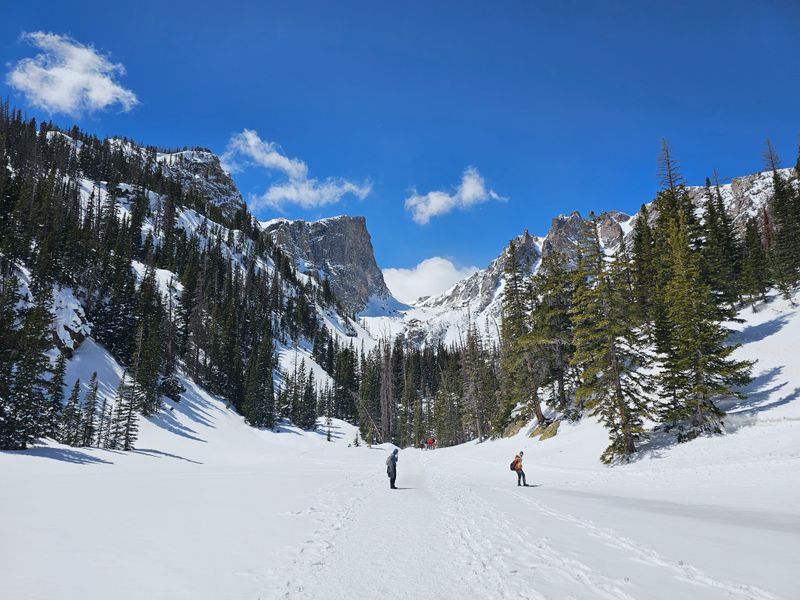
Rocky Mountain National Park becomes a true winter wonderland when snow blankets the high country. The trail to Emerald Lake passes three stunning alpine lakes that freeze solid, creating scenes straight out of a snow globe. Starting from Bear Lake, you’ll climb gradually through forests and open meadows with the Continental Divide towering overhead.
Snow conditions here are serious business. The trail gets packed down by snowshoers but still requires microspikes or snowshoes to navigate safely. Icy patches hide under fresh powder, especially near the lake basins where wind sweeps across exposed areas.
Parking at Bear Lake fills up fast even in winter, so arrive early or use the park shuttle if it’s running. Many visitors join guided snowshoe tours that teach winter ecology while exploring this classic route. The payoff at Emerald Lake, with its frozen surface reflecting jagged peaks, makes every snowy step worthwhile.
2. Taggart Lake – Grand Teton National Park, Wyoming
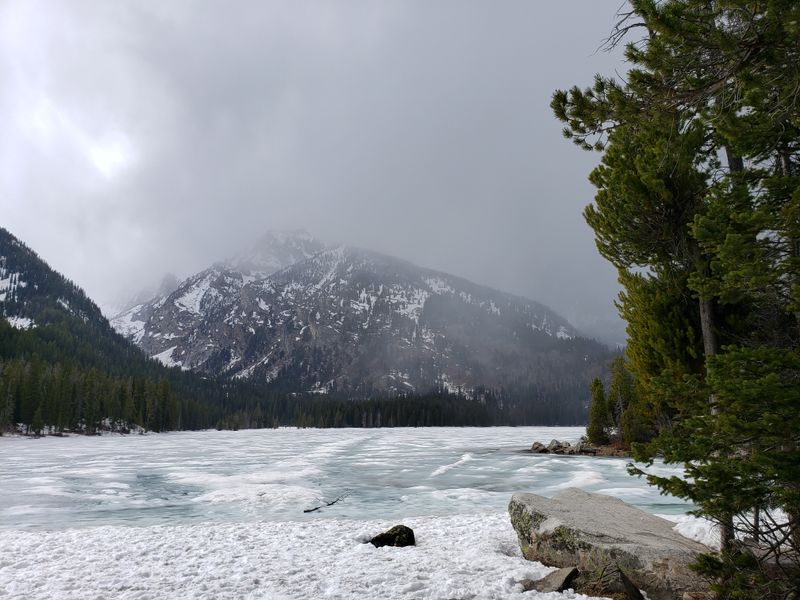
When most of Grand Teton shuts down for winter, Taggart Lake remains beautifully accessible. Teton Park Road stays plowed from Moose to the trailhead, making this frozen lake destination perfect for a winter outing. The trail gets groomed regularly for both snowshoers and cross-country skiers, creating a smooth path through the snowy landscape.
Views of the Teton Range dominate every step of this journey. The mountains rise dramatically from the valley floor, their sharp peaks cutting into bright blue winter skies. At the lake itself, you’ll find a frozen expanse framed by those iconic jagged summits.
Bundle up seriously for this hike because Wyoming winter wind doesn’t mess around. Temperatures can plunge well below freezing, and exposed sections of trail offer little shelter from brutal gusts. Bring snowshoes or skis once snow covers the path completely, and don’t forget extra layers and face protection.
3. Navajo Loop (Two Bridges Side) – Bryce Canyon National Park, Utah
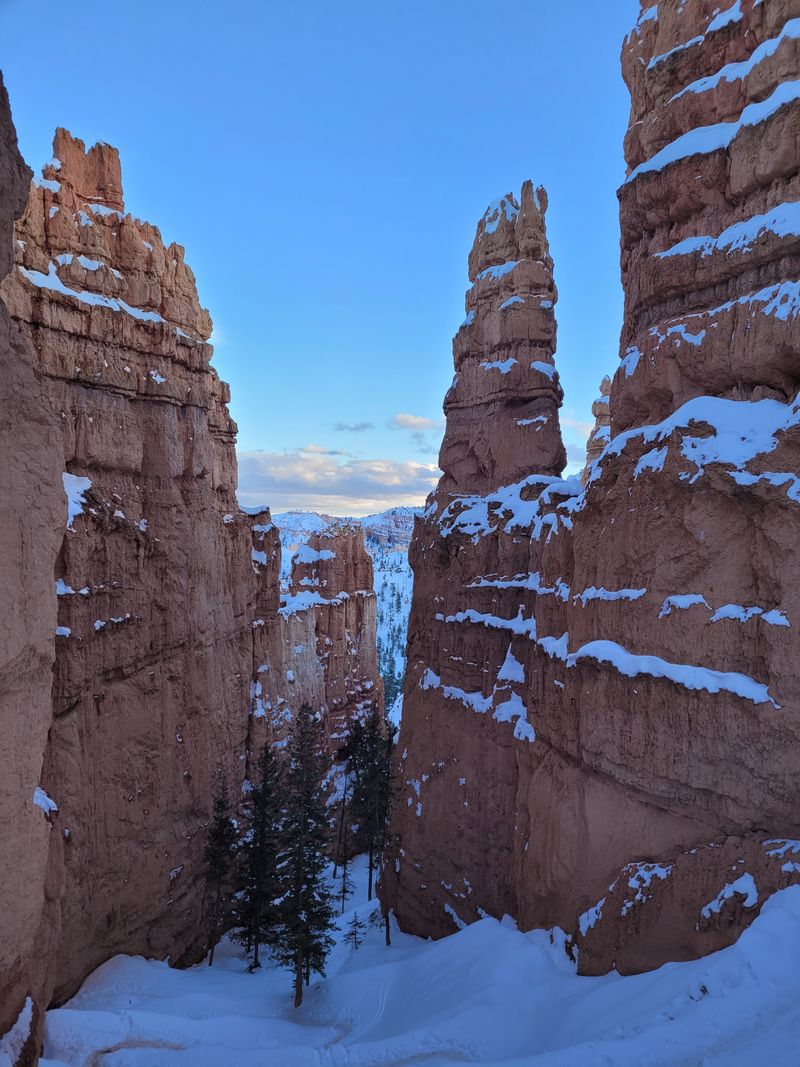
Few sights match the surreal beauty of Bryce Canyon’s orange hoodoos dusted with fresh snow. The Navajo Loop drops from Sunset Point straight into the heart of the amphitheater, letting you walk among towering limestone spires. During winter, the Wall Street section closes due to ice danger, but the Two Bridges side remains open as an out-and-back adventure.
Steep switchbacks make this hike more challenging than the short distance suggests. Snow on those turns gets packed down and polished into slick ice by countless boots. Rangers aren’t kidding when they specifically recommend microspikes or crampons for this trail.
Check the park’s winter condition updates before heading down because trail status can change quickly. The descent is thrilling but demands respect, especially when ice coats the narrow path. Coming back up those same icy switchbacks tests your legs and your traction devices equally.
4. Delicate Arch – Arches National Park, Utah
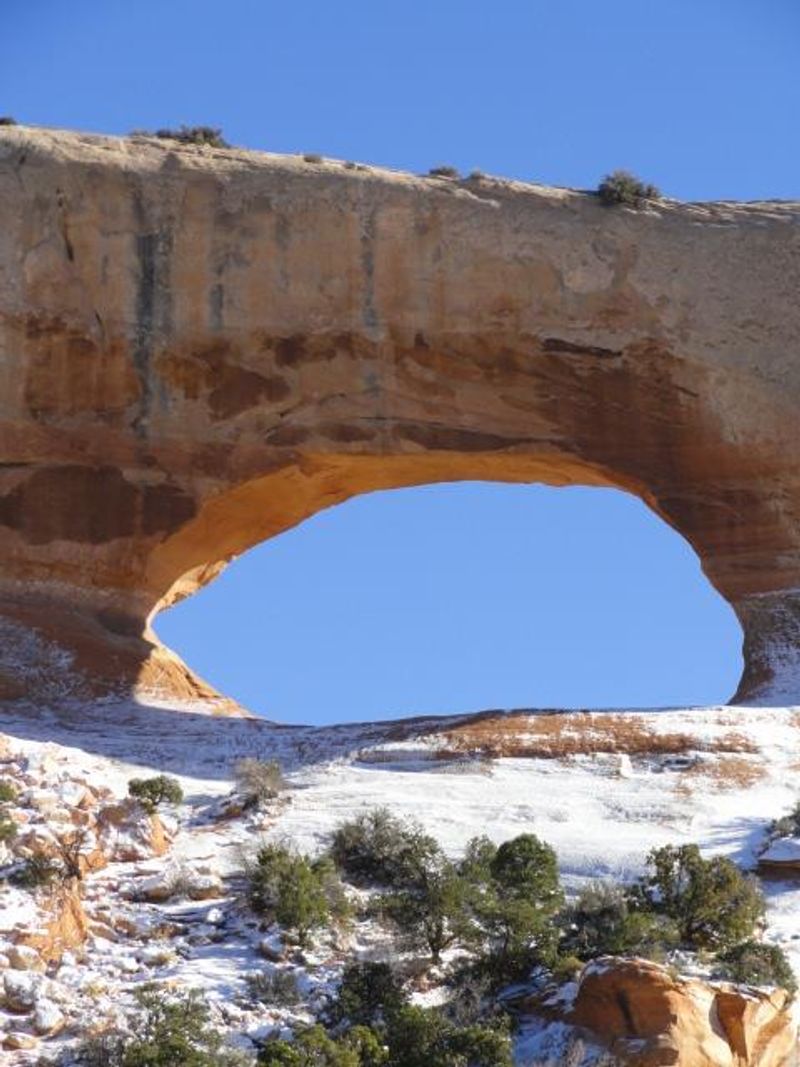
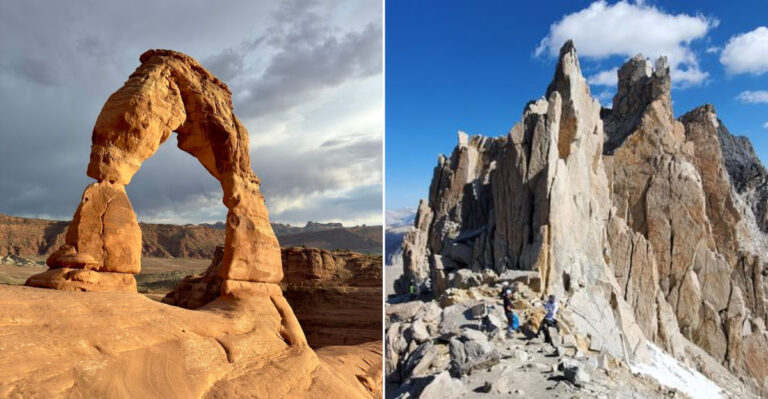
Utah’s most famous arch looks completely different when winter dusts it with snow. Cooler temperatures replace the scorching summer heat, and you might even have this iconic spot mostly to yourself. The contrast between red sandstone and white snow creates photography magic, especially with the La Sal Mountains rising in the distance.
The hike crosses a long slickrock slab that becomes treacherous when temperatures hover near freezing. Water freezes on the smooth rock surface, creating invisible ice patches that can send you sliding. Microspikes transform this section from scary to manageable, gripping the slick surface reliably.
Start early to snag parking and catch the best light on the arch. The trailhead at Wolfe Ranch has limited spaces that fill quickly even in the off-season. Moderate difficulty means steady climbing and some exposure near drop-offs, so watch your footing throughout the journey.
5. Panorama Point (Skyline Winter Route) – Mount Rainier National Park, Washington
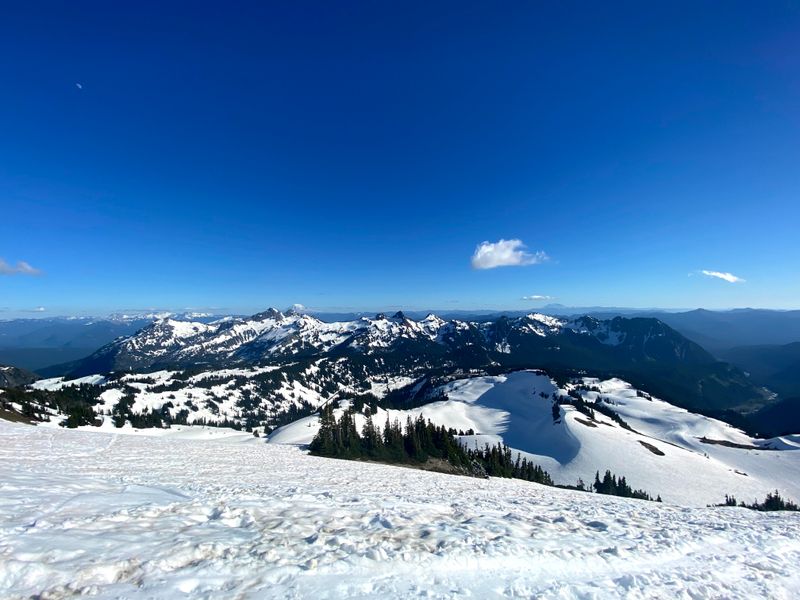
Paradise lives up to its name when winter transforms this area into an alpine playground. The route to Panorama Point climbs steadily through deep snow, revealing sweeping views of Mount Rainier and the surrounding Cascade peaks. On clear days, the massive volcano dominates the skyline, its glaciers gleaming in winter sun.
This classic snowshoe route requires preparation beyond just warm clothes. Avalanche danger exists in this terrain, so check forecasts before you go and consider carrying proper safety gear on high-risk days. Many hikers bring beacons, probes, and shovels when conditions warrant extra caution.
Getting to Paradise itself can be an adventure in winter. The access road has daily opening and closing decisions based on weather and avalanche control work. Chain requirements change frequently, so check current road status before driving up. The five-mile round trip offers moderate difficulty with steady elevation gain through stunning winter scenery.
6. Black Sand Basin Trail – Yellowstone National Park, Wyoming
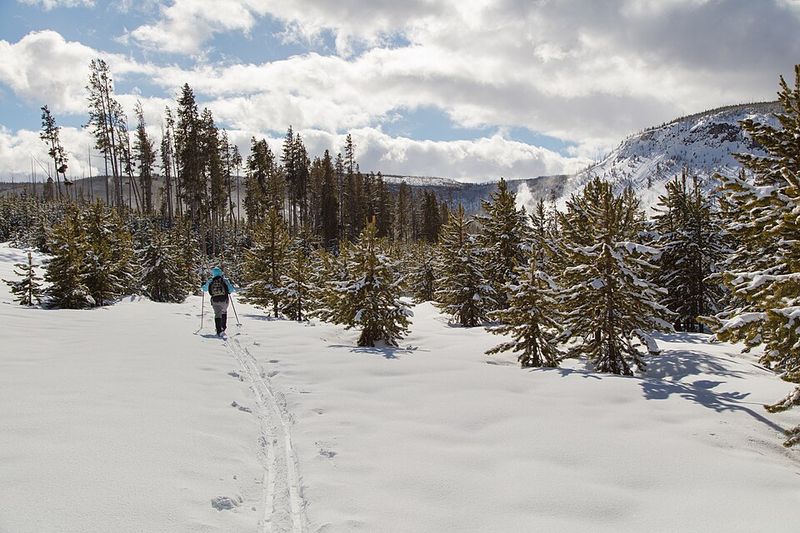
Yellowstone in winter feels like another planet entirely. Steaming geysers erupt against snowy backdrops, bright thermal pools glow with impossible colors, and bison lumber through deep drifts like shaggy prehistoric giants. The trail from Old Faithful to Black Sand Basin and through Upper Geyser Basin puts you right in the middle of this geothermal wonderland.
Reaching this trail requires commitment because regular vehicles can’t access the interior in winter. You’ll need to arrange transportation via snowcoach or snowmobile to get to Old Faithful Visitor Center. From there, the four-mile round trip crosses relatively flat terrain, though deep snow makes the going slower and more tiring than summer walking.
Sub-zero temperatures are common here, so dress in serious cold-weather layers. Bring high-energy snacks to fuel your body’s furnace while exploring. Snowshoes or cross-country skis help tremendously when snow depth increases, which the park specifically recommends for this route.
7. Gorham Mountain Loop – Acadia National Park, Maine
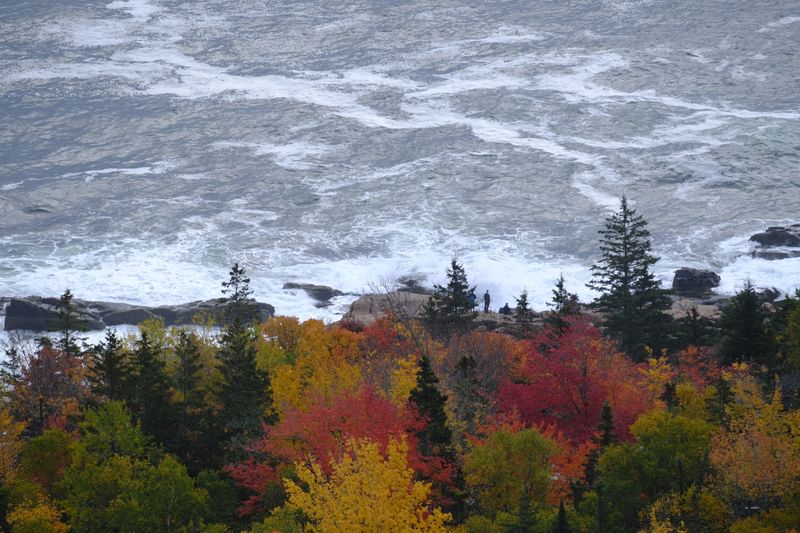
Acadia’s rugged coastline takes on a stark beauty when winter arrives. The Gorham Mountain Loop delivers views of Sand Beach, the Atlantic Ocean, and Cadillac Mountain from a relatively short but varied trail. Crisp ocean air, snow-dusted granite slabs, and near-total solitude make this a completely different experience from the crowded summer season.
Don’t underestimate this moderate hike just because it’s short. Rock scrambling sections and granite slabs can be covered in solid ice, creating genuinely hazardous conditions. Acadia’s winter guidance strongly recommends microspikes or crampons, and that’s not optional advice.
Winter days are short this far north, so plan your timing carefully. Fast-changing coastal weather can turn a pleasant morning into a dangerous afternoon quickly. Always be ready to turn back if conditions deteriorate, and check the Park Loop Road status since only certain sections get plowed in winter.
8. Jud Wiebe Trail – Telluride, Colorado
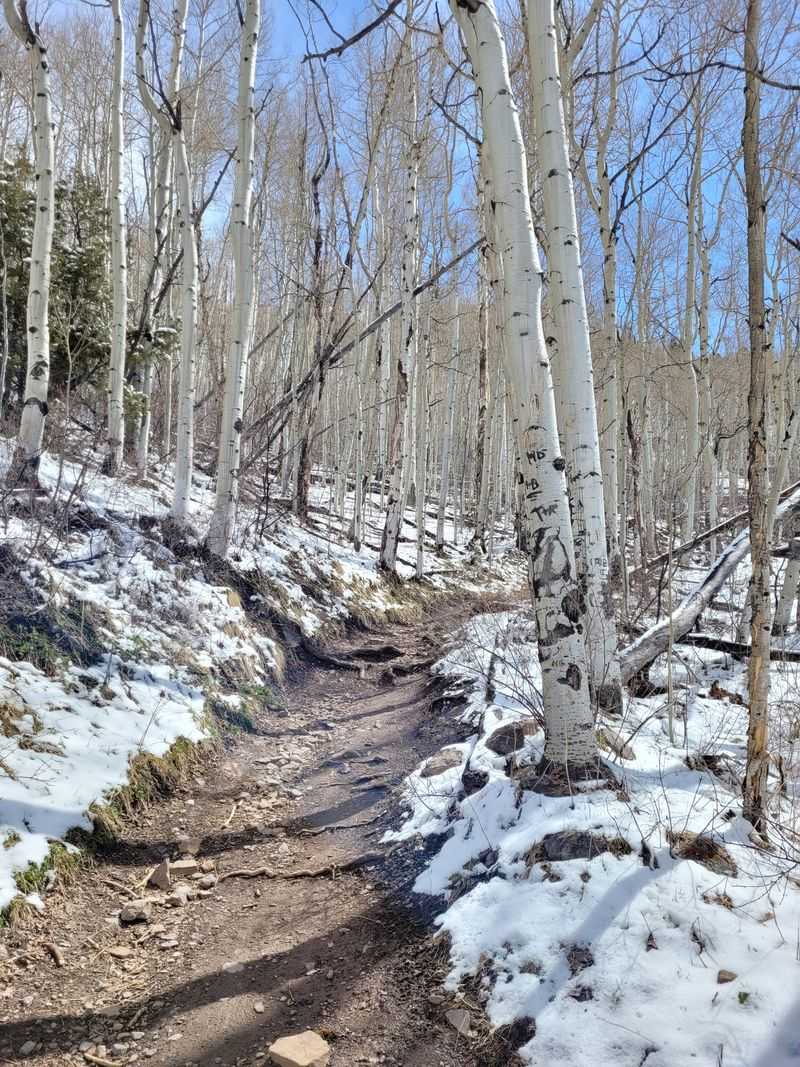
Starting right from downtown Telluride, this steep loop climbs quickly to fantastic views over the town and ski slopes. What makes the Jud Wiebe special in winter is its sunny south-facing exposure. The trail often stays hikeable year-round, with packed snow instead of the deep drifts that bury other routes in the area.
Expect about 1,200 feet of elevation gain over roughly three miles. That’s a solid workout, especially at this altitude, but the payoff comes quickly. Views open up as you climb through forest, revealing the dramatic box canyon that cradles Telluride and the peaks surrounding it.
Trail conditions vary wildly depending on recent weather. You might encounter bare ground, solid ice, or everything in between, so bring traction devices just in case. If you plan to extend beyond the standard loop into higher terrain, check local avalanche forecasts first. Access from either Aspen Street or Tomboy Road trailheads makes this convenient for a morning adventure before lunch in town.
9. Darwin Falls – Death Valley National Park, California
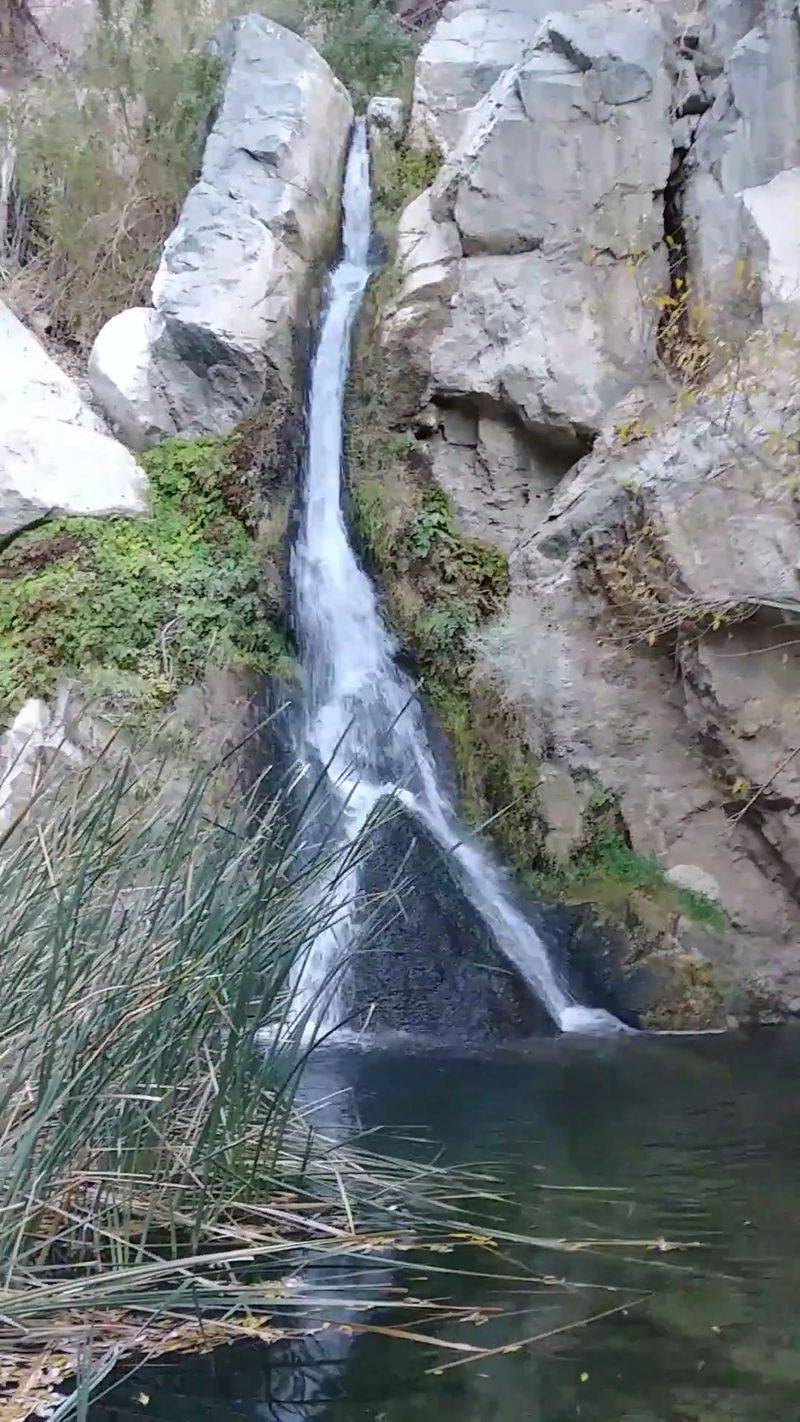
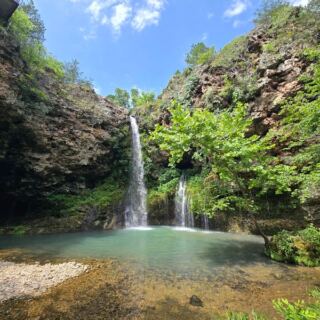
Death Valley earns its ominous name during summer when temperatures soar past 120 degrees. Winter flips the script completely, bringing mild temperatures perfect for exploring. The short trail to Darwin Falls leads through a narrow canyon to discover a rare year-round waterfall and lush pool, an unexpected oasis hidden in one of Earth’s hottest places.
Getting there requires driving Darwin Falls Road, a dirt route off CA-190 west of Panamint Springs. Standard vehicles can typically make it with careful driving, but road conditions change after flash floods and erosion. Check Death Valley’s official alerts before heading out to avoid surprises.
The two-mile out-and-back involves some rock-hopping and stream crossings. Moderate difficulty comes more from uneven terrain than distance or elevation. At the falls, resist any temptation to swim because the small oasis is ecologically sensitive and swimming isn’t allowed. Just enjoy this improbable desert miracle from the trail.
10. Fortynine Palms (49 Palms) Oasis Trail – Joshua Tree National Park, California
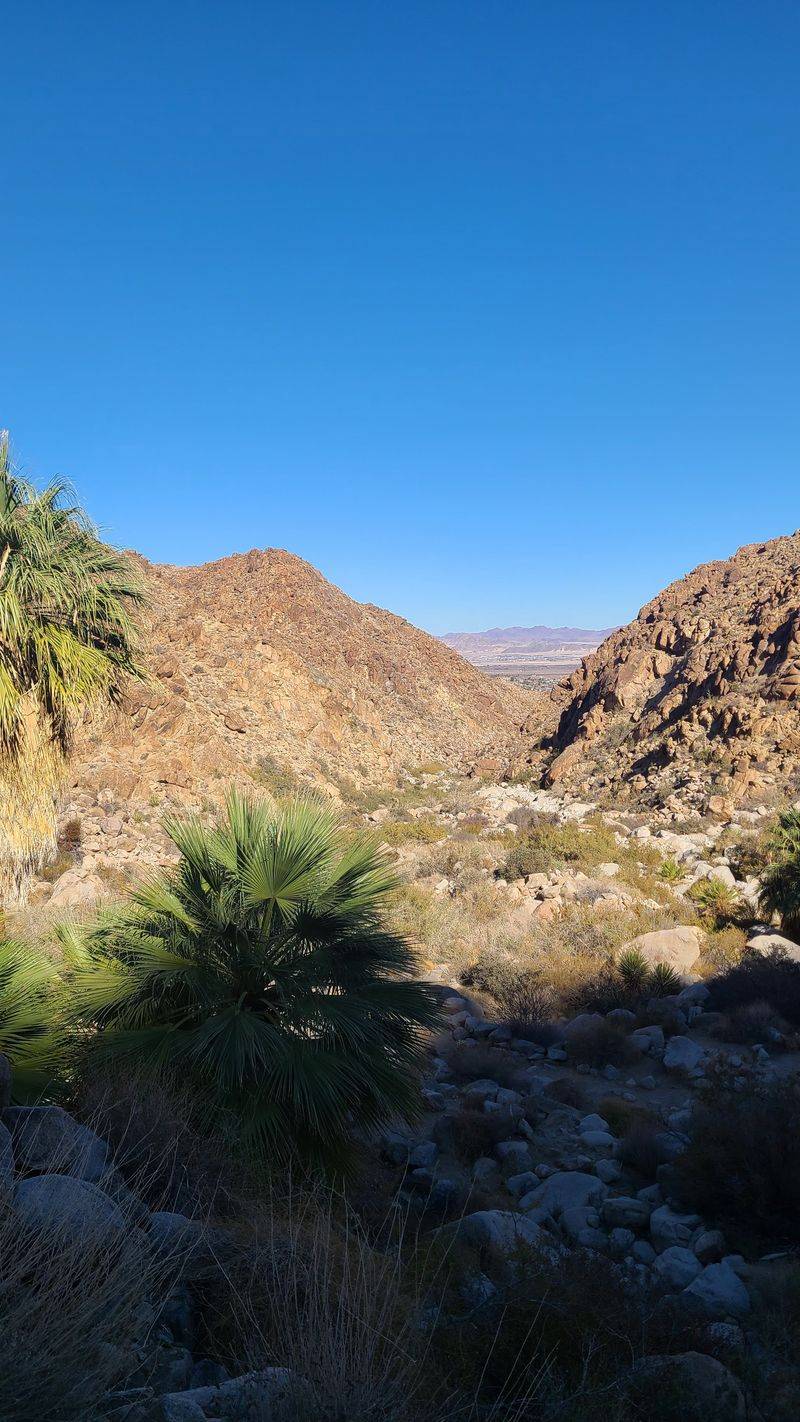
Joshua Tree’s desert landscapes become truly hikeable once winter arrives and temperatures drop. This trail crosses rocky desert hills to reach a shady fan-palm oasis tucked into a hidden canyon. The classic Joshua Tree scenery plays out around you, minus the dangerous heat that makes summer hiking here potentially deadly.
Don’t let the short three-mile distance fool you. The trail climbs over 300 feet in each direction, and the exposed route offers zero shade. Moderate-to-hard difficulty reflects that challenging combination, especially under the desert sun.
Access the trailhead off Highway 62 near Twentynine Palms. Even in winter, desert conditions demand respect, so pack more water than seems necessary and wear proper desert footwear. Note that a different oasis in the park, the Oasis of Mara, has experienced closures due to trail damage, so always verify which trail you’re planning before setting out. Winter and shoulder seasons are prime time for tackling this rewarding desert hike.
11. Hall of Mosses – Hoh Rain Forest, Olympic National Park, Washington
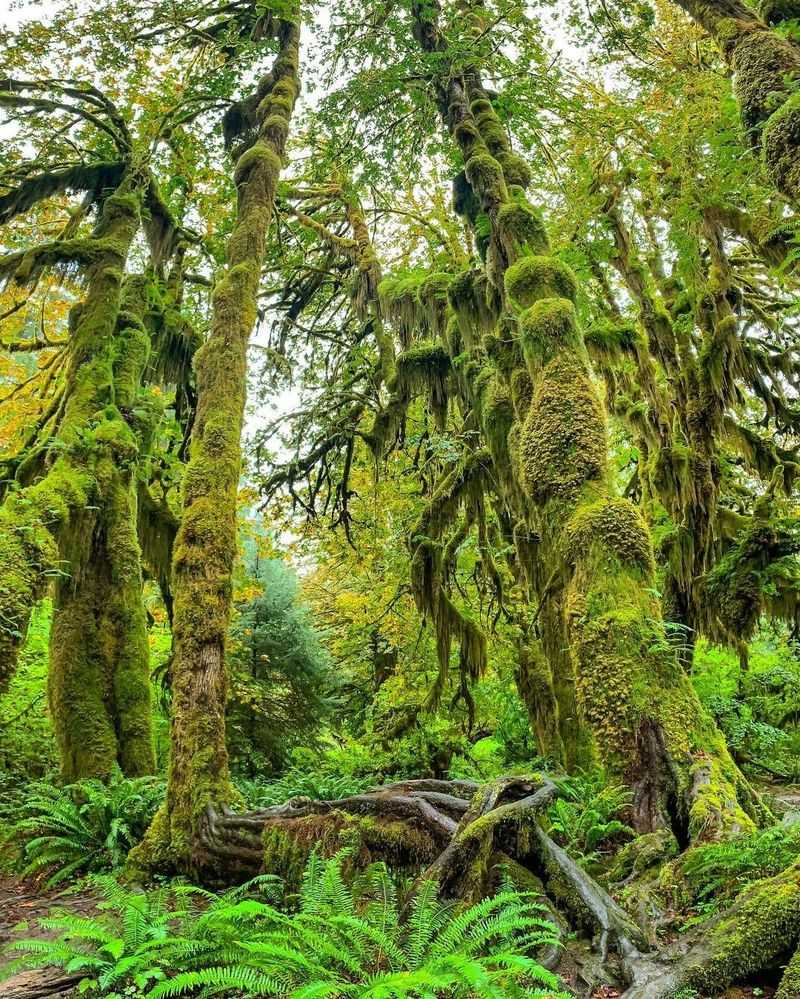
Not every winter hike involves snow and ice. The Hall of Mosses loop in the Hoh Rain Forest stays lush, green, and moody throughout the cold months. Giant trees wear thick coats of draped moss, ferns carpet the forest floor, and frequent mist creates an enchanting fairytale atmosphere. Winter rains keep everything vividly alive while tourist crowds disappear almost completely.
This easy loop measures less than a mile but packs incredible scenery into every step. The trail winds through one of the most pristine temperate rainforests on the planet. Massive Sitka spruces and western hemlocks tower overhead, some hundreds of years old.
Expect rain and mud rather than snow here. Waterproof layers are essential, and hiking shoes you don’t mind getting thoroughly soaked will make the experience much more enjoyable. The trailhead sits right at the Hoh Rain Forest Visitor Center, making access simple even in winter. This is winter hiking for people who prefer green to white.
12. Puʻu Loa (Puʻuloa) Petroglyph Trail – Hawaiʻi Volcanoes National Park, Hawaiʻi
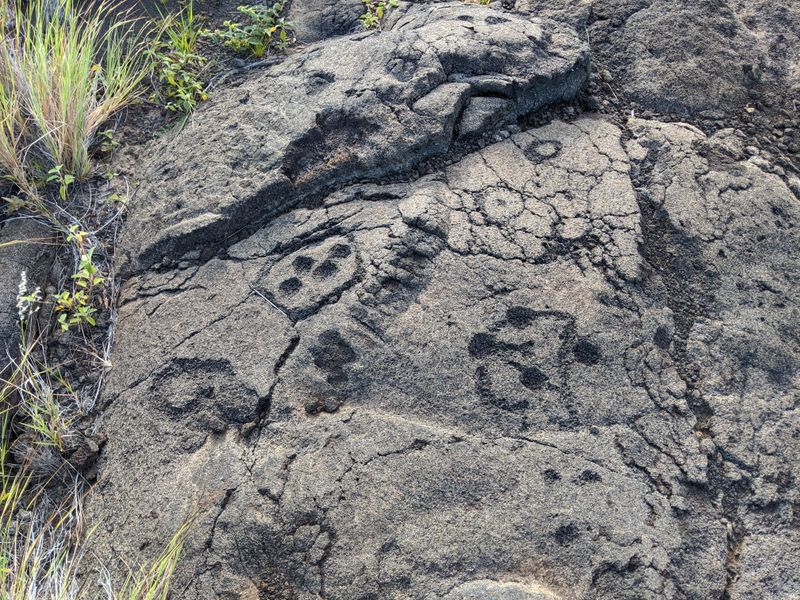
Winter on the Big Island simply means cooler, slightly wetter, and less crowded. The Puʻu Loa Trail crosses a dramatic lava field to reach an extraordinary concentration of petroglyphs, roughly 23,000 ancient carvings preserved along a protective boardwalk. Cooler winter temperatures make this fully exposed hike far more comfortable than the hot, humid summer months.
The 1.4-mile round trip presents moderate difficulty mainly because of the uneven lava terrain. Walking on solidified lava fields requires attention with every step. Sharp rocks and unpredictable surfaces demand sturdy footwear and careful foot placement.
Weather on the coast can flip between hot sun, strong wind, and sudden rain. Bring water, sun protection, and a light rain layer to cover all possibilities. The trailhead sits along Chain of Craters Road in the park. Most importantly, stay on the marked route and boardwalk to protect this culturally important site that holds deep significance for Native Hawaiians.
13. Cape Falcon Trail – Oswald West State Park, Oregon
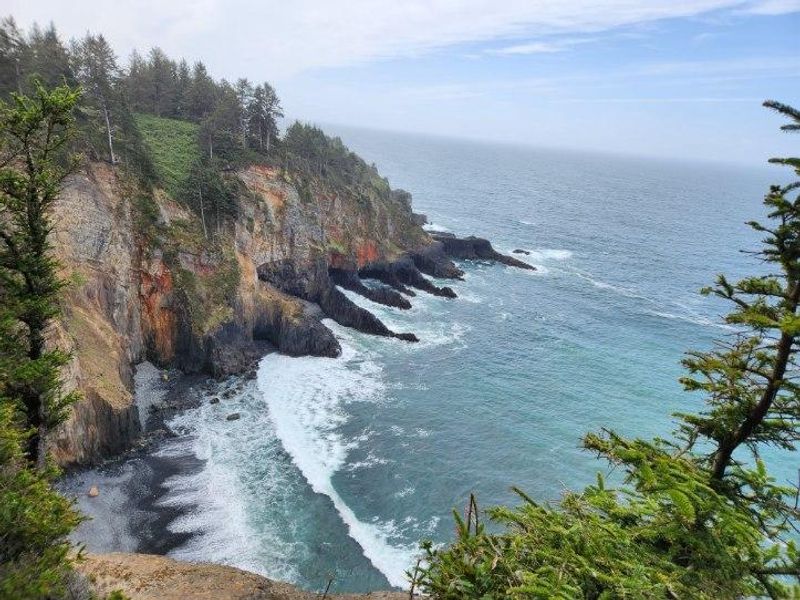
The Oregon Coast reveals its wild side during winter storms, and Cape Falcon offers a front-row seat. This dramatic headland juts into the Pacific, delivering cliff-top views that Travel + Leisure named among the most beautiful winter hikes in America. Winter timing is perfect for spotting migrating gray whales from the rocky promontory as they travel along the coast.
The 4.2 to 4.6-mile round trip follows a muddy, rooty coastal trail with modest elevation gain. Moderate difficulty comes more from slippery conditions than technical challenges. After winter storms, the path can become seriously muddy and slick, so waterproof shoes with good traction are essential.
Trekking poles help tremendously on the slippery sections while providing extra stability. The trailhead sits in Oswald West State Park, a short drive south of Cannon Beach. Watch the ocean from a safe distance because winter waves pack serious power and sneaker waves can be deadly. The dramatic seascape and whale-watching opportunities make this coastal adventure unforgettable.
Share this story