Ancient bridges are more than stone and timber. They are time capsules you can walk across, carrying whispers of merchants, pilgrims, and empires with every step. If you have ever felt a thrill standing where countless feet once crossed, this journey is for you. Let these enduring spans show you how beauty, ingenuity, and resilience still shine today.
Pons Fabricius – Rome, Italy
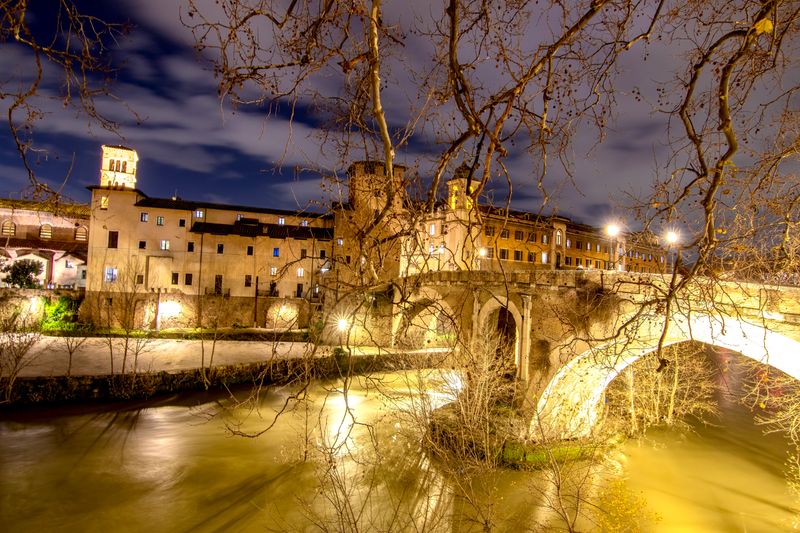
Step onto Pons Fabricius and you feel Rome compress into a single breath. Built in 62 BCE, this modest yet mighty stone span links the city center to Tiber Island, still carrying pedestrians on the same footprint ancient Romans used. War, flood, and centuries of footsteps have polished its stones, proving durability can also be graceful.
You notice the arches first, then the subtle textures that time etched into the masonry. Look closely and you can spot Latin inscriptions on the parapets, anchoring the bridge to a civic story older than most nations. The Tiber glides beneath like a moving archive, carrying a faint echo of forum debates and market chatter.
Visit at sunrise when the water glows and you can hear your own footsteps. You will share the walkway with locals, tourists, and the memory of emperors who once commanded these banks. It is not the grandest Roman bridge, but it might be the most intimate, inviting you to slow down, trace the stones, and feel history meet your stride.
Ponte Sant’Angelo – Rome, Italy
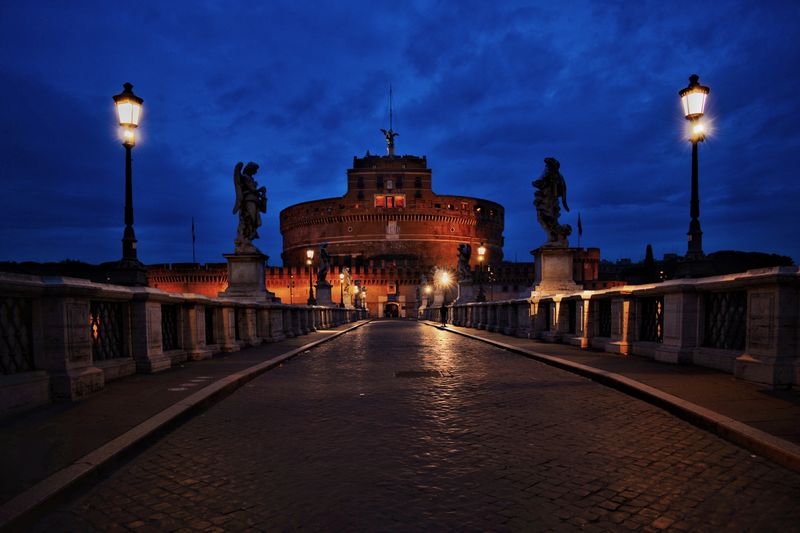
Ponte Sant’Angelo feels like a procession in stone. Commissioned by Hadrian, it guides you toward Castel Sant’Angelo while angels line the way, their marble garments stirring in imagined wind. The bridge fuses Roman engineering with Baroque drama, turning a crossing into a ceremony.
Walk slowly and let each angel meet your gaze. Many emerged from Bernini’s circle, and their expressions soften the severe geometry of arches and parapets. At dusk, lights flicker across the Tiber and the statues seem to float, as if the river itself were carrying a sacred story upstream.
Bring a curious eye and comfortable shoes. You will find musicians, painters, and lovers framing the skyline with cameras and sketches. The stones underfoot are spare and confident, built for the ages, while the sculptures add theatrical warmth, reminding you that utility and beauty do not compete here. They conspire to make the walk unforgettable.
Pont du Gard – Vers-Pont-du-Gard, France
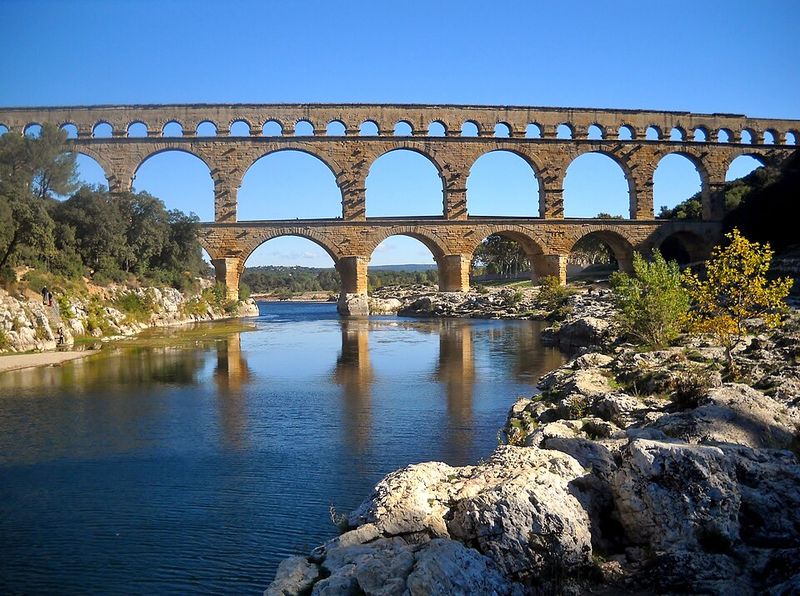
Stand beneath Pont du Gard and your sense of scale rearranges itself. The Roman aqueduct towers in luminous limestone, tier upon tier, carrying water long after its builders vanished. Its arches frame the Gardon like a moving fresco, turning a river bend into a gallery of light.
You can trace chisel marks that traveled 2,000 years to reach your fingertips. The workmanship is exacting, yet the setting softens it, with garrigue plants and cicadas tuning the air. Kayaks slip below as if time and leisure were always meant to share this corridor.
Cross along the visitor path and look sideways through the arcades. Perspective collapses into repeating circles, and you feel the discipline behind ancient infrastructure. It is engineering as poetry, proof that utility can age into beauty. Leave with sun on your shoulders and limestone dust on your shoes, grateful for structures that still teach by simply standing.
Puente Romano – Mérida, Spain
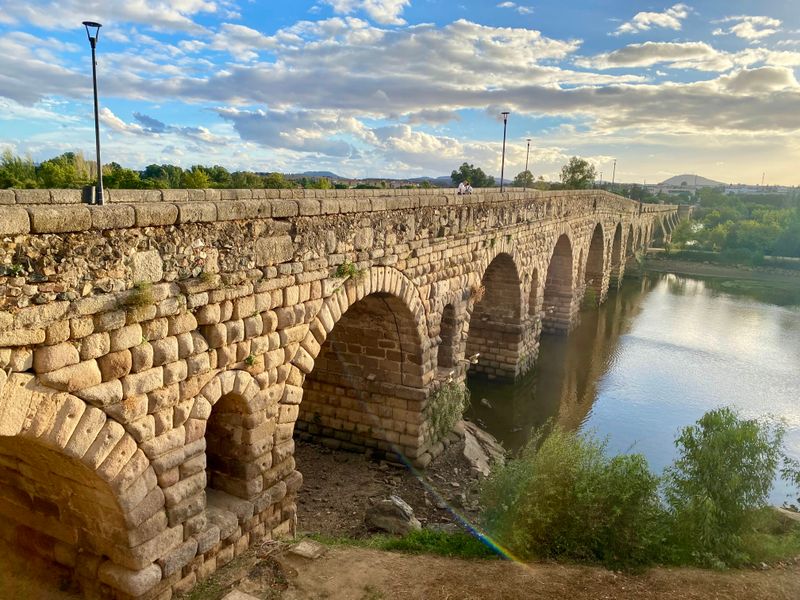
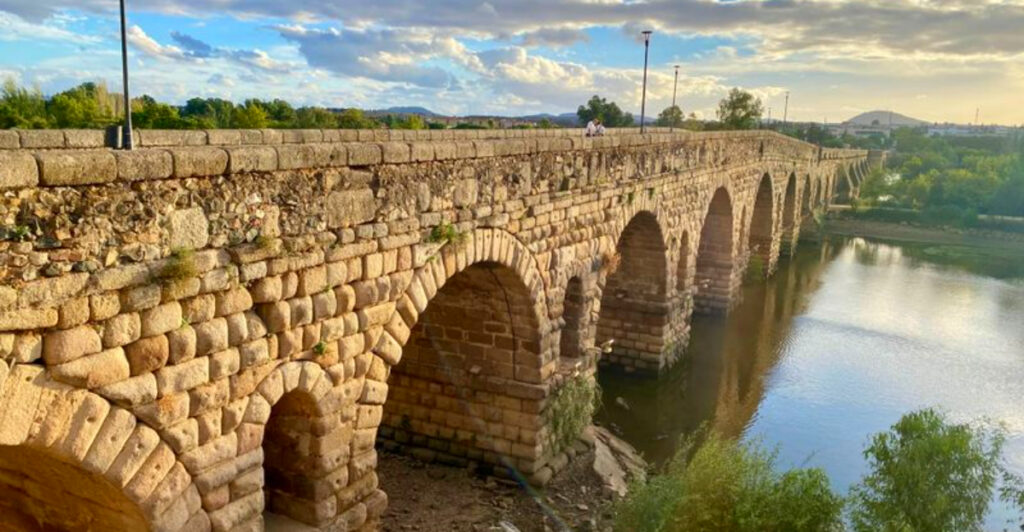
Puente Romano stretches almost endlessly over the Guadiana, a stone sentence written by Rome. In Mérida, you can stroll its rhythm of arches and feel how infrastructure once stitched an empire together. The bridge’s length surprises you, not with height, but with persistence.
Each arch feels like a heartbeat, steady and unfussed by centuries of floods. The stones have settled into a confidence that invites slower steps and quiet conversation. Look down and see the river reading the bridge in ripples, a gentle commentary on endurance.
Visit toward evening when the city begins to glow and the water mirrors the arches. You will meet joggers, families, and history buffs all moving in the same direction, as if drawn by a current of memory. Here, durability becomes elegance. You leave sensing that Rome’s genius was not just conquest, but connection.
Ponte Vecchio – Florence, Italy
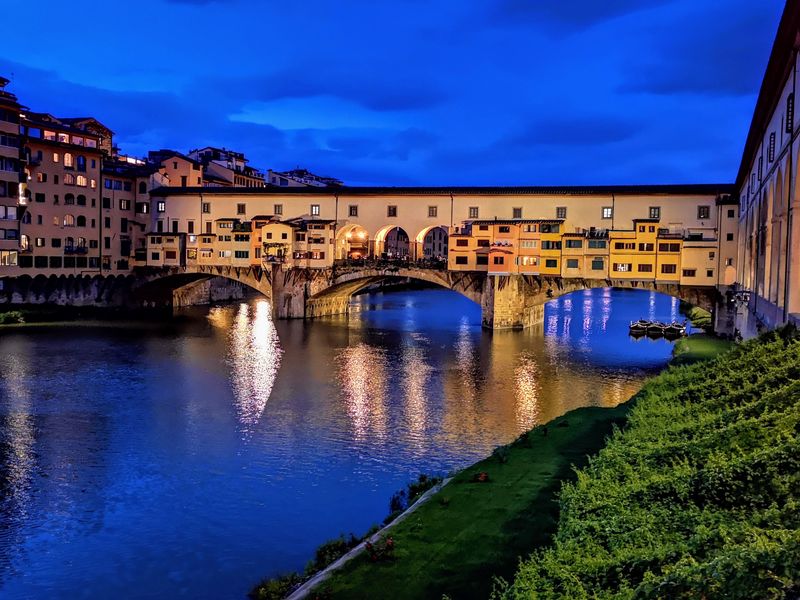
Ponte Vecchio is a market floating on stone. The shops cling to its sides like colorful swallows, their shutters opening to gossip with the Arno. You walk through glittering windows and wood beams, where goldsmiths replace the medieval butchers who once worked here.
Look up for the Vasari Corridor peeking like a secret passage above the bustle. The arches below are serious and stout, while the bridge itself feels playful, almost theatrical. It is hard not to linger, peering into display cases that sparkle like small constellations.
Cross at twilight when musicians busk and the river blushes. You will hear laughter bouncing off stone and water, a soft chorus that makes the bridge feel alive. Commerce and architecture shake hands here, proving a span can be a street, a stage, and a memory at once.
Charles Bridge – Prague, Czech Republic
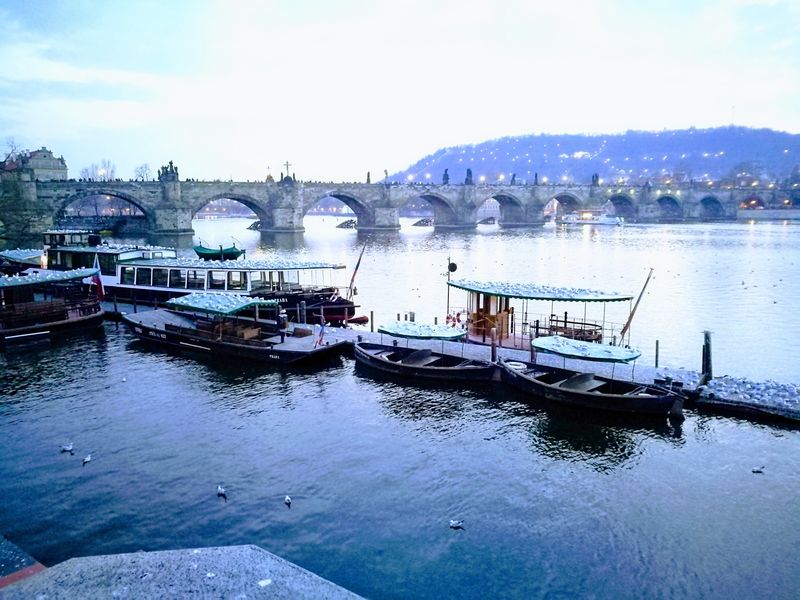
Charles Bridge at dawn is a hush you can walk across. Cobblestones glisten under soft fog while saints watch from pedestals, their silhouettes sharpening as the sky opens. The Vltava drifts below, carrying reflections of towers that feel improbably close.
You pass buskers setting up and painters choosing their vantage points. The statues lend gravitas, yet the bridge never feels heavy. It is a spine for the city, linking Old Town to Lesser Town with a rhythm of arches that feels like a steady heartbeat.
Go early to claim the quiet, then return at night for lights that gild the balustrades. You will find stories in every niche and face, a gallery open to weather and time. The bridge teaches patience, asking you to slow your pace until you can hear Prague breathing through stone.
Stari Most – Mostar, Bosnia and Herzegovina
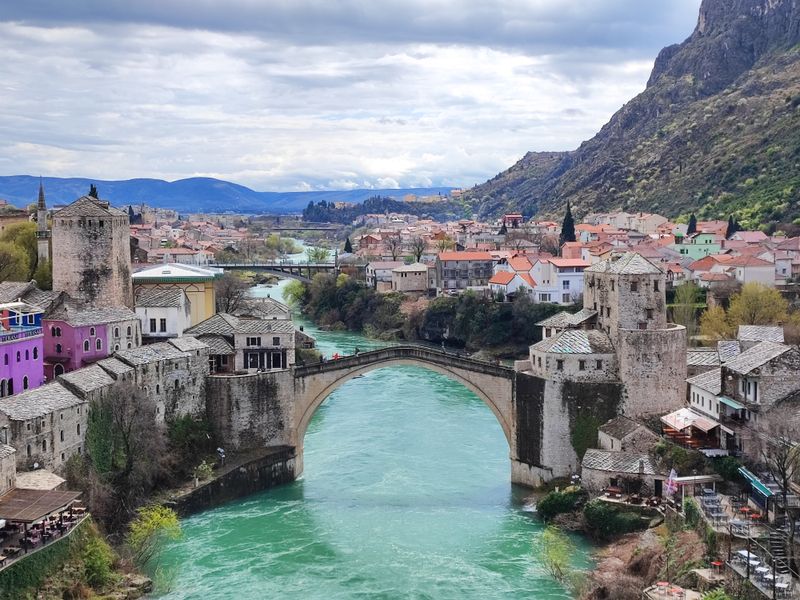
Stari Most is a promise rebuilt. The single stone arch rises like a drawn bow over the Neretva, elegant and tense, its reflection forming a near perfect circle. You can feel both loss and pride in the stones, knowing the bridge was destroyed and resurrected with care.
Stand at midspan and watch divers gather, testing nerves and water levels. Their ritual adds heartbeat to the view, reminding you that bridges connect not only banks, but communities. The old town steps down in limestone terraces, each balcony a theater seat.
Come at golden hour when the river turns jewel green. You will share the moment with travelers, locals, and memories too resilient to fade. The bridge’s curve guides your eye forward, a graceful line that suggests healing is not linear, but still beautifully possible.
Arkadiko Bridge – Argolis, Greece
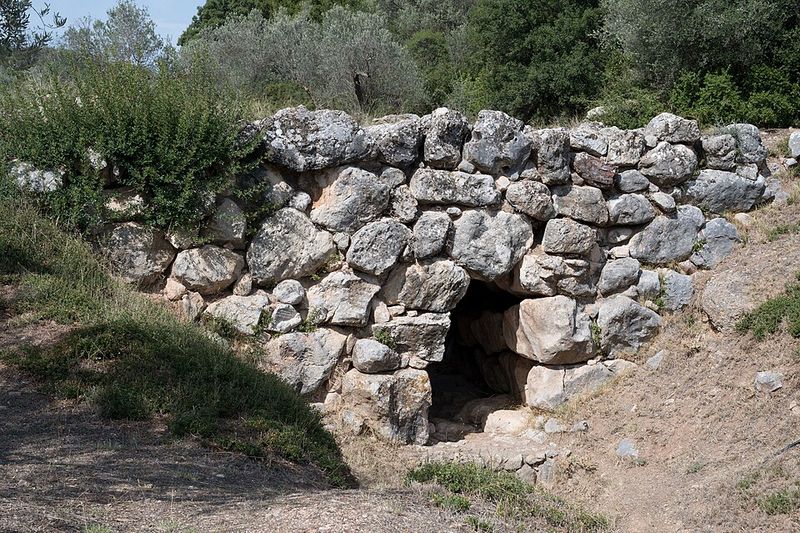
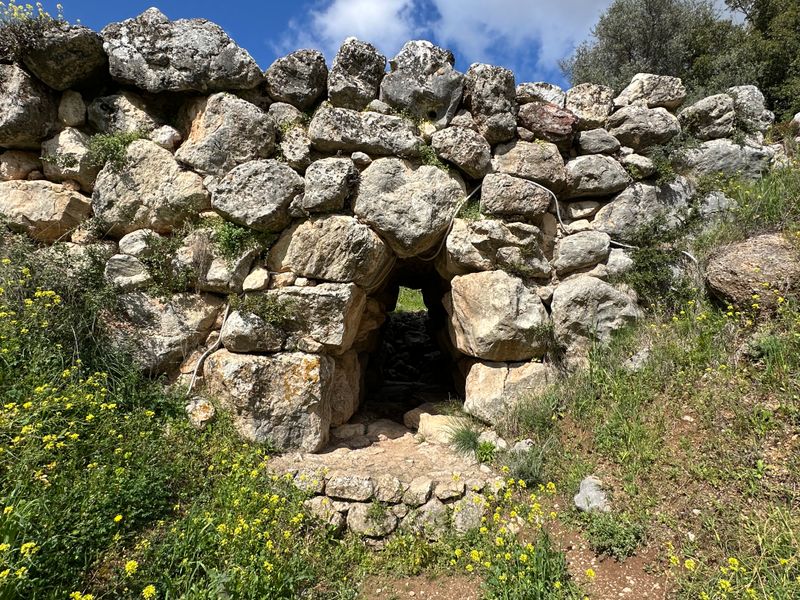
The Arkadiko Bridge whispers from the Bronze Age. Its corbel arch is low and purposeful, stacked stones leaning into one another like neighbors sharing strength. There is no mortar, only gravity and intention, holding a path that has outlived languages.
Walk the approach and imagine chariots clattering over the same passage. The scale is humble, yet the idea is audacious, solving a problem with simple, enduring geometry. You feel close to the builders, as if their hands just left the rocks warm.
Visit in late afternoon when shadows emphasize the stepped profile. The countryside folds around the bridge, quiet and steady, and you sense infrastructure before empire, utility before grandeur. It is a lesson in sufficiency, showing how minimal means can last millennia when wisely set.
Tarr Steps – Somerset, England
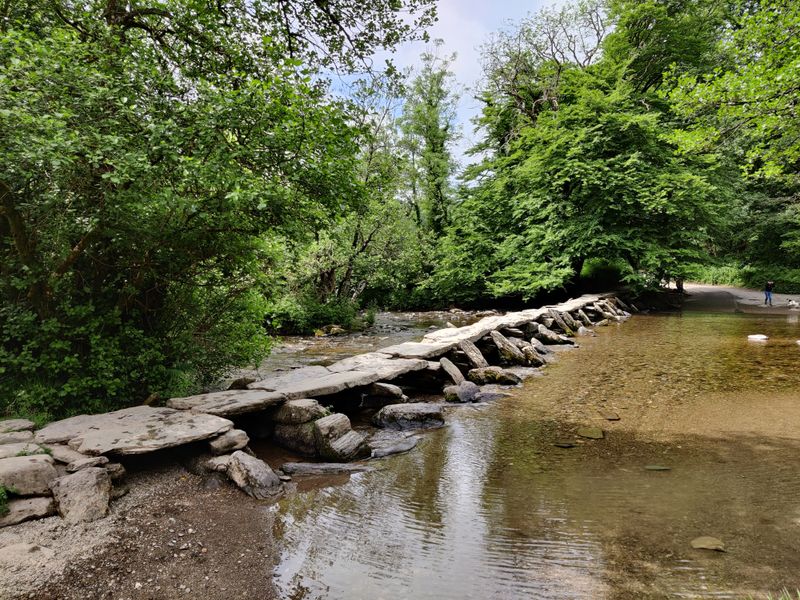
Tarr Steps feels prehistoric because it likely is. Massive stone slabs stride across the River Barle, a clapper bridge that reads like footprints of giants. You tiptoe from slab to slab, ears tuned to the river’s murmur and woodland birds stitching the silence.
Moss textures the edges, and pools mirror the canopy in fractured panes. Floods sometimes rearrange the stones, and locals patiently reset them, continuing a conversation across centuries. The bridge is low and wide, a path that hugs water rather than defying it.
Wear sturdy shoes and bring a sense of play. You will pause mid crossing to watch the current lace around each slab, admiring how simple design meets persistent nature. It is the kind of place where time loosens, and you leave with damp boots and a quieter mind.
Caravan Bridge – Izmir, Turkey
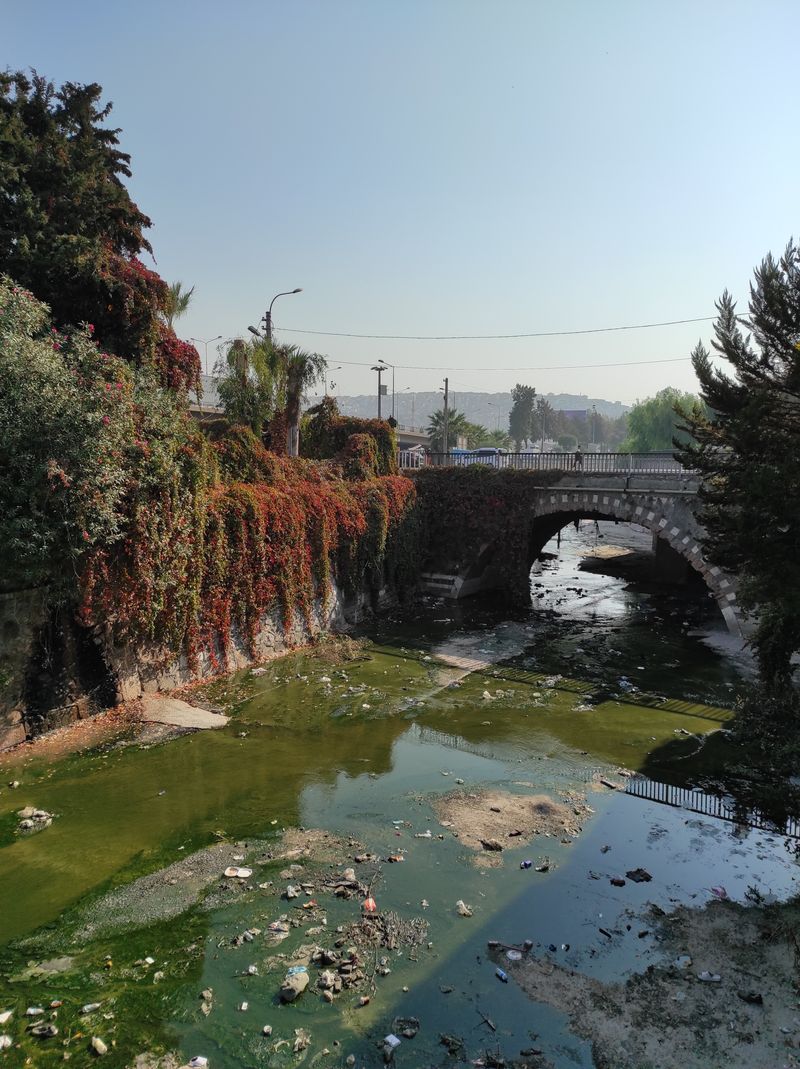
The Caravan Bridge over the River Meles looks modest, but its claim is mighty. Often cited as the oldest datable bridge still in use, it folds daily life into an epic timeline. You can cross it in seconds and still feel the long shadow of centuries trail behind you.
Its low profile suits a river that prefers conversation to drama. Stones sit close to the water, weathered and practical, made for carts and footsteps rather than spectacle. The name hints at trade routes and stories exchanged in passing.
Pause and watch modern Izmir flow around this survivor. Cars and cafes surround it, yet the bridge keeps its own pace. You sense continuity as a quiet power, proving not all legends need to be tall. Some are small and steady, showing up for work every day.
Pont de Nyons – France
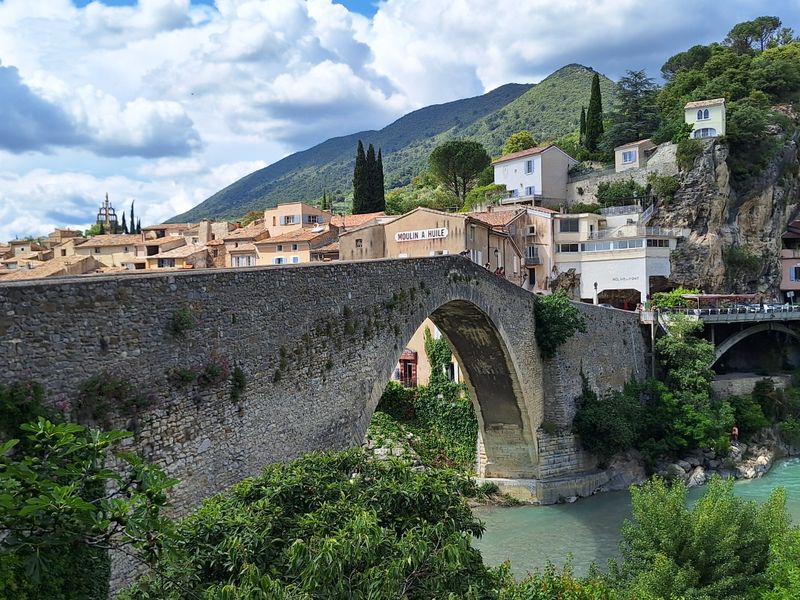
Pont de Nyons feels like a postcard come to life. A single arch leaps over the Eygues, framing tile roofs, vineyards, and the easy brightness of southern France. You can hear market chatter drifting from nearby streets, olives and lavender perfuming the air.
The bridge’s curve is clean and confident, its parapets worn by local hands. It may not headline guidebooks, but it anchors daily routines, a practical beauty that belongs to the town as much as the town belongs to it. Stand below and watch the arch throw a perfect shadow across clear water.
Visit during market hours to see it at work, connecting errands, gossip, and cheerful greetings. You will leave with sun on your shoulders and a sense that elegance thrives in ordinary places. The bridge proves heritage is not only preserved in museums. Sometimes it is the route to lunch.
Pont Julien – Provence, France
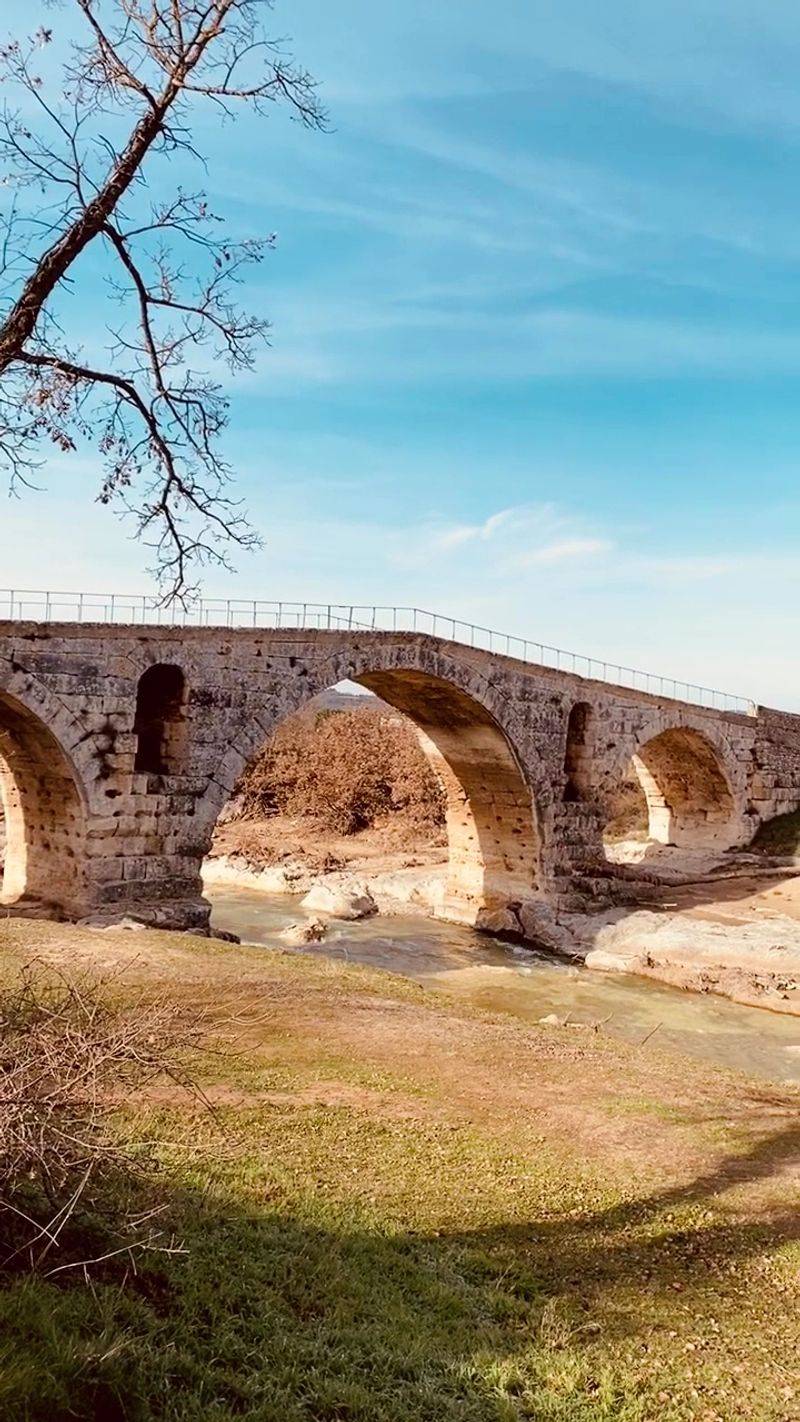
Pont Julien wears Roman confidence lightly. Three arches step across the Calavon with exact proportions, making strength look simple. You can trace the tooling on limestone blocks and feel how clean geometry tames flowing water.
The countryside does its part, draping vineyards and lavender around the structure like a gentle frame. Sunlight pulls sharp shadows from the voussoirs, and swallows stitch the air between parapets. It is easy to forget cars and centuries when the forms fit this well.
Walk along the riverbank to take in the arches from below. The bridge reads like a textbook margin note: concise, legible, and convincing. You leave thinking that Roman pragmatism can feel surprisingly tender when it meets the right landscape, turning utility into quiet grace.
Arkadiko-Style Ancient Bridges Across Turkey
Turkey’s landscapes are threaded with ancient crossings, each telling a chapter of movement and power. From Roman military routes to earlier local spans, the bridges reveal ambitions scaled to mountains and rivers. Think of them as stone sentences that extended empires and sustained trade.
Consider Constantine’s Bridge over the Danube, once among antiquity’s longest river spans. Even in fragments and memory, its audacity speaks clearly. Elsewhere, smaller arches and causeways handle the quiet work, stitching villages and markets with steady practicality.
Traveling these routes, you feel how infrastructure shapes destiny. Bridges determine which towns thrive, which armies arrive, which cultures meet at dusk to barter and share stories. You come away respecting the way stone, timber, and design can redirect history, one deliberate arch at a time.
Cendere (Severan) Bridge – Adıyaman, Turkey
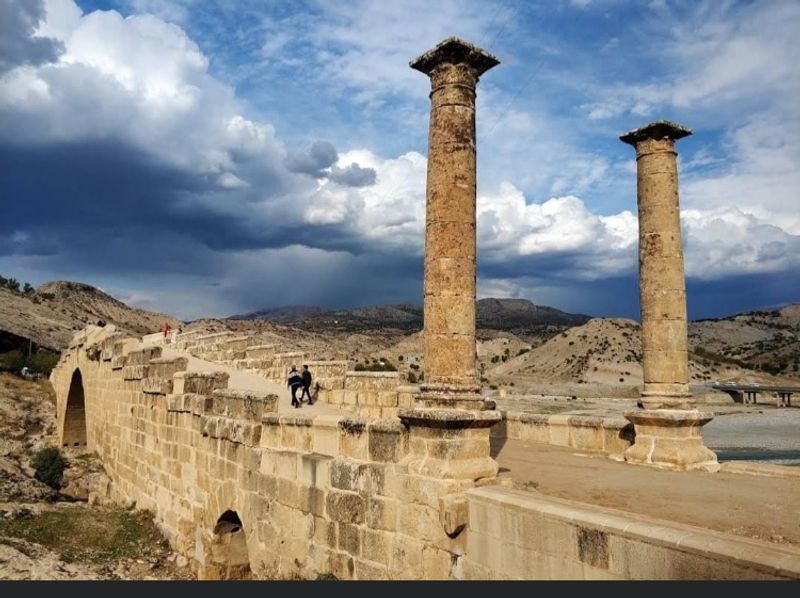
The Cendere Bridge stands crisp against Anatolian hills, a Roman statement tuned to rugged terrain. Its single arch feels taut, precisely sprung over a rocky gorge. At each end, columns hint at ceremony, reminding you that infrastructure once wore formal clothes.
Walk across and listen for the river drumming below. The masonry is tight and tidy, as if the crew just stepped away for lunch. You sense a disciplined pride in every block, cut to fit a purpose that has not expired.
Arrive early to watch sunlight slide along the arch’s curve. The bridge reads like a contract between engineering and landscape, honorable and still binding. You leave with dust on your shoes and a steadier heartbeat, grateful for designs that meet difficulty with clarity.
Chengyang Wind and Rain Bridge – Guangxi, China
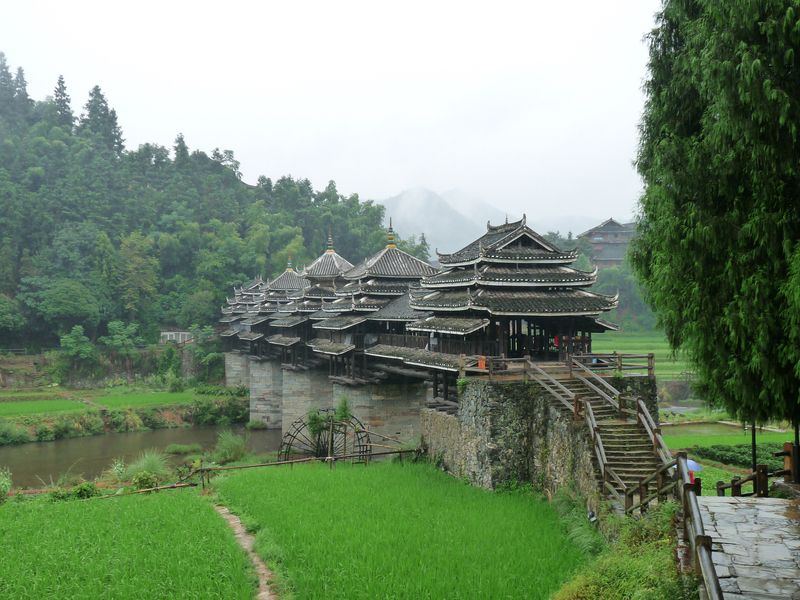
Chengyang Wind and Rain Bridge rests like a wooden poem over water. Dong artisans layered pavilions and covered walkways, sheltering travelers from sun, wind, and sudden rain. The timber joinery locks without nails, proof of a craft that trusts geometry as much as glue.
Stand beneath the eaves and listen to rain turn the roof into a soft drum. Villagers move across with baskets and conversations, and you feel welcome to join at their pace. The bridge is young by Roman standards, yet ancient in spirit, carrying traditions as carefully as it carries feet.
Come on a misty morning when mountains fade into pale ink. You will watch lanterns bloom in doorways and reflections ripple under dragon backed roofs. It is architecture as community, a span that offers comfort first, beauty as its steady companion.
Share this story