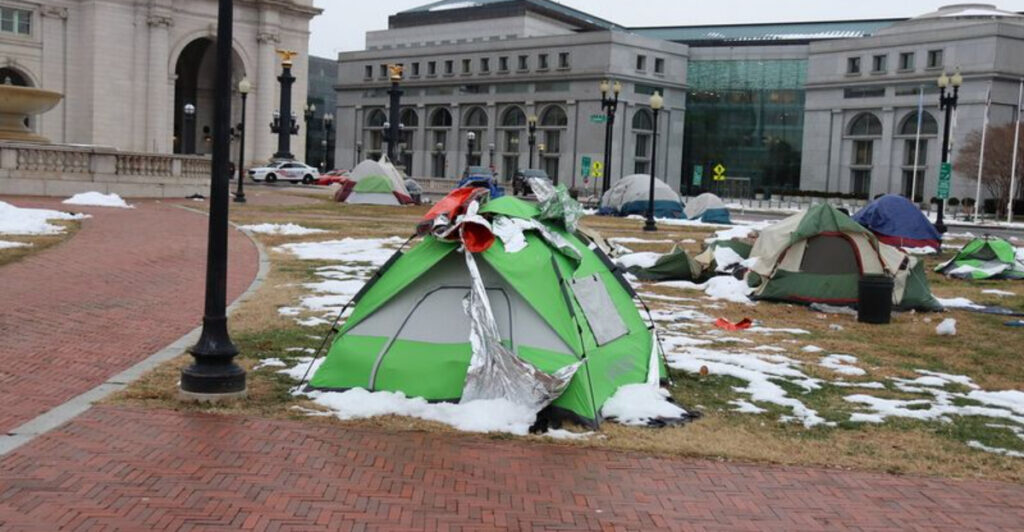
Homelessness in the United States is rising, and the latest 2024 Point in Time snapshot shows a stark reality. On a single night, 771,480 people were experiencing homelessness nationwide, an 18 percent jump from 2023 and the highest count ever recorded. These numbers shape how federal funding flows and where urgent interventions land. As you read through these 15 cities and metro regions, you will see how housing costs, local policy, and service systems collide in very different ways.
New York City, New York — 140,134 Homeless Individuals

You feel the scale in New York the moment you hear the number. The city counted 140,134 people experiencing homelessness in 2024, by far the largest total in the nation. High rents, scarce affordable apartments, and a massive shelter network mean more people are counted and still too many remain without stable housing.
On any given night, thousands stay in emergency shelters, transitional housing, or safe havens while others sleep outdoors or in transit spaces. Demand has surged as new arrivals join long time residents priced out by soaring costs. The shelter system is extensive but stretched, and it captures more of the crisis than cities with smaller infrastructures.
For you, the takeaway is clear. New York shows how scale magnifies every challenge, from family shelter placements to supportive housing waitlists. Progress requires more housing production, rental assistance, and faster pathways from shelter to permanent homes without letting people languish in limbo.
Los Angeles City & County, California — 71,201 Homeless Individuals
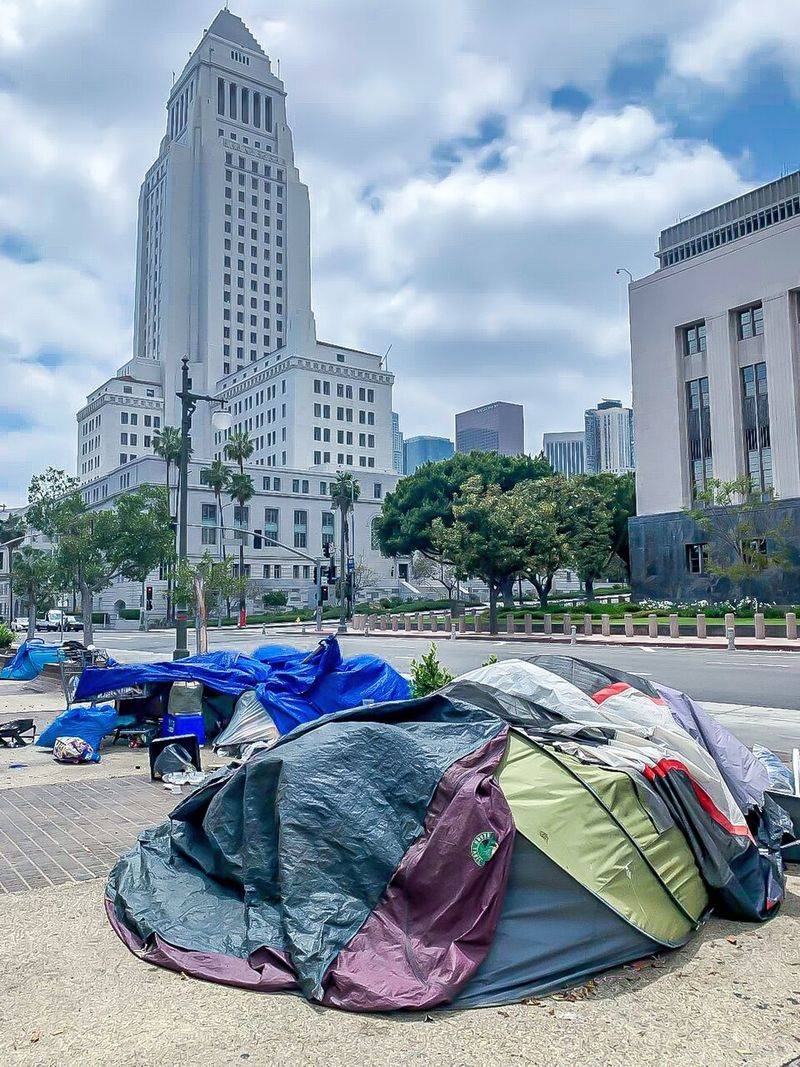
Los Angeles counted 71,201 people experiencing homelessness across the city and county, the second largest total in the country. You see the pressure in encampments, in vehicles used as makeshift shelters, and in the long lines for services. Housing costs and limited affordable units keep inflow high even as programs expand.
Countywide coordination matters here because the crisis spans dozens of municipalities. Outreach teams focus on unsheltered sites while shelter and interim housing try to move people toward stability. Yet unsheltered rates remain among the highest, reminding you that beds alone cannot solve systemic shortages.
What helps you understand LA is scale plus geography. Hotspots like Skid Row are visible, but the crisis is scattered under freeways and in riverbeds too. Real progress means sustained rent subsidies, faster supportive housing timelines, and community health care that meets people where they are.
Chicago, Illinois — 18,836 Homeless Individuals
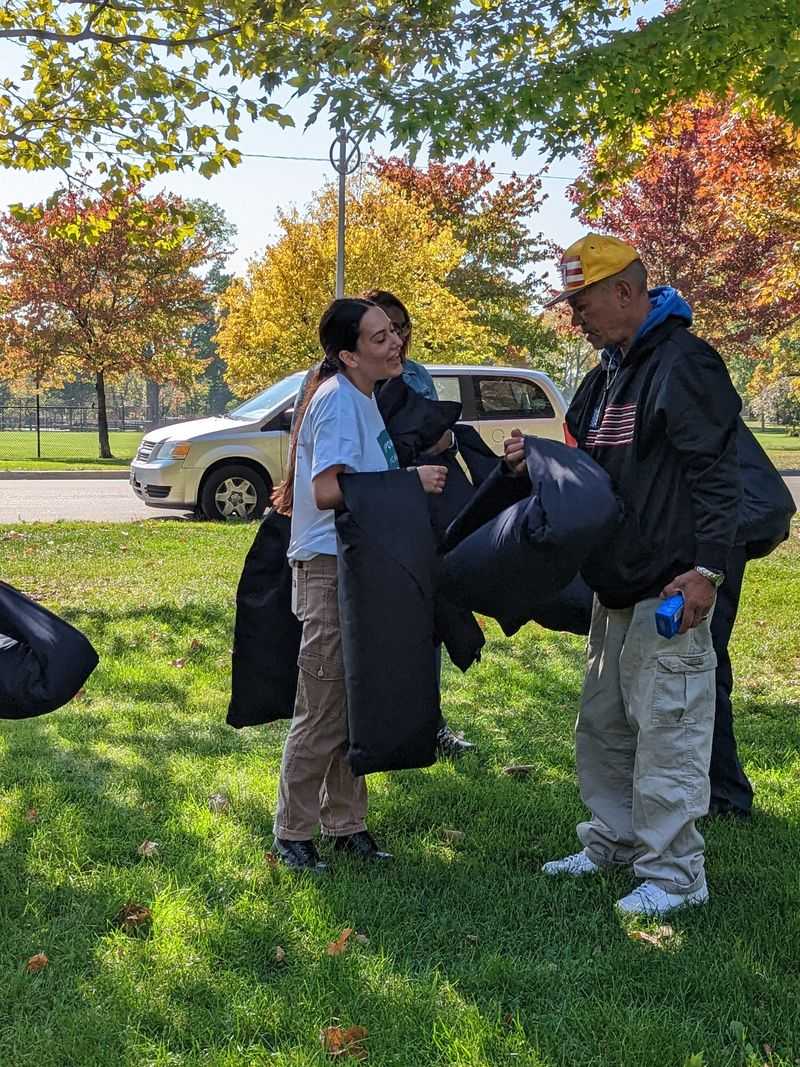
Chicago reported 18,836 people experiencing homelessness in 2024, placing it firmly in the top tier. You notice the diversity of need here: families, single adults, and people with chronic health challenges move through a complex system. Housing market pressures in a growing metro make exits difficult without sustained subsidies.
Compared with coastal cities, Chicago still faces rising rents and limited deeply affordable units. Shelter expansions help in winter, when safety is urgent, but transitions to permanent homes often stall. Coordination among city departments, nonprofits, and health providers shapes whether people fall back into crisis.
For you, the lesson is about balance. Chicago needs more permanent supportive housing and rapid rehousing alongside mental health and employment supports. When those pieces align, shelter stays shorten and stability sticks longer, especially for families navigating school and work.
Seattle/King County, Washington — 16,868 Homeless Individuals
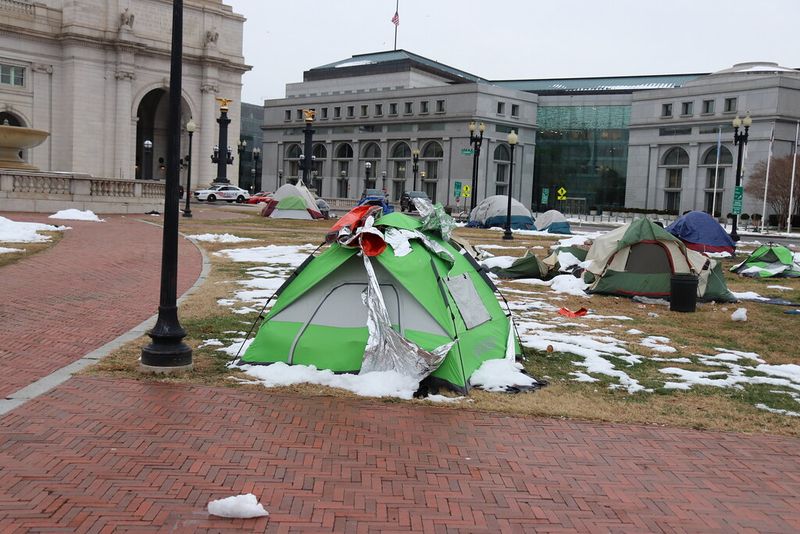
Seattle and King County counted 16,868 people experiencing homelessness in 2024. You can feel the tension between high tech prosperity and housing scarcity as rents outpace incomes. Encampments in greenbelts and near transit corridors highlight unsheltered challenges and the need for consistent engagement.
Local strategies blend tiny homes, enhanced shelters, and permanent supportive housing, but bottlenecks persist. Behavioral health care and substance use treatment are critical for many neighbors who cycle through crisis. The region wrestles with how to balance encampment resolution and low barrier services.
For you, the key insight is throughput. People need faster access from outreach to a bed and then to a lease. When housing navigation is swift and vouchers pair with landlord incentives, exits increase and visible encampments shrink.
Denver Metro, Colorado — 14,281 Homeless Individuals
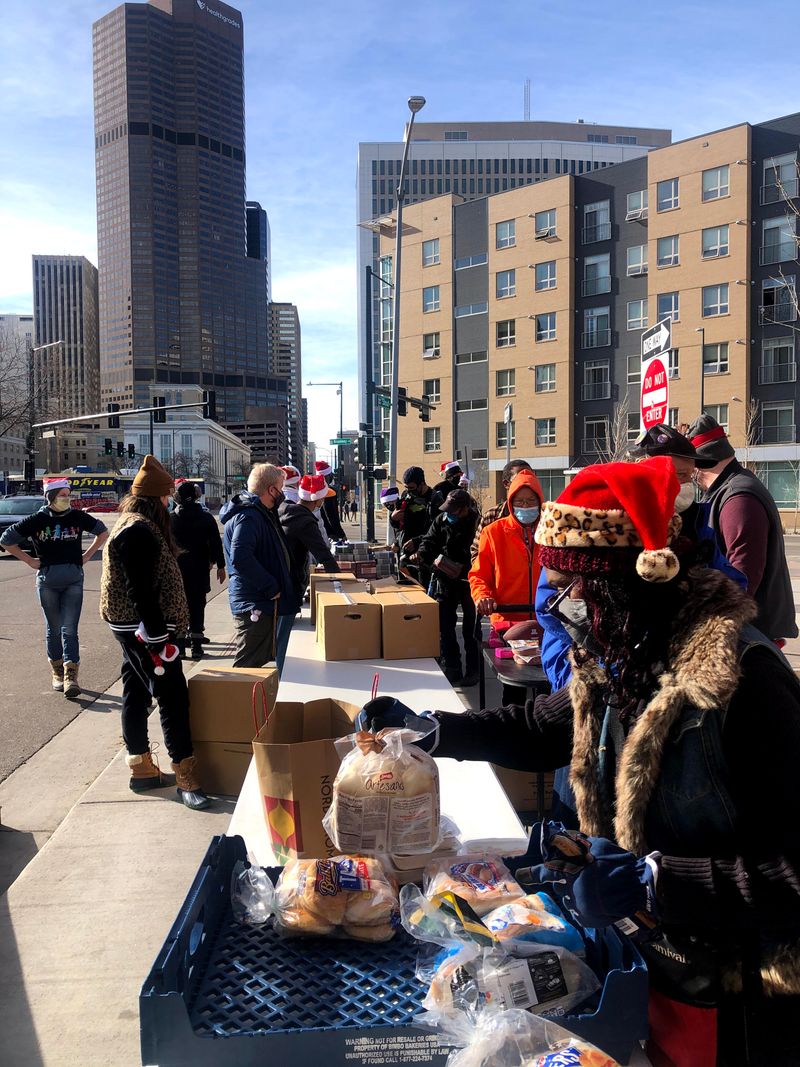
Denver counted 14,281 people experiencing homelessness, reflecting rapid growth and rising rents. You see the impact in downtown corridors, along river trails, and in vehicle encampments. The city has tested sanctioned sites, motel conversions, and micro communities to move people off the street faster.
Even with added shelter, the inflow from evictions and cost burdened renters remains high. Coordination with county partners is essential because metro homelessness crosses municipal lines. Service providers emphasize case management capacity so people do not stall between steps.
What helps you here is the housing pipeline. Converting hotels, preserving existing affordable units, and deploying vouchers with landlord guarantees get leases signed. When paired with behavioral health support, placements stabilize and returns to homelessness drop.
San Diego City & County, California — 10,605 Homeless Individuals

San Diego reported 10,605 people experiencing homelessness in 2024. You notice a large share living in vehicles, reflecting limited rental options and strict vacancy constraints. Outreach focuses on safer parking, interim shelters, and health connections to reduce harm while housing is secured.
Rising first time homelessness alarms local leaders who see more seniors and working households struggling. Investments in supportive housing continue but cannot keep pace with demand. Countywide cooperation matters because people move across jurisdictions seeking services.
For you, the focus is speed and prevention. Emergency rental assistance, diversion at shelter doors, and flexible funds can stop a crisis before it starts. Scaling those tools alongside unit production gives people a real path out.
San Jose/Santa Clara County, California — 10,394 Homeless Individuals
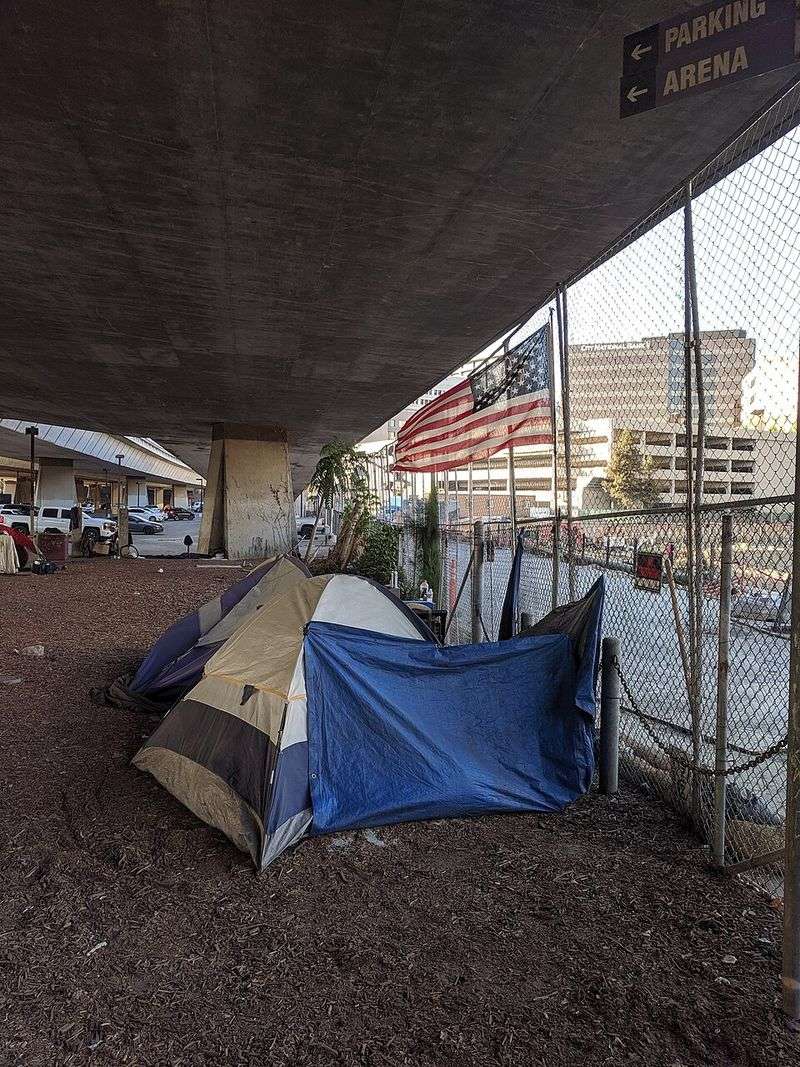
Santa Clara County counted 10,394 people experiencing homelessness, a stark contrast to the region’s wealth. You can see how extreme rents squeeze households even with steady jobs. Encampments along waterways and under expressways underscore how little margin exists for anyone facing a setback.
Strategies emphasize motel conversions, prefabricated interim housing, and supportive housing near transit. Waitlists are long, and service navigation can be confusing without dedicated case managers. Local leaders work to speed permitting and align health care with housing placements.
For you, the lesson is about affordability at the deepest levels. Rental subsidies and shallow rent supports help people hold leases as incomes fluctuate. When paired with legal eviction defense and outreach, exits increase and inflow slows.
Oakland/Berkeley/Alameda County, California — 9,450 Homeless Individuals

Alameda County reported 9,450 people experiencing homelessness, shaped by Bay Area housing pressures. You encounter encampments in Oakland with visible service hubs and community groups offering meals. The rental market’s tightness limits move in opportunities even when vouchers are in hand.
Local governments use safe parking, cabin communities, and hotel conversions to create exits. Still, outreach teams navigate complex needs, from employment gaps to behavioral health conditions. Regional coordination with Berkeley and surrounding cities is essential to avoid displacement from one block to another.
For you, the takeaway is housing plus services. Unit production, preservation, and master leasing open doors, while mobile health and benefits enrollment keep people stable. With predictable funding, providers can scale what already works.
Phoenix/Mesa/Maricopa County, Arizona — 9,435 Homeless Individuals
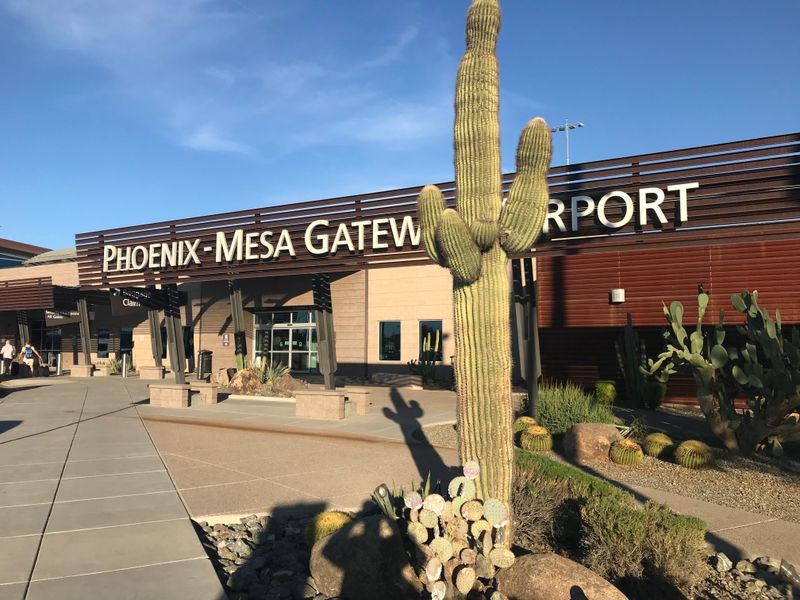
Maricopa County counted 9,435 people experiencing homelessness in 2024. You feel the climate risk here, where extreme heat turns survival into an emergency. Heat relief centers, hydration stations, and shaded respite become lifesaving infrastructure during long summers.
The metro’s rapid growth pushed rents faster than many wages. Unsheltered counts rose near downtown Phoenix and in suburban corridors. Outreach prioritizes high risk individuals and connects them to shelter beds, motel programs, and medical care to reduce hospitalizations.
For you, the key is resilience. Housing placements succeed when paired with cooling access, transportation, and flexible funds for deposits. Expanding affordable units near jobs can slow inflow and shorten homelessness durations.
San Francisco, California — 8,323 Homeless Individuals
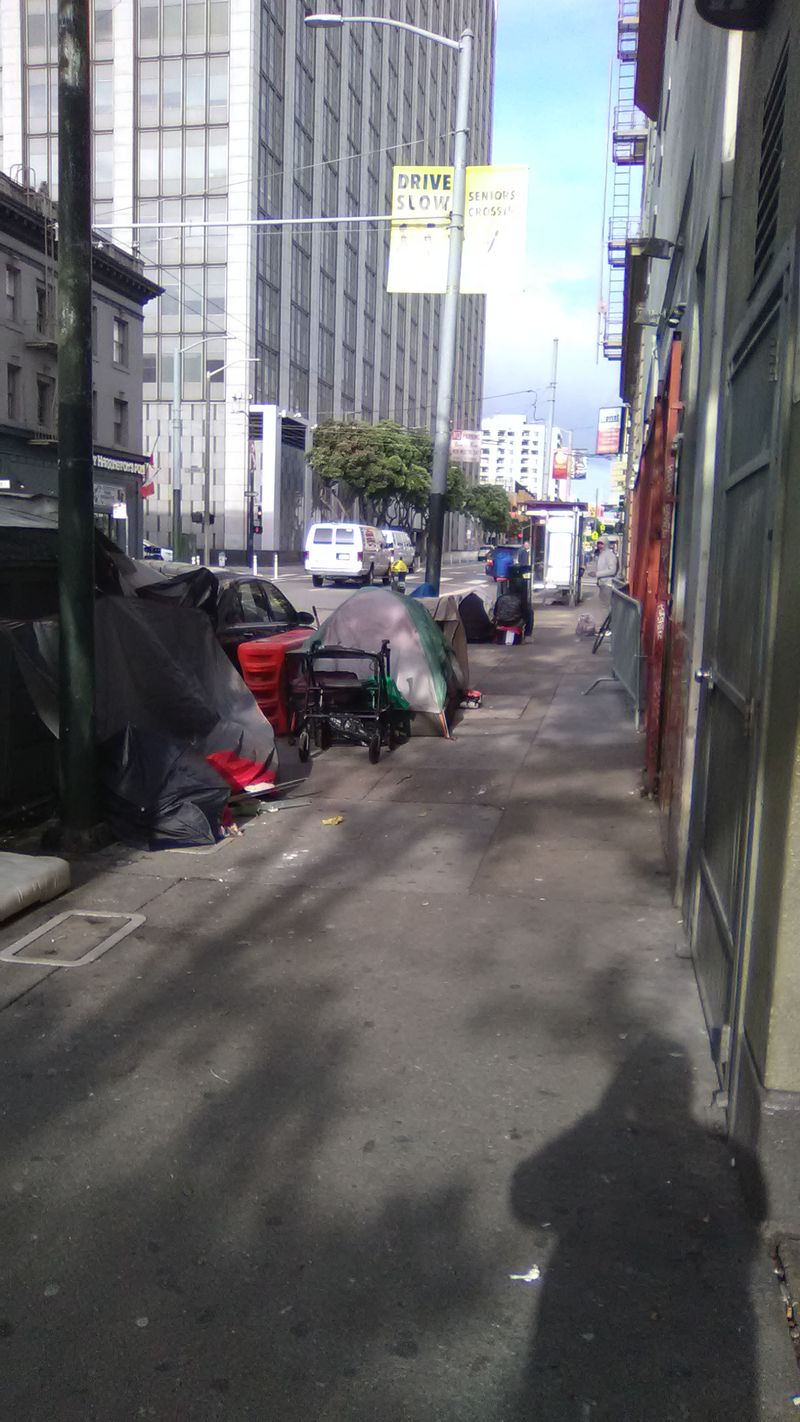
San Francisco counted 8,323 people experiencing homelessness, a persistent challenge despite significant spending. You see the tension between harm reduction, shelter expansion, and street conditions that worry residents. The city’s density and limited land make scaling housing both costly and slow.
Policies prioritize permanent supportive housing and behavioral health care with low barrier access. Still, unsheltered numbers remain visible in downtown corridors. Debates continue about how to balance encampment management with rights and pathways to housing.
For you, the signal is continuity of care. When outreach links directly to treatment, to a bed, and then to a lease, stability improves. Preserving existing single room occupancy stock prevents more people from falling into crisis.
Las Vegas/Clark County, Nevada — 7,906 Homeless Individuals
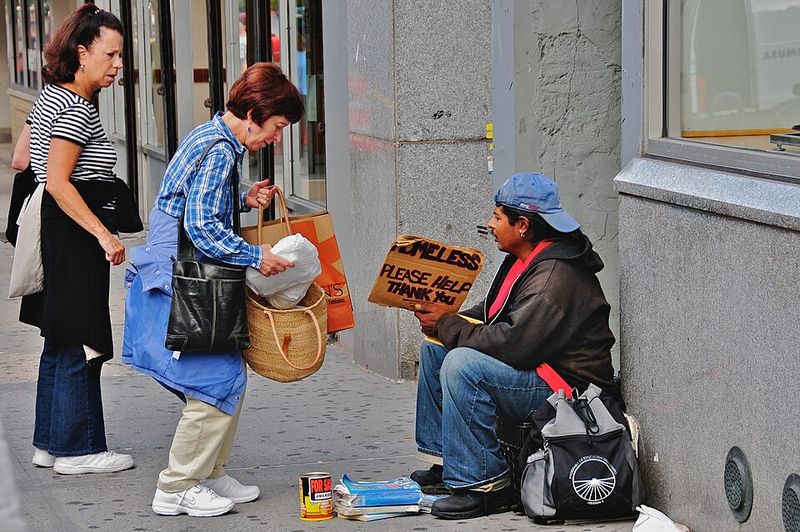
Clark County reported 7,906 people experiencing homelessness in 2024. You notice economic volatility as tourism ebbs and flows, affecting service workers’ housing stability. Many people cycle between couch surfing, shelters, and the street as rents rise faster than hourly wages.
The county coordinates year round outreach, emergency shelter, and rapid rehousing. Motel conversions and shared housing models help stretch limited resources. Heat and limited transit can complicate access to services, so mobile teams fill gaps.
For you, the priority is flexible options. Shared housing with mediation support can be faster than waiting months for a studio. Pairing that with rental assistance and job placement steadies outcomes for workers in hospitality and beyond.
Portland/Gresham/Multnomah County, Oregon — 7,384 Homeless Individuals
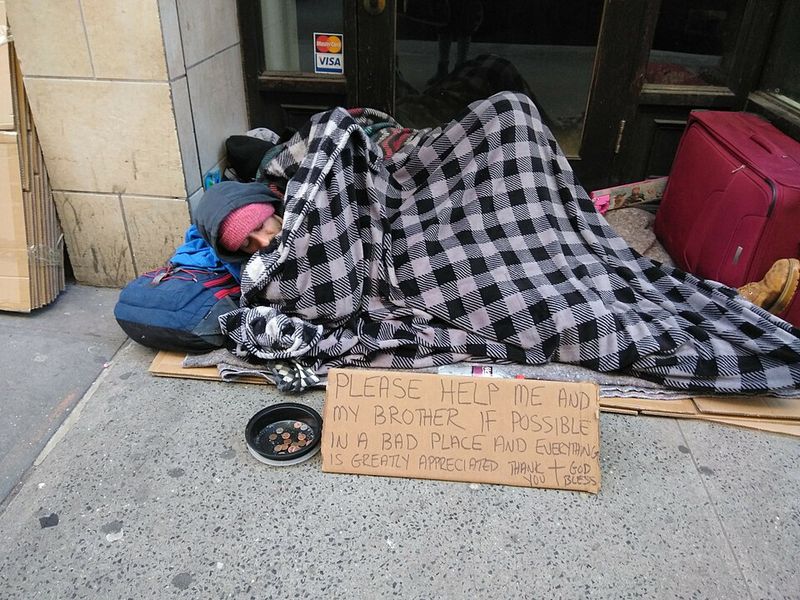
Multnomah County counted 7,384 people experiencing homelessness in 2024. You see widespread encampments and a push for sanctioned villages to reduce harm. The region emphasizes supportive housing production but struggles with siting, timelines, and neighborhood concerns.
Behavioral health capacity has lagged demand, creating long waits for treatment. Outreach connects people to low barrier shelters, hygiene, and ID recovery so housing steps can start. Collaboration with adjacent counties matters because mobility is common along transit lines.
For you, the insight is persistence. When case managers stay engaged through setbacks, lease ups succeed more often. Scaling rental assistance and street medicine together helps move people indoors and keep them there.
Santa Ana/Anaheim/Orange County, California — 7,322 Homeless Individuals
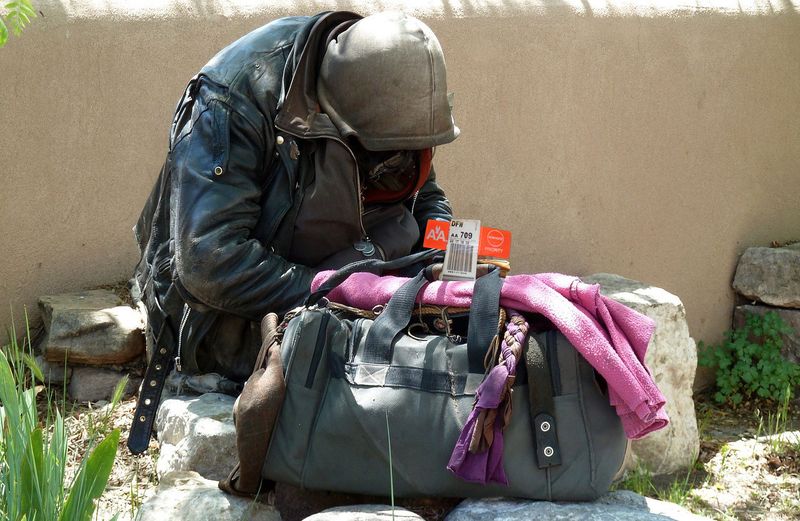
Orange County reported 7,322 people experiencing homelessness in 2024. You encounter a patchwork of cities and service providers working across riverbeds, beaches, and inland suburbs. High rents and low vacancies challenge families and seniors living on fixed incomes.
Efforts include shelter expansions, motel conversions, and permanent supportive housing near transit. Court settlements have also shaped approaches to encampments and access to shelter. Coordination between county health and city housing departments is improving throughput into leases.
For you, the strategy is consistency. Reliable case management, transportation help, and deposit assistance keep people from stalling at the finish line. With steady funding, Orange County can convert more motels and strengthen prevention.
Sacramento City & County, California — 6,615 Homeless Individuals
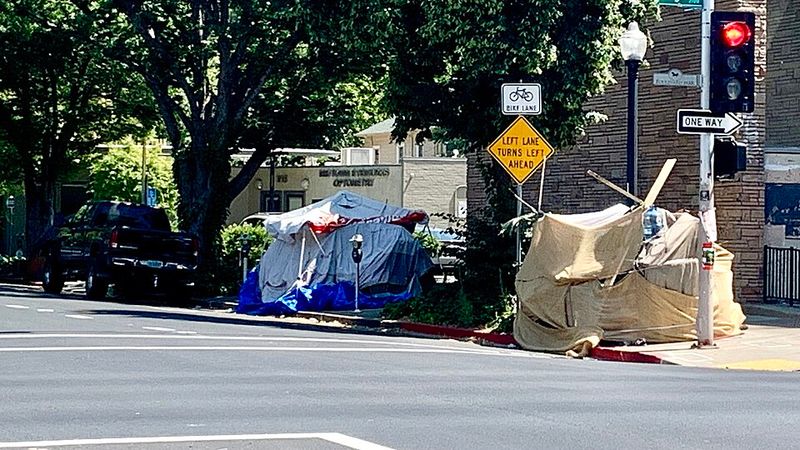
Sacramento reported 6,615 people experiencing homelessness in 2024. You feel the spread from downtown to parkway corridors and suburban edges. The city pursues encampment sites with services while adding shelter beds and supportive housing units.
Regional growth and rent pressures continue to outpace incomes. Partnerships with hospitals and behavioral health providers help reduce emergency room use. Still, people wait too long for permanent placements as projects work through permitting and construction.
For you, the path forward is pipeline discipline. Preserve existing affordable stock, accelerate conversions, and stabilize households with short term aid. When prevention and production run in parallel, fewer neighbors fall into crisis.
Boston, Massachusetts — 5,898 Homeless Individuals
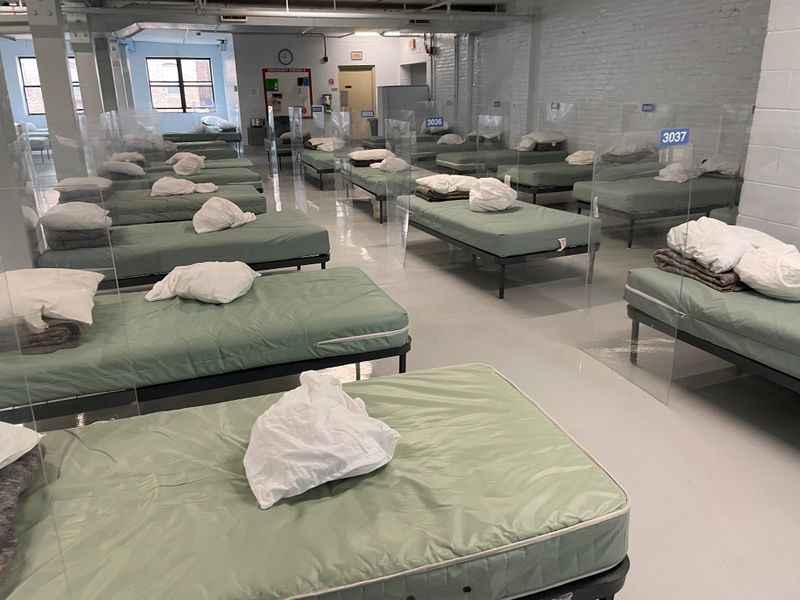
Boston reported 5,898 people experiencing homelessness in 2024, with a high proportion sheltered due to cold winters. You see strong coordination among hospitals, shelters, and housing agencies that helps families avoid street exposure. Still, tight rental markets and aging buildings limit move out options.
The city invests in permanent supportive housing and rapid rehousing for families and individuals. Regional efforts with surrounding towns expand capacity, yet demand rises. Language access and legal services help newcomers stabilize while they search for work and housing.
For you, the lesson is targeted support. Family homelessness requires childcare connections and school stability so parents can keep jobs. With more vouchers and owner incentives, Boston can turn shelter stays into quick, lasting leases.
Share this story