Imagine stepping outside and feeling the air sting your cheeks before you even take a breath. In Yakutsk, that sensation is a daily reality for months, where winter does not just visit but settles in like a relentless roommate. Yet the city hums with markets, schools, and laughter, proving that life can thrive even when thermometers beg for mercy. Keep reading to discover how people build, dress, and connect when the world outside is colder than you thought possible.
Siberia’s Frozen Heart
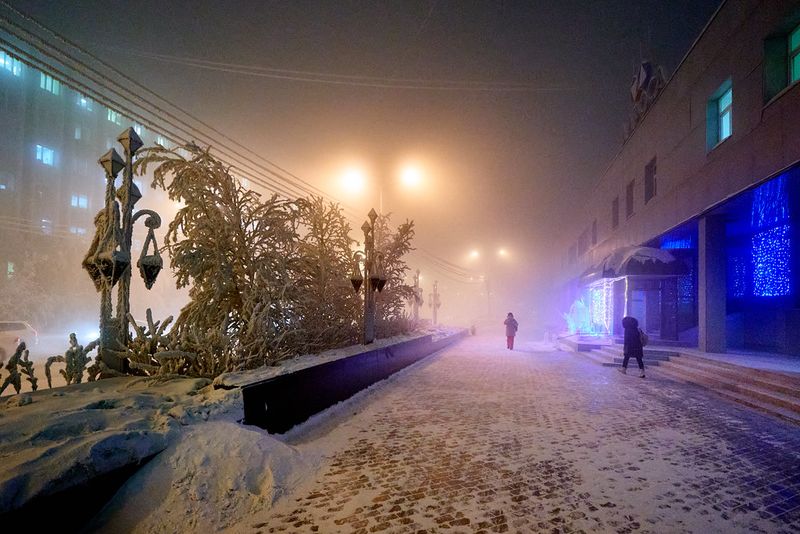
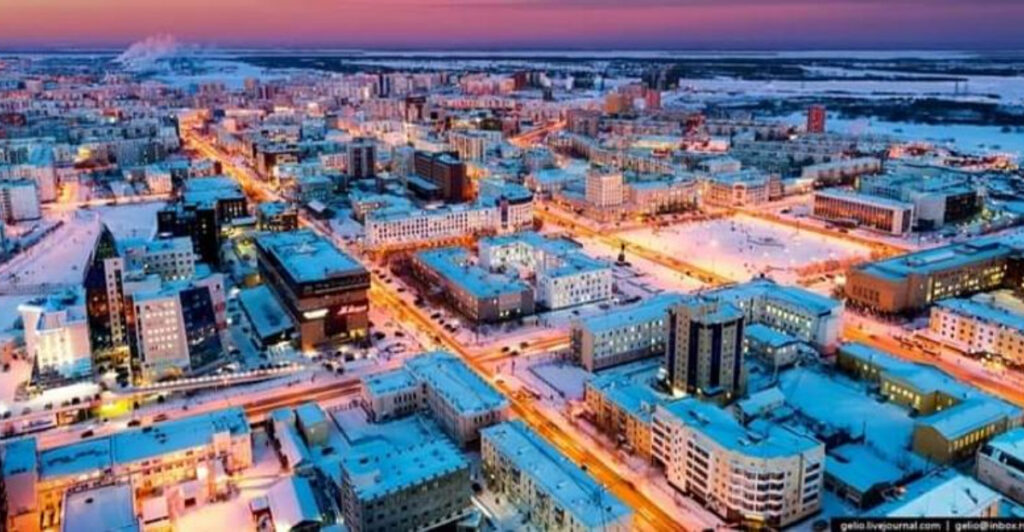
Yakutsk sits on the Lena River, a glittering ribbon bordered by a city that learned to outsmart cold. This is Siberia’s frozen heart, where the ground remains locked in permafrost and winter behaves like a permanent resident. You feel it in the air that tightens lungs and the snow that squeaks under boots at minus forty.
Because heat can destabilize frozen soils, buildings rise on concrete piles, granting space for air to circulate beneath. Streets host steam vents and insulated pipes that snake like lifelines, quietly delivering warmth. Engineers design everything with movement and brittleness in mind, since metal contracts, asphalt cracks, and plastic grows stubborn.
Here, extremes define the rhythm but do not dictate defeat. January lows dive below minus thirty, and whispers of minus sixty have been measured in the wider region. Yet markets bustle, buses idle, and lights bloom in the early darkness like small declarations of endurance.
Summer throws a surprising counterpunch, sometimes cresting thirty above zero, shocking anyone who thinks only of ice. That swing proves just how hypercontinental the climate is, far from ocean buffers that temper other places. You walk the riverbank in July and almost forget the frost, until the sun dips and memory returns.
Yakutsk feels both remote and intensely alive, an improbable center carved from a deep freeze. You come away respecting the city’s logic and the people who built it. Cold becomes context, not a verdict.
Daily Life in Deep Freeze
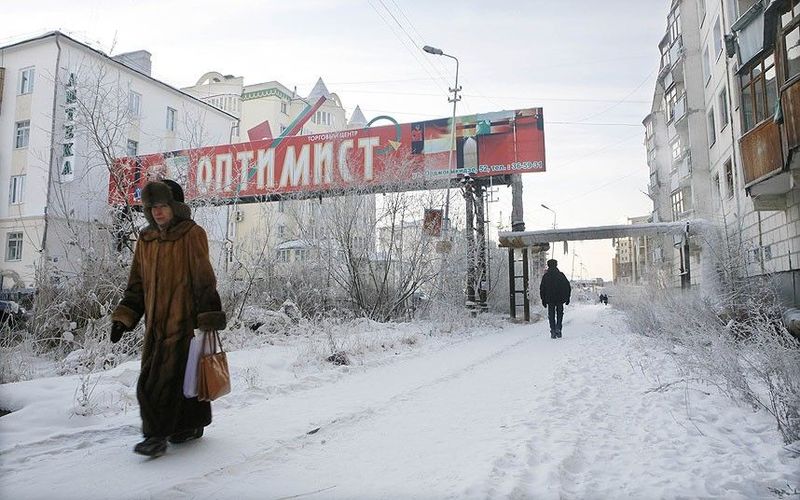
Daily life here starts at the wardrobe, where layering is both science and ritual. Parkas, balaclavas, insulated boots, and mitts become second nature, because exposed skin can tingle toward frostbite in minutes. You choose fabrics that breathe but block wind, and you learn to listen to your fingers and toes.
Homes feel like cocoons, over-insulated and anchored by radiators that never truly rest. Windows are often double or triple glazed, catching the sun while keeping the cold at bay. You move from heat to heat, from apartment to bus to work, curating short, deliberate encounters with the open air.
Cars have their own winter etiquette. Many stay plugged into block heaters, or engines idle while errands unfold so batteries do not surrender. Oil thickens, tires stiffen, and every ignition becomes a small victory earned through preparation.
Sidewalks demand careful steps, since ice can turn ordinary strolls into careful choreography. Schools adjust to the coldest snaps, and routines flex to protect faces and lungs. Even shopping is strategic, with lists planned so you do not linger outside longer than needed.
Yet comfort thrives in the warmth of cafes, market stalls, and laughter that fogs the air. You measure days in layers, routes, and reliable shortcuts through heat. The cold is not just endured but negotiated, with knowledge passed neighbor to neighbor.
Environmental Extremes & Seasonal Shifts
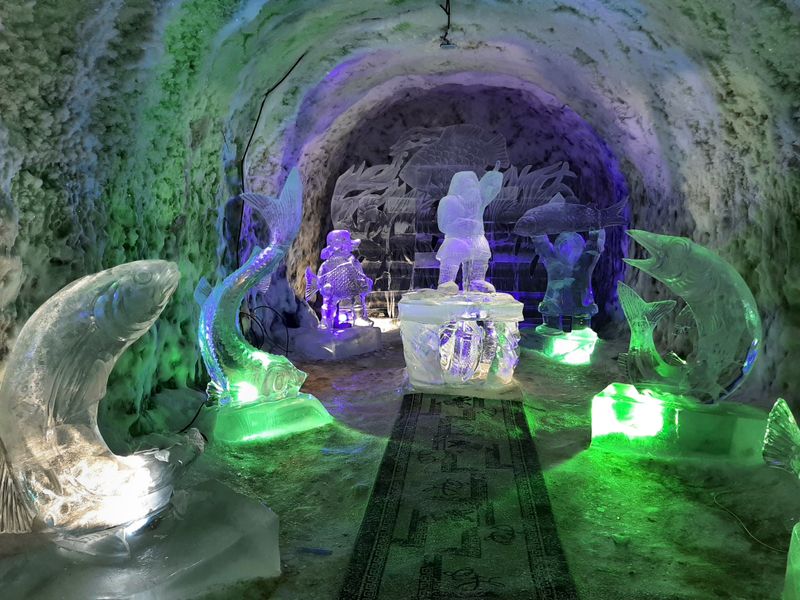
Yakutsk’s climate swings like a pendulum, from piercing cold to surprisingly warm summers. In midwinter, the sun barely grazes the horizon, and daylight shrinks to a handful of hours. You feel time thicken in the dark, where routines rely on artificial light and habit.
Then summer arrives fast, with temperatures jumping into the twenties or even the thirties Celsius. Parks green up, the river loosens, and the city trades frost for dust and thunder. That heat lingers long enough to feel impossible after January’s breathless sting.
This is hypercontinental weather, shaped by distance from ocean moderation. Air masses dominate without mercy, letting warmth pool in July and cold cascade in January. Seasonal contrasts etch themselves into architecture, wardrobes, and daily planning.
Permafrost sits beneath everything, a permanent constraint with shifting moods. Buildings are lifted on piles so ground stays frozen, because thaw can buckle foundations. Even plumbing routes adapt, keeping warmth within and structural heat away from the earth below.
Light itself becomes a character. Winter’s scant rays push you indoors, fostering cozy rituals and tight-knit gatherings. Summer stretches evenings so long that you forget how brief noon felt in December, at least until the first frost whispers back.
Resilience & Community in Extreme Conditions
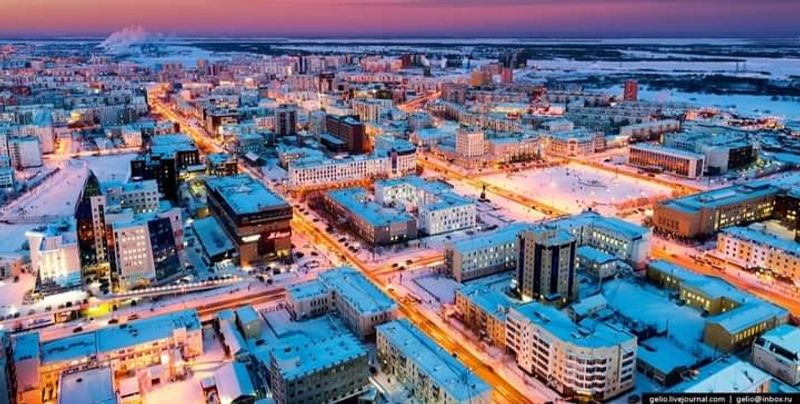
Resilience is not a slogan here, it is baked into every plan and pause. You see it in morning routines, in the way parents layer kids and check cheeks for frost nip. Community grows out of caution, because being prepared keeps everyone moving.
Schools teach cold wisdom alongside math, and workplaces stagger schedules during brutal snaps. Markets still open, soups steam, and music rises from cultural halls where boots leave wet prints by the door. You learn to time errands with the warmer hours and to respect wind chill like a serious appointment.
Neighbors swap tips on batteries, boots, and the safest shortcuts. A stalled car is never just someone else’s problem, because help travels faster than cold when people notice. That mutual aid feels normal, the quiet glue that holds streets together when air bites hard.
Traditions blend with modern life, from Sakha festivals to university lectures humming with ambition. You can feel pride stretch across the river, bright against long nights. Endurance turns into identity, a story told in small daily victories.
Yakutsk proves a city can be both harsh and welcoming, both icy and warm at the core. You leave conversations with cheeks flushed and a sense that limits are negotiable. In this coldest major city, community is the warmest technology.
Share this story