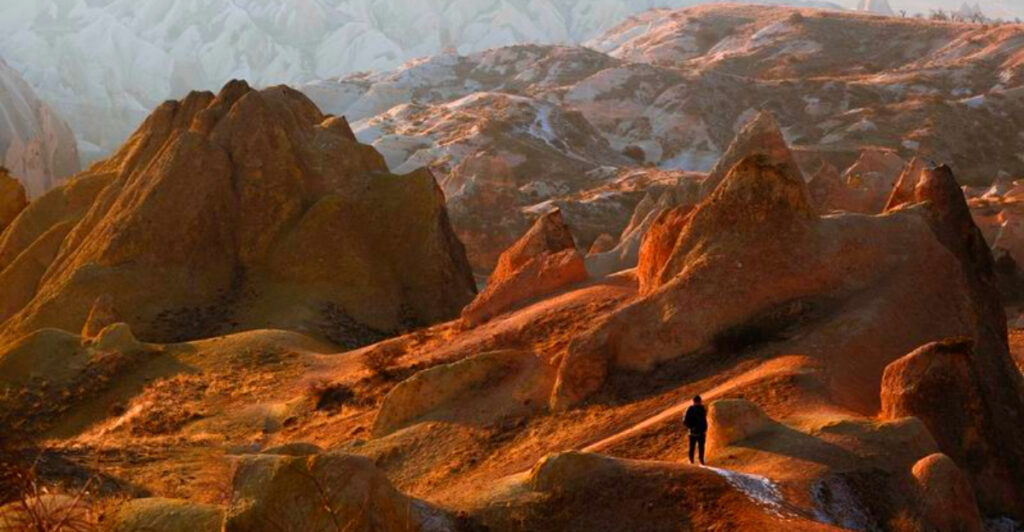
Rock formations can look like alien worlds when the right compact camera is in your hands. You want portability for cliff scrambles, sharp sensors for texture, and lenses that pull depth from shadowed crevices. This guide spotlights pocketable powerhouses that turn sandstone curves and basalt columns into cinematic scenes. Ready to make your next rocky landscape look downright otherworldly?
1. Leica Q3
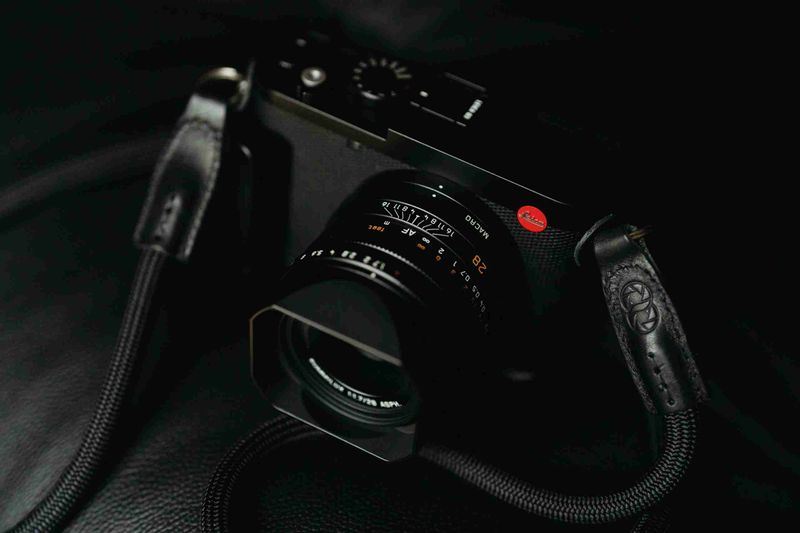
The Leica Q3 pairs a 60MP full-frame sensor with a bright 28mm lens that reveals every sand vein and cross-bedded arc. Low-light performance makes predawn ridgelines glow. You can focus close for tactile, granular textures.
Its color science handles iron-rich reds and chalky grays with refined neutrality. Manual controls feel intuitive when time is short and wind is rising. The weather-sealed body holds steady in dust.
Crop deeply without losing that sculpted look. At f/1.7, isolate crystals against dark lava. You will turn ordinary cliffs into serene, extraterrestrial tapestries with crisp micro-contrast and delicate highlight rolloff.
2. Fujifilm X100VI
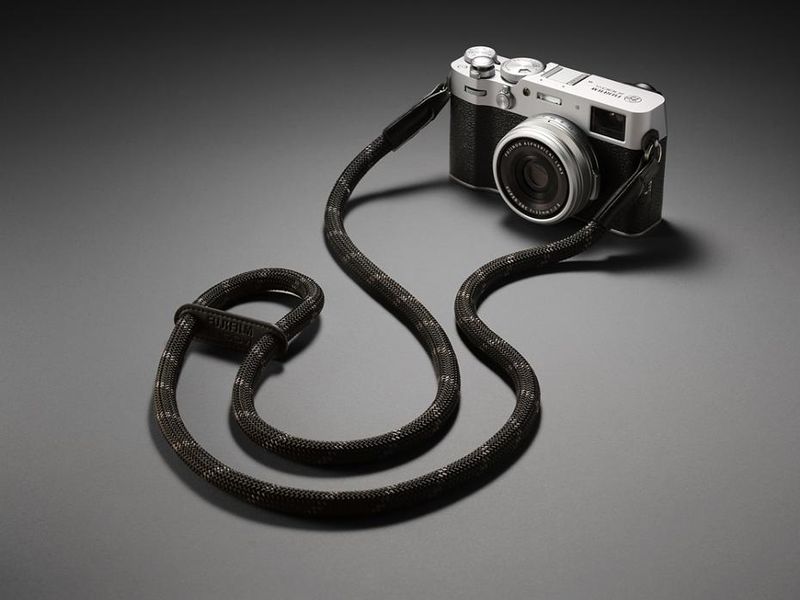
The Fujifilm X100VI packs a 40.2MP APS-C sensor that makes rock textures leap off the screen. Its fixed 23mm f/2 lens frames sweeping hoodoos and narrow slot canyons with cinematic clarity. You get IBIS for steady low-light shots when canyon walls darken.
Film simulations give sandstone a tactile, nostalgic palette without heavy editing. You can travel light yet capture intricate striations and crystalline highlights. Quick autofocus and leaf shutter silence keep you discreet as light shifts.
Use the built-in ND filter to drag the shutter for misty waves around sea stacks. You will love the pocketable build.
3. Panasonic Lumix LX100 II
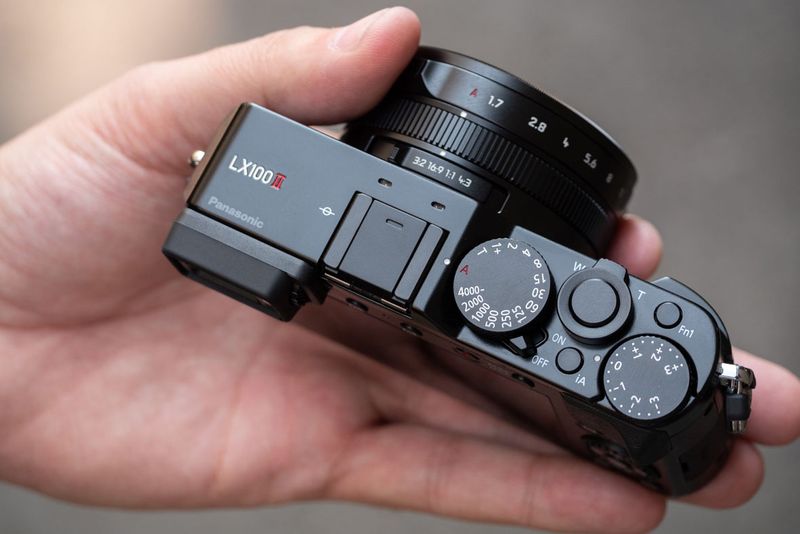
The Panasonic LX100 II blends a large Micro Four Thirds sensor with a fast 24-75mm equivalent lens, ideal for sculpted rock. It balances depth of field control with travel-ready size. Manual aperture and shutter rings invite tactile shooting when your fingers are cold.
At 24mm, capture expansive amphitheaters. At 75mm, isolate abstract curves, lichen, and fissures. You will love how the lens draws edges clean without harshness.
Its color rendering respects muted dawn palettes and saturated dusk reds. With good stabilization, handheld canyon shots stay sharp. The camera encourages thoughtful framing that makes cliffs feel monumental and delightfully alien.
4. Ricoh GR IIIx
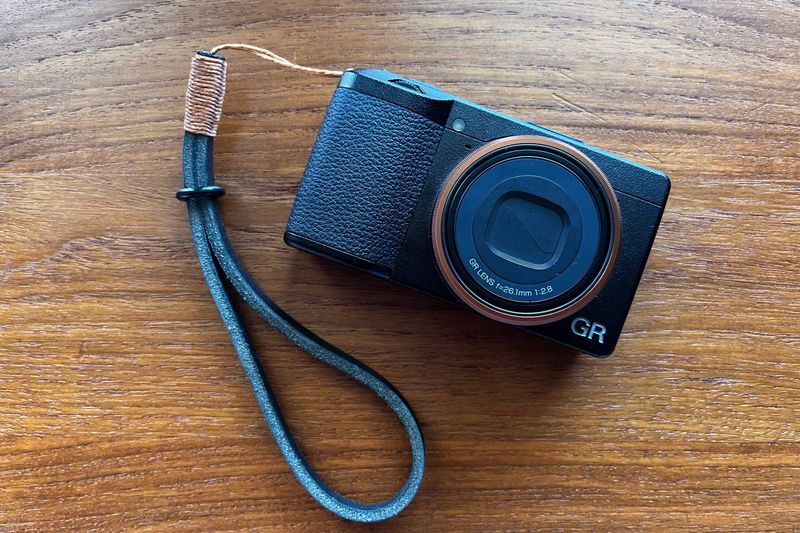
The Ricoh GR IIIx slips into a pocket yet delivers APS-C sharpness with a 40mm equivalent lens. That focal length flattens rock layers for graphic compositions. Quick startup and snap focus let you nail fleeting light in slot canyons.
Monochrome profiles carve deep contrast into basalt flutes. Color profiles keep sandstone warm without oversaturation. You can shoot discreetly where tripods feel cumbersome.
Stabilization helps after sundown. With macro mode, tiny crystals and fossils become surreal landscapes. The GR IIIx makes rock formations feel intimate and otherworldly through clean geometry, nimble handling, and beautifully restrained color.
5. Canon PowerShot G1 X Mark III
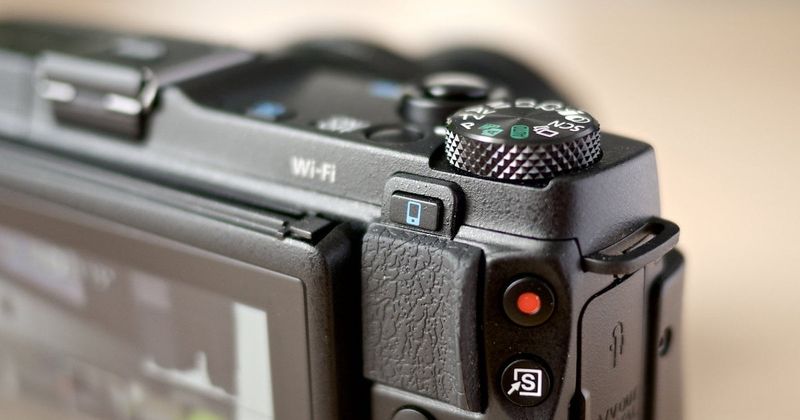
The Canon PowerShot G1 X Mark III brings an APS-C sensor to a compact form, delivering punchy detail on stratified cliffs. Its zoom range covers wide vistas and mid-tele framing for patterns. Dual Pixel AF tracks shifting light and micro-movements with ease.
Colors stay believable, which helps alien shapes feel grounded. You can travel light and still print large. Weather sealing offers confidence near sea spray and drifting sand.
Use bracketing for dramatic HDR on high-contrast canyon scenes. The viewfinder keeps compositions steady in harsh glare. It is a reliable partner for otherworldly rock adventures.
6. Sony RX100 VII
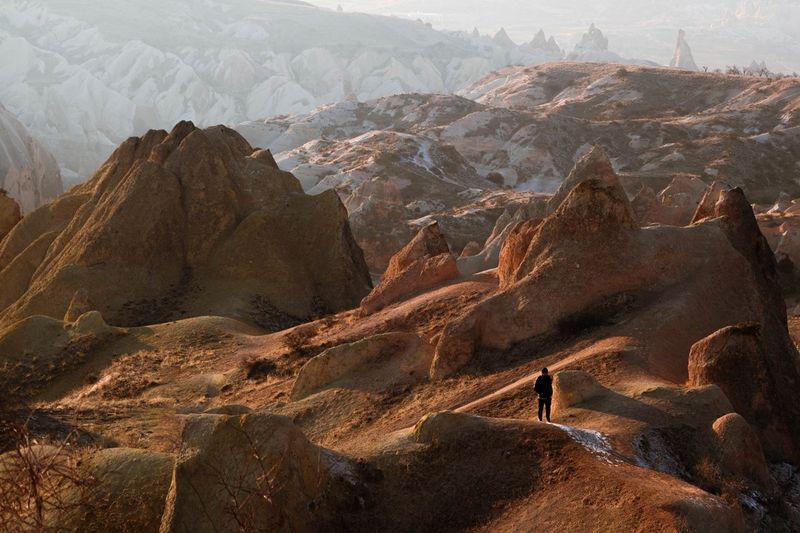
The Sony RX100 VII gives you a 24-200mm equivalent zoom for flexibility across tight canyon slots and distant monoliths. Its 1-inch 20MP sensor balances portability and detail, keeping edges crisp on jagged basalt. Autofocus locks quickly on shimmering mineral faces.
At telephoto, compress layers for otherworldly stacked ridges. At wide, sweep in the whole amphitheater with clean corners. You will love the pop of reflective quartz against shadow.
4K video captures shifting light and blowing dust like a sci-fi scene. With fast burst rates, catch waves colliding with sea stacks. It is tiny yet fearless.
7. OM System Tough TG-7
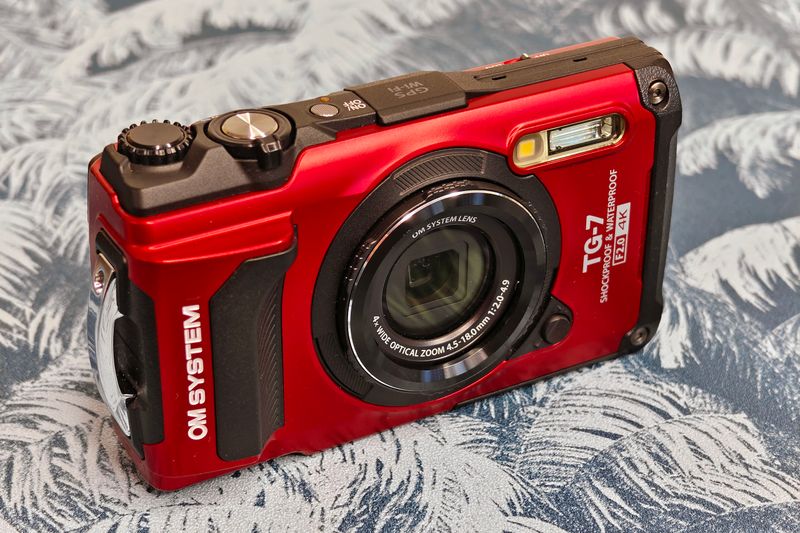
The OM System Tough TG-7 thrives where spray and grit threaten other cameras. Waterproof and shockproof, it lets you crawl over tidepools and black rock safely. The fast macro and microscope modes reveal sparkling mineral worlds.
Though the sensor is small, color is lively and edges are crisp in good light. Focus stacking in-camera builds depth on tiny crystals. You can dunk it and keep shooting.
For sea stacks, use RAW to tame contrast and preserve texture. Its rugged build frees creative risk. Bring it when weather turns harsh and rocks feel positively lunar.
8. Sony ZV-1 II
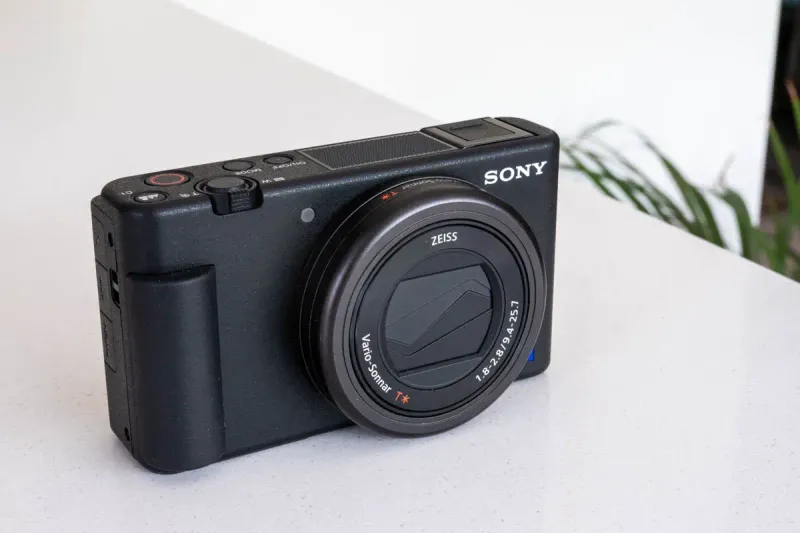
The Sony ZV-1 II adds a wider 18-50mm equivalent zoom, perfect for immersive rock amphitheaters. Its 1-inch sensor stays clean at twilight, keeping edges defined. You can switch to product showcase focus for quick foreground to background pulls on crystals.
Cinematic profiles grade nicely, rendering volcanic glass and sandstone subtly. Eye AF helps when including a human scale reference. The compact grip keeps framing steady on windy ledges.
4K video and decent stabilization make handheld walkthroughs smooth. For stills, the lens is sharp enough for prints. It is a small creative studio for alien-looking landscapes.
9. Panasonic Lumix ZS200 TZ200
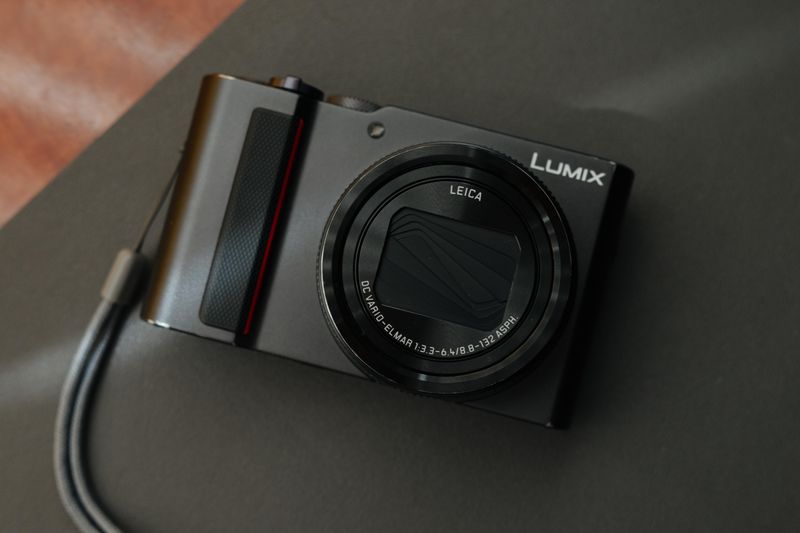
The Panasonic ZS200 TZ200 is a travel zoom that reaches 360mm equivalent for compressed, graphic mesa layers. Its 1-inch sensor keeps textures respectable while staying pocketable. You can scout wide, then punch in for abstract rock patterns.
JPEG color is pleasant, and RAW files push shadows when canyons go dark. Stabilization helps at the long end. The camera is light enough to carry all day.
Use telephoto to stack ridgelines into surreal gradients. At 24mm, grab sweeping context. It is a do-everything pocket tool for otherworldly rock scenes without extra lenses.
10. Insta360 Ace Pro
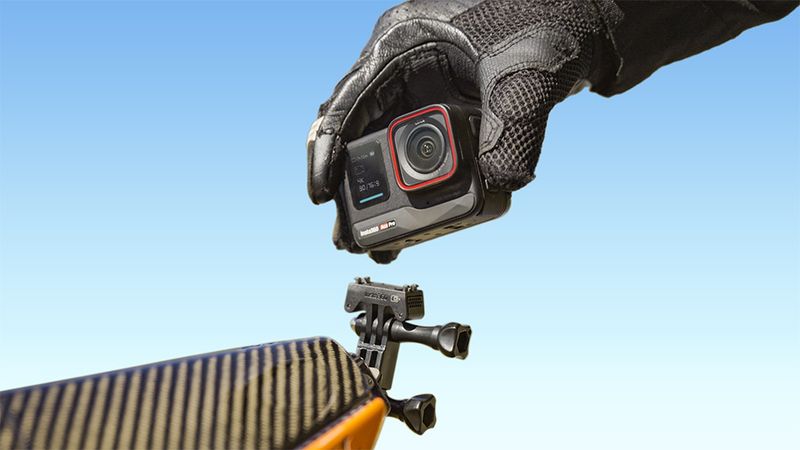
The Insta360 Ace Pro turns hazardous rock scrambles into smooth, stabilized footage. Its large action cam sensor and HDR video keep cliffs detailed in bright sun and shade. You can mount it to a chest harness for hands-free climbs.
Wide perspective exaggerates alien contours on sea stacks and slot canyon bends. Color looks bold yet believable. Waterproofing and rugged design thrive in spray and dust.
For stills, pull crisp frames from 4K or higher video. Timelapse reveals shifting shadows across striated walls. It is tiny, fearless, and perfect for otherworldly rock adventures where bigger cameras hesitate.
Share this story