
For generations, certain beliefs have been passed down as absolute truth, shaping how we think about our bodies, our health, and the world around us. But science has a way of challenging what we assume to be fact, and researchers have now debunked many of these popular misconceptions with solid evidence. From brain capacity to spider-swallowing nightmares, these myths have been thoroughly investigated and proven false.
1. We Only Use 10% of Our Brains
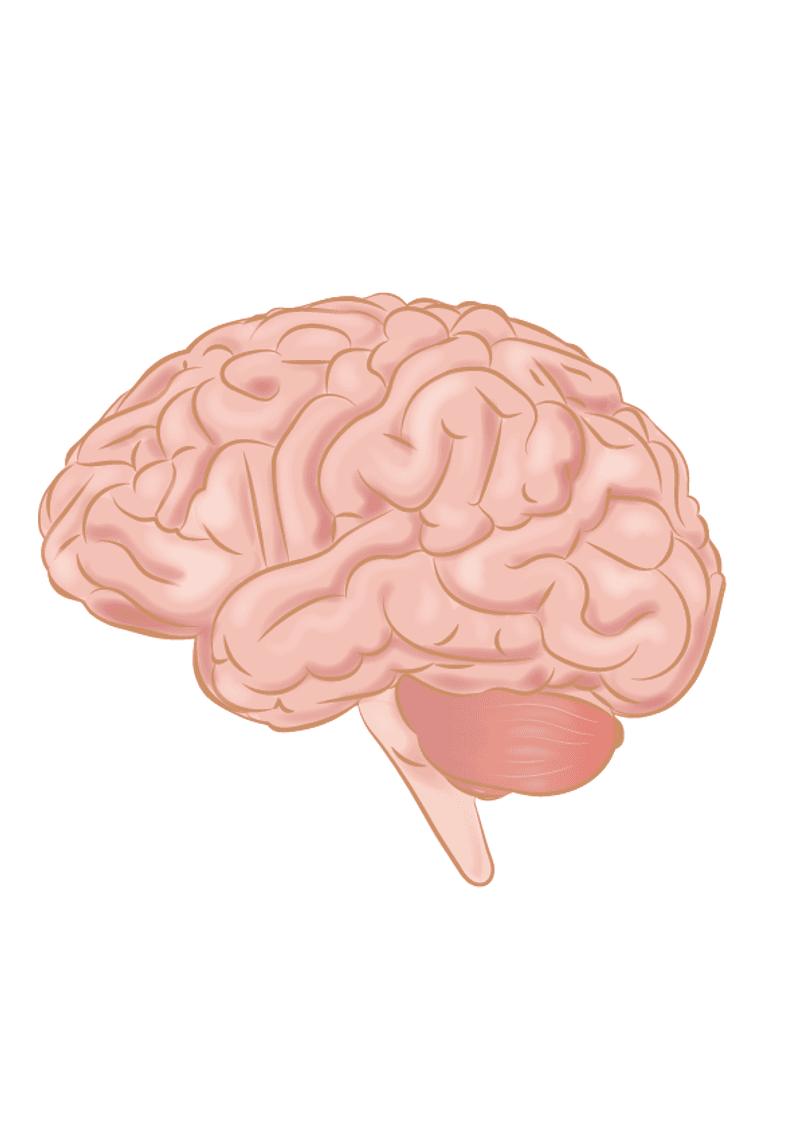
Brain imaging technology has completely shattered this popular misconception. Neurologists using advanced scanning equipment like fMRI and PET scans can observe brain activity in real time, and their findings are clear: virtually every part of your brain lights up throughout the day.
Even during rest or sleep, your brain remains remarkably active, processing memories, regulating body functions, and maintaining essential systems. If 90% of your brain were truly dormant, damage to those areas would have no effect, yet injuries to even small brain regions can cause significant impairments.
Evolution would never allow such an energy-hungry organ to develop if most of it served no purpose. Your brain consumes about 20% of your body’s energy despite being only 2% of your weight. Every region has a job, from controlling movement to processing emotions, and they all work together constantly.
2. Shaving Makes Hair Grow Thicker or Darker

Your razor has no magical powers to transform your hair follicles. When you shave, you’re simply cutting hair at the skin’s surface, leaving behind a blunt tip that feels coarser than the naturally tapered end of uncut hair.
Hair color and thickness are determined deep beneath your skin by genetics and hormones, not by anything happening at the surface. The blunt edge created by shaving might appear darker because it reflects light differently, creating an optical illusion.
Dermatologists have studied hair growth patterns extensively and consistently find that shaving has zero impact on the rate, color, or thickness of regrowth. If shaving truly made hair thicker, balding men could simply shave their heads repeatedly to restore their locks. The myth likely persists because adolescents often start shaving as their hair naturally becomes coarser during puberty, creating a false correlation.
3. Sugar Makes Kids Hyperactive

Parents have blamed birthday cake for wild behavior for decades, but science tells a different story. Multiple controlled studies have tested children’s behavior after consuming sugar versus placebos, and researchers found no significant difference in activity levels or attention spans.
What’s really happening at parties? Kids get excited by the social environment, games, and special occasions. The festive atmosphere naturally raises energy levels, and sugar just happens to be present, creating a false association in parents’ minds.
In fact, some studies found that parents who believed their children had consumed sugar reported more hyperactive behavior, even when the kids had only received a placebo. Expectations shape perception. While sugar isn’t great for dental health or nutrition, it’s not transforming your child into a bouncing tornado either. Context matters more than candy.
4. Cracking Knuckles Causes Arthritis

Knuckle crackers, rejoice! Medical research has given you a clean bill of health. The popping sound occurs when gas bubbles in your joint fluid burst, not from bones grinding or cartilage damage.
One dedicated doctor even cracked the knuckles on just one hand for over 60 years while leaving the other hand alone as a control. His conclusion? No arthritis in either hand, no difference between them. Larger studies tracking thousands of people over decades confirmed these findings.
While habitual knuckle cracking might slightly reduce grip strength or cause minor swelling in some people, it doesn’t lead to arthritis. The condition develops from factors like genetics, age, previous injuries, and autoimmune conditions, not from harmless joint popping. So if the habit annoys people around you, that’s the only real downside you need to worry about.
5. Lightning Never Strikes the Same Place Twice

Tall structures laugh at this myth regularly. The Empire State Building gets struck by lightning approximately 25 times per year, sometimes multiple times during a single storm. Lightning follows physics, not superstition.
Electrical charges seek the path of least resistance to the ground, which means tall, pointed, or isolated objects make perfect targets again and again. Park rangers know that certain trees in open areas attract lightning strikes repeatedly, leaving visible scars from multiple hits.
This dangerous misconception might lead people to seek shelter in previously struck locations, thinking they’re safe. Don’t fall for it. If conditions are right for a lightning strike once, they’re right for it to happen again. Lightning rods work precisely because we know lightning will reliably hit the same tall points, allowing us to safely direct that energy into the ground.
6. Vaccines Cause Autism

This harmful myth originated from a fraudulent 1998 study that was later retracted, and its author lost his medical license for ethical violations and falsifying data. Since then, massive research efforts involving millions of children worldwide have found absolutely no connection between vaccines and autism.
Autism typically becomes noticeable around the same age children receive certain vaccinations, creating a coincidental timing that worried parents misinterpreted as causation. Correlation does not equal causation, a fundamental principle some people overlooked with devastating consequences.
The scientific consensus is crystal clear and backed by overwhelming evidence: vaccines do not cause autism. What they do prevent is deadly diseases like measles, polio, and whooping cough. Spreading this debunked myth has led to disease outbreaks in communities with low vaccination rates, putting vulnerable people at serious risk. Trust the science, not the scandal.
7. Eating Carrots Will Dramatically Improve Night Vision

This myth has roots in World War II propaganda. British intelligence spread rumors that their pilots’ remarkable accuracy came from eating carrots, hoping to hide their actual secret: newly developed radar technology. The story stuck around long after the war ended.
Carrots do contain beta-carotene, which your body converts to vitamin A, essential for maintaining healthy vision. Severe vitamin A deficiency can cause night blindness, so adequate intake helps your eyes function normally. But eating extra carrots beyond your nutritional needs won’t give you superhuman vision.
If your diet already includes sufficient vitamin A from various sources like dairy, eggs, and leafy greens, extra carrots won’t enhance your ability to see in the dark. They’re nutritious vegetables worth eating, just not magical vision enhancers. Your eyes have physical limitations that no amount of vegetables can overcome.
8. You Must Drink 8 Glasses of Water a Day
Hydration needs vary wildly based on your size, activity level, climate, and overall health. A construction worker in Arizona summer needs far more fluid than an office worker in mild weather. Rigid rules ignore these important differences.
Your body has a sophisticated hydration monitoring system: thirst. When you need fluids, you feel thirsty. Revolutionary, right? You also get water from foods like fruits, vegetables, soups, and other beverages, not just plain water.
The eight-glass rule likely misinterpreted a 1945 recommendation that mentioned total water intake from all sources, including food. Forcing yourself to drink when you’re not thirsty can even be harmful in extreme cases, leading to dangerous electrolyte imbalances. Listen to your body’s signals, check your urine color for a general guide, and adjust intake based on your individual circumstances rather than arbitrary numbers.
9. You Swallow 8 Spiders a Year in Your Sleep

Sleep easy tonight knowing this creepy claim is completely fabricated. A columnist created this fake fact in 1993 to demonstrate how easily misinformation spreads, ironically proving her point when people believed and shared it widely.
Spiders actively avoid humans because we’re large, warm, vibrating threats to them. Your sleeping body produces vibrations from breathing and heartbeat, air currents from breath, and warmth, all signals that tell spiders to stay far away. Crawling into a predator’s mouth goes against every survival instinct they have.
Arachnologists who study spider behavior confirm that spiders have no reason to approach sleeping humans and every reason to avoid them. The specific number eight was arbitrary, chosen perhaps because spiders have eight legs. No scientific study, survey, or observation supports this myth. It’s pure fiction designed to make your skin crawl, nothing more.
10. Goldfish Have a 3-Second Memory

Goldfish deserve an apology for this unfair reputation. Research shows these small swimmers can remember feeding schedules, recognize their owners, learn tricks, and navigate mazes they’ve encountered before. Some studies demonstrate memory lasting at least three months, possibly longer.
Scientists have trained goldfish to push levers for food rewards, distinguish between different shapes and colors, and even play simple games. They learn from experience and modify their behavior based on past events, which requires functional memory far exceeding three seconds.
Fish brains work differently from mammal brains, but they’re still capable of learning and memory formation. The three-second myth likely persists because goldfish sometimes seem surprised by their surroundings, but that’s more about their attention span and environment than memory capacity. Treat your goldfish with respect; they’re smarter than their reputation suggests.
11. People Are Either Left-Brained or Right-Brained
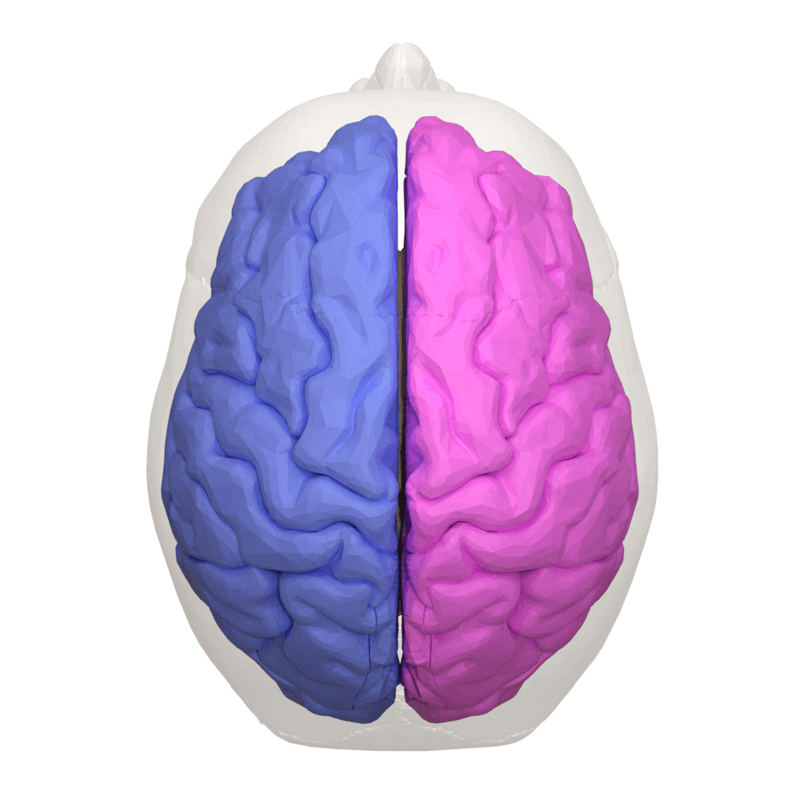
Personality quizzes love this myth, but neuroscience has moved far beyond this oversimplified model. While certain functions show some lateralization, with language typically processed more in the left hemisphere and spatial awareness more in the right, both sides work together constantly.
Brain imaging studies show that people use both hemispheres for virtually all tasks, including creative and logical thinking. A 2013 study analyzing brain scans from over 1,000 people found no evidence that individuals preferentially use one hemisphere over the other.
The hemispheres communicate through a thick bundle of nerve fibers called the corpus callosum, sharing information continuously. Artists use logic; mathematicians use creativity. Your personality and abilities result from complex interactions throughout your entire brain, not dominance of one side. This myth oversimplifies human cognition in ways that don’t reflect how brains actually work.
12. Cold Weather Causes Colds

Viruses cause colds, specifically rhinoviruses and other respiratory pathogens. Temperature alone cannot give you an infection. You need exposure to the actual germs, which happens when infected people spread droplets through coughs, sneezes, or contaminated surfaces.
Cold weather does correlate with more illness, but not because chilly air makes you sick. Winter forces people indoors into closer contact, creating perfect conditions for viruses to jump between hosts. Heated indoor air also dries out nasal passages, potentially reducing your natural defenses.
Some research suggests cold stress might slightly suppress immune function, but you still need viral exposure to get sick. People living in cold climates aren’t constantly ill, and plenty of colds circulate in warm weather. Wash your hands frequently, avoid touching your face, and maintain distance from sick people. Those behaviors prevent colds far better than bundling up.
13. Don’t Swim Right After Eating

Generations of children have waited impatiently on pool edges because of this persistent warning, but medical evidence doesn’t support a mandatory waiting period. Your body can handle digestion and swimming simultaneously without dangerous consequences.
The concern stems from the idea that digestion diverts blood flow from muscles to your stomach, potentially causing cramps. While digestion does increase blood flow to your digestive system, your body maintains adequate circulation to all areas. Healthy individuals don’t experience muscle failure from this normal process.
You might feel slightly uncomfortable swimming vigorously on a very full stomach, similar to running after a big meal, but it’s not dangerous. Competitive swimmers often eat strategically before events without problems. The American Red Cross and other safety organizations have dropped this recommendation. Use common sense about comfort levels, but don’t worry about a medical emergency from swimming after lunch.
14. Eating Before Swimming Causes Cramps

Muscle cramps during swimming typically result from dehydration, electrolyte imbalances, muscle fatigue, or inadequate warm-up, not from that sandwich you ate an hour ago. Food in your stomach doesn’t trigger the involuntary muscle contractions that define cramps.
Athletes across all sports eat before competition because your body needs fuel for physical activity. Swimmers are no exception. Many competitive swimmers actually eat small snacks between events at meets to maintain energy levels without experiencing cramp problems.
The digestion-cramp myth overlaps with the previous swimming-after-eating warning, both lacking scientific support. Actual exercise-associated muscle cramps have complex causes still being researched, but food consumption isn’t a primary factor. Stay hydrated, stretch properly, build endurance gradually, and maintain proper electrolyte balance. Those strategies prevent cramps effectively. Your pre-swim meal won’t drag you under unless you’re attempting athletic performance immediately after an enormous feast, which would be uncomfortable for any activity.
Share this story