Throughout history, certain books have sparked such outrage that governments, religious leaders, and communities tried to ban or destroy them. These weren’t just controversial stories; they challenged powerful beliefs, exposed uncomfortable truths, or threatened the status quo in ways that made them genuinely dangerous to read or own. From ancient Greek comedies to modern graphic novels, these 20 books prove that words on paper can be powerful enough to change the world.
1. Ulysses by James Joyce (1922)
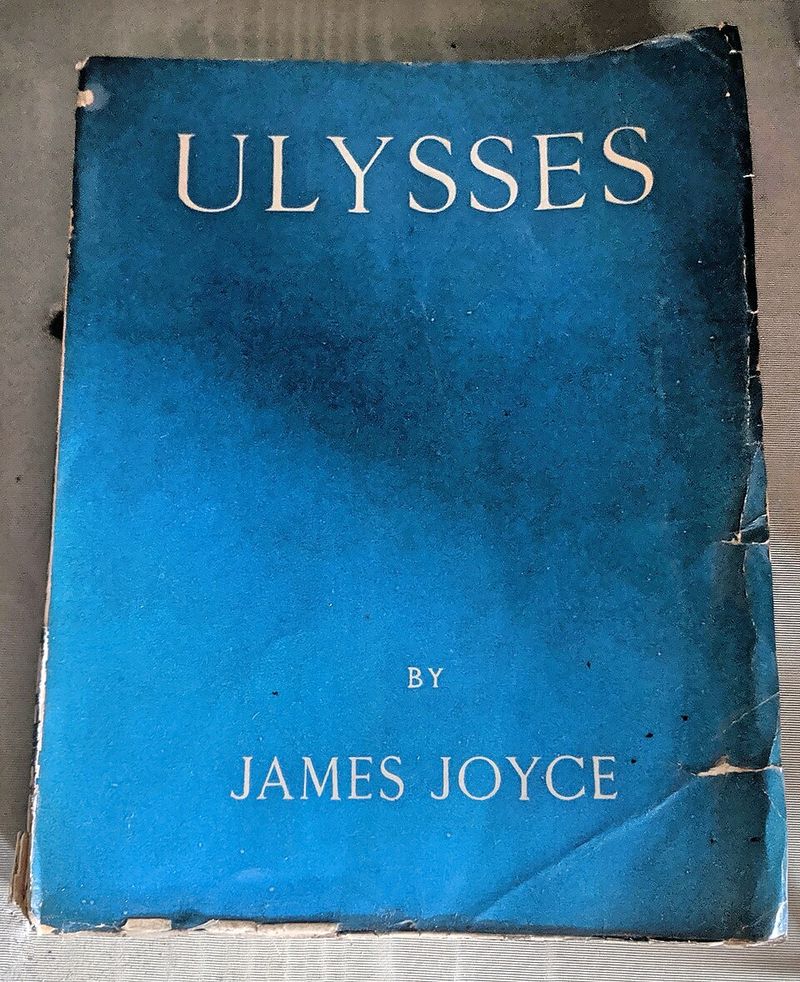
Joyce revolutionized modern fiction with his stream-of-consciousness storytelling, but authorities saw only obscenity. U.S. customs officials seized and burned copies for over a decade, blocking imports entirely.
Britain followed suit, banning the novel for its frank sexual passages and unconventional structure. Then came the landmark 1933 court case that changed everything.
United States v. One Book Called Ulysses ruled the work wasn’t obscene when considered as a whole, reshaping American obscenity law and protecting serious literature from knee-jerk censorship.
2. Lady Chatterley’s Lover by D.H. Lawrence (1928)
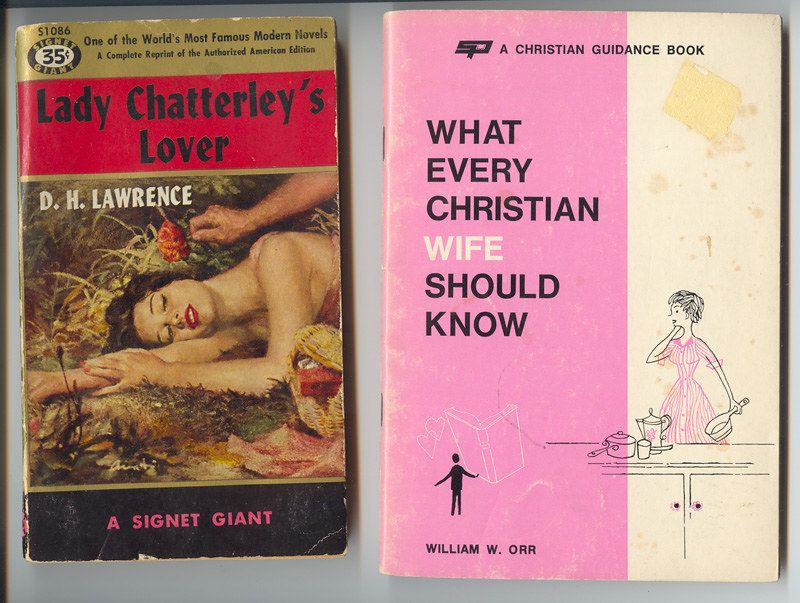
Lawrence crafted an explicit love story between an aristocratic woman and her gamekeeper that shattered class barriers and sexual taboos simultaneously. Countries worldwide banned it for decades, treating the unedited version like contraband.
When Penguin Books dared publish the full text in 1960, British prosecutors dragged them to court under new obscenity laws. The jury’s acquittal became legendary.
That verdict didn’t just free one novel. It opened the floodgates for sexual frankness in British literature and marked a cultural turning point.
3. All Quiet on the Western Front by Erich Maria Remarque (1929)
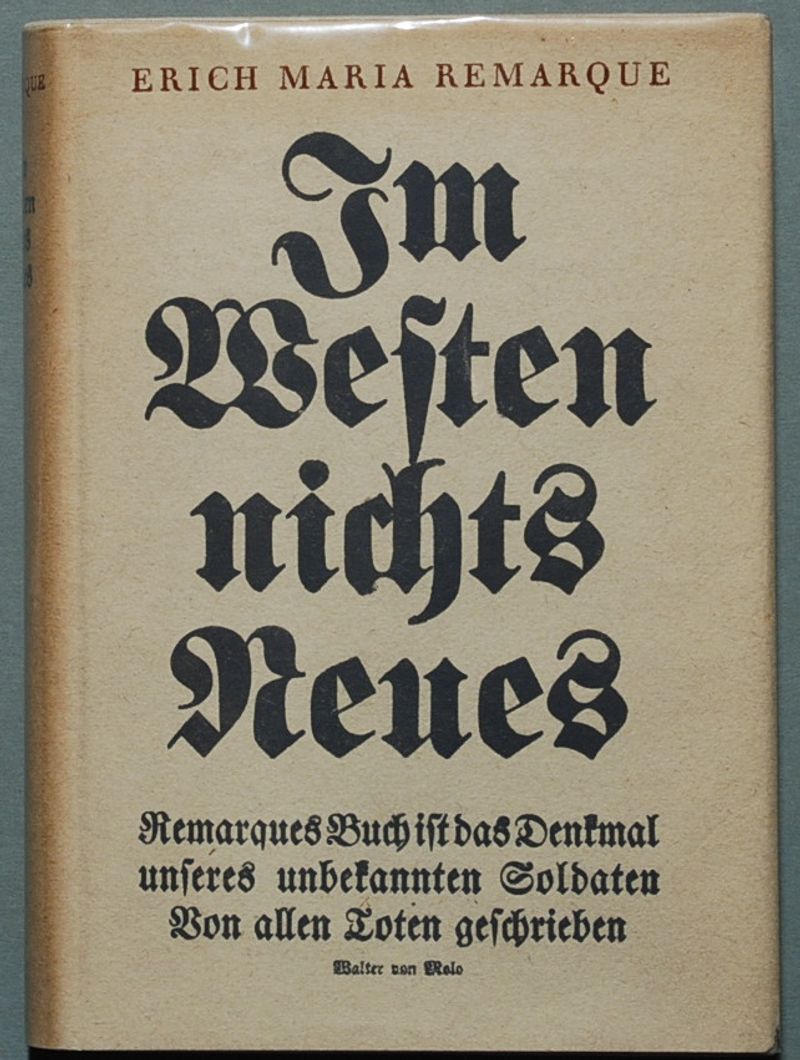
Remarque wrote from the German trenches with unflinching honesty, stripping away any glory from World War I. International audiences embraced his brutal realism, but Nazi leaders saw a threat to their militaristic propaganda machine.
After seizing power, the Nazi regime publicly burned the book and banned it as un-German treachery. They couldn’t tolerate a narrative that humanized suffering instead of celebrating conquest.
Sometimes the most dangerous weapon against tyranny is simply telling soldiers’ stories as they actually happened.
4. On the Origin of Species by Charles Darwin (1859)
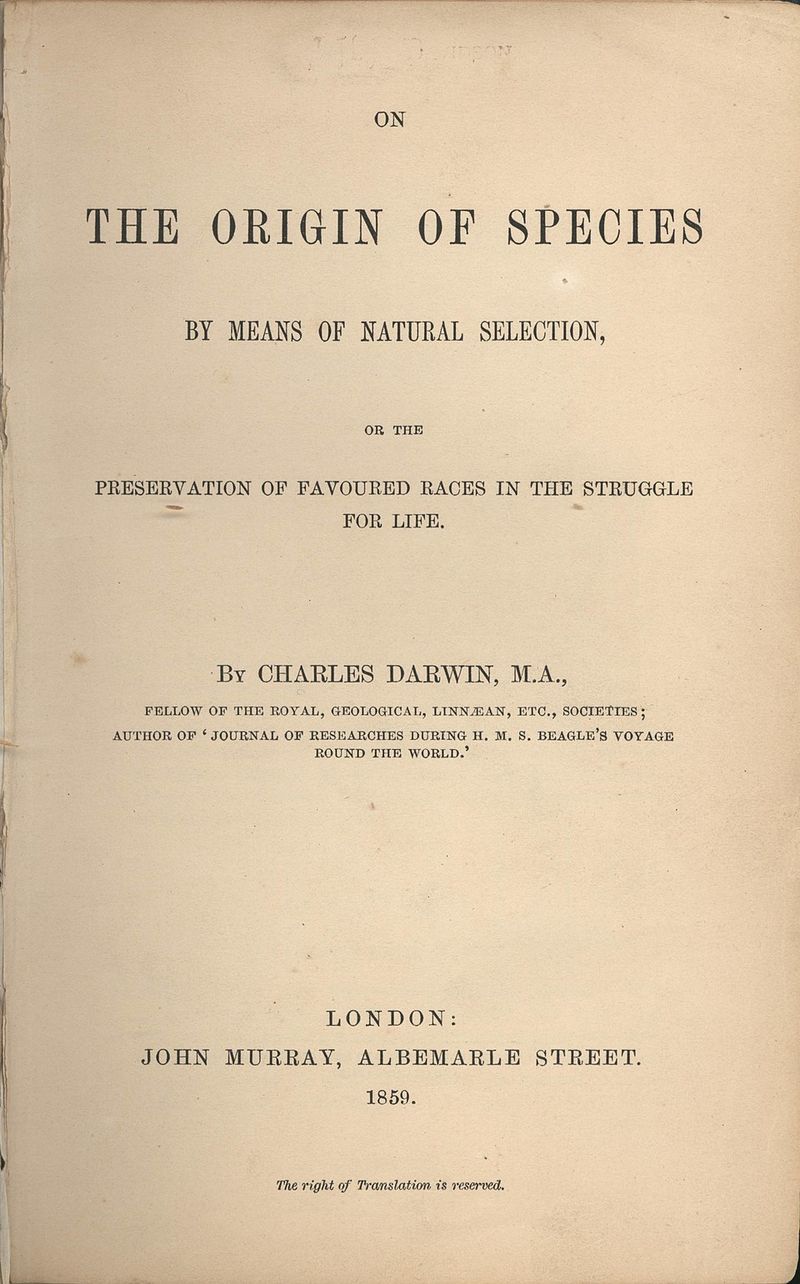
Darwin’s careful observations of nature fundamentally challenged how people understood creation itself. His theory of evolution through natural selection contradicted literal biblical interpretations, igniting fierce controversy that echoes today.
Early critics accused him of dethroning God, and the book later faced restrictions in schools and libraries across multiple countries. Religious communities organized campaigns to keep it away from students.
Science eventually won the academic battle, but for many believers, Darwin’s work still represents an uncomfortable collision between evidence and faith.
5. On the Revolutions of the Heavenly Spheres by Nicolaus Copernicus (1543)
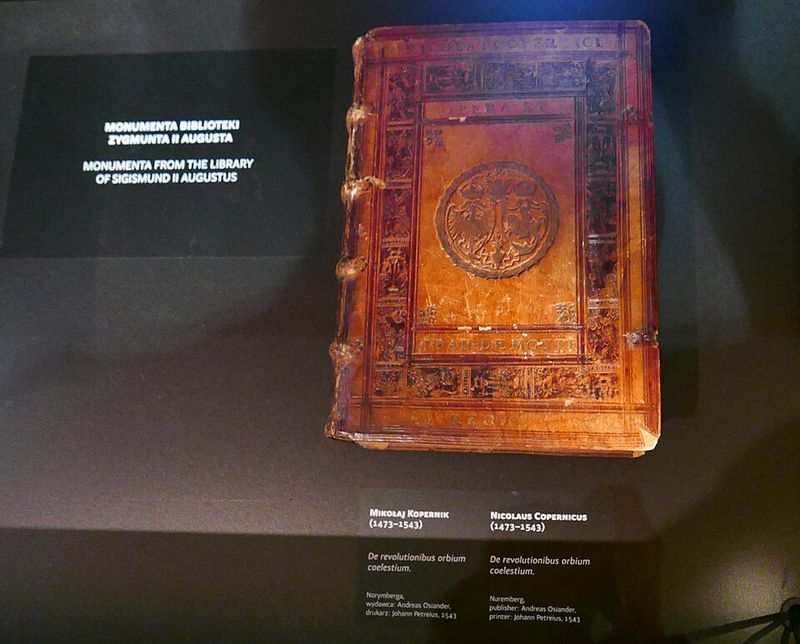
Copernicus dared to suggest that Earth wasn’t the center of everything, proposing instead that our planet orbits the Sun. This heliocentric model directly contradicted centuries of geocentric teaching tied to religious doctrine.
The Catholic Church initially tolerated the work, but in 1616 placed it on the Index of Forbidden Books, allowing access only to corrected versions. The idea seemed harmless at first, then became genuinely threatening.
Moving Earth from the cosmic spotlight challenged humanity’s special status in God’s creation, making astronomy suddenly dangerous.
6. The Communist Manifesto by Karl Marx and Friedrich Engels (1848)
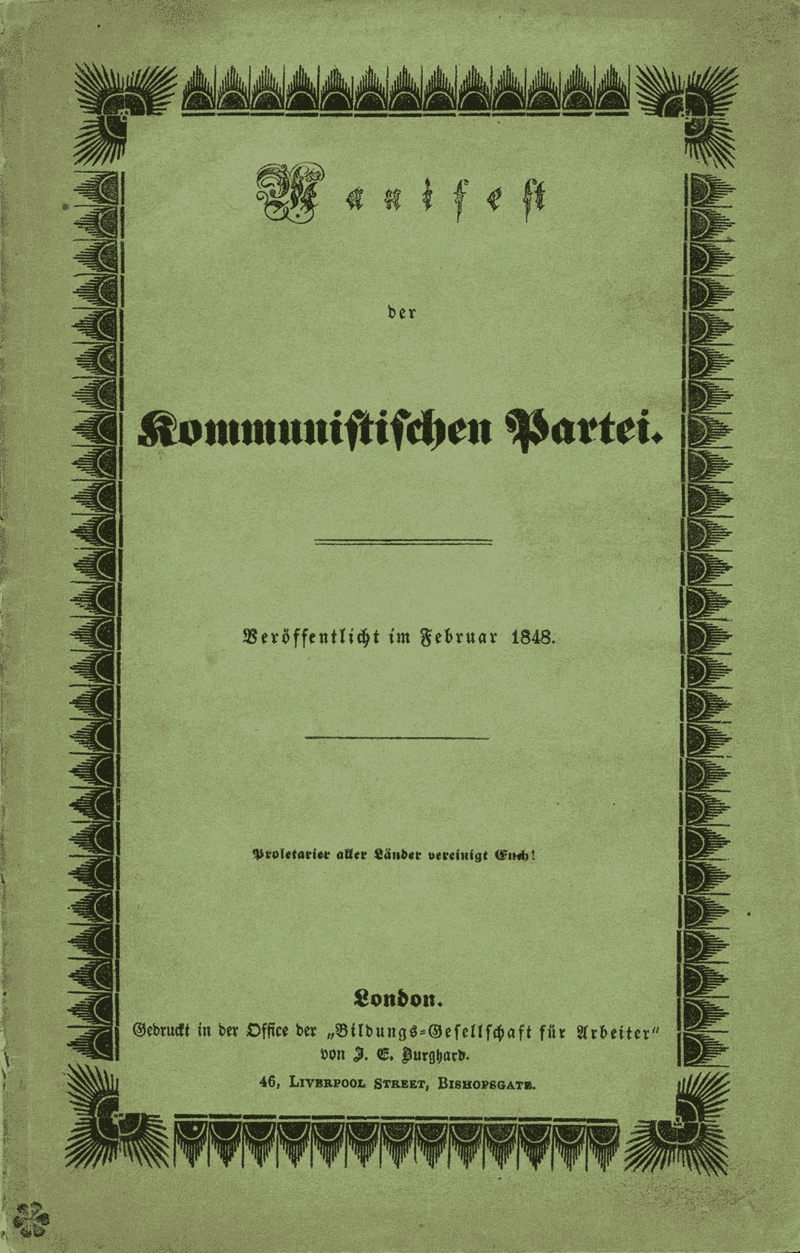
Marx and Engels packed revolutionary fire into fewer than 50 pages, calling for workers to overthrow capitalism and build a classless society. Monarchies, colonial powers, and later anti-communist governments treated it like a bomb.
During America’s Red Scares, libraries pulled the pamphlet from shelves, and loyalty oaths effectively blocked access in many states. Owning a copy could raise suspicions about your patriotism.
Few political writings have been so short, so influential, and so persistently feared by those in power across multiple continents.
7. Doctor Zhivago by Boris Pasternak (1957)
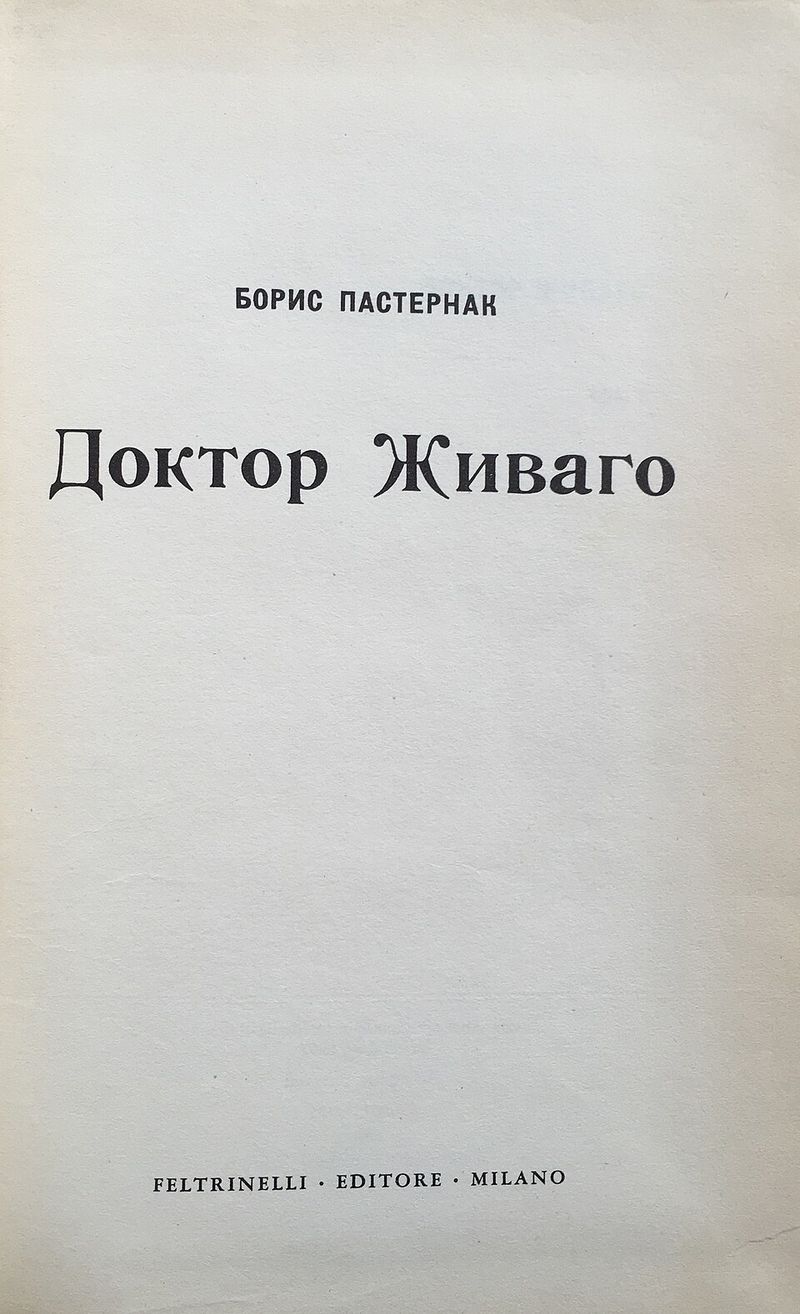
Pasternak’s novel focused on one man’s inner life, doubts, and spiritual journey during the Russian Revolution rather than celebrating Communist victory. Soviet authorities immediately rejected it, viewing this individualistic perspective as ideologically unacceptable.
An Italian publisher released it abroad, creating an international sensation. The CIA secretly printed Russian-language copies and smuggled them back into the USSR as Cold War propaganda.
The regime feared Pasternak’s humanistic approach more than any direct attack, proving that empathy itself can be subversive under totalitarian rule.
8. The Gulag Archipelago by Aleksandr Solzhenitsyn (1973)
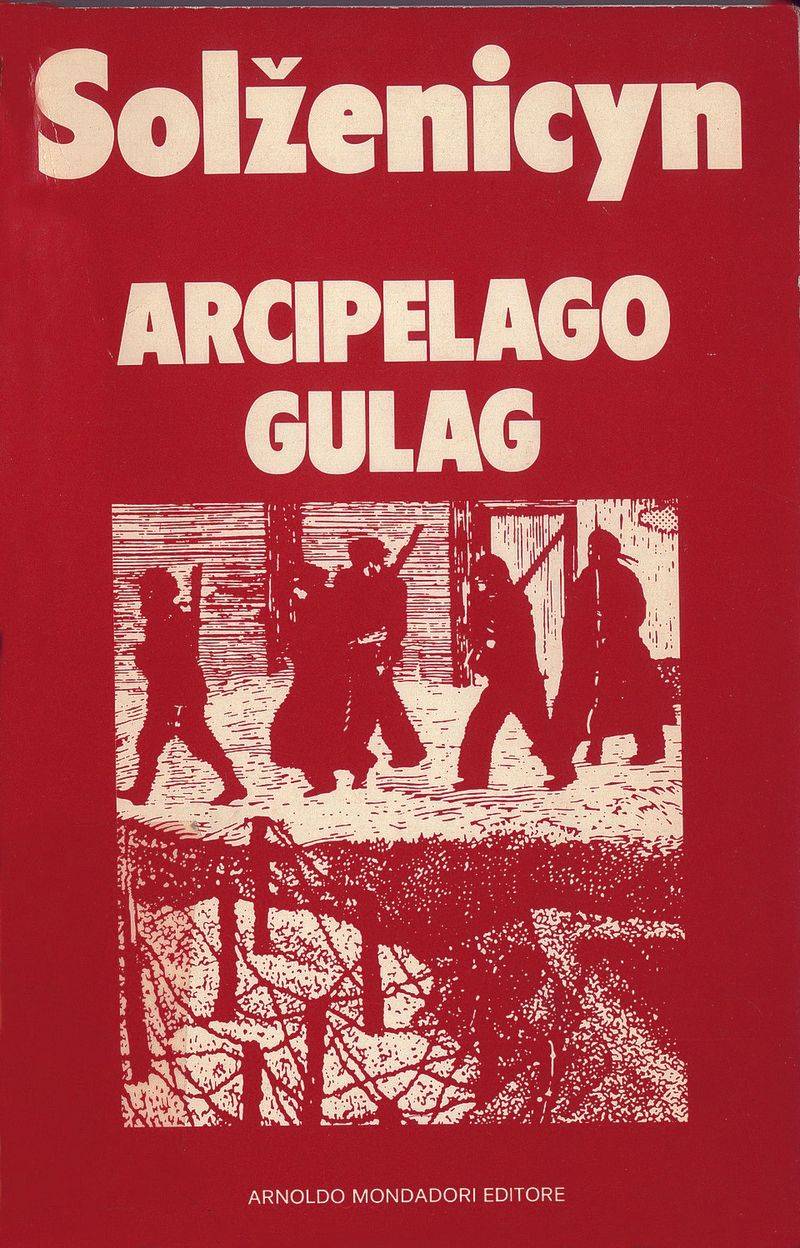
Solzhenitsyn documented the Soviet forced-labor camp system with devastating precision, exposing arrests, interrogations, and brutal conditions that authorities desperately wanted hidden. His investigation read like a prosecutor’s case file against an entire system.
The USSR banned it immediately, though underground samizdat copies circulated secretly. Western publication in 1973 caused a global sensation, stripping away propaganda to reveal horrifying truth.
For the Soviet regime, fiction could be dismissed, but Solzhenitsyn’s factual testimony was genuinely dangerous because every word was documented and verifiable.
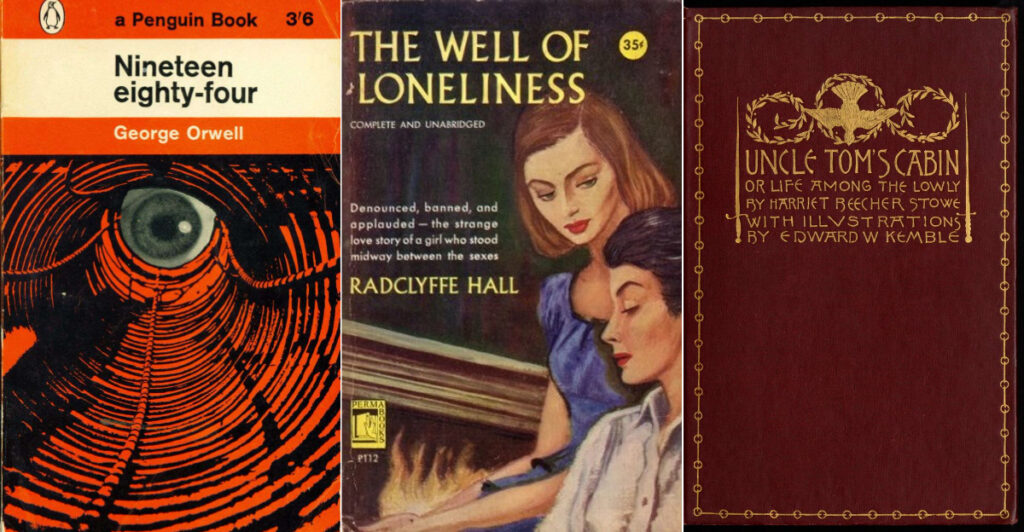
9. Uncle Tom’s Cabin by Harriet Beecher Stowe (1852)
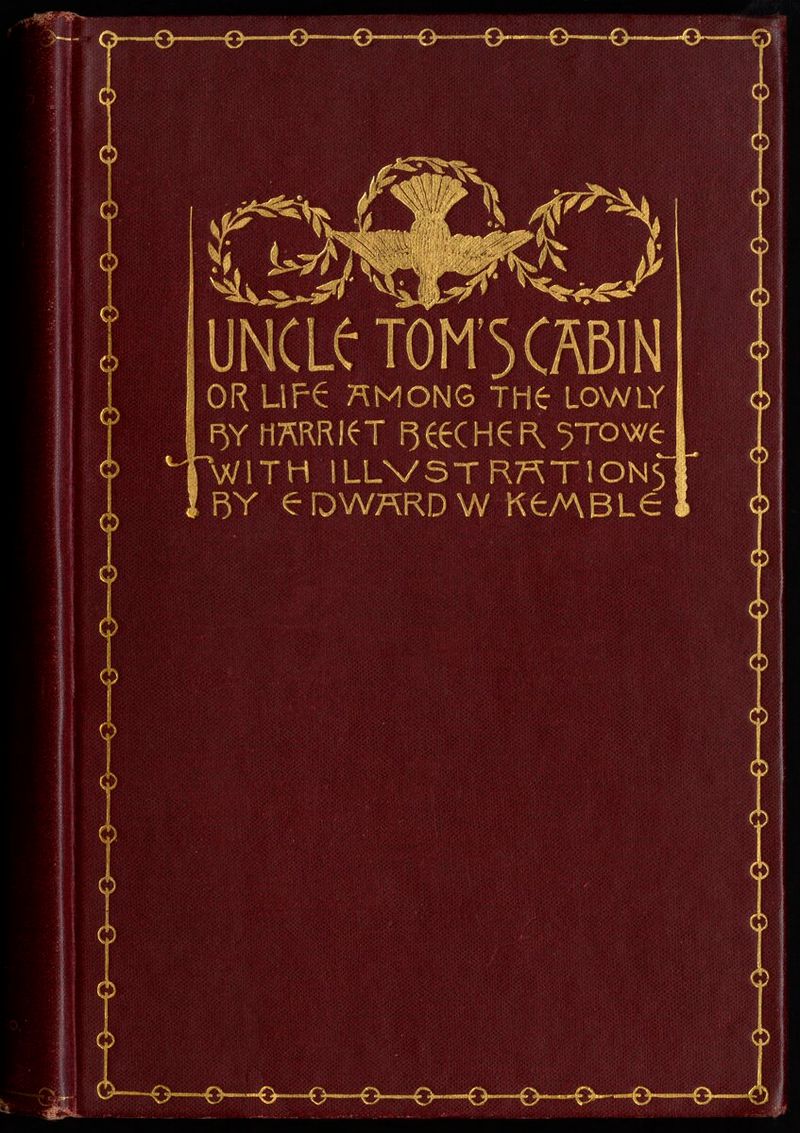
Stowe’s emotional portrayal of enslaved people’s suffering galvanized Northern abolitionists and enraged Southern slaveholders in equal measure. Her characters became symbols that transformed abstract political debates into visceral human stories.
Several Southern states banned the book outright, fearing it would inflame anti-slavery sentiment and threaten their economic system. Slaveholders recognized propaganda when they saw it, even when it was true.
Legend says Lincoln called Stowe the little woman who started the Civil War. Whether or not he said it, the novel certainly helped light the fuse.
10. Nineteen Eighty-Four by George Orwell (1949)
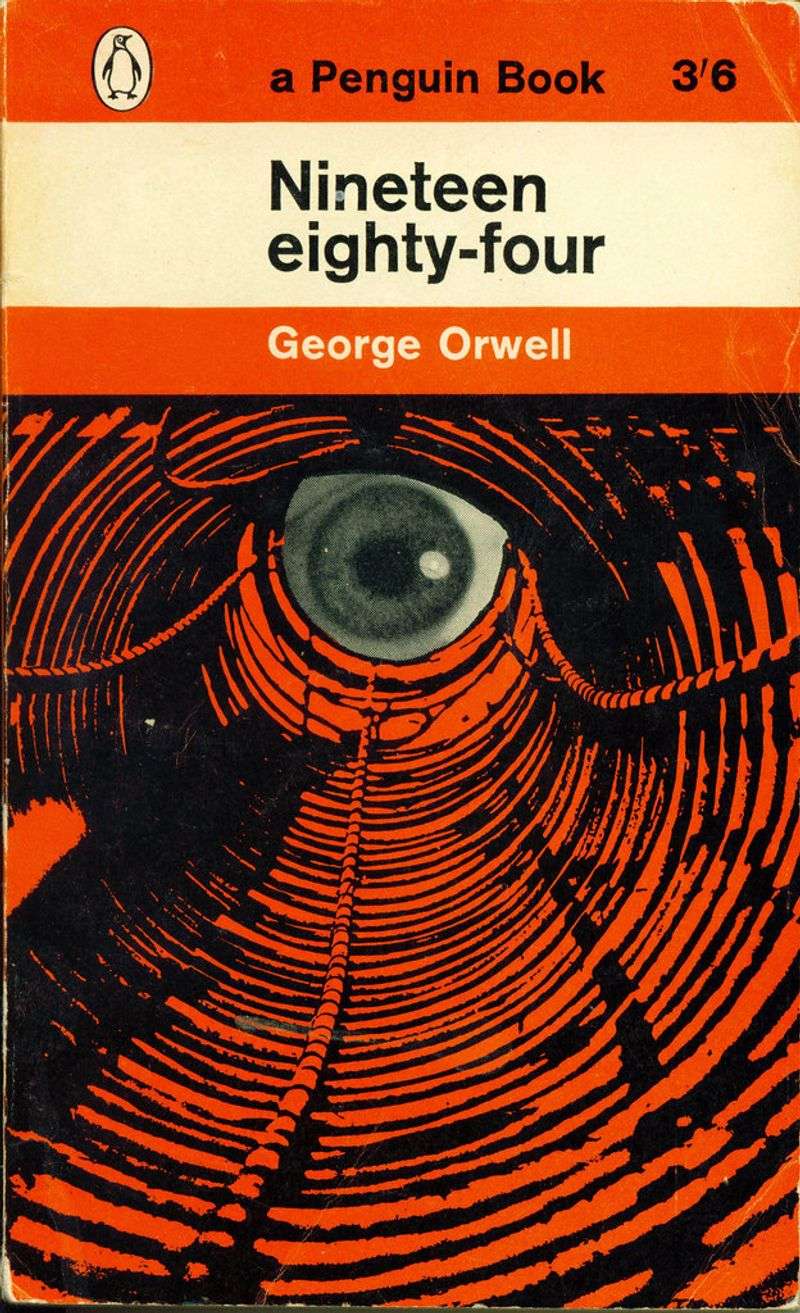
Orwell constructed a nightmare vision of surveillance, thought-control, and totalitarian power that hit uncomfortably close to reality for multiple governments. The Soviet Union and Eastern Bloc countries banned it immediately, recognizing their own methods in Big Brother’s tactics.
Western schools later challenged or restricted it for alleged political bias and explicit content. Conservative and progressive groups both found reasons to object.
The ultimate irony: a novel warning about censorship and thought-control keeps getting censored, proving Orwell’s warnings weren’t exaggerated enough.
11. The Well of Loneliness by Radclyffe Hall (1928)
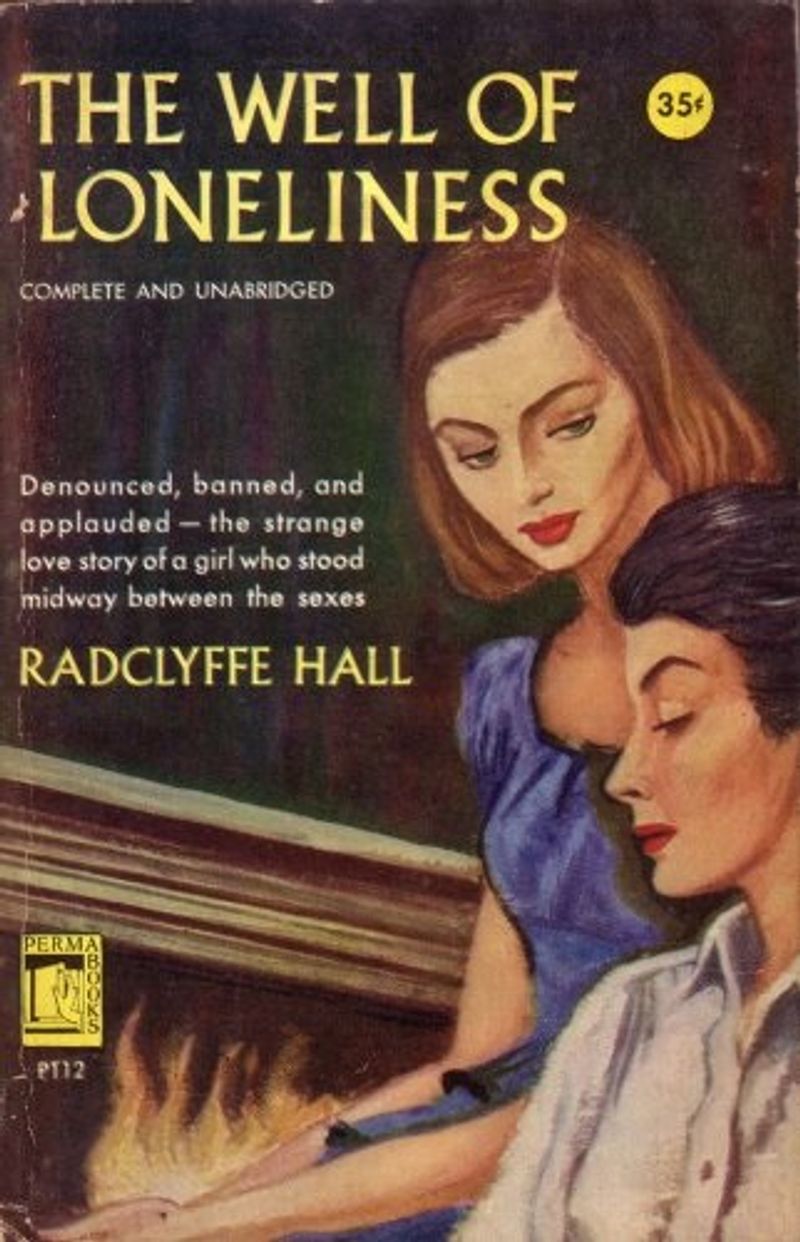
Hall wrote one of the first mainstream English novels to portray female same-sex relationships with sympathy and seriousness rather than mockery or tragedy. The protagonist’s lesbian identity drives the story without apology.
A British court declared it obscene in 1928 and ordered all copies suppressed, effectively banning it for years. The novel wasn’t even particularly explicit by modern standards.
Authorities feared that simply presenting queer love as legitimate and human could corrupt readers, revealing how threatening visibility itself was to heteronormative society.
12. Tropic of Cancer by Henry Miller (1934)
Miller’s autobiographical novel exploded with sexual frankness and profanity that made censors apoplectic. The United States banned it for nearly three decades, treating it like literary contraband.
When Grove Press finally published it in 1961, over 60 obscenity lawsuits erupted across more than 20 states. Booksellers faced prosecution simply for stocking it.
The Supreme Court ruled it non-obscene in 1964, establishing that explicit material with serious artistic value deserves First Amendment protection. Miller’s dirty book expanded freedom for everyone.
13. The Color Purple by Alice Walker (1982)
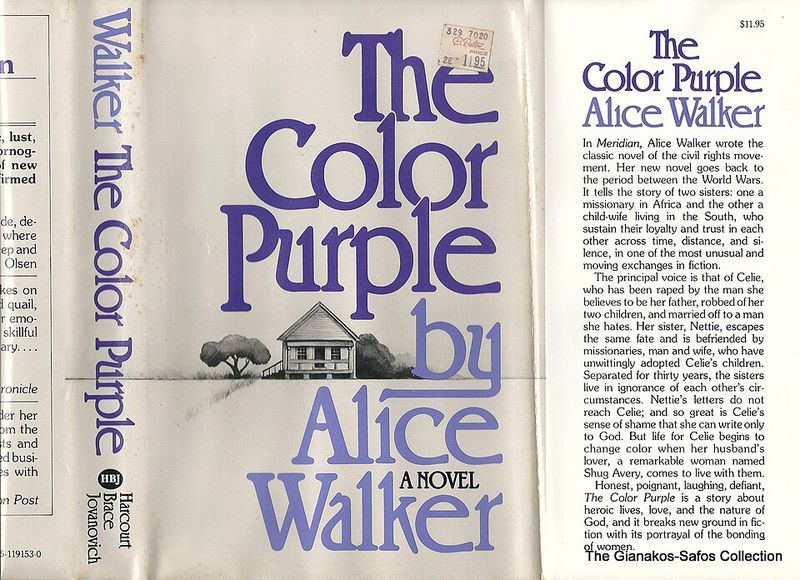
Walker follows Celie, a Black woman in the American South, through abuse, racism, and sexism toward eventual self-discovery and healing. The Pulitzer Prize committee recognized its power; censors saw only problems.
It became one of the most frequently challenged books in U.S. schools, with critics citing sexual violence, sexuality, and strong language as reasons for removal. Some districts still restrict it today.
For countless readers, it’s a transformational story of resilience and sisterhood. For censors, it’s too explicit and makes white audiences too uncomfortable.
14. Harry Potter series by J.K. Rowling (1997–2007)
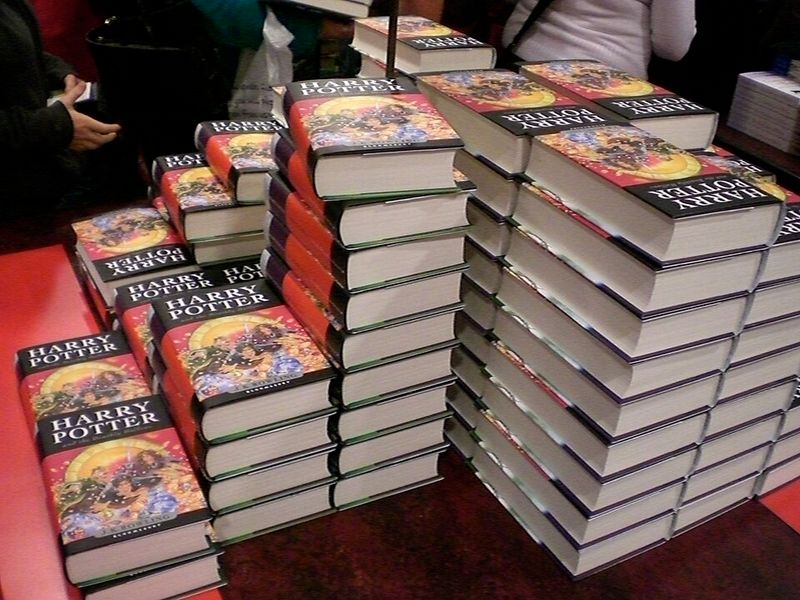
Who knew a children’s fantasy series about a boy wizard would trigger moral panic? Religious groups accused the books of promoting witchcraft and the occult, leading to school bans and library challenges worldwide.
Some communities held public book burnings in the early 2000s, treating Hogwarts like a satanic recruitment tool. Other districts fought to keep the series, arguing it promotes friendship, courage, and moral choice.
The controversy revealed deep anxieties about children’s exposure to magic, even fictional magic that clearly operates as metaphor rather than religious instruction.
15. Maus by Art Spiegelman (1991)
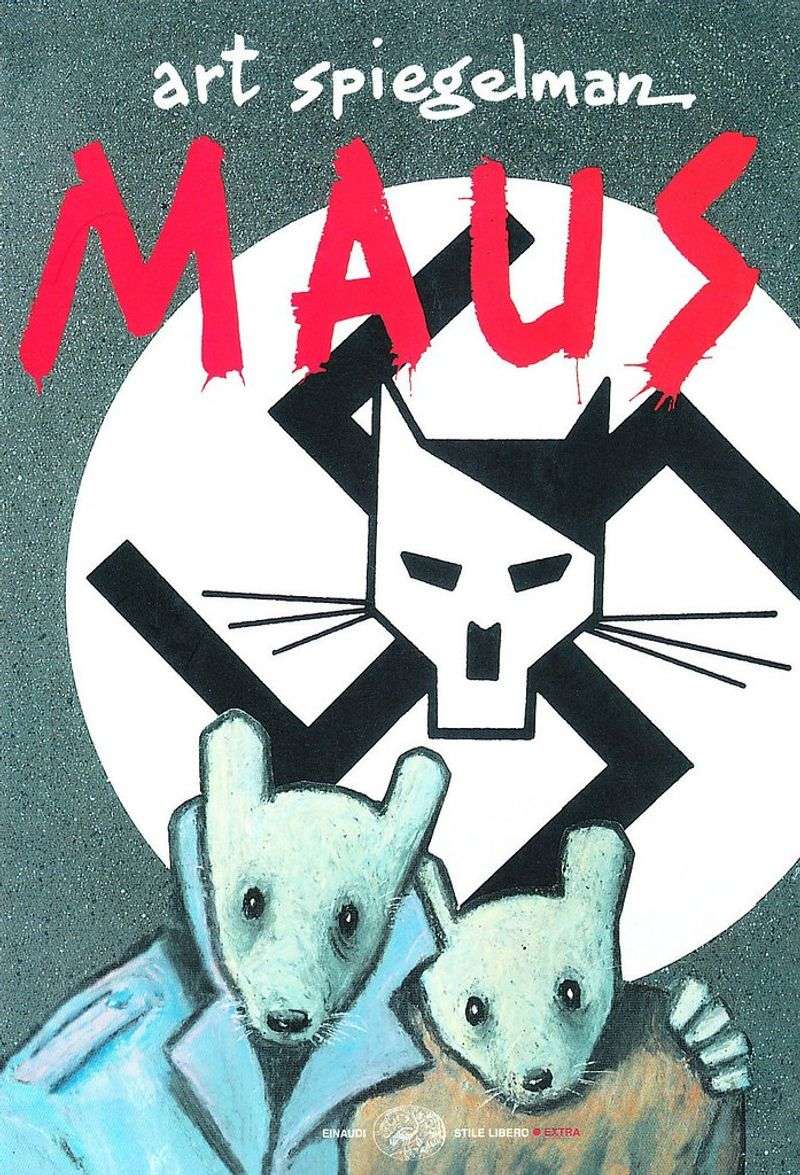
Spiegelman used anthropomorphic animals to tell his father’s Holocaust survival story, creating a landmark work that won a Pulitzer Prize. Critics praised its innovative approach to depicting unimaginable trauma.
In 2022, a Tennessee school board unanimously voted to remove Maus from 8th-grade curriculum, citing inappropriate language and a small illustration of a nude woman. The decision sparked international backlash.
Banning a Holocaust memoir for a few curse words and one tasteful drawing struck many as missing the point entirely, prioritizing minor discomfort over historical testimony.
16. The Anarchist Cookbook by William Powell (1971)
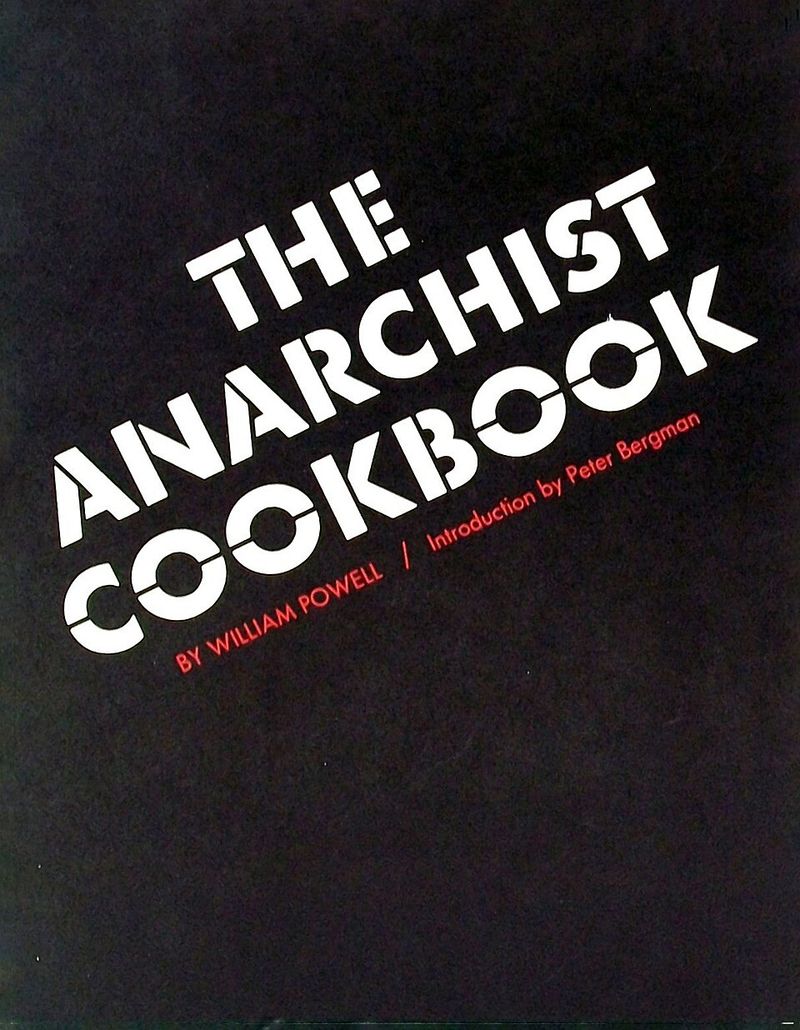
Unlike other books on this list, Powell’s work is notorious for practical rather than ideological reasons. It contains instructions related to explosives, weapons, and illegal activities that authorities view as genuinely dangerous.
Critics, officials, and security experts have repeatedly called for bans or tight restrictions since publication. Some libraries keep it under special access or refuse to carry it entirely.
Powell himself later disavowed the book, saying he wrote it as an angry teenager and regretted its publication. Yet it remains in print and controversial decades later.
Share this story