Some albums arrive too soon for the world to understand them. Critics take notice, but fans hesitate – puzzled by sounds that feel too raw, too strange, or just too far ahead of their time. Years later, those same records are hailed as classics, quietly shaping genres and inspiring generations. From whispery art rock to lo-fi confessionals, these 15 albums didn’t chart high or sell fast – but they changed the landscape all the same. If you’re ready to explore music that defied trends and defined futures, start here. You might find your next favorite hiding in plain sight.
1. Pet Sounds – The Beach Boys (1966)
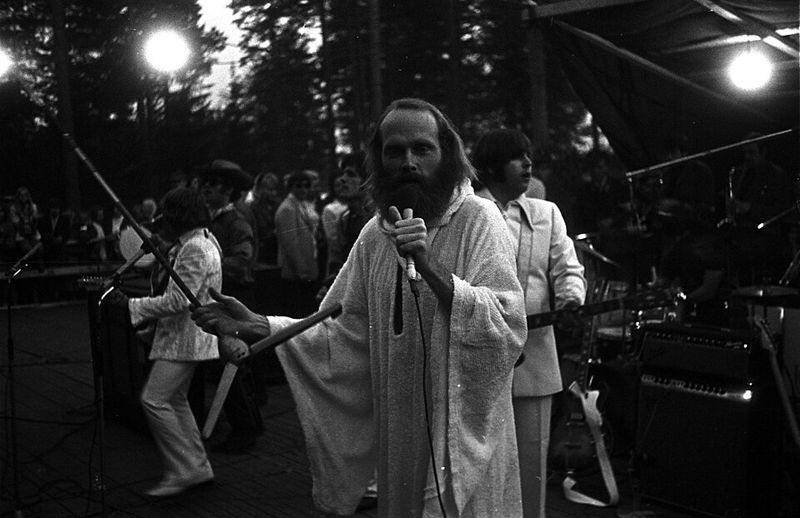
This is the moment pop grew up. The harmonies shimmer, but the heartache is the point, peeking through orchestral bells, dogs barking, and that lonely, questioning bass. Listeners wanted summer fun while Brian Wilson chased a feeling only strings and pocket symphonies could reach. Sales lagged.
Give it patience. Let the melodies warm until the ache turns radiant and the details reveal themselves like seashell etchings. You will hear courage in the vulnerability and ambition in every brittle smile. Decades later, it sounds like a private prayer sent across a crowded beach.
2. In the Aeroplane Over the Sea – Neutral Milk Hotel (1998)
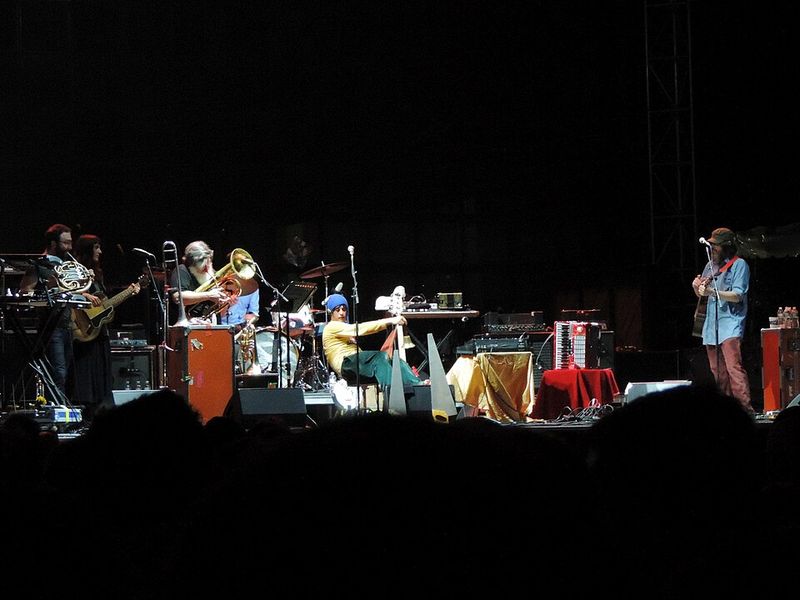
At release, this felt too messy, too intimate, like reading someone’s secret journal aloud. The guitars rush, the horns wobble, and the tape-saturated edges blur into a dream you cannot quite hold. Fans were cautious while critics whispered about genius. Then whispers spread.
Now it is a pilgrimage album. Sit with the strangeness and you will feel a heartbeat thumping through every cracked note. The lyrics float between grief and wonder, and somehow both win. It rewards belief, not perfection. Press play and surrender to a fragile, fearless communion.
3. Pinkerton – Weezer (1996)

Too raw, they said. Too diary-like, too jagged, too unconcerned with polish. Fans who loved shiny hooks recoiled from the bleeding edges, while critics sensed honesty sharpening every chord. Sales dipped, jokes flew, and the band flinched. Then a generation found themselves inside these songs.
Play it when the night gets loud. The choruses crash like waves, carrying shame, desire, and apology in equal measure. You will hear the origin point of a hundred bands trying to be braver. Imperfect, yes, but brave enough to stay. That courage aged beautifully.
4. OK Computer – Radiohead (1997)

In 1997, this landed like a warning flare. The songs were intricate, the rhythms unsettled, and the themes uncomfortably prescient. Listeners expecting Britpop swagger met circuit boards and dread. Critics praised, but mass audiences hesitated, unsure if anxiety could be beautiful. Spoiler: it can.
Give it a quiet room. The guitars chime like satellites, Thom’s voice reaches for air, and the arrangements fold like origami around your nerves. You will recognize our present inside its circuitry. It predicted the mood of the century and made it sing.
5. Marquee Moon – Television (1977)
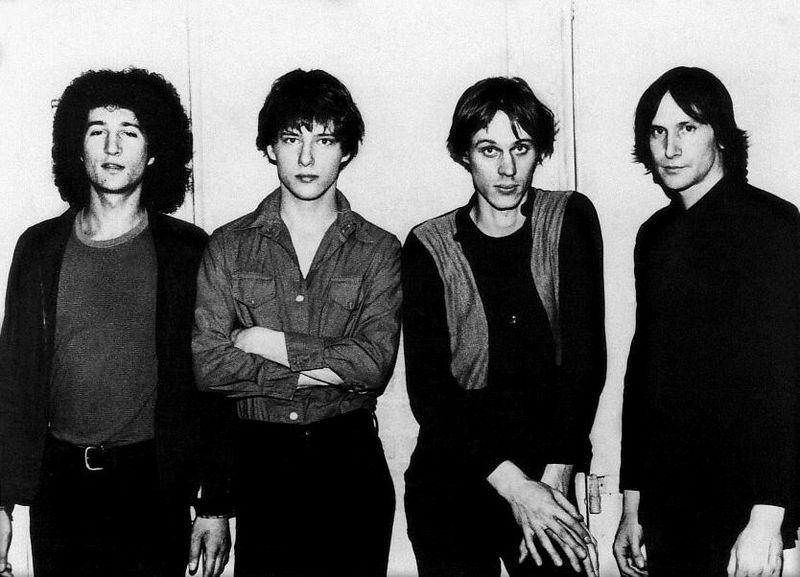
Two guitars, endless sky. That is how it feels when the solos open up and the city’s grit suddenly turns to glass. Punk kids wanted speed, but Television offered precision and poetry. Critics swooned while many listeners shrugged, missing the joy of tension carefully released.
Now the title track towers, ten minutes that never drag. You can hear streets, stairwells, and stubborn dreaming in every phrase. Give it time and the lines untangle, revealing melody like hidden light. It is restless and exact, a blueprint for art-punk grace.
6. Third/Sister Lovers – Big Star (1978)
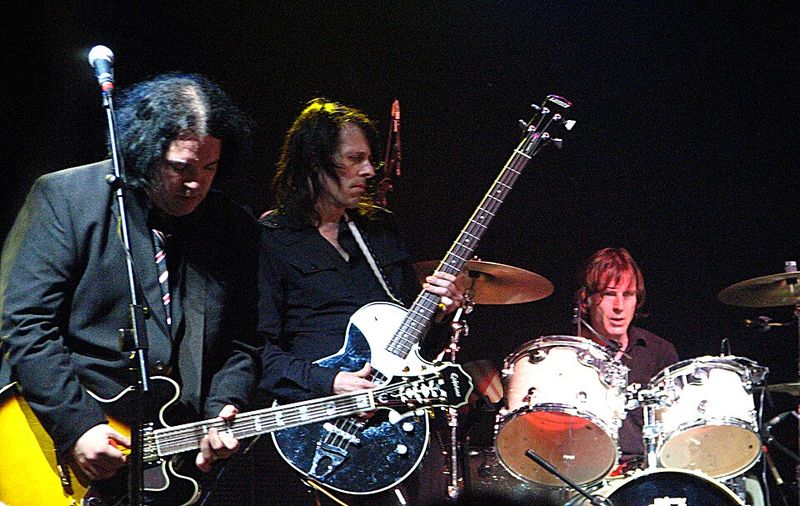
This sounds like a beautiful collapse. Melodies stagger out of ruined rooms, delicate and determined. Fans of crisp power-pop did not know what to do with all the frost and heartbreak. Critics gathered the pieces, recognizing a shattered masterpiece that taught fragility how to sing.
Listen for the bravery of unfinished edges. The songs feel handwritten and human, stubbornly intimate. You will find comfort in the vulnerability, like a friend admitting the truth at 3 a.m. It is messy, yes, but the kind of mess that keeps saving lives.
7. The Bends – Radiohead (1995)
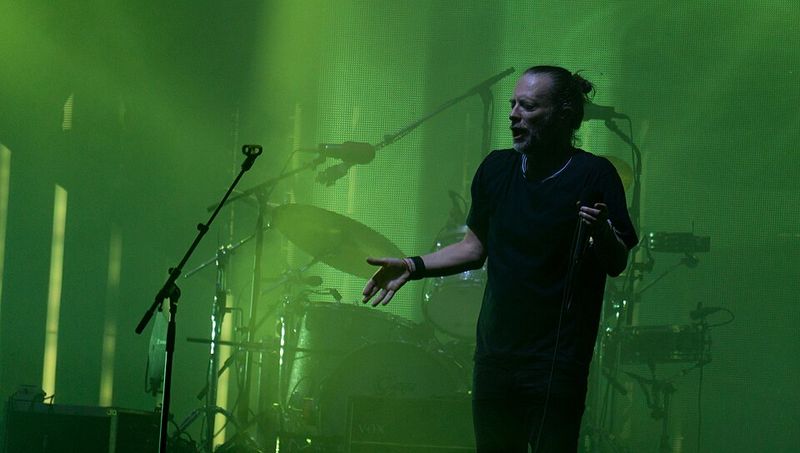
Before the grand experiments, there was this anxious leap. Big choruses hide cracked feelings, and stadium guitars carry lonely questions. Some fans wanted another Creep and missed the subtle shift toward something stranger. Critics noticed growth under the gloss and kept their ears pressed close.
Spin it loud in the car. The hooks hit first, but the textures linger, turning bright anthems into quiet companions. You will hear a band leaving safety without saying goodbye. It bridges the old and the future, a map folded inside a hit record.
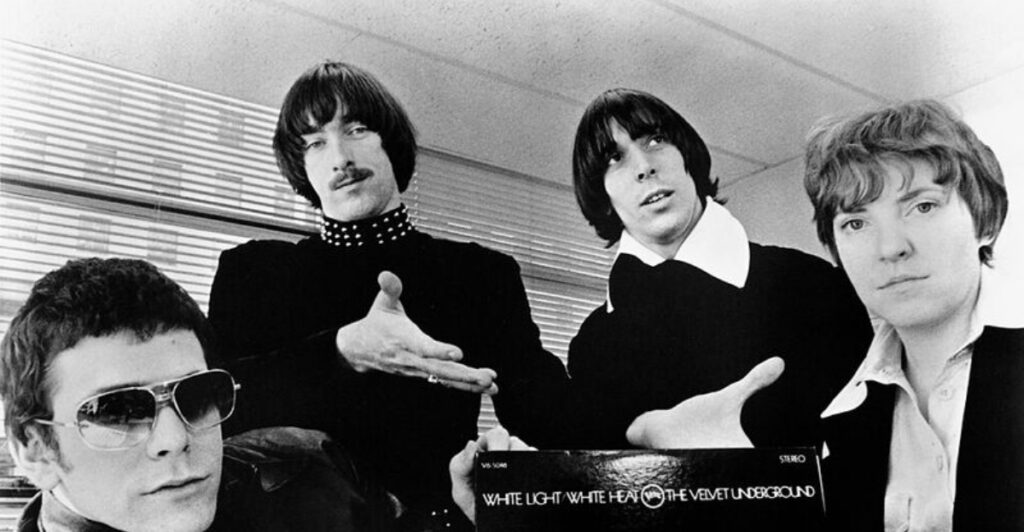
8. The Velvet Underground & Nico – The Velvet Underground (1967)
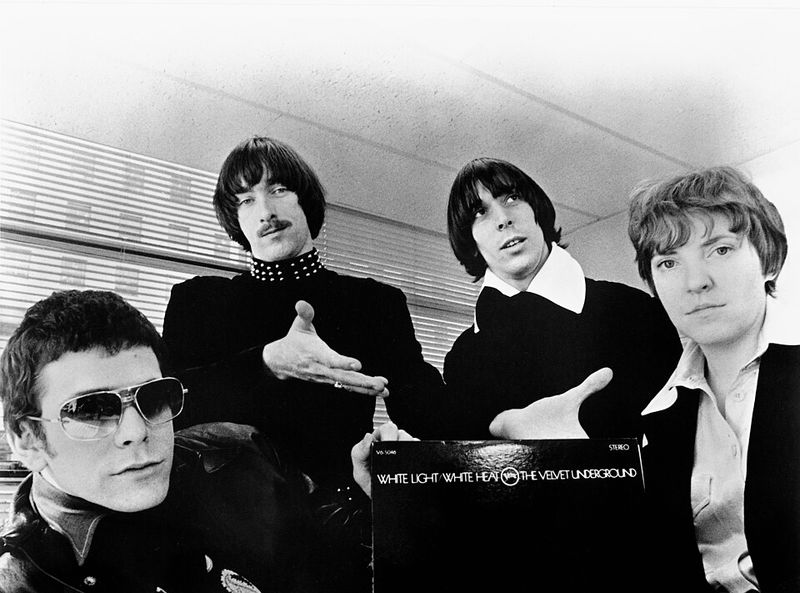
At first, this sounded like a dare: droning guitars, whispered menace, and street-lit poetry about lives nobody sang about. You could feel critics lean in while casual listeners backed away, unsure what to do with all the noise and needles. Time decided. The rawness grew mythic.
Raise the volume and it still feels modern, like a city night insisting on honesty. Each song sketches a world that refuses easy comfort. If you missed it then, approach with open ears and a curious heart. You will hear tomorrow being invented in real time.
9. Another Green World – Brian Eno (1975)
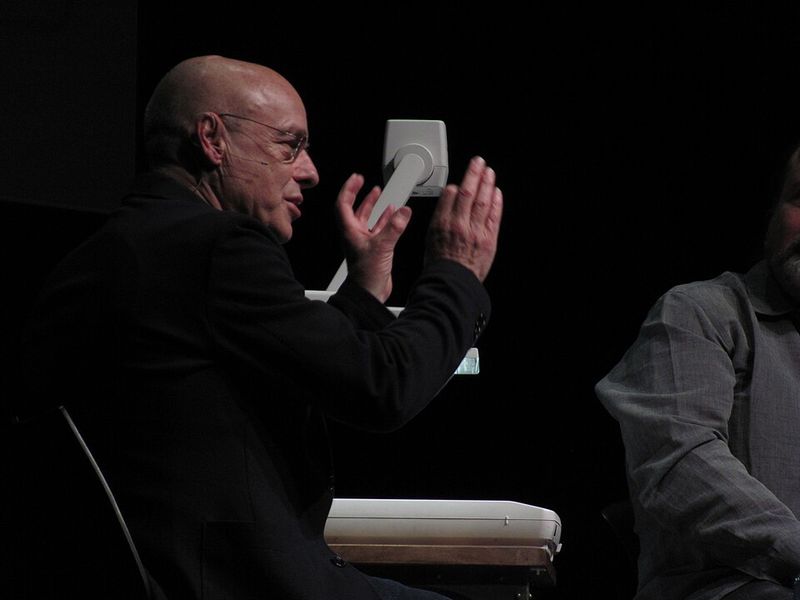
Here, songs become spaces. Melodies arrive like passing weather, half-instrumental, half-dream. Radio did not know how to file it, and casual fans expected glam after Roxy. Critics heard a door opening to ambient possibility, and stepped through quietly, reverently, like entering a museum after hours.
Give it headphones. The details flicker, and rooms appear where choruses might be. You will find calm without boredom, motion without hurry. It teaches listening as an art, and leaves you clearer than it found you. Strange, gentle, and endlessly replayable.
10. Ladies and Gentlemen We Are Floating in Space — Spiritualized (1997)

A heartbreak record dressed like a science experiment. Gospel choirs, narcotic drones, and orchestral swells orbit a simple ache: love lost, still glowing. Fans wanting quick catharsis missed the patience baked into the pulse. Critics kept listening and found a cathedral inside the static.
Turn it up until the room vibrates. The songs rise slowly, folding sorrow into light. You will feel weightless and heavy at once, a paradox the album perfects. It is medicine that stings first and then soothes, leaving stars in the silence afterward.
11. Disco Volante – Mr. Bungle (1995)
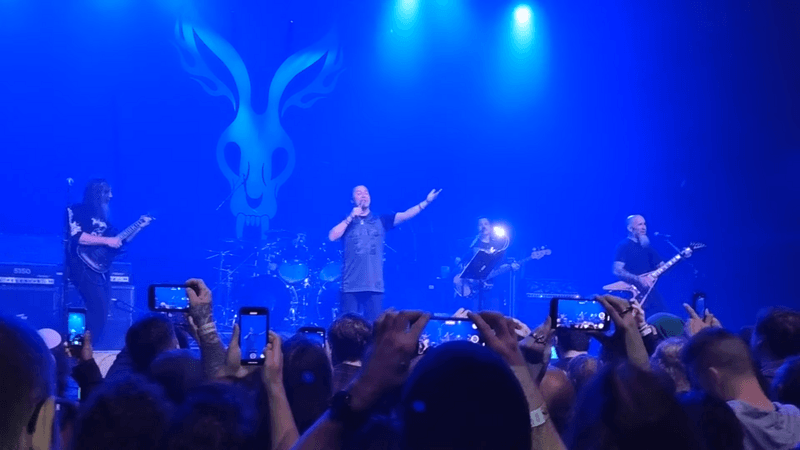
This record refuses to sit still. Metal mutates into lounge, then free-jazz, then something with sirens and jokes. Most listeners bailed at the first hard turn, while critics admired the fearless chaos. It felt like a prank with a composer’s brain, demanding curiosity over comfort.
Approach with a grin and an open schedule. The rewards come from shock and contrast, like seeing ten movies at once. You will not hum the tunes immediately, but you will remember the feeling. For the brave, it becomes a playground you keep revisiting.
12. The Dreaming – Kate Bush (1982)

Too weird, they said, as if that were a flaw. Kate threw every idea at the canvas and made it dance. Radio blinked. Fans expecting simple hooks met clattering rhythms, character voices, and folklore turned electric. Critics admired the daring while sales lagged.
Now the ambition feels normal because she made it so. Listen closely and you will hear an artist inventing her own gravity. The songs reward attention, revealing stories inside stories. If you come for spectacle, stay for soul. It is fireworks with a beating heart.
13. Trans Europe Express – Kraftwerk (1977)
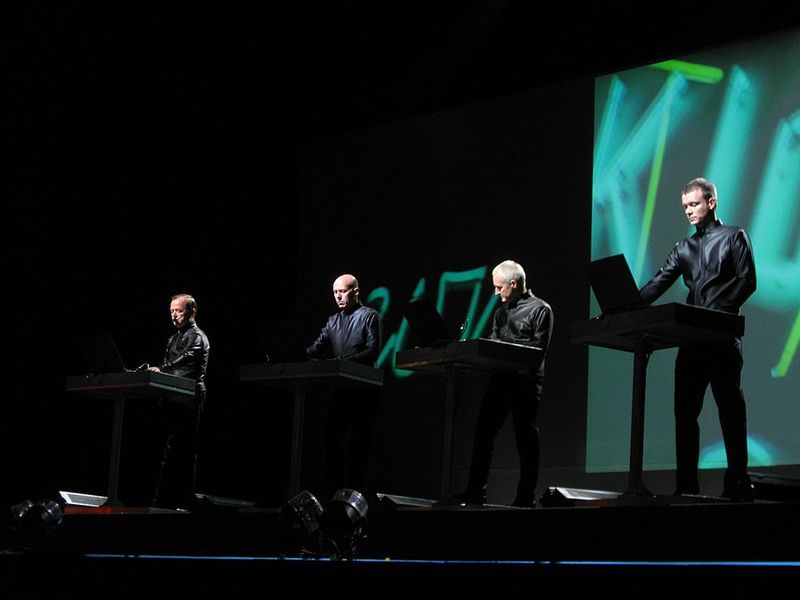
Cool, precise, and unsettlingly human, this train ran empty for a while. People heard machines and missed the romance of motion. Critics caught the poetry in repetition, the melody hidden inside steel. Pop eventually followed the tracks, but early fans were unsure where it led.
Put it on during a night drive. The rhythm becomes a landscape, and the distance feels close. You will hear the roots of electro, hip-hop, and synth-pop humming beneath every beat. What sounded cold reveals warmth in perfect lines.
14. Forever Changes – Love (1967)
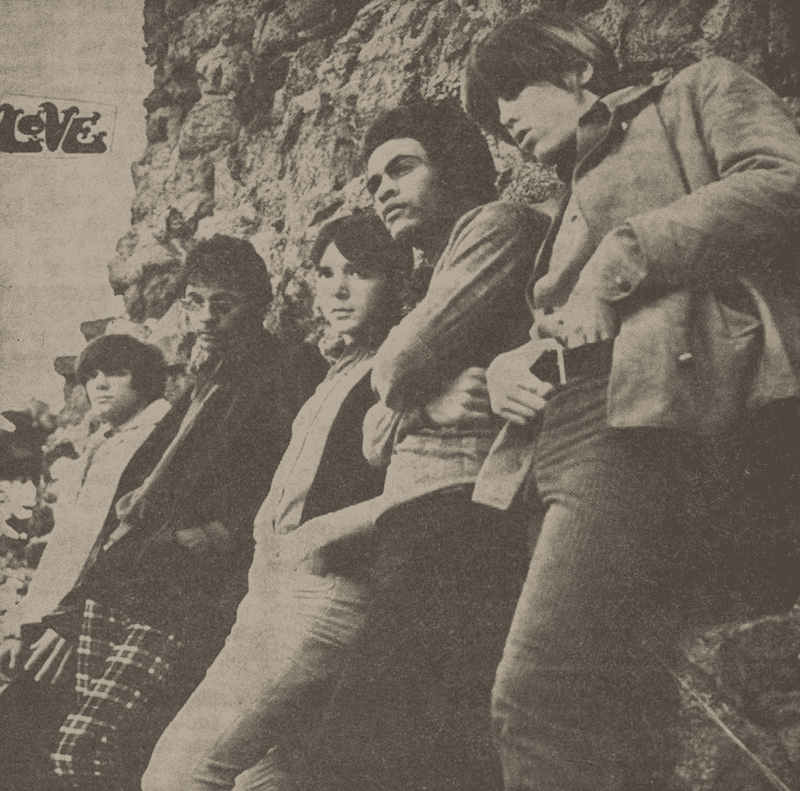
A gentle apocalypse in waltz time. The arrangements sparkle with strings and brass while the lyrics quietly worry about tomorrow. It did not sell like peers, partly because its mood is complicated. Critics championed it, slowly, until the chorus of praise finally got loud enough.
Listen on a clear afternoon. The record feels fragile, but the craftsmanship is steel-strong. You will catch new details each spin, as if the songs are developing photographs. Beauty and doubt hold hands here, and neither lets go.
15. On the Beach – Neil Young (1974)
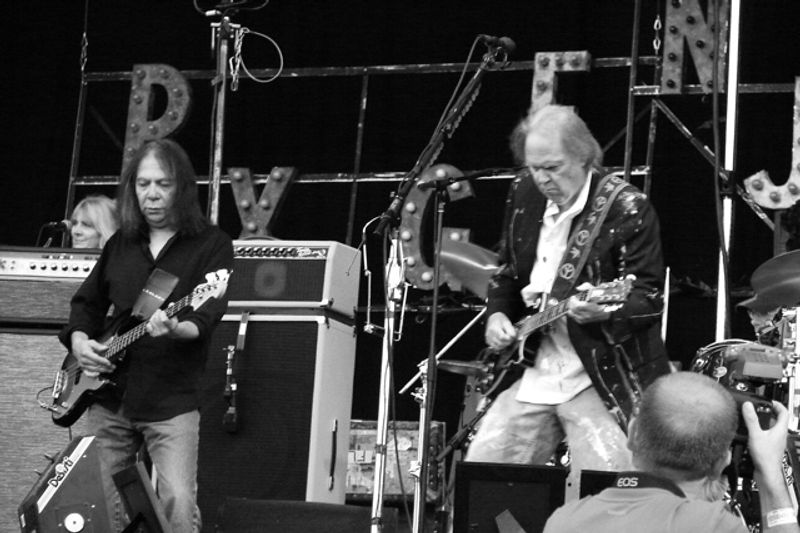
This album walks toward the horizon and does not look back. Loose, weary, and stubbornly honest, it confused listeners expecting Harvest’s polish. Critics admired the bleak clarity, but the broader crowd needed time to hear the courage in restraint. Eventually, its quiet gravity won.
Play it when you are tired of pretending. The band sounds human in the best way, mistakes breathing like wind. You will feel seen without being fixed. Some records heal by telling the truth softly, and this one never raises its voice.
Share this story