Colorado serves up high country nights filled with elk bugles, owl calls, and the glow of alpine sunsets. If you crave campfire comfort with front row wildlife encounters, you are in the right place. From soaring dunes to shadowy canyons and glassy lakes, each spot pairs great trails with real chances to see critters. Pack layers, bring binoculars, and get ready to meet Colorado’s wild side up close.
1. Great Sand Dunes National Park – Piñon Flats Campground
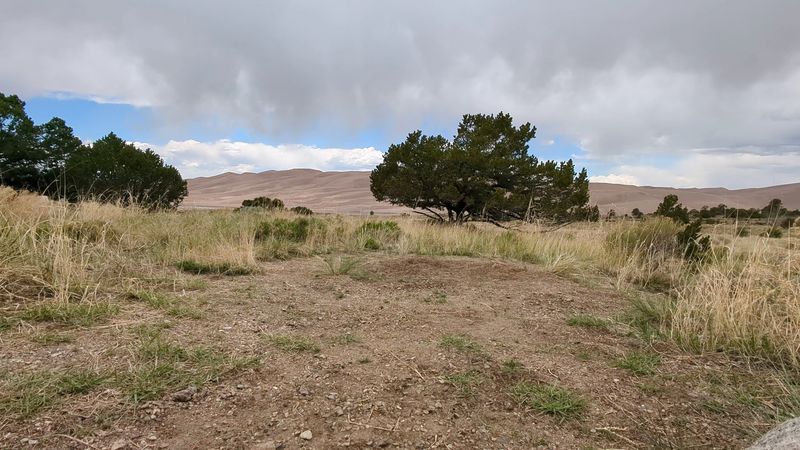
Pitch your tent among piñon and juniper, then wander from camp to mountains of sand. Medano Creek murmurs in spring while tiger beetles skitter like living jewels. Mule deer and pronghorn drift along the grass edge, and coyotes sing when the stars ignite.
Climb a ridge for sunrise and watch shadow waves curl down the dunes. Bring gaiters, plenty of water, and a lens cloth for windblown grit. Piñon Flats keeps you close to the action. Respect fragile crusts and cryptobiotic soils, and you will leave with footprints only.
2. Maroon Bells – White River National Forest
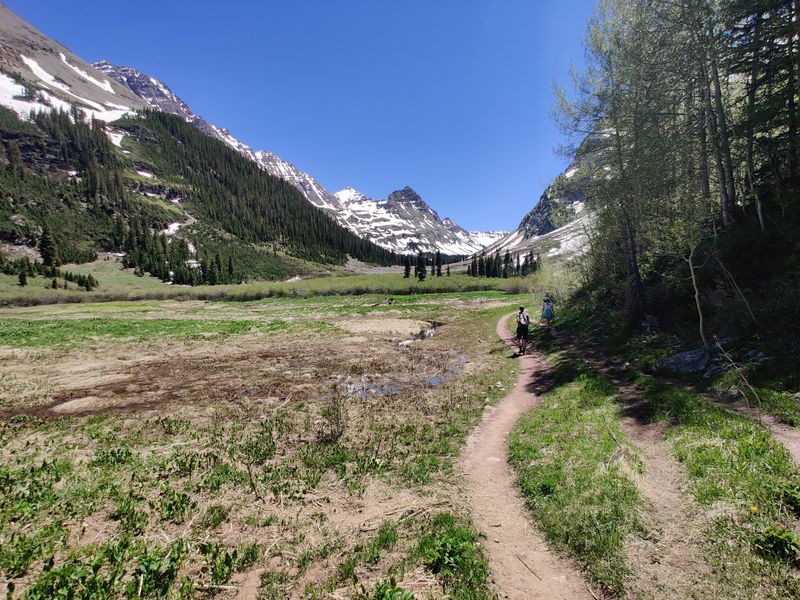
Those iconic twin peaks draw cameras, but the hush between shots is where wildlife appears. Mule deer browse the lake fringe, pine martens ghost through spruce, and pika squeak from talus like tiny sentries. Early morning is prime for elk silhouettes slipping through aspen trunks.
Reserve camping nearby and shuttle in for quieter dawn laps. Pack bear canisters and tread lightly on delicate alpine turf. Afternoon thunderheads build quick, so plan loops accordingly. When alpenglow paints the Bells, pause your shutter. You are standing in a postcard where the animals are co authors.
3. Black Canyon of the Gunnison National Park – South Rim
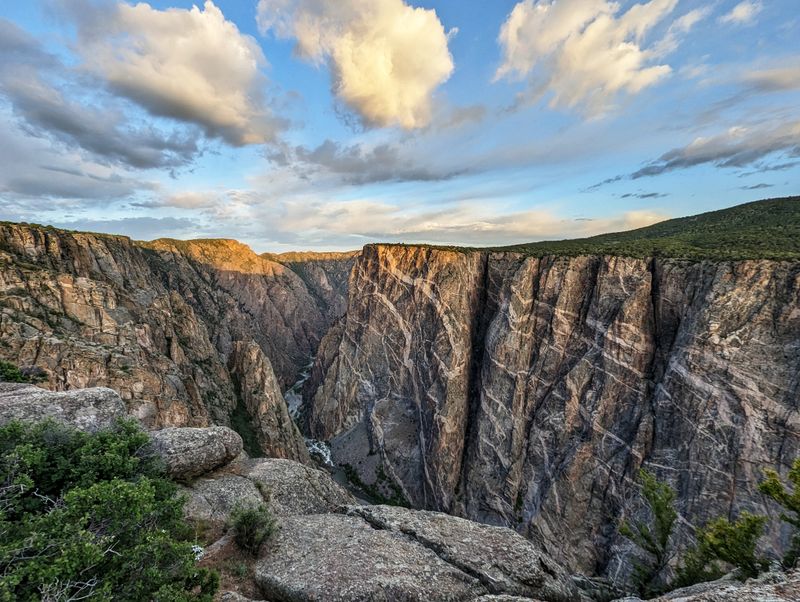
The canyon swallows sound and throws back wind and raptor cries. Scan the rim for peregrines slicing updrafts and golden eagles patrolling dark clefts. Mule deer browse pinyon juniper pockets near the South Rim campground while ringtails prowl after dark.
Trails hug dizzying edges, so keep footing solid and gear secure. Bring a spotting scope for cliff nests and dawn patrol. Nights are inky with brilliant stars, perfect for quiet contemplation. Keep a clean camp to discourage sneaky scavengers. This place makes you whisper, then rewards patience with sky borne acrobatics.
4. Steamboat Lake State Park
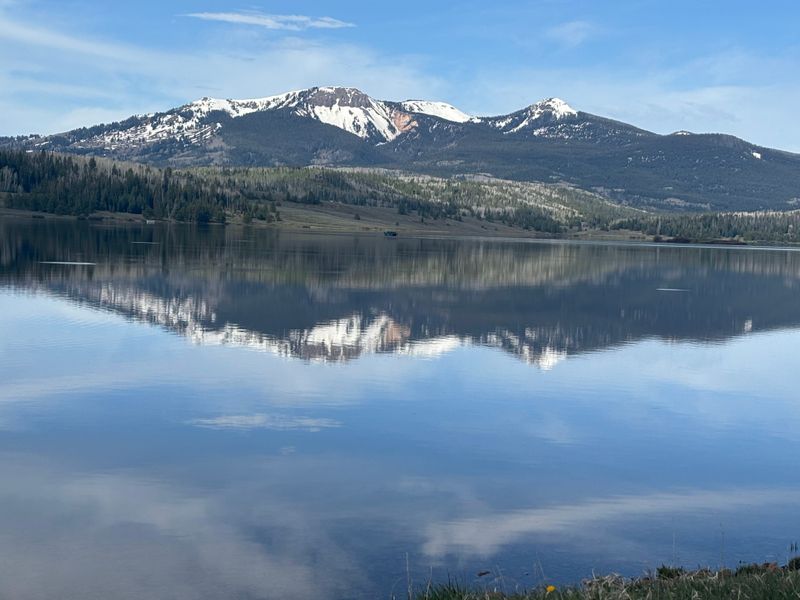
Morning fog slides across Steamboat Lake while cranes trumpet from marsh edges. Moose wade through willow bands, their reflections rippling in gold light. Beaver lodges dot coves, and osprey dive with bold splashes you can hear from camp.
Trail loops and shoreline paddles make easy wildlife patrols for families. Keep distance from moose and give birds quiet water. Campsites tuck into pines with clear views of Hahn’s Peak. Bring bug spray, a telephoto lens, and patience at dawn. The lake settles nerves, then fills memory with feathered and furred neighbors.
5. Blue Lakes Trail Area – Near Mount Sneffels Wilderness
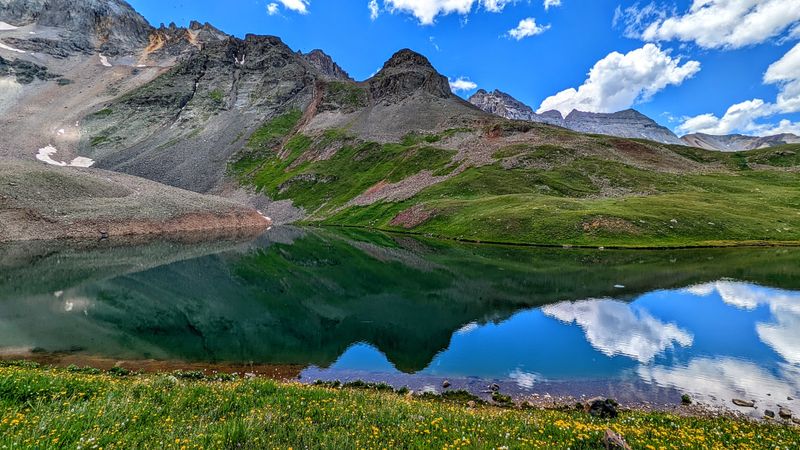
Those turquoise bowls feel otherworldly, especially when mountain goats pick their way across knife ridges. Marmots sun on rocks like tiny sages while Clark’s nutcrackers scold from krummholz. Dawn light turns Sneffels into a rose colored fortress reflected perfectly in the lower lake.
Backcountry camps require Leave No Trace discipline and sturdy layers. Weather swings fast and cold. Cook low profile, store food away from curious critters, and avoid fragile tundra. The hike will test lungs, but the rewards are grand and intimate. You will remember the color of the water forever.
6. Aspen – Four Pass Loop Campgrounds
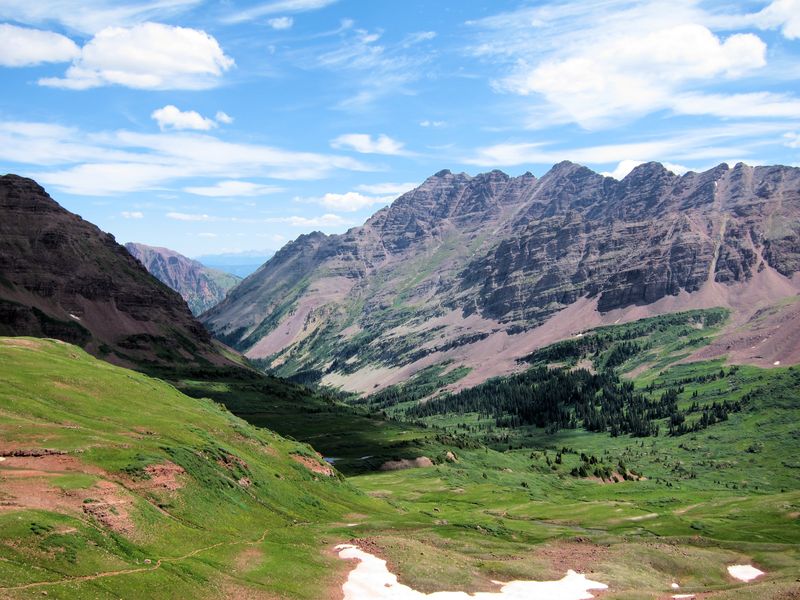
The Four Pass Loop strings together basins where elk thread willows and goats command airy ledges. Pikas ferry grass bouquets to haypiles while yellow bellied marmots whistle warnings. Sunrise fires the meadows with color, and every climb delivers another wildlife stage.
Permits, bear proof storage, and strong legs are essential. Camp lower if storms threaten passes and keep group size small. Filter water, step lightly, and linger quietly at dusk. You will collect sightings without crowding a single creature. This loop teaches humility, stamina, and how to share mountains with their true residents.
7. Rocky Mountain National Park
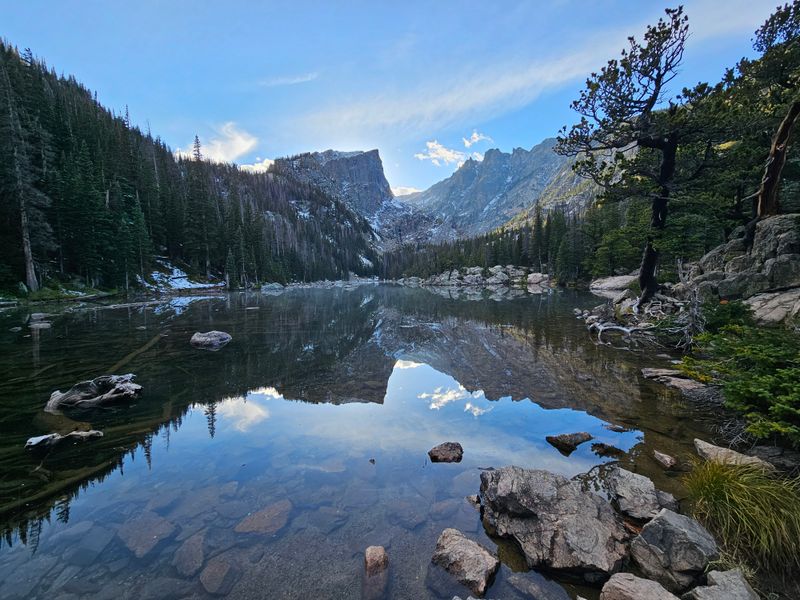
Wake to elk bugles echoing across frost tipped meadows while pink light spills over Longs Peak. Watch moose browse willow bottoms near the Kawuneeche Valley, then scan cliffs for bighorn sheep. Trailheads lead to lakes where beavers leave fresh cut stumps and ducks trace ripples.
Camp responsibly at Moraine Park or Glacier Basin and store food well. Afternoon storms roll fast, so pitch tents tight and dry. Carry layers, keep distance from wildlife, and linger at dusk when animals move. You will leave with memory cards full and a calmer heartbeat.
8. Mount Elbert – Twin Lakes Area
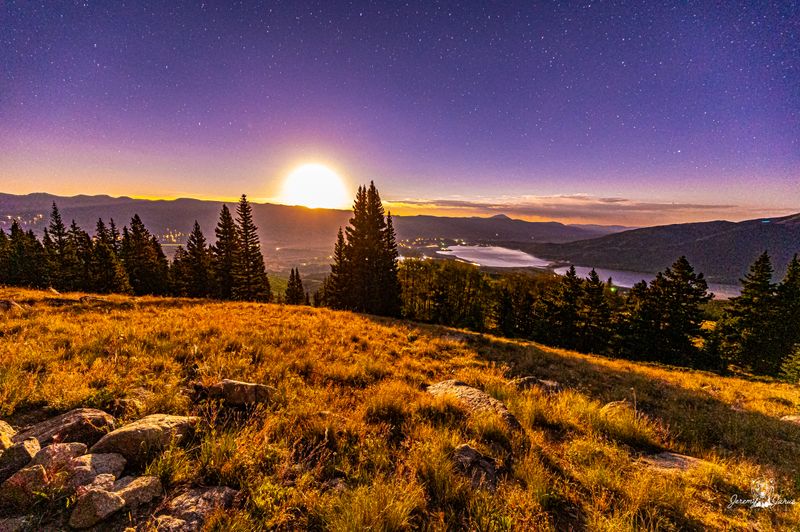
Camp near Twin Lakes and split days between fishing, summiting, and watching wildlife lace the shoreline. Mule deer drift through aspen shade while ospreys hunt the coves. At night, the Milky Way arches over Colorado’s highest peak like a quiet banner.
Start Elbert hikes early and return to loons calling across glassy water. Keep food locked and leave camp tidy. Afternoon winds push weather quickly down the valley, so secure tents. Bring layers, a rod, and binoculars. You get the classic big peak experience with soft lake edges perfect for unwinding.
9. Golden Gate Canyon State Park
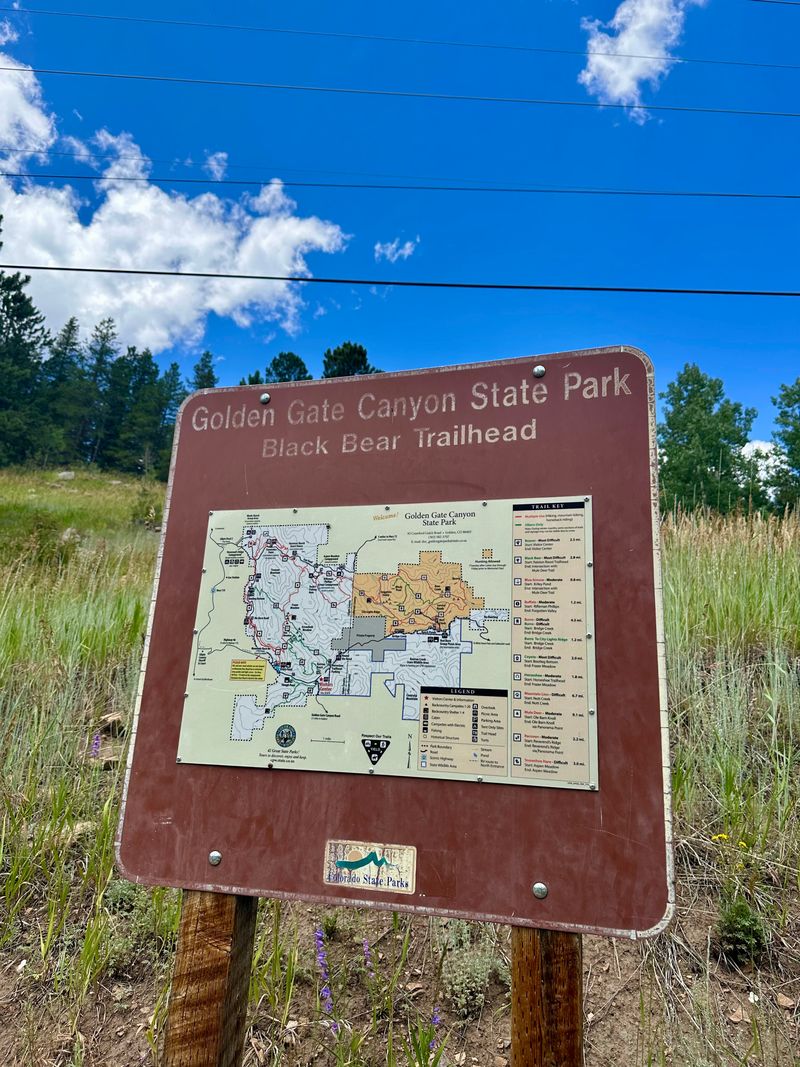
Close to Denver yet wonderfully wild, this park folds meadows into dark timber where elk slip quietly. Mule deer browse near camps and squirrels chatter overhead. If luck favors you, a moose may materialize in a willow wetland, huge and calm as a boulder.
Trail miles crisscross viewpoints and shady creek bottoms. Campsites are well spaced, with night skies brighter than city life suggests. Store food, give wildlife room, and keep dawns slow. The reward is everyday magic made special by proximity. You can work, then camp, then watch stars without a long drive.
10. Mueller State Park
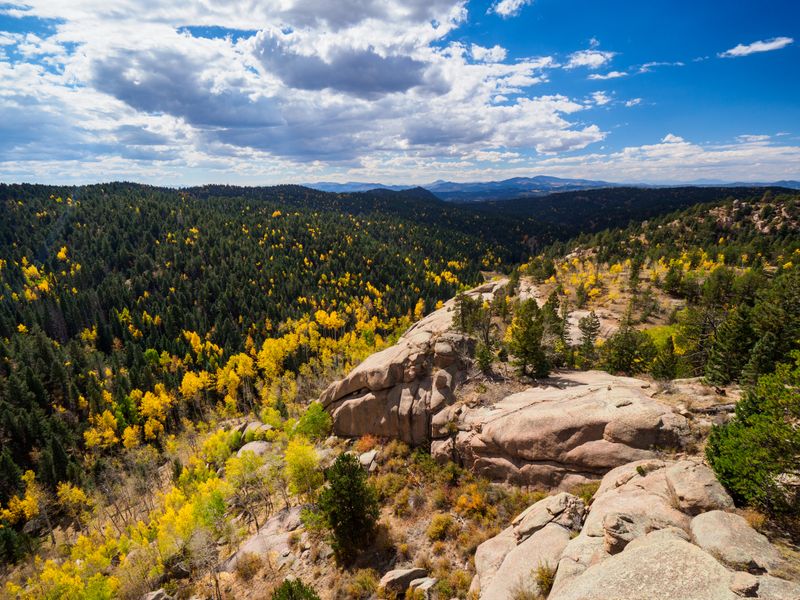
Mueller’s broad meadows are morning theaters for elk and mule deer, while Abert’s squirrels leap like acrobats. Keep eyes open for bighorn sheep on nearby rocky faces and scan skies for eagles. Bear sign appears in turned logs and berry thickets, so manage food carefully.
Over 50 miles of trails give quiet corners to claim at sunrise. Campsites sit high with sweeping views and pines whispering all night. Expect cool evenings even in July. Hike softly, pause often, and you will stack sightings without trying. This is a place to breathe slower and notice everything.
11. Rifle Falls State Park
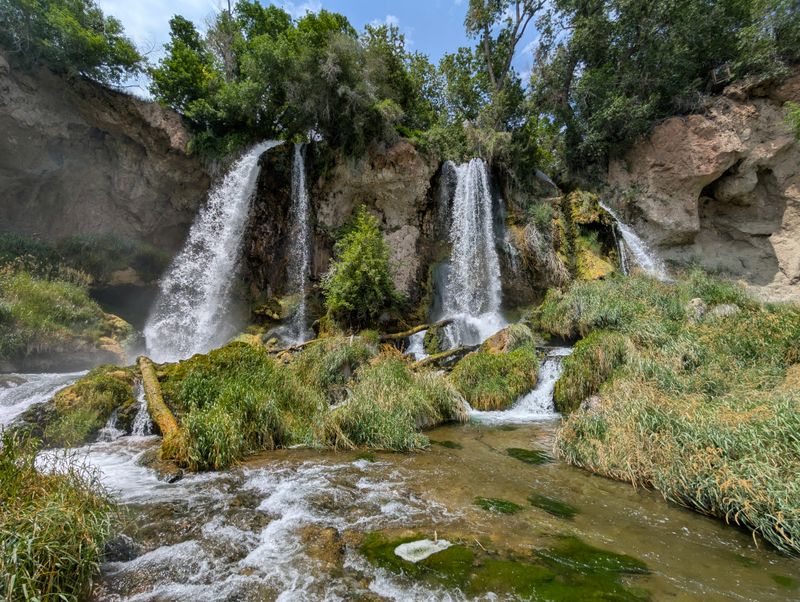
A curtain of water cools the canyon while swallows stitch arcs through mist. Mule deer browse the edges and raccoons explore after dark. The caves behind the falls add a splash of mystery, and ferns flash green against limestone.
Campsites are compact but atmospheric. Arrive early or reserve ahead. Keep food sealed, watch for slick footing, and bring a light rain shell for spray. Short trails loop to overlooks perfect for photos. It is a small park with big personality, and wildlife uses every corner like a stage.
12. St. Vrain State Park
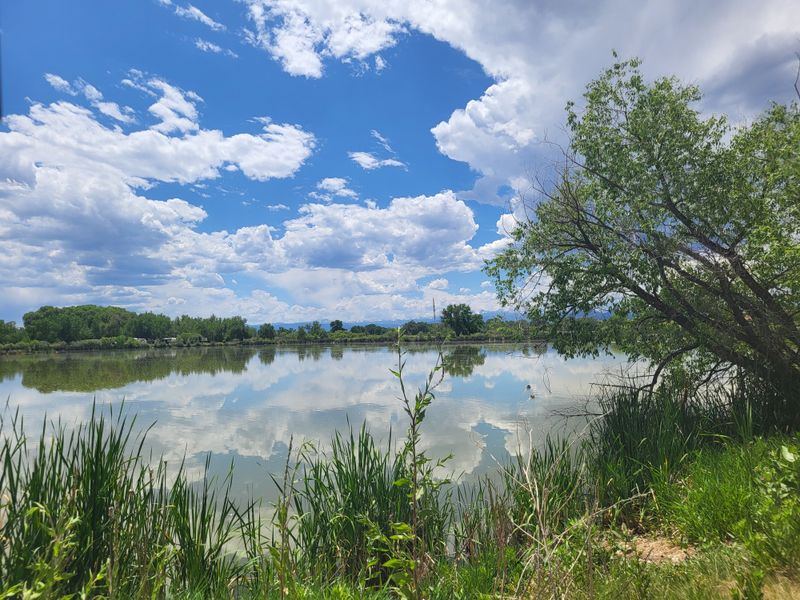
Water defines the mood here, from mirrored ponds to reed lined channels patrolled by herons. It is a birders’ jackpot with migrating waterfowl, songbirds, and the occasional bald eagle. Deer slip through cottonwoods while muskrats ripple the shallows at dusk.
Campsites are clean and close to the action, great for families and easy mornings. Bring a scope and sit still longer than feels normal. The birds reward patience. Keep dogs leashed and give nesting areas generous room. You will sleep to frog chorus and wake to wingbeats stitching dawn.
13. Arapaho Valley Ranch – Near Granby
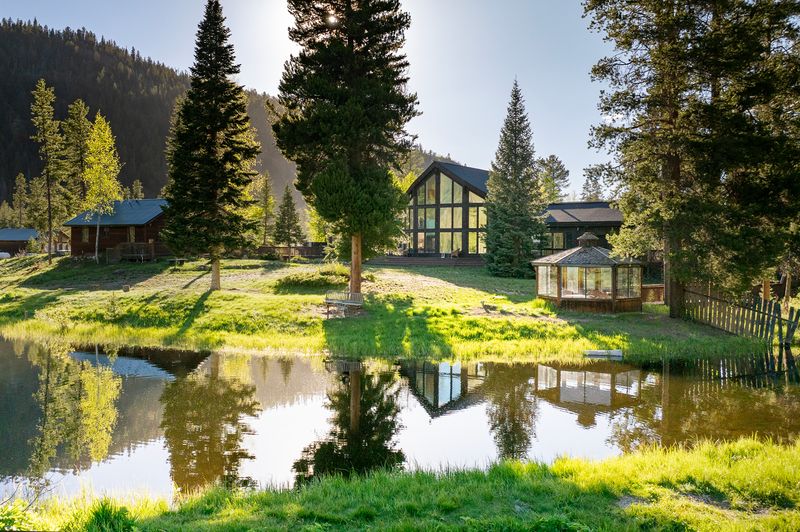
This private ranch tucks campsites along creeks where moose occasionally wander through like gentle giants. Hummingbirds buzz feeders near porches and trout nose rings in quiet pools. It feels peaceful, with long views and a slower rhythm built into the land.
Reserve ahead and ask about wildlife etiquette. Keep generous distances and never crowd animals for photos. Nights come star bright and hushed. Coffee tastes better with meadow light. You can base here for Indian Peaks hikes or simply watch the valley breathe while birds keep time.
14. Hummingbird Ranch – Near Rye
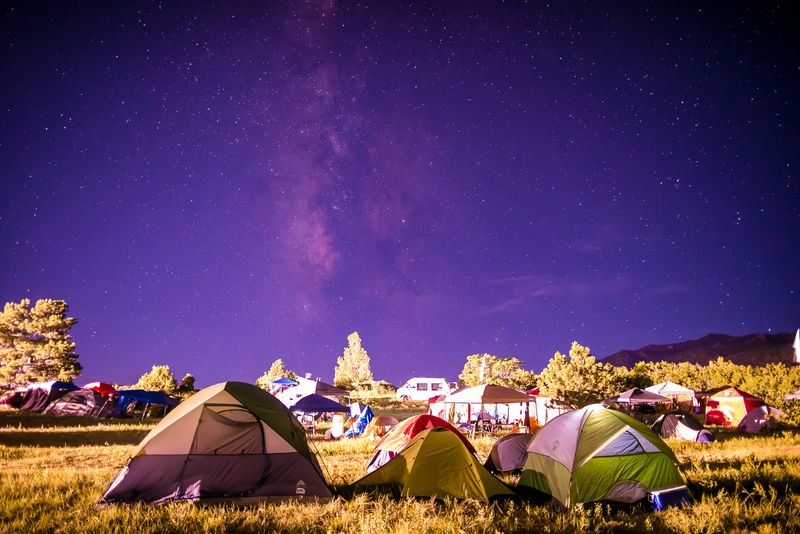
Open range views roll toward the Wet Mountains while hummingbirds stage miniature dogfights over feeders. Deer browse edges at dusk and meadowlarks score the soundtrack. The vibe is calm, perfect for camp chairs, star maps, and unhurried conversations.
Bring layers for breezy evenings and a macro lens if you love photographing birds up close. Respect private property guidelines and leave sites spotless. Nearby trails and quiet roads invite sunrise walks. This is simple camping that lets the sky and birds steal the show without effort.
15. Yankee Boy Basin – Uncompahgre National Forest
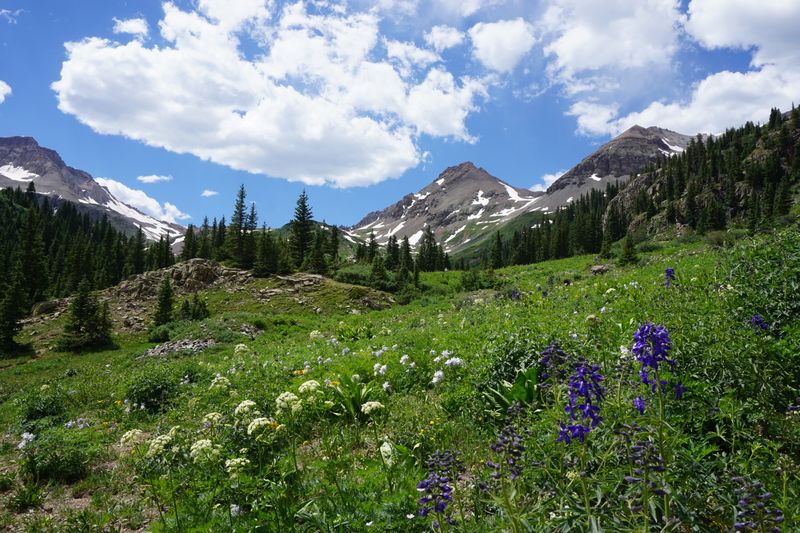
Wildflowers explode here in summer, painting slopes where deer step softly between colors. Look for black bears at safe distances along berry patches and watch kestrels hang in the wind. Waterfalls thread the basin, their spray catching sunlight like confetti.
Primitive sites demand self reliance and impeccable Leave No Trace. Arrive with high clearance, treat water, and pack out everything. Afternoon storms carry electricity, so plan early travel and safe shelter. When clouds break, peaks glow and the basin feels private and grand. Wildlife thrives where patience does.
16. State Forest State Park
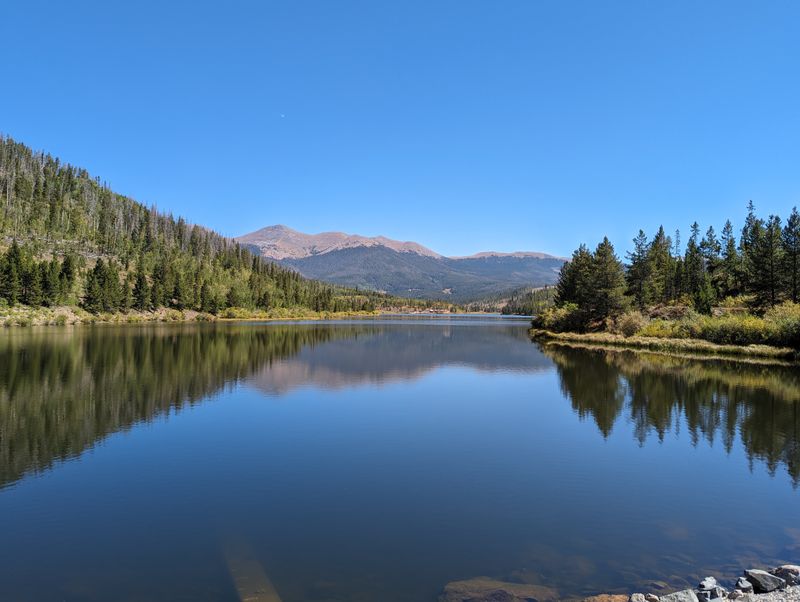
They call it the Moose Viewing Capital for good reason. Willow bottoms hold giants moving with quiet certainty at dawn and dusk. Elk, mule deer, and the occasional black bear share the park, while nutcrackers and jays stitch the soundscape.
Choose from campgrounds, yurts, or dispersed sites and roam miles of trails. Carry binoculars and give moose more space than you think you need. Lakes invite paddling and slow mornings with coffee in hand. This park rewards respectful watchers with unforgettable encounters, all under big sky and bigger silence.
Share this story