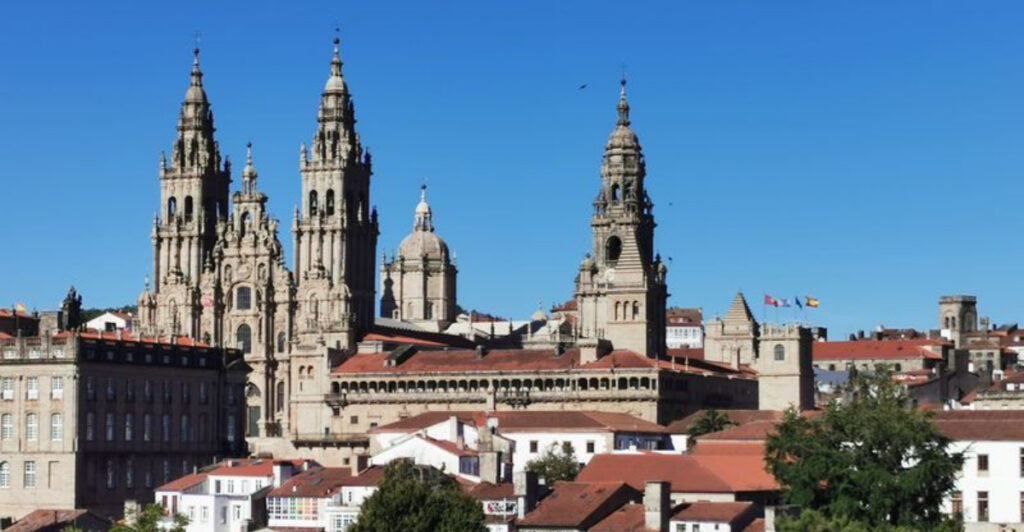
Across continents and cultures, pilgrimage routes have shaped personal quests and spiritual traditions for centuries. Some paths span mountains and coastlines, while others weave quietly through forests, villages, and ancient cities. As you consider lacing up your boots, you will find each route offers not only devotion and history but also a fresh way to meet yourself on the road. Ready to discover where timeless footsteps still guide modern journeys.
France — Pilgrims’ Way and Via Francigena
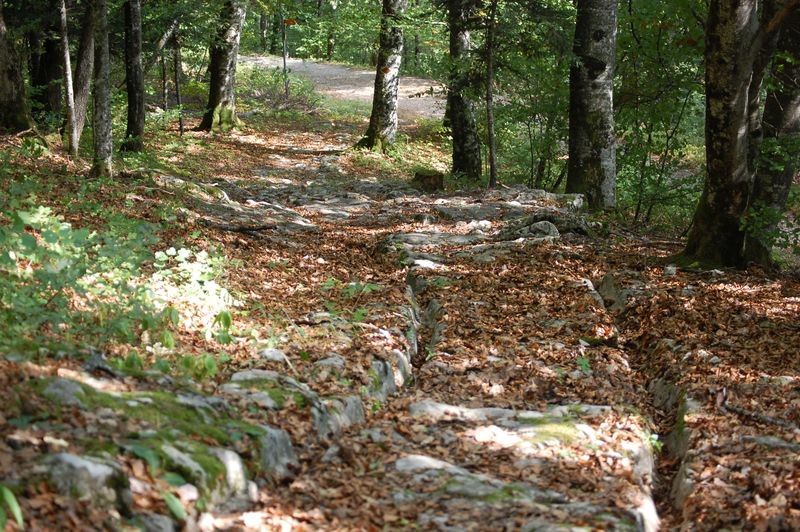
Crossing France on pilgrimage folds you into a patchwork of chalk paths, hedgerows, and bell towers. The Via Francigena drifts through creamy stone villages and wheat fields, guiding you toward Rome while offering detours into Romanesque portals and bakeries warm with butter. You learn to read waymarks and clouds, trusting small arrows and big skies.
Some days feel like a slow museum, with carved capitals and relics whispering medieval stories. Other days are purely sensory: birdsong, crushed thyme underfoot, and the hush of a chapel at noon. You move between solitude and neighborly hellos, collecting stamps and brief blessings in equal measure.
Though Pilgrims’ Way is often tied to England, its spirit crosses the Channel and lingers along French lanes. Here, hospitality lives in gîtes and parish halls, where simple suppers taste like reward. As you reach the next stage, you notice how patience widens your stride. France teaches you to savor the middle miles, where faith and landscape quietly agree.
England — Pilgrims’ Way and Early Christian Routes
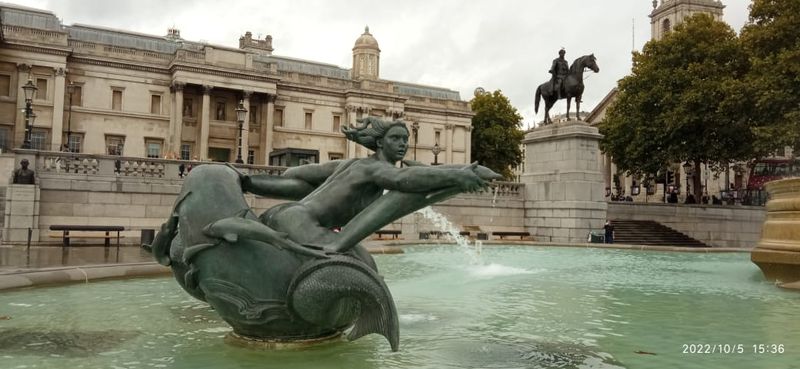
Walking England’s Pilgrims’ Way feels like stepping onto a green ribbon threaded between past and present. From Winchester toward Canterbury, chalk paths skirt flint churches, yew trees, and quiet pubs where boots thump against oak floors. You trace footsteps once aimed at Saint Thomas Becket’s shrine, letting hedgerows frame the day’s small revelations.
There is a homely holiness here: stiles creak, larks rise, and village bells keep gentle time. You pass half-timbered houses and hop fields, then slip into a cool nave where sunlight freckles ancient stone. History is not distant. It taps your shoulder in place names, memorials, and weathered lychgates.
Sections remain wonderfully walkable, stitched together by local paths and National Trails. The reward is not just Canterbury’s soaring towers, but the way the land teaches steady attention. You leave with mud on your boots and a clearer sense of direction. In England, pilgrimage is less spectacle and more conversation, a quiet dialogue between your steps and centuries of faith.
Italy — Via Francigena and Rome’s Holy Destinations
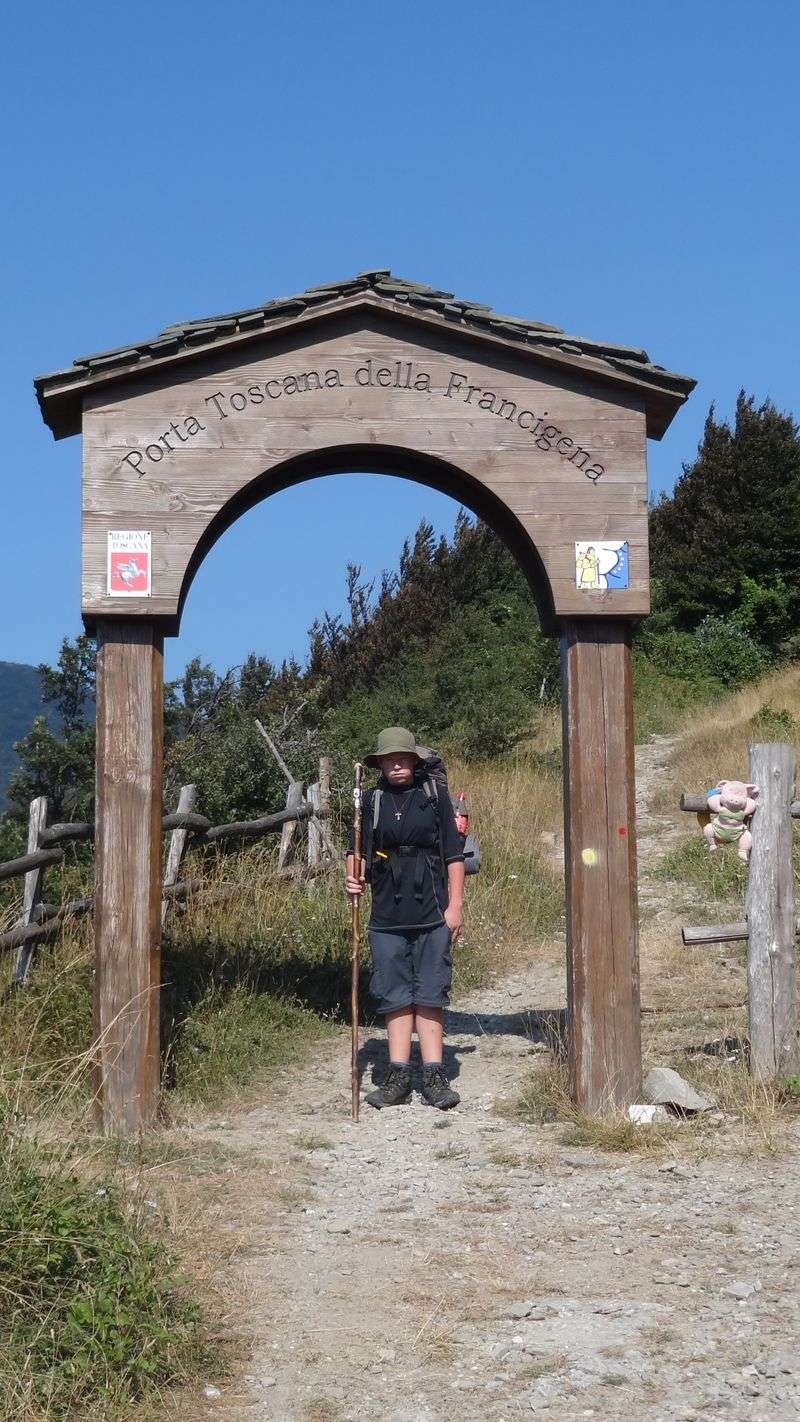
The Via Francigena in Italy gathers your days into a long embrace of valleys, hamlets, and bells. You crest the Alps, then roll south through rice paddies, castles, and cypress lanes until the road pulls you toward Rome. Each stage gifts a basilica, a fountain, or a bakery where kindness tastes like fresh bread.
By the time Tuscany’s hills rise in warm folds, you have learned to pace your hopes. Siena’s bricks glow at dusk, and tiny parish churches offer shade and a seat to breathe. You feel history like a companion, pointing out frescoes, milestones, and the steady line toward Saint Peter.
Rome arrives with a thrum, scooters singing beneath domes and cobbles. You step into St. Peter’s Square and understand why pilgrims have converged here for ages. Whether you seek confession, art, or simple closure, the city receives you. Leaving with the Testimonium, you carry a newfound steadiness, a cadence you can hear even after the journey ends.
Spain — Camino de Santiago (Way of Saint James)
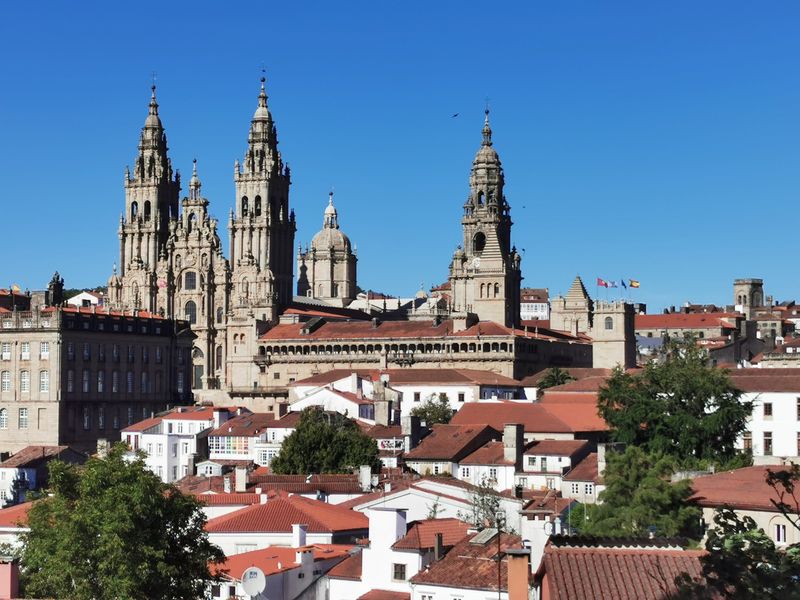
Spain’s Camino de Santiago invites you into a living tradition that feels both communal and deeply personal. You follow scallop shell markers through vineyards, oak woods, and wind-swept mesetas, sharing albergue bunks and stories with strangers who quickly feel like companions. Each town offers a stamp for your credencial, a little proof that your feet and heart are still moving.
As you climb to Alto del Perdón or drift into León at twilight, the journey becomes a rhythm of quiet effort and generous encounters. Local menus fuel you with simple meals and local wine, while ancient churches open cool doors to reflection. You arrive tired, yes, but also light, noticing how conversation and silence both carry you forward.
Finally, the spires of Santiago de Compostela rise, and the square hums with bagpipes and relief. You might attend the Pilgrim Mass or watch the botafumeiro soar like a silver comet. Certificate in hand or not, you realize the Compostela is only a marker. The real souvenir is the way you now walk through life, attentive, grateful, and willing to keep going.
Japan — Kumano Kodo and Ōmine Okugakemichi
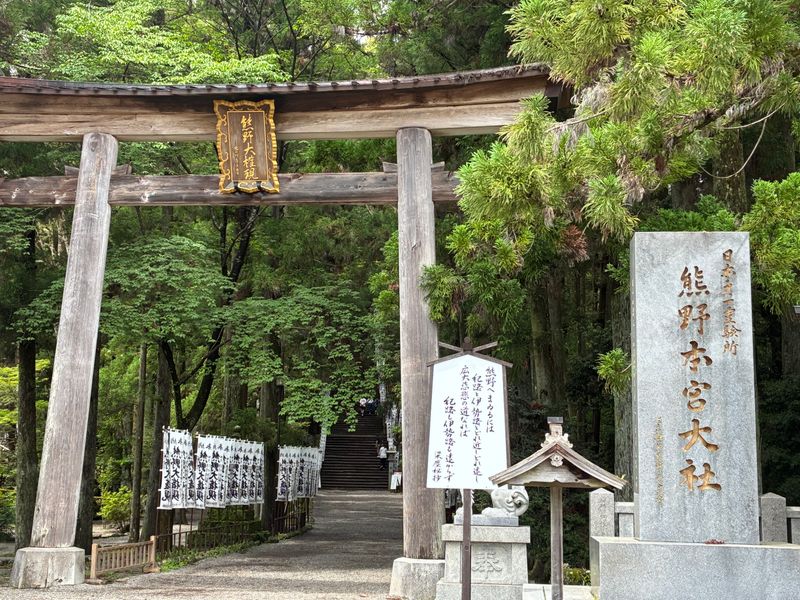
Japan’s Kumano Kodo draws you into a hush of cedar and stone. Moss cloaks the steps, and streams write silver lines beside your path toward the Kumano Sanzan shrines. You bow, stamp your booklet, and feel the forest answer with wind that sounds like prayer.
Far from cities, these routes braid Shinto and Buddhist traditions into a pilgrimage of breath and balance. Onsen steam lifts the day’s effort from your legs, and mountain villages offer quiet hospitality. The Ōmine Okugakemichi extends the challenge, threading ridgelines where endurance meets devotion.
Here, every corner suggests a small ritual: purify hands, notice lantern light, listen for temple bells. You learn to walk softly, letting time slow until footsteps and heartbeat keep the same pace. When the trail finally releases you, it feels like a gentle blessing. You return home carrying forest calm, a reminder that the sacred can be as simple as mindful steps.
India — Char Dham and Kailash Mansarovar Yatra
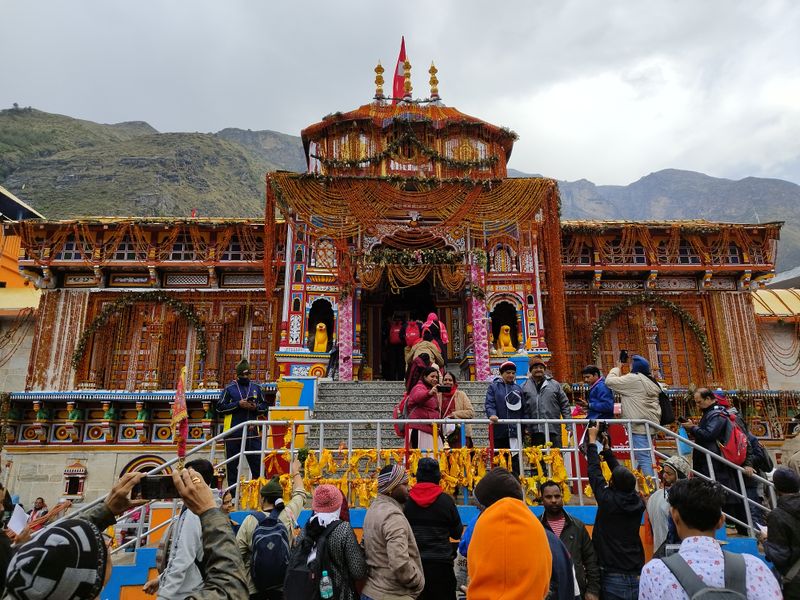
India’s pilgrimages invite you into vast geographies of faith, from coasts to the high Himalaya. The Char Dham spans Badrinath, Dwarka, Puri, and Rameswaram, binding distant shores with threads of devotion. You meet families on buses, sadhus in saffron, and temple bells that fold noise into music.
Kailash Mansarovar calls with a sterner voice, tracing a high-altitude circuit around a mountain revered across traditions. The air is thin and clarifying, and Lake Manasarovar holds the sky like a mirror. Each step becomes intention, pared down to breath, prayer, and the willingness to continue.
Whether you seek liberation, gratitude, or perspective, these routes deliver a schooling in humility. You learn to travel light and accept help when it appears. Along the way, chai stalls and shared blankets turn strangers into companions. You return with souvenirs measured less in objects and more in the courage you carried and found.
Saudi Arabia — Hajj to Mecca and Zubaydah Trail
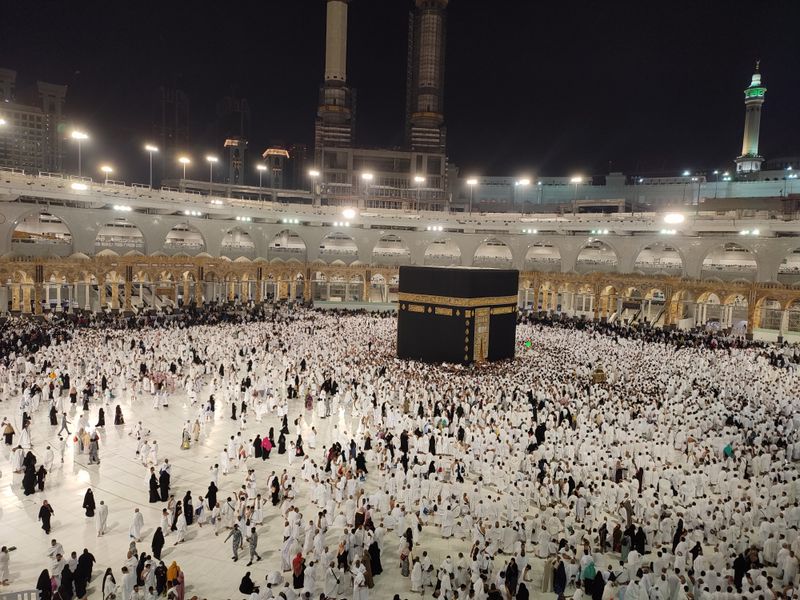
Hajj is a once-in-a-lifetime axis, drawing you to Mecca in shared intention and motion. Dressed in ihram, you circle the Kaaba, run between Safa and Marwah, and stand at Arafat where time feels gathered into a single afternoon. Millions move carefully together, a choreography of prayer and patience.
Beyond the city, history lingers along the old Zubaydah Trail, where wells and waystations once steadied caravans. You can almost hear hooves and hymns in the desert wind. Even if you only trace fragments, the route still speaks of generosity, infrastructure, and the duty to welcome travelers.
Hajj’s rites reshape how you see everyday life, turning ordinary acts into worship. You leave with lessons in humility, gratitude, and care for others. Back home, the call to serve continues, quieter but insistent. The journey does not end at return flights. It keeps unfolding in the way you treat your neighbors.
Ireland — St. Finbarr’s Way and Celtic Pilgrims
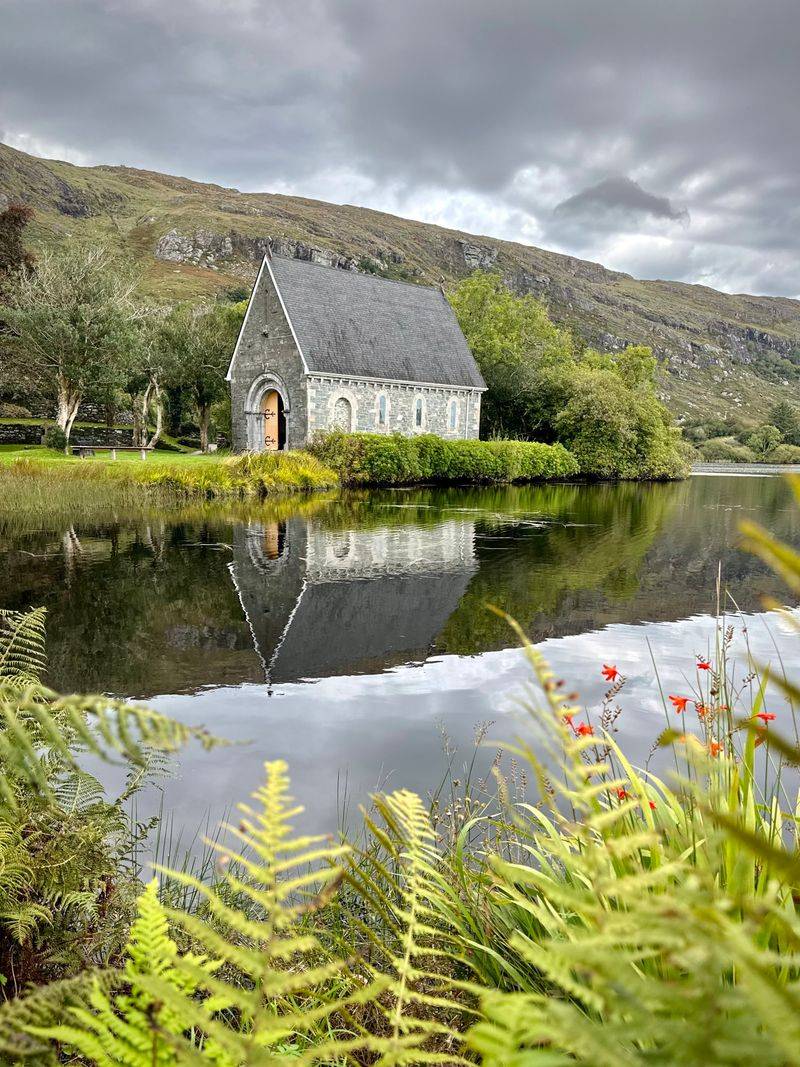
St. Finbarr’s Way threads through County Cork’s moors and valleys like a quiet hymn. You set out past farms and heather, then climb into open hills where wind writes ripples across grass. Old stones and cross slabs dot the route, pointing toward a tradition that still feels close.
This is a gentler pilgrimage, intimate and weather-kissed. Rain comes and goes in veils, revealing lakes that flash like coins in a well. You share greetings with locals who know the track by heart and offer directions with a smile.
By the time you reach the holy sites near Gougane Barra, your boots carry a new patience. You pause at the water’s edge, letting mist and bells fold the moment into memory. The Celtic thread is not nostalgia. It is presence, woven from landscape, prayer, and the simple promise to keep moving kindly.
Share this story