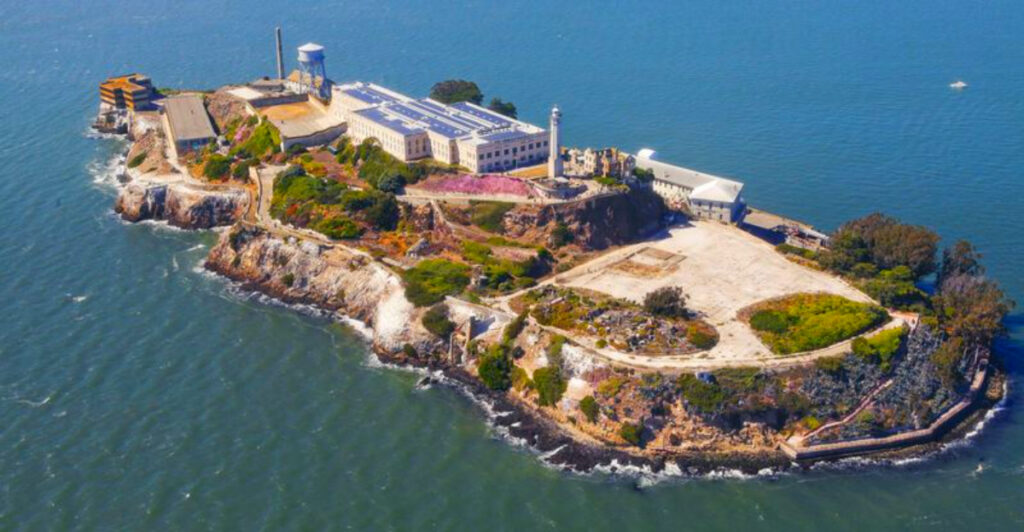
Planning a first visit to Alcatraz Island can feel thrilling and a little mysterious. The ferry ride across San Francisco Bay builds anticipation as the prison walls sharpen into view. You are about to step onto a place layered with history, legends, and sweeping views that truly live up to the hype. Use this guide to skip rookie mistakes and make every minute on the Rock count.
1. Booking Your Alcatraz Ferry Early
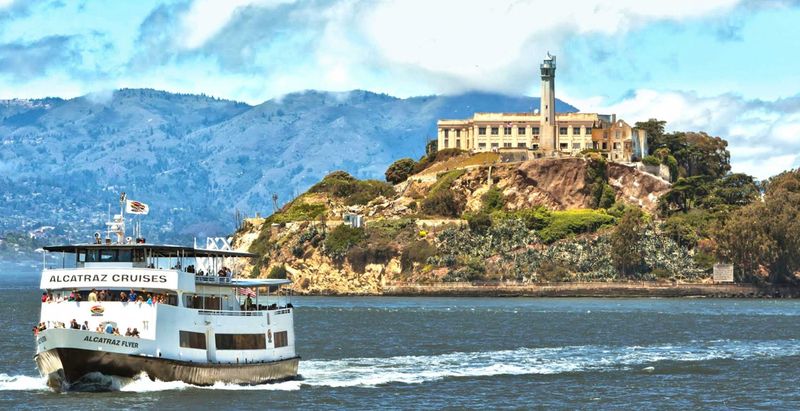
Securing ferry tickets early is the single most important step for visiting Alcatraz Island in San Francisco, California. Demand is high year round, and same day tickets often sell out quickly. Book through the official concessioner to avoid inflated prices and ensure guaranteed time slots that match your schedule.
Morning departures are great for soft light and lighter crowds, while late afternoon brings dramatic shadows and cooler temperatures. Choose a round trip time that allows at least three hours on the island, more if you love photography or historic details. Bring a photo ID that matches your booking name to breeze through boarding.
Mobile tickets scan easily at the pier, but a paper backup never hurts. If flexible, check weekday availability first, since weekends fill up faster. Keep an eye on weather forecasts because fog, wind, or unexpected maintenance can shift sailings, and allow buffer time.
2. Choosing Day Tour vs Night Tour

Day and night tours of Alcatraz Island offer very different vibes, and both are unforgettable. Day tours deliver sweeping bay views, crisp audio guide narration, and more time to explore outdoor areas. Night tours layer in eerie ambiance, exclusive programs, and spectacular city lights across the water.
If you prefer a relaxed pace with easier photos, day tours fit perfectly. If you want goosebumps and special ranger talks, choose the night version. Night tour capacity is smaller, so it often feels more intimate, though certain exterior areas may be restricted for safety.
Sunset departures can split the difference with warm colors on the walls and a moody return sail. Consider your schedule, energy, and tolerance for cooler evening wind. Either way, you will experience the powerful Cellhouse audio tour and learn the island’s complex history.
3. What to Wear and Pack for the Bay Microclimate

San Francisco’s microclimate keeps Alcatraz cool, breezy, and often foggy even in summer. Layers are your best friend, starting with a breathable base, a warm mid layer, and a wind resistant shell. Comfortable closed toe shoes matter because the island paths and stairs can be uneven.
Bring sunscreen, sunglasses, and a hat because UV bounces off water even on cloudy days. Pack a reusable water bottle to refill at designated spots, and stash a light snack for energy. A compact umbrella is usually unnecessary since wind can flip it quickly, so rely on a hood instead.
Gloves can help on chilly evenings, especially during night tours or winter. Keep hands free for railings by using a small backpack or crossbody bag. With smart layers, you will spend less time shivering and more time soaking in history and views.
4. Getting to Pier 33 Alcatraz Landing

Pier 33 Alcatraz Landing is your gateway to the island, located along the Embarcadero in San Francisco. Plan your route early and aim to arrive 30 minutes before departure for security and boarding. Public transit, rideshare, and walking the waterfront are the easiest options.
Parking nearby can be pricey and limited, so factor that into your budget or skip it. If you are biking, look for designated racks and locks near the pier area. Families should account for stroller logistics and bathroom breaks before stepping into the boarding line.
Once at Pier 33, you will find ticket windows, a small cafe, restrooms, and interpretive displays. Staff provide boarding instructions and safety tips before you walk the gangway. Keep your camera handy for the quick skyline views as the ferry pulls away toward Alcatraz Island.
5. Understanding the Cellhouse Audio Tour
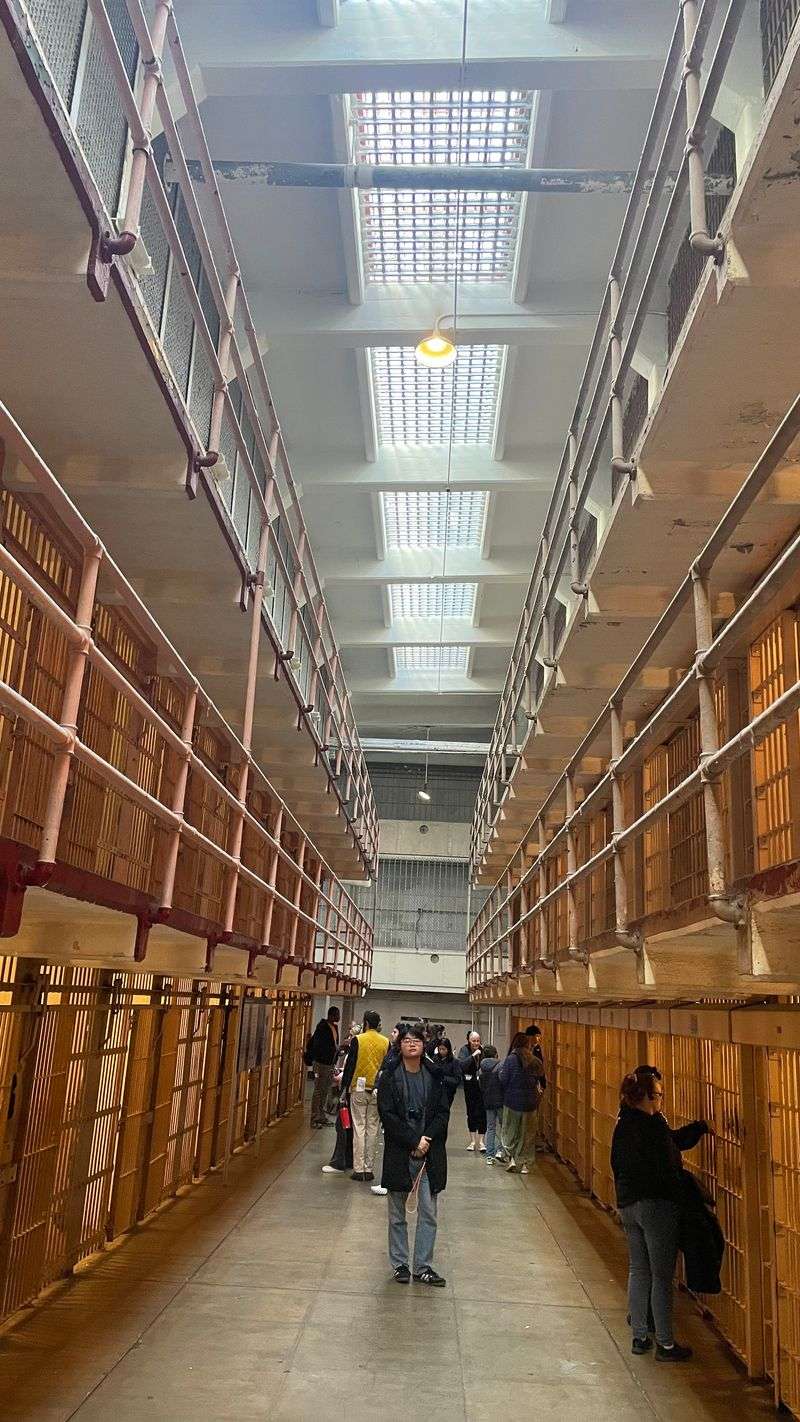
The Cellhouse audio tour is the heart of an Alcatraz visit, bringing the prison’s story to life. Narrated by former guards and inmates, it guides you through notorious blocks and key moments. You move at your own pace, pausing whenever a view or detail grabs your attention.
The narration balances gritty history with human stories, so it never feels dry. You will learn about escape attempts, daily routines, and famous names that once occupied cells. Headphones help shut out the crowd and focus your senses on clanks, footsteps, and voices.
Accessibility features include multiple languages and transcripts upon request at the island. If you are traveling with kids, consider previewing themes so younger listeners are prepared. Return the device promptly after finishing, then explore balconies and exterior overlooks for sweeping bay scenes.
6. Top Photo Spots You Should Not Miss
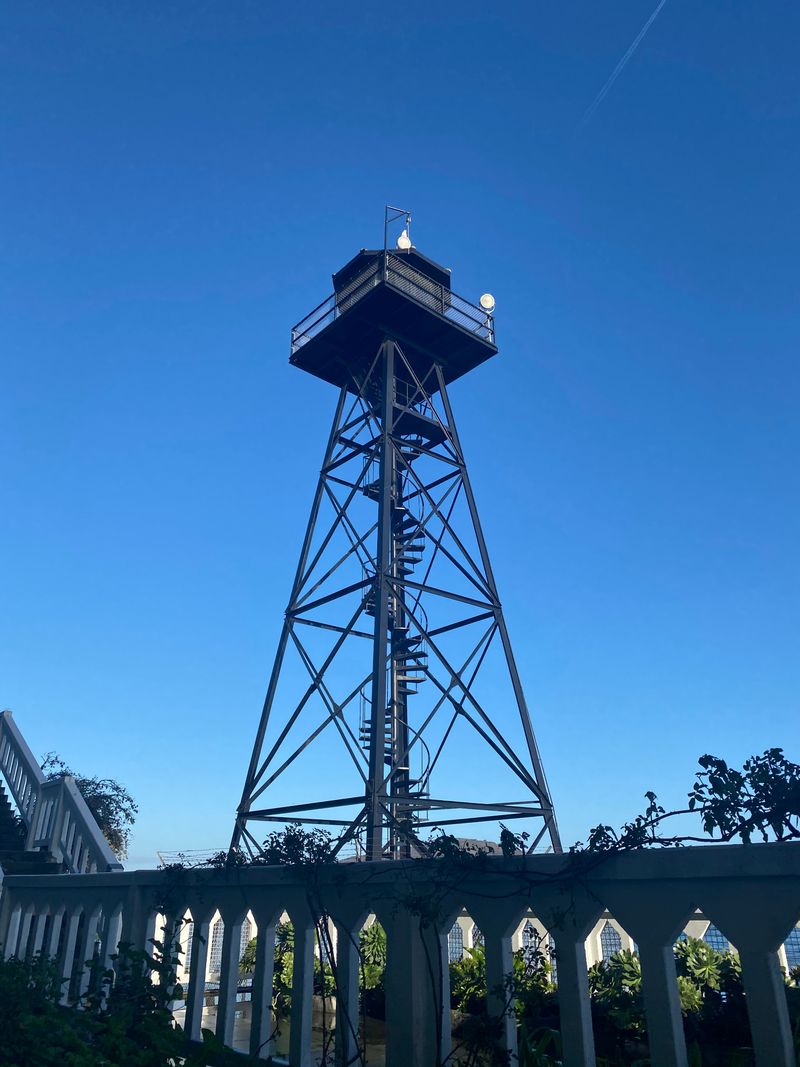
Photography on Alcatraz Island is all about angles, texture, and the interplay of light and fog. Start at the Recreation Yard for gritty walls and a skyline backdrop that frames perfectly. Head to the lighthouse and upper walkways for a sweeping panorama of the bay.
On clear days, line up the Golden Gate Bridge with rusted rails for striking contrast. Foggy mornings create soft silhouettes that make the guard towers feel cinematic. Look for peeling paint, cracked concrete, and weathered doors that tell stories in close up.
Respect barriers and watch your footing while chasing the perfect shot. Early morning and late afternoon add golden tones that flatter both architecture and water. Keep a microfiber cloth ready because sea spray and fog can quickly smudge lenses and phone screens.
7. Navigating Hills, Stairs, and Accessibility
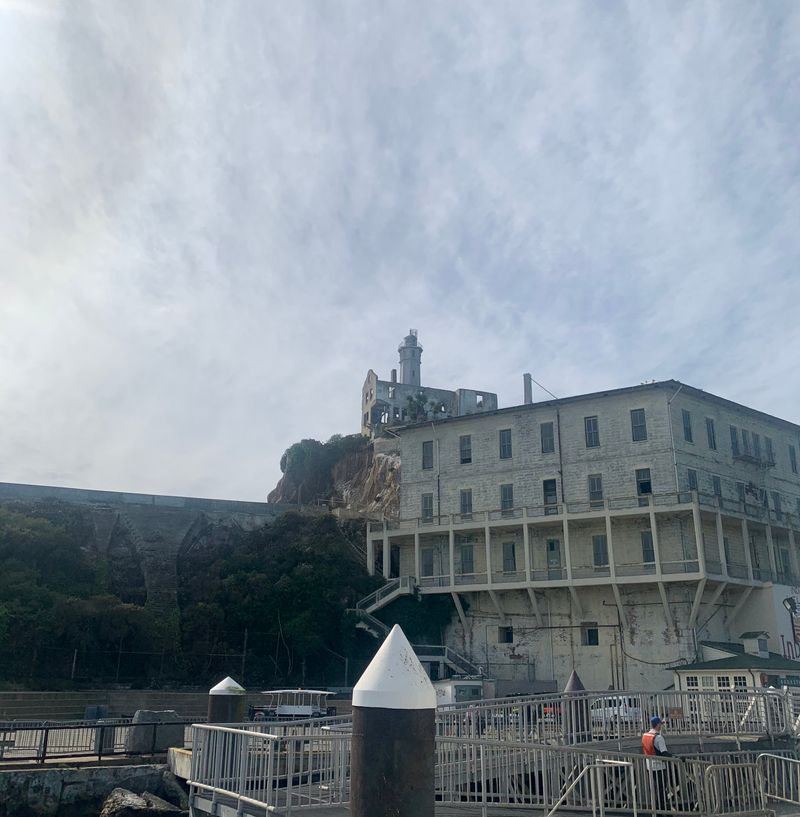
Alcatraz Island has steep grades and many stairs, so plan accordingly if mobility is a concern. The island operates an accessibility tram that helps guests reach the Cellhouse from the dock. Check the schedule at arrival and line up early during busy times.
Comfortable shoes with traction reduce fatigue and improve safety on uneven surfaces. Take breaks at scenic overlooks, which double as rest points with rewarding views. If you use walking aids, confirm ferry and island staff can assist with boarding and storage.
Wheelchair accessible routes are marked, though certain historic areas remain off limits for preservation. Download or pick up the accessibility map to plot the easiest paths. With realistic expectations and a bit of pacing, you can enjoy the island without overexertion.
8. Respecting Wildlife and Island Ecology
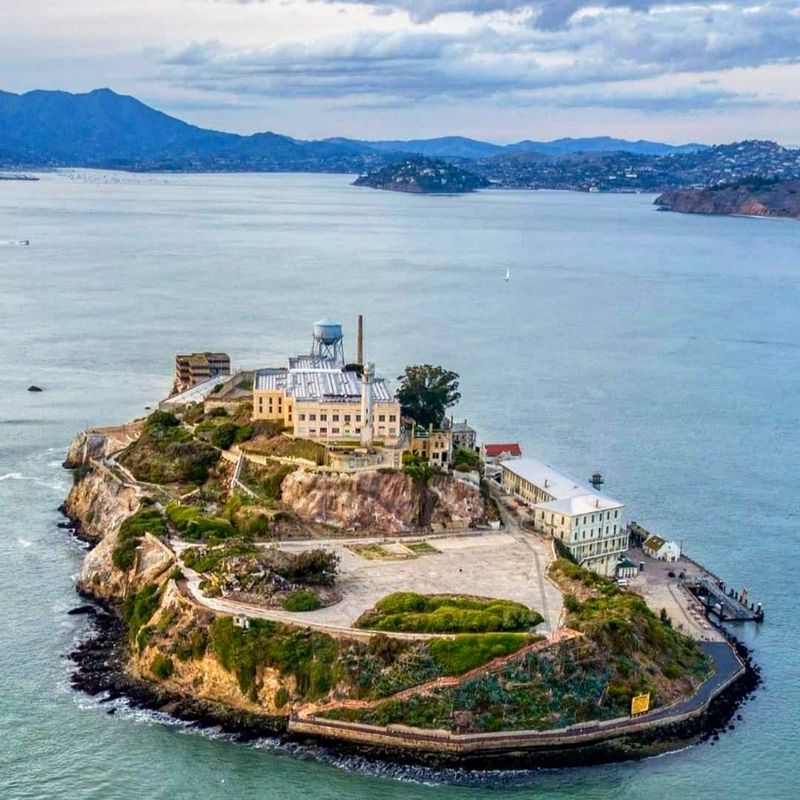
Alcatraz is more than a former prison, it is an island habitat with nesting seabirds and native plants. Stay on marked paths, give wildlife space, and avoid loud noises that disturb chicks. Spring through early summer brings active nesting, so extra care is essential.
Do not feed birds or squirrels, and secure snacks to prevent unwanted attention. Trash belongs in bins to protect both the bay and the island ecosystem. Interpretive signs explain restoration projects that are slowly bringing back native species.
Photography is welcome, but use zoom rather than stepping off trail. If you are traveling with kids, challenge them to spot species without getting too close. Respecting the island’s ecology keeps Alcatraz beautiful and ensures future visitors can experience the same wonder.
9. Food, Water, and Restrooms: What To Expect
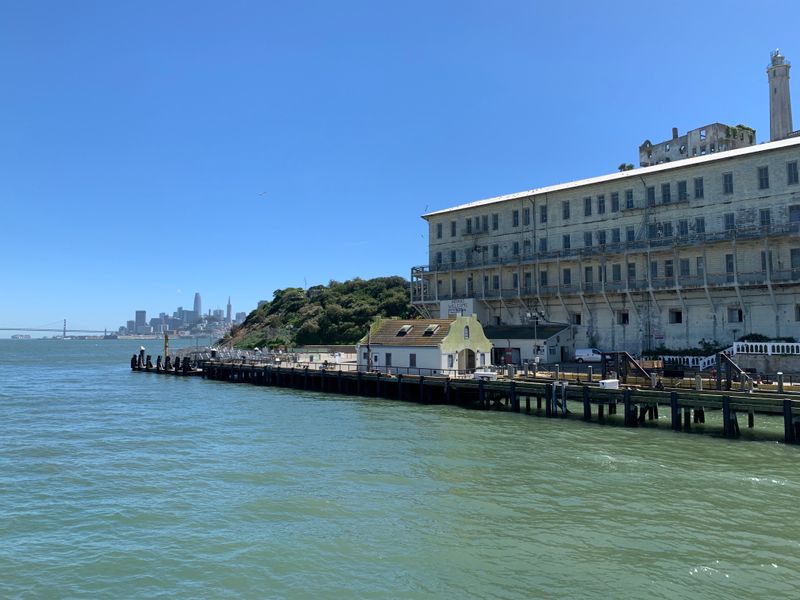
There are no traditional restaurants on Alcatraz Island, so plan snacks and hydration smartly. You can eat and drink only in designated areas, typically near the dock. Water refill stations help you stay hydrated without lugging heavy bottles.
Restrooms are available at the dock and near the Cellhouse, though lines can form at peak times. Consider a quick stop before the audio tour to avoid doubling back. If you need coffee or larger meals, use the Pier 33 cafe before boarding.
Picnics are not allowed throughout the historic zones because of preservation and wildlife protection. Keep wrappers secure and hands clean to avoid attracting gulls. With a simple plan, you will have energy for steep paths, long views, and all the stories.
10. Weather, Fog, and Wind on the Rock

Alcatraz’s weather shifts quickly due to wind and marine layers, even on sunny mornings. Fog can roll in within minutes, softening views and dropping temperatures noticeably. Bring layers and expect breezes that feel stronger on exposed walkways and docks.
Wind amplifies chill, so a lightweight beanie and neck gaiter can make a big difference. If you are chasing clear photos of the skyline or bridges, watch the hourly forecast. Sometimes the clearest windows arrive midday between fog banks.
Rain is less common in summer, but winter showers can make stairs slick. Use handrails and walk carefully, especially while looking through a camera. Embrace the mood because fog often makes Alcatraz feel more authentic and beautifully dramatic.
11. History Highlights You Will Hear About
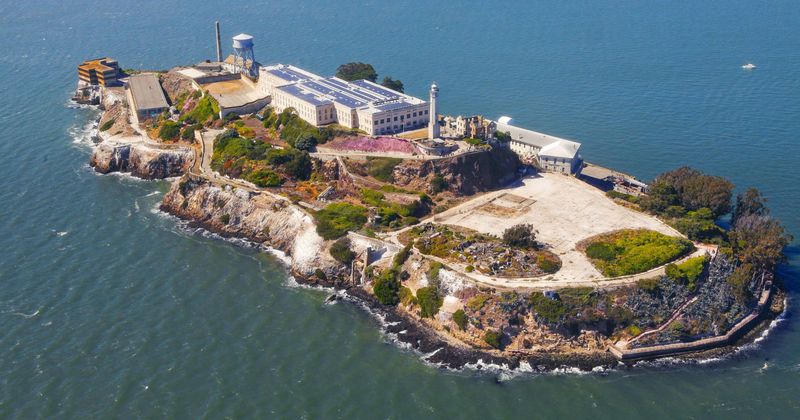
Alcatraz Island holds layers of history that go beyond the famous prison years. You will hear about Civil War fortifications, a military prison, and later the federal penitentiary era. The audio tour connects these eras through voices that make facts feel personal and real.
Expect stories about notable inmates, strict routines, and bold escape attempts that captured headlines. You will also learn about the 1969 Native American occupation and its lasting cultural impact. Throughout, the bay and skyline remind you how close freedom looked from inside cells.
Interpretive exhibits, ranger talks, and restored rooms provide deeper context at your own pace. Take time to read plaques because small details often reveal the most human moments. By the ferry ride back, the island’s timeline will feel vivid rather than distant.
12. Safety, Rules, and Preservation Etiquette
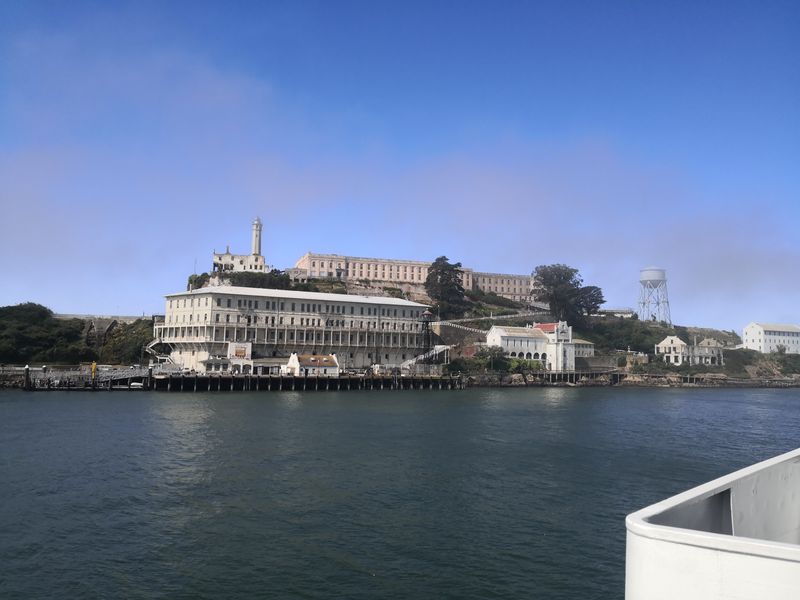
Preservation is serious on Alcatraz Island, so follow signs and respect barriers at all times. Do not touch artifacts, climb railings, or enter closed areas even for a quick photo. The structures are historic and fragile, and your cooperation protects them for the future.
Rangers and staff are friendly resources who can answer questions and clarify rules. Keep voices moderate inside the Cellhouse where sound echoes easily. If you are traveling with children, set expectations about staying close and walking, not running.
Emergency services are available, but your best safety tool is situational awareness. Watch for uneven ground, worn steps, and low doorframes in old corridors. With a respectful mindset, you will leave with great photos, new knowledge, and a light footprint.
13. Gift Shop and Souvenirs Worth Bringing Home

The Alcatraz gift shop curates books, maps, and archival prints that enrich your visit. Look for titles that pair photos with inmate and guard recollections for deeper context. Vintage style posters of the lighthouse and Cellhouse make great art back home.
Practical souvenirs include enamel pins, postcards, and sturdy magnets that travel easily. If you collect patches, the island offers designs featuring the lighthouse silhouette. Kids love replica keys and guard whistle toys, though remind them about respectful play on site.
Receipts sometimes include donation options that support preservation and education programs. Pack fragile items in the center of your bag for the ferry ride back. Choose pieces that spark conversation, so the stories you heard keep living on your wall.
14. Timing Your Visit for Crowds and Light
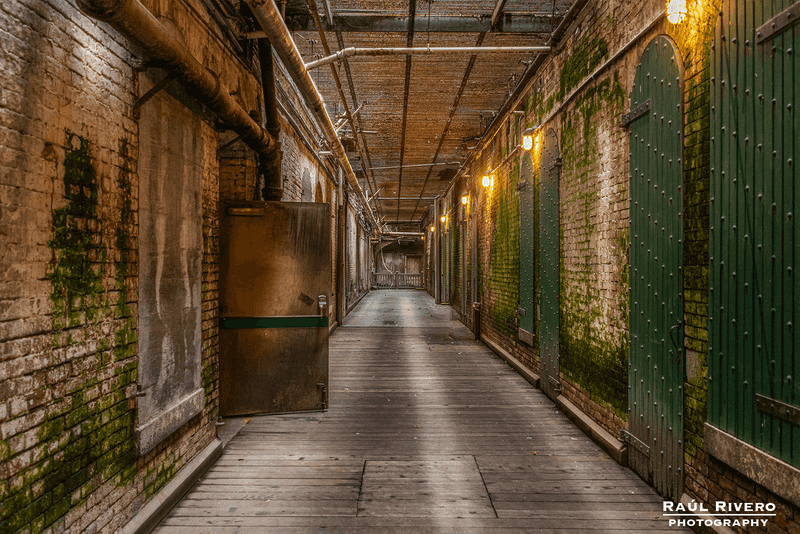
Arriving early can reduce lines and give you quiet moments before the island fills. Sunrise or first sailing often grants empty corridors and soft light across the walls. Late afternoon can be equally beautiful with long shadows and a golden skyline.
Midday tends to be busiest, especially on weekends and holidays. If your schedule is fixed, build patience into the plan and focus on side paths. Even small detours reveal views and textures most people rush past.
Check sunset and blue hour times if you booked a night tour for city lights. Allow buffer minutes for ferry boarding, since crowds swell near popular departures. With thoughtful timing, you will capture better photos and enjoy more breathing room.
15. Making the Most of Your Ferry Ride

The ferry ride is part of the experience, not just transportation to Alcatraz Island. Head to the open deck for wind in your face and clean photo angles of the skyline. Secure hats and phones, since gusts can surprise even on calm days.
On the outbound leg, frame Alcatraz growing larger with the lighthouse as a focal point. On the return, capture the city glittering and the Bay Bridge stretching across the horizon. If seas feel choppy, focus on the horizon and breathe slowly to avoid queasiness.
Read the onboard displays for quick history bites that set the stage. Listen for crew announcements about timing and disembarkation so you do not rush. Treat the ride like a mini tour, and you will arrive already tuned into the island.
Share this story