Stepping into photography can feel overwhelming when you are faced with endless camera choices. Mirrorless cameras have become the go-to option for beginners because they blend powerful features with user-friendly designs that make learning fun instead of frustrating. Whether you want to capture family moments, create videos for social media, or explore a new creative hobby, the right mirrorless camera can turn your ideas into stunning images without requiring years of experience.
1. Canon EOS R10 – The Best “Do-Everything” Beginner Camera
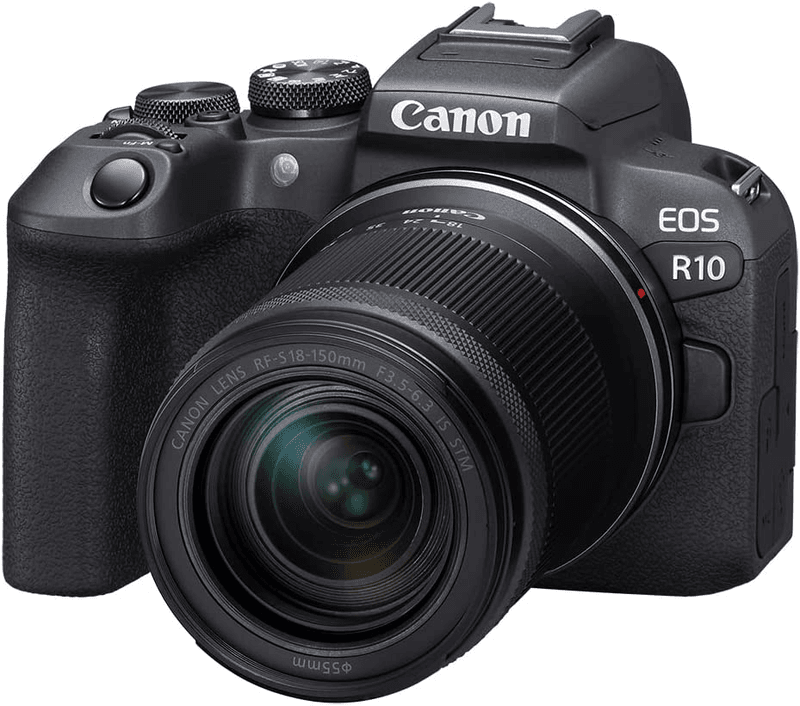
Reviewers keep calling this camera the top pick for newcomers, and it is easy to see why. Canon packed a 24-megapixel sensor, lightning-fast autofocus, and oversampled 4K video into a body that feels natural in your hands from day one.
The Dual Pixel system locks onto faces, pets, and action with sticky precision, while the fully-articulating screen lets you frame shots from any angle. Comfortable controls and clear menus help you master settings without getting lost in technical jargon, making it an excellent hybrid choice for both photos and video work right out of the box.
2. Canon EOS R50 – Small, Friendly and Made for Creators
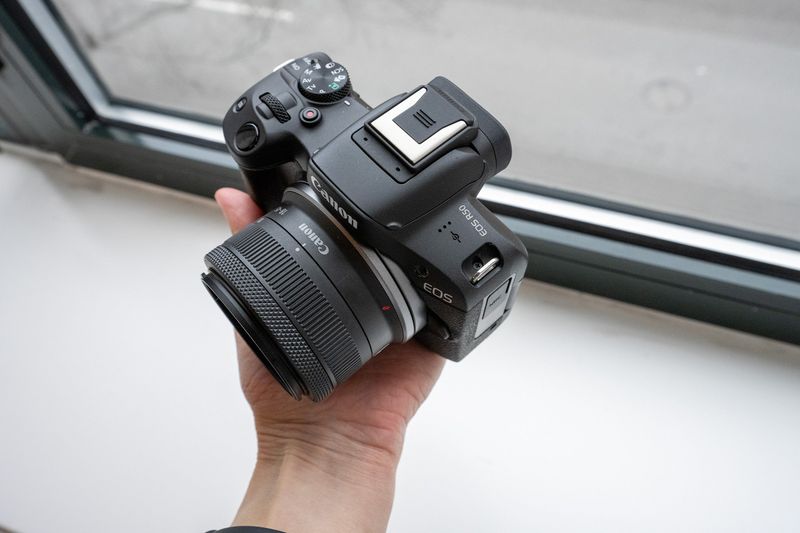
Smartphone users transitioning to serious photography will feel right at home with this tiny powerhouse. Canon designed the R50 with a guided interface that holds your hand through settings, yet the autofocus system performs like cameras costing twice as much.
Weighing barely anything, you can slip it into a small bag and forget it is there until the perfect moment strikes. The uncropped 4K video and flip screen turn it into a content creation dream for YouTube, Instagram Reels, or TikTok, delivering pro-level footage without the learning curve that scares away beginners.
3. Canon EOS R100 – The Cheapest Way into the RF System
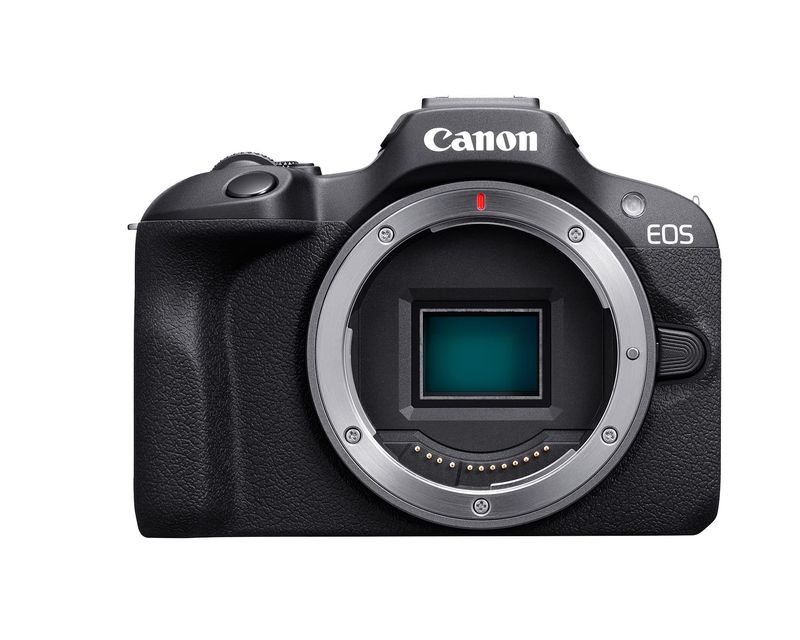
When your wallet says no but your creative spirit says yes, the R100 offers a smart compromise. Digital Camera World crowned it the beginner camera champion at the budget end, delivering solid image quality and basic 4K video without breaking the bank.
Sure, you lose some bells and whistles like a touchscreen and advanced controls, but you gain access to Canon’s entire RF lens ecosystem for future growth. It is perfect as a first serious camera for family trips, casual photography, and learning the fundamentals before deciding if you want to invest in more advanced gear down the road.
4. Nikon Z50 II – Nikon’s Best Beginner Camera Right Now
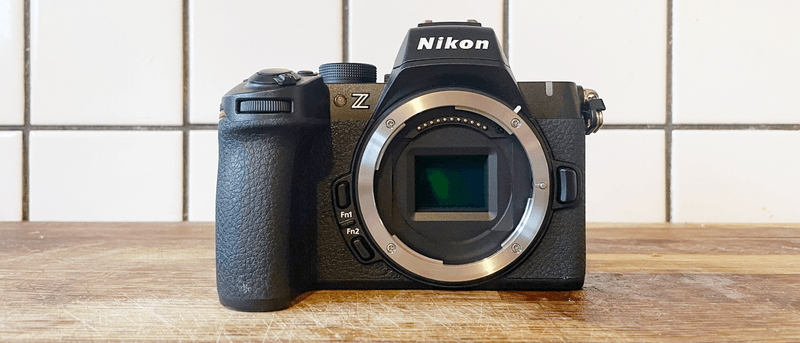
Nikon took their original beginner favorite and gave it a serious brain upgrade for 2025. The new EXPEED 7 processor brings flagship-level autofocus that tracks people and animals with scary accuracy, plus 4K video at a smooth 60 frames per second.
Burst shooting hits 30 frames per second in electronic mode, freezing action you would normally miss. Despite all this power, reviewers still rate it as beginner-friendly because the controls make sense and the menus do not require a manual to decode, giving you a camera that feels serious without being intimidating.
5. Nikon Z30 – A Tiny Vlogging Machine That’s Great for Beginners
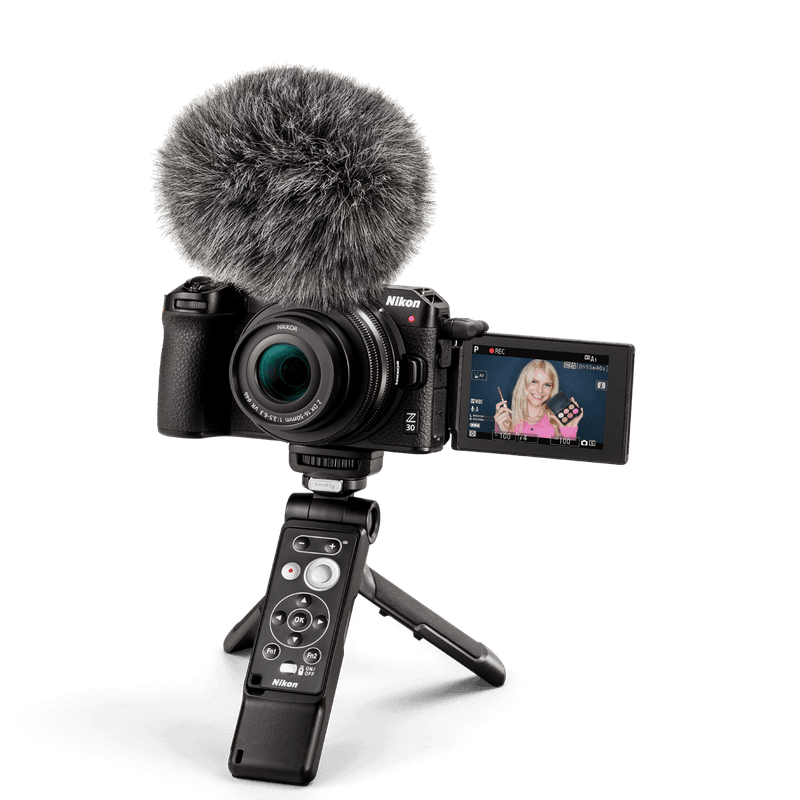
Content creators hunting for their ideal first camera should look no further. Nikon stripped away the viewfinder and extra bulk to create their smallest Z-series body, then loaded it with features vloggers actually need like uncropped 4K, a flip screen, and clean audio inputs.
The mic jack and solid preamps mean your voice comes through crisp and clear without investing in separate recording gear immediately. Smartphone connectivity makes uploading to social platforms painless, and the compact size ensures you will actually bring it along instead of leaving it home because it is too heavy or awkward to carry around all day.
6. Nikon Z5 II – Affordable Full-Frame You Can Grow Into
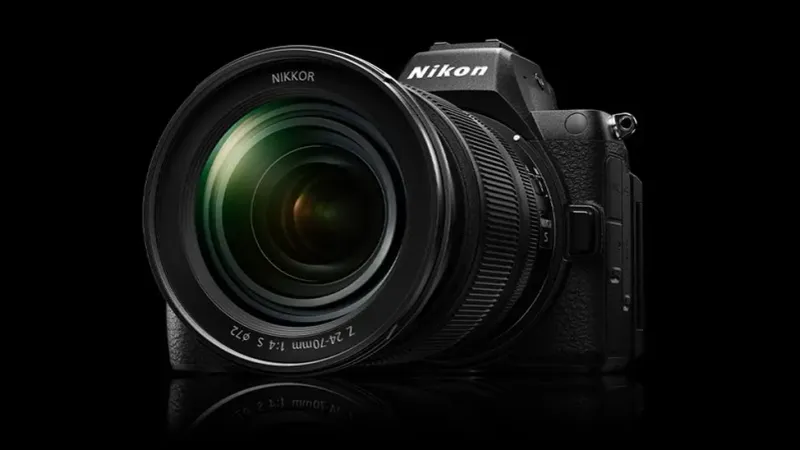
Jumping straight to full-frame might sound intimidating, but Nikon built this camera specifically for beginners ready to skip the upgrade cycle. The 24-megapixel sensor captures gorgeous low-light shots and creates those dreamy blurred backgrounds everyone loves, while five-axis stabilization keeps handheld images sharp even when your hands shake a bit.
The 2025 update brought faster shooting, smarter autofocus, and 4K video at 60p. Yes, it costs more and weighs more than smaller cameras, but if you are committed to photography as a serious hobby, this body will serve you for years without feeling limiting.
7. Sony ZV-E10 II (and ZV-E10) – The Go-To for Beginner Vloggers
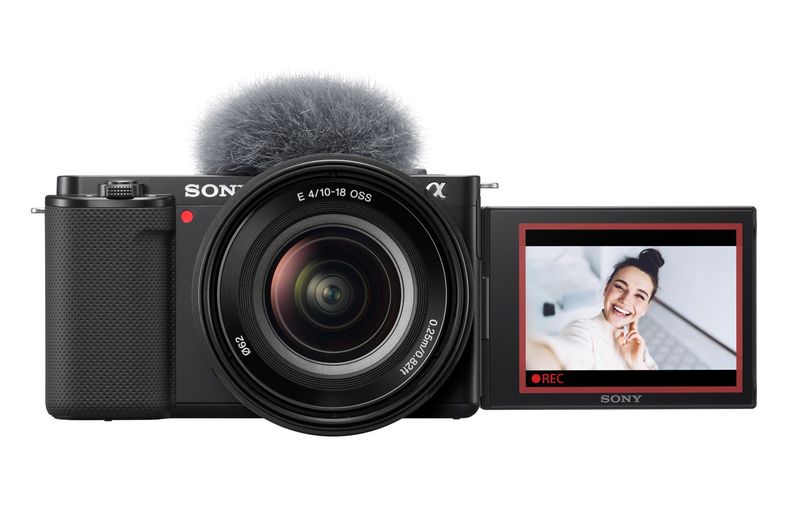
Ask any YouTube creator what camera they recommend, and this model comes up constantly. Sony designed the ZV line explicitly for people who talk to the camera, adding features like Product Showcase mode that automatically shifts focus to items you hold up, plus a background defocus button for instant cinematic looks.
The flip screen, tally light, and hot shoe make audio upgrades simple when you are ready. The newer Mark II version brings 10-bit video recording and 4K at 60p, though the original remains cheaper and perfectly capable for most creators just starting their content journey.
8. Sony a6400 – Still a Classic Beginner and Enthusiast Body
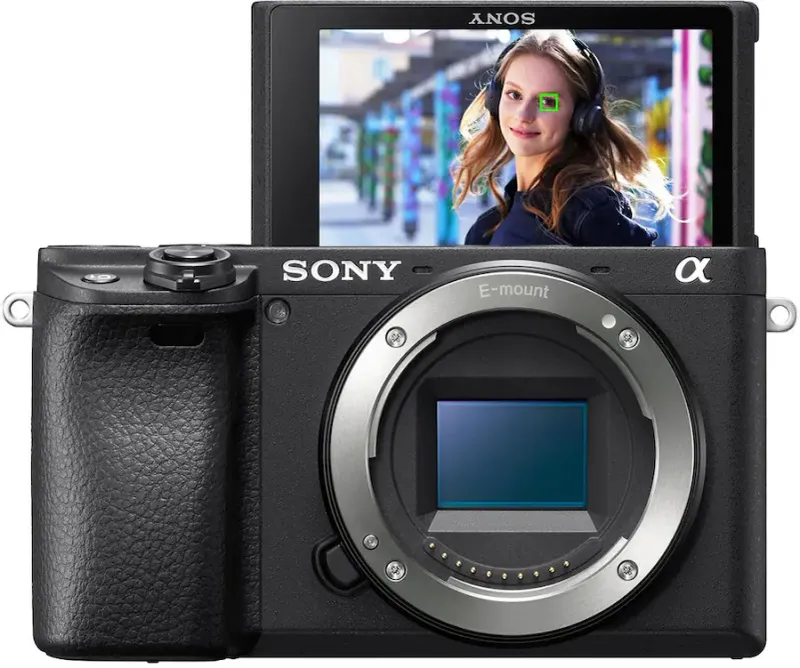
Some cameras age like fine wine, and this mid-range workhorse proves the point. Released years ago, the a6400 still holds its own thanks to Sony’s legendary autofocus that nails focus on moving kids, unpredictable pets, and fast action without breaking a sweat.
Photo-first beginners prefer it over the ZV models because it includes an electronic viewfinder and more traditional button layouts that help you learn manual controls. The 11 frames-per-second burst mode freezes moments you would miss with slower cameras, and Sony’s massive lens ecosystem means you will never run out of glass to experiment with as your skills grow.
9. Fujifilm X-M5 – Compact Hybrid with Fujifilm Colors

Fujifilm cameras have a secret weapon that makes them addictive: film simulations that deliver stunning colors straight from the camera without spending hours editing. The X-M5 squeezes a 26-megapixel sensor and impressive 6.2K video capability into the lightest X-series body ever made.
Photographers who care about aesthetics as much as technical specs will love how their images pop with character right away. The fully articulating screen handles both stills and vlogging duties, while the retro-inspired design makes you feel like you are shooting with something special rather than just another black rectangle full of electronics.
10. Fujifilm X-S20 – For Beginners Who Know They’ll Take Video Seriously
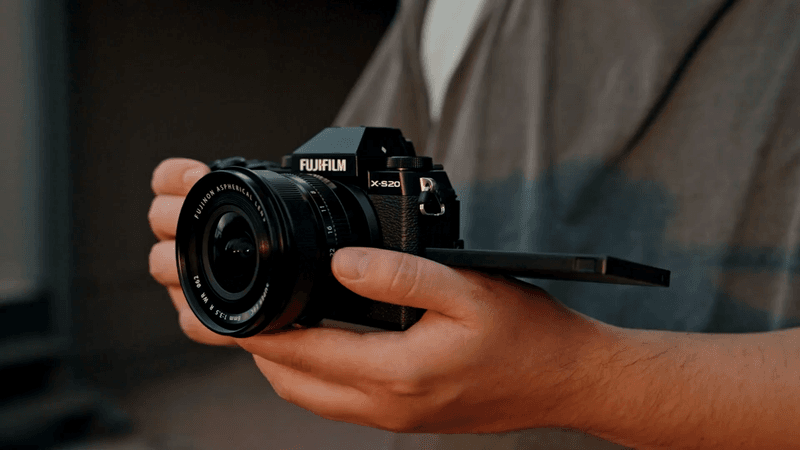
Committing to content creation from the start? This camera rewards your ambition. Fujifilm added five-axis stabilization with seven stops of shake correction, meaning handheld footage looks smooth even in low light or while walking.
The dedicated Vlog mode simplifies touchscreen controls when you are recording yourself, removing technical barriers between you and your creative vision. At 6.2K video resolution and 4K at 60 frames per second, you get professional-grade footage that rivals cameras costing significantly more. The larger grip and slightly bigger body feel substantial without being bulky, perfect for longer shooting sessions when inspiration strikes.
11. Olympus OM-D E-M10 Mark IV – The Value King with Stabilization
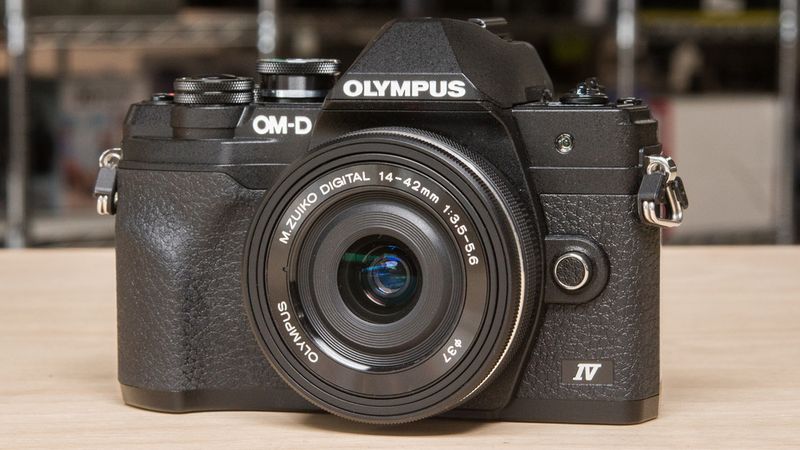
Few cameras pack this many features at such a friendly price point. The built-in five-axis stabilization system is the real star here, letting you shoot handheld in dim light with slower shutter speeds that would produce blurry messes on unstabilized cameras.
Micro Four Thirds lenses stay small and affordable, building a complete kit without maxing out credit cards. The flip-down screen works great for selfies and overhead shots, though tripod users might prefer side-flip designs. Sure, the smaller sensor shows a bit more noise at high ISOs than larger formats, but for most everyday shooting, the image quality impresses while the price tag delights.
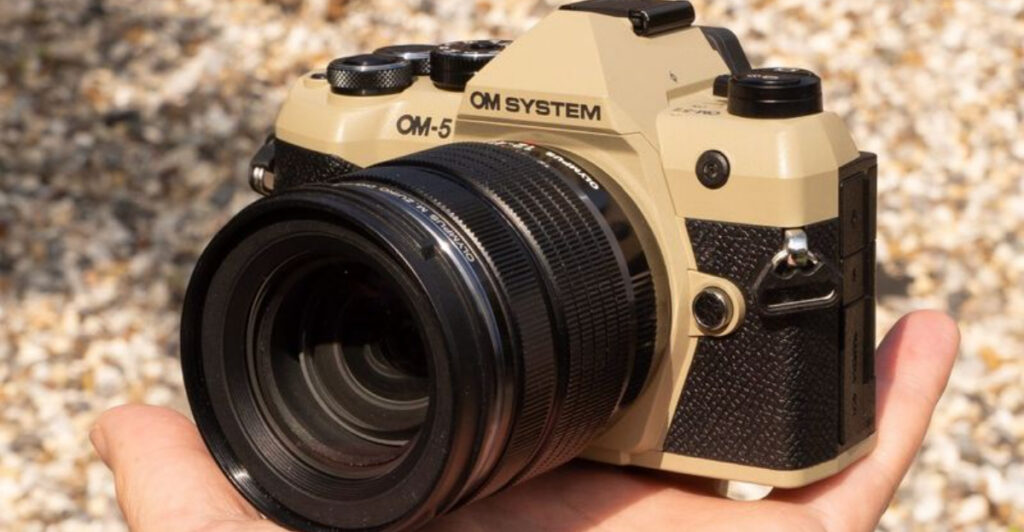
12. OM System OM-5 – Lightweight Travel Camera You Can Take Anywhere
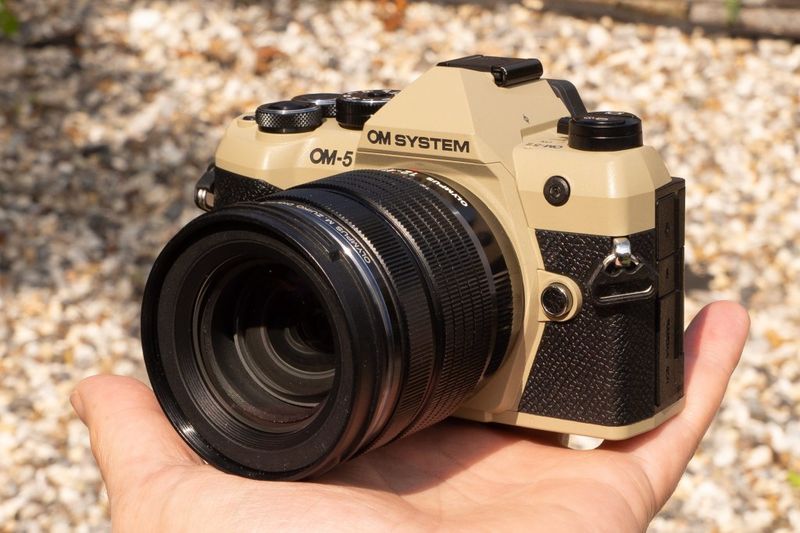
Adventure photographers need gear that survives the elements without weighing down their pack. The OM-5 delivers weather sealing and rugged construction in a surprisingly compact body, plus computational photography tricks like high-resolution shot mode that combines multiple frames for extra detail.
Five-axis stabilization keeps images sharp on trails when you are breathing hard from a steep climb. The Micro Four Thirds system again means smaller lenses that do not punish your shoulders during all-day hikes. Reviewers praise it as an impressive all-rounder with portability that makes you actually want to bring it along instead of leaving it behind because of size or weight concerns.
13. Panasonic Lumix G100 – A Vlogging-First Beginner Camera
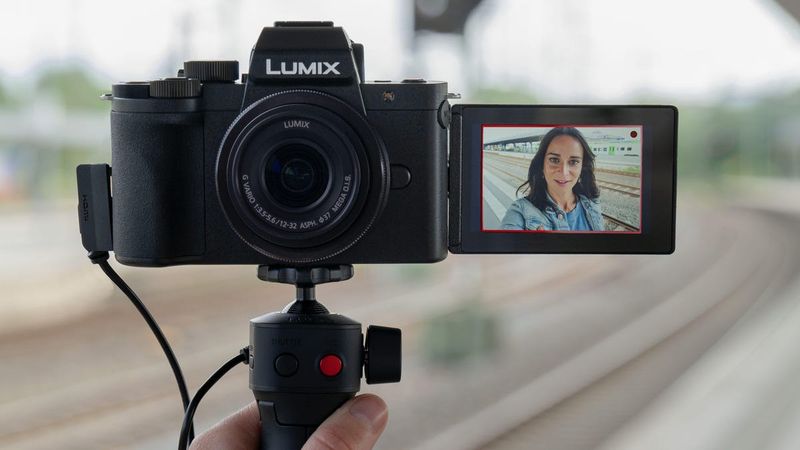
Audio quality separates amateur videos from professional-looking content, and Panasonic understood the assignment. The G100 integrates Nokia’s OZO Audio with three microphones that capture direction-aware sound, meaning viewers hear you clearly without investing in external mics right away.
Frame markers help you compose for Instagram, TikTok, or YouTube aspect ratios, while 4K video and the flip screen handle the visual side beautifully. The tiny Micro Four Thirds body and lenses slip into small bags for everyday carry. Just know the contrast-detect autofocus trails behind Sony and Canon’s phase-detect systems, and the smaller sensor gives more depth-of-field than larger formats.
14. Panasonic Lumix S9 – Full-Frame for Social Media Creators

Instagram aesthetics meet full-frame image quality in Panasonic’s smallest L-mount camera yet. The S9 focuses heavily on Real Time LUTs that bake custom color grades directly into your photos and videos, giving you that perfect look without spending hours in editing apps.
Tight integration with the Lumix Lab smartphone app makes sharing to social platforms nearly instant. Behind the lifestyle-friendly exterior sits a genuine full-frame sensor and access to the growing L-mount lens ecosystem. Panasonic deliberately simplified controls compared to their pro bodies, which beginners will appreciate, though traditional photographers might miss direct buttons for every setting as they advance their skills.
Share this story