Europe is gorgeous, but some of its most photogenic places come with real risks that you should not ignore. Think narrow cliff paths, rogue waves, icy scrambles, and heights that make your stomach drop. With planning, respect, and the right gear, you can experience them safely and still get those unforgettable views. Here is where beauty meets danger and how to approach each spot with caution.
Caminito del Rey — Spain’s World’s Most Dangerous Walkway
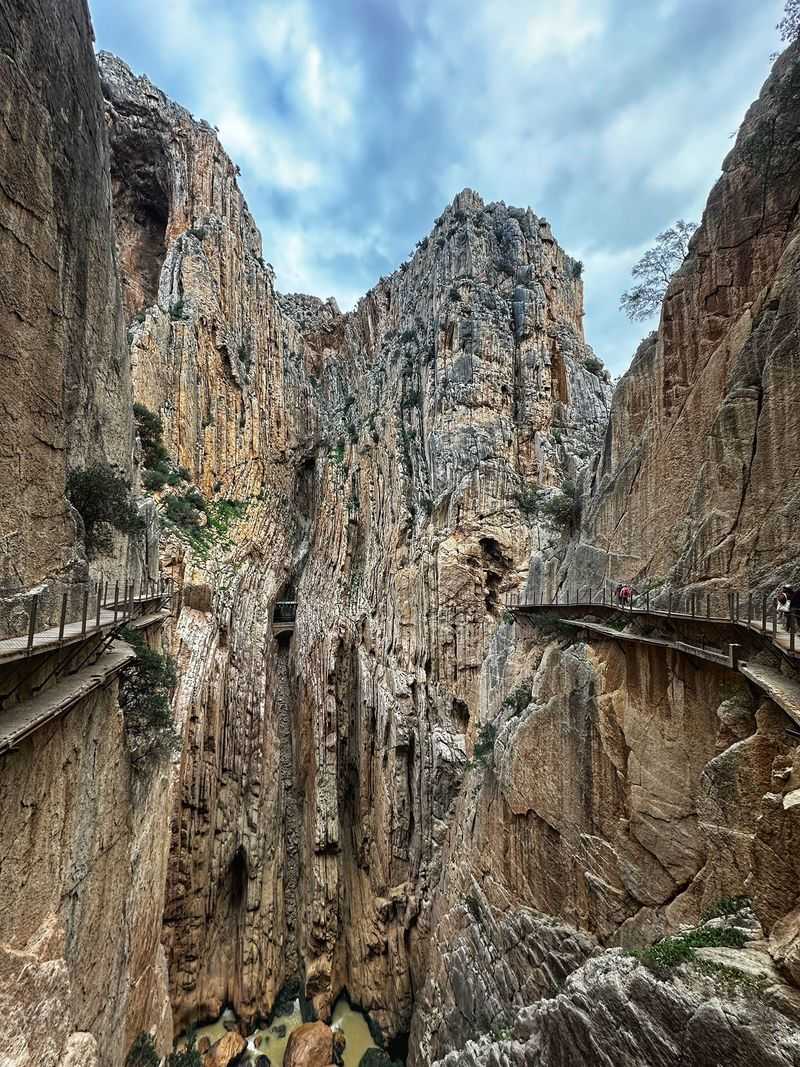
Caminito del Rey threads like a ribbon along the walls of El Chorro Gorge, high above green water and train tracks. The modern boardwalk is safer than the old crumbling path, yet the exposure remains thrilling and intimidating. You feel the height in your legs, especially when wind funnels through the canyon and the walkway narrows.
Tickets are limited, helmets are compulsory, and staff monitor conditions closely. Still, hazards persist: loose pebbles, gusts, and the psychological stress of long drop offs. If you fear heights, be honest with yourself and turn back before forcing panic.
Wear sticky soled shoes, pack water, and avoid leaning over railings for selfies. Check weather and closures, since rain can make surfaces slick and lightning is a hard stop. Respect the rules, keep to the boardwalk, and allow space for others so nobody stumbles at the worst moment.
Reynisfjara Black Sand Beach — Iceland’s Sneaker Wave Hazard

Reynisfjara looks otherworldly, with jet black sand, hexagonal basalt columns, and sea stacks clawing at the horizon. The ocean here is no gentle backdrop. Sneaker waves sprint up the beach faster than you think, yanking feet from under you and pulling the unwary toward a brutal rip.
Warning signs and color coded alerts are not decoration. People have been swept away in seemingly calm moments when swells quietly build offshore. The safest move is simple: stay far back, watch the sets, and keep children and cameras well away from the waterline.
Wear warm, waterproof layers, and prioritize traction over style because wet stones are slick. If officials close parts of the beach, respect it and relocate to a safer viewpoint. You can still capture unreal photos from higher ground and leave with dry boots and a good story instead of a close call.
Cliffs of Moher — Ireland’s Sheer Sea Bluffs
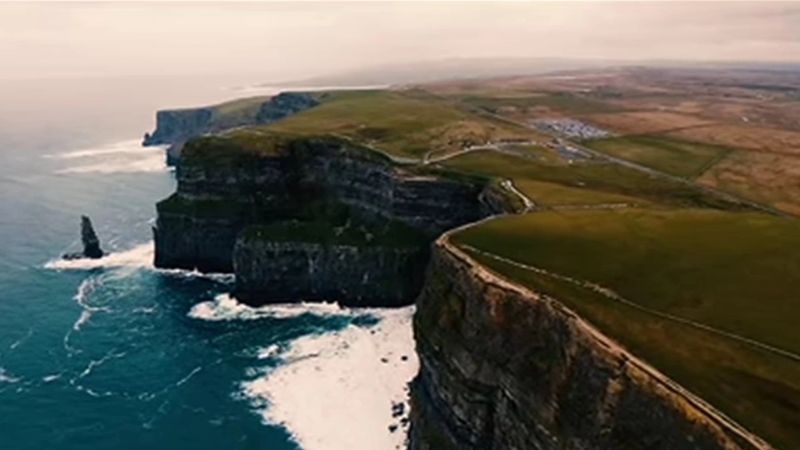
The Cliffs of Moher rise like a massive green wall above the Atlantic, and the wind here can shove you a surprising step sideways. Official paths and barriers exist for a reason, while unofficial desire lines flirt with crumbly edges. Rock falls happen, grass hides slick mud, and selfies can lure you too close.
Stick to marked routes, especially near O’Brien’s Tower and popular lookouts. Gusts whip hard, so keep hats and loose items secure to avoid chasing them toward the drop. When visibility sinks in sea mist, be extra cautious because the cliff lip can appear later than expected.
Wear sturdy boots and avoid leaning out beyond barriers for wide angle shots. Use a strap for your phone or camera and keep dogs leashed. You will still get sweeping panoramas without testing your balance on wet turf, and you will walk back to the car with your nerves intact.
Trolltunga — Norway’s Precarious Cliff Seat
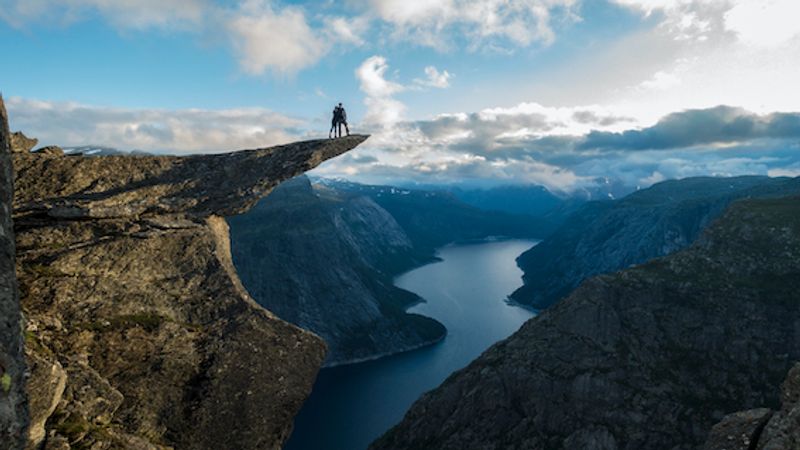
Trolltunga looks like a stone tongue licking the sky, and the drop beneath it is very real. The hike is long, exposed, and often cold even in summer, with lingering snow and boggy sections. Weather flips quickly, leaving you wet, chilled, and navigating slippery rock slabs.
Start early with a headlamp, map, and extra layers. Bring microspikes in shoulder seasons and double check rescue response times, since help can be hours away. Queueing on the ledge is common, so manage fatigue and keep your balance while waiting for photos.
Eat before you get lightheaded, carry a power bank, and respect rangers who halt access during storms. If winds kick up, skip the edge shot and take a safer angle from solid ground. You come for the view, but the real win is returning warm, proud, and without a risky stunt.
Half Dome Comparisons — Europe’s Similar Vertical Challenges

While Half Dome is in the U.S., Europe offers kindred challenges that demand the same respect. Think steep granite and cable assisted climbs where exposure, storms, and crowd pressure magnify risk. On busy days, bottlenecks increase rockfall from above and tempt rushed decisions.
Treat these routes like serious objectives: check permits, bring a helmet, and know turnaround times. Wet rock becomes treacherous fast, and thunder means an immediate retreat from metal hardware. If your nerves wobble on ladders, practice on easier routes first before committing to big exposure.
Gloves help with cables, and proper footwear bites into polished stone. Keep three points of contact, communicate with parties around you, and never pass aggressively on narrow sections. The mountain will be there tomorrow, so choose safety over stubbornness and bring home a memory, not a mayday.
Mont Blanc Routes — France and Italy Alpine Threats

Mont Blanc seduces with white shoulders and sunlit ridges, but it is not a hike. Routes cross crevasses, serac fall zones, and rockfall funnels that punish hesitation. Altitude adds headache, fatigue, and wobbly judgment to already complex terrain.
Go with a certified guide if you lack glacier skills. Ropes, harnesses, crampons, and crevasse rescue knowledge are standard, not optional. Start in the dark to cross hazards while snow is firm, and build extra time for weather windows and lift delays.
Hydrate, layer strategically, and rehearse self arrest. If forecasts warn of heat or storms, reschedule without regret because thaw and lightning multiply danger. Mont Blanc is beautiful, but it rewards patience and preparation far more than bravado.
Preikestolen (Pulpit Rock) — Norway’s Dramatic Drop
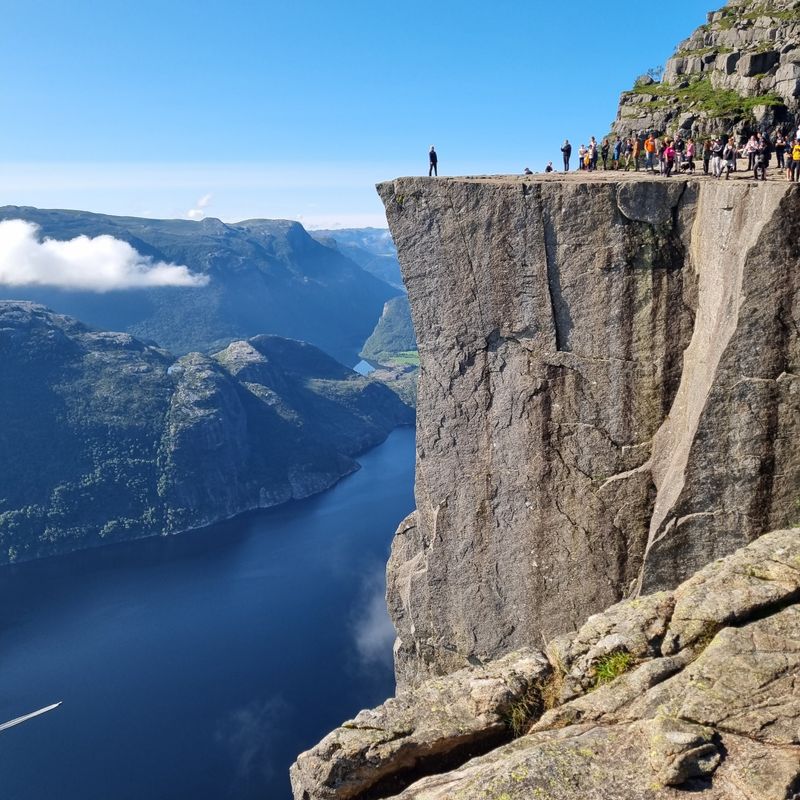
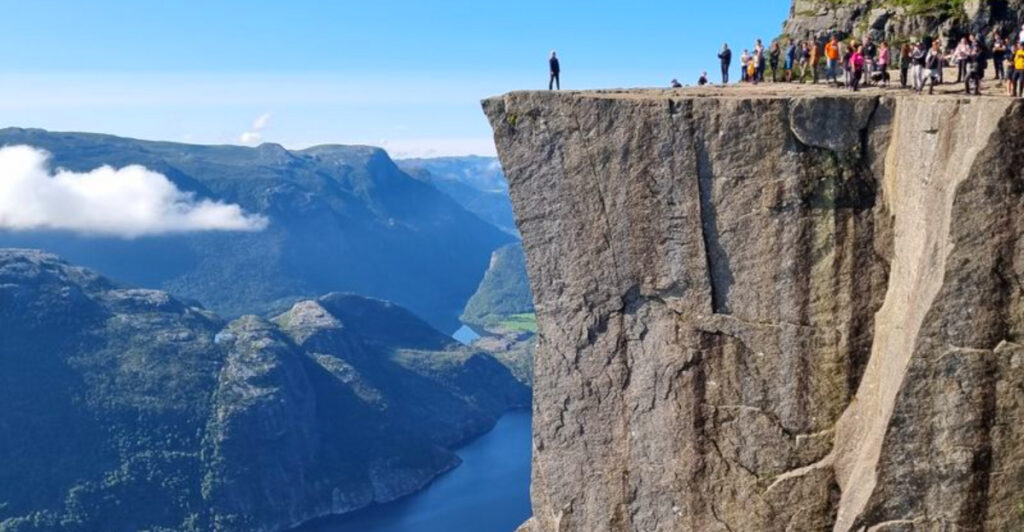
Preikestolen serves a perfect balcony over Lysefjord with no railings and a lot of peer pressure for daring photos. The approach trail is popular and deceptively tiring, so people reach the top wobbly and distracted. Add wind gusts and slick rock, and small missteps can spiral.
Keep a safe buffer from the brink, especially during selfies or group shots. Sit down if vertigo bites and scoot to a viewpoint instead of standing tall. In rain or snow, traction drops sharply and crowds slow escape routes.
Start early, carry layers, and pack patience for the summit scrum. A picnic well back from the edge still feels cinematic, and you will breathe easier. The fjord view is jaw dropping from five meters inland, and you will not be part of a rescue report.
Giant’s Causeway — Northern Ireland’s Basalt Columns
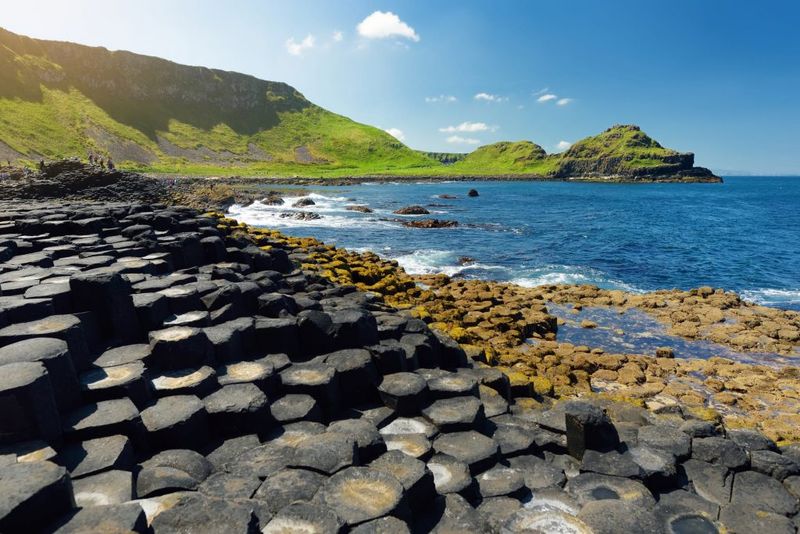
The Giant’s Causeway invites you to hop from column to column like a puzzle, but wet basalt is basically nature’s ice rink. Tides shift quickly and waves can slap across low rocks without warning. A slip here can mean bruises at best and a nasty fall at worst.
Wear grippy shoes and avoid hopping when the stones shine with water. Keep an eye on swell direction and give the ocean room to breathe. Rangers sometimes restrict areas after storms, and you should respect closures even if the sun pops out.
Great photos do not require risky positions. Use stable footing, brace your stance, and step back if crowds push forward. The site is magical, and leaving with dry clothes and steady ankles makes it even better.
Lake Bled Cliff Jumps — Slovenia’s Icy Waters
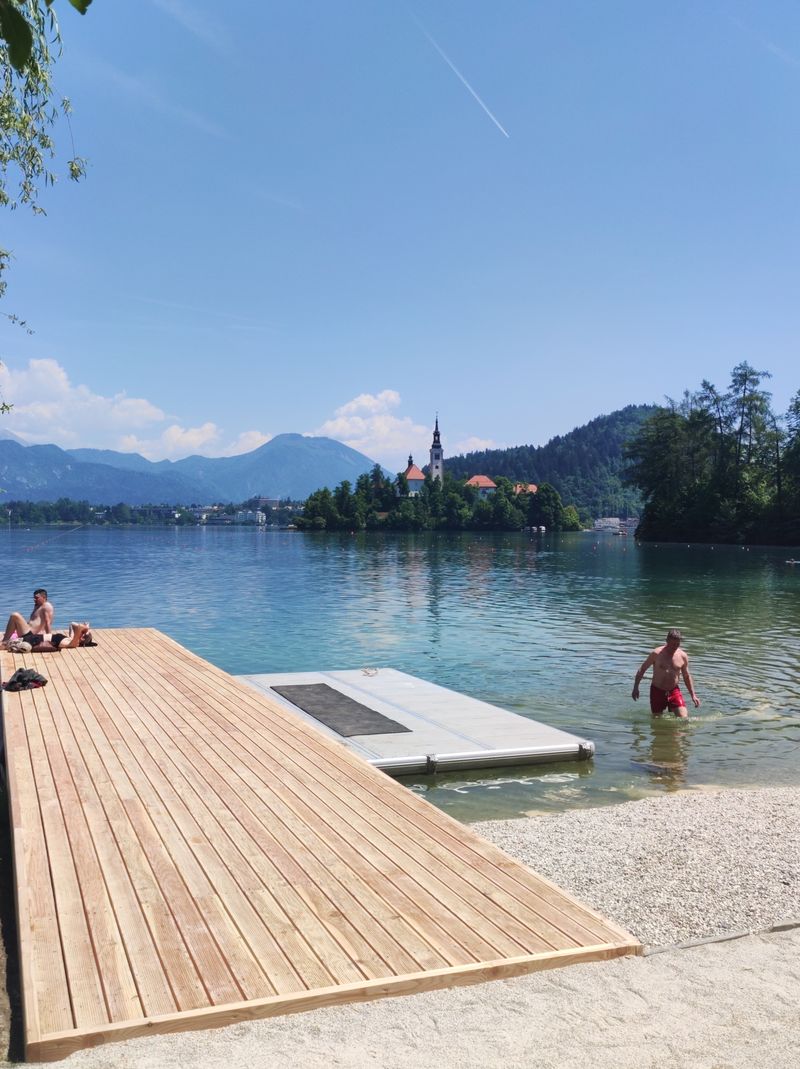
Lake Bled looks gentle, but cliff jumping here is not a theme park attraction. Depth varies with location, and submerged rocks can sit just out of sight. Water temperatures chill muscles fast, so form and timing falter right when you need control.
Ask locals about safe entry points and depth, and scout exits before leaping. Never jump alone, avoid alcohol, and keep the first plunge conservative to gauge conditions. If boats or rowers pass below, wait until the lane clears completely.
Wear snug swim shoes for traction on slick limestone, and warm up immediately after. You can still enjoy the thrill with a lower jump or a controlled swim from designated spots. That postcard view is even sweeter when you leave with shoulders unstrained and zero scrapes.
Zlatni Rat Beach — Croatia’s Shifting Horn
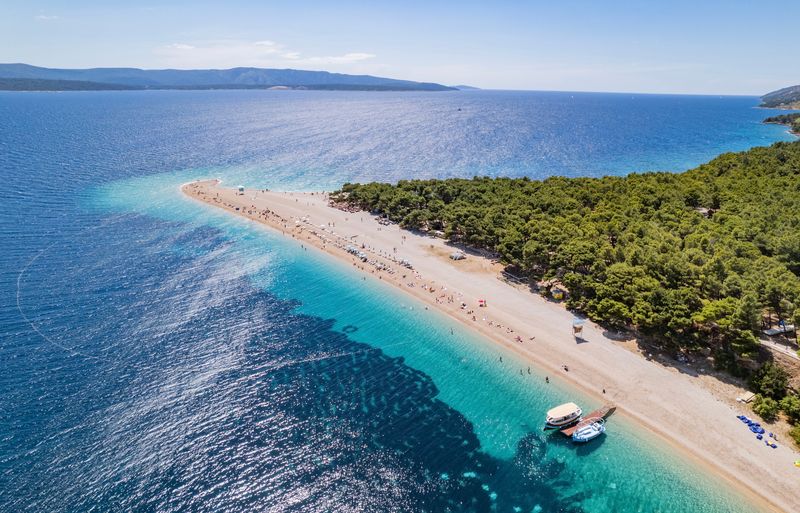
Zlatni Rat’s sand and pebble horn points into clear Adriatic water and changes shape with currents and wind. Those same forces create tricky swimming conditions and rip like pulls along the spit. Kite and windsurfers love it, but beginners can get yanked farther than expected.
Check flag warnings and ask lifeguards about current direction before heading out. If you are not confident, stay inside calmer zones and avoid offshore winds that push gear away from shore. Leashes, impact vests, and buddy systems are smart even on sunny days.
Foot protection helps on hot stones and sea urchin patches. Keep kids in shallow areas and set a visible rendezvous point in case gusts pick up. The beach is gorgeous from a towel too, and there is no shame in waiting for safer conditions.
Plitvice Lakes Boardwalks — Croatia’s Waterfall Paths
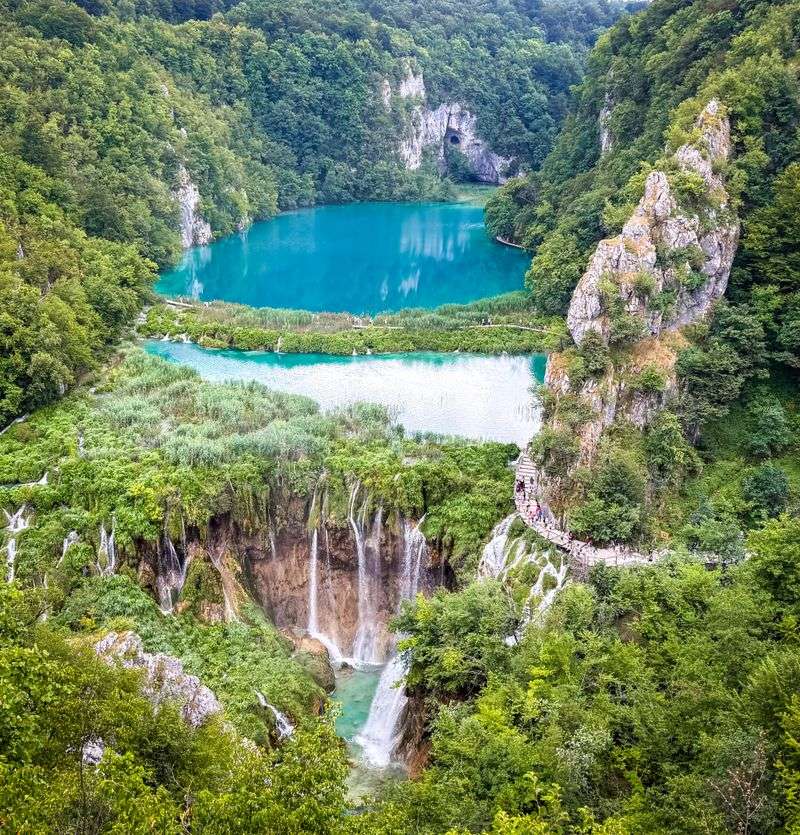
Plitvice feels like walking through a watercolor, with wooden paths floating over turquoise pools and veil like falls. After rain, those boardwalks turn slick and wobbly in places, with no railings to catch an awkward step. Crowds compound it by stopping abruptly for photos.
Wear treaded shoes and keep a steady pace with hands free for balance. Do not climb off the walkway, since mossy edges and fast water are unforgiving. Respect one way systems and give space to people who look unsteady.
Pack a light rain jacket and stow umbrellas when paths narrow, because poking someone near an edge is bad news. Tripods are better used at wider pullouts. You will still collect dreamy shots and avoid testing the depth of that blue water headfirst.
Sea Cliffs Trail — Portugal’s Algarve Unstable Edges
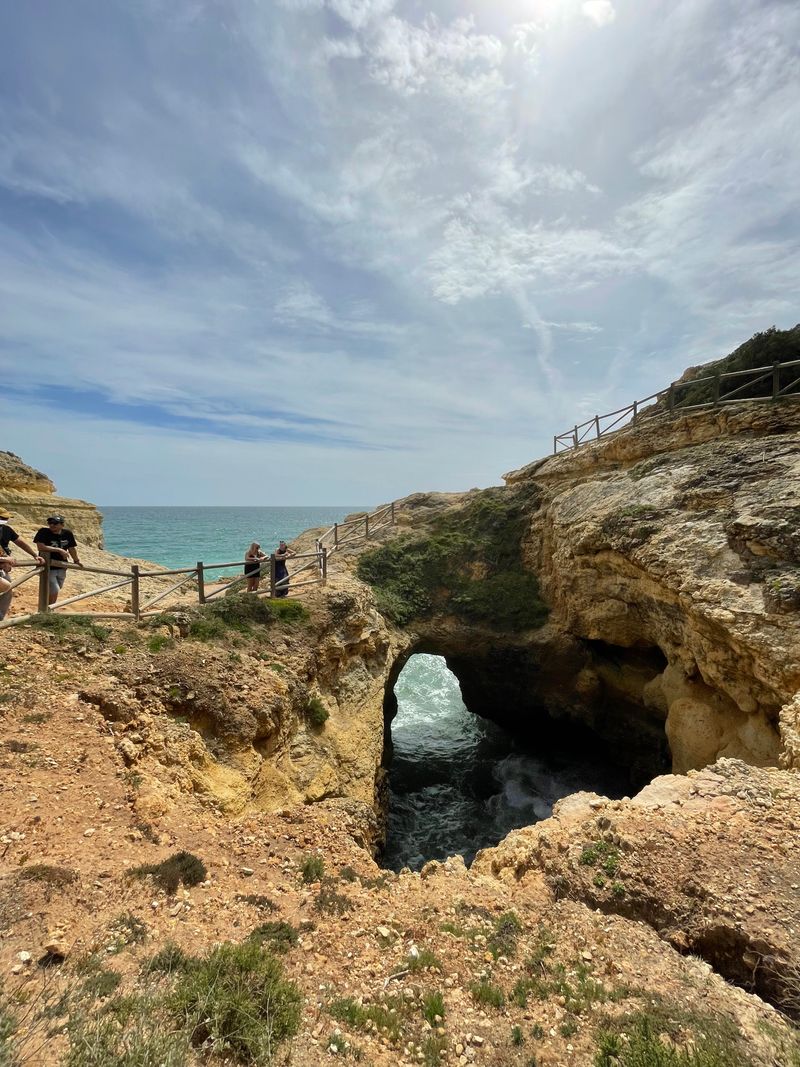
Algarve cliff walks deliver bright limestone, sea caves, and views that feel unreal. Erosion undercuts edges, leaving deceptive overhangs that can crumble without warning. Paths narrow above drops, and wind funnels around headlands to nudge your balance.
Stay well back from cliff lips and follow signed detours, even if they seem inconvenient. After rain, watch for slumps and muddy sections that skate underfoot. If you hear cracking or see fissures crossing the trail, retreat to solid ground.
Wear sun protection and carry more water than you think you need. Early or late light is beautiful and cooler, reducing fatigue that leads to clumsy steps. Your safest photo is from established viewpoints, with both feet planted and eyes on the terrain first.
Skellig Michael — Ireland’s Ancient Steps
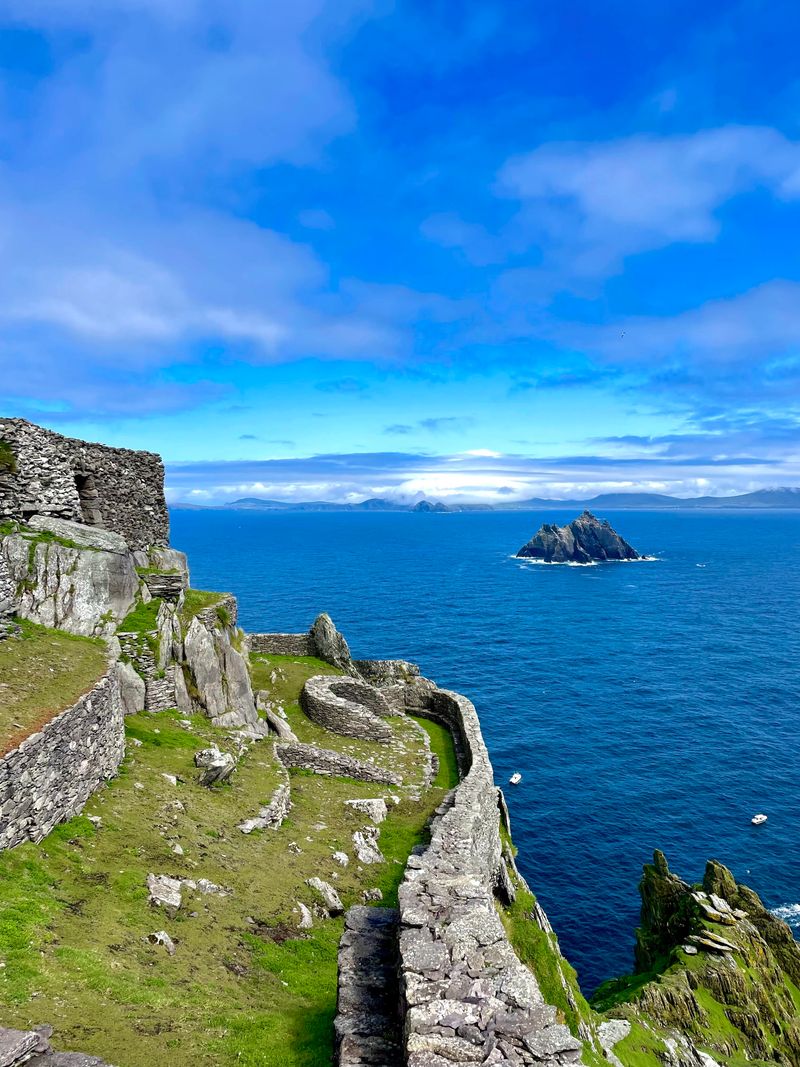
Skellig Michael rises abrupt from the Atlantic, and the landing alone can be canceled by swell. Stone steps climb steeply without handrails, slick with spray and bird droppings in places. The island’s beauty and Star Wars fame draw crowds, but footing is everything here.
Listen to guides, move slowly, and keep hands free. If you feel dizzy, step aside and rest because there are few safe bailouts. Weather can shut operations mid day, so build flexibility into your schedule and mindset.
Wear sturdy shoes, pack a windproof layer, and leave umbrellas on the boat. Respect closures that protect nesting birds and keep you from exposed ledges. The monastery is unforgettable, and you will cherish it more with steady steps and a calm heartbeat.
Dolomites Via Ferrata — Italy’s Metal Pathways
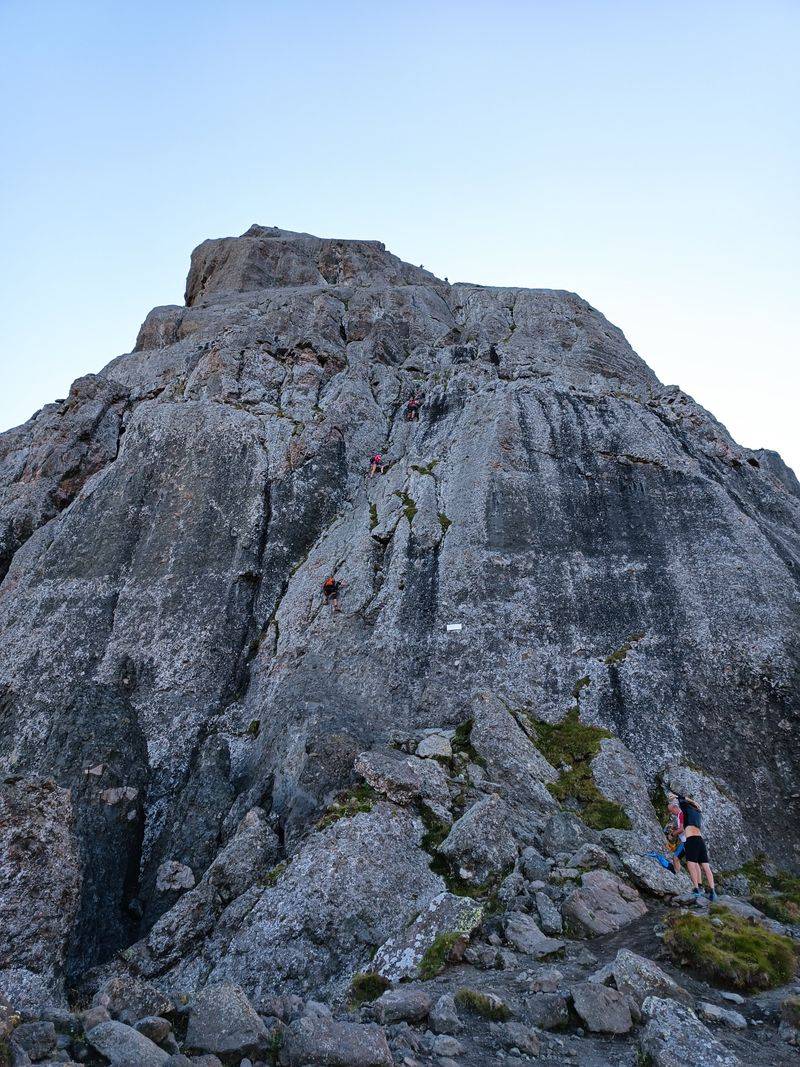
Via ferrata routes lace the Dolomites with ladders, rungs, and cables that make wild exposure accessible. That accessibility tempts beginners into terrain that still demands real skills. Weather swings fast, and metal plus lightning is a hard no.
Use a certified via ferrata set with energy absorbing lanyards, helmet, gloves, and proper footwear. Learn how to clip and test anchors before leaving the ground. If storms threaten or crowds cause delays at crux ladders, reroute to an easier line.
Keep spacing to avoid falls that tug others, and communicate clearly at anchors. Pack layers, headlamp, and a topo so you can exit before dark. The thrill is unbeatable, and returning with confidence beats improvising on a vertical wall.
Swiss Glacier Trails — Ice and Crevasse Risks

Walking on a glacier in Switzerland looks like a frozen highway, but underneath lie crevasses bridged by snow. Midday heat softens those bridges and increases collapse risk. Even marked trails can shift as the glacier moves.
Hire a guide if you lack crevasse rescue skills. Wear crampons, carry a harness, rope up, and practice arrest techniques until they are automatic. Start early for firm conditions and build strict turnaround times around weather and group energy.
Sun reflects hard off ice, so eye and skin protection matter. Step deliberately, maintain rope spacing, and never unclip for photos near questionable snow. The blue glow is mesmerizing, and it is far better admired from above a safe, solid platform.
Share this story