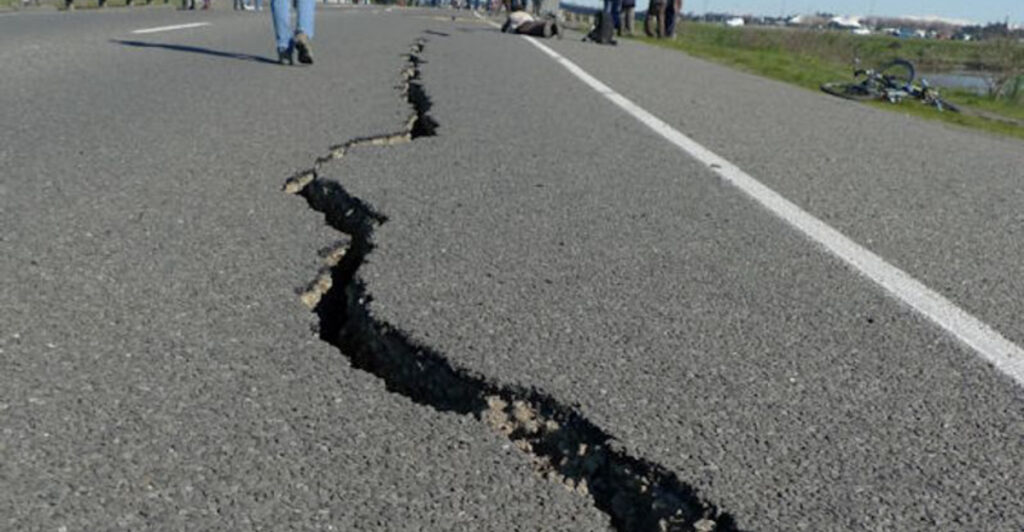
If your phone buzzed with quake alerts Friday night, you were not imagining things. A swarm of small earthquakes rippled under the East Bay, centering near San Ramon and rattling nerves from Dublin to Danville. Experts say the risk of a major quake remains low right now, but the frequent tremors are a sharp reminder to stay prepared. Here is what happened, why swarms occur, how neighbors are responding, and what the history tells us.
You felt it too, right around dinner time. A quick jolt near 7:49 p.m. gave way to a stronger shake at 7:56 p.m., topping out at a preliminary magnitude 4.0 about three miles southeast of San Ramon at roughly 6.2 miles deep. After that, a scatter of smaller quakes from 2.1 to the high twos carried through about 8:15 p.m., with reports from San Ramon, Dublin, and Danville lighting up social feeds. BART slowed trains briefly for safety checks, and you may have noticed a few delays.
Despite the flurry, there have been no reports of injuries or significant damage. This is part of a broader pattern since early November, with roughly 150 small quakes recorded and two dozen in the past week alone. The numbers sound intense, but experts emphasize that swarms like this often pass without serious consequences. You probably felt the vibration, maybe a picture frame rattled, yet the lights stayed on and the night moved along.
Still, the clustered timing can be unsettling. The ground is talking more than usual, and that grabs attention. Keeping tabs on USGS updates helps separate rumor from reality while the sequence evolves.

Think of a swarm as a conversation underground. Instead of one big mainshock followed by aftershocks, you get many small quakes clustered in time and place, sometimes lasting days to months. That description fits the San Ramon pattern, where tremors trade turns without a singular star event. You feel recurring taps rather than one headline thump.
Geologically, San Ramon sits along the Calaveras Fault system, a complex branch tied into the broader San Andreas network. Fault geometry, locked patches, and fluids migrating through fractures can all nudge rocks to slip in small bursts. Scientists have documented multiple swarms here over decades, including a memorable 2015 sequence that produced hundreds of minor quakes without a damaging finale. The mechanism is still under study, but the behavior is familiar.
So what does it mean for you tonight. Experts say swarms usually do not signal a coming big one, though a small chance always exists. Recent estimates peg the odds of escalation as low, around a few percent, which is not zero but not cause for panic. Stay informed, not alarmed.
When the shaking comes in bursts, it changes the vibe at home. You might pause a show, glance at a hanging frame, or exchange a look that asks was that another one. Some neighbors call it weird, others shrug, but many are dusting off emergency kits. The swarm is not causing damage, yet it is prompting action.
Start with simple wins. Secure tall furniture with straps, latch cabinet doors, and keep heavy items low. Stash water, nonperishables, a flashlight, batteries, and a first aid kit where you can grab them. If you have pets, add food, meds, and a carrier. Review Drop, Cover, and Hold On, and practice finding a sturdy table or interior wall.
Stay plugged into official updates from USGS, local emergency alerts, and your city or county channel. If you ride BART, expect occasional safety slowdowns after noticeable shaking. Share a checklist with neighbors, and consider texting out-of-area contacts so lines stay open for emergencies. Preparedness feels mundane until the next jolt reminds you why it matters.
The Bay Area lives with earthquakes as part of its identity. Major faults like the San Andreas, Hayward, and Calaveras stitch through dense communities and vital infrastructure. History shows the range, from modest swarms like this week’s to forceful events such as the 1989 Loma Prieta 6.9 that reshaped safety codes and memories. You are feeling a familiar story playing out on a smaller scale.
Small quakes and swarms cluster where fault networks intertwine, and most do not foreshadow something bigger. Seismologists stress that precise prediction remains out of reach. A swarm can fade quietly, linger for weeks, or rarely precede a larger event, but the probabilities usually stay low. That ambiguity is why readiness beats guesswork.
For you, the takeaway is practical. Keep a two week supply of essentials, know your gas shutoff, and plan reunification with family. If you live near soft soils or older construction, consider retrofits and anchoring. The ground will move again someday. Preparation turns uncertainty into confidence.
Share this story