You have seen Tokyo’s lights and Kyoto’s temples, but the quiet corners of Japan tell the stories that crowds often miss. Picture misty valleys, timeworn streets, and island horizons where the pace softens and conversations linger. These lesser-known places invite you to wander slowly, taste locally, and feel history underfoot. Ready to trade bucket lists for discoveries you will actually remember?
Ouchi-juku — Edo-Era Post Town in Fukushima
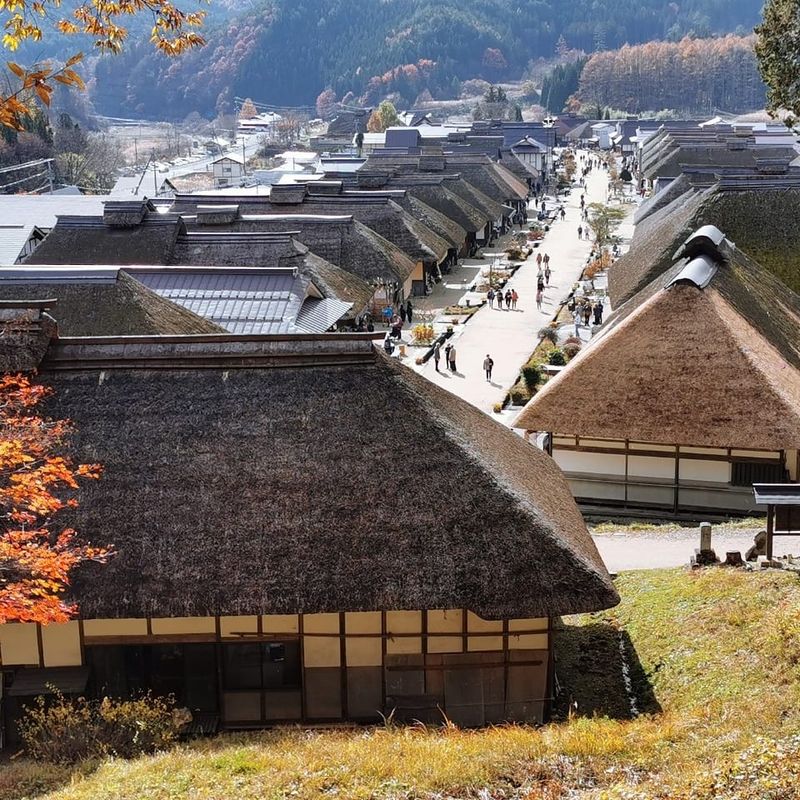
Walk Ouchi-juku and the rhythm slows instantly, like someone lowered history’s volume so you can hear the crunch of gravel underfoot. Thatched roofs rise steeply against forested hills, and the fragrance of charcoal and miso drifts from tucked-away kitchens. You can try negi-soba eaten with a green onion instead of chopsticks, a playful reminder that tradition here still smiles at you.
The street is narrow and human-scale, framed by wooden facades that look unchanged at first glance. Peek inside and you will find craft shops, handmade washi, and seasonal pickles glowing like jewels in jars. Follow the uphill path to the viewpoint shrine for a postcard angle across rooftops and distant pines.
Come early, linger long, and let small conversations guide you toward lesser-known alleys. In summer, dragonflies skim irrigation channels beside the road. In winter, snow muffles everything, and lanterns paint warm pools of light that feel like a promise kept.
Kiso Valley & Nakasendo Trail — Step Back in Time
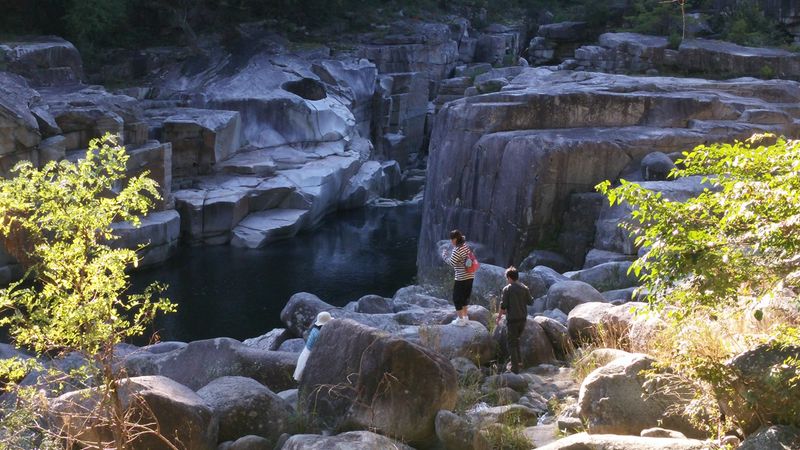
The Kiso Valley holds a calm that lives between footsteps, especially on the Nakasendo path connecting Magome and Tsumago. Wooden inns lean close, noren curtains sway, and bells ring softly as hikers pass. You will share the trail with birdsong, cedar scent, and the hush of water slipping under wooden bridges.
Between towns, the route climbs through farms and forest hollows where old milestones still keep count. Stop for roasted chestnuts or a quiet tea, and practice the simple ritual of greeting those you meet. The past is not staged here, it breathes through timbers and worn thresholds.
Start in one town and hike to the other so the journey frames your day with purpose. Send your bag ahead, walk light, and let small detours reveal shrines almost hidden in green. By evening, lanterns glow and the road feels like it remembers your name.
Ainokura Village — Quiet Gassho-zukuri in Gokayama

Ainokura sits tucked under mountains like a secret you whisper only to friends who love quiet. The gassho-zukuri houses lift their steep thatched roofs against deep winter snow, handsome and practical all at once. Walk the lanes and you will hear the low hum of looms and the gentle scrape of tools.
Inside small museums, stories echo from beams blackened by generations of hearth smoke. Local artisans sell washi, indigo cloth, and sweet preserves, each made with the patience of short summers. The landscape feels hand-stitched, rice paddies edging up to forest with perfect restraint.
Visit at dawn or twilight when the valley gathers blue light and voices fall to murmurs. In winter, illumination events turn the rooftops into glowing origami. You leave with quiet in your pockets, the kind you can unfold later when life gets loud.
Sanbaseki Gorge — Natural Beauty in Gunma
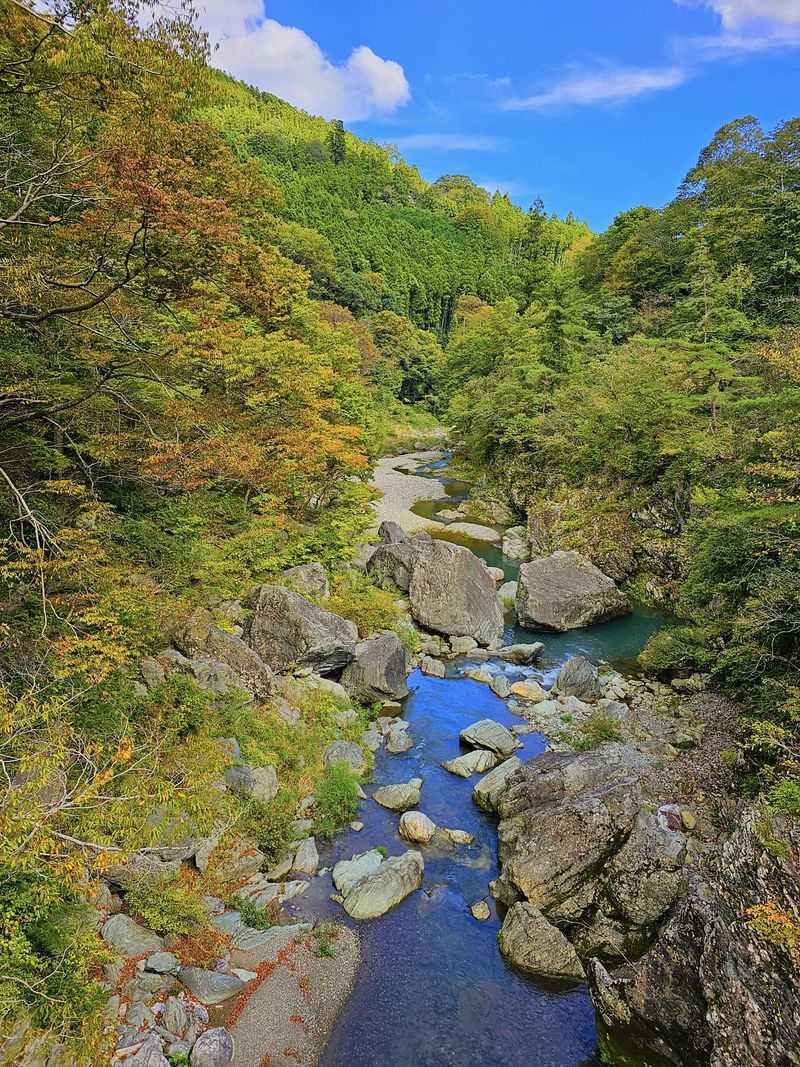
Sanbaseki Gorge draws a delicate line between rock and river, the kind of place where you naturally lower your voice. Water runs glass-clear beside sculpted stone, and small footpaths slip into pockets of shade. Bring a snack, a camera, and an unhurried hour to find your favorite bend.
There is no rush here, only textures: lichen, ripple marks, and leaves trembling in breeze. When the sun shifts, the water trades emerald for steel, and reflections write quick poems across the surface. You can follow the trail as far as curiosity walks you.
Families spread blankets on flat rocks and share quiet conversations over onigiri. Photographers wait for clouds to soften light, catching silver threads in fast water. By the time you leave, your shoulders have forgotten the shape of tension.
Gotō Islands — Off-Grid Island Serenity
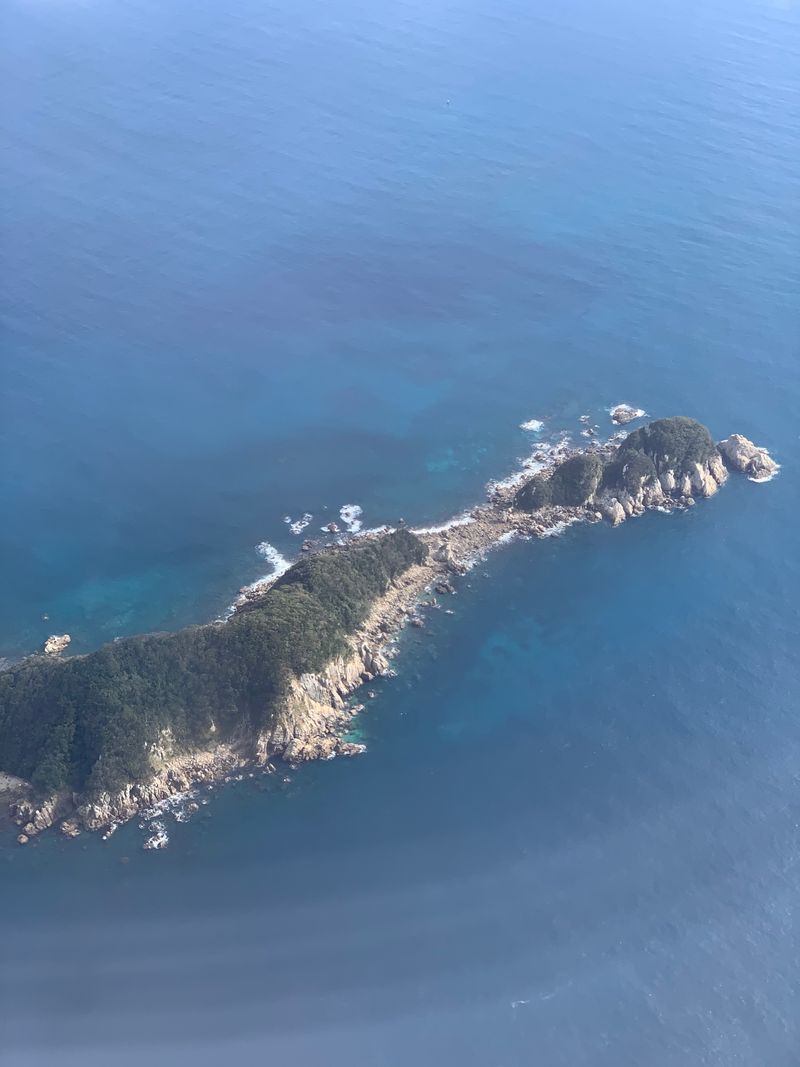
Out on the Gotō Islands, sea and sky trade secrets while ferries stitch the horizon. Volcanic cliffs fall into turquoise coves, and weathered churches remember hidden congregations who once gathered in silence. You can bike coastal roads, beach-hop, and pause at shrines where wind plays the chimes.
Fukue’s gentle streets serve grilled fish and island sweets, while tiny museums hold artifacts of faith and salt. The pace here is set by tide tables and ferry timetables, so you relax without trying. Evenings bring stars bright enough to feel almost close.
Rent a scooter, pack light, and chase capes where waves braid white lines along black rock. Speak with locals about storms and seasons, and the islands will open like a favorite book. You will leave sun-touched, calmer, and a little more awake to small joys.
Kanazawa — Edo Culture Without the Crowds
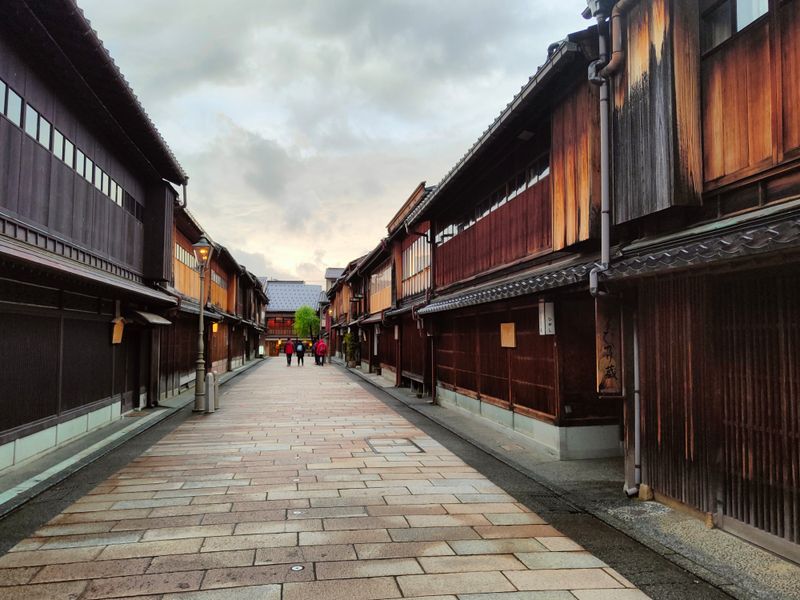
Kanazawa wears tradition lightly, letting you slip between art, food, and gardens without jostle. In Higashi Chaya, lanterns warm polished wood while shamisen notes float into alleys. You can taste wagashi shaped like seasons, then watch gold leaf turn sunlight into something you can almost touch.
Kenroku-en remains the heart, composed and generous with views that slow your steps. Stone bridges, quiet ponds, and sculpted pines invite you to frame photos like prints. Nearby museums blend craft and contemporary ideas that feel grounded, not flashy.
Finish with regional seafood, crisp sake, and the kind of conversation that lingers. If rain comes, even better, because reflections multiply the charm. Kanazawa is proof that beauty can be both curated and lived-in at once.
Ine Bay — Boat Houses on the Sea
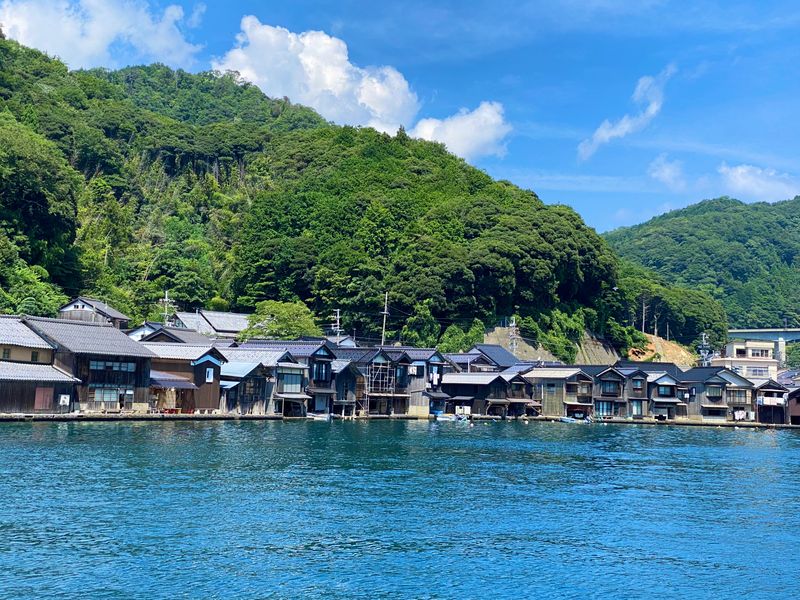
Ine Bay is all about water at your doorstep, boathouses perched so close you can hear oars tapping. The funaya design keeps boats below and life above, practical and quietly romantic. You can stroll the waterfront, wave to fishermen, and let the tide set your walking pace.
Hire a small boat for a loop through the bay where gulls trace easy arcs overhead. Lunch might be just-caught sashimi and vinegared rice, simple and perfect with sea air. Look closely at details: coiled ropes, weathered ladders, and tiny shrines tucked near docks.
As afternoon softens, reflections turn houses into watercolor. Stay overnight if you can, because evening is when voices lower and lamps flicker warmly. Ine does not perform for you, it simply carries on, and invites you to listen.
Kurokawa Onsen — Historic Hot Spring Village
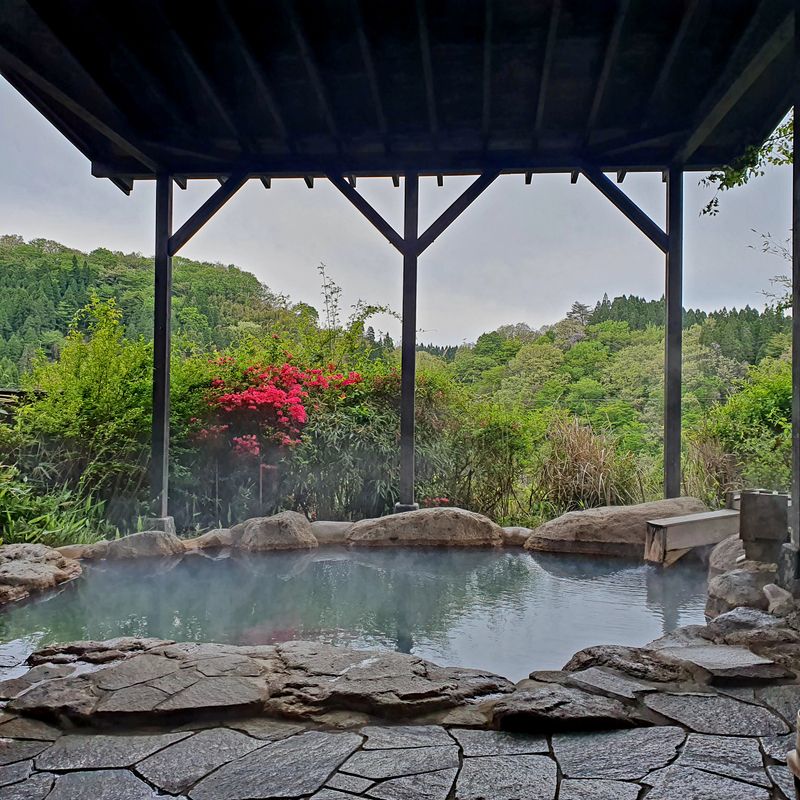
Kurokawa Onsen feels like a handwritten letter you want to reread. Wooden bridges cross a murmuring stream while steam drifts from hillside baths. Pick up an onsen-hopping pass and wander between ryokan, collecting stamps and silky warmth on your skin.
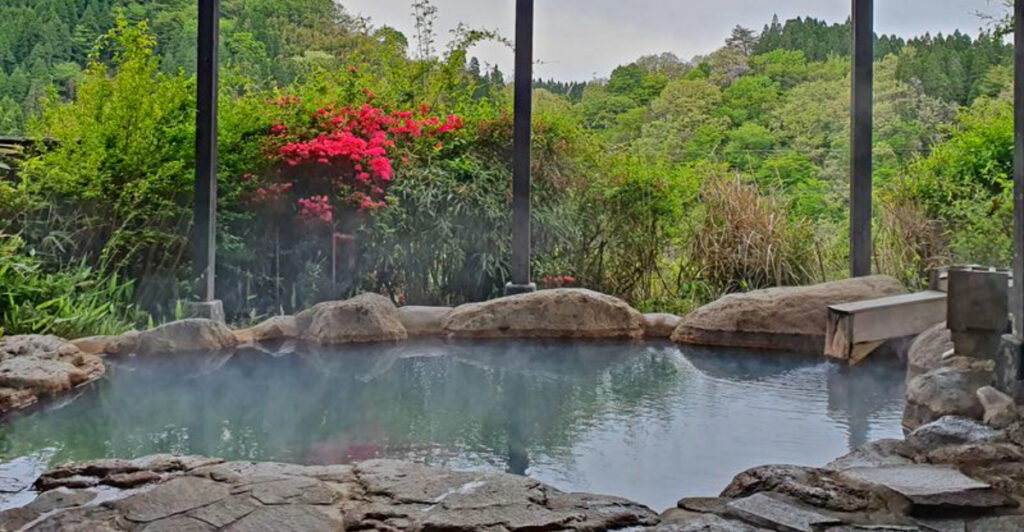
Many baths are outdoors, cupped by rock and maple, so you can soak beneath drifting leaves. The town keeps signage subtle, light soft, and footpaths close to nature. Between soaks, sip milk or local cider, and feel your pace reassemble itself gently.
At night, lanterns dot the riverwalk and conversations hush to comfortable murmurs. Rooms smell faintly of tatami and cedar, and sleep comes quickly after warm water. You will remember Kurokawa not as a checklist, but as a feeling.
Takayama — Seasonal Culture in the Mountains
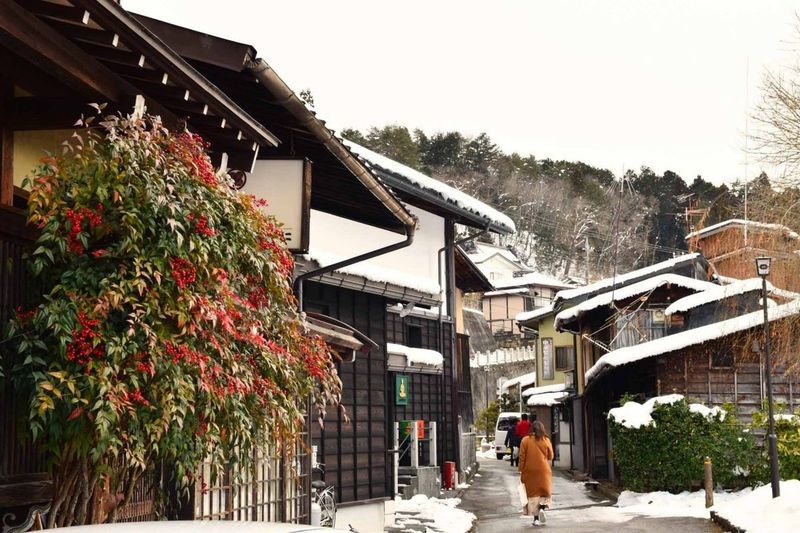
Takayama’s old town glows with honeyed wood and the gentle clink of sake cups. Sugidama balls hang outside breweries, telling you the new brew is ready. Wander past carpentry shops and tiny cafés where the mountain air sneaks in when doors slide open.
The festivals are spectacular, but ordinary days show the town’s real charm. Visit morning markets for pickles and flowers, then step into museums where joinery whispers of patient hands. Lunch on Hida beef, tender and smoky, is worth planning around.
As shadows stretch, alleys feel like they belong to locals again. A last sip of warm sake seals the memory. You leave with woodgrain in your eyes and the steady comfort of a place that knows its craft.
Narai-juku — Edo-Period Heritage Post Town
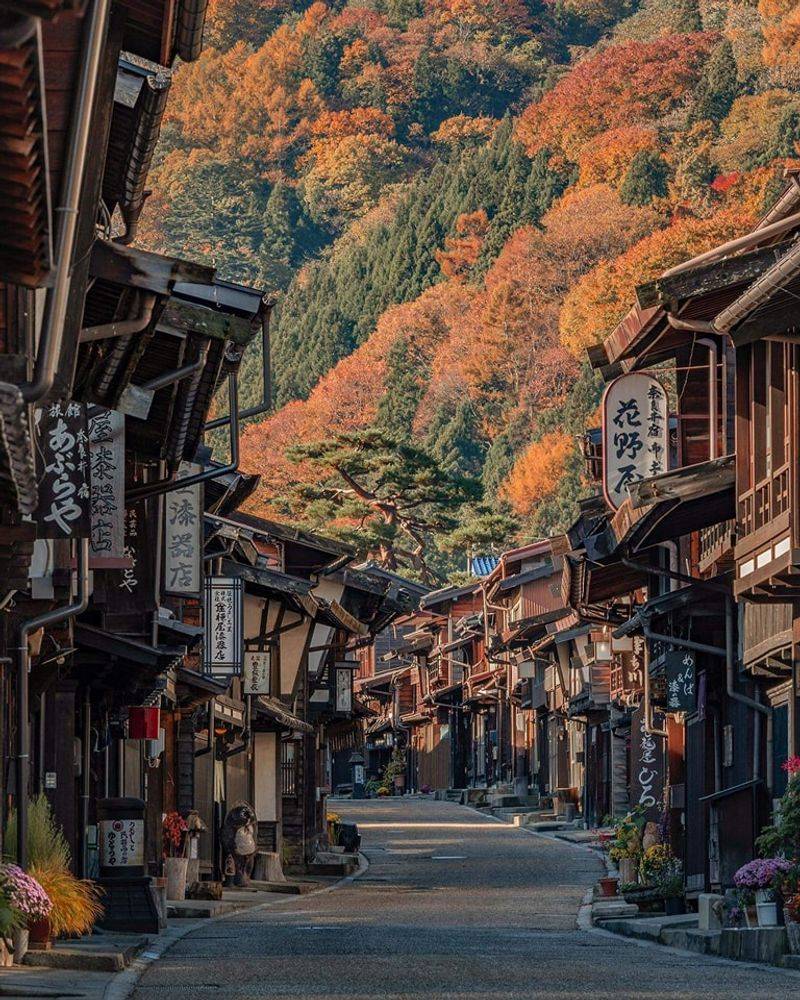
Narai-juku stretches in a single elegant line, wooden facades and latticework repeating like a calm heartbeat. You can hear water trickle from stone basins and the faint creak of floors when a shopkeeper moves. The town feels complete, as if time pressed pause and forgot to resume.
Step into a lacquerware studio and watch hands turn patience into shine. Tea houses pour gently, encouraging you to sit longer than you planned. Small inns offer creaking stairways, warm futons, and windows framing dark hills.
Walk end to end at dusk when lanterns blur the edges of doorways. The history here does not shout, it nods from under eaves. Narai-juku makes you a considerate traveler without saying a word.
Nakasendo Trail Natural Sections — Quiet Mountain Walks
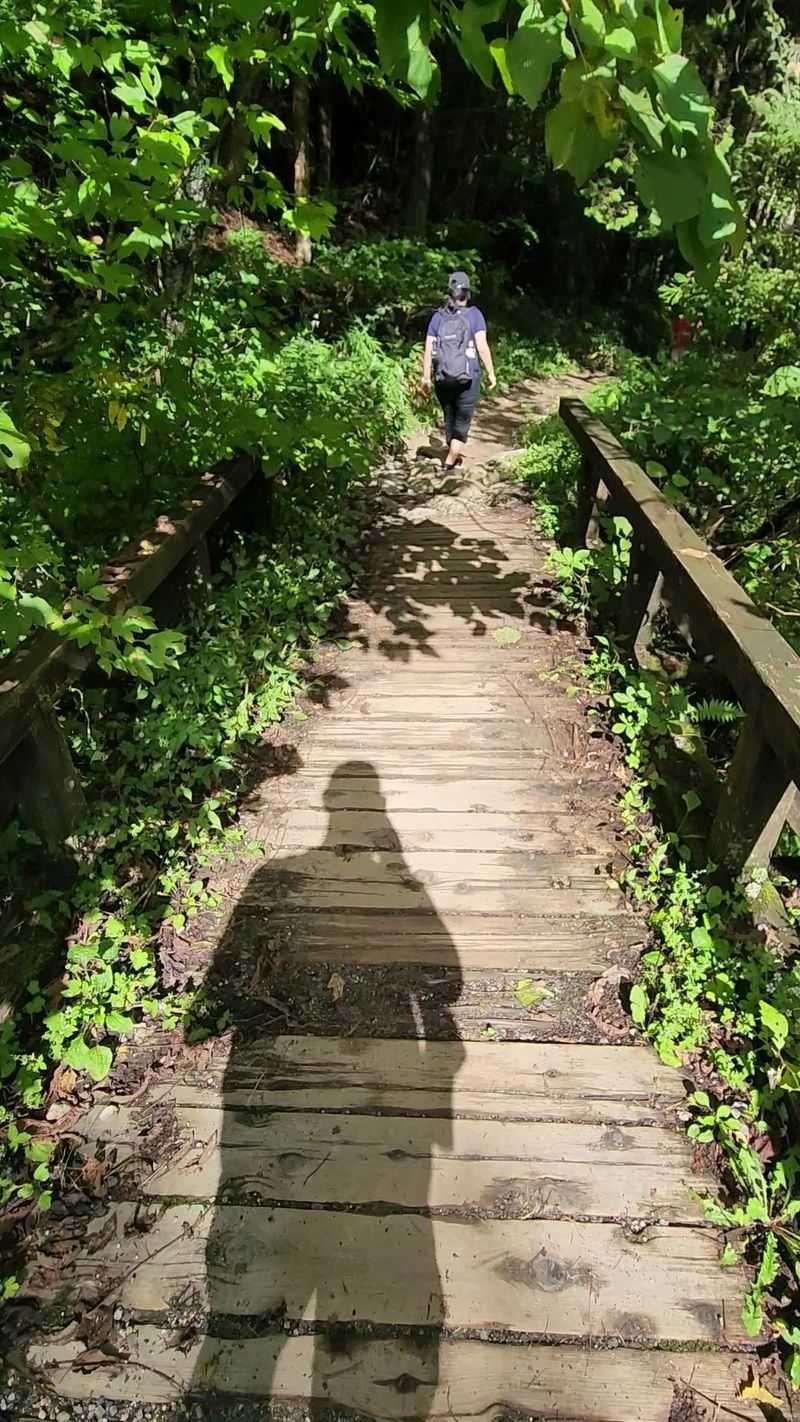
Beyond the famous stretches, the Nakasendo slips into quiet forests where boots and breath set the tempo. Moss gathers on old stones, water beads on ferns, and the path narrows until voices become unnecessary. You walk to listen, and the mountain answers in small sounds.
These sections pass farm hamlets where gardens puff with greens and scarecrows keep watch. Expect uneven footing, sudden beauty, and the surprise of a shrine appearing at a bend. Carry snacks, layers, and respect for weather that changes its mind quickly.
Mark your route carefully and leave space for serendipity. When the trail opens to a ridge, the view feels earned rather than arranged. The day ends with mud on your boots and a clearer head.
Kurama & Kibune — Forest Shrines North of Kyoto
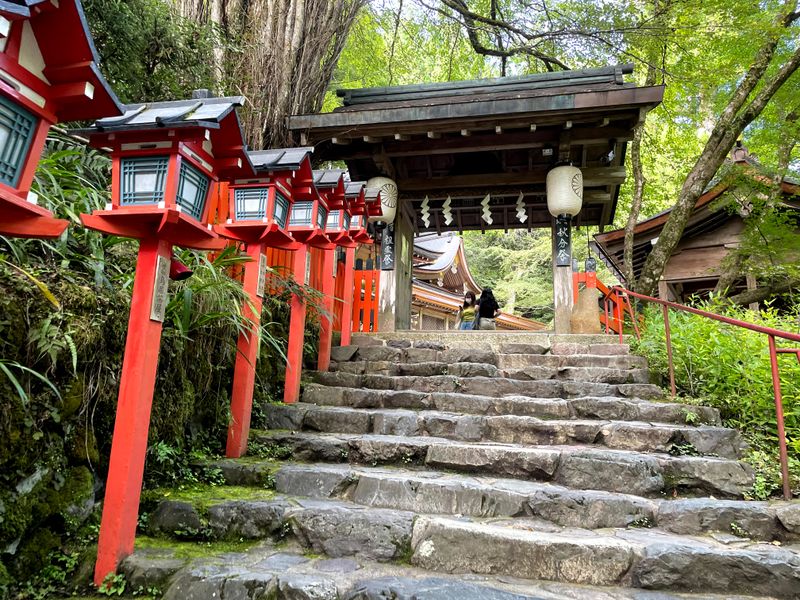
Kurama and Kibune give you Kyoto’s spirit without the squeeze. Ride a short train, step into cedar shade, and start climbing toward temple bells softened by moss. The air runs cooler here, and your breath becomes part of the forest rhythm.
Between towns, trails thread past roots that twist like sculpture. In summer, riverside dining platforms hover above clear water, the sound turning lunch into meditation. Stop to read small wooden plaques and feel wishes pile up gently around you.
Finish in Kibune as lanterns kindle, or reverse the route if you prefer a steeper start. Either way, shoes dusty and shoulders eased, you will carry the forest back into the city. It lingers longer than you expect.
Iya Valley & Nagoro Doll Village — Shikoku’s Surreal Backroads
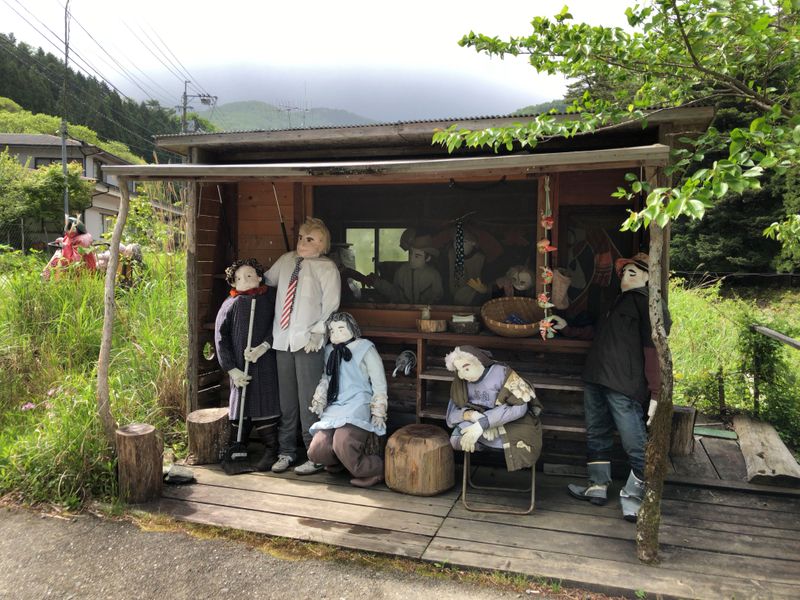
Iya Valley is a fold in the map that rewards curiosity. Vine bridges stretch over green water, creaking just enough to sharpen your focus. Roads switchback through terraces and mist, and then Nagoro appears with its quiet audience of handmade dolls.
The figures sit at bus stops, tend imaginary fields, and fill classrooms with gentle stillness. It feels playful, eerie, and tender all at once, a love letter to people who left. You will slow down, speak softer, and notice how mountains hold both memory and weather.
Take time for lookouts and local soba, and do not rush the bends. When clouds lift, the valley pulls sunlight in like breath. You will remember the dolls’ expressions longer than any photo.
Yufuin — Peaceful Hot Spring Town
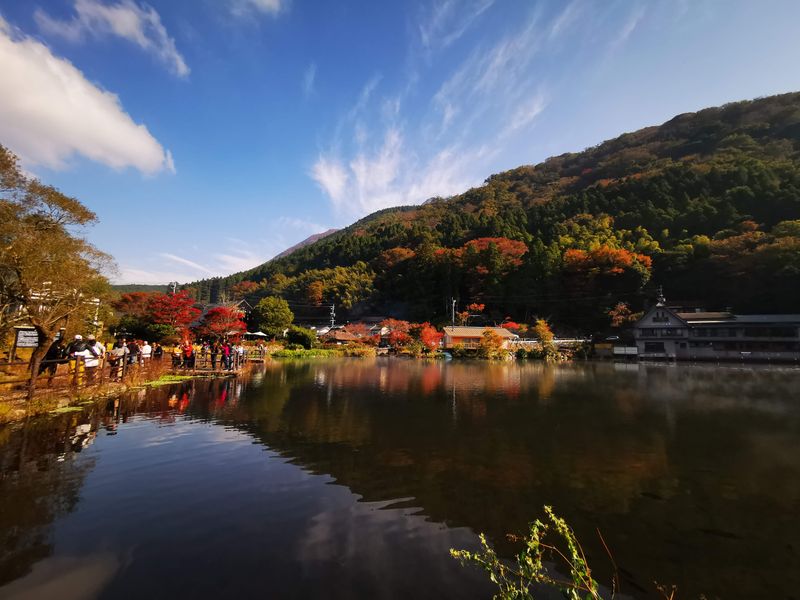
Yufuin greets you with soft light on Lake Kinrin and the double peak of Mount Yufu watching kindly. Streets wander between galleries, cafés, and little gardens where steam curls lazily. It is easy to spend a day here doing almost nothing and calling it perfect.
Pop into a museum, sample pudding still warm, then slip into an onsen before the afternoon cools. The town balances art and ease so naturally that time loses its corners. Even the souvenir shops feel curated rather than crowded.
Stay for sunset when mist lingers over the lake like a gentle exhale. Dinner might be countryside vegetables and tender chicken hot pot, simple and comforting. Sleep comes sweetly, with mountain air smoothing every thought.
Tottori Sand Dunes — Unexpected Desert-Like Landscape
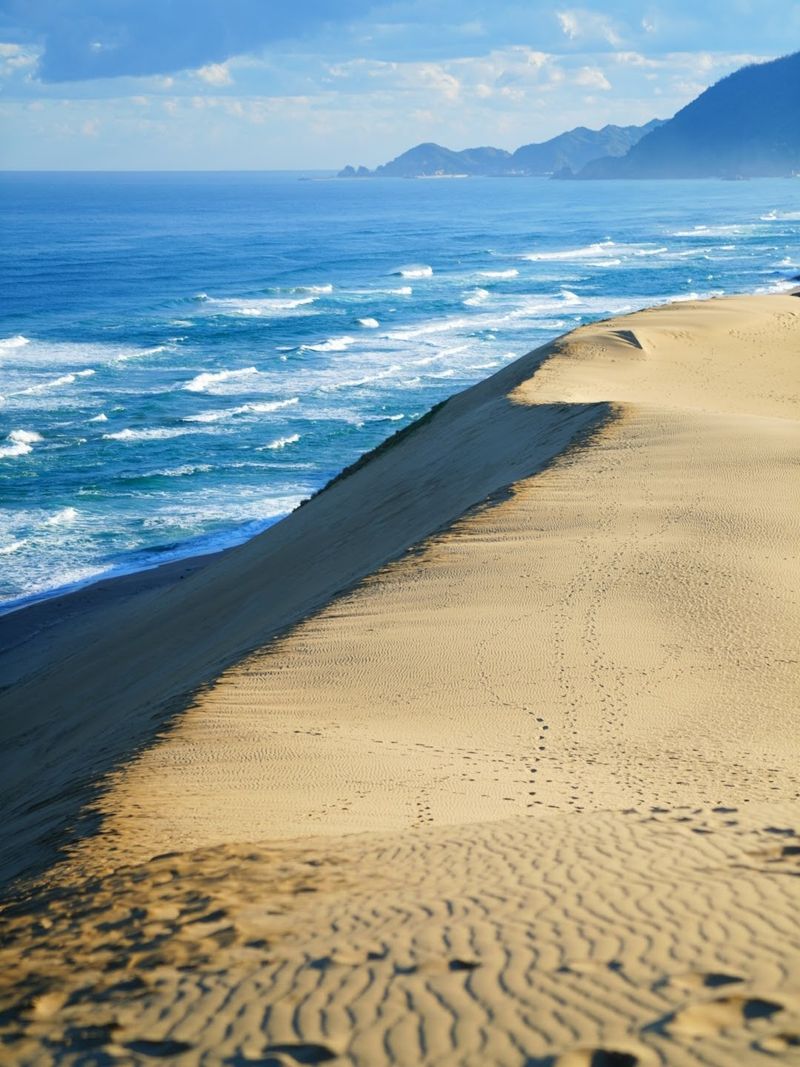
The Tottori Sand Dunes tilt your sense of Japan in the best way. Wind combs ripples across the surface, and the sea waits blue and patient beyond. Climb a ridge and watch shadows sketch new maps under your feet.
You can ride a camel, try sandboarding, or simply sit and listen to the hush. Paragliders color the sky some afternoons, tracing curves that echo the dunes. The light is everything here, sharper than memory, softer than words.
Go late day for long shadows and cooler air. Step gently so the patterns stay crisp for the next wanderer. When you leave, expect sand in your shoes and a new idea of Japan in your mind.
Share this story