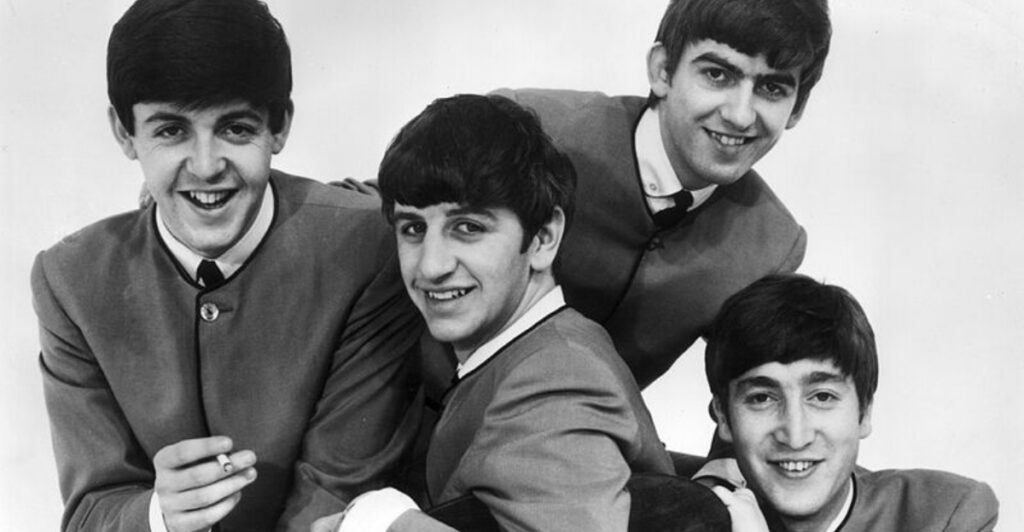
The 1960s brought us some of the most powerful and unforgettable music ever recorded. From The Beatles to Aretha Franklin, these songs didn’t just top the charts – they changed how we think about music itself. Whether it’s a guitar riff you recognize instantly or lyrics that still make your heart race, these fifteen tracks prove that great music never gets old.
1. Hey Jude – The Beatles (1968)
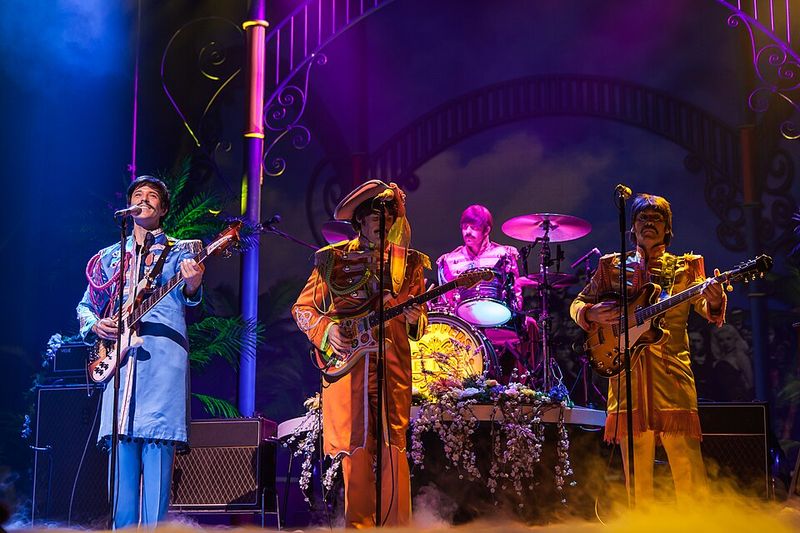
When you think of sing-along anthems, this masterpiece probably tops your list. Released in August 1968, it became The Beatles’ first single on their Apple label and ruled the Billboard Hot 100 for nine weeks, making it the year’s top-selling single in both the US and UK.
The song famously shifts from a tender piano ballad into that massive “na-na-na” coda that seems to go on forever – in the best way. Decades later, stadiums full of people still instinctively belt it out, proof that some choruses simply never expire.
2. (I Can’t Get No) Satisfaction – The Rolling Stones (1965)
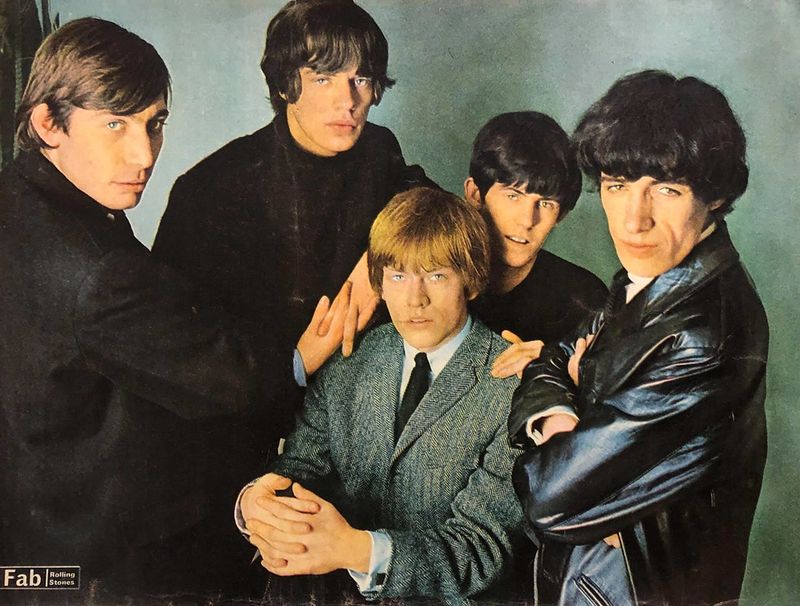
If rock and roll had to be reduced to one guitar riff, Keith Richards’ fuzz-soaked opening would be a strong contender. Released in the US in June 1965, it became The Rolling Stones’ first number-one hit there and later topped the UK charts as well.
With lyrics railing against commercialism and frustration, it captured a more rebellious, edgy side of the ’60s youth culture. It’s the kind of track you recognize in a second – and then you’re humming it all day whether you like it or not.
3. Respect – Aretha Franklin (1967)
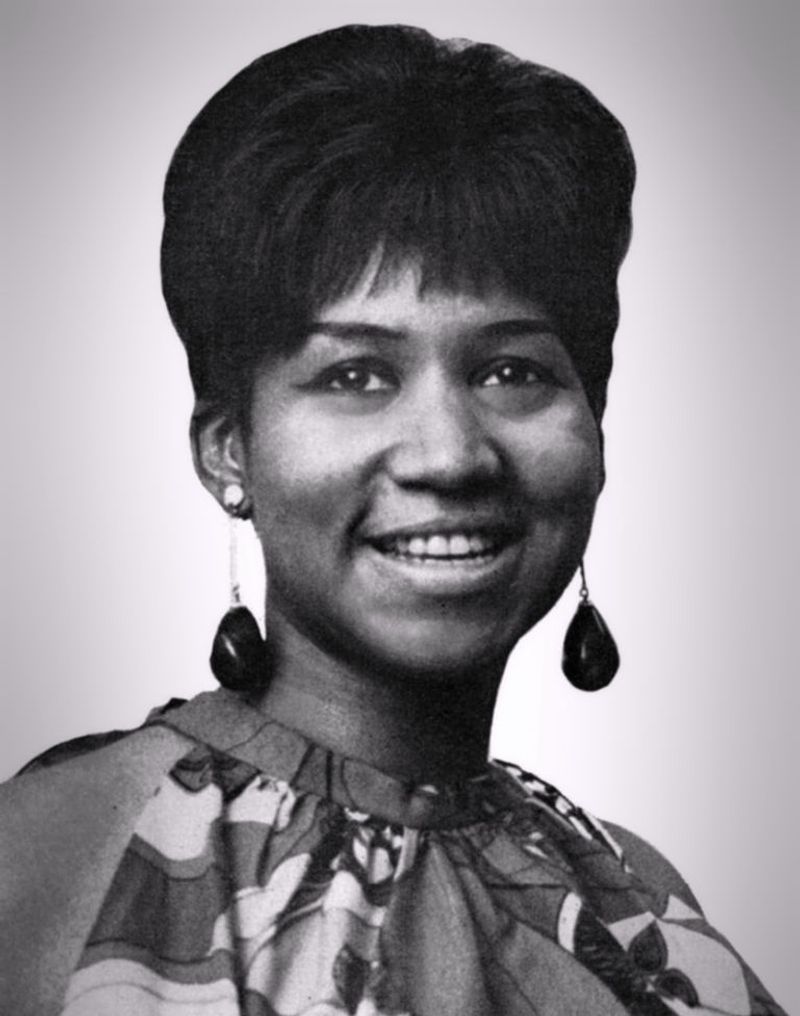
Otis Redding wrote it, but Aretha Franklin completely transformed it. Her 1967 version turned it into a bold demand for dignity and independence, both in relationships and in society at large. Released as a single in April 1967, it topped the Billboard Hot 100 and earned her two Grammys.
Franklin’s spell-it-out bridge and those powerful backing vocals helped make “Respect” an anthem for the civil rights and women’s rights movements. It’s more than a hit – it’s a statement that still feels fresh every time it plays.
4. Good Vibrations – The Beach Boys (1966)
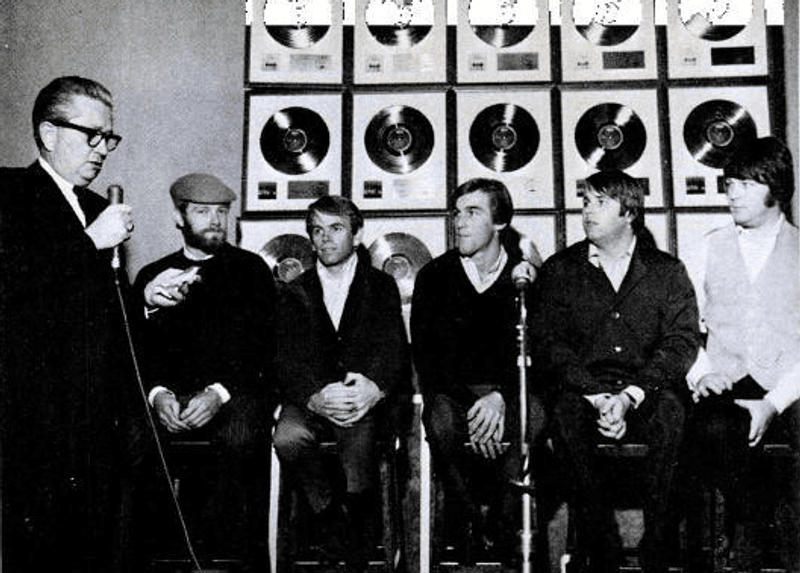
Brian Wilson called it a “pocket symphony,” and it’s easy to hear why. Released in October 1966, “Good Vibrations” fused layered harmonies, unusual instruments like the electro-theremin and multiple song sections into one seamless track.
It wasn’t just experimental; it was massively successful, topping charts in the US and UK. Today it stands as one of the best examples of how far pop music stretched its boundaries in the ’60s – and how weird and wonderful radio could sound.
5. I Want to Hold Your Hand – The Beatles (1963)
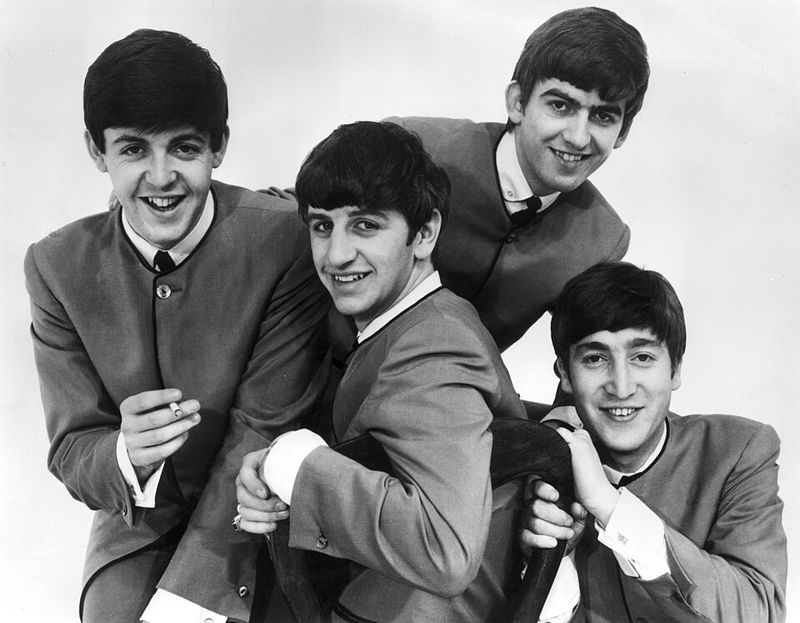
Recorded in October and released in November 1963 in the UK, this was The Beatles’ breakthrough moment on the world stage. It was their first single recorded on four-track equipment and went to number one on the UK charts, replacing one of their own songs at the top.
In the US, it triggered full-blown Beatlemania. Its simple promise – just wanting to hold someone’s hand – matched with that joyful energy made it one of the most enduring pop songs ever recorded.
6. Like a Rolling Stone – Bob Dylan (1965)
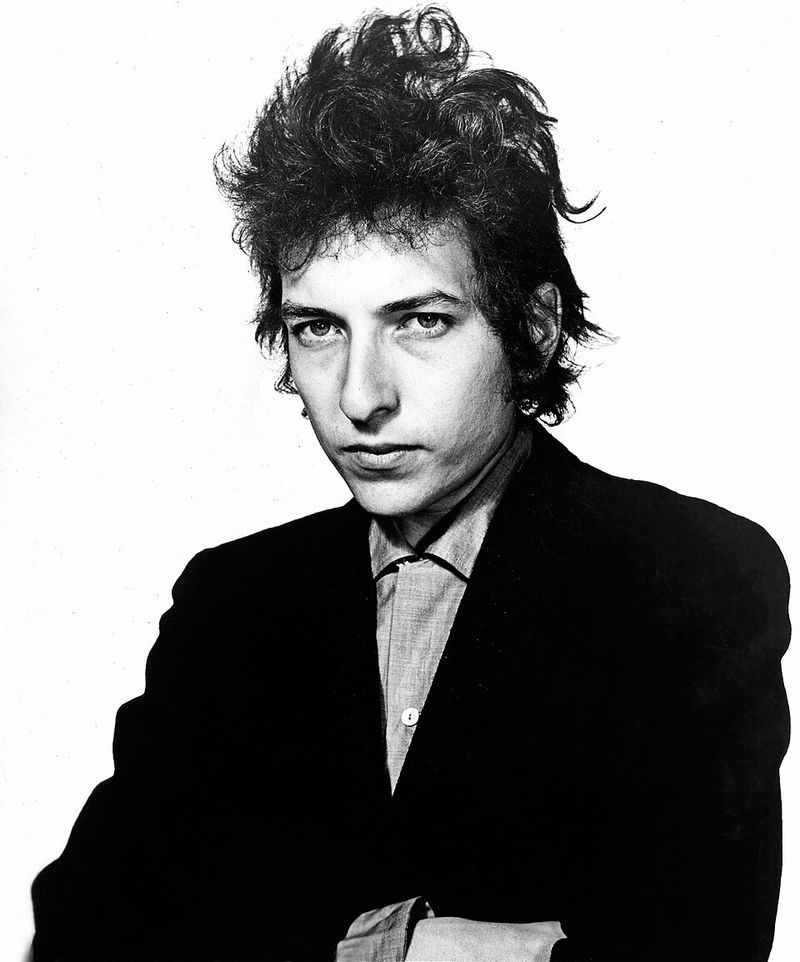
When this came out in July 1965, it changed what a pop single could be. Running over six minutes, fueled by Dylan’s electric band and snarling lyrics, it sounded nothing like the neatly packaged hits of early ’60s radio.
Critics and fans alike now see it as one of the most important songs in rock history. Its story of a “complete unknown” cast out of comfort resonated with a generation wrestling with change. It’s challenging, poetic, and unforgettable – the opposite of disposable pop.
7. My Girl – The Temptations (1964)
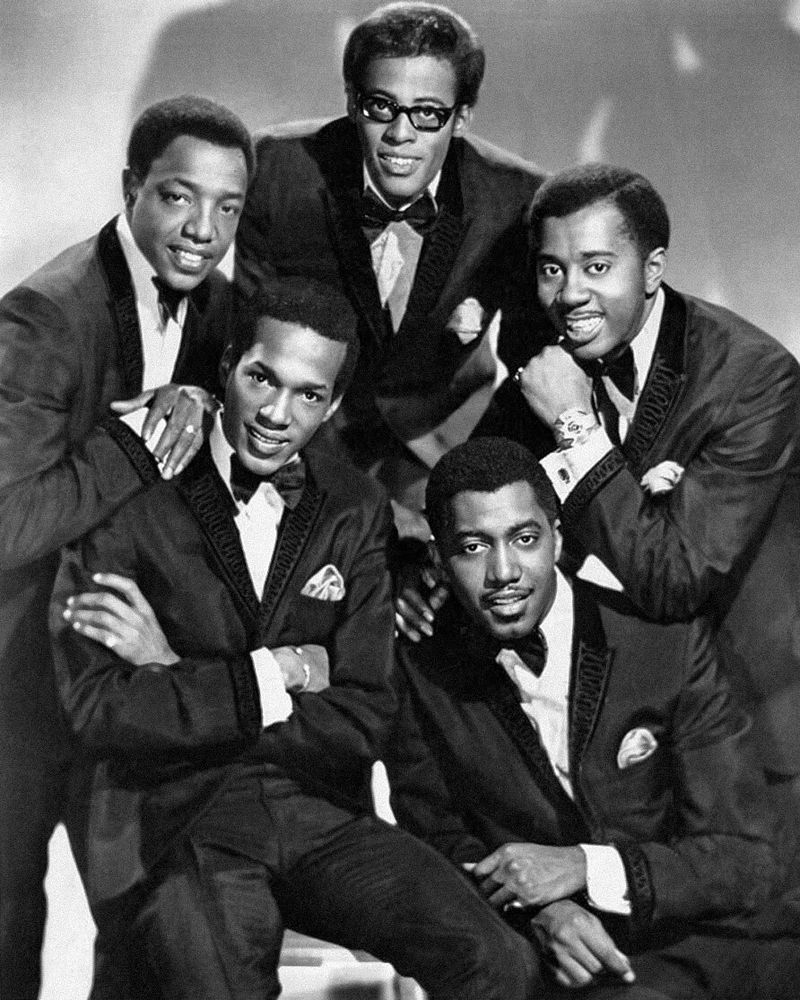
Those first few bass notes and guitar licks are enough to tell you what’s coming. Released in December 1964, “My Girl” became The Temptations’ first number-one single on the US charts and is widely regarded as their signature song.
Written and produced by Smokey Robinson and Ronald White for Motown’s Gordy label, it wrapped up pure joy and devotion in under three minutes. It’s a staple at weddings, parties, and movie soundtracks – the kind of track that instantly warms up a room.
8. Stand by Me – Ben E. King (1961)

Technically from the very start of the decade, this is still one of the songs most associated with the ’60s. Released in 1961, it became a Top Ten hit in the US and later charted again when it was reissued in 1986 for the film of the same name.
Built on a gospel-inspired progression and a steady, reassuring groove, “Stand by Me” has become a universal comfort song. Anytime life feels shaky, these three words still offer a promise: someone will stand by you.
9. What a Wonderful World – Louis Armstrong (1967)
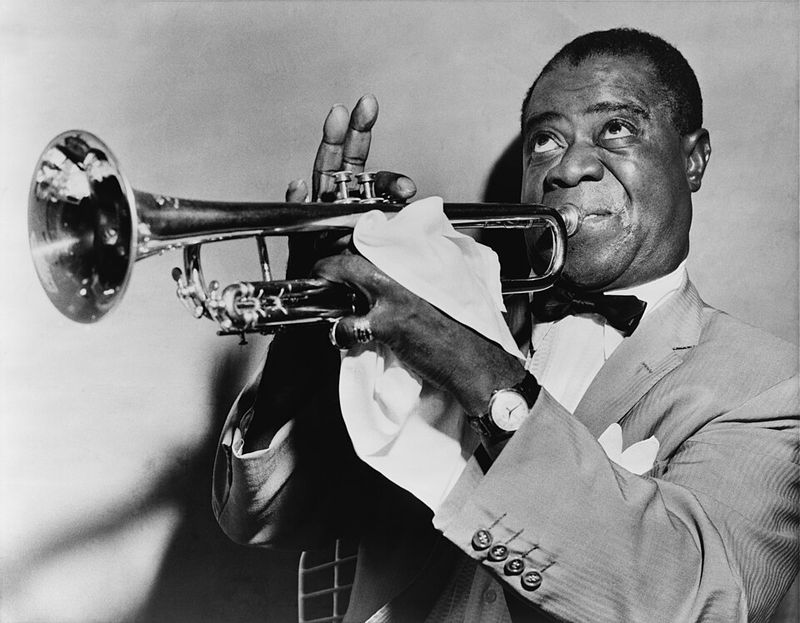
Recorded and released in 1967, Louis Armstrong’s version initially struggled in the US but soared to number one on the UK Singles Chart and ended up the best-selling single in the UK in 1968.
Armstrong’s warm, gravelly voice and the song’s simple, optimistic lyrics feel almost like a quiet prayer for peace in a decade filled with turmoil. It found new life in the late 1980s thanks to the film Good Morning, Vietnam and hasn’t left pop culture since.
10. Yesterday – The Beatles (1965)
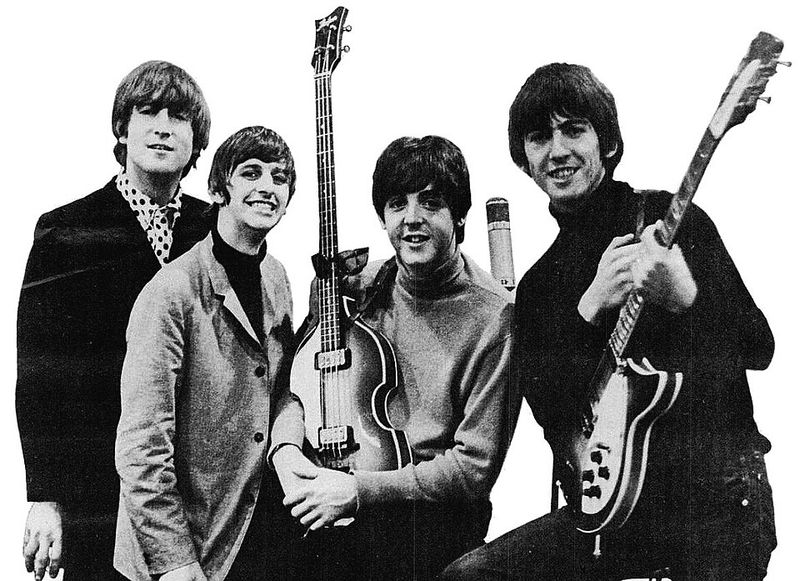
This is one of those songs that sounds like it has always existed. First released on the Beatles’ 1965 album Help! and issued as a single in the US, it quickly went to number one on the Billboard Hot 100.
With just Paul McCartney’s vocal, acoustic guitar and a string quartet, it was essentially the band’s first stripped-back “solo” performance on record. It’s now considered one of the most-covered songs in history, with thousands of recorded versions – proof that heartbreak never really goes out of style.
11. (Sittin’ On) The Dock of the Bay – Otis Redding (1968)
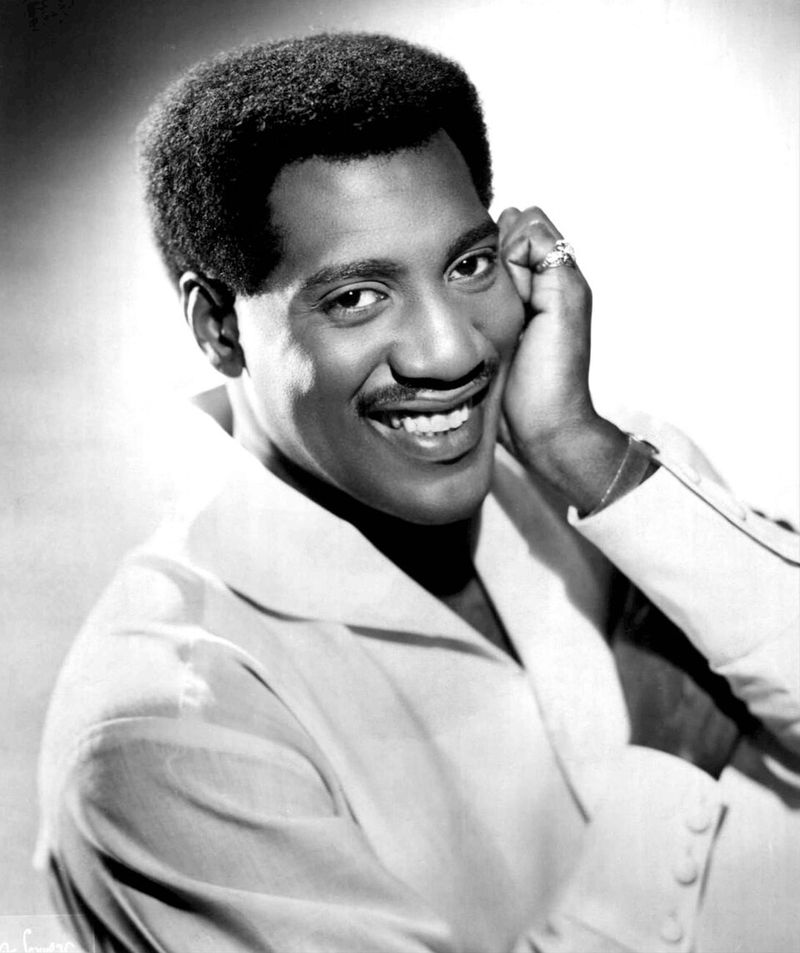
Otis Redding started writing this in 1967 and recorded it shortly before his tragic death that December. The song was released in January 1968 and became the first posthumous number-one single in US chart history.
Mellow, reflective and tinged with loneliness, it showed a more introspective side of Redding’s soul sound. The whistled outro and gentle guitar make it instantly recognizable – and hearing it now still feels like being allowed into someone’s private moment of reflection.
12. Unchained Melody – The Righteous Brothers (1965)
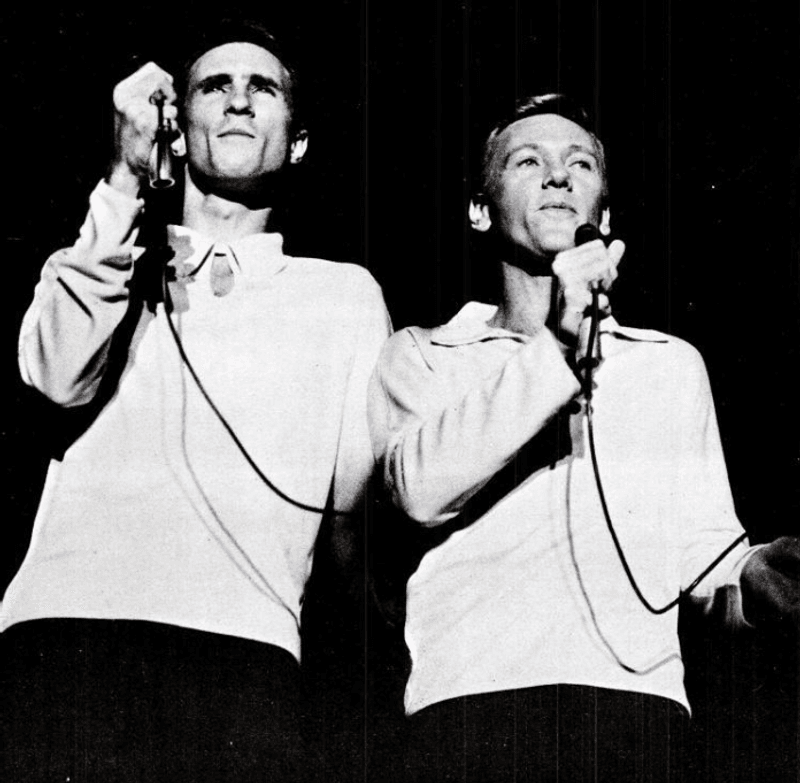
This melody existed before the ’60s, but it’s the Righteous Brothers’ 1965 recording that burned itself into pop history. Released as a single that year, their version became a defining vocal performance and later enjoyed a huge resurgence when it was reissued in 1990.
Bobby Hatfield’s soaring vocal over a dramatic arrangement turned the song into a monument of romantic longing. From slow dances to movie scenes, it’s the soundtrack to countless love stories and heartbreaks.
13. California Dreamin’ – The Mamas & The Papas (1965)
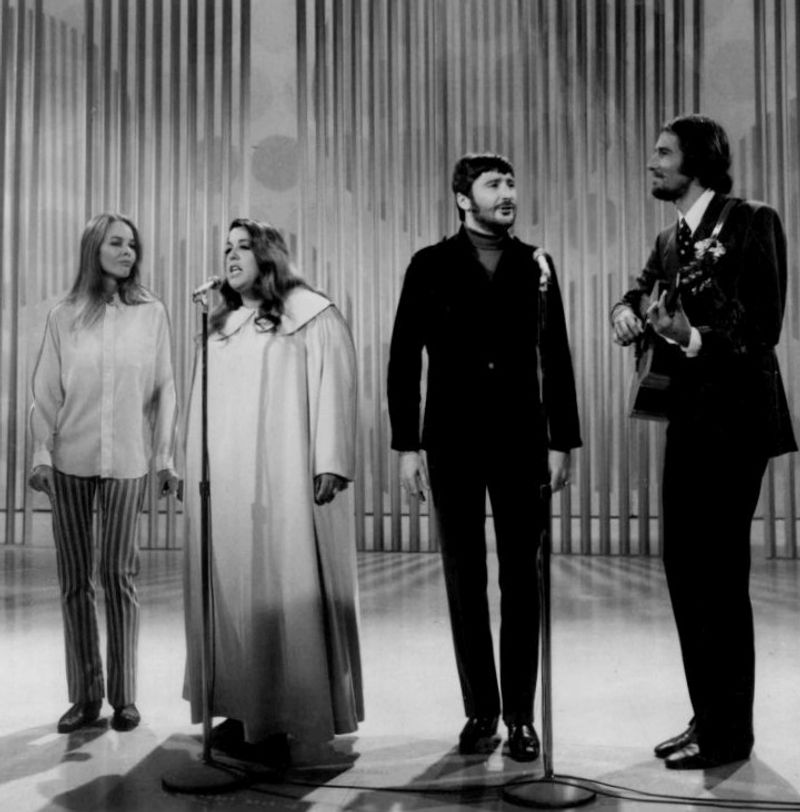
This was written earlier in the decade, but the best-known version was recorded by The Mamas & The Papas and released as a single in December 1965.
With its vivid imagery of a cold winter’s day and longing for the California sun, it became one of the defining tracks of the “California sound” and the 1960s counterculture. Today, just a few bars of those opening flute and vocal lines can transport you straight to a hazy, dreamlike version of the West Coast.
14. Be My Baby – The Ronettes (1963)
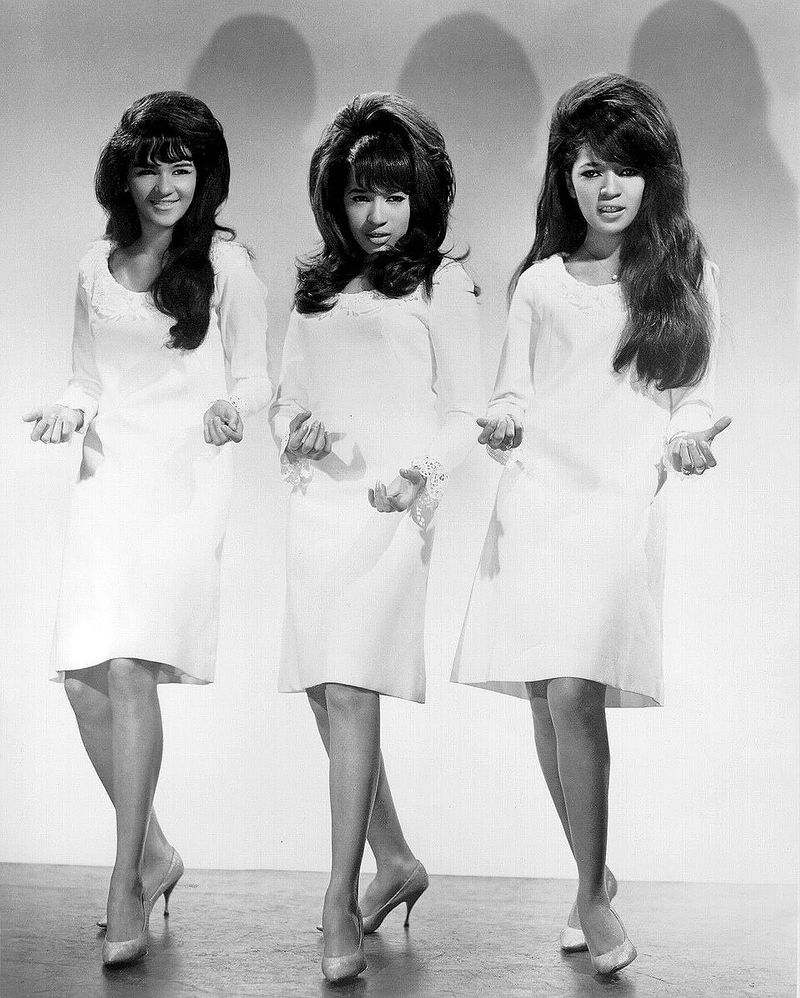
Released in 1963, this delivered one of the most iconic drum intros in pop history and showcased the full power of Phil Spector’s “Wall of Sound” production, paired with Ronnie Spector’s unforgettable vocal.
The song’s influence stretches far beyond the ’60s: everyone from Brian Wilson to Bruce Springsteen has cited it as a key inspiration. Its mix of teenage desperation, huge orchestration and girl-group charm makes it a permanent fixture on “greatest songs of all time” lists.
15. Ain’t No Mountain High Enough – Marvin Gaye & Tammi Terrell (1967)

Written by Nickolas Ashford and Valerie Simpson in 1966, this first became a hit in 1967 when Marvin Gaye and Tammi Terrell recorded it for Motown’s Tamla label.
The duet’s message is simple and powerful: there’s no distance or obstacle big enough to keep real love away. It became a classic in its own right and then reached new heights in 1970 when Diana Ross’s solo version hit number one on the Billboard Hot 100. Whether you hear the original duet or Ross’s re-imagining, the song is pure emotional adrenaline.
Share this story