America is full of places that proudly march to the beat of their own drum. From towns named after game shows to villages that celebrate cryptids and extraterrestrials, these destinations prove that being different is something to celebrate. Pack your sense of adventure and get ready to explore fifteen communities where unusual traditions, eccentric histories, and offbeat attractions make everyday life wonderfully weird.
1. Marfa, Texas — Minimalist art mecca on the high desert

Out in West Texas, where the desert stretches for miles, sits a tiny town that has become one of the most important art destinations in the world. Marfa transformed from a quiet railroad stop into a cultural hotspot thanks to artist Donald Judd, who fell in love with the stark beauty of the high desert. He founded the Chinati Foundation to house massive, permanent art installations that cannot be moved or sold.
Visitors wander through old military buildings filled with shimmering aluminum boxes and outdoor sculptures that play with light and shadow. The town itself has fewer than 2,000 residents but draws art lovers from every continent. Gallery openings, film screenings, and creative energy fill the streets, proving that world-class culture can thrive anywhere, even in the middle of nowhere.
2. Eureka Springs, Arkansas — Vertical Victorian time capsule
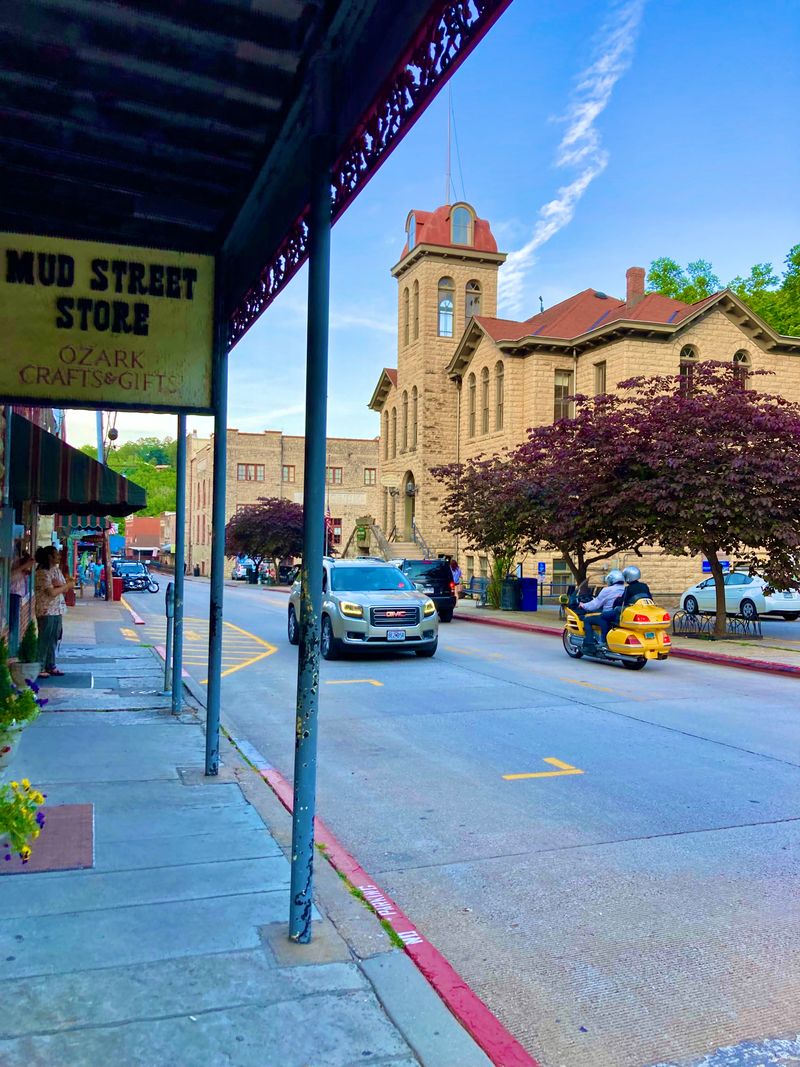
Eureka Springs grew up around natural springs that people believed had healing powers back in the 1800s. Victorian travelers flocked here to take the waters, and they built elaborate homes and hotels clinging to the rocky hillsides.
Walking through downtown feels like stepping into a time machine. Nearly the entire city is listed on the National Register of Historic Places. No two streets run parallel, and you will never find a single stoplight or chain restaurant.
Ghost stories swirl through the old hotels and mansions, adding to the mysterious atmosphere. Artists, musicians, and free spirits have made this their home, keeping the quirky, independent vibe alive.
3. Gibsonton, Florida — The sideshow’s historic winter home
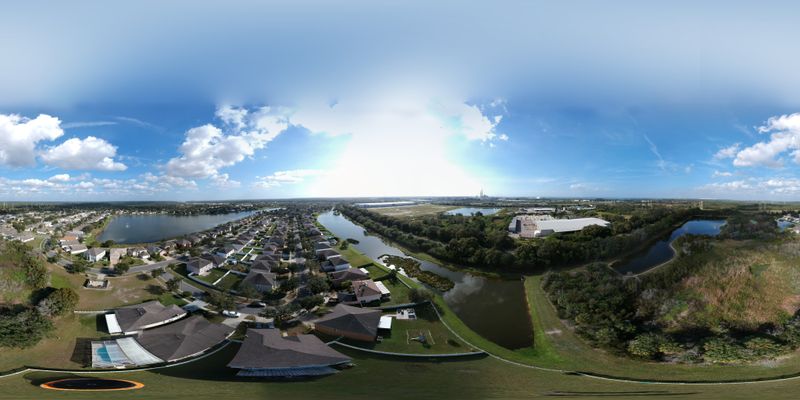
Most Florida towns attract retirees looking for sunshine and golf courses. Gibsonton, known as Gibtown to locals, became the winter headquarters for circus performers and sideshow workers from the 1940s onward. Bearded ladies, sword swallowers, and giant-sized performers all called this place home during the off-season.
The town actually passed special zoning laws allowing residents to keep elephants and circus equipment in their yards. A local restaurant was built with extra-tall stools to accommodate performers of unusual height. While many of the original sideshow stars have passed away, their legacy lives on in local museums and collections.
Old-timers still share stories about their famous neighbors. The community preserves this unique chapter of American entertainment history, celebrating the outsiders who found acceptance here.
4. Leavenworth, Washington — America’s Bavarian village
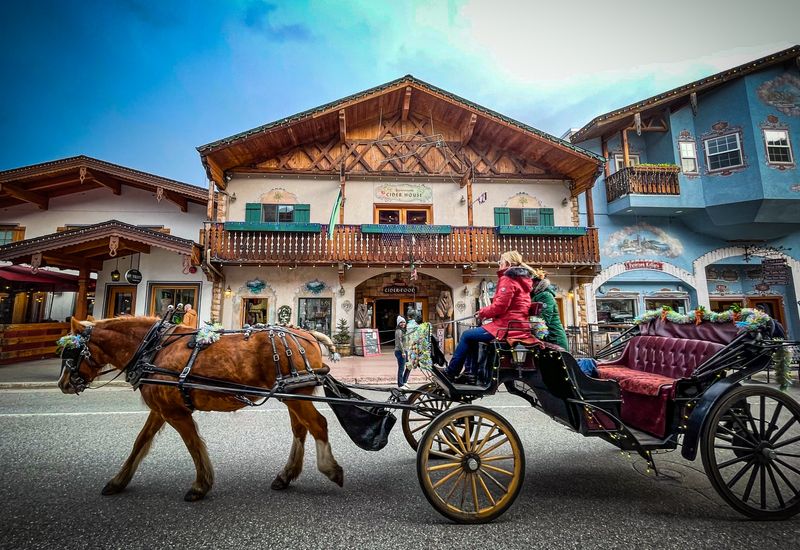
Picture a struggling logging town facing economic collapse in the 1960s. Community leaders made a bold choice: transform the entire downtown into a Bavarian alpine village to attract tourists. Every building got a makeover with timber beams, painted murals, and flower boxes bursting with geraniums.
The gamble paid off spectacularly. Today, visitors stroll streets that look lifted straight from the German Alps, complete with accordion music drifting from restaurants serving schnitzel and strudel. Seasonal festivals celebrate Oktoberfest, Christmas, and springtime with authentic enthusiasm.
Recent winter storms have tested the town, but the Bavarian theme endures. Shop owners wear lederhosen, and even the Starbucks follows the alpine design rules. What started as a desperate economic experiment became a beloved destination that proves reinvention can save a community.
5. Solvang, California — A slice of Denmark in Santa Ynez
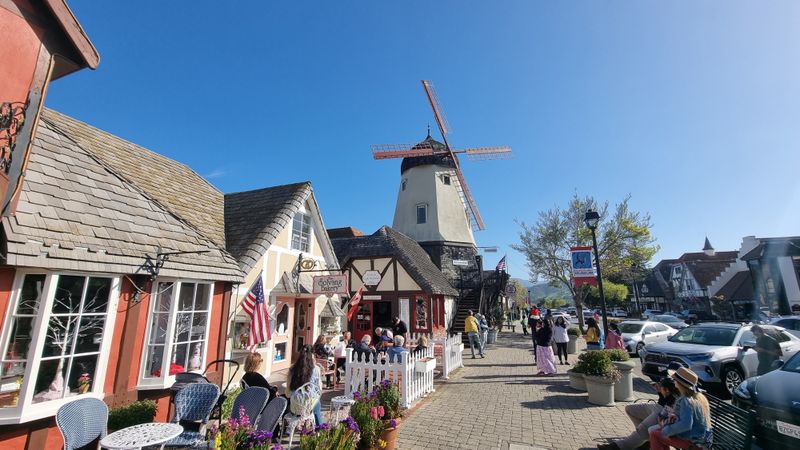
Danish immigrants founded this community in 1911, hoping to preserve their language and traditions far from home. They succeeded beyond their wildest dreams, creating what many call the Danish Capital of America. Windmills spin above streets lined with half-timbered buildings that could have been transported from Copenhagen.
Bakeries fill the air with the scent of aebleskiver, traditional Danish pancake balls dusted with powdered sugar. Museums showcase Scandinavian heritage, and shops sell everything from wooden clogs to hand-painted ceramics. Even the streetlights and fire hydrants follow the Danish theme.
Families come to taste authentic pastries, explore Hans Christian Andersen museums, and snap photos beside the iconic windmills. The town proves that cultural heritage can thrive and even flourish when transplanted to new soil with love and dedication.
6. Roswell, New Mexico — UFO central

Something crashed on a ranch outside town in 1947, and Roswell has never been the same. Whether you believe it was a weather balloon or an alien spacecraft, the incident put this desert community on the map forever. Rather than run from the controversy, Roswell embraced its extraterrestrial reputation with both arms.
The International UFO Museum and Research Center examines the evidence and lets visitors decide for themselves what happened. Downtown businesses sport alien-themed signs, and streetlights are shaped like cartoon alien heads with big black eyes.
Gift shops overflow with space-themed souvenirs, from alien bobbleheads to UFO keychains. Annual festivals bring believers and skeptics together to celebrate the mystery. Roswell turned one mysterious night into a permanent identity that keeps curiosity alive.
7. Salem, Massachusetts — Witch-trial lore meets modern indie culture
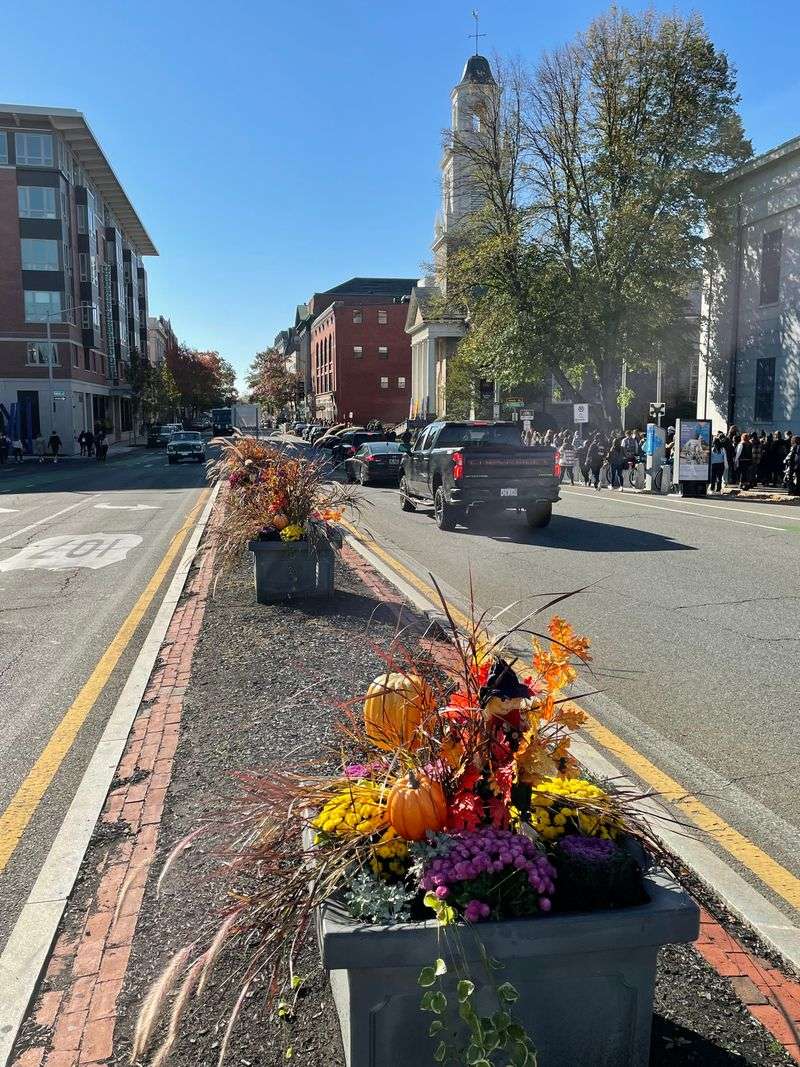
Few American towns carry the weight of history quite like Salem. The witch trials of 1692 remain one of the darkest chapters in colonial America, when fear and hysteria led to the execution of innocent people accused of witchcraft. Modern Salem honors those victims while building a vibrant, quirky community around that complex past.
Museums and memorials educate visitors about what really happened, separating fact from fiction. Historic streets lined with 17th-century architecture lead to indie boutiques, occult shops, and cozy cafes. October transforms the entire city into a month-long Halloween celebration.
Year-round, Salem balances respect for tragedy with celebration of creativity and nonconformity. Artists, witches, historians, and families all find a home here. The city shows how communities can acknowledge painful history while moving forward with hope and acceptance.
8. Casey, Illinois — Big Things, Small Town

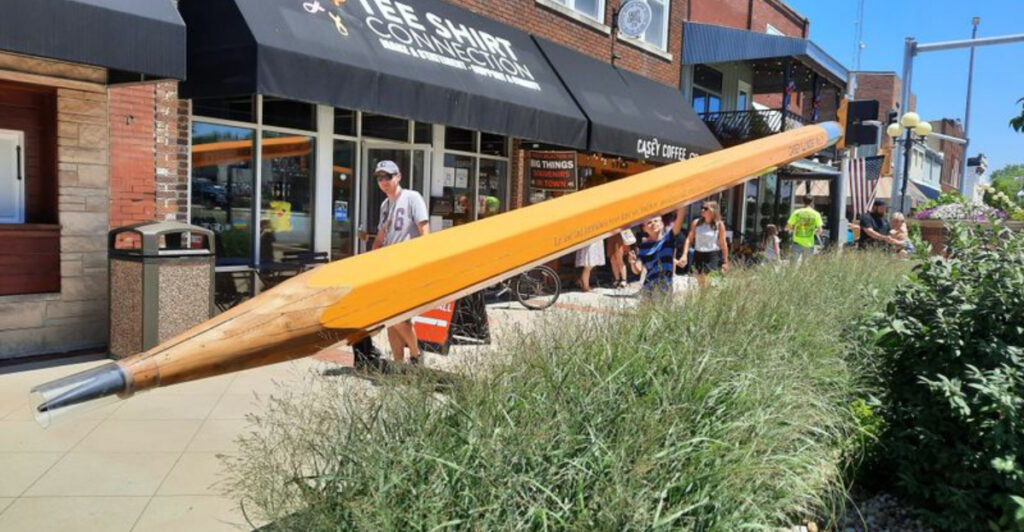
What do you do when your small farming town needs a boost? If you are Jim Bolin of Casey, you start building the world’s largest everything. This community holds multiple Guinness World Records for supersized objects scattered throughout downtown. A rocking chair towers three stories high, big enough for giants to use.
Wander the streets and you will find the world’s largest wind chime, golf tee, pitchfork, mailbox, and wooden shoes, among many others. Each massive sculpture becomes a photo opportunity that draws road-trippers from across the country.
Local businesses benefit from the tourist traffic, and residents take pride in their town’s playful spirit. Casey proves that creativity and a sense of humor can put even the smallest dot on the map. The big things really do make a difference in this small town.
9. Bisbee, Arizona — Bohemian mining town in the Mule Mountains
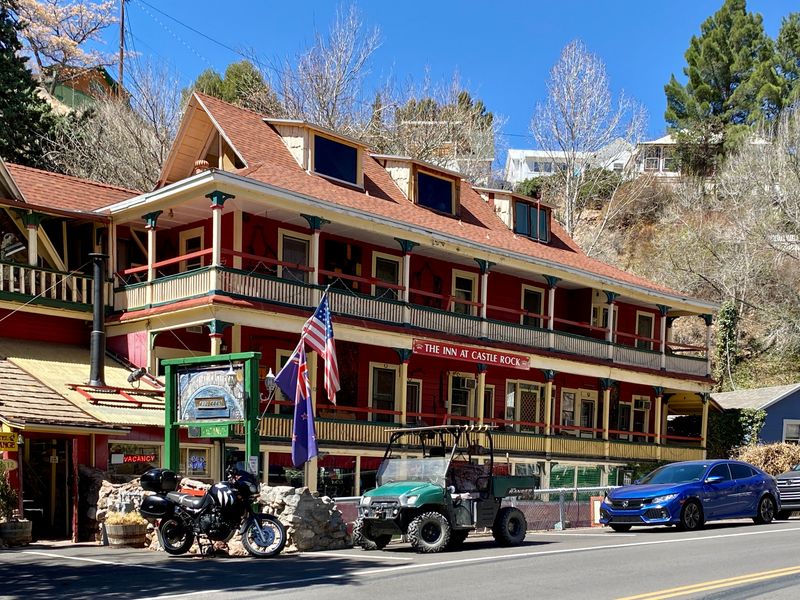
Copper made Bisbee boom in the early 1900s, when miners dug deep into the Mule Mountains and built a town on impossibly steep hillsides. When the mines closed, the town could have died. Instead, artists and free spirits discovered the affordable Victorian homes painted in wild colors and the creative energy lingering in the mountain air.
Today, galleries and studios fill old storefronts, while mine tours take visitors underground to experience the town’s gritty past. Streets twist and climb at angles that challenge even the fittest walkers. No chain stores interrupt the authentic, slightly funky downtown vibe.
Residents range from retired miners to young painters to musicians drawn by cheap rent and inspiring scenery. Bisbee’s oddball charm comes from this unlikely mix of mining heritage and artistic rebellion.
10. Jerome, Arizona — Ghost-town-turned-artist-enclave
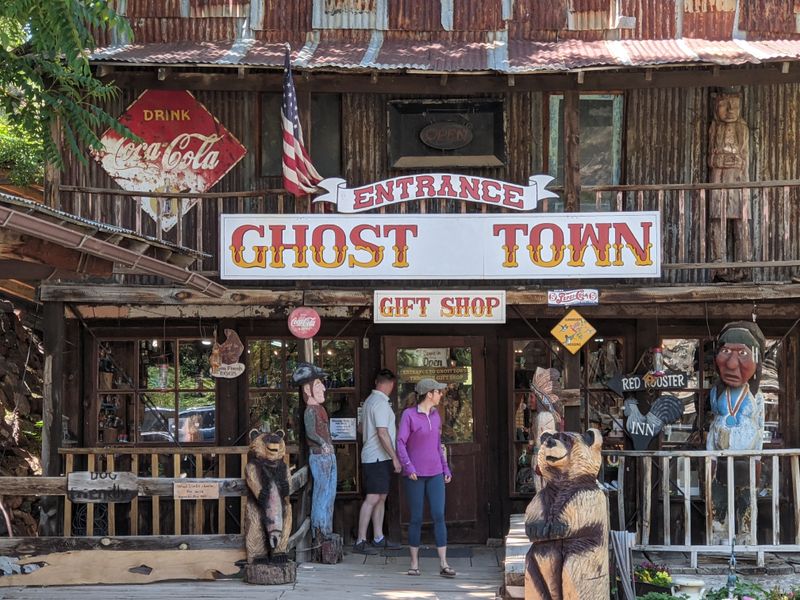
Perched precariously on Cleopatra Hill, Jerome once housed 15,000 copper miners and was known as the wickedest town in the West. Saloons, brothels, and gambling halls lined the streets until the mines went bust in the 1950s. The population plummeted to fewer than 100 souls, and buildings sat empty for years.
Artists began trickling in during the 1960s, drawn by cheap real estate and stunning views of the Verde Valley. They converted old boarding houses into galleries and shops. Ghost stories about the town’s rowdy past attract paranormal enthusiasts who swear the spirits of miners still roam.
Jerome State Historic Park preserves mining equipment and tells the boom-and-bust story. Today, this mountainside community balances tourism, art, and history in a way that honors its gritty roots while embracing a creative future.
11. Truth or Consequences, New Mexico — The town that renamed itself
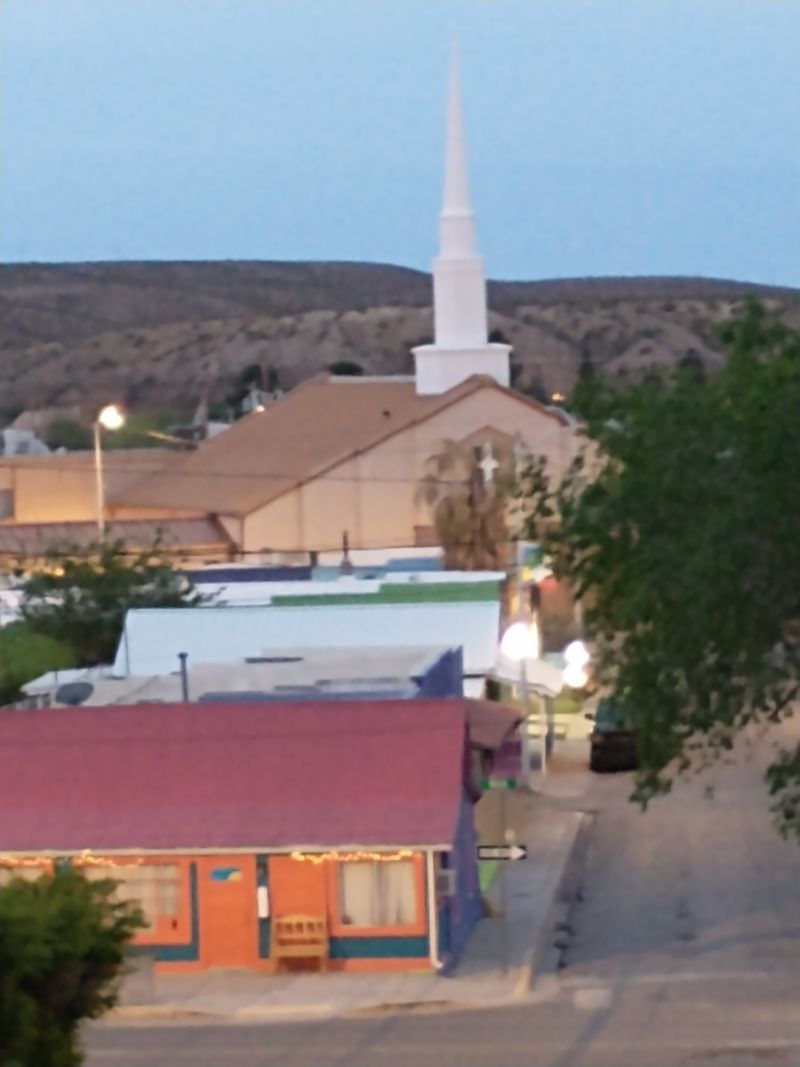
Back in 1950, a popular radio show called Truth or Consequences announced it would broadcast from any town willing to rename itself after the program. Hot Springs, New Mexico, jumped at the chance for national publicity. On April 1st, residents voted to change their town’s name, and the host kept his promise.
Decades later, the unusual name still turns heads and sparks conversations. Natural hot springs continue to draw visitors seeking relaxation in mineral-rich waters. Historic bathhouses have been renovated, and new spas keep the soaking tradition alive.
Annual festivals celebrate the town’s quirky decision with parades and games inspired by the original radio show. What started as a publicity stunt became a permanent identity that perfectly captures the town’s playful, unconventional spirit and love of warm, healing waters.
12. Yellow Springs, Ohio — Artsy, free-spirited village
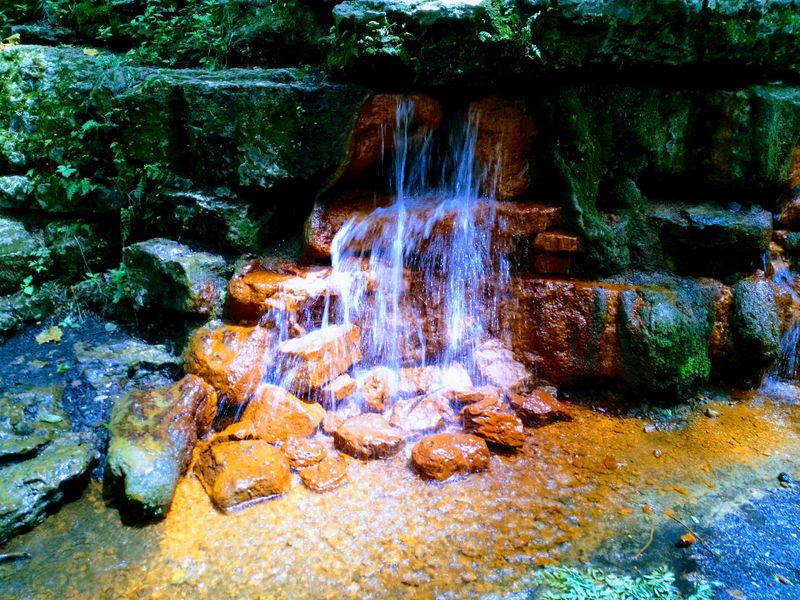
Antioch College has shaped Yellow Springs since 1850, bringing progressive ideas and creative students to this small Ohio village. The college’s commitment to social justice, environmental activism, and experimental education spilled into the surrounding community. What emerged is a town that feels more like a Vermont enclave than a Midwest farming community.
Downtown bursts with color from street murals, quirky shop signs, and outdoor art installations. Independent bookstores, fair-trade coffee shops, and vegetarian restaurants line the main drag. Street performers and musicians add to the lively atmosphere on warm weekends.
Nearby nature preserves offer hiking trails and waterfalls just minutes from downtown. Residents embrace sustainability, diversity, and nonconformity as core values. Yellow Springs proves that a small town can maintain a big, open-minded spirit when education and creativity take center stage in community life.
13. Point Pleasant, West Virginia — Mothman country
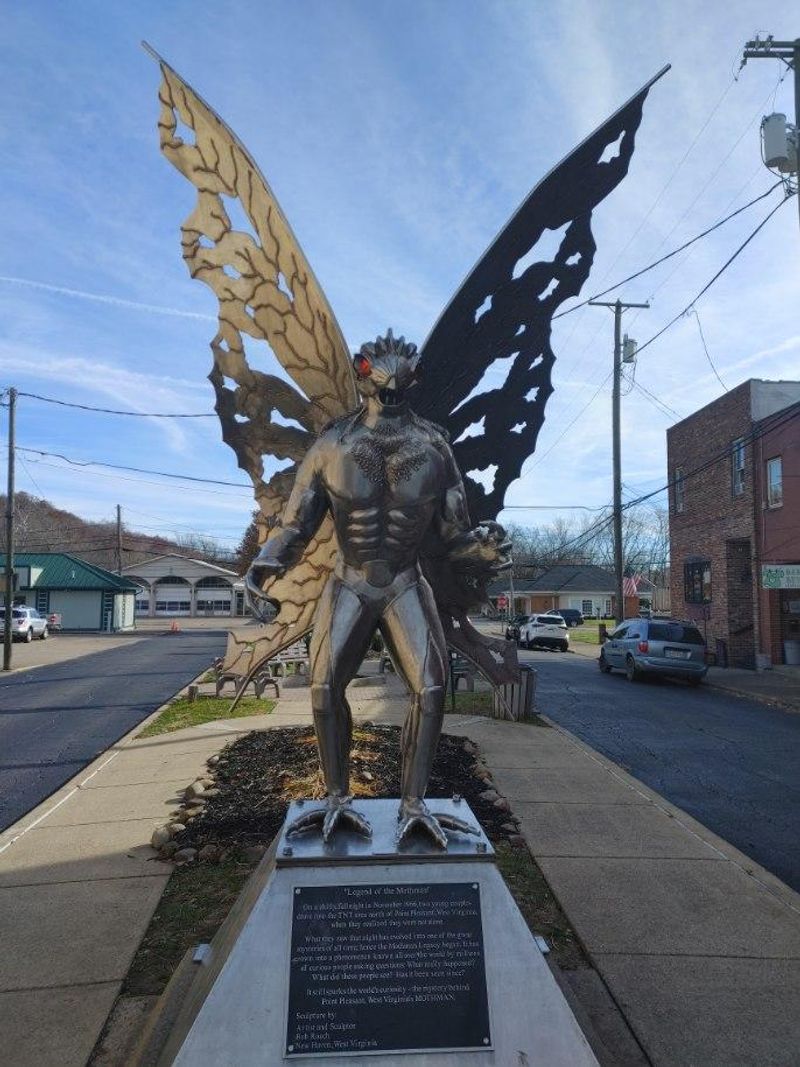
Between November 1966 and December 1967, residents reported seeing a terrifying creature with glowing red eyes and massive wings near an old munitions plant. Witnesses described it as taller than a man, with wings that stretched seven feet or more. Thirteen months of sightings ended tragically when the Silver Bridge collapsed, killing 46 people.
Some believe the Mothman was warning of disaster; others think mass hysteria explains the reports. Either way, Point Pleasant embraced its cryptid fame. The world’s only Mothman Museum displays eyewitness accounts, newspaper clippings, and theories about what people really saw.
A metallic Mothman statue with blazing red eyes stands downtown, perfect for selfies. Annual festivals bring cryptid enthusiasts together to celebrate the mystery. Point Pleasant turned a frightening legend into a source of community pride and tourist dollars.
14. Metropolis, Illinois — Superman’s official hometown
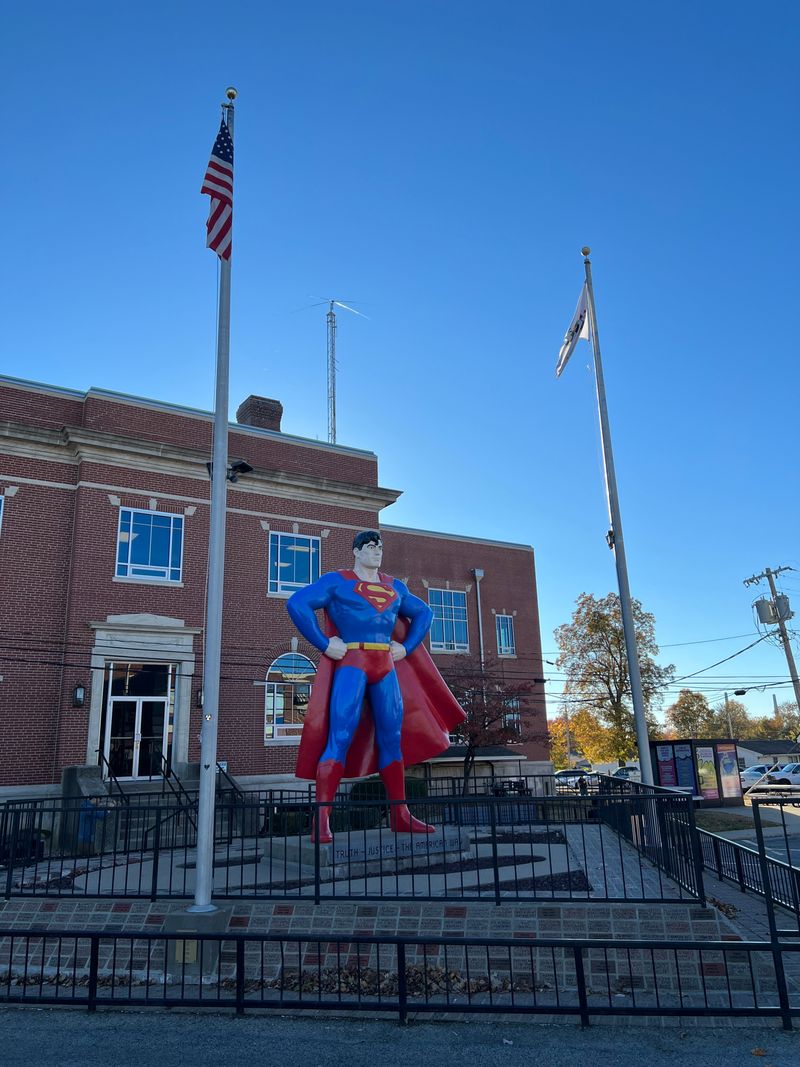
When DC Comics needed a hometown for Superman, they chose the fictional city of Metropolis. This small Illinois town already had the name, so residents decided to make the connection official. In 1972, they erected a 15-foot bronze Superman statue that has become a pilgrimage site for comic book fans.
The Super Museum houses one of the world’s largest Superman collections, with vintage comics, movie props, and memorabilia spanning eight decades. Every June, the Superman Celebration brings thousands of fans to town for costume contests, celebrity guests, and all things Kryptonian.
Gift shops sell Superman merchandise year-round, and themed murals brighten downtown buildings. For a small river town, Metropolis found the perfect superhero identity. Embracing the Man of Steel gave this community a unique brand that celebrates American pop culture and small-town pride.
Share this story