Oregon just changed the travel game for everyone. As the first state in the U.S. to be Accessibility Verified by Wheel the World, it proves inclusive adventures can be the norm, not the exception. You can finally plan with confidence using real data instead of vague promises. Keep reading to see how this milestone makes your next Oregon trip smoother, safer, and more exciting.
Oregon Leads With Statewide Accessibility Verification

Oregon set a new benchmark by becoming the first state to earn Accessibility Verified status from Wheel the World. This means hotels, attractions, and restaurants have been evaluated using detailed, on-the-ground criteria. You can expect concrete data about ramps, elevators, parking, and more.
Instead of guessing, travelers filter for needs like roll-in showers or visual alerts. That transparency removes stress and saves time. Planning feels empowering when you know the details match real experiences.
It is not just an accolade. It is a commitment to inclusion across urban and rural destinations. Oregon made accessibility part of its travel DNA.
What Accessibility Verified Really Means
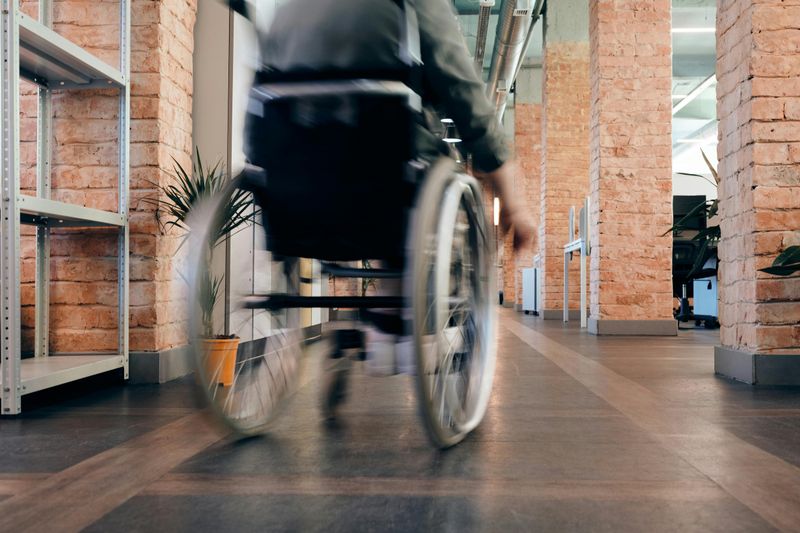
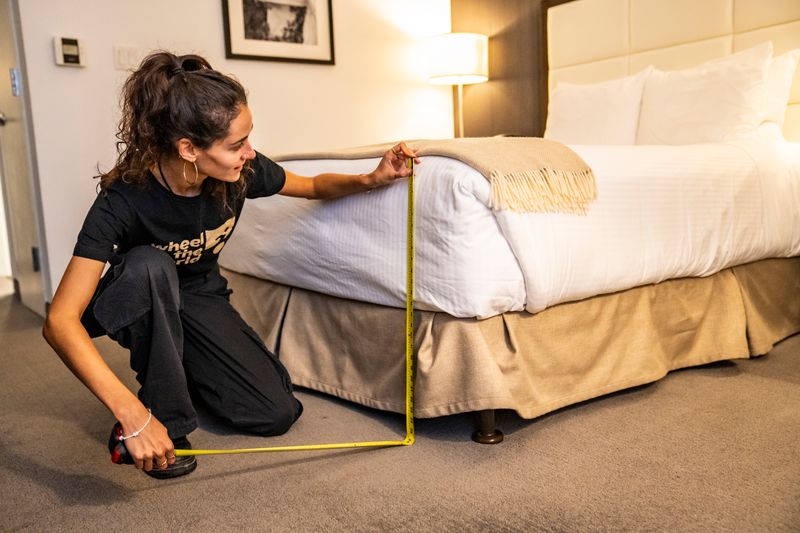
Accessibility Verified is more than a badge. Wheel the World uses trained mappers to document features across properties and attractions. It captures specifics like doorway width, bed height, slope measurements, and hearing support systems.
That data gets published so you can compare options without guesswork. Instead of marketing fluff, you get measurements and photos. If you use a wheelchair or need visual alerts, those filters are ready.
Travel becomes predictable in a good way. You book with confidence and show up knowing what to expect. That is how trust is built at scale.
Beyond Portland: Coverage Across the State
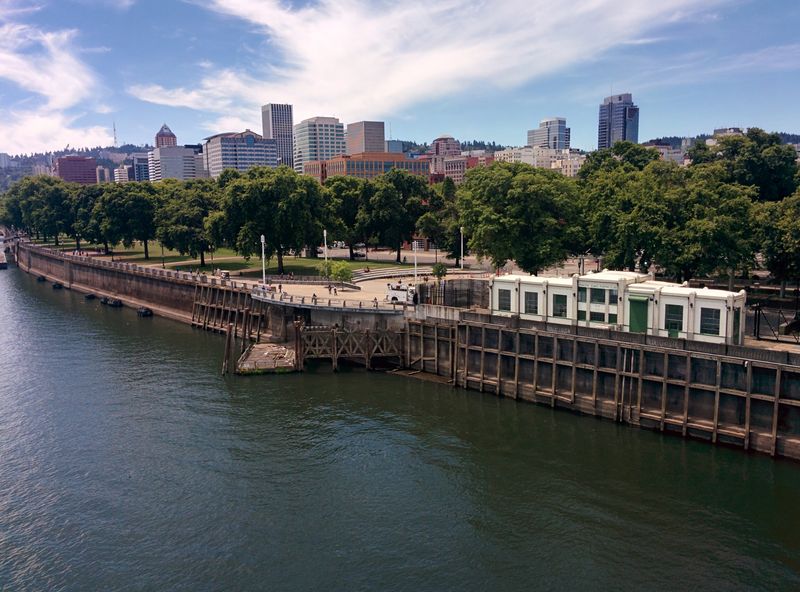
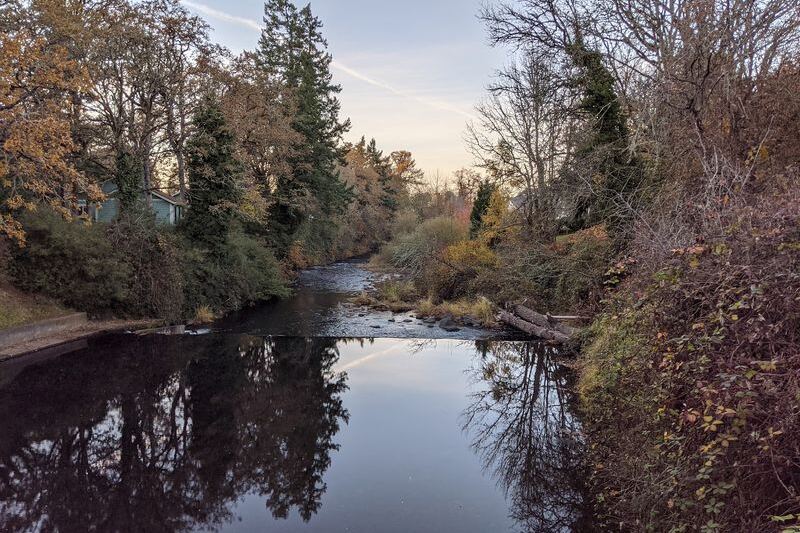
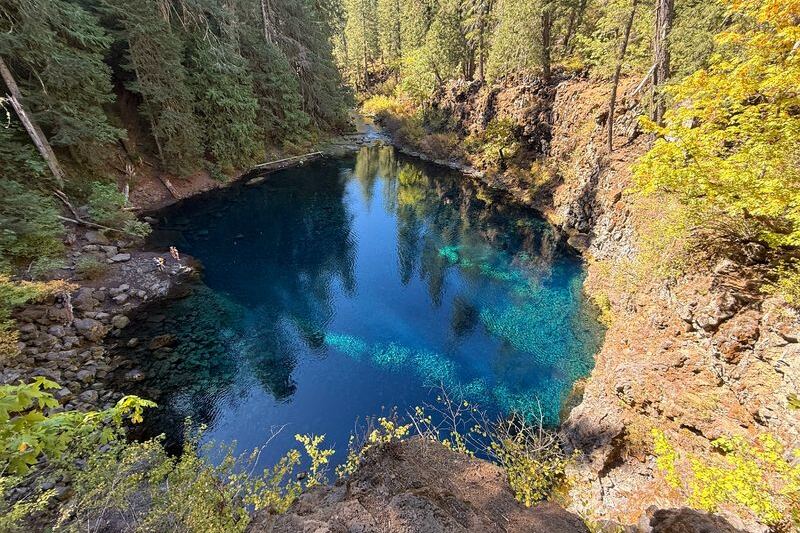
This initiative reaches far beyond Portland. Bend, Eugene, the Oregon Coast, and the Columbia River Gorge are part of the verified network. You can pair stunning landscapes with dependable accessibility.
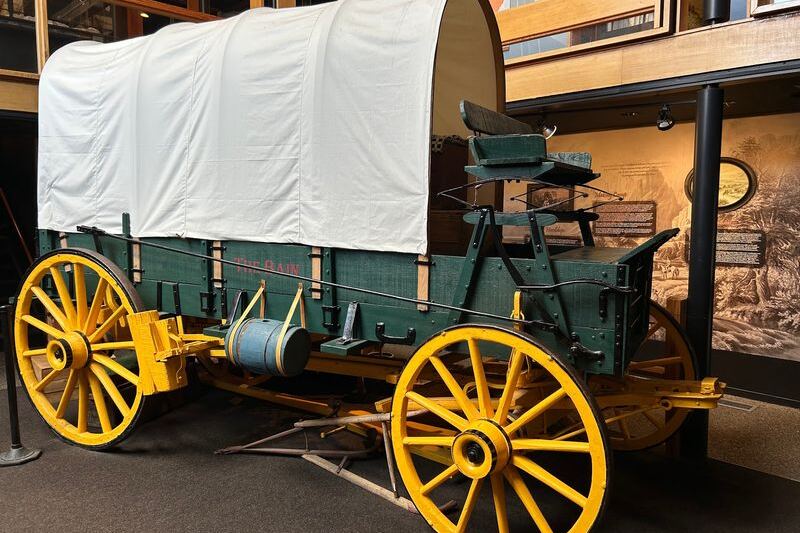
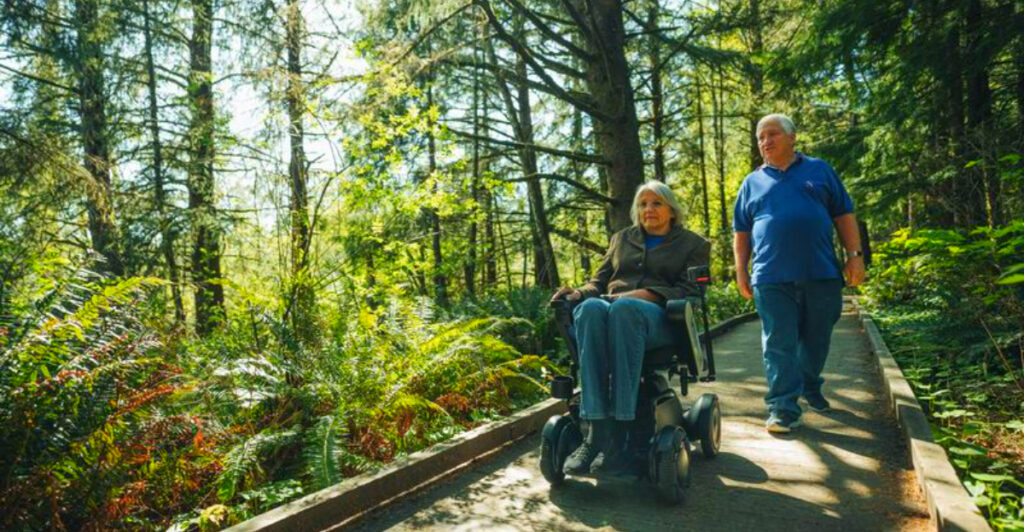
Think beach wheelchairs on coastal boardwalks or step-free access at museums in mid-sized cities. Trails with clear grade details help you choose routes confidently. Rural gems get visibility too.
That statewide approach matters. It means a road trip can include small towns and big views without sacrificing accessibility. Your itinerary is freer, your options wider, and your experience more authentic.
How Verification Was Done: Data and On-site Checks
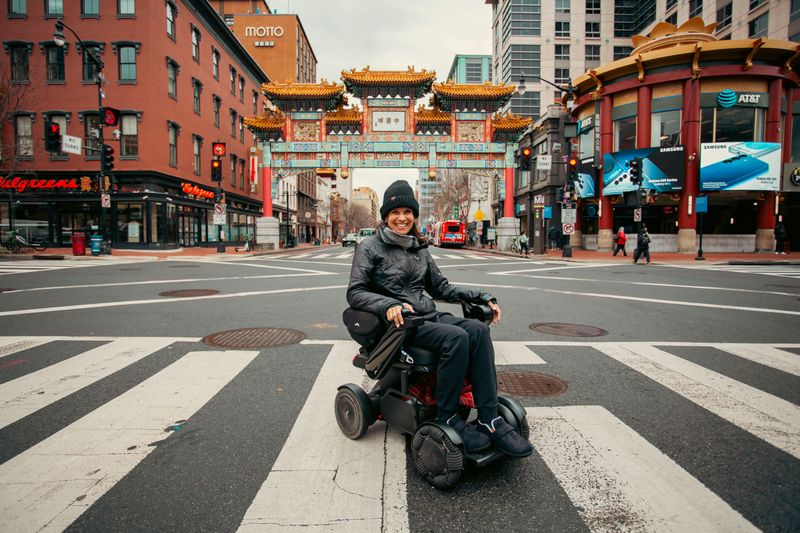
Wheel the World conducted in-person verifications across Oregon, visiting hundreds of businesses. Trained evaluators measured slopes, door widths, bed heights, and elevator dimensions. They also documented policies like service animal acceptance and staff training.
You get clarity on details that shape comfort, like turning radius in bathrooms and shower thresholds. Photos and standardized fields reduce ambiguity. It is the difference between hope and proof.
That rigor scales across hotels, restaurants, museums, and tours. The result is a living database you can trust. Real-world checks make real-world travel work.
Why This Sets a National Standard
Oregon partnered with Wheel the World at a statewide level, a first for the U.S. That collaboration signals a new model for tourism boards. Instead of scattered efforts, there is coordinated verification and shared data.
When a state proves this is doable, others follow. You benefit from consistency, whether booking a city hotel or a coastal inn. Standards raise expectations everywhere.
This is not theoretical. It is a template other states can adopt quickly. The payoff is clear: better information, better trips, and stronger economic returns from inclusive tourism.
Planning Your Accessible Trip With Confidence
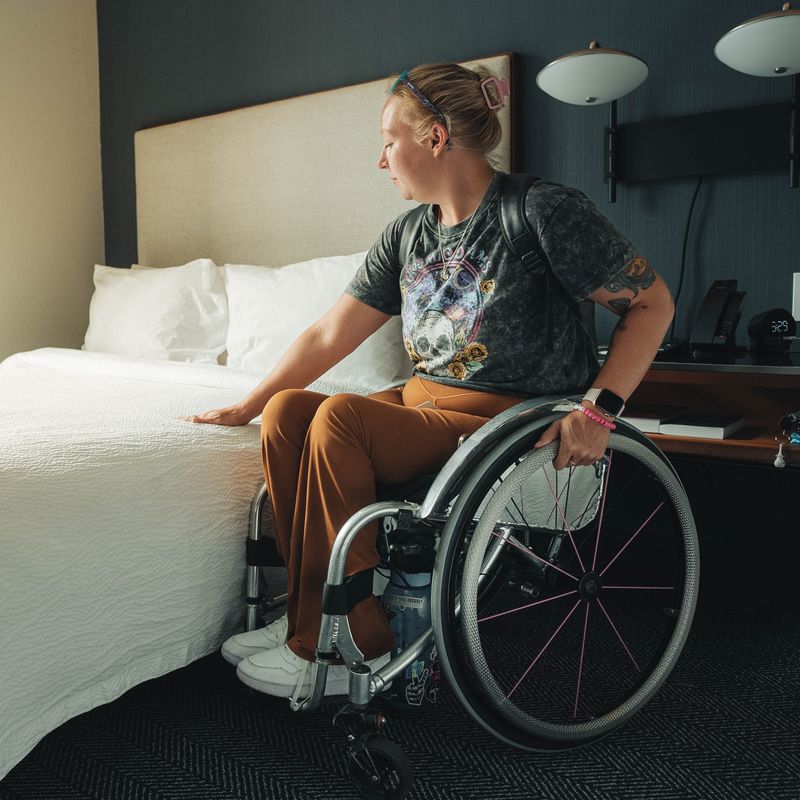
Start at WheelTheWorld.com and filter by what matters to you: roll-in showers, step-free entrances, visual alerts, or hearing support. Listings include measurements, photos, and policy notes. You can compare options without endless calls.
Build an itinerary that fits your pace. Book rooms, tours, and attractions with verified details. That certainty frees up energy for the fun stuff.
Bring your questions and save favorites as you plan. Oregon’s network keeps growing, so check back often. Confident planning turns into confident travel the moment you arrive.
Benefits For Travelers and Local Businesses
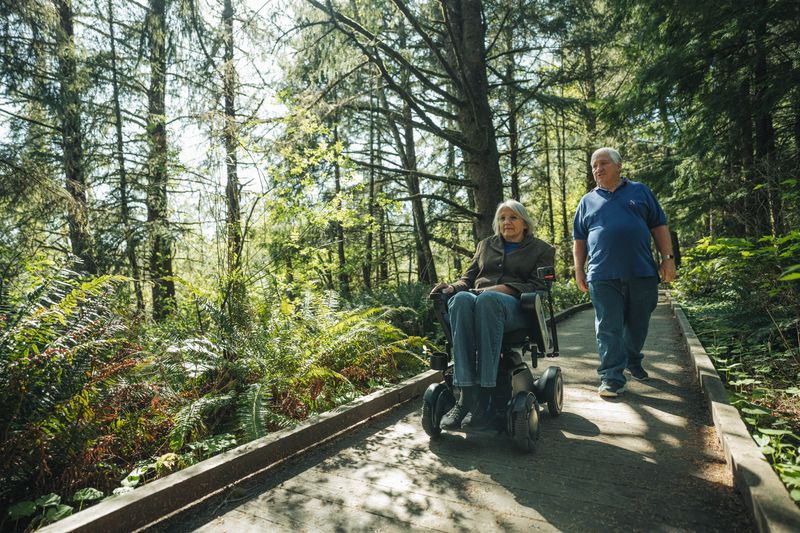
Clear accessibility details reduce friction for travelers and open doors for businesses. Hotels and restaurants get more bookings from people who finally trust the information. Staff gain clarity on expectations and training.
Museums and tour operators reach wider audiences, including families and friends traveling together. Accessibility is good hospitality, and it shows in reviews and loyalty. Everyone wins when communication is specific.
The economic impact is real. Inclusive travel is a multi-billion-dollar market. Oregon’s approach helps local communities thrive while doing the right thing.
What Comes Next: Momentum and Meaning
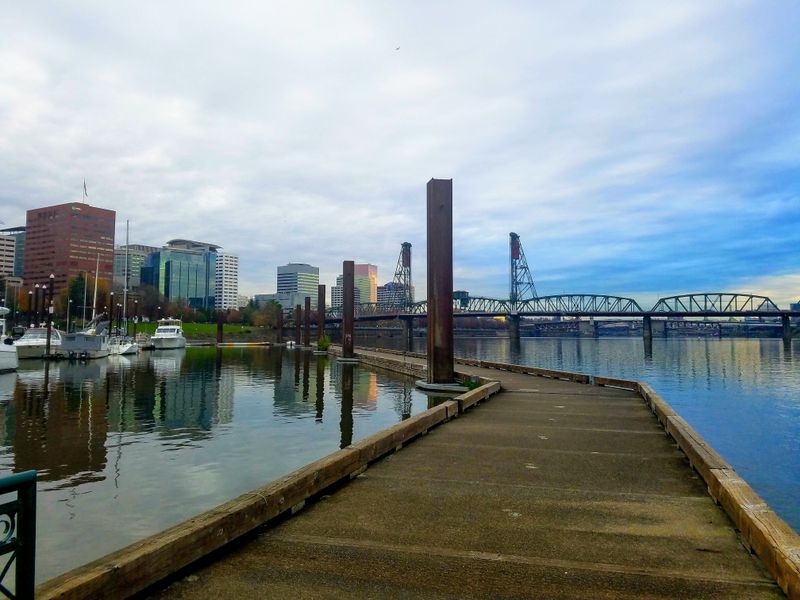
With Oregon leading, more states are likely to join. You will see larger networks, better filters, and richer details. The goal is simple: fewer barriers and more joy in every trip.
This matters because over one in four Americans lives with a disability. Accessibility is not a niche need. It is everyday life for millions of travelers and their companions.
Oregon proved progress can be practical and beautiful. The next chapter belongs to all of us. Keep the momentum going by choosing verified options and sharing feedback.
Share this story