Some everyday moments from the 1960s now feel like artifacts from another planet. Your grandkids tap and swipe, while you once clicked, wound, and waited. This tour through familiar relics will spark memories you can almost touch, hear, and smell. Keep reading, because each item reveals how daily life worked before everything fit in a pocket.
1. Rotary phones

Before speed dial, you placed a finger in a numbered hole and spun the dial, click by click. Mess up the last digit, and you started over, patience required. The whirring return felt satisfying, but calling long distance could be an event.
You memorized numbers because there was no contact list. Cords tangled, receivers clicked, and privacy meant stretching the line into the hallway. If you grew up with swipes, the rhythm of pulses and clicks feels downright mysterious.
2. Typewriters
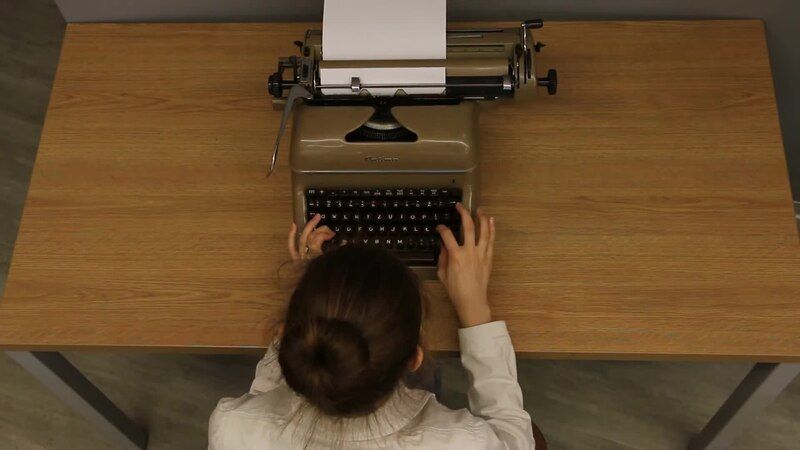
Writing meant pressing heavy keys that slapped inked letters onto paper. Typos were battles, fixed with white correction fluid, eraser wheels, or retyping the whole page. The clack and ding formed a soundtrack of concentration you could feel in your fingertips.
Margins were manual, ribbons smudged, and carriage returns required a firm push. You learned to commit to sentences before hitting a key. Compared with effortless backspace, a typewriter taught deliberate thought and steady rhythm.
3. Slide projectors
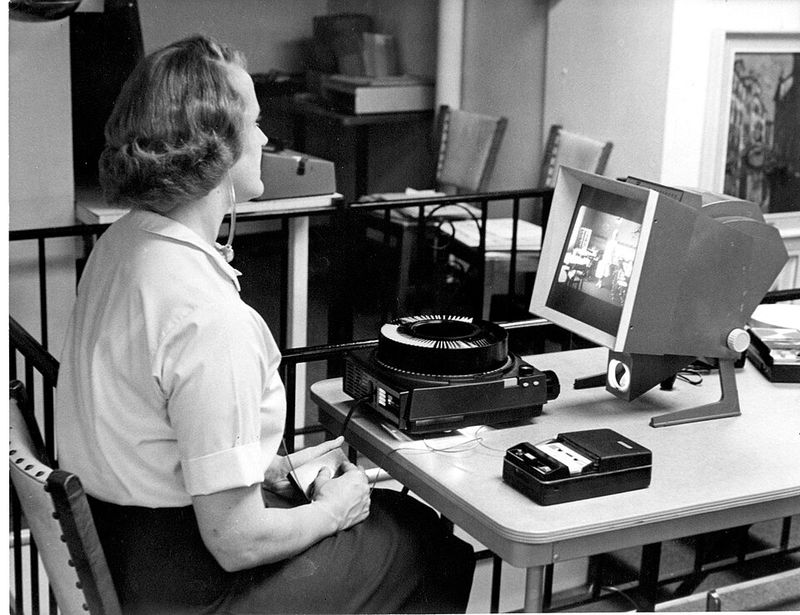
Family photo night meant dimming the lights and clicking through slides that glowed on a wall. Each frame sat in a little mount, sometimes upside down if you rushed. The carousel jammed occasionally, adding drama and laughter to vacation memories.
You heard the fan hum and felt heat from the bulb while waiting between each click. Dust flecks danced across faces like tiny comets. Compared with instant swiping, the ritual turned photos into a shared event.
4. Milk delivery in glass bottles
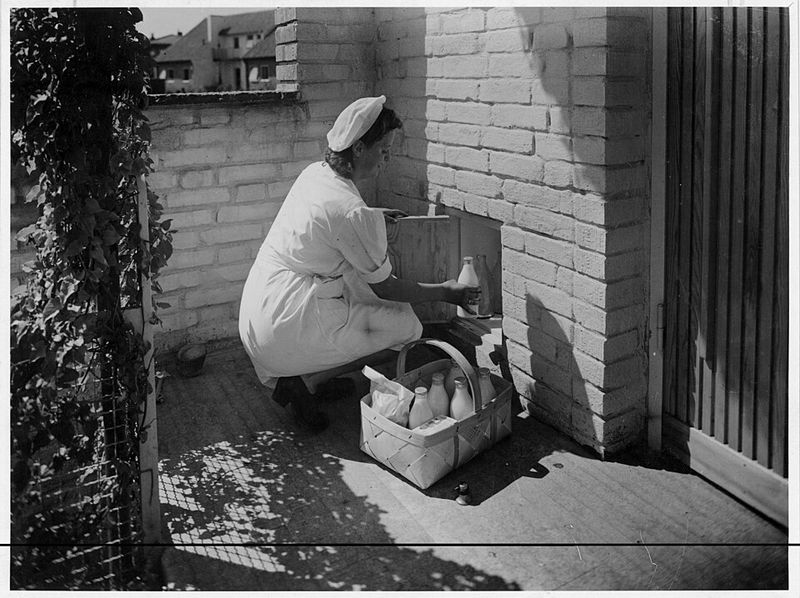
Mornings began with clinking bottles on the porch and cream rising to the top. A metal carrier, reusable caps, and a note for the milkman handled your order. Empties went back, washed, and refilled long before recycling bins existed.
Cold glass kept milk tasting fresh, and winter sometimes popped the tops. You learned your household’s rhythm by how many bottles returned. Today’s cartons feel disposable compared with that weekly ritual of doorstep trust.
5. Transistor radios
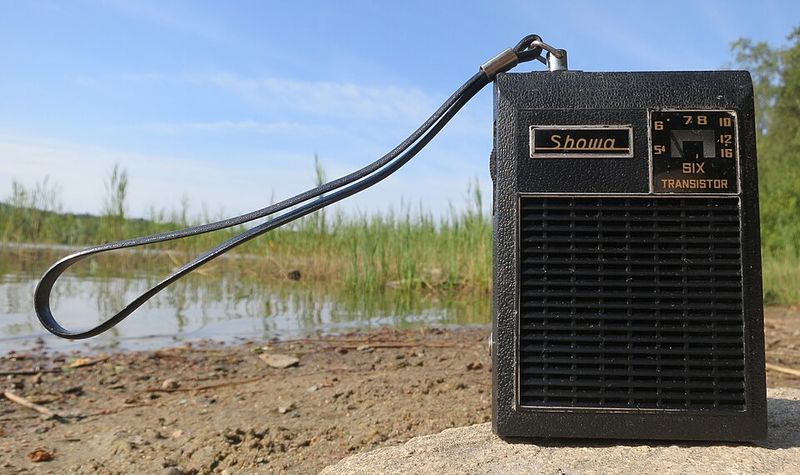
Palm sized and battery powered, these radios brought baseball games and Top 40 anywhere. You learned to twist the dial just right, fighting static for a perfect station. The tinny speaker still felt magical during late night listening under blankets.
No playlists, only what the airwaves offered, which made discovery special. Sharing an earbud was not a thing, but passing the radio around was. Portability started here, long before streaming followed you everywhere.
6. Payphones
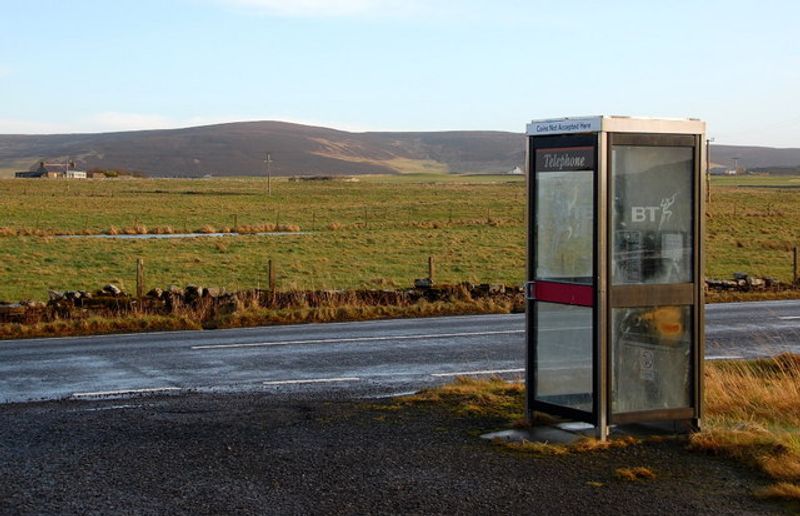
Urgent calls meant hunting for a booth, fishing for coins, and hoping for a dial tone. You kept quarters or dimes just for emergencies, tucked into pockets or shoes. Privacy came from a glass door that muffled traffic and rain.
Phone books dangled in metal cradles, pages wrinkled and torn. If the line clicked or ate your coins, tough luck. Today’s endless minutes make the clatter of coins feel oddly heroic.
7. Drive-in movie theaters
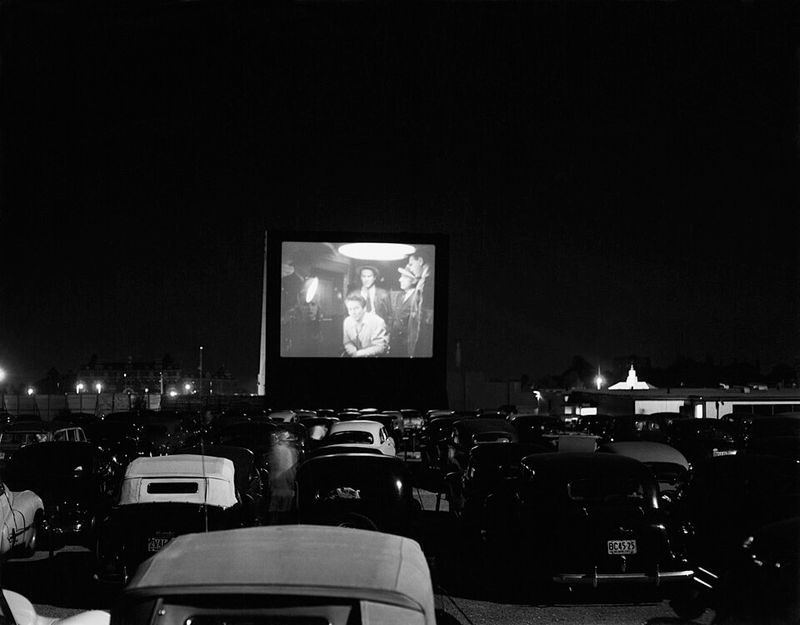
Saturday night meant piling into the car with popcorn and blankets. A speaker hung from the window or audio played through a crackly car radio. Kids watched the first feature and dozed during the second under starry skies.
Concession stands smelled like burgers and butter, and headlights were the enemy. You measured dates by double features and fogged windshields. Streaming at home cannot replicate a field full of glowing screens.
8. Penny candy
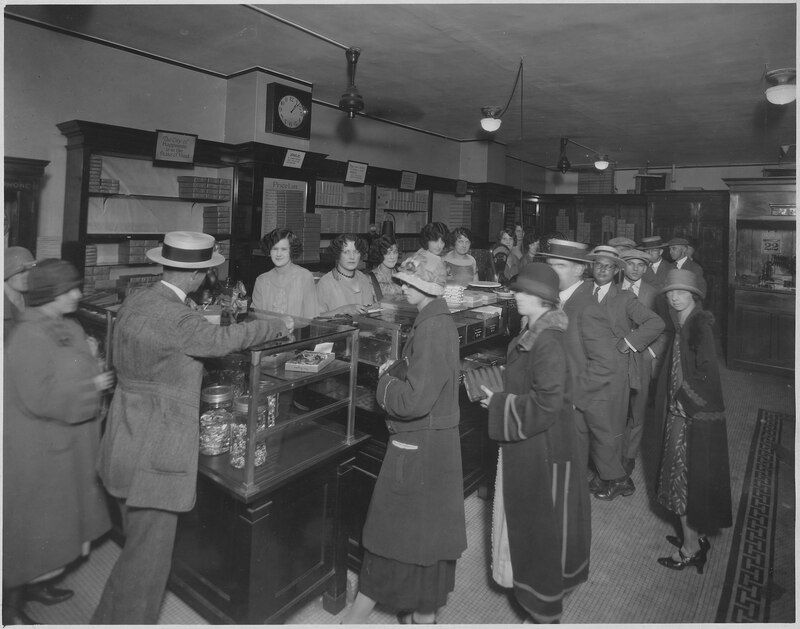
Glass jars lined the counter, and you pointed to taffy, licorice, or jawbreakers. A single coin bought a tiny paper bag that crinkled like treasure. Choosing felt like strategy, stretching allowance into maximum sweetness.
Store owners knew regulars and tossed in extras if you smiled. Prices shifted over time, but the ritual stayed special. With tap-to-pay today, the weight of a penny once meant real choices.
9. Filmstrips in classrooms
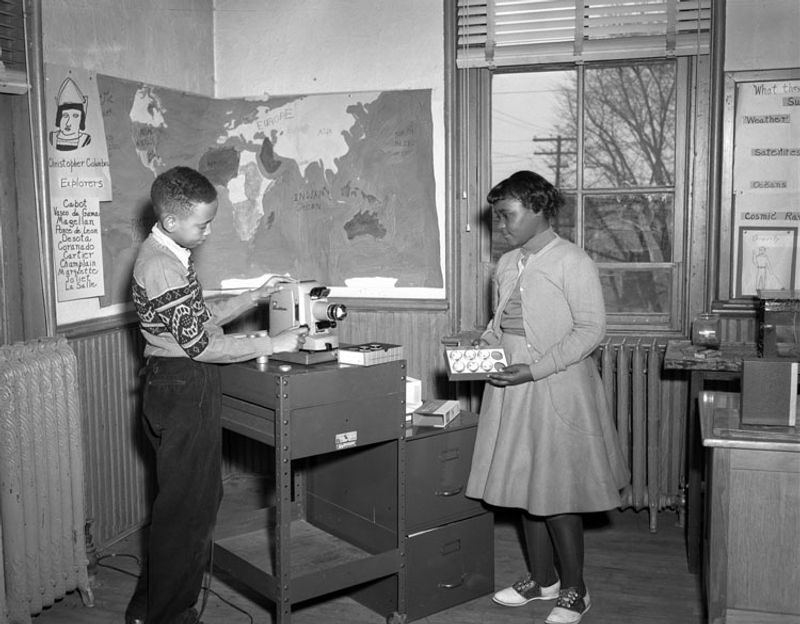
Teachers dimmed the lights, threaded a narrow strip of images, and pressed play. A soft beep signaled when to advance to the next frame manually. The narration droned, but pictures made volcanoes, maps, and microbes feel alive.
Projectors whirred while classmates fought sleep or took notes. If the strip jammed, everything paused for a careful rescue. Slideshows now are instant, but that slow cadence paced learning differently.
10. Slide rules
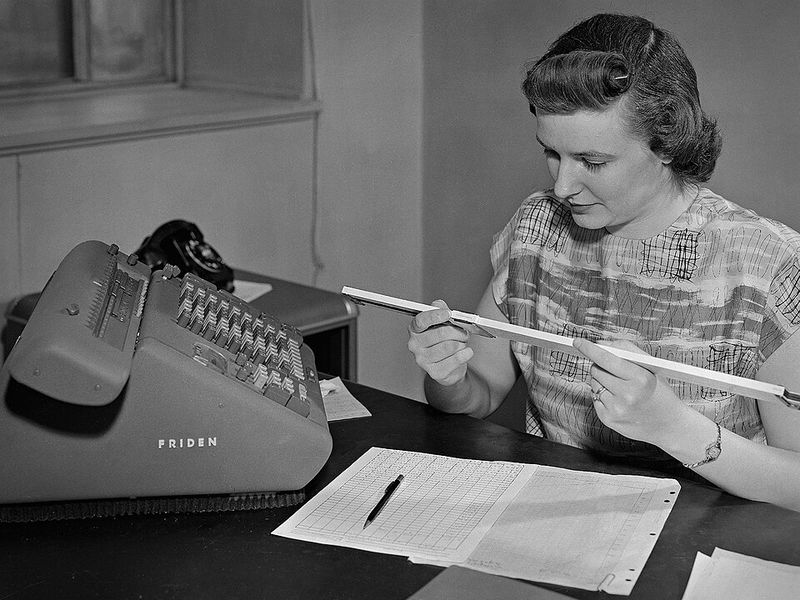
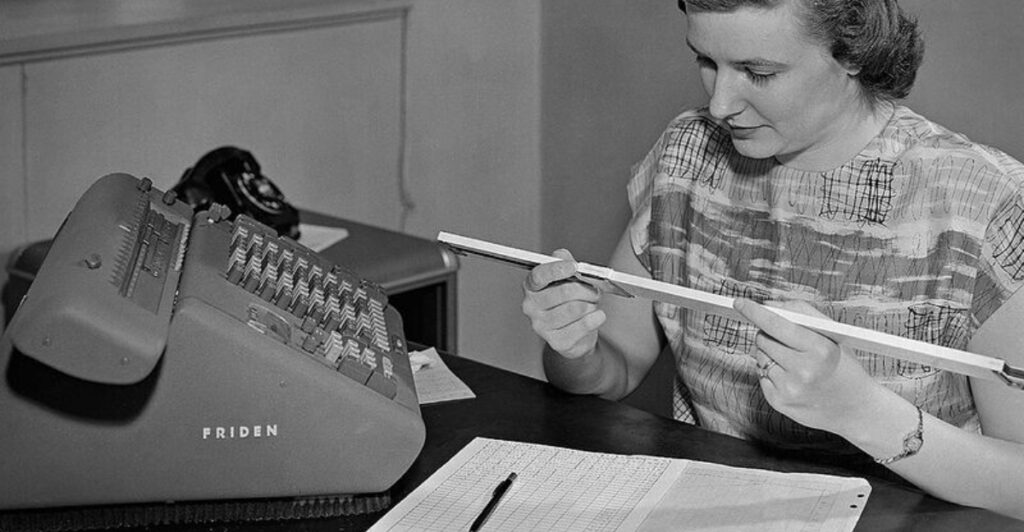
Before calculators, you solved multiplication, roots, and logs by aligning scales. Answers came as approximations, demanding mental estimation and confidence. The sliding cursor felt precise, like conducting math with a pocket instrument.
Engineers wore them like badges, and students learned by muscle memory. You respected significant figures because the tool insisted on it. Today’s calculator keys hide that elegant dance of numbers and movement.
11. Chalkboards
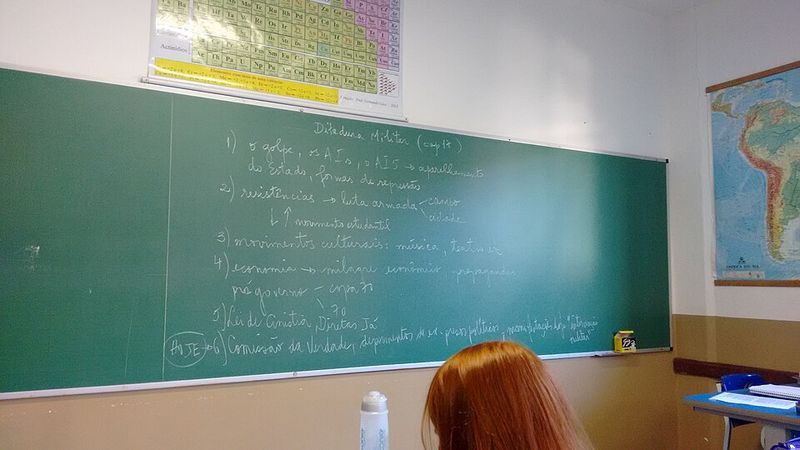
Lessons appeared in dusty strokes that squeaked and smudged across green boards. Erasers thumped like drumbeats, leaving ghostly equations behind. The day ended with clouds of chalk that clung to sleeves and cuffs.
Teachers sketched maps freehand and underlined ideas with decisive taps. If you were lucky, you washed erasers outside and breathed fresh air. Touchscreens feel sterile next to chalk’s messy, memorable texture.
12. Playing lawn darts
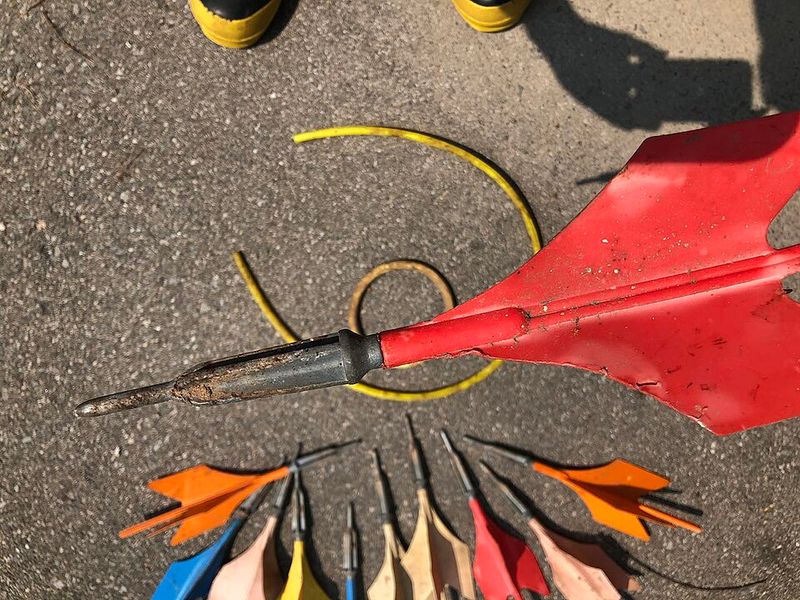
Backyard parties broke out sets of heavy metal tipped darts and plastic rings. The goal was accuracy, not safety warnings, until accidents prompted bans. You measured distance by eye and bragged about perfect arcs.
Grass showed puncture marks, and neighbors sometimes complained. Today’s versions are safer, but the thrill was in the risky precision. It is a relic that taught aim and caution at once.
13. Walking to school alone
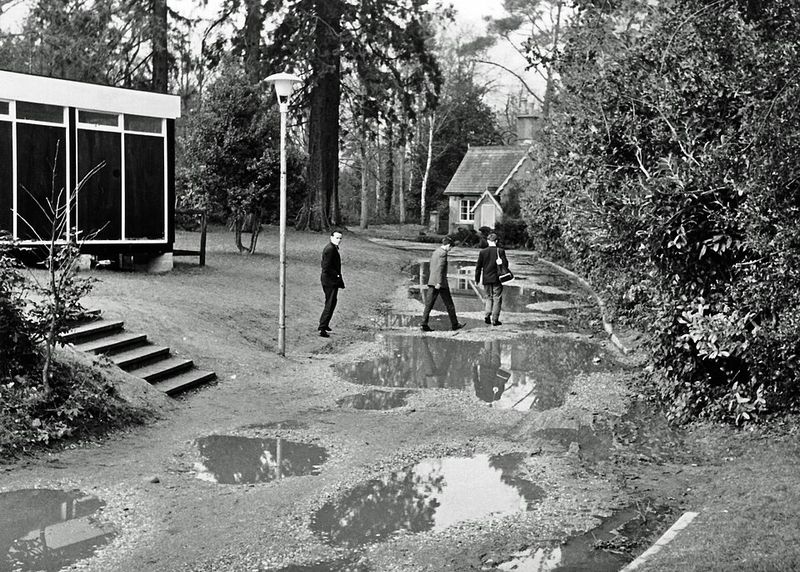
Mornings started with tying shoes and heading out without a text. You found friends along the way, timed lights, and learned neighborhood shortcuts. Independence grew with every block, rain or shine.
Crossing guards waved, and corner stores sold gum for afternoon energy. If plans changed, you adapted, not messaged. That daily walk built confidence now replaced by drop-offs and tracking apps.
14. Hitchhiking
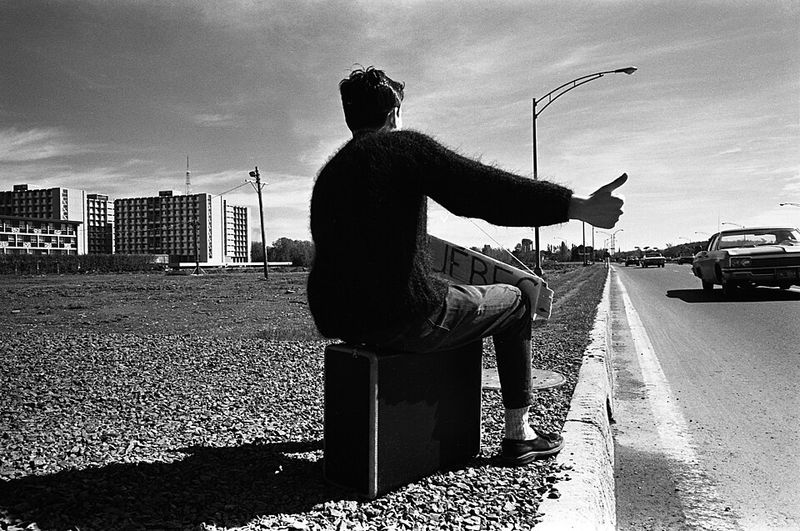
Travel sometimes meant a thumb out, a cardboard sign, and hope. You read drivers’ faces, trusted instincts, and accepted the unknown ride. It felt communal and risky, long before true crime filled feeds.
Stories started at on-ramps, and kindness often carried you counties away. Today, the idea sparks warnings, not wanderlust. That era’s open roads mixed adventure with a naive faith in strangers.
15. Manual wristwatch winding
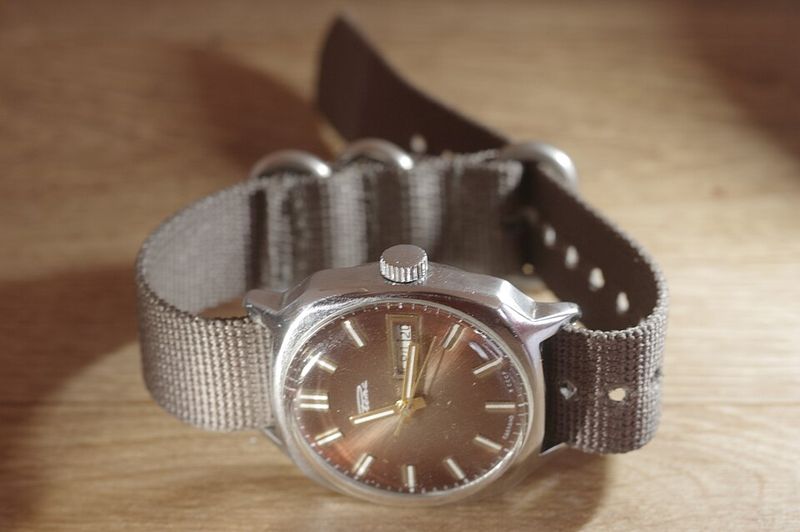
Keeping time meant a daily ritual of turning the crown until gentle resistance. You listened for tiny ticks and felt gears tighten with purpose. Miss a day, and your watch stopped, quietly insisting on attention.
Accuracy depended on care, not software updates. Scratches told stories, and a watchmaker kept it alive for decades. Smartwatches buzz, but a hand wound movement rewards patience and presence.
Share this story