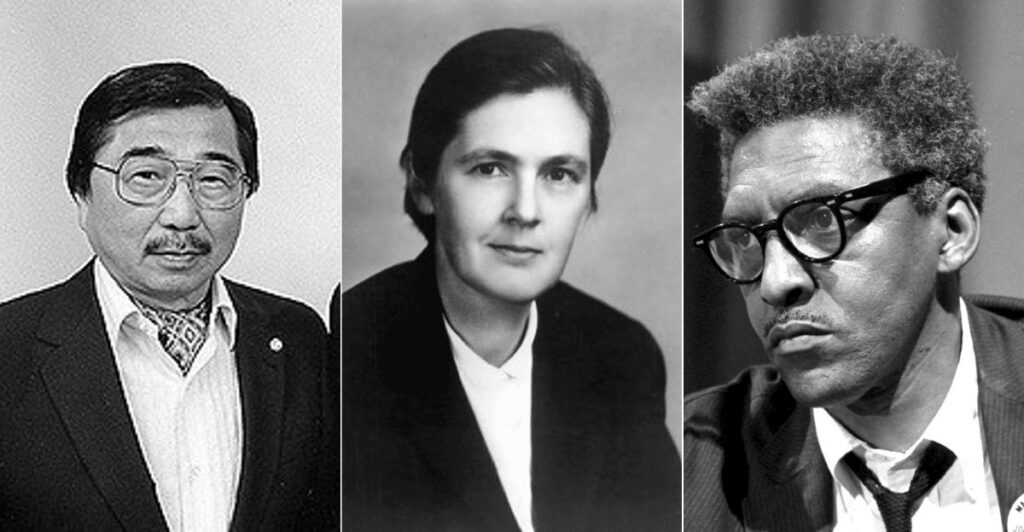
America’s story is filled with bold voices and brave actions that changed everything. But not everyone who shaped this country made it into the history books we study in school. Some heroes worked behind the scenes, fought battles nobody wanted to talk about, or simply lived in times when their contributions were ignored. Today, we’re shining a light on the people who deserve to be remembered.
1. Bayard Rustin
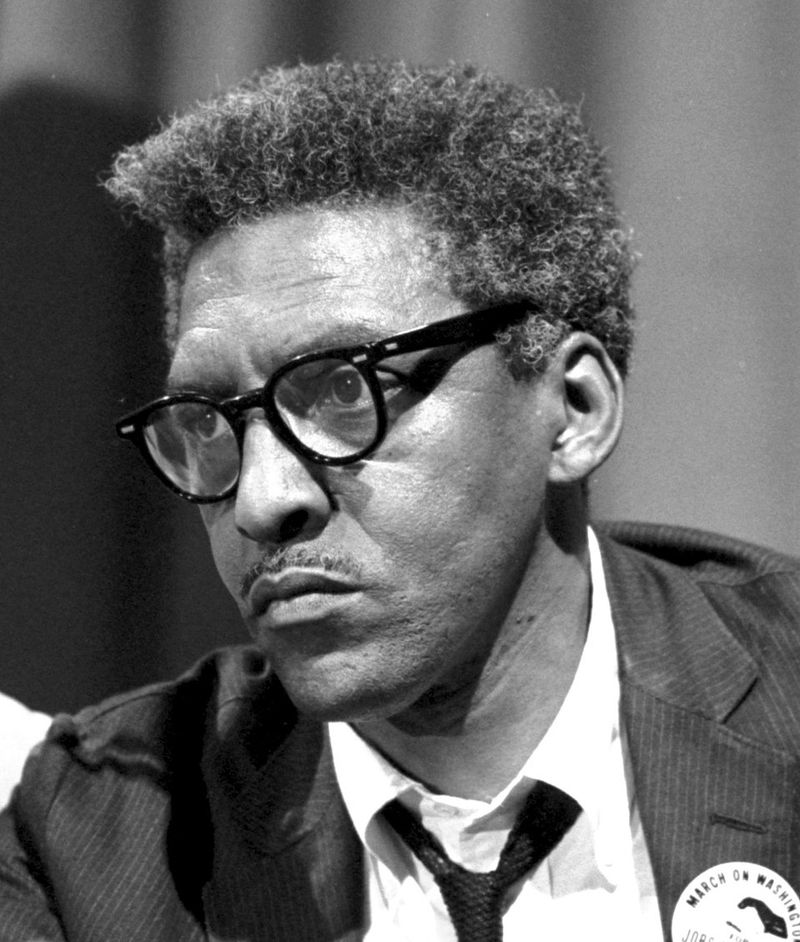
Behind every great movement stands an architect who built the blueprint. Rustin organized the 1963 March on Washington for Jobs and Freedom, bringing hundreds of thousands together in one of history’s most powerful demonstrations.
He taught leaders how to protest without violence, shaping strategies that changed America. Yet his identity as an openly gay man in a deeply homophobic time kept him in the shadows.
His brilliance couldn’t be hidden forever, though, and today we recognize his essential role in the fight for justice.
2. Claudette Colvin
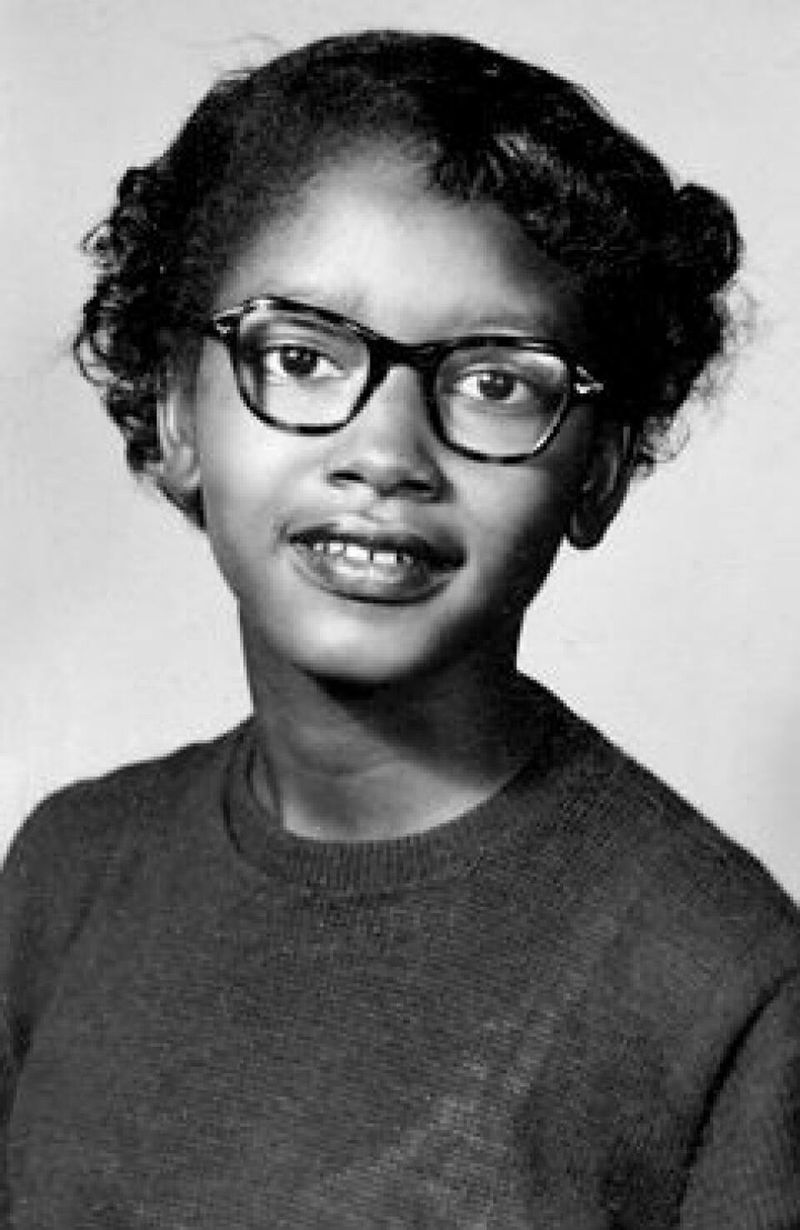
Nine months before Rosa Parks became famous, a 15-year-old girl made the same brave choice. Colvin refused to give up her seat on a Montgomery bus, sparking her arrest and igniting conversations about segregation.
Her courage didn’t stop there. She became one of the plaintiffs in the lawsuit that legally ended bus segregation across the South.
History often overlooks her because adults thought a teenager wasn’t the right face for their movement. But her bravery mattered just as much.
3. Pauli Murray
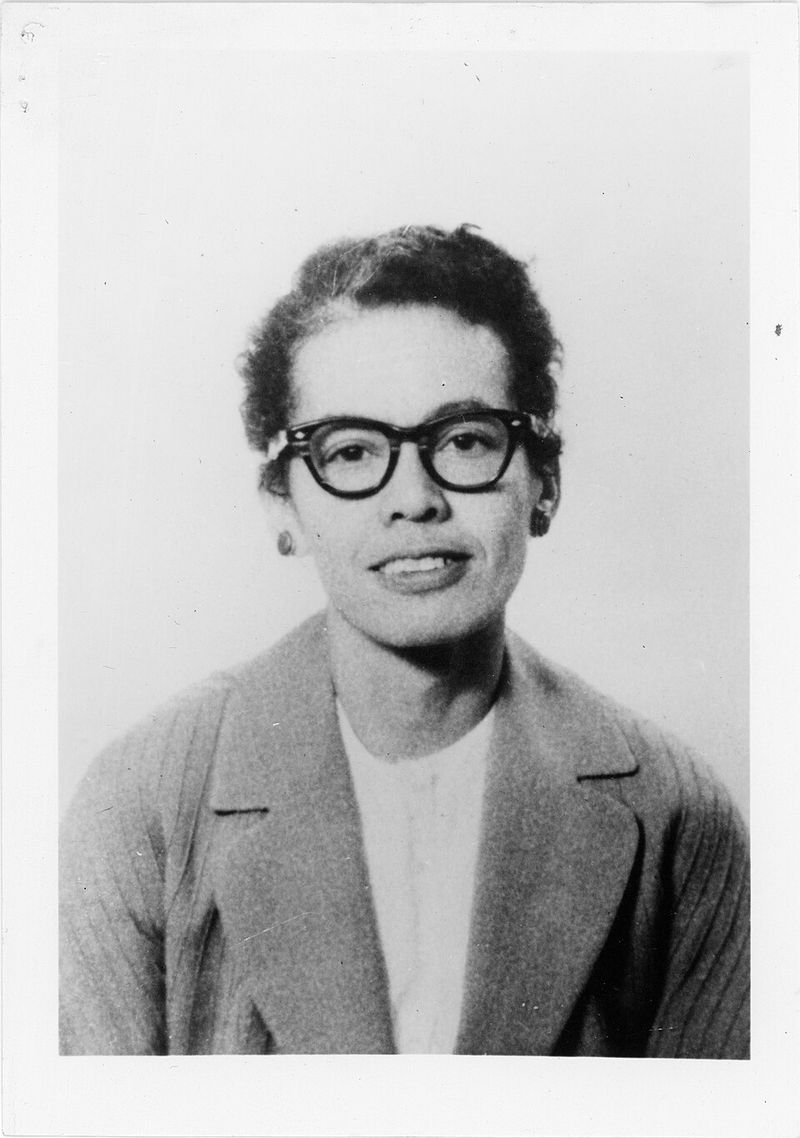
Decades before scholars coined the term intersectionality, Murray was living it and fighting it. Murray exposed how racial discrimination and sex discrimination worked together to hold people down, calling this combination Jane Crow.
As a lawyer, writer, and activist, Murray’s legal arguments became foundations for both civil rights and gender equality cases.
Murray’s brilliant mind saw connections others missed. Those insights shaped American law and justice for generations to come.
4. Charles Hamilton Houston
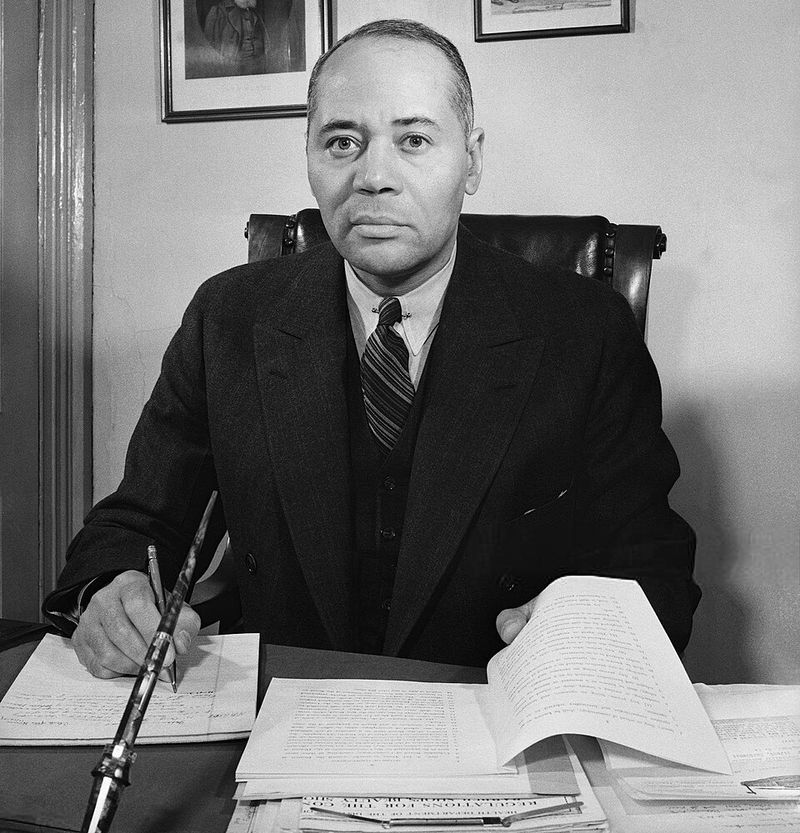
Sometimes the most important battles happen in courtrooms, not streets. Houston served as the NAACP’s first general counsel and built the legal strategy that would eventually dismantle segregation piece by piece.
He trained a generation of civil rights lawyers, including Thurgood Marshall, teaching them how to attack discrimination’s legal foundations.
People called him The Man Who Killed Jim Crow, and that reputation was earned through brilliant, relentless legal work that changed America’s future.
5. Sylvia Méndez
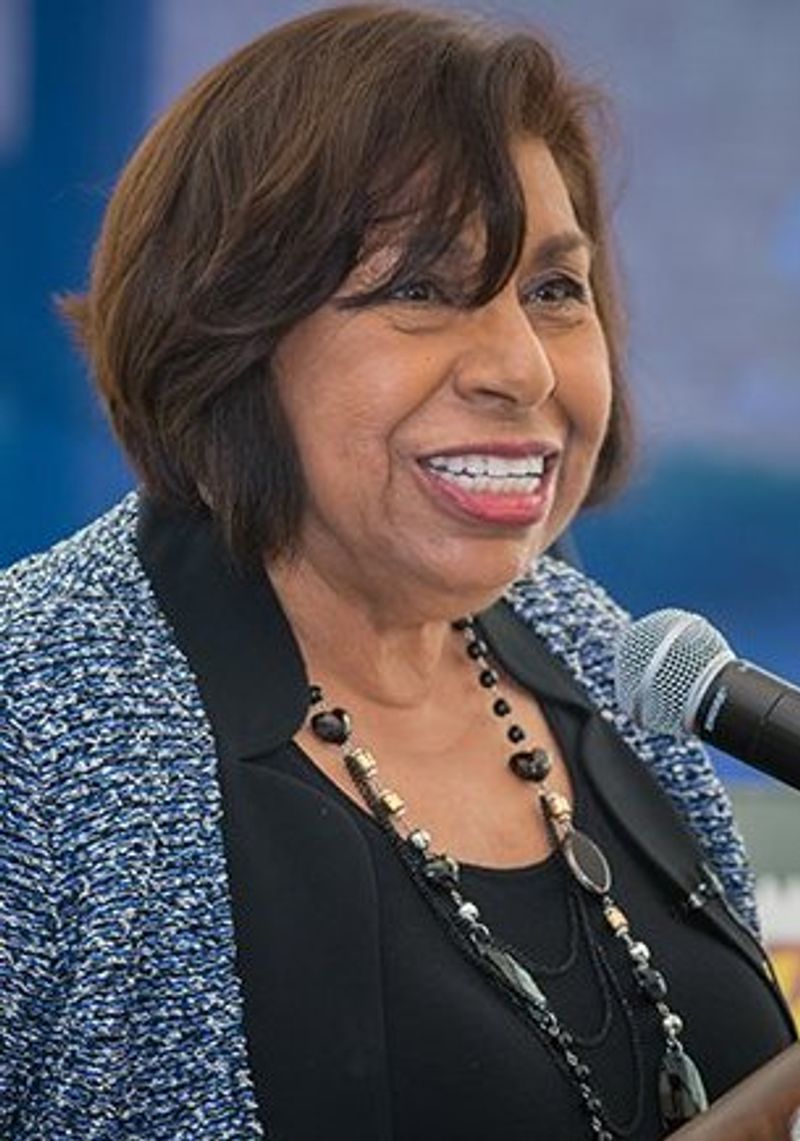
Seven years before Brown v. Board of Education made national headlines, the Méndez family fought school segregation in California. Young Sylvia and her siblings were denied entry to a whites-only school simply because of their Mexican heritage.
Her parents sued, and Mendez v. Westminster helped end legal school segregation in California.
This case became a crucial stepping stone on the road to Brown. Decades later, Sylvia received the Presidential Medal of Freedom for her family’s courage.
6. Gordon Hirabayashi
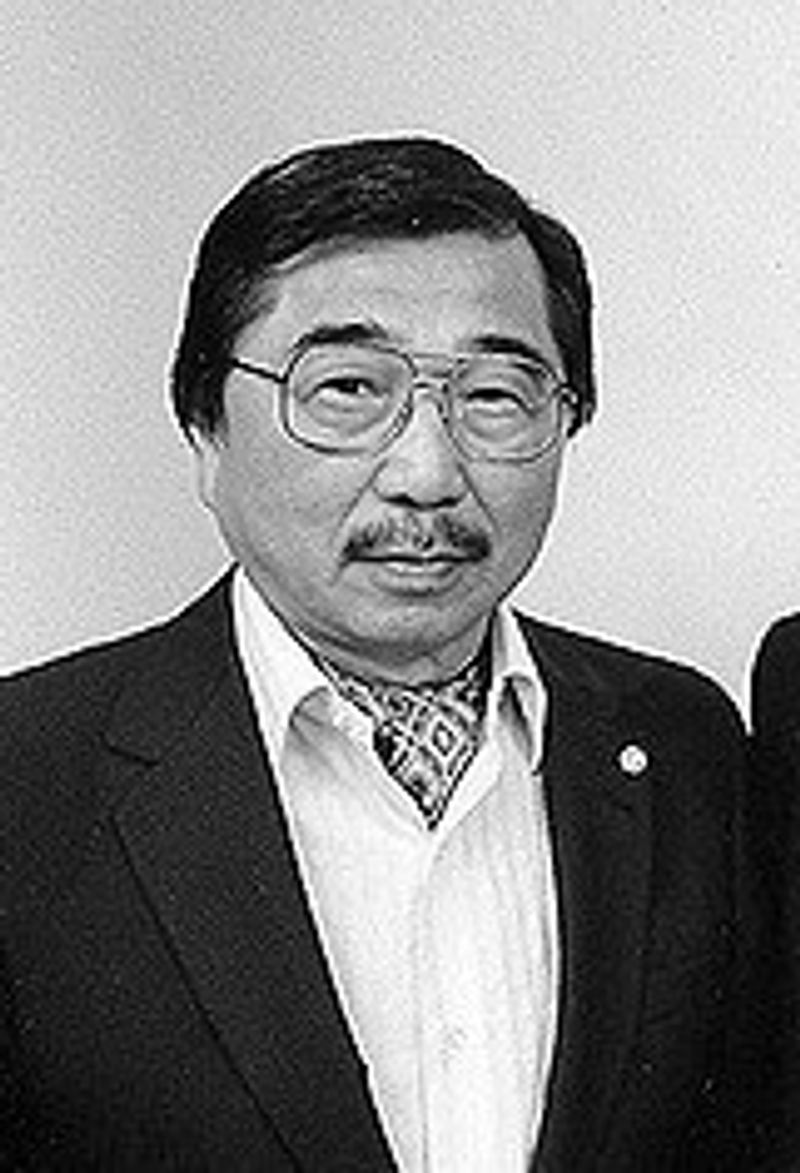
When the government ordered Japanese Americans into curfews and internment camps during World War II, Hirabayashi refused. He deliberately violated these orders and took his case all the way to the Supreme Court, creating a landmark civil liberties fight.
He lost initially, but his courage never wavered.
Decades later, new litigation exposed government misconduct in these wartime cases. Hirabayashi’s resistance reminded America that civil liberties matter most when they’re hardest to defend.
7. Zitkala-Ša (Gertrude Bonnin)
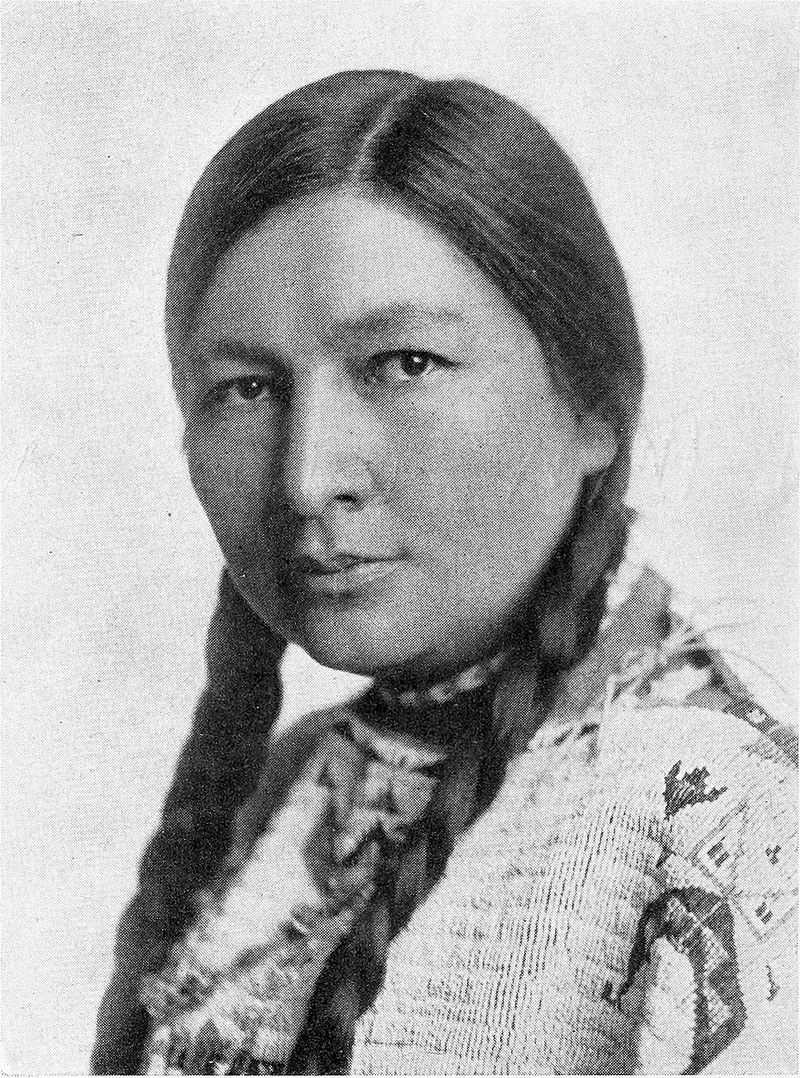
Born on the Yankton Sioux Reservation, Zitkala-Ša became a powerful voice for Native rights through both her writing and organizing. She co-founded the National Council of American Indians in 1926, creating a platform to coordinate advocacy across tribal communities.
Her work focused on citizenship rights, voting access, and preserving Native cultures against erasure.
She wrote stories, played violin, and fought tirelessly for justice. Her legacy lives on in every Native activist who followed.
8. Susie King Taylor
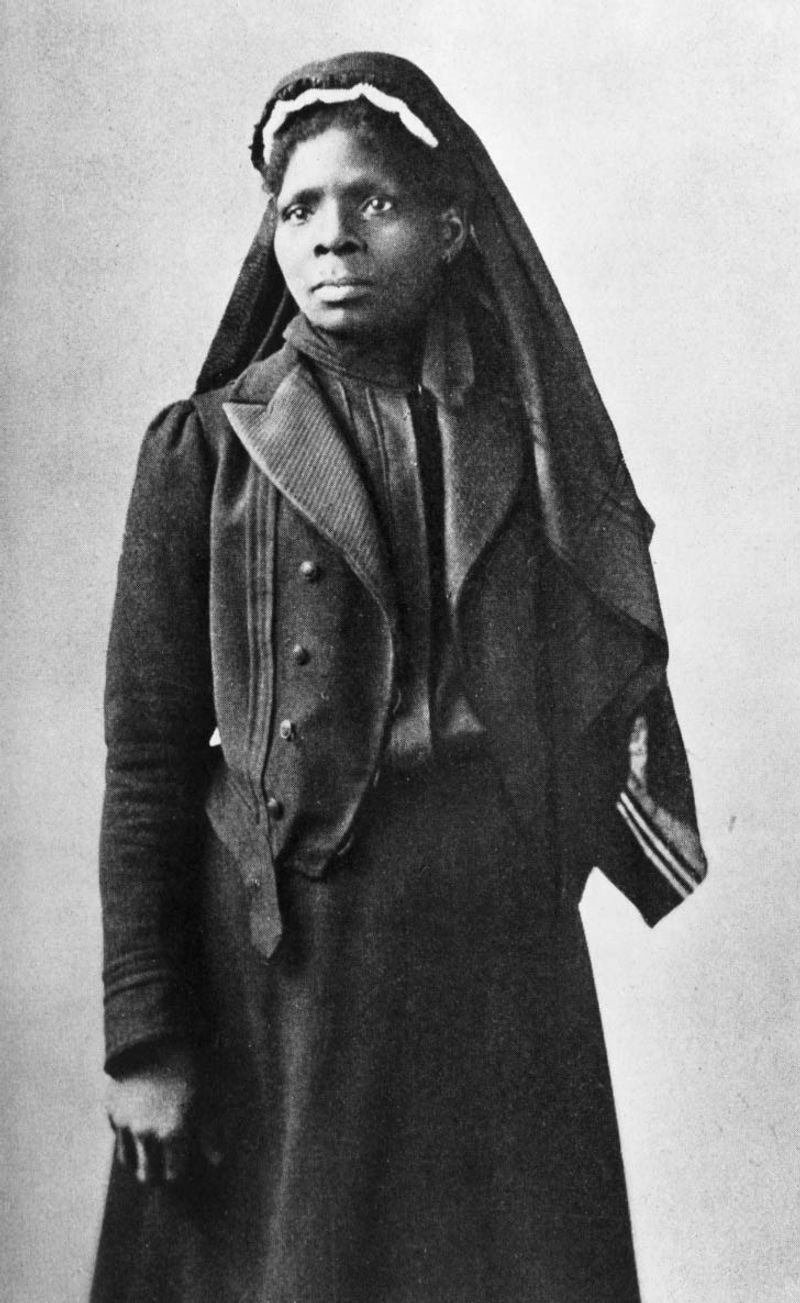
Born enslaved, Taylor escaped to freedom and immediately put her skills to work. She became a teacher and nurse for Black Union troops during the Civil War, offering education and care under dangerous conditions.
After the war, she wrote a remarkable memoir about her experiences.
The National Park Service notes she was the only African American woman to publish a memoir of her wartime work. Her story preserves a perspective that history almost lost.
9. Sgt. Henry Johnson
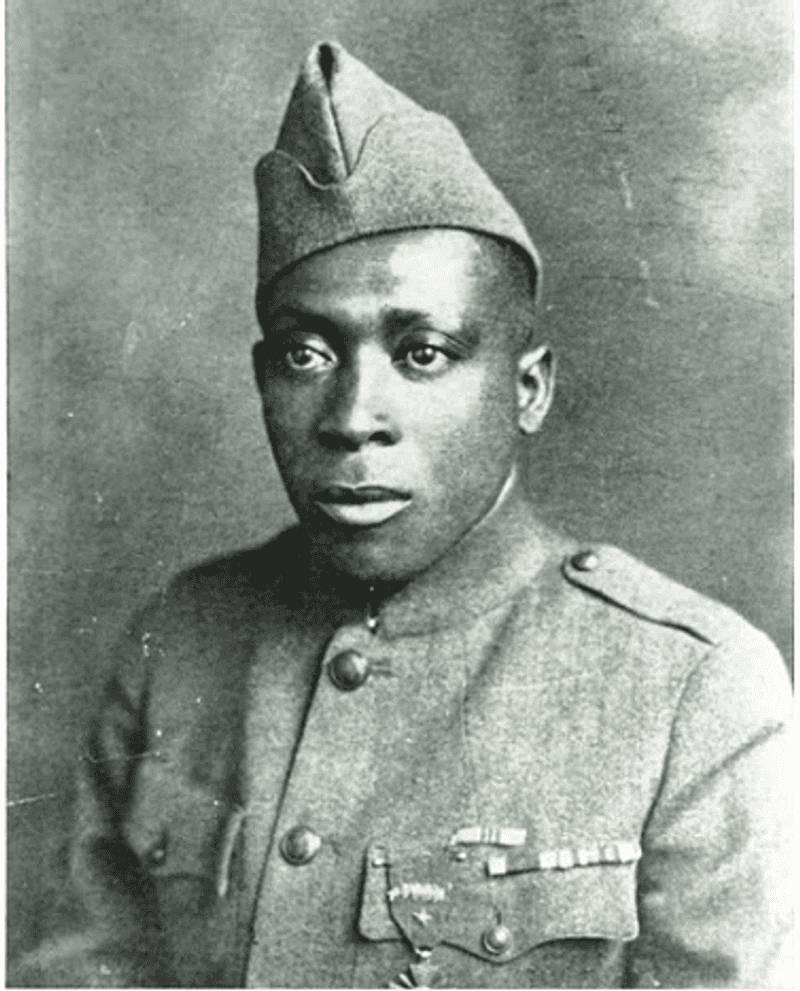
During World War I, Johnson’s extraordinary bravery in combat became the stuff of legend. Fighting off a German raid while wounded, he saved his fellow soldiers through sheer courage and determination.
Yet recognition took generations to arrive. Racism kept him from receiving honors he clearly deserved during his lifetime.
Finally, in 2015, he received the Medal of Honor posthumously. His story reminds us that heroism doesn’t always get acknowledged when it should.
10. Charles Young
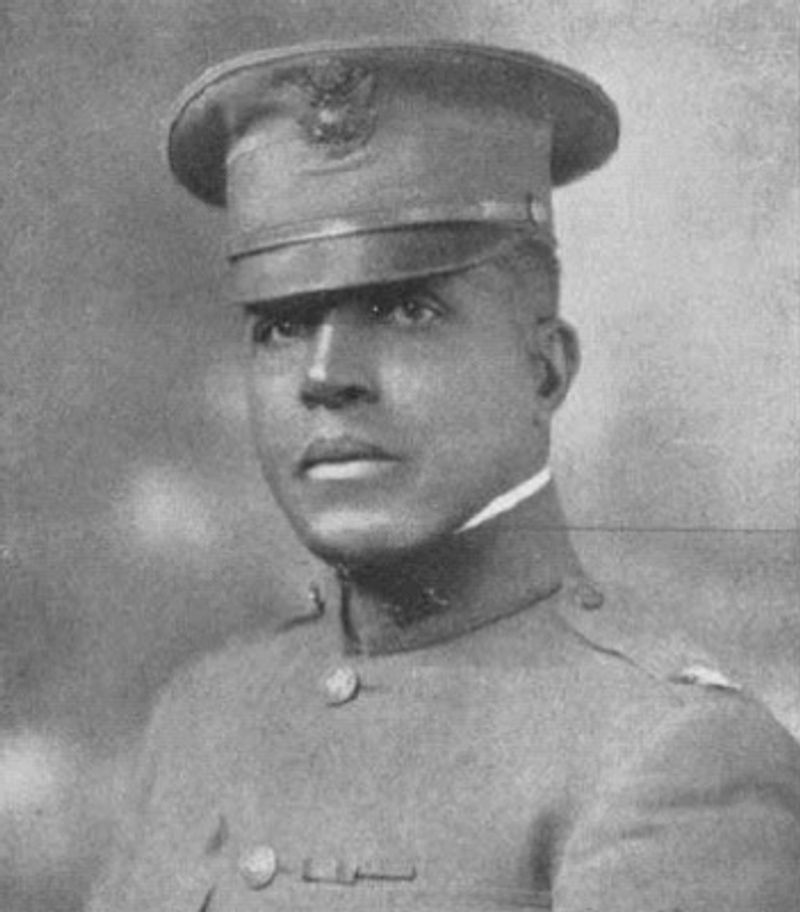
In 1903, Young became acting superintendent at Sequoia and General Grant national parks, breaking barriers as one of the first Black superintendents in the park system. He didn’t just hold the title, though. He accelerated major road improvements and access projects.
His work helped spark an era of tourism and preservation infrastructure that made these natural wonders accessible to millions.
Young proved leadership and vision know no color. His legacy is built into America’s parks.
11. Maggie Lena Walker
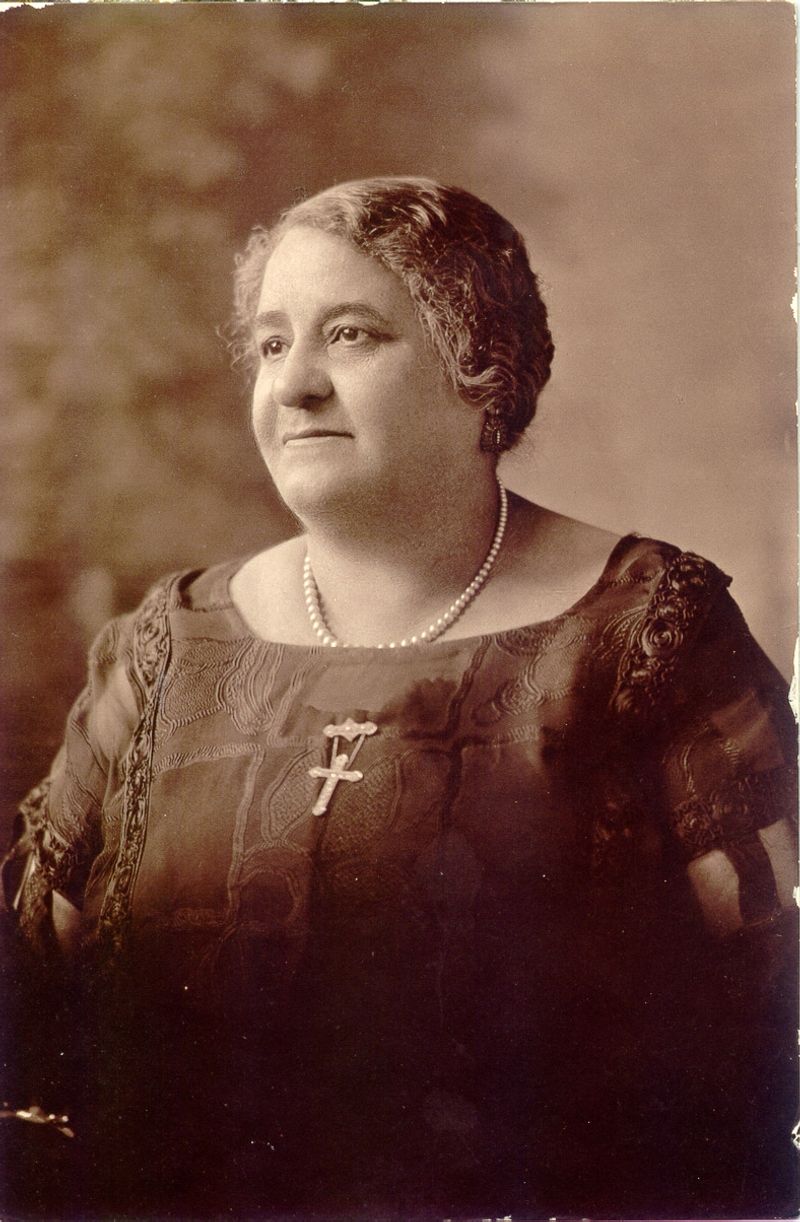
Walker shattered expectations by chartering and leading the St. Luke Penny Savings Bank, creating financial access and economic independence for her community. In the Jim Crow South, this was nothing short of revolutionary.
She believed economic power was essential to freedom, so she built institutions that helped people save, invest, and grow.
Her bank became a beacon of possibility. Walker showed that financial leadership could challenge segregation’s economic stranglehold.
12. Bessie Coleman
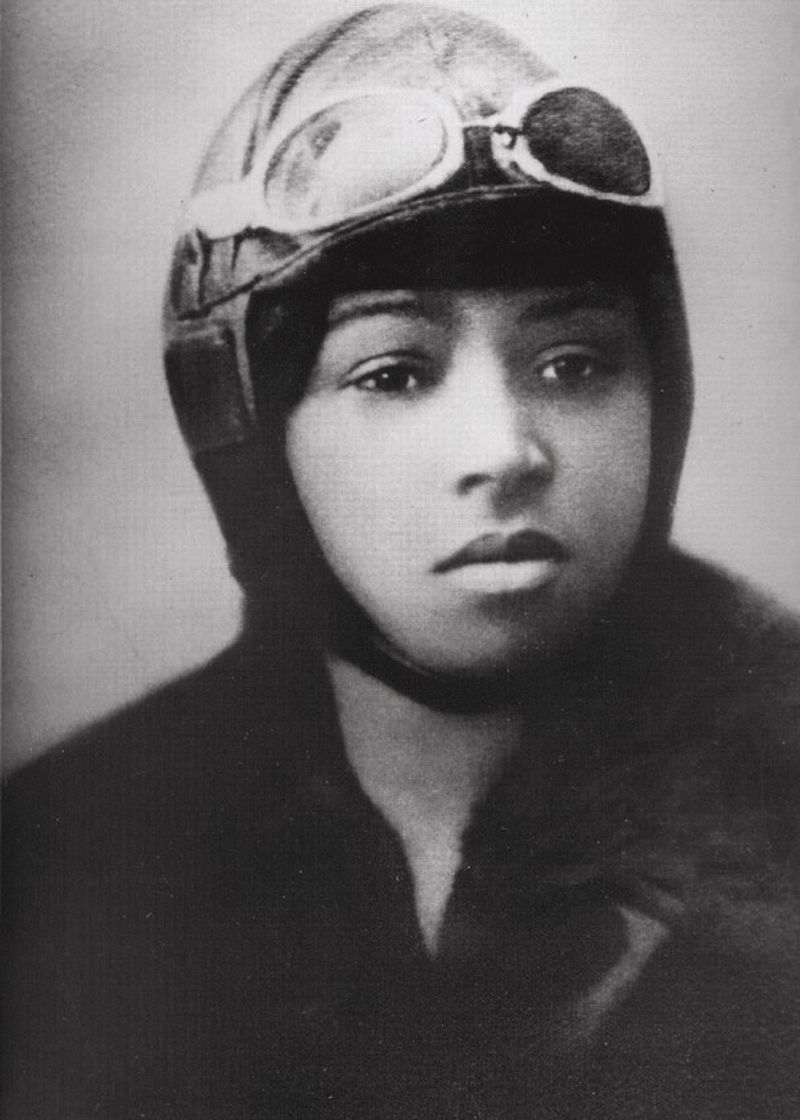
American flight schools refused to teach Coleman because of her race and gender, so she learned French and traveled to France for training. In 1921, she became the first African American woman to earn a pilot’s license.
She returned home and performed daring air shows, using her fame to inspire others.
Coleman dreamed of opening a flight school for Black Americans. Though she died young, her courage opened the skies for countless others.
13. Lewis Latimer
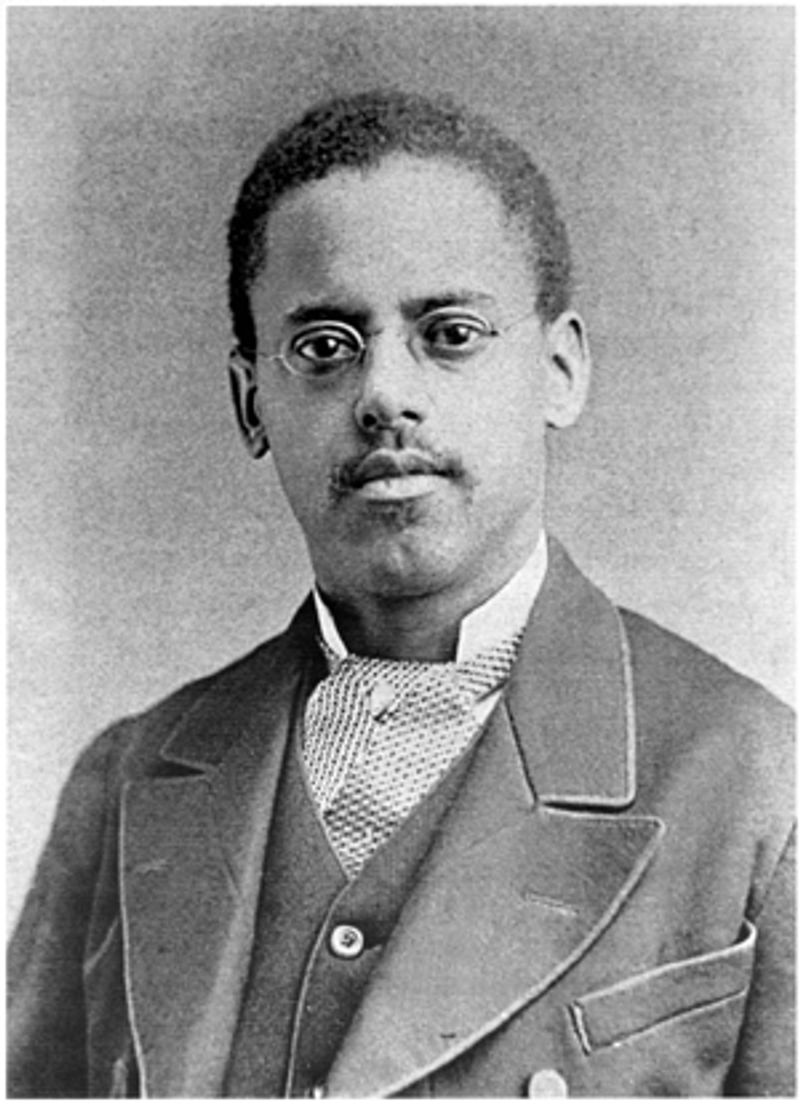
Electric lighting was fragile and expensive until Latimer made it practical. He developed a method to produce more durable carbon filaments, transforming electric lights from novelties into everyday necessities.
His innovations helped bring affordable lighting into homes and businesses across America.
Latimer worked alongside Edison and other inventors, contributing expertise that changed how people lived. Without his improvements, the electric age might have flickered out before it truly began.
14. Garrett Morgan
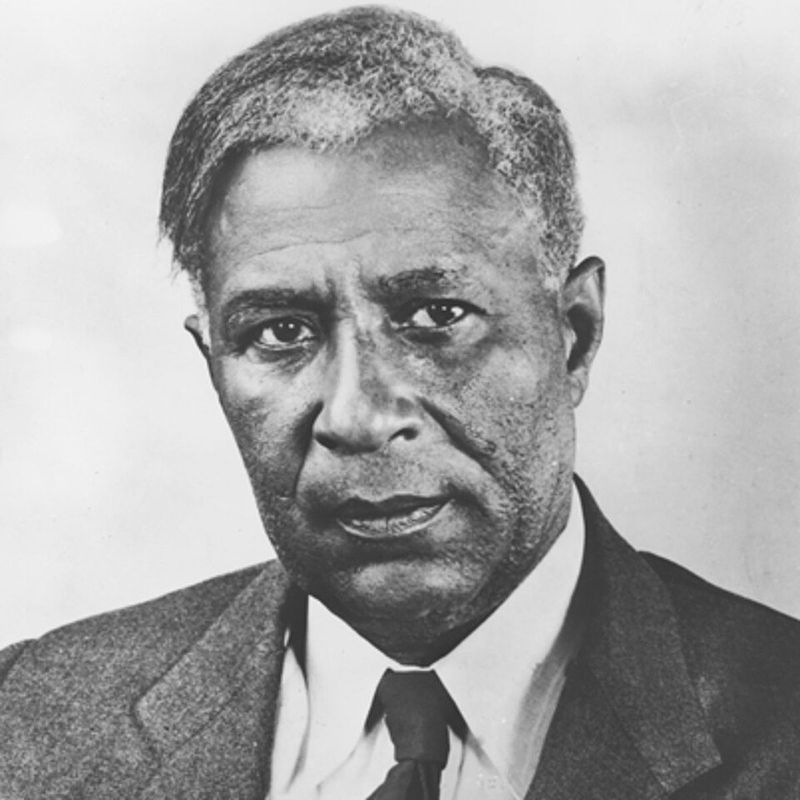
Morgan’s inventive mind tackled two very different problems and found solutions for both. He created a protective safety hood that became a forerunner of modern gas masks, saving lives in dangerous environments.
He also patented an early traffic signal design that improved road safety.
The U.S. Department of Transportation notes he later sold his traffic signal rights to General Electric. Morgan’s creativity made everyday life safer in ways we still benefit from today.
15. Gladys West
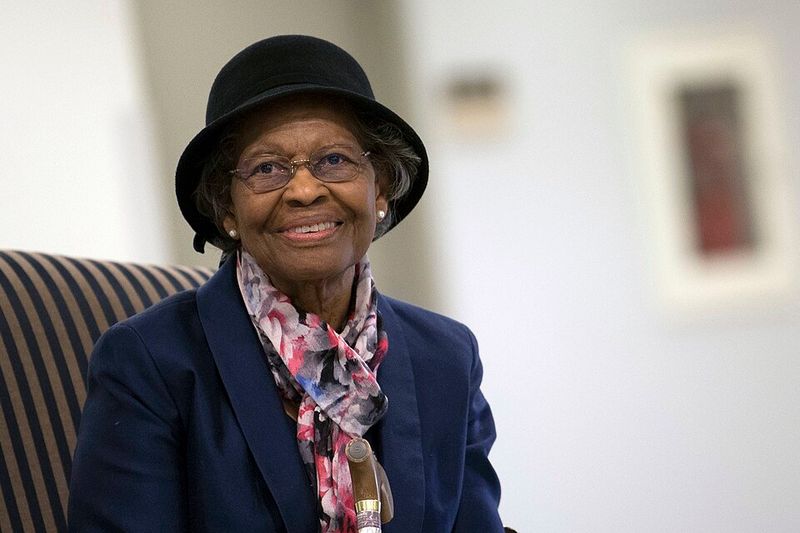
Every time you check GPS on your phone, you’re using technology Gladys West helped create. Her geodesy and Earth-modeling work at a naval research facility was crucial to developing the Global Positioning System.
West programmed computers to process satellite data and refine Earth’s shape models with incredible precision.
Her mathematical brilliance became the foundation for one of the world’s most important technologies. GPS guides planes, ships, cars, and people every single day thanks to her work.
16. Alice Hamilton
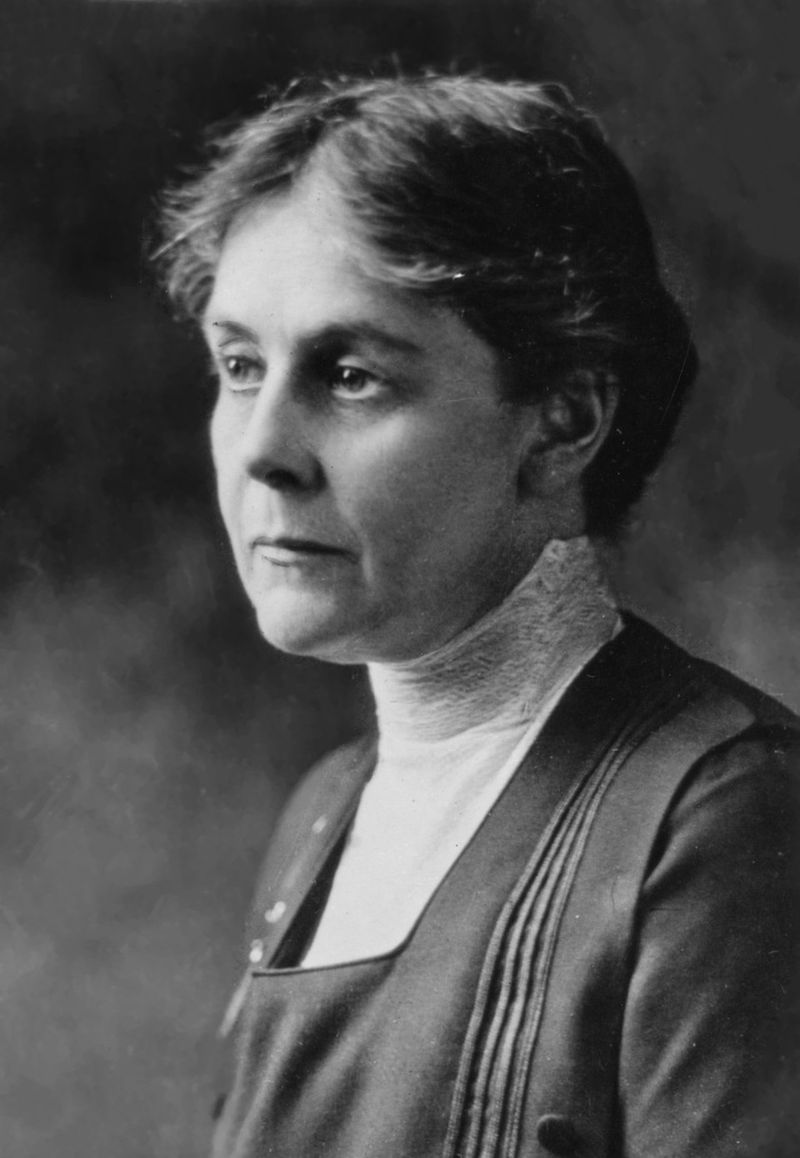
Hamilton investigated the dangerous toxins workers faced in factories, mines, and mills when nobody else seemed to care. She studied lead poisoning, mercury exposure, and other industrial hazards that were silently killing workers.
Her research helped create the field of occupational medicine in America.
Hamilton’s work shaped laws and safety standards that protect millions of workers today. She proved that science could be a tool for justice when used to defend vulnerable people.
17. Lillian Wald
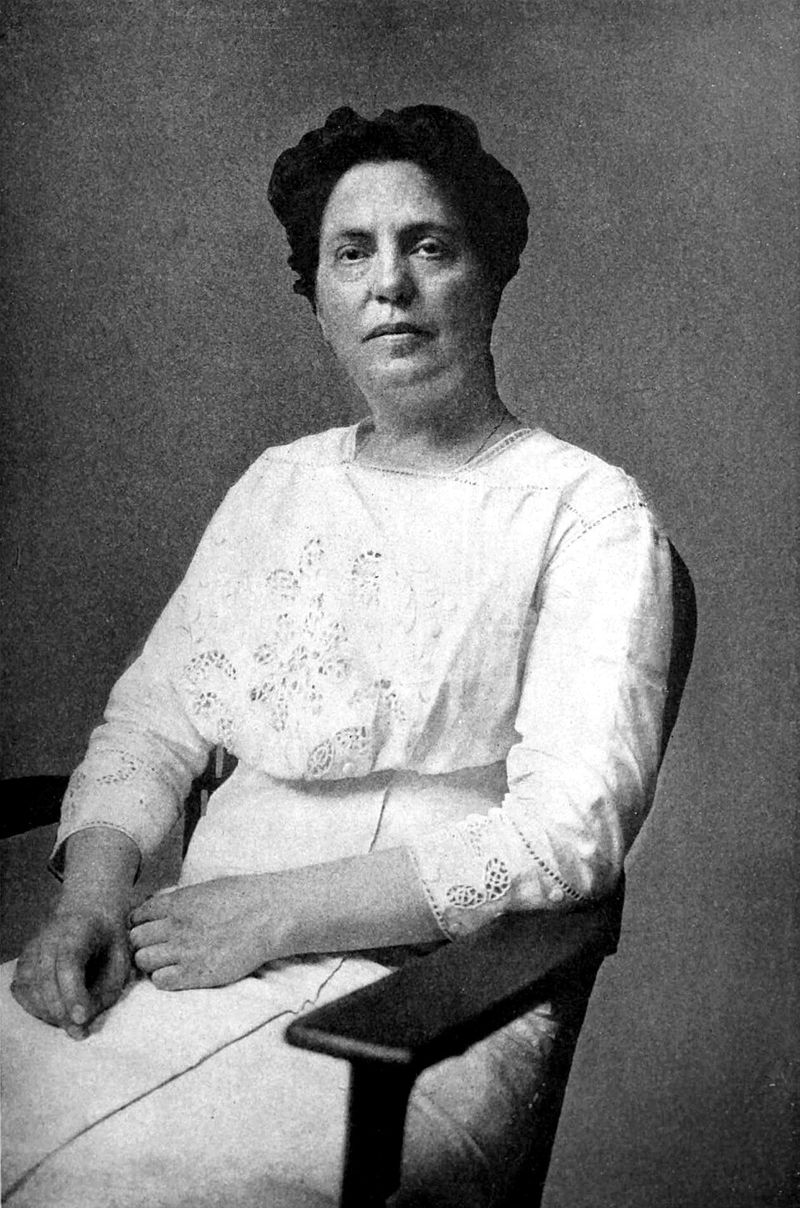
Wald founded the Henry Street Settlement in New York and revolutionized public health nursing by bringing care directly into communities. Instead of waiting for sick people to reach hospitals, she sent nurses into schools, homes, and neighborhoods.
Her model proved that prevention and early care saved lives and money.
Wald’s vision transformed how America thinks about public health. Her approach made healthcare accessible to immigrant families and poor communities who desperately needed it.
18. Frances Oldham Kelsey
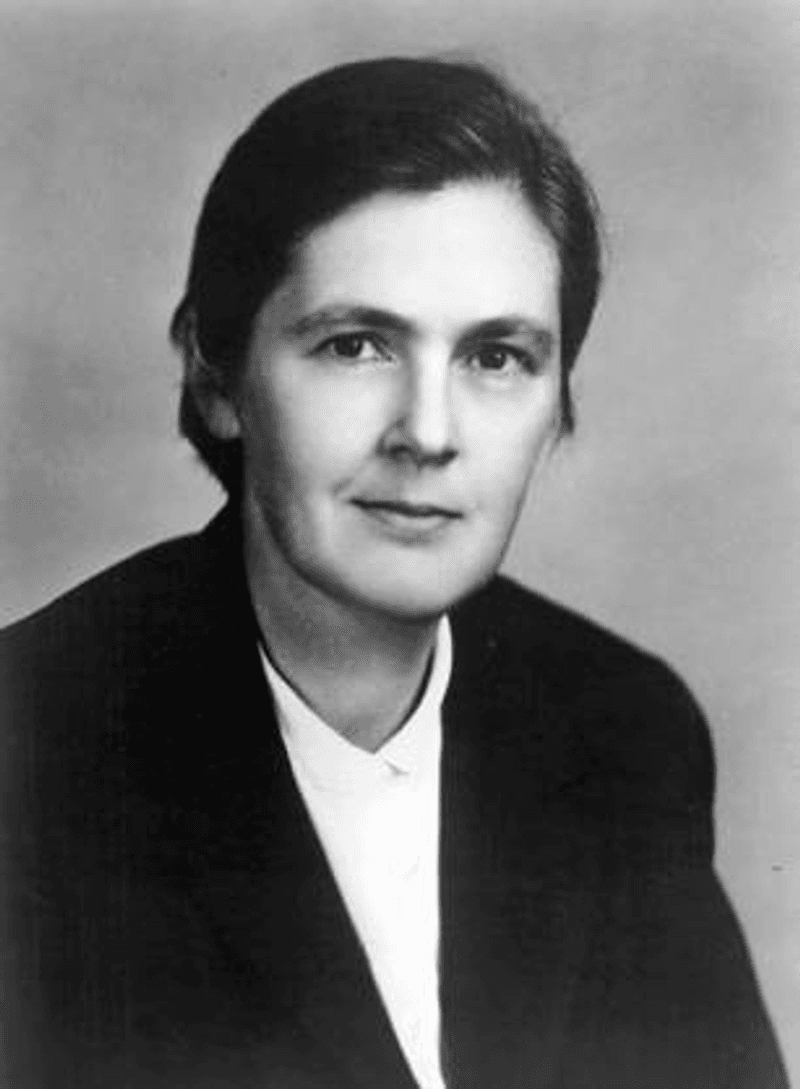
When a pharmaceutical company pushed for approval of thalidomide in the United States, Kelsey asked tough questions about missing safety data. Despite intense pressure, she refused to approve the drug until her concerns were addressed.
Her decision prevented a major public health tragedy.
Thalidomide caused severe birth defects in other countries where it was approved. The FDA credits Kelsey with saving countless American families from devastating harm through her diligence and courage.
19. James Armistead Lafayette
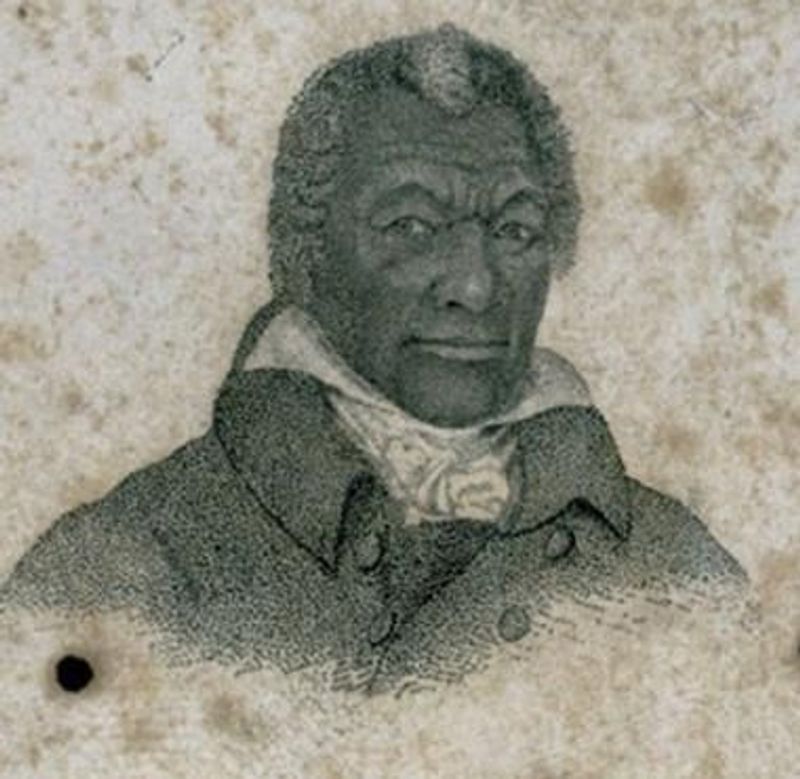
Born into slavery, Armistead volunteered to serve as a spy during the Revolutionary War. He worked as a double agent, pretending to help the British while actually gathering intelligence for the Continental Army.
His information proved crucial to the campaign that ended at Yorktown, helping secure American independence.
Afterward, he had to petition for his own freedom. His courage helped birth a nation that didn’t yet recognize his humanity.
Share this story