Ever dream of strolling cobblestone streets in Bavaria or sipping espresso under a Danish windmill, but can’t swing the airfare? You’re in luck. Tucked across America are charming towns that bring Europe’s architecture, festivals, and Old World vibes right to your doorstep. From alpine villages to Greek harbor towns, these spots let you taste a little slice of Europe without ever leaving the country.
1. Leavenworth, Washington
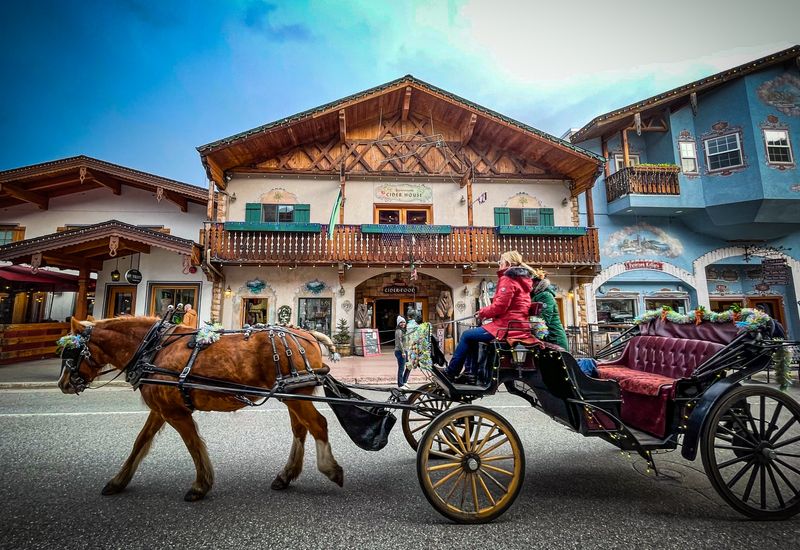
Nestled in the Cascade Mountains, this town transformed itself into a Bavarian wonderland back in the 1960s. Every building sports authentic Alpine architecture, complete with painted murals, flower boxes, and carved wooden balconies that look like they were airlifted straight from Germany.
Year-round festivals keep the European spirit alive. Christmas markets light up the snowy streets in winter, while summer brings outdoor concerts and maypole dancing. Local bakeries serve fresh pretzels and strudel that rival anything you’d find in Munich.
Outdoor lovers get the best of both worlds here. Hiking trails wind through pine forests, and the Wenatchee River offers rafting adventures. When you’re done exploring, grab a bratwurst and settle into a biergarten where accordion music fills the mountain air.
2. Helen, Georgia
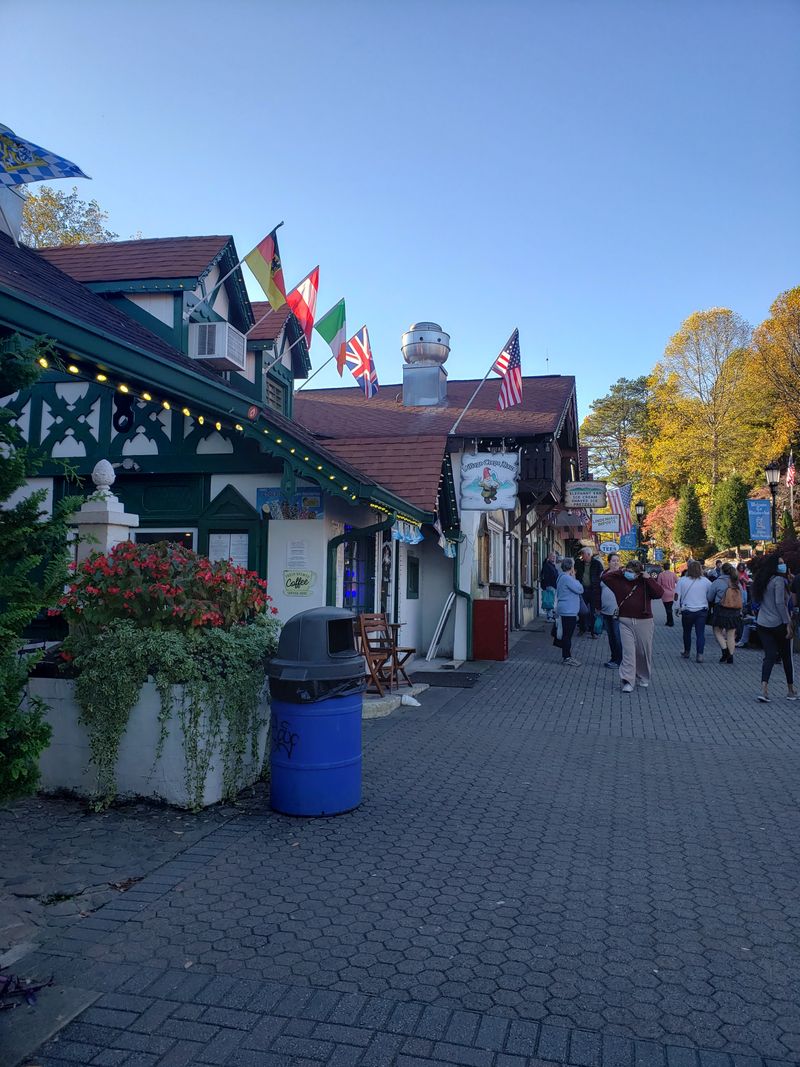
Back in the late 1960s, local business owners decided to give this struggling mountain town a complete makeover. They chose a German Alpine theme, and it stuck. Today, Helen’s downtown looks like a storybook village dropped into the Blue Ridge foothills.
Oktoberfest runs from mid-September through early November at the Helen Festhalle, making it one of the longest celebrations in the South. Lederhosen-clad dancers perform traditional polkas while visitors sample German beers and sausages. The Chattahoochee River flows right through town, adding natural beauty to the European charm.
Beyond the festivals, Helen offers tubing, zip-lining, and hiking trails that lead to stunning waterfalls. Shops sell cuckoo clocks, nutcrackers, and hand-carved wooden toys. When autumn arrives, the surrounding mountains explode with color, creating a postcard-perfect Alpine scene.
3. Frankenmuth, Michigan
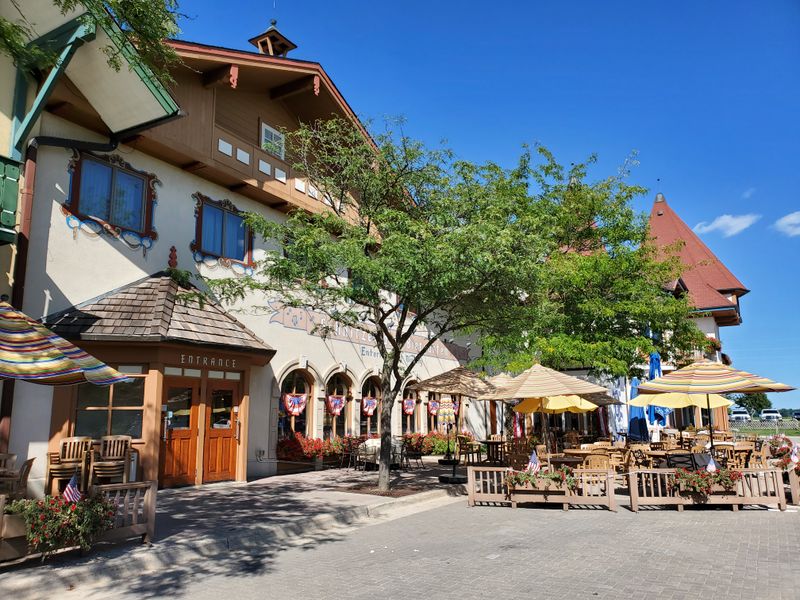
German settlers founded this town in 1845, and their heritage still shapes everything here. Bavarian-style buildings line Main Street, where you’ll find family-owned shops selling imported goods and traditional treats. The covered wooden bridge over the Cass River is a local landmark that photographers love.
Bronner’s CHRISTmas Wonderland operates year-round and claims to be the world’s largest Christmas store. With over 50,000 ornaments and decorations spread across a massive space, it’s a holiday lover’s paradise any month you visit. The building itself is impressive, with nativity displays and twinkling lights everywhere.
Food is a big deal here too. Zehnder’s and Bavarian Inn serve famous family-style chicken dinners that draw crowds from across the Midwest. After eating, stroll through Heritage Park or catch a riverboat cruise to work off those calories.
4. Solvang, California
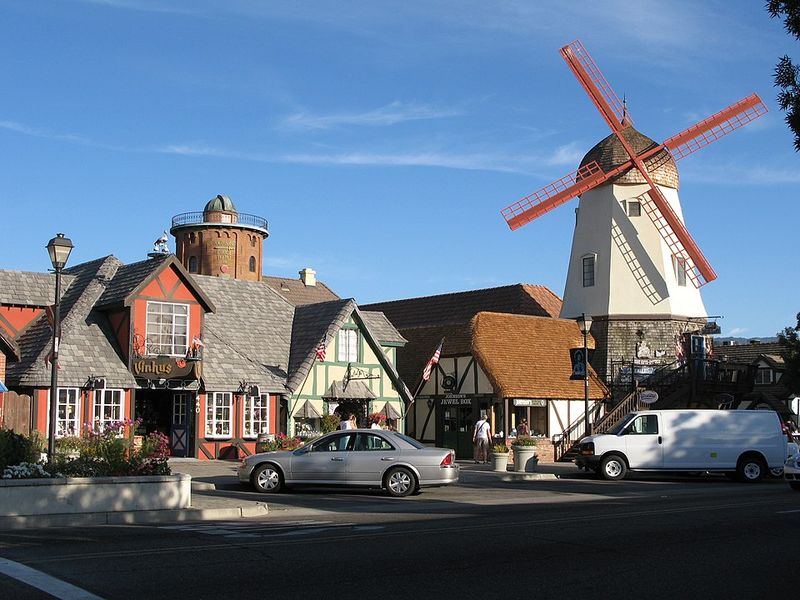
Danish immigrants established this colony in 1911, hoping to preserve their culture in sunny California. They succeeded beyond expectations. Walking through Solvang feels like teleporting to Copenhagen, with authentic windmills, half-timbered buildings, and even a replica of Copenhagen’s Little Mermaid statue.
Bakeries are the heart of this town. Stop by for aebleskivers (round Danish pancakes dusted with powdered sugar) or layered kringle pastries that melt in your mouth. The smell of fresh-baked goods floats down every street, making it impossible not to duck into at least three shops.
Wine country surrounds Solvang, so many visitors combine Danish culture with California viticulture. The town hosts Danish Days each September, featuring folk dancers in traditional costumes and parades celebrating Scandinavian heritage. Museums and galleries add cultural depth to your storybook village experience.
5. Poulsbo, Washington
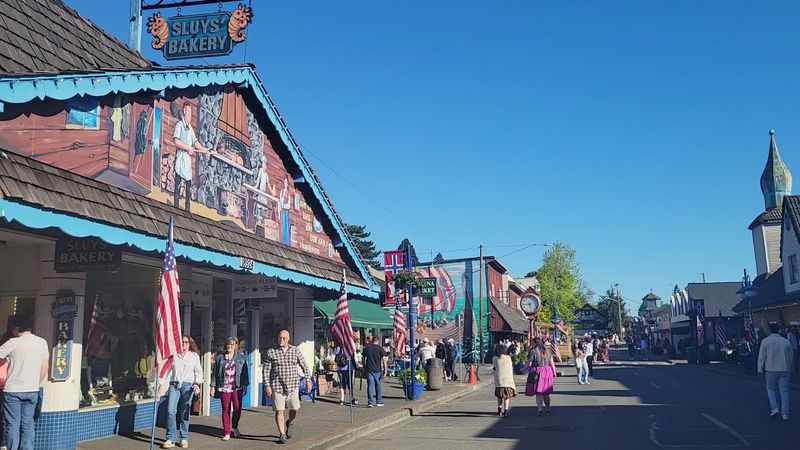
Norwegian fishermen settled here in the 1880s, drawn by the fjord-like waters of Liberty Bay. Their descendants kept the Nordic traditions alive, creating a waterfront village that feels plucked from coastal Norway. Murals depicting Viking ships and Scandinavian scenes decorate building walls throughout downtown.
Viking Fest takes over the town each May with Norwegian folk dancing, a parade, and plenty of lutefisk for the adventurous. Local bakeries like Sluys’ Poulsbo Bakery have been making authentic Norwegian bread for generations. The smell of cardamom and cinnamon draws you inside before you even realize it.
The harbor offers beautiful views and a peaceful atmosphere. Boutique shops sell Scandinavian imports, from sweaters to trolls to rosemaling artwork. When summer arrives, kayakers paddle the calm waters while visitors enjoy outdoor dining with mountain backdrops that rival anything in Scandinavia.
6. New Glarus, Wisconsin
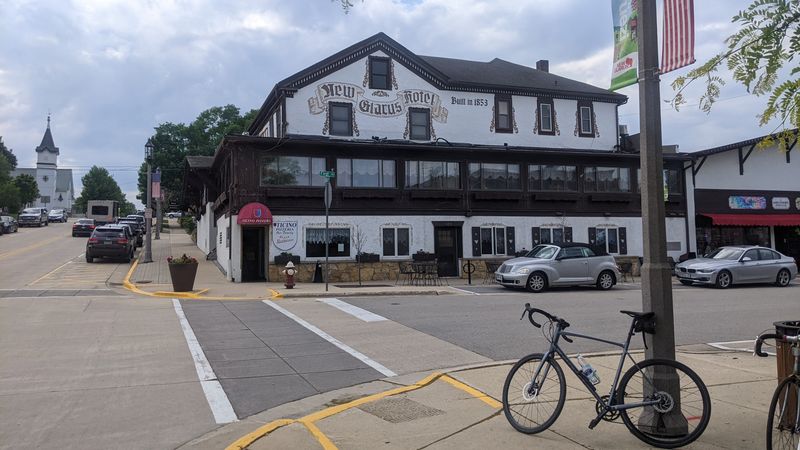
Swiss immigrants founded this settlement in 1845, fleeing economic hardship back home. They brought their architectural traditions, cheesemaking skills, and love of alpine beauty. Today, New Glarus proudly calls itself America’s Little Switzerland, and the comparison holds up remarkably well.
Chalets with carved wooden trim line the streets, many decorated with colorful flower boxes overflowing with geraniums. The Swiss Historical Village Museum showcases original settler buildings, giving visitors a glimpse into 19th-century immigrant life. During Wilhelm Tell Festival, locals perform the famous Swiss play in both English and German.
New Glarus Brewing Company started here and has become legendary among craft beer fans. Their Spotted Cow ale is only available in Wisconsin, making it a pilgrimage destination. Cheese shops offer samples of locally made Swiss varieties, and restaurants serve authentic fondue and raclette that transport you straight to the Alps.
7. Pella, Iowa
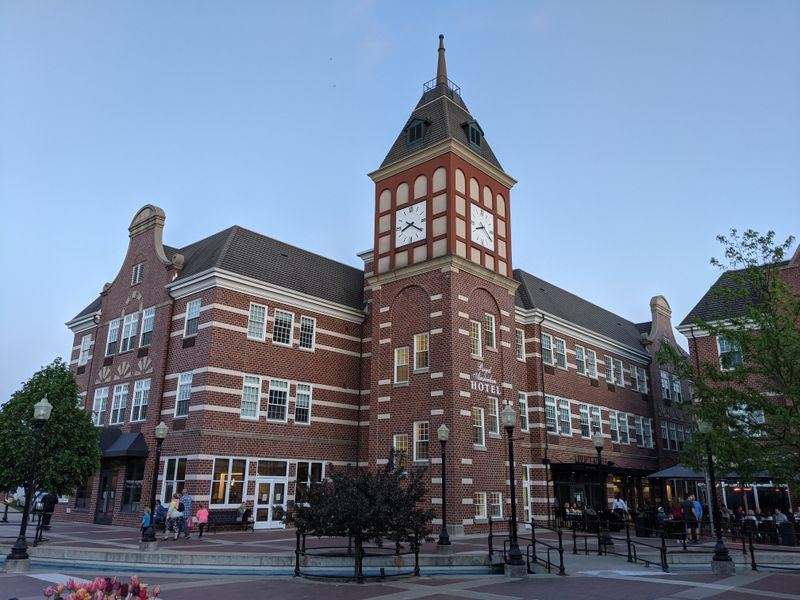
Dutch separatists established Pella in 1847, seeking religious freedom and a fresh start. Their heritage remains visible everywhere, from the working windmill (Vermeer Mill) that towers over downtown to the Dutch-fronted storefronts lining the square. Even the streetlights are styled after traditional Dutch lampposts.
Tulip Time transforms Pella each May into a riot of color. Over 200,000 tulips bloom throughout town while residents dress in traditional Dutch costumes, complete with wooden shoes and lace caps. Parades, folk dancing, and street scrubbing ceremonies (yes, really) celebrate this heritage with genuine enthusiasm.
Jaarsma Bakery has been making Dutch letters (S-shaped pastries filled with almond paste) since 1898. The recipe remains a closely guarded secret. Shoppers find imported Dutch goods, Delftware pottery, and hand-painted wooden shoes. The Scholte House Museum offers historical context for anyone curious about the town’s founding story.
8. Holland, Michigan
Dutch settlers arrived here in 1847, led by Reverend Albertus van Raalte. They named their new home Holland and set about recreating the landscape they’d left behind. Windmill Island Gardens features De Zwaan, a 250-year-old authentic Dutch windmill that still grinds grain using wind power.
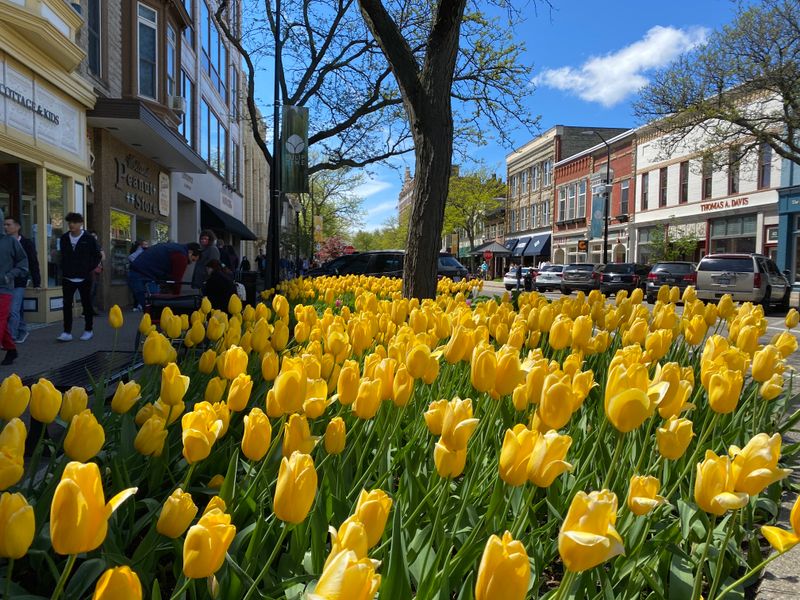
Tulips are everywhere come spring. Holland’s Tulip Time Festival rivals anything in the Netherlands, with millions of blooms creating stunning displays throughout the city. Dutch dancers in traditional dress perform klompen (wooden shoe) dances while food vendors serve poffertjes (mini pancakes) and stroopwafels hot off the iron.
Lake Michigan beaches add an unexpected bonus to this Dutch experience. After exploring the windmill and sampling Dutch treats downtown, you can relax on sandy shores just minutes away. Local shops sell imported cheeses, chocolate, and Delft pottery, while restaurants serve authentic Dutch cuisine alongside Michigan craft beers.
9. Lindsborg, Kansas
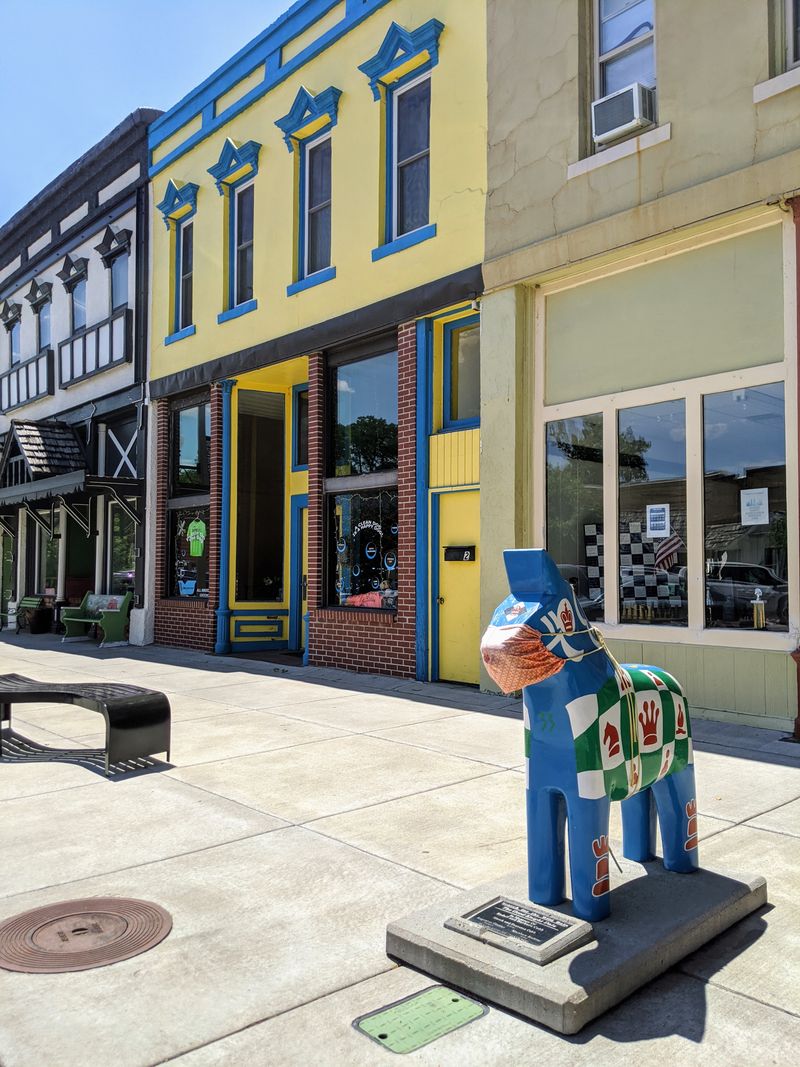
Swedish immigrants founded Lindsborg in 1869, creating a prairie outpost that maintained strong ties to Scandinavian culture. Today, colorful Dala horses (traditional Swedish carved wooden horses) appear throughout town on lamp posts, storefronts, and murals. Counting them all has become a popular visitor challenge.
Svensk Hyllningsfest happens every odd-numbered year in October, celebrating Swedish heritage with folk dancing, traditional foods, and cultural demonstrations. Even in non-festival years, Swedish traditions remain visible. Bethany College, founded by Swedish Lutherans, anchors the community and hosts cultural events year-round.
Art galleries and studios fill downtown, earning Lindsborg the nickname “Little Sweden on the Prairie.” Swedish bakeries serve cardamom rolls and princess cake, while restaurants offer Swedish meatballs and lingonberry sauce. The Sandzén Memorial Art Gallery showcases works by Swedish-American painter Birger Sandzén, whose landscapes captured the Kansas prairie with Scandinavian sensibility.
10. Mt. Angel, Oregon
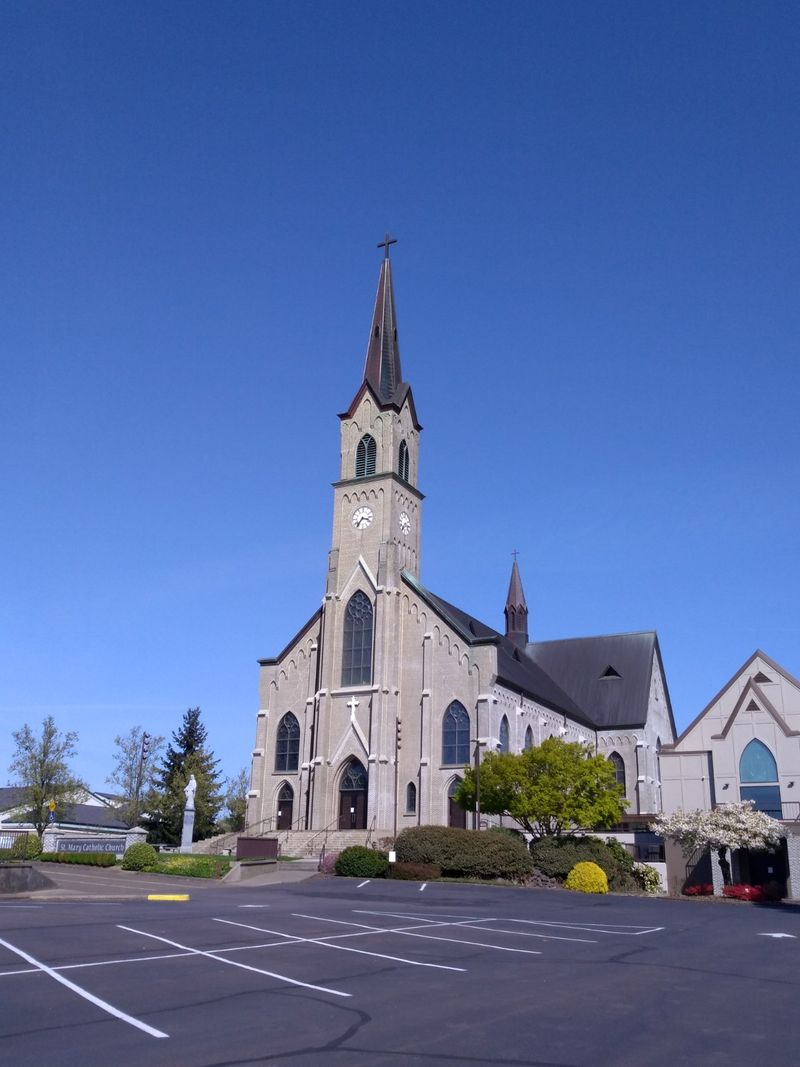
German Catholic settlers established this town in the late 1800s, building around the hilltop Benedictine Abbey that still overlooks the valley. Bavarian-style architecture defines downtown, where murals depict Alpine scenes and shops sell imported German goods. The European atmosphere feels genuine rather than manufactured.
Mt. Angel Oktoberfest ranks among the Northwest’s largest German festivals. Each September, over 300,000 visitors pack the small town for four days of polka music, beer gardens, and authentic German food. Traditional costumes, accordion bands, and folk dancing create an atmosphere that rivals celebrations in Bavaria itself.
The Abbey Library, designed by Finnish architect Alvar Aalto, offers stunning views and architectural beauty worth visiting any time of year. Local bakeries produce German breads and pastries using old-world techniques. During quieter months, Mt. Angel maintains its Old World charm without the festival crowds, making it perfect for peaceful exploration.
11. Fredericksburg, Texas
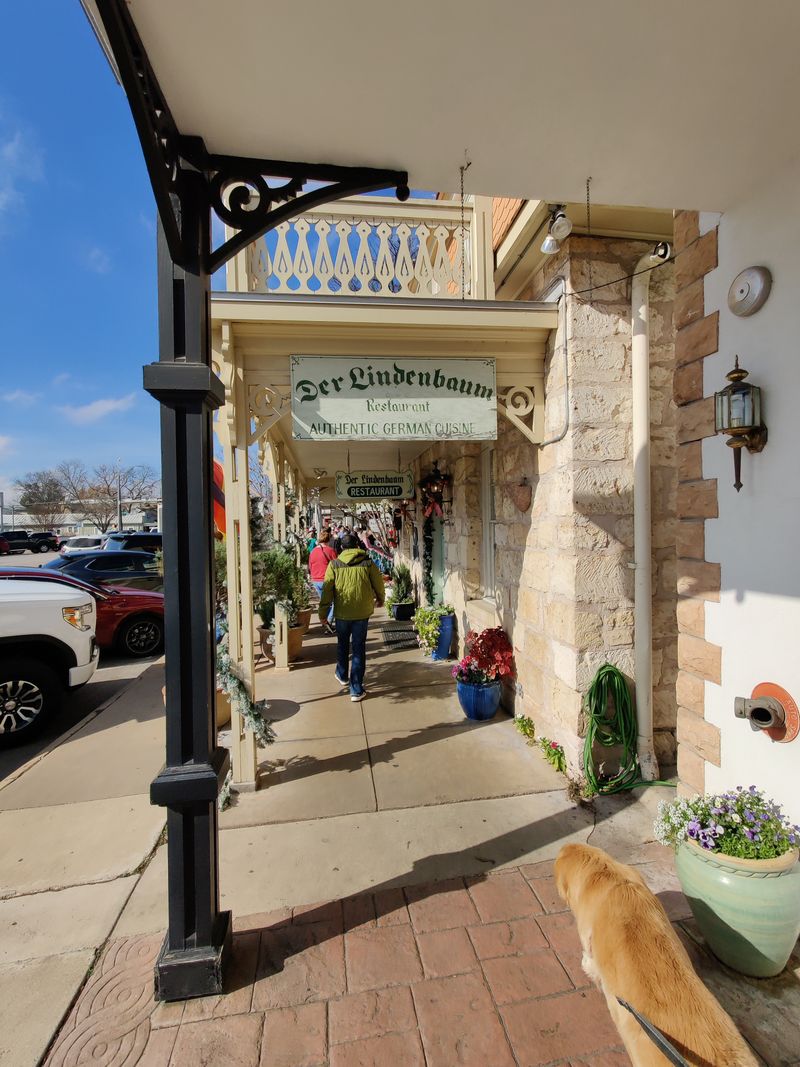
German immigrants founded Fredericksburg in 1846 as part of a larger settlement project in the Texas Hill Country. They negotiated a peace treaty with the Comanche that lasted for decades, allowing their community to flourish. Original limestone buildings still stand along Main Street, housing shops and restaurants that honor this heritage.
German influences mix with Texas cowboy culture in unexpected ways. You’ll find schnitzel served alongside barbecue, and beer gardens next to honky-tonk bars. The Pioneer Museum complex preserves original settlers’ homes and buildings, showing how German traditions adapted to the harsh Texas frontier.
Wine country now surrounds Fredericksburg, adding another European element to the experience. Over 50 wineries operate in the area, many with German names and family histories. Christmas markets transform the town each December, while Oktoberfest brings oompah bands and traditional dancing. Bakeries serve strudel and German chocolate cake that locals swear by.
12. Tarpon Springs, Florida
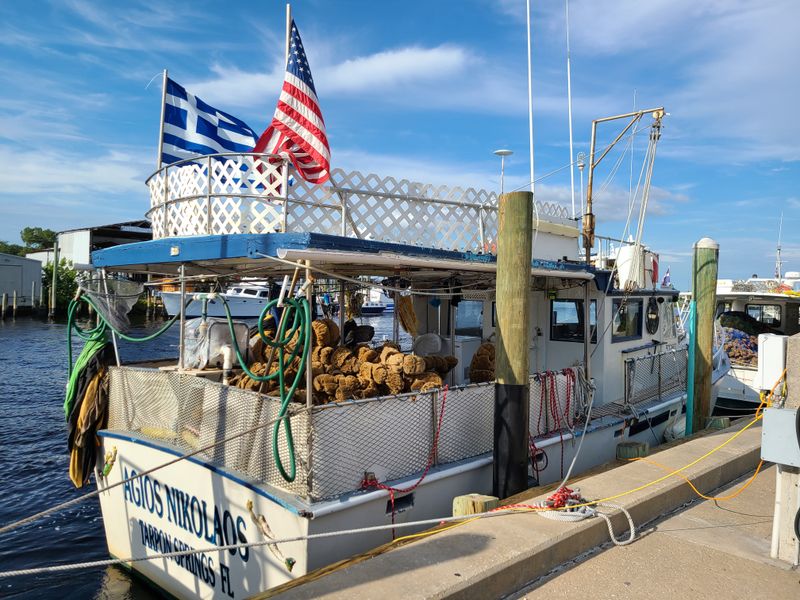
Greek sponge divers arrived here in the early 1900s, establishing one of the highest percentages of Greek-Americans in any U.S. city. Their descendants maintain strong cultural ties, creating a waterfront district that feels transported from the Aegean islands. Blue and white buildings line the historic sponge docks where boats still harvest natural sponges.
St. Nicholas Greek Orthodox Cathedral dominates the skyline with its impressive Byzantine architecture and beautiful iconography. During Epiphany each January, the archbishop throws a cross into the Spring Bayou, and young men dive to retrieve it in a tradition dating back centuries. Thousands gather for this blessing of the waters.
Greek restaurants and bakeries cluster along the waterfront. Order fresh seafood prepared Greek-style, or grab spanakopita and baklava from family-owned shops. Markets sell imported olives, feta, and spices. The smell of grilling lamb and fresh-baked bread fills the air, while bouzouki music drifts from tavernas where locals gather.
13. St. Augustine, Florida
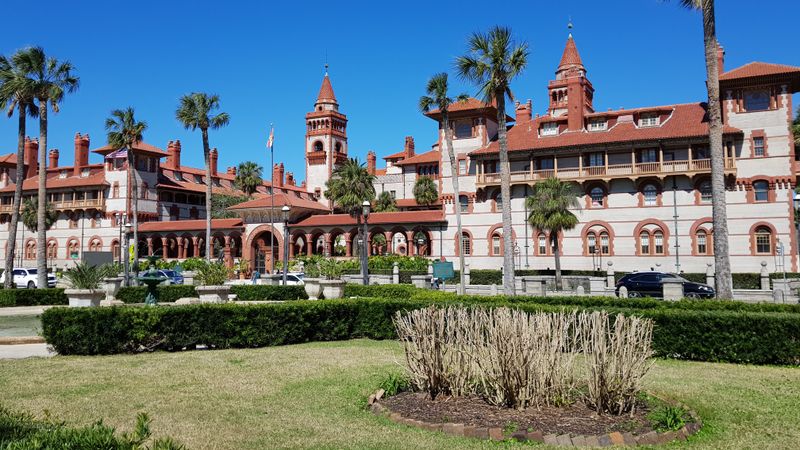
Founded by Spanish explorers in 1565, St. Augustine holds the title of oldest continuously occupied European settlement in the continental United States. Narrow cobblestone streets wind through the historic district, past Spanish colonial buildings with wrought-iron balconies and hidden courtyards. The European atmosphere runs deep because it’s authentically old, not recreated.
Castillo de San Marcos, a massive stone fortress built by the Spanish, still guards the harbor after more than 300 years. Walking its ramparts offers views across Matanzas Bay while cannon demonstrations bring history to life. The fort’s coquina stone walls have withstood pirates, sieges, and hurricanes.
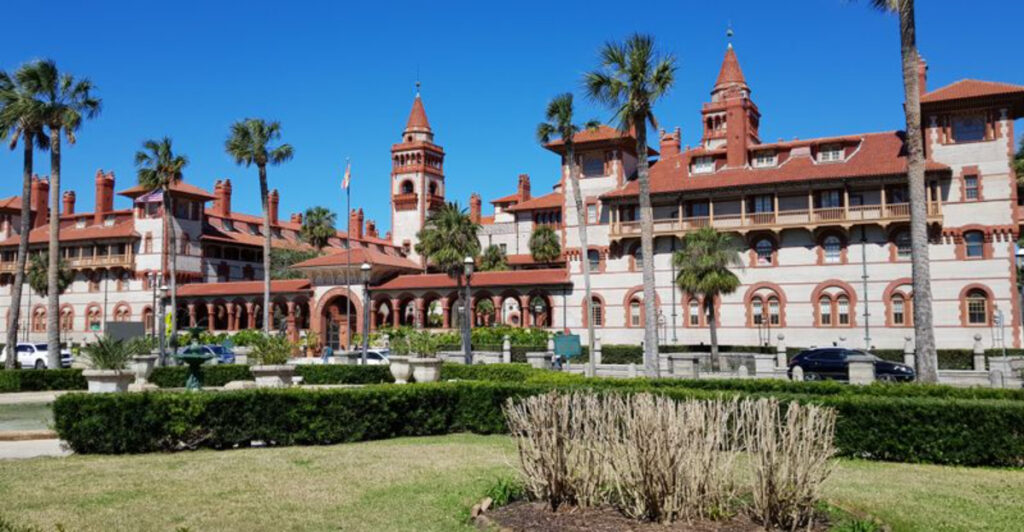
Spanish architecture defines the downtown area, from the ornate Lightner Museum (formerly a luxury hotel) to the Cathedral Basilica with its bell tower visible throughout town. Restaurants serve Spanish and Mediterranean cuisine in centuries-old buildings. Ghost tours capitalize on the city’s long, sometimes dark history, adding mysterious atmosphere to evening strolls.
14. New Orleans, Louisiana
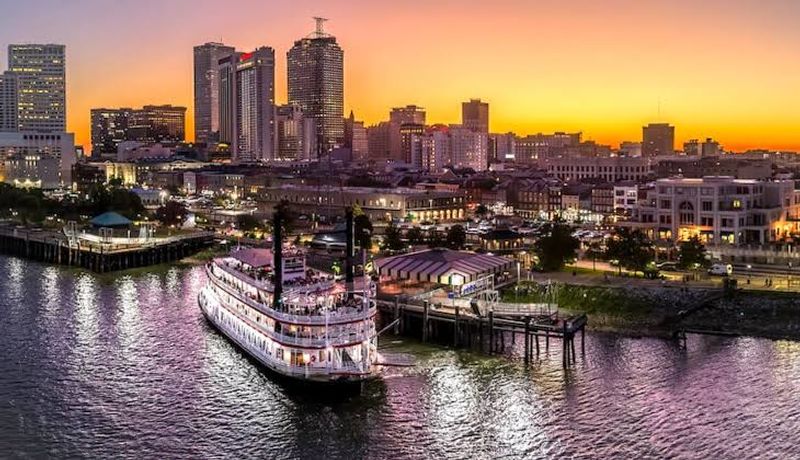
French colonists established New Orleans in 1718, and despite fires that destroyed much of the original city, the rebuilt French Quarter retains unmistakable European character. Narrow streets with names like Rue Bourbon and Rue Royale wind past colorful Creole townhouses adorned with elaborate wrought-iron balconies. Courtyards hide behind heavy wooden doors, offering glimpses of fountain-centered gardens.
The architecture blends French, Spanish, and Caribbean influences into something uniquely New Orleans yet distinctly European. Jackson Square, flanked by the St. Louis Cathedral, could pass for a plaza in southern France or Spain. Street performers, artists, and fortune-tellers add to the Old World atmosphere.
Café culture thrives here like nowhere else in America. Café du Monde serves beignets and chicory coffee 24 hours a day, while other cafés offer croissants and café au lait that transport you straight to Paris. Jazz music floats from clubs and street corners, creating a soundtrack that feels both European and uniquely American.
Share this story