One day you could rent a decent place with change to spare, and the next you were outbid before the tour ended. If it feels like certain cities flipped from approachable to impossible almost overnight, you are not imagining it. Tech booms, remote work, and tight housing supply collided to push prices into the stratosphere. Here are 13 cities where the shift hit hardest and fastest, plus what that means for anyone trying to stay put or move in.
1. Denver, Colorado
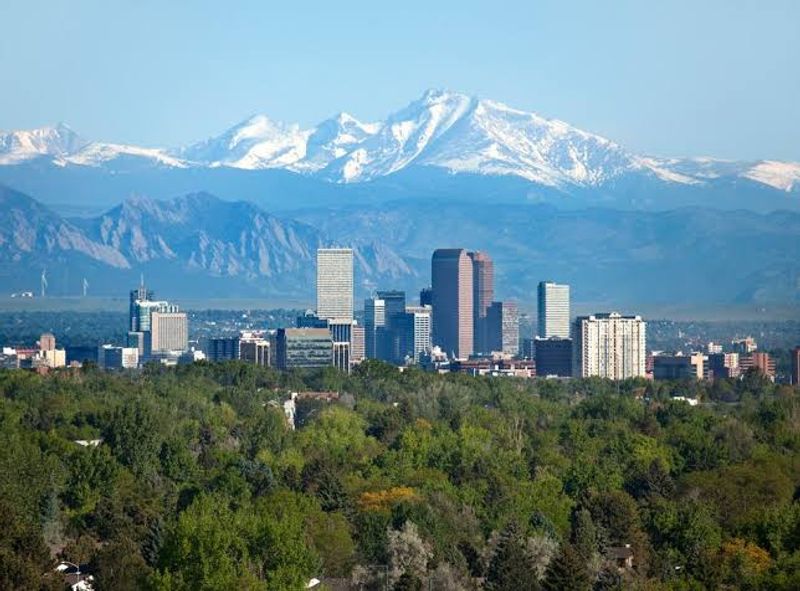
Denver used to lure you with craft beer and a backyard of mountains, plus reasonable rents. Then demand outpaced new builds, and starter homes vanished into cash offers. Condos near transit skyrocketed while fixer uppers drew thirty offers in a weekend.
If you dream of sunshine and trails, prepare for sticker shock. Neighborhoods that felt attainable now require escalation clauses and clean contingencies. You can still find value by targeting older high-rises, considering suburbs along rail lines, and moving fast.
2. Nashville, Tennessee
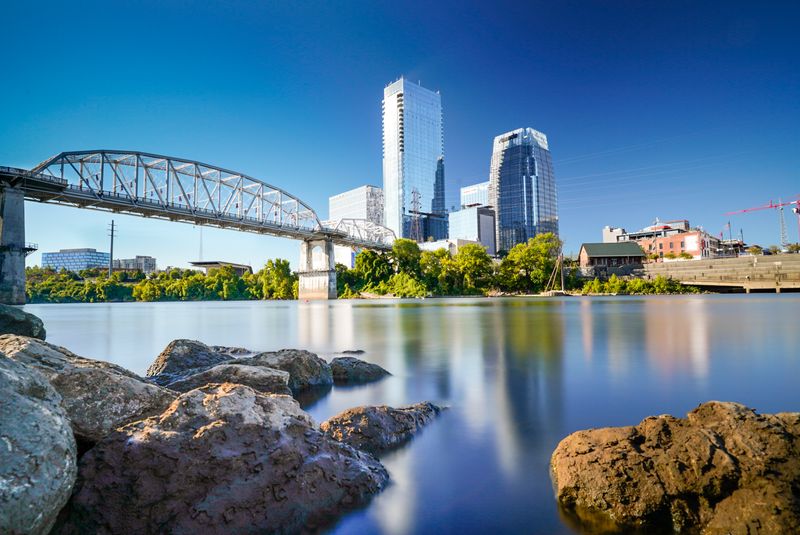
Nashville blended creative energy with low costs until remote work dollars poured in. Suddenly, new towers and short-term rentals squeezed the market. Rents climbed, and first-time buyers saw their budgets outrun by rising interest and renovation premiums.
The charm remains, but affordability slipped out of tune. If you are relocating for music or tech, expect aggressive timelines and limited inventory. Look beyond hot corridors, explore townhomes, and ask landlords about concessions during slower months.
3. Portland, Oregon
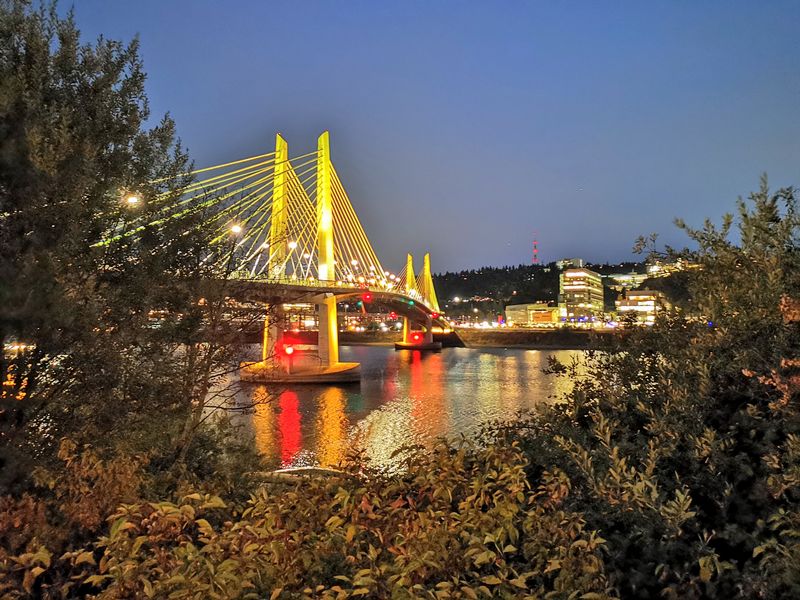
Portland’s indie vibe and easy lifestyle drew waves of newcomers. Demand surged while permitting and construction lagged, pushing prices into once unthinkable territory. Neighborhoods that were quirky and cheap became competitive and polished almost overnight.
If you love coffee, bikes, and greenways, you will need a sharper budget. Consider condos near MAX lines or older buildings needing cosmetic fixes. You can still carve out value, but the days of casual weekend browsing are gone.
4. Miami, Florida
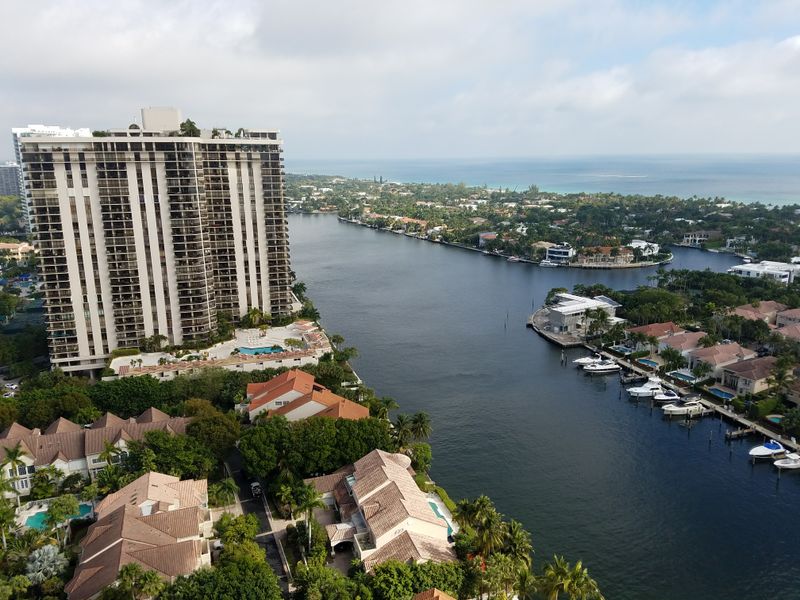
Miami’s sunshine met a flood of remote workers and investors, and prices launched. Even neighborhoods far from the beach saw bidding wars and cash closings. Insurance costs climbed, adding another punch to monthly budgets.
If you were hoping for a palm-lined bargain, it is time to recalibrate. Hunt inland, check flood maps, and factor premiums before signing. Renters should track seasonal dips and negotiate with flexible move-in dates for leverage.
5. Seattle, Washington
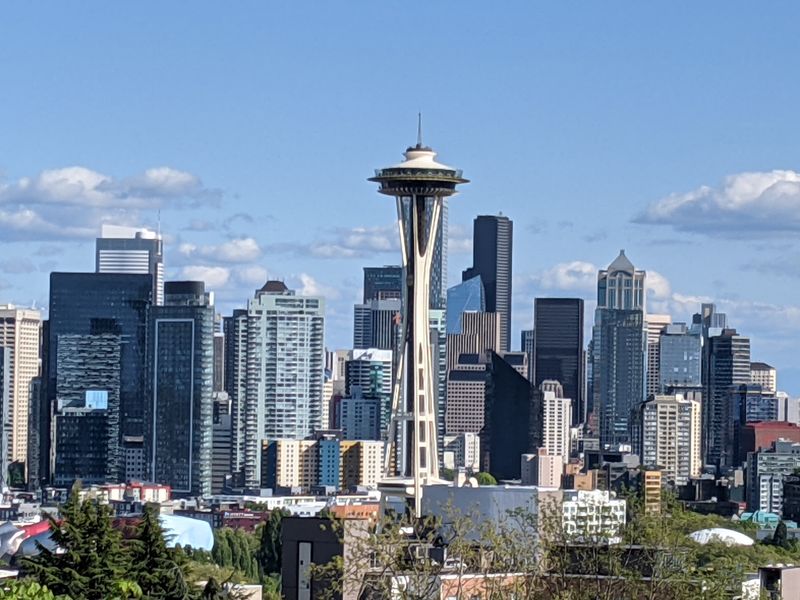
Seattle’s tech engine transformed wages and housing in tandem, but inventory never caught up. Starter homes disappeared under all-cash offers, and townhomes became the new entry point. Renters face waitlists and strict screening, even beyond central neighborhoods.
You can still live close to trails and ferries, but plans must be precise. Target light rail corridors, consider co-buying, and watch pre-inspections closely. Patience and data-driven offers are essential here.
6. San Diego, California
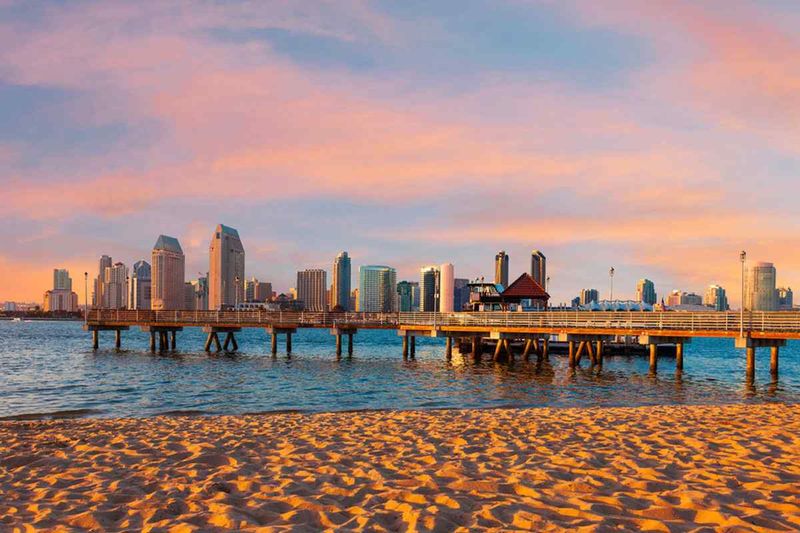
San Diego charmed with weather and beaches while quietly shedding affordability. Zoning limits and coast-adjacent demand pushed prices beyond many paychecks. Even small apartments near transit attract intense competition.
If you need sunshine, expand your search inland and evaluate older condos with strong HOAs. Bidding wars are normal, so keep contingencies tight and financing flawless. Commuter rail access can stretch your options without sacrificing lifestyle.
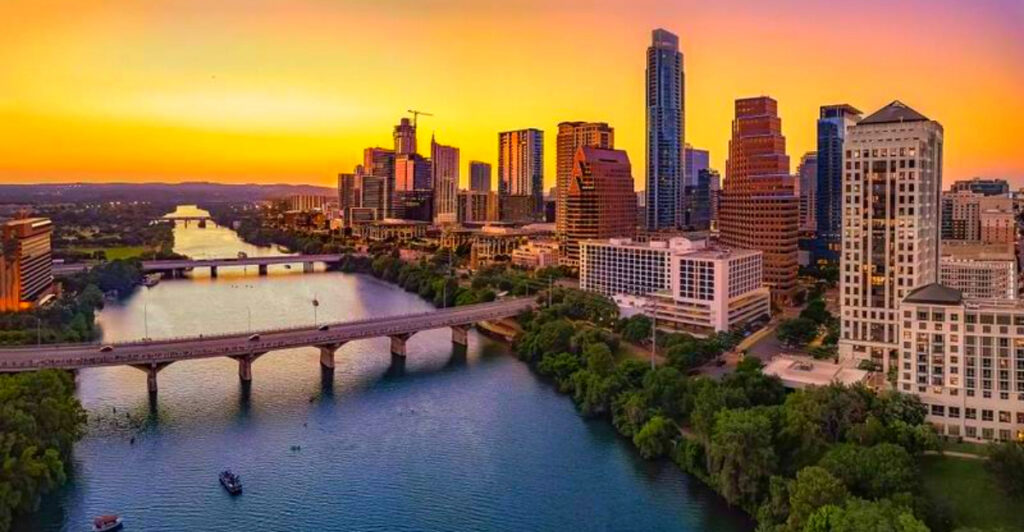
7. Austin, Texas
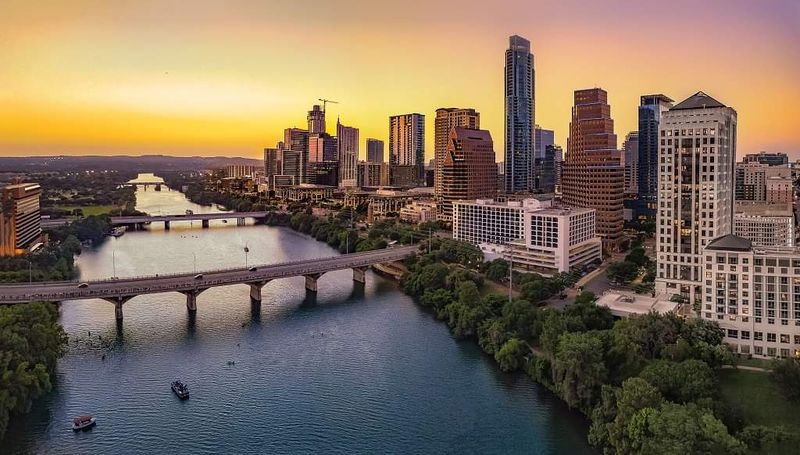
Austin felt affordable until the tech caravan arrived with stock grants and remote salaries. Suddenly, modest bungalows turned into instant bidding wars, and even micro apartments asked for three months of rent upfront. You blinked and median prices sprinted ahead of paychecks.
Neighborhoods once known for live music and tacos now come with inspection waivers and cash buyers. Longtime residents weigh longer commutes or moving entirely. If you are hunting here, get preapproved early, widen your radius, and prepare for competition.
8. Raleigh, North Carolina
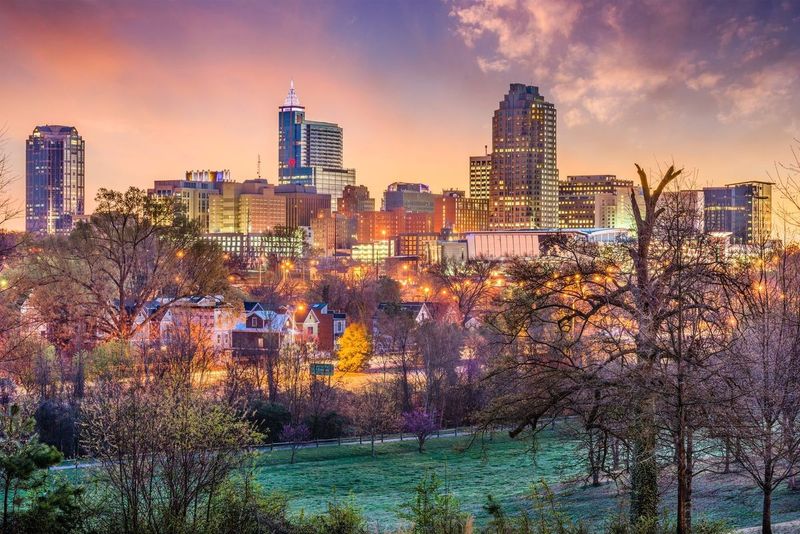
Raleigh grew fast on tech and biotech momentum, and housing could not keep pace. Once modest neighborhoods now feel premium, and rents jumped across the Triangle. Single family homes list on Thursday and disappear by Monday.
If you are moving for a lab or startup, act quickly and consider townhomes or older ranches. Proximity to job centers helps, but do not ignore commuter suburbs with new schools. Preapproval and flexible closing dates will help you stand out.
9. Philadelphia, Pennsylvania
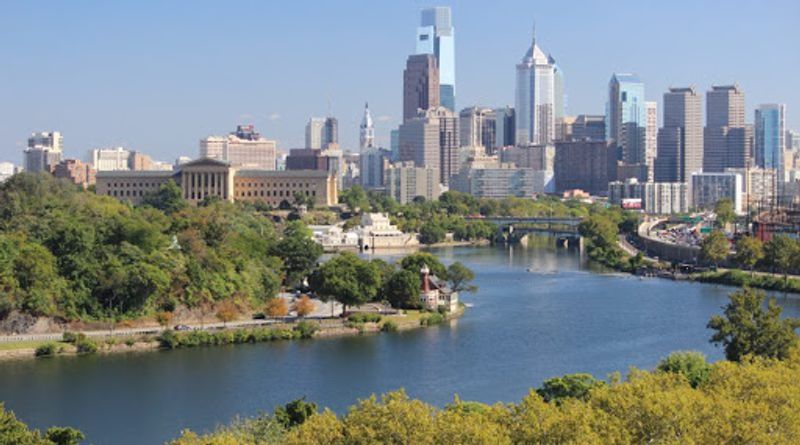
Philadelphia’s student-friendly blocks and artist enclaves saw swift change. Renovations upgraded shells into sleek rentals, and prices followed. Neighborhood identities shifted as remote professionals arrived with bigger budgets.
You can still find value, but it takes sharper scouting. Look at older co-ops, emerging trolley corridors, and houses needing cosmetic work. Watch property taxes and transfer fees so numbers truly pencil out.
10. Salt Lake City, Utah
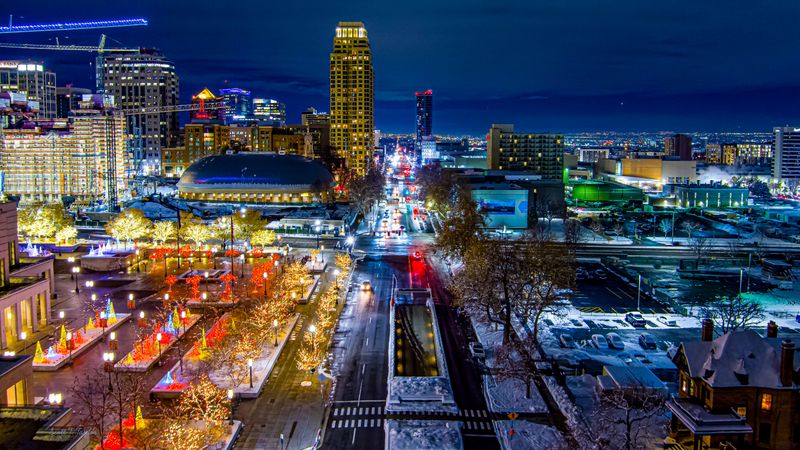
Salt Lake City attracted families and remote workers chasing space and mountains. Supply could not keep up, and prices doubled in several neighborhoods. Even townhomes jumped beyond FHA comfort zones.
If you are aiming for trails and good schools, expand your search along new transit lines. Consider older condos and be ready to compromise on finishes. A quick inspection team and strong lender letter will matter here.
11. Minneapolis, Minnesota
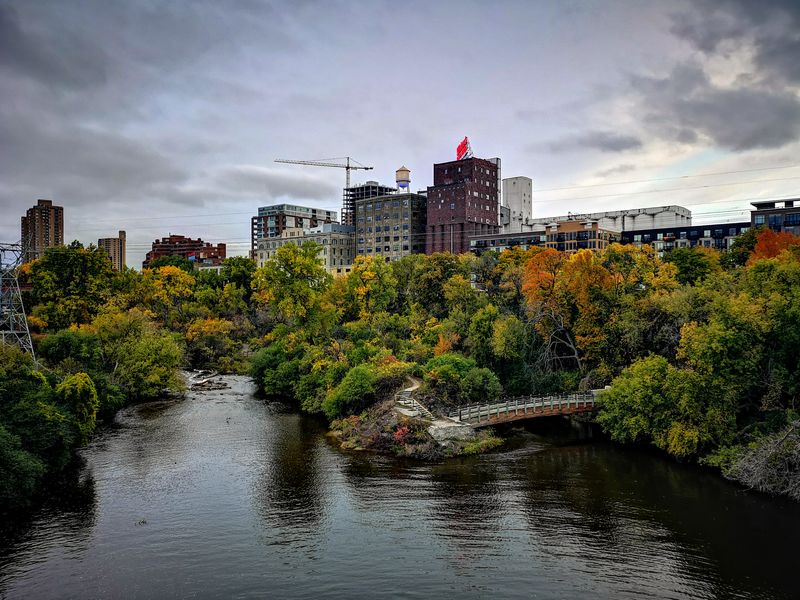
Minneapolis once balanced quality of life with humane rents. Then inventory tightened, renovations surged, and prices climbed faster than expected. Neighborhoods near lakes and transit absorbed the shock first.
If you want walkability, look at older triplexes or condo conversions. Winter can soften competition, so timing helps. Keep an eye on property taxes and HOA reserves to avoid surprises after closing.
12. Charlotte, North Carolina
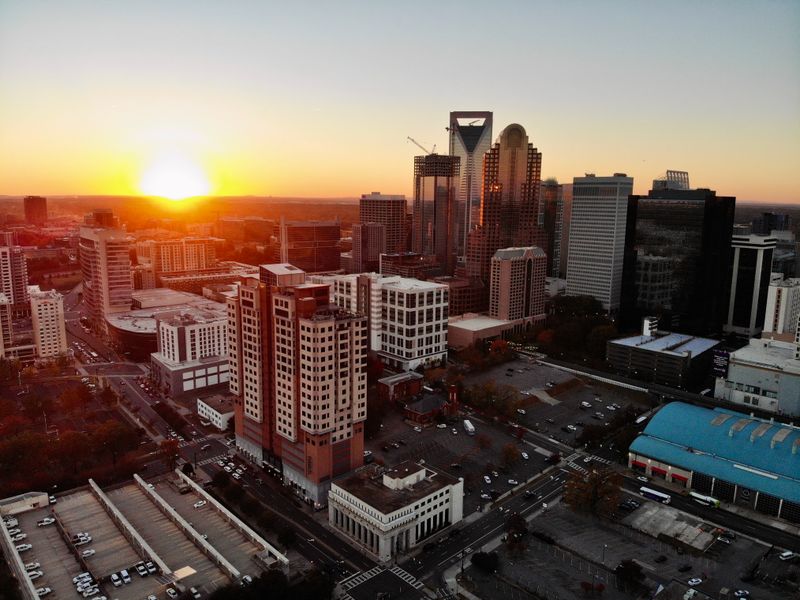
Charlotte’s growth engine brought jobs and newcomers, and housing followed with sharp price jumps. Rentals that once felt modest now carry luxury-level expectations. Starter homes near light rail command multiple offers instantly.
If you are arriving for banking or fintech, target older condos and farther suburban pockets. New construction can offer incentives, but do the commute math. Bring a strong earnest deposit and be ready to move quickly.
13. Honolulu, Hawaii

Honolulu’s paradise comes with hard math. Land is scarce, demand never lets up, and costs stack from groceries to HOA fees. Housing feels like a luxury unless you plan carefully.
If you are determined to stay near the ocean, consider older leasehold units and verify maintenance reserves. Factor in utilities and parking before committing. Patience, local guidance, and flexible expectations make this market survivable.
Share this story