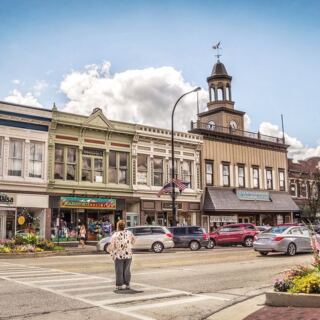
For generations, the Appalachian Mountains have been home to tight-knit communities built on hard work, natural resources, and deep family roots. But over the past several decades, something dramatic has happened: thousands of people have packed up and left, searching for opportunities elsewhere. Today, we explore the complex reasons behind this massive population shift and why only a fraction of residents have chosen to stay behind.
1. Appalachia Covers a Large, Rugged Area
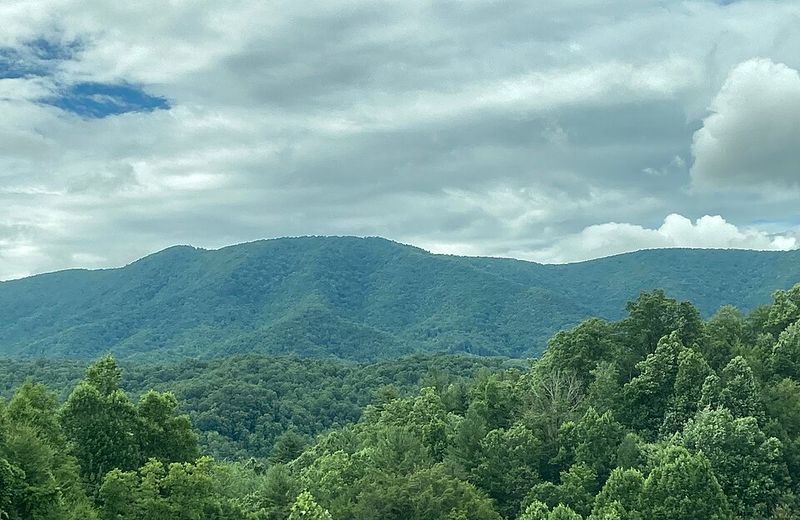
Spanning over 1,000 miles from southern New York all the way down to northern Mississippi, Appalachia is one of America’s most geographically challenging regions. Mountains rise sharply, valleys cut deep, and rivers wind through landscapes that look stunning but make everyday travel incredibly tough.
Back in the 1800s and early 1900s, building roads and railroads through this terrain cost a fortune and took decades. Communities remained isolated from each other and from major cities where industries were booming.
This isolation meant fewer businesses wanted to set up shop here. When other parts of America were growing fast with factories and trade, Appalachia stayed quiet and rural. The beautiful landscape that draws tourists today actually held back economic growth for generations, setting the stage for the population troubles we see now.
2. Geographic Isolation Limited Growth
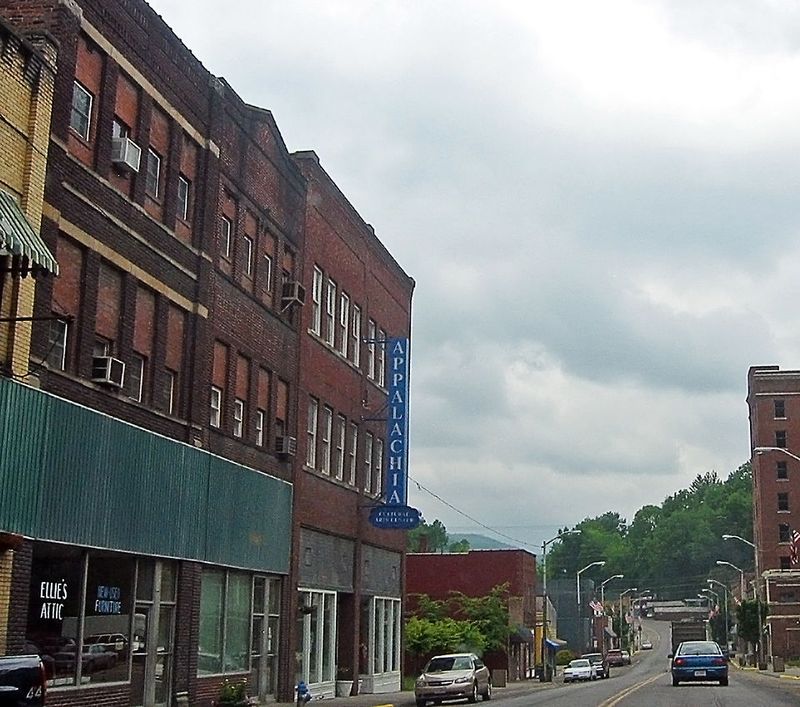
For many Appalachian families well into the 20th century, daily life meant extreme isolation: the nearest town was hours away, reachable only by winding mountain roads that often washed out after heavy rains.
Steep slopes made building anything difficult and expensive. Rail companies chose flatter routes through other regions, leaving mountain communities cut off from national markets. Without good transportation, factories and businesses went elsewhere.
While cities like Pittsburgh and Atlanta thrived with industry and commerce, Appalachian towns stayed small and disconnected. Young people noticed the difference. They saw cousins in other states getting factory jobs, attending better schools, and enjoying modern conveniences that took decades longer to reach the mountains. This geographic reality planted the first seeds of out-migration that would eventually become a flood.
3. Historically Extractive Economies
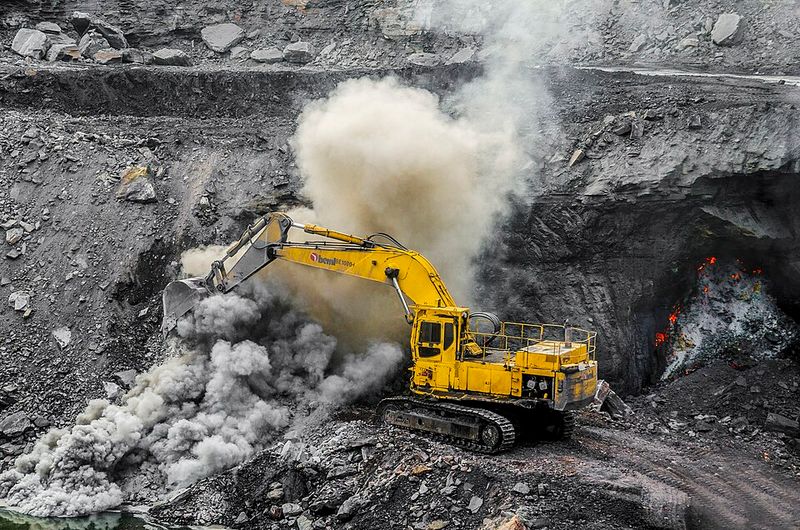
Most of Appalachia built its economy on pulling things out of the ground rather than building things up. Coal mining dominated many counties, while timber companies cleared vast forests, and a few areas had iron or other mineral operations.
These extractive industries created jobs but rarely invested profits back into local communities. Company towns owned the houses, stores, and even schools. When coal prices dropped or a mine played out, entire towns could collapse almost overnight.
Meanwhile, other American regions were developing diverse economies with manufacturing, technology, finance, and services. Appalachia put too many eggs in one basket. When that basket broke in the latter half of the 1900s, there was nothing to catch the falling pieces. Families who had lived there for generations suddenly faced impossible choices about their futures.
4. Decline of the Coal Industry
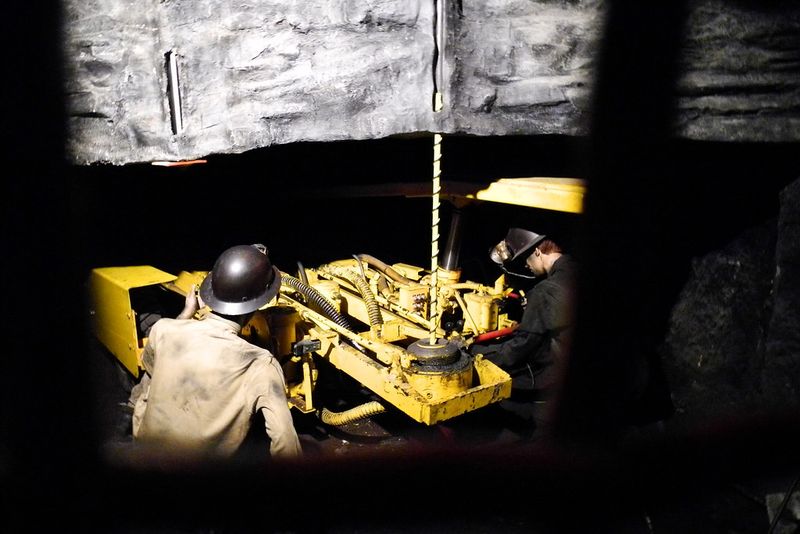
Coal was once called king in Appalachia, providing good-paying jobs that supported entire communities. But starting in the 1950s and accelerating through today, that kingdom has crumbled.
Machines replaced miners, doing the work of dozens of men. Natural gas became cheaper and cleaner for electricity generation. Environmental regulations made coal less attractive. What once employed hundreds of thousands now employs just tens of thousands across the entire region.
When the mines closed, everything else followed. Stores shut down because nobody had money to spend. Schools lost funding as property values plummeted. Young adults watched their parents struggle and decided to leave before the same thing happened to them. The coal industry’s decline is perhaps the single biggest driver of Appalachian population loss, turning thriving towns into ghost communities within a single generation.
5. Lack of Economic Diversification
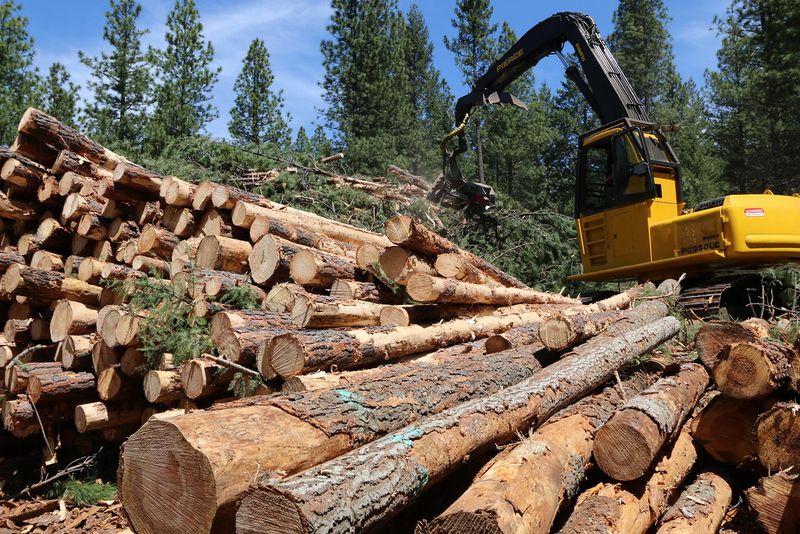
In town after town across Appalachia, nearly everyone depended on a single factory for work. When those factories shut down, whole communities were left without jobs – because there were no backup economic plans in place.
While the Midwest built cars, appliances, and machinery, and coastal cities developed technology and finance sectors, Appalachia stayed focused on coal and timber. Local governments lacked resources to attract new businesses. Banks were reluctant to invest in such remote areas.
Education systems trained workers for industries that were disappearing rather than preparing them for emerging fields. When economic winds shifted, Appalachian towns had nothing to fall back on. Residents looking for stable futures had no choice but to move to places with more varied job markets. Economic diversity is not just smart planning; it is survival insurance that Appalachia never purchased.
6. Lower Educational Attainment Levels
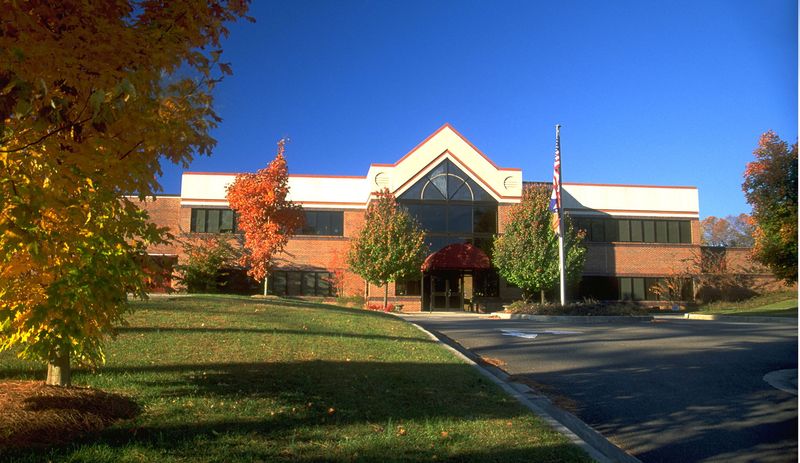
Education opens doors, but in many Appalachian counties, those doors remained harder to open than in other parts of America. High school graduation rates lagged behind national averages for decades, and college attendance was even rarer.
Several factors contributed to this gap. Rural schools had less funding and fewer resources than suburban counterparts. Some families needed teenagers to work rather than stay in school. Cultural attitudes sometimes valued immediate work over long-term education.
Lower educational attainment created a vicious cycle. Without diplomas and degrees, residents qualified for fewer jobs. Businesses looking for educated workers went elsewhere. Young people who did value education often had to leave the region to pursue it, and most never returned. Breaking this cycle requires massive investment and cultural shifts that have proven difficult to achieve across such a large, diverse region.
7. Limited Higher Education Access

If you wanted to attend college in mid-20th century Appalachia, your options were limited and often far from home. While other regions built extensive public university systems, Appalachia had fewer institutions spread across much greater distances.
Attending college often meant leaving the mountains entirely, moving to cities hours away. For families struggling financially, this was simply impossible. Those who did leave for education rarely came back because job opportunities in their fields did not exist at home.
Some community colleges and regional universities eventually opened, but by then, generations had already migrated away. Today, this gap still exists. Online education has helped somewhat, but hands-on fields like engineering, medicine, and advanced sciences still require physical presence at institutions mostly located outside Appalachia. Education access and population retention are deeply connected, and Appalachia lost on both counts.
8. Persistent Poverty Rates

Drive through certain Appalachian counties today and you will see poverty rates that shock most Americans. Some counties have poverty levels two or three times the national average, a situation that has persisted for generations.
Poverty is not just about low income; it is about limited opportunities, poor health outcomes, inadequate housing, and reduced life expectancy. Children growing up in persistent poverty face obstacles that affect their entire lives.
Families living in such conditions naturally look for better situations elsewhere. The American Dream promises opportunity and upward mobility, but when that promise remains unfulfilled for decades, people vote with their feet. Persistent poverty creates a brain drain and ambition drain, where anyone with means and motivation leaves. Those who remain often lack resources to move, creating concentrated poverty that becomes even harder to address as the tax base shrinks and services disappear.
9. Aging Population
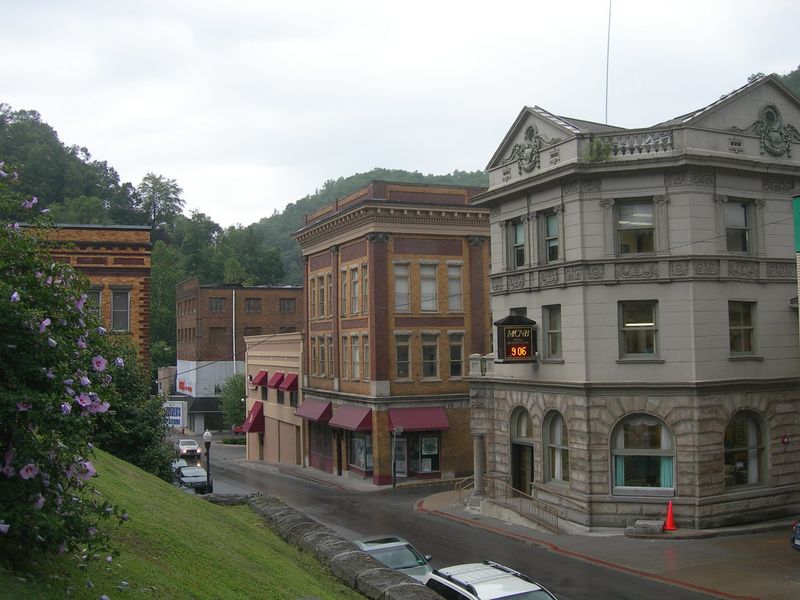
Walk through many Appalachian towns today and you will notice something striking: most people you see have gray hair. The median age in some counties is nearly a decade older than the national average.
This happened because young adults left for education and jobs, and few young families moved in to replace them. Older residents stayed behind, attached to their homes, land, and memories even as opportunities disappeared.
An aging population creates serious challenges. Fewer workers support more retirees. Schools close due to lack of children. Businesses catering to young families disappear. Healthcare needs increase just as medical facilities close. This demographic reality feeds on itself: young people see communities of mostly elderly residents and decide there is no future there for them. The aging of Appalachia is both a symptom and a cause of continued population decline.
10. Healthcare Access Challenges

When the nearest hospital is an hour away on winding mountain roads, a medical emergency becomes a life-or-death race against time. This is reality for many Appalachian residents today.
Rural hospitals have closed by the dozens in recent decades, unable to stay financially viable with shrinking populations and high poverty rates. Clinics struggle to attract doctors willing to work in isolated areas for lower pay. Specialist care often requires traveling to distant cities.
Healthcare access directly affects quality of life and life-or-death decisions. Families with chronic health conditions or elderly relatives face impossible choices: stay near family land but risk inadequate medical care, or move to areas with better healthcare infrastructure. Many choose to leave. Healthcare deserts make population decline worse, and population decline makes healthcare access worse. Breaking this cycle requires massive investment that has been slow to materialize.
11. Brain Drain to Urban Centers

Every small town has stories of their brightest students who left and never came back. Appalachia has thousands of such stories, creating what economists call brain drain.
Talented, educated, ambitious young people naturally seek opportunities matching their skills and aspirations. When those opportunities do not exist at home, they leave for cities like Charlotte, Atlanta, Washington DC, or even farther away. Once established in urban careers, most never return.
Brain drain creates a devastating cycle. The people most capable of revitalizing communities are the ones who leave. Leadership, innovation, and entrepreneurship get exported to other regions. What remains is a population with fewer resources to drive change. Some Appalachian communities have tried reverse recruitment, offering incentives for educated former residents to return, but competing against thriving cities with diverse job markets, cultural amenities, and modern infrastructure is extremely difficult.
12. Infrastructure Gaps
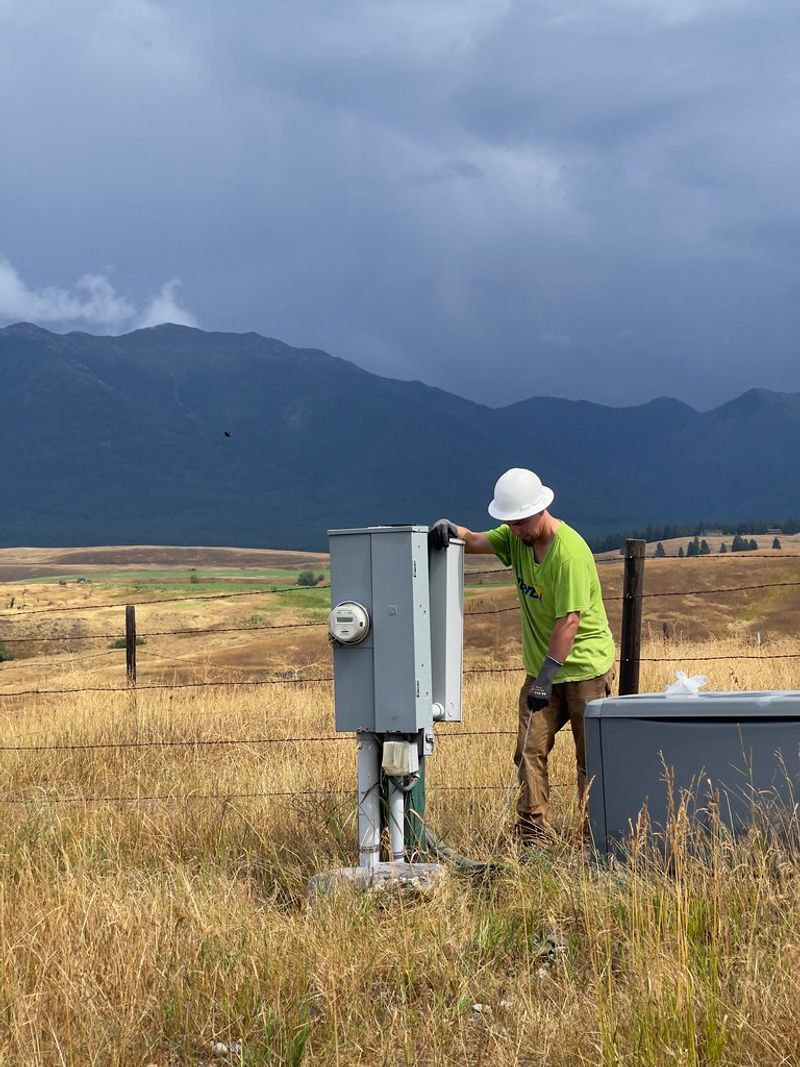
Try running a modern business without reliable high-speed internet. It is nearly impossible, yet many Appalachian communities still lack broadband access that urban and suburban America takes for granted.
Infrastructure gaps go beyond internet. Roads remain inadequate in many areas. Public transportation is virtually nonexistent. Water and sewer systems are aging and inadequate. Cell phone coverage has dead zones spanning miles.
These gaps make economic development extremely difficult. Businesses will not locate where infrastructure is inadequate. Remote work, which could theoretically help rural areas, requires broadband that many communities lack. Young people accustomed to instant connectivity and modern conveniences find rural Appalachia frustrating and limiting. Infrastructure investment requires massive funding that poor, depopulated counties cannot generate themselves, creating another vicious cycle where lack of infrastructure drives population loss, which reduces resources for infrastructure improvement.
13. Cultural Misperceptions and Media Stereotypes
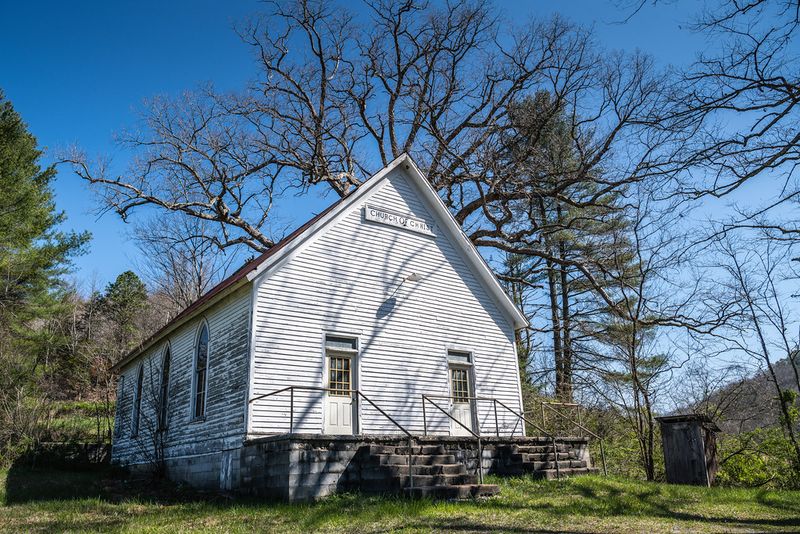
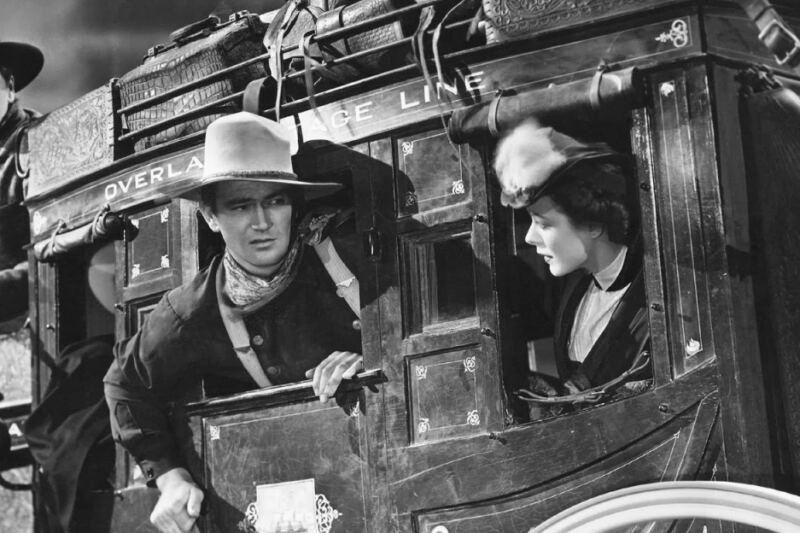
Hollywood has not been kind to Appalachia. Movies and television shows often portray the region through harmful stereotypes: backward, uneducated, isolated, and sometimes dangerous.
These misperceptions have real consequences. Businesses hesitate to invest in areas they perceive as culturally backward. Talented individuals from Appalachia sometimes hide their origins to avoid prejudice. Outsiders view the region as a problem to be fixed rather than a place with rich culture and resilient people.
Stereotypes also affect how residents view themselves and their opportunities. When the wider world constantly sends messages that your home is inferior, some people internalize that message and leave. Others stay but feel defensive and isolated. Changing deeply ingrained cultural perceptions is difficult and slow. Until Appalachia is seen for its true complexity, strengths, and potential rather than through stereotype-tinted glasses, the region will struggle to attract investment and retain population.
14. Shifts in Agriculture and Rural Livelihoods
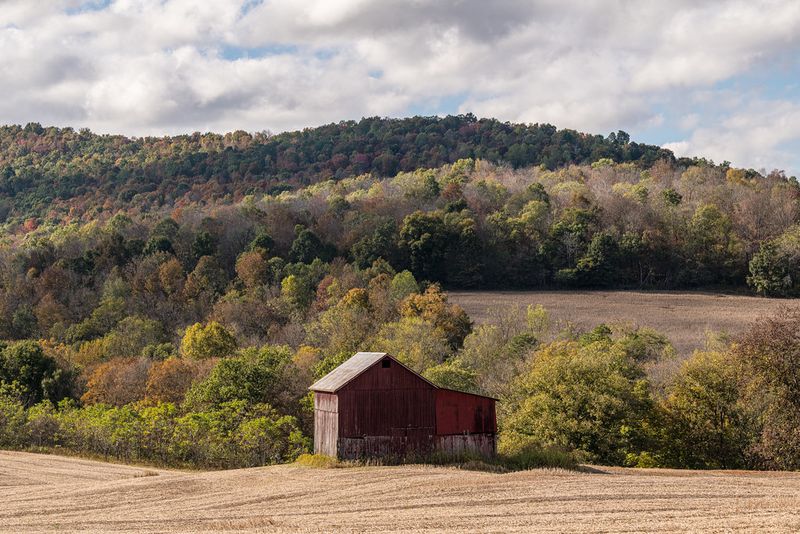
Once upon a time, small family farms dotted Appalachian valleys, providing livelihoods for thousands of families. Those days are mostly gone, replaced by mechanized agriculture and farm consolidation.
Modern farming requires expensive equipment and large acreage to be profitable. Small mountain farms cannot compete with vast Midwest operations. Young people who might have inherited family farms realized they could not make a living on small plots with steep terrain.
As agriculture consolidated and mechanized, it needed fewer workers. Farm families who had worked the same land for generations sold out or simply abandoned properties, moving to towns and cities for wage work. This shift happened nationwide, but it hit Appalachia particularly hard because the region had fewer alternative employment options. The loss of agricultural livelihoods removed another economic pillar, pushing more people toward the exits and leaving once-productive land to grow wild.
15. Migration Patterns After Economic Shocks
Economic recessions hit everywhere, but they hit resource-dependent regions like Appalachia especially hard and trigger waves of out-migration that never fully reverse.
When national recessions occur, industries like coal and manufacturing cut jobs first and deepest. Appalachian communities built around these industries experience devastating unemployment. Families cannot wait for recovery that may never come, so they pack up and leave.
Historical patterns show that after each major economic shock, from the 1980s recession to the 2008 financial crisis, Appalachian population decline accelerates. Some people eventually return when conditions improve, but most establish new lives elsewhere and stay. Each economic shock permanently reduces the population base, shrinks the tax base, and makes recovery harder. Breaking this pattern requires building economic resilience through diversification, but achieving that remains elusive for many Appalachian communities still recovering from previous shocks.
Share this story