New Year’s Eve has always been a time for spectacular fireworks, massive concerts, and streets packed with revelers. However, this year looks different in several major cities around the world. From safety worries to recent tragedies, many places are choosing quieter, more thoughtful ways to ring in the new year instead of the usual grand spectacles.
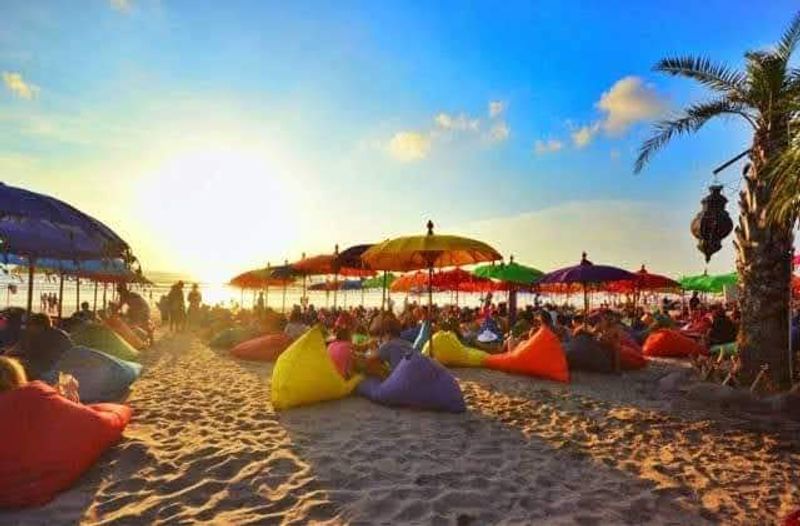
Bali’s capital is taking a completely different approach this year. Officials decided to skip the usual pyrotechnics and loud concerts that typically mark the calendar change.
Instead, Denpasar’s government is focusing on cultural programming that highlights the island’s rich traditions. Visitors and locals can still enjoy performances and activities that celebrate Balinese heritage.
This shift reflects a desire to honor local customs while moving away from commercialized festivities. The new format offers a more intimate, meaningful experience for those welcoming 2026.
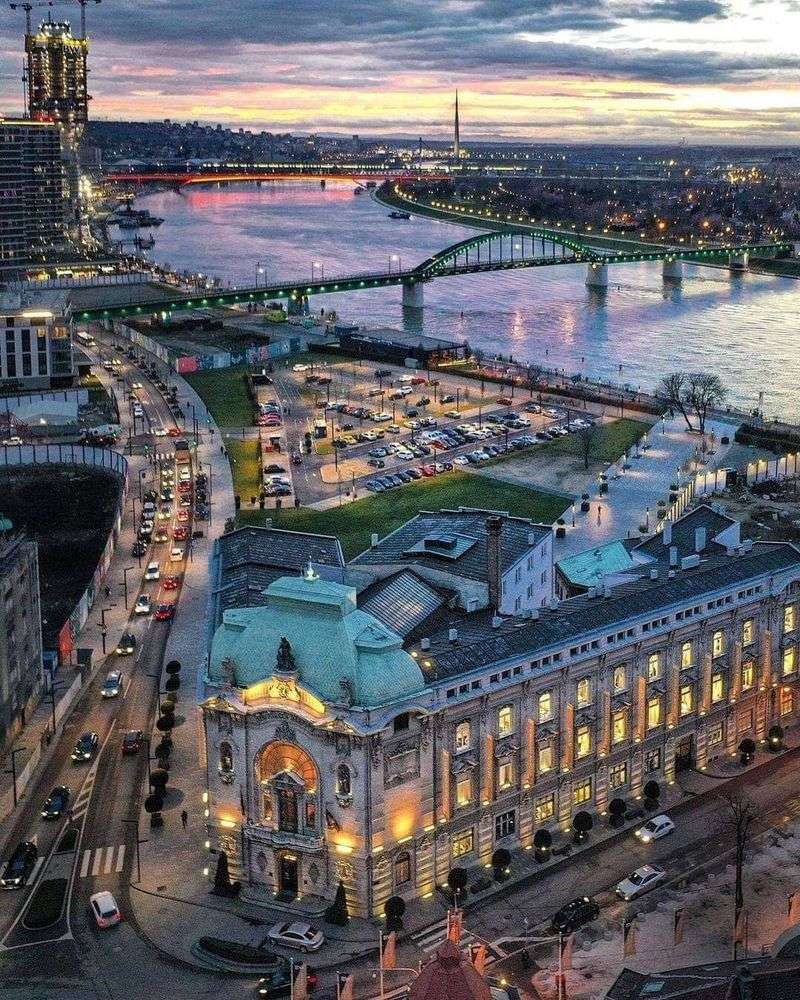
Serbia’s capital won’t be hosting any official outdoor concerts for either New Year’s Eve or the traditional Serbian New Year on January 14. The mayor made this call based on security concerns, particularly wanting to protect younger attendees from potential risks.
Large gatherings in public squares have become a hallmark of Belgrade’s celebrations in recent years. But this time, officials felt the safety issues outweighed the benefits of hosting massive crowds.
People can still celebrate privately, though the absence of city-sponsored events marks a notable change in tradition.
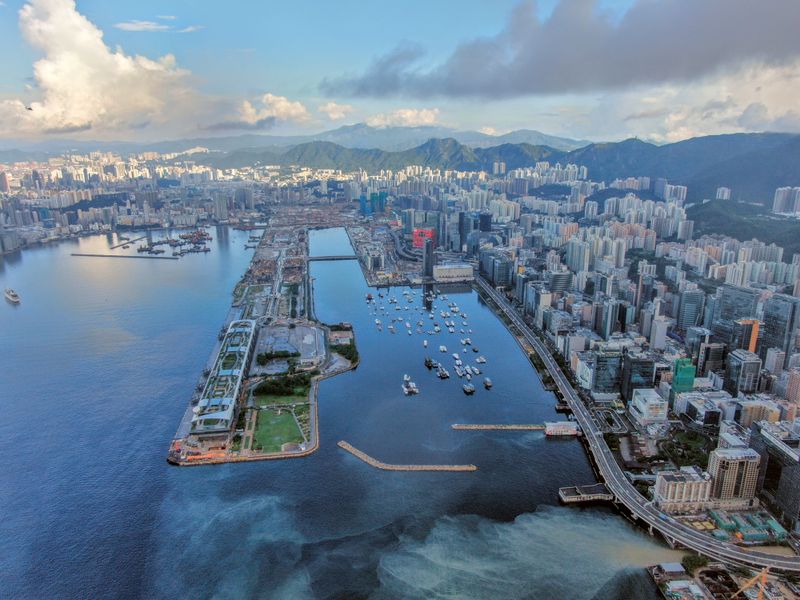
One of Asia’s most iconic New Year’s displays won’t light up Victoria Harbour this year. Hong Kong has pulled the plug on its famous fireworks show, a decision reportedly connected to the devastating Tai Po fire.
Authorities are planning an alternative countdown experience instead of the traditional pyrotechnic extravaganza. The exact format remains under wraps, but officials promise something memorable for residents and tourists alike.
This marks a rare departure from decades of spectacular harbor displays that have drawn millions of viewers worldwide through broadcasts and social media.
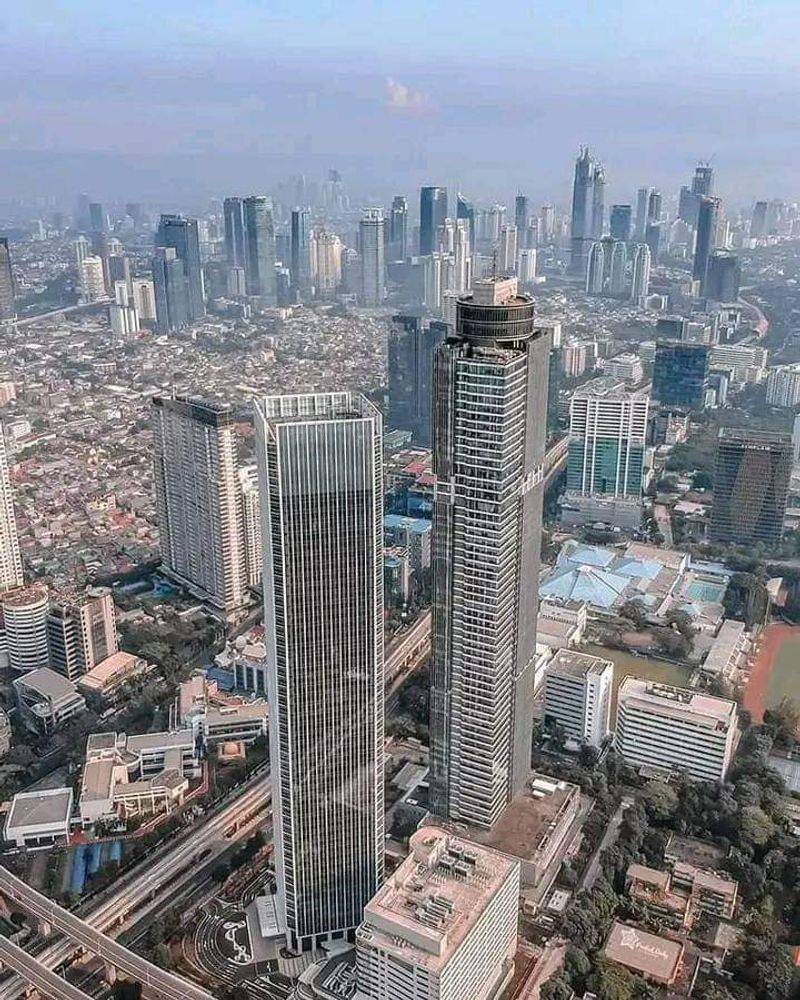
Indonesia’s bustling capital is trading explosions for introspection. Provincial leaders canceled the planned fireworks festival and are organizing a mass prayer and reflection event instead.
The decision comes in response to disaster impacts affecting Sumatra, showing solidarity with those suffering. Rather than loud celebrations, Jakarta will offer residents a chance to gather peacefully and contemplate the year ahead.
Some smaller festivities might still happen around the city, but they’ll be considerably more modest than usual. This thoughtful pivot demonstrates how communities can honor both joy and hardship simultaneously.
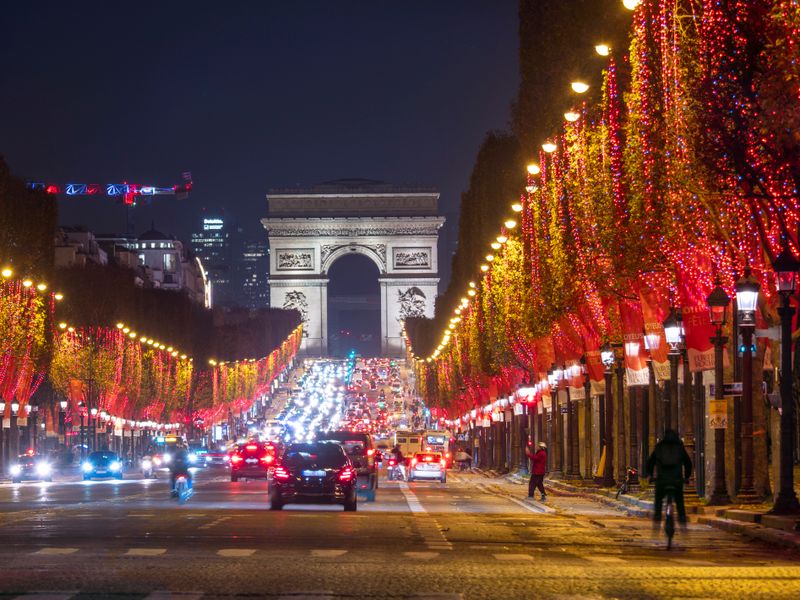
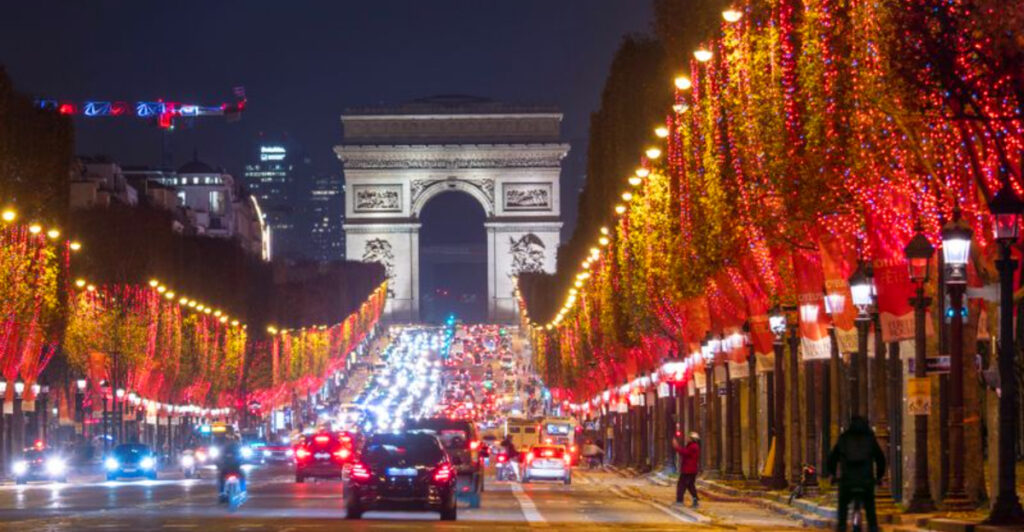
The City of Light is dimming one part of its New Year’s tradition. Paris officials scrapped the open-air concert that normally fills the famous Champs-Élysées avenue with music and crowds.
Security concerns drove this decision, as protecting massive gatherings has become increasingly challenging. However, the midnight fireworks and light show will still illuminate the Parisian sky as planned.
So while music lovers might be disappointed, those eager for visual spectacle can still experience the magic. The partial cancellation represents a compromise between celebration and caution in one of Europe’s most visited cities.
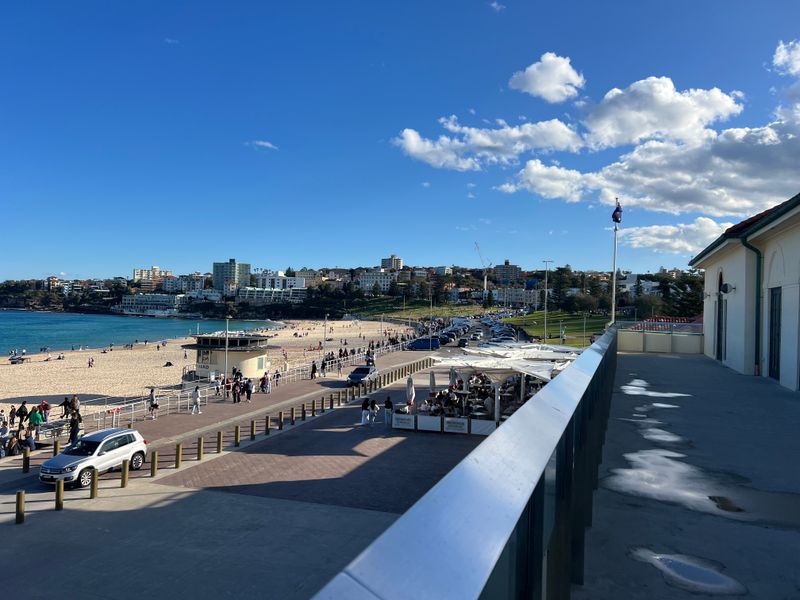
Australia’s famous Bondi Beach won’t be hosting its usual New Year’s Eve parties. Waverley Council called off local events including the popular elrow XXL Bondi and Local’s Lawn gatherings.
Beach lovers who planned to dance in the sand will need alternative plans for the night. However, Sydney’s world-famous harbour fireworks spectacular is still scheduled to proceed as normal.
This means the city’s main attraction remains intact while specific beach venues scale back. Visitors can still experience Sydney’s renowned pyrotechnics display, just not at every location they might have expected.
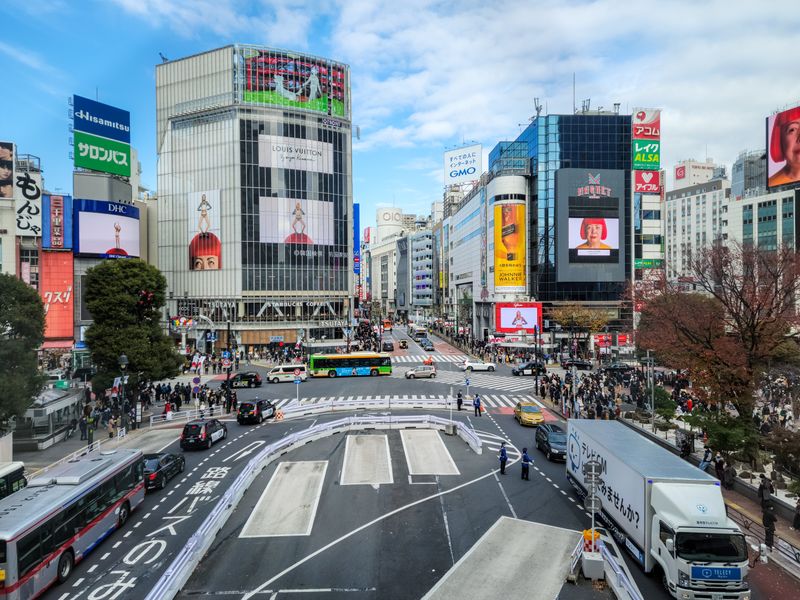
Tokyo’s famous Shibuya crossing won’t be the epicenter of New Year’s chaos this time around. Ward officials canceled the countdown event that typically packs the area in front of Shibuya Station with thousands of revelers.
Crowd safety concerns prompted the decision, as managing the sheer number of people has become increasingly difficult. Authorities also plan to implement stricter safety measures throughout the surrounding neighborhood.
The cancellation affects one of Tokyo’s most photographed locations, where young people traditionally gather to watch the year change on the giant video screens above.
Share this story