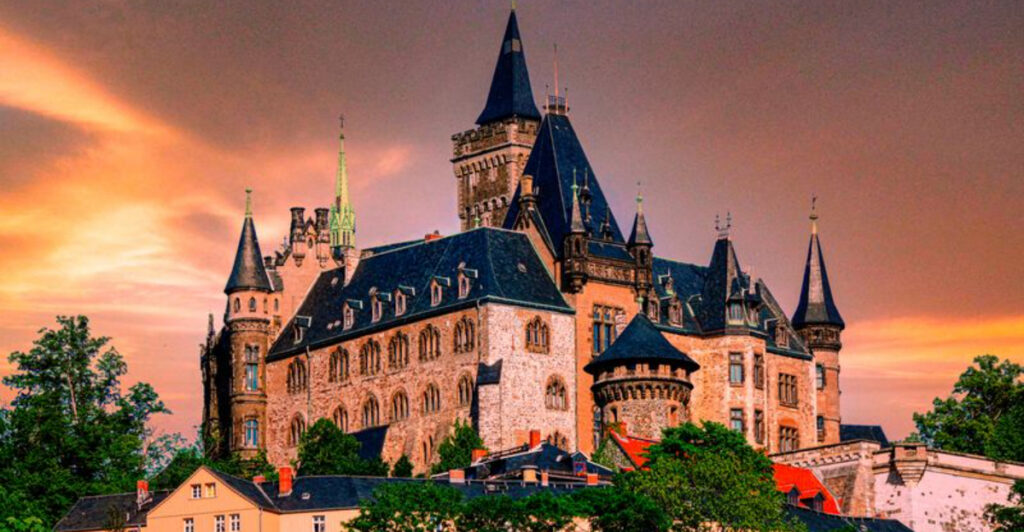
Germany hides some of the most enchanting villages you’ll ever see, places that look like they were plucked straight from the pages of a fairy tale. These aren’t movie sets or theme parks; they’re real towns where people live, work, and welcome visitors into their storybook streets. From half-timbered houses to hilltop castles, these 15 villages prove that magic exists in the real world.
1. Rothenburg ob der Tauber (Bavaria) – a walled medieval time capsule
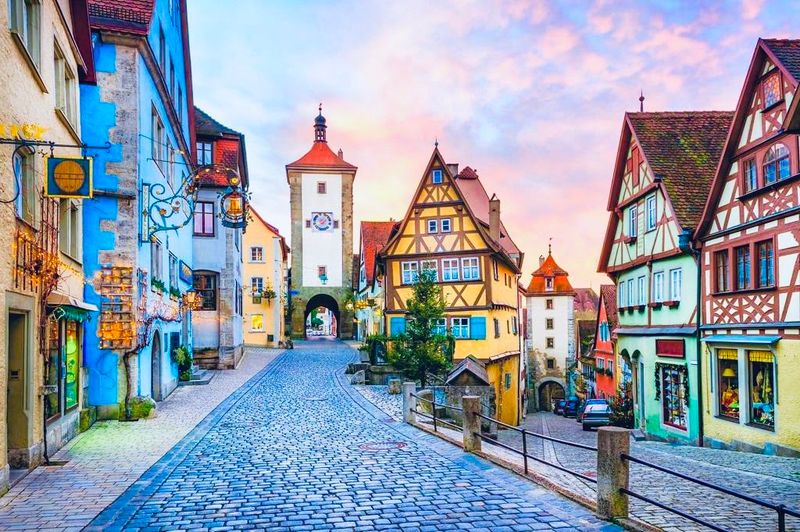
Walking along a medieval wall that wraps around an entire town like a protective hug, Rothenburg ob der Tauber lets you do exactly that, with a roughly 4-kilometer wall walk complete with towers and incredible views.
The old town inside feels frozen in time, with cobblestone streets and buildings that have stood for centuries. Sunset is when the magic really happens—the skyline transforms into something straight out of a storybook.
Plan your wall walk for late afternoon to catch those golden-hour views that photographers dream about.
2. Dinkelsbühl (Bavaria) – Romantic Road charm without the overload
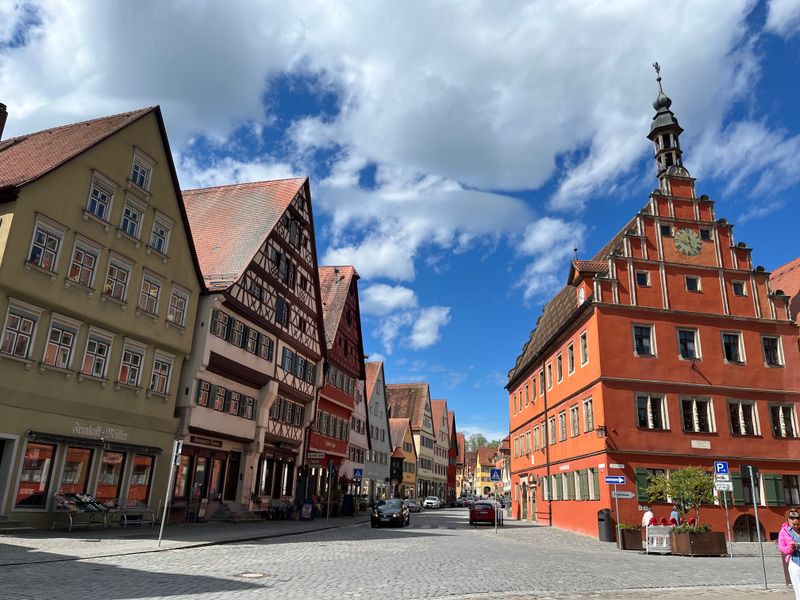
While Rothenburg gets most of the fame, Dinkelsbühl quietly offers one of Germany’s best-preserved medieval townscapes without the crowds. Towers and gates punctuate the town wall that still wraps around this Romantic Road gem.
Walking through the old core feels like stepping into a history book, but one that’s still very much alive. Every corner reveals another perfectly preserved building or charming street scene.
The compact size makes exploration easy and enjoyable on foot, letting you soak in the atmosphere at your own pace.
3. Bacharach (Rhineland-Palatinate) – Rhine Valley romance, medieval edition
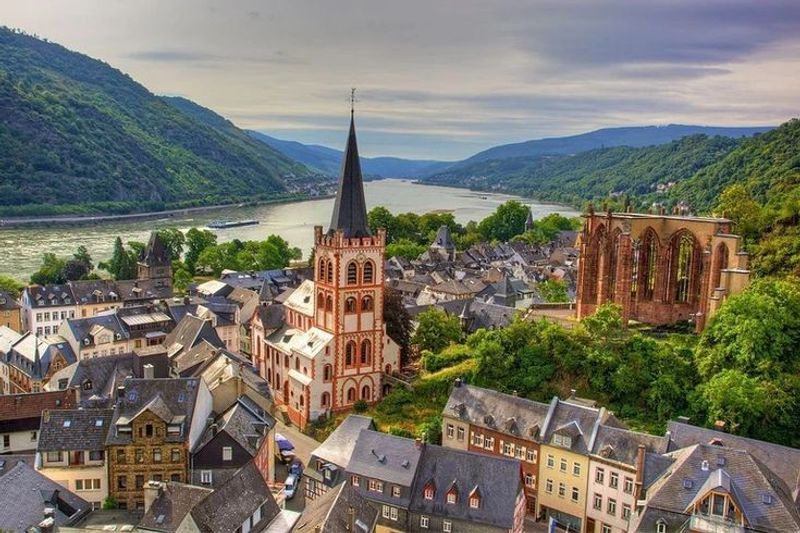
Nestled in the UNESCO-listed Upper Middle Rhine Valley, Bacharach combines river views, vineyard slopes, and medieval charm into one unforgettable package. Castles dot the landscape in every direction, creating a scene that’s almost too picturesque to be real.
Burg Stahleck looms above the town, a powerful reminder of Bacharach’s medieval importance. The castle and town grew together, their histories intertwined through centuries of Rhine Valley drama.
Wander the riverside streets and look up—the views get better with every turn.
4. Bernkastel-Kues (Moselle, Rhineland-Palatinate) – crooked half-timber perfection
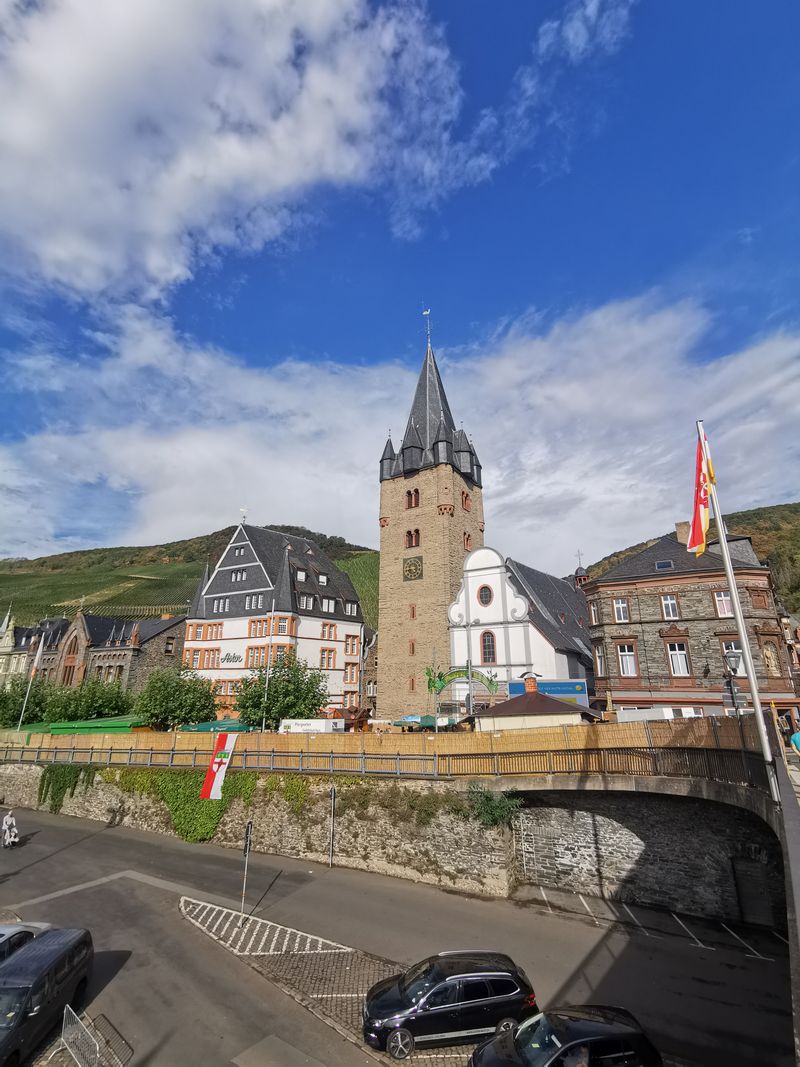
The historic market square steals the show in Bernkastel-Kues, serving as the town’s postcard-perfect centerpiece for good reason. Half-timbered houses lean and tilt around the square, each one more charming than the last.
The Spitzhäuschen, or Pointed Cottage, stands as the square’s most famous landmark. This impossibly narrow, timber-framed building looks like it might topple over, but it has stood proudly for centuries.
Visit the square early in the morning when the light hits the facades just right and the crowds haven’t arrived yet.
5. Cochem (Moselle, Rhineland-Palatinate) – castle-on-a-crag drama
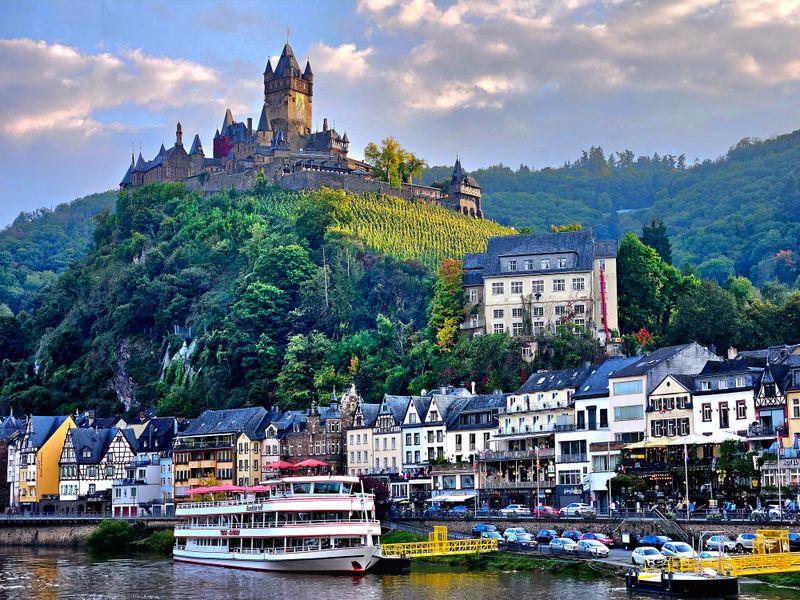
Reichsburg Cochem commands attention from its perch high above the Moselle River, dominating every view of the town below. This is the kind of castle that makes you understand why fairy tales exist.
Standing riverside and looking up delivers an instant storybook moment. The castle crowns a hill covered in vineyards, creating layers of visual drama that cameras love.
The combination of medieval architecture, river curves, and vineyard terraces makes Cochem one of the Moselle Valley’s most photographed spots for excellent reason.
6. Monschau (North Rhine-Westphalia) – cobbles, half-timber, and the Rur River
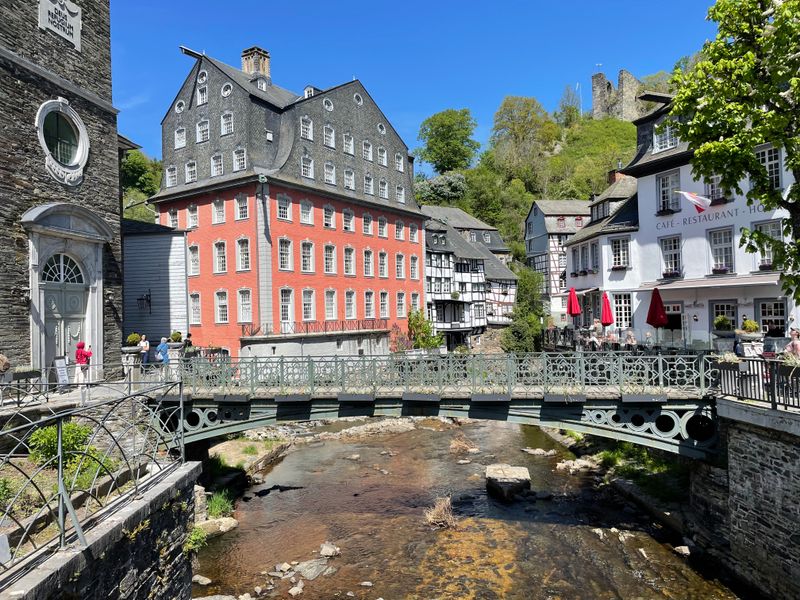
Half-timbered houses cluster along the Rur River in Monschau’s historic center, creating scenes that beg you to slow down and simply wander. The famous Red House stands as a reminder of the town’s prosperous textile-making past.
Cobblestone lanes wind through the old quarter, leading you past centuries-old buildings at every turn. There’s no single must-see attraction here because the entire experience is the attraction.
Take your time exploring the old streets without a map or plan—getting pleasantly lost is part of Monschau’s charm.
7. Freudenberg (North Rhine-Westphalia) – Alter Flecken storybook symmetry
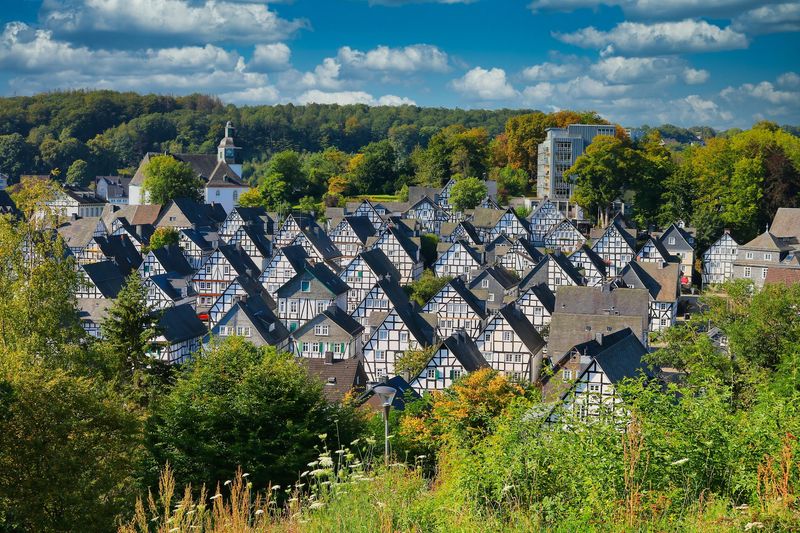
The historic core of Freudenberg literally translates to Old Spot, but there’s nothing ordinary about this timber-frame marvel. Narrow lanes wind through an almost impossibly cohesive ensemble of black-and-white half-timbered houses.
What makes Freudenberg special is the symmetry and uniformity of its historic buildings. After a devastating fire centuries ago, the town was rebuilt with remarkable consistency.
Walk through the Alter Flecken to appreciate how the timber-frame houses create a visual rhythm that feels both planned and organic at the same time.
8. Quedlinburg (Saxony-Anhalt) – UNESCO-listed timber-frame wonderland

UNESCO doesn’t hand out World Heritage status lightly, and Quedlinburg earned its recognition thanks to exceptional medieval architecture and high-quality timber-framed buildings. Over 1,300 half-timbered houses fill the old town, spanning six centuries of construction.
The castle hill rises above the town, adding dramatic vertical interest to the already stunning streetscapes below. Walking from the hilltop down through the old town lanes gives you the full Quedlinburg experience.
Every street reveals another perfectly preserved timber-frame facade worth photographing and admiring.
9. Wernigerode (Harz) – colorful half-timbered streets, mountain-edge mood
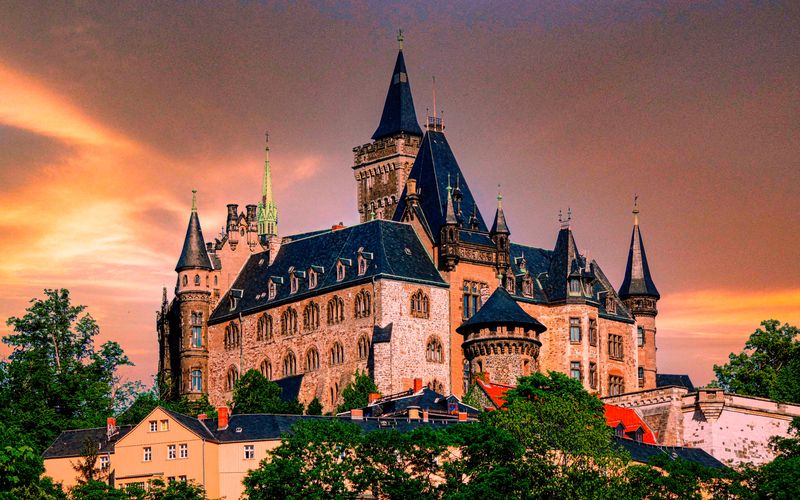
Perched on the northern edge of the Harz Mountains, Wernigerode greets visitors with meticulously restored, colorful half-timbered houses that line the historic center. The mountain backdrop adds drama that flat-land towns simply can’t match.
Official tourism sources highlight the care taken in restoring these timber-frame buildings to their former glory. The result is a town that looks almost too perfect, yet remains authentically lived-in.
Stroll through the old town core where the storybook aesthetic hits hardest, especially on sunny days when the painted facades practically glow.
10. Gengenbach (Black Forest, Baden-Württemberg) – classic half-timbered Black Forest town
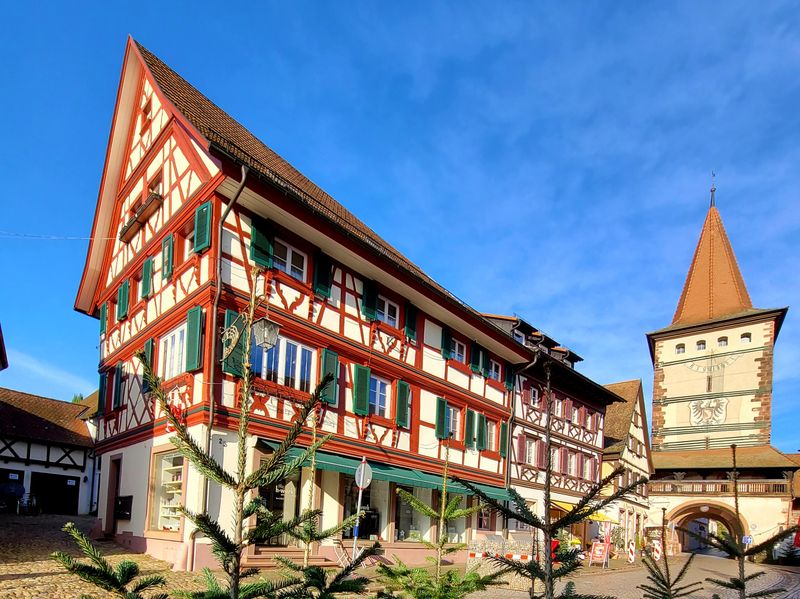
Part of the Deutsche Fachwerkstraße, or German Half-Timbered House Road, Gengenbach represents Black Forest architecture at its finest. The town center packs impressive timber-framed buildings into compact, walkable lanes and squares.
Each season brings a different mood to Gengenbach’s streets. Winter transforms the town into a living advent calendar, while summer highlights the intricate woodwork details on every facade.
The old center is small enough to explore thoroughly in an afternoon, yet photogenic enough to keep your camera busy for hours.
11. Schiltach (Black Forest, Baden-Württemberg) – a preserved Städtle straight out of a story
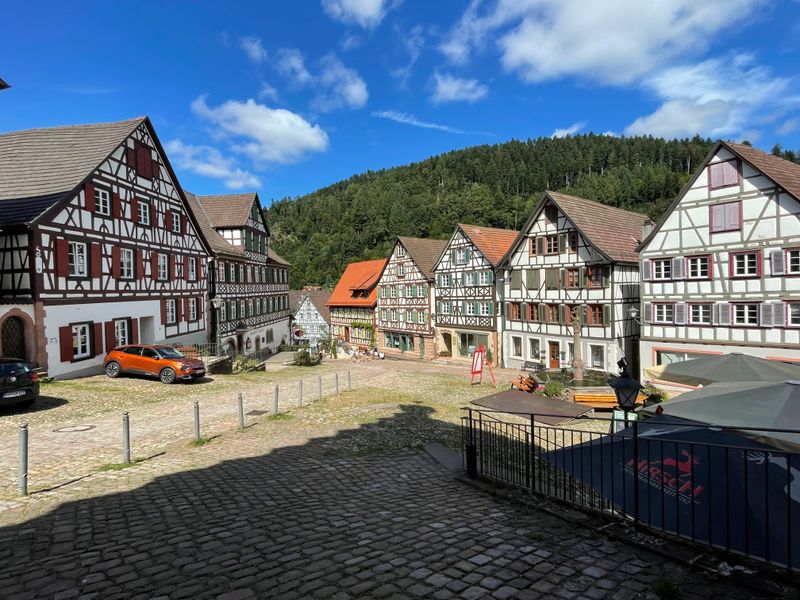
Schiltach’s medieval heart earned official preservation status, protecting its remarkable collection of timber-framed houses for future generations. Locals affectionately call it Städtle, or little town, and the nickname fits perfectly.
The market square offers classic Black Forest visuals that appear on countless postcards and travel guides. Colorful timber-frame facades surround the square, creating a scene that looks carefully staged but is simply everyday life.
Find a viewpoint overlooking the market square for one of the Black Forest’s most iconic photo opportunities.
12. Sasbachwalden (Black Forest, Baden-Württemberg) – flower-draped timber-frame village

Flowers cascade from window boxes on nearly every half-timbered house in Sasbachwalden, creating explosions of color against dark timber frames. The municipality takes serious pride in maintaining this protected timber-frame village character.
Summer brings the most spectacular displays when geraniums and other blooms reach peak performance. The main village streets become outdoor galleries of horticultural artistry combined with architectural tradition.
Take a slow walk along the flower-decorated facades, ideally in morning light when the colors pop most vividly against the timber frames.
13. Oberammergau (Bavarian Alps) – painted-house perfection (Lüftlmalerei)
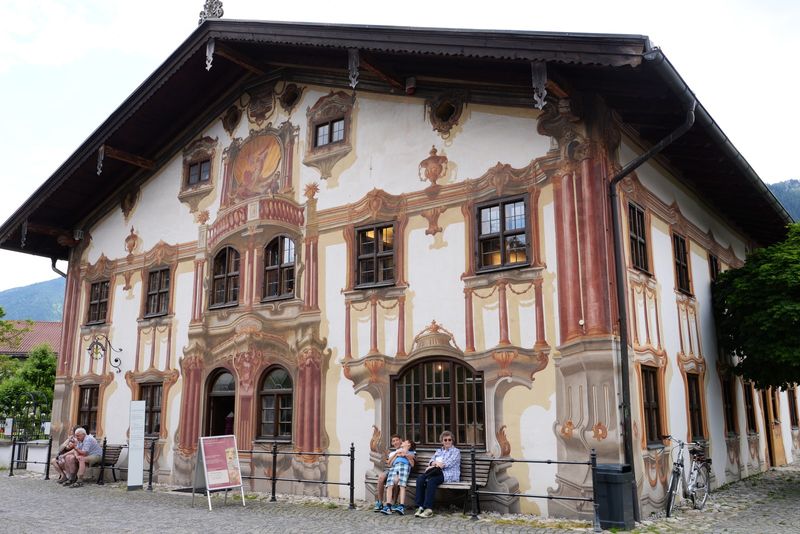
Frescoed facades cover notable houses throughout Oberammergau, a tradition called Lüftlmalerei that transforms buildings into outdoor art galleries. Biblical scenes, fairy tales, and local legends adorn walls across the village.
This Alpine town gained fame for its Passion Play, but the painted houses alone justify a visit. Every street offers another elaborately decorated facade to discover and admire.
Try a self-guided painted houses stroll, looking up constantly because you’ll miss amazing details if you only watch where you’re walking.
14. Mittenwald (Bavarian Alps) – frescoed facades in the Karwendel foothills
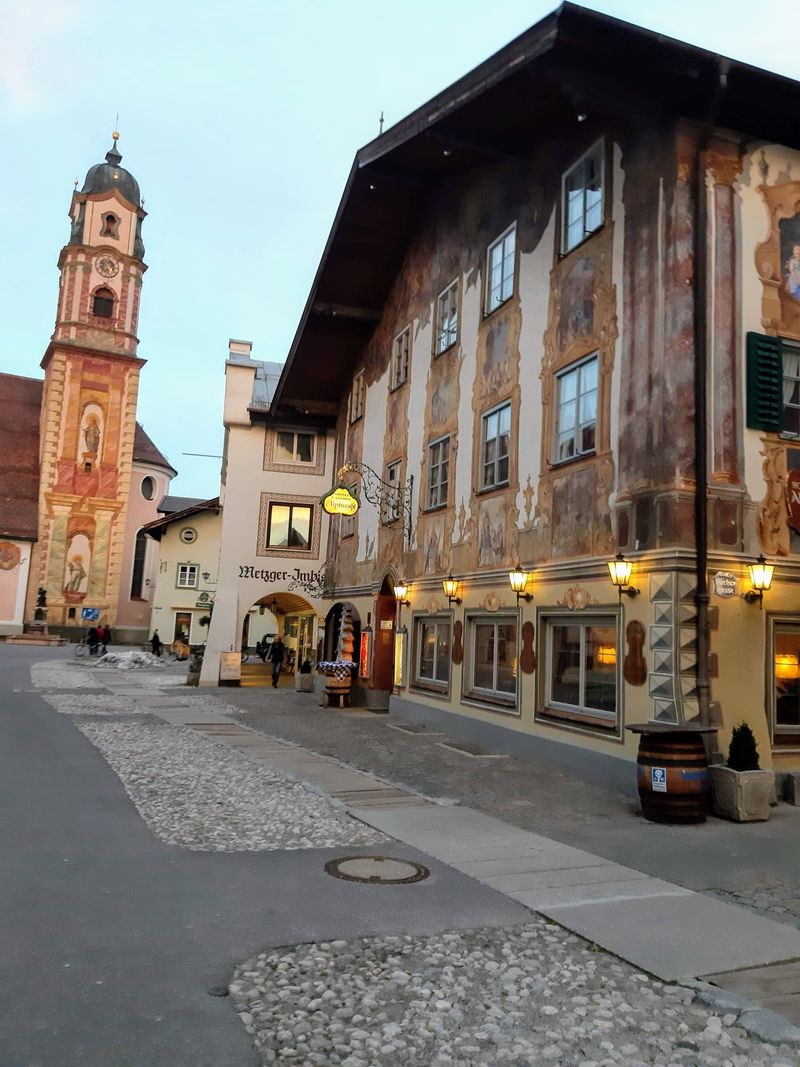
Sitting in the Karwendel mountain foothills, Mittenwald showcases Lüftlmalerei facade paintings that include surviving 18th-century examples. Many houses wear elaborate frescoes that have been carefully maintained through centuries.
The Gries district holds a particularly high concentration of older painted facades, making it a must-visit for fresco enthusiasts. Mountain views frame every painted house, doubling the visual impact.
Explore Gries slowly, giving yourself time to appreciate both the artistic details on the buildings and the dramatic Alpine backdrop behind them.
15. Meersburg (Lake Constance, Baden-Württemberg) – lake views and a legendary old castle

Burg Meersburg claims the title of Germany’s oldest inhabited castle, and it still overlooks Lake Constance from its commanding position. Steep lanes connect the waterfront to the upper town, creating dramatic elevation changes that reward climbers with stunning views.
The old town combines medieval atmosphere with lake panoramas that most inland villages can only dream about. Castle, cobblestones, and sparkling water create a triple threat of storybook appeal.
Experience the old town and castle together for maximum impact, letting the steep streets and lake vistas work their magic.
Share this story